
Sangam Literature and Ecological Awareness: Nature's Role in Ancient Tamil Poetry


Welcome to Ancient India History, where we embark on a fascinating journey through the intricate tapestry of ancient Indian civilizations. Here, we delve deep into the rich cultural heritage that shaped the subcontinent, from the marvels of the Indus Valley to the profound insights of the Gupta Empire. In our featured article, “Sangam Literature and Ecological Awareness: Nature's Role in Ancient Tamil Poetry,” we uncover how the poetic expressions of ancient Tamil poets reflect a deep-seated respect for nature and its significance within their lives.
Join us as we explore the interconnectedness of literature and ecology, and discover how these timeless works continue to resonate in today's world. Are you ready to uncover the wisdom of the ancients?
- Introduction to Sangam Literature and Ecological Awareness
- Historical Context of Sangam Literature
- Nature's Role in Sangam Poetry
- Ecological Awareness in Sangam Literature
- Comparative Analysis: Sangam Literature and Modern Ecological Thought
- Conclusion: The Legacy of Sangam Literature and Its Impact on Ecological Awareness
- Frequently Asked Questions
- Final Reflection: Sangam Literature as a Beacon of Ecological Awareness
- Embrace Nature’s Wisdom: Take Action Today!
Introduction to Sangam Literature and Ecological Awareness

The Sangam literature, a treasure trove of ancient Tamil poetry, stands as a remarkable testament to the rich cultural heritage of South India. Flourishing between 300 BCE and 300 CE, this body of work not only encapsulates the aesthetics of Tamil literature but also reveals profound insights into the ecological consciousness of the time.
In an era when environmental issues were not articulated as they are today, the poets of Sangam literature intricately wove nature into the fabric of their verses, reflecting a deep understanding and reverence for the natural world. This article delves into the significant role that ecological awareness plays within Sangam poetry, illustrating how these ancient texts resonate with contemporary environmental themes and concerns.
Overview of Sangam Literature
Sangam literature comprises a collection of poems, written by various poets in the Tamil language, that express the emotional and cultural dimensions of life in ancient Tamilakam. It is characterized by its rich imagery, diverse themes, and intricate forms, which often explore love, valor, and the beauty of nature. The term "Sangam" itself refers to an assembly of poets, and it is believed that these gatherings were held to share and critique poetry.
The major works include the Ettuthokai (Eight Anthologies) and the Pattupattu (Ten Idylls), which collectively encompass over 2,300 poems. Each poem serves not only as a literary piece but also as a reflection of the socio-political landscape, the lifestyle, and the ecological awareness of the Tamils during that period.
The Importance of Nature in Ancient Tamil Poetry
Nature is not merely a backdrop in Sangam literature; it is a central character that influences the emotions, actions, and philosophies of the poets. The vivid descriptions of landscapes, flora, and fauna illustrate a profound relationship between humanity and the environment.
- Natural Imagery: Poets often employed natural elements such as rivers, mountains, and forests to symbolize emotions and social situations. For instance, the Kaveri River is frequently depicted as a nurturing mother, reflecting the deep connection between the people and their environment.
- Ecological Consciousness: The verses demonstrate an innate awareness of ecological balance, portraying the interdependence of humans and nature. The poets recognized the significance of sustainable practices, as seen in their reverence for seasonal changes and agricultural cycles.
- Cultural Significance: The representation of nature in Sangam poetry also serves to highlight the cultural values of the Tamil people, emphasizing respect for the environment and the spiritual connection to the land.
Purpose of the Article: Exploring Ecological Themes
This article aims to explore the themes of ecological awareness embedded within Sangam literature, illustrating how ancient Tamil poets articulated their understanding of the environment. By examining specific poems and their references to nature, we will uncover the sustainable practices and philosophical insights that can be gleaned from these texts.
Through this exploration, we hope to demonstrate that the ecological consciousness present in Sangam literature is not only relevant today but also offers valuable lessons for contemporary environmental challenges. By reconnecting with these ancient perspectives, we can foster a deeper appreciation for the interlinked relationship between humanity and nature—one that is essential for the sustainability of our planet.
Historical Context of Sangam Literature

Timeframe and Geographical Background
Sangam literature, a remarkable body of ancient Tamil poetry, flourished between approximately 300 BCE and 300 CE. This era is crucial in understanding the socio-political and cultural landscape of ancient South India. The term "Sangam" refers to an assembly of Tamil poets and scholars who contributed to this literary movement, primarily based in the Tamil-speaking regions, which include present-day Tamil Nadu and parts of Kerala, Karnataka, and Andhra Pradesh.
The geographical backdrop is significant as it encompasses a rich tapestry of landscapes, from the coastal regions along the Bay of Bengal to the hill ranges of the Western Ghats. This diversity in geography is mirrored in the poetry itself, which reflects the intricate relationship between the people and their environment. The thriving trade routes connecting South India to the broader Indian subcontinent and beyond facilitated cultural exchange, further enriching the ecological themes within Sangam literature.
Major Themes and Poetic Styles in Sangam Literature
Sangam literature is renowned for its profound exploration of various themes, with ecological awareness standing out prominently. Poets of this era articulated a deep connection between humanity and nature, often depicting the natural world as a living entity that influences human emotions and societal dynamics.
Key Themes
- Nature and Landscape:
- The poetry vividly describes various landscapes, such as coastal, forest, and pastoral settings, emphasizing their beauty and significance. For instance, the imagery of paddy fields, rivers, and mountains highlights the agrarian lifestyle and its dependence on seasonal changes.
- Human Emotions and Environment:
- The profound emotional experiences of love, loss, and longing are often intertwined with the natural elements. Poets skillfully illustrate how the changing seasons resonate with human feelings, establishing a symbiotic relationship between individuals and their surroundings.
- Ecological Sustainability:
- Many poems advocate for a harmonious existence with nature, underscoring the importance of preserving ecological balance. The emphasis on sustainable practices reflects an early awareness of ecological conservation that resonates with modern environmental philosophies.
Poetic Styles
Sangam poetry employs various styles and forms, which enhance its thematic richness:
- Aham and Puram: These two main genres explore themes of love (Aham) and valor or social life (Puram). Aham poetry often delves into personal emotions against the backdrop of nature, while Puram poetry reflects on societal values, often incorporating ecological observations.
- Imagery and Metaphor: The use of vivid imagery and metaphor is prominent, allowing poets to draw parallels between natural phenomena and human experiences. This technique invites readers to engage with the text on a deeper level, fostering a connection with the themes of Sangam literature ecological awareness.
- Alliteration and Rhythm: The rhythmic quality of the verses, enhanced by alliteration, creates a musicality that complements the lyrical content. This aspect not only enriches the reading experience but also emphasizes the beauty of nature that is central to the poetry.
Sangam literature serves as a vital historical testament to the ecological consciousness of ancient Tamil society. Its intricate interplay between nature and human life continues to inspire contemporary discussions on environmental issues and sustainability. The legacy of this literary tradition illustrates how ancient cultures were deeply attuned to their environments, highlighting the need for ecological awareness that remains relevant today.
Nature's Role in Sangam Poetry

The Sangam literature, an illustrious body of ancient Tamil poetry, vividly encapsulates the intricate relationship between nature and human life. This literary tradition, spanning from around 300 BCE to 300 CE, reflects a profound ecological awareness, showcasing how the natural world influenced the lives, emotions, and philosophies of the Tamil people. Through a rich tapestry of poetic expressions, Sangam poets articulated their understanding of nature, positioning it as an integral component of the human experience.
Depiction of Flora and Fauna in Sangam Literature
Sangam poetry is renowned for its detailed and evocative descriptions of flora and fauna, which serve not only as imagery but also as metaphors and symbols within the verses. The poets often employed a variety of plants, trees, and animals to convey emotions and themes, creating a vivid landscape that resonates with readers.
- Flora: Commonly featured plants include the lotus, which symbolizes purity and beauty, and the mango tree, often associated with love and fertility. The poets skillfully intertwined these elements into the narratives of love, war, and everyday life.
- Fauna: Animals also play a crucial role in conveying deeper meanings. For instance, the elephant is often depicted as a symbol of strength and majesty, while birds like the parrot are associated with love and communication.
This detailed portrayal of nature not only enhances the aesthetic appeal of the poems but also underscores the ecological awareness of the poets, reflecting their close observation of the environment.
Symbolism of Natural Elements in Tamil Poetry
Natural elements in Sangam literature often carry profound symbolic significance. Each element is meticulously chosen to reflect emotions, societal norms, and philosophical ideas.
- Rivers and Water: Water bodies are frequently depicted as sources of life and sustenance. Rivers symbolize the flow of time and the cyclical nature of life. For example, the Kaveri River is celebrated for its nurturing qualities, drawing parallels with maternal love and care.
- Mountains and Landscapes: The portrayal of mountains often symbolizes strength and permanence, while valleys and plains represent fertility and abundance. Poets use these landscapes to highlight the duality of human existence—struggles and triumphs.
- Seasonal Changes: The changing seasons are intricately linked to emotions in Sangam poetry. For instance, the monsoon season is often associated with rejuvenation and romance, while summer may evoke feelings of longing and separation.
The symbolic use of these natural elements demonstrates the poets' ecological consciousness, portraying nature as a living entity with which humans are inextricably connected.
Connections Between Nature and Human Experience
The interplay between nature and human emotions is a central theme in Sangam literature. Poets skillfully weave the external environment into the fabric of human experiences, illustrating how nature shapes feelings, relationships, and societal dynamics.
- Emotional Resonance: The changing seasons often reflect the emotional states of characters. For example, the vibrancy of spring may symbolize new love, while the barrenness of winter can signify loss and despair. This connection emphasizes the idea that human emotions are deeply intertwined with the natural world.
- Cultural Practices: Sangam poetry also highlights various cultural practices related to nature, such as agriculture, which is central to Tamil society. The reverence for natural cycles is evident in the rituals and festivals that celebrate harvests and seasonal changes.
- Ecological Awareness: The poets’ reflections on nature reveal a deep ecological awareness that resonates with contemporary environmental concerns. Their understanding of the interdependence between humans and the environment serves as a poignant reminder of the importance of sustainable living.
In essence, the Sangam literature's exploration of nature not only enriches the poetic landscape but also offers a profound commentary on the interconnectedness of life and the environment, showcasing a timeless ecological awareness that remains relevant today.
Ecological Awareness in Sangam Literature

Sangam literature, a treasure trove of ancient Tamil poetry, provides profound insights into the ecological awareness of its time. Composed between 300 BCE and 300 CE, these texts not only reflect the socio-political milieu of ancient Tamil Nadu but also illuminate the intricate relationship between humans and nature. The poets of this era exhibit a keen understanding of the natural environment, often portraying it as a vital force intertwined with human existence. This ecological consciousness is evident in their themes, language, and the vivid imagery they employ, revealing a sophisticated awareness of sustainability and the importance of preserving nature.
Understanding Ecological Consciousness in Ancient Tamil Texts
The ecological awareness in Sangam literature can be attributed to several factors:
- Cultural Significance of Nature: Nature was revered in ancient Tamil culture. Poets often personified natural elements, attributing them with emotions and characteristics that resonated with human experiences. This approach fostered a sense of respect and reverence towards the environment.
- Sustainability Themes: Many poems advocate for a harmonious relationship between humans and their surroundings. The poets highlight the importance of sustainable practices, warning against the exploitation of natural resources. This foresight underscores a profound understanding of ecological balance.
- Diverse Landscapes: The Sangam poets categorized Tamil Nadu into five distinct landscape types, known as "tinai," each representing different ecological zones (e.g., mountains, forests, and coastal areas). Each landscape is associated with specific flora, fauna, and cultural practices, demonstrating an acute awareness of the environment's diversity and its influence on human life.
Examples of Ecological Awareness in Sangam Poetry
Several notable examples from Sangam literature showcase ecological awareness:
- "Akananuru": This collection of poems emphasizes the beauty of nature and its emotional impact on human life. In one poem, the poet describes the monsoon rains as a rejuvenating force, symbolizing the cyclical relationship between nature and agriculture. The lines convey a deep appreciation for the rains, which sustain life.
- "Purananuru": This anthology reflects on the consequences of warfare and its detrimental effects on nature. Poets lament the destruction of forests and wildlife due to human conflicts, advocating for peace and coexistence. One poem poignantly captures the silence of a once-thriving forest, now devastated by war.
- "Kuruntokai": In this collection, nature often serves as a backdrop for love and longing. Poets frequently draw parallels between human emotions and natural phenomena, suggesting that understanding nature can lead to a deeper understanding of oneself. For instance, the blooming of flowers is likened to the blossoming of love, highlighting the interconnectedness of all life forms.
The Interdependence of Humans and Nature in Tamil Works
The concept of interdependence between humans and nature is a recurring theme in Sangam literature. This relationship is depicted through various literary devices and motifs:
- Symbolism: Natural elements such as rivers, mountains, and animals symbolize various human emotions and societal issues. For instance, the river often symbolizes the flow of life and sustenance, while mountains represent stability and refuge.
- Imagery: Vivid imagery is employed to evoke the beauty and fragility of the environment. The poets paint scenes of lush landscapes, vibrant flora, and diverse fauna, reminding readers of nature's splendor and the need for its preservation.
- Philosophical Reflections: Many poems reflect on the transient nature of life, urging humans to live in harmony with the environment. The wisdom embedded in these texts encourages a philosophy of coexistence, emphasizing that human well-being is intricately linked to the health of the natural world.
The ecological awareness expressed in Sangam literature not only offers a glimpse into the values and beliefs of ancient Tamil society but also serves as a poignant reminder of the timeless relationship between humanity and nature. The insights gleaned from these texts remain relevant today, urging contemporary society to reflect on its environmental responsibilities and foster a sustainable future.
Comparative Analysis: Sangam Literature and Modern Ecological Thought

Similarities with Contemporary Ecological Perspectives
Sangam literature, a collection of Tamil poetry composed between 300 BCE and 300 CE, offers profound insights into the relationship between humans and nature. This ancient body of work reveals a deep ecological awareness that resonates with contemporary environmental perspectives.
- Interconnectedness of Life:
- Sangam poets emphasized the interconnectedness of all living beings. They articulated how human actions impact nature and vice versa, a concept echoed in modern ecological thought. For example, the poem Akananuru reflects on how the well-being of the environment is essential for human prosperity.
- Seasonal Cycles and Biodiversity:
- Many Sangam verses celebrate the changing seasons and their effects on flora and fauna. This aligns with the modern understanding of biodiversity and the significance of seasonal cycles in maintaining ecological balance. The meticulous descriptions of landscapes, such as the lushness of the kurinji (mountainous) region, highlight an acute awareness of geographic and climatic variations.
- Respect for Nature:
- The literature embodies a respect for nature, portraying it not merely as a resource but as a living entity deserving reverence. This sentiment parallels contemporary environmental ethics, which advocate for the intrinsic value of nature beyond its utilitarian benefits.
Lessons from Sangam Literature for Modern Environmentalism
Sangam literature provides valuable lessons that can inform and inspire modern environmental movements.
- Sustainable Practices:
- The texts often depict sustainable agricultural practices that respect the land. For instance, the careful observation of soil and rainfall patterns in poems like Purananuru underscores the importance of sustainable farming techniques that modern agriculture can still learn from.
- Community Involvement:
- The communal approach to environmental stewardship highlighted in Sangam poetry serves as a model for contemporary activism. The collective responsibility of communities to protect their natural surroundings is a recurring theme, reinforcing the idea that environmental action is most effective when it is collaborative.
- Cultural Integration:
- Sangam literature integrates cultural identity with ecological awareness, suggesting that understanding one's culture can enhance ecological consciousness. Modern environmentalism can benefit from this integration, promoting cultural narratives that emphasize the importance of protecting the natural world.
The Relevance of Ancient Ecological Awareness Today
The ecological insights found in Sangam literature remain remarkably relevant in today's world, where environmental challenges are pressing.
- Rising Environmental Concerns:
- As climate change, biodiversity loss, and pollution escalate, the holistic view of nature presented in Sangam poetry can guide contemporary responses. The emphasis on balance and respect for natural cycles resonates with current ecological initiatives aimed at promoting sustainability.
- Crisis of Disconnection:
- In an age marked by urbanization and technological advancement, many people experience a disconnect from nature. Sangam literature’s vivid portrayals of nature can help bridge this gap, fostering a sense of connection and responsibility towards the environment among modern readers.
- Inspirational Framework:
- The themes of harmony and coexistence in Sangam poetry can inspire new frameworks for environmental policy and education. By drawing on ancient wisdom, contemporary society can cultivate a more integrated approach to environmental issues that honors both cultural heritage and ecological integrity.
The ecological awareness embedded within Sangam literature offers timeless wisdom that continues to inspire and inform modern environmental thought and action. Its principles can enhance our understanding of sustainability, community responsibility, and the intrinsic value of nature in the face of contemporary ecological challenges.
Conclusion: The Legacy of Sangam Literature and Its Impact on Ecological Awareness
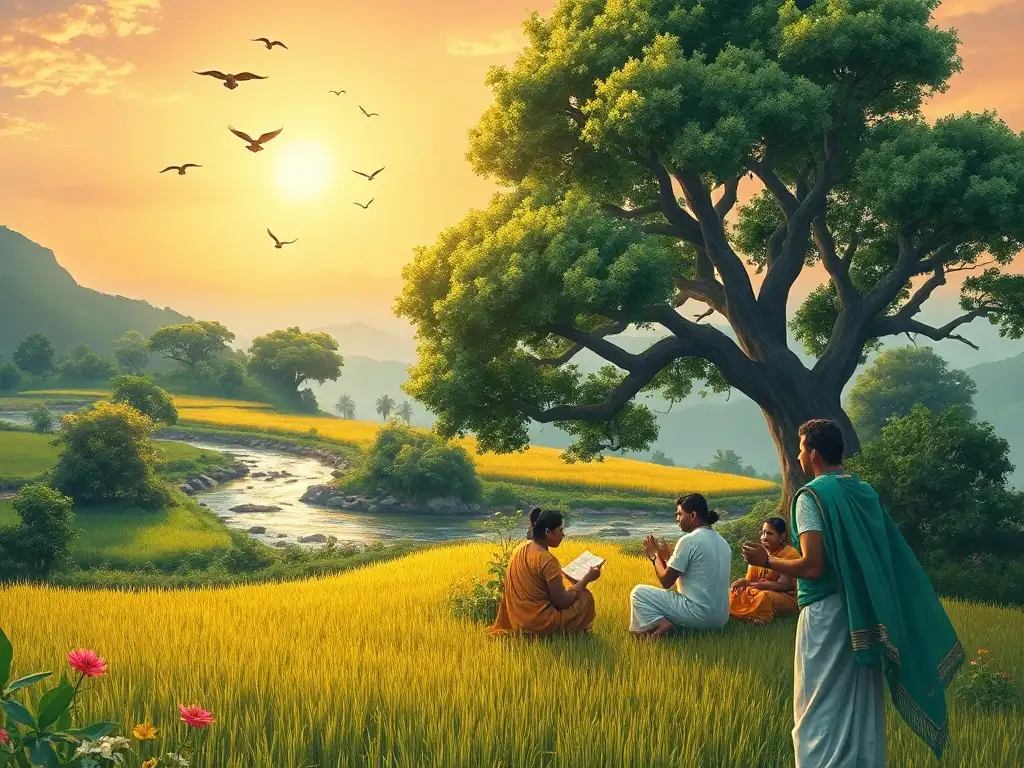
Summary of Key Points
Sangam literature, a remarkable body of ancient Tamil poetry, serves as a profound reflection of the ecological awareness present in the early Tamil society. Key points include:
- Celebration of Nature: The poetry of Sangam literature often highlights the beauty and significance of the natural world, portraying landscapes, flora, and fauna with vivid imagery and emotion.
- Interconnection with Human Life: The texts illustrate a deep understanding of the relationship between humans and their environment, emphasizing sustainability and respect for nature. This connection is evident in the poems that depict agricultural practices and seasonal changes.
- Ecological Themes: Many poems address ecological themes such as water conservation, the impact of climate on agriculture, and the importance of biodiversity, showcasing the ancient Tamils' awareness of their ecological footprint.
- Cultural Identity: The representations of nature serve as a cornerstone of Tamil cultural identity, linking individual experiences to the broader environmental context.
The Continuing Relevance of Nature in Literature
The themes of nature and ecological awareness found in Sangam literature continue to resonate in contemporary literary discourse. Modern writers and poets draw inspiration from these ancient texts, reflecting on current environmental challenges through the lens of historical understanding.
- Environmental Literature: The resurgence of interest in ecological literature is evident, as contemporary authors often invoke the rich imagery and themes of Sangam poetry to advocate for environmental stewardship.
- Cultural Heritage: The appreciation of nature in Sangam literature is a testament to the enduring cultural heritage of Tamil Nadu. This legacy influences modern ecological movements, promoting a dialogue between ancient wisdom and contemporary environmental issues.
- Educational Framework: The study of Sangam literature in educational curricula emphasizes the importance of nature, encouraging students to explore their surroundings and understand the significance of ecological preservation.
Final Thoughts on Sangam Literature and Ecological Awareness
Sangam literature stands as a testament to the rich cultural and ecological consciousness of ancient Tamil society. Its exploration of nature not only reflects the realities of life during that era but also offers valuable insights for present and future generations.
As we face increasing environmental challenges, the ecological awareness embedded within Sangam poetry serves as a reminder of the importance of harmony with nature. By revisiting these ancient texts, we can draw lessons that inspire sustainable practices and foster a deeper appreciation for the natural world. In essence, the legacy of Sangam literature continues to illuminate the path toward a more environmentally conscious society, bridging the past with the future.
Frequently Asked Questions
What is Sangam literature?
Sangam literature refers to a collection of ancient Tamil poems composed during the Sangam period (approximately 300 BCE to 300 CE), showcasing themes of love, valor, and nature.
How does Sangam literature reflect ecological awareness?
Sangam literature prominently features nature's role in human life, emphasizing the interconnectedness of humans and the environment, and often depicts natural elements as vital to the cultural identity of the Tamil people.
What are some key themes in Sangam poetry?
Key themes in Sangam poetry include love, war, and ecological awareness, where nature serves as a backdrop for human emotions and societal values, highlighting the importance of preserving the environment.
How did ancient Tamil poets convey their ecological concerns?
Ancient Tamil poets used metaphors and imagery related to nature, illustrating the impact of human actions on the environment, and promoting a sense of responsibility towards natural resources and wildlife.
Why is Sangam literature significant today?
Sangam literature is significant today as it provides insights into ancient ecological practices and promotes awareness of environmental issues, encouraging contemporary society to appreciate and learn from historical perspectives on nature.
Final Reflection: Sangam Literature as a Beacon of Ecological Awareness
The exploration of Sangam literature and its profound ecological awareness reveals a timeless connection between humanity and nature that resonates powerfully in today's world. As we face unprecedented environmental challenges, the wisdom embedded in ancient Tamil poetry serves as a reminder of our responsibility to nurture and protect the natural world. The verses of Sangam poets not only celebrate the beauty of nature but also underscore the intricate relationships that bind us to our environment, urging us to reflect on our actions and their consequences.
The influence of Sangam literature extends beyond its historical context, shaping contemporary cultural and social landscapes. This ancient body of work continues to inspire modern environmental discourse, reminding us that ecological consciousness is not a new phenomenon but a deeply rooted aspect of human existence. As we navigate the complexities of climate change and ecological degradation, the insights from these poets encourage us to embrace a holistic view of our surroundings. Nature is not a place to visit. It is home.
This quote encapsulates the essence of Sangam literature, urging us to recognize that our well-being is intrinsically linked to the health of our planet.
As we conclude this exploration, I invite you to reflect on your own relationship with nature and consider how the lessons from Sangam literature can inform your actions today. Whether through small daily choices or larger commitments to sustainability, each of us has the power to contribute to a healthier environment. Let the wisdom of these ancient poets inspire you to cultivate a deeper awareness of the natural world and to advocate for its preservation, ensuring that future generations can also experience the beauty and bounty that nature has to offer.
Embrace Nature’s Wisdom: Take Action Today!
Thank you for diving into the rich world of Sangam literature and its profound understanding of nature. You've explored how ancient Tamil poetry beautifully intertwines with ecological awareness, shedding light on timely lessons we can apply today. Now, let's transform that inspiration into action!
Here are a few ways you can engage with this theme:
- Share Your Insights: Write a blog post or social media update reflecting on how nature influences your life. Use the hashtag #SangamNature to connect with like-minded individuals!
- Explore Local Nature: Plan a visit to a nearby park or nature reserve. Document your experiences and how they relate to the teachings of Sangam poetry.
- Join a Community Cleanup: Participate in or organize a local event to promote ecological awareness. Let the wisdom of ancient poets guide your efforts to protect our environment.
How will you allow the echoes of Sangam literature to inspire your relationship with nature today?