
Sangam Literature and Its Influence on Indian Aesthetics: A Journey Through Art and Poetry

Welcome to Ancient India History, where we embark on a fascinating journey through the rich tapestry of ancient Indian civilizations. Here, you will discover the profound influence of Sangam literature on art, a topic that intertwines poetry and aesthetics in ways that still resonate today. As we delve into this intricate relationship, be prepared to explore how the poetic expressions of the Sangam era have shaped the visual arts and cultural narratives across centuries. Join us in uncovering the beauty and depth of this remarkable literary heritage—your adventure into the world of literature beyond epics begins now!
- Introduction to Sangam Literature and Its Influence on Indian Aesthetics
- Historical Context of Sangam Literature
- Themes and Motifs in Sangam Poetry
- The Influence of Sangam Literature on Indian Aesthetics
- Case Studies of Sangam Literature's Influence on Art
- Comparisons: Sangam Literature and Other Literary Traditions
- Conclusion: The Enduring Legacy of Sangam Literature in Indian Aesthetics
- Frequently Asked Questions
- Final Reflection: The Enduring Legacy of Sangam Literature on Indian Aesthetics
- Embark on Your Journey Through Sangam Literature!
Introduction to Sangam Literature and Its Influence on Indian Aesthetics
Sangam literature represents a pivotal chapter in the rich tapestry of ancient Indian literature, particularly in the southern regions of the subcontinent. Composed between approximately 300 BCE and 300 CE, this body of work encompasses a diverse range of poetry that reflects the social, cultural, and emotional landscape of its time. The Sangam poets, primarily from the Tamil-speaking regions, captured the essence of human experience through their verses, which delicately intertwine themes of love, valor, and nature.
The influence of Sangam literature extends far beyond poetic expression; it has profoundly shaped Indian aesthetics, inspiring various art forms, including sculpture, dance, and music. This article delves into the intricate relationship between Sangam literature and its influence on art, exploring how the vivid imagery and themes of these ancient poems continue to resonate within the creative expressions of contemporary India.
Overview of Sangam Literature
Sangam literature is characterized by its rich poetic tradition and the cultural ethos of the Tamil people. It comprises three major anthologies— Ettuthogai, Pattupattu, and Kural—which collectively showcase the talents of numerous poets and bards. The poetry is categorized into two main types: Aham, focusing on personal emotions and love, and Puram, which deals with public themes such as valor and ethics.
Key features of Sangam literature include:
- Imagery: Vivid descriptions of nature, landscapes, and emotions that evoke a strong sense of place and feeling.
- Themes: Exploration of love, heroism, ethics, and the human condition, often intertwined with philosophical reflections.
- Structure: Use of various poetic forms and meters, showcasing the linguistic richness of Tamil.
Sangam literature not only provides insight into the lives and values of ancient Tamil society but also serves as a foundational text that has influenced generations of poets and artists. Its enduring legacy can be seen in the works of later Tamil literature and the broader Indian literary canon.
Significance of Art and Poetry in Ancient India
Art and poetry have always played a crucial role in the cultural and spiritual life of ancient India. They served as mediums for expressing complex ideas, emotions, and beliefs, often intertwined with religious and philosophical thought. The significance of art and poetry in ancient India can be understood through several key aspects:
- Cultural Reflection: Both art and poetry were vehicles for reflecting the societal norms, values, and aspirations of the time. They provided a lens through which the intricacies of daily life and the spiritual dimensions of existence were explored.
- Religious Expression: Many artistic forms, including sculpture and temple architecture, were deeply rooted in religious practices and beliefs. Poetry, too, often invoked divine themes, celebrating the relationship between the human and the divine.
- Aesthetic Experience: The pursuit of beauty and emotional resonance is a fundamental aspect of Indian aesthetics. Sangam poetry, with its lyrical quality and rich imagery, contributes to this aesthetic experience, influencing various artistic expressions.
- Communication of Ideas: Through both art and poetry, complex philosophical and ethical ideas were communicated, shaping the intellectual landscape of ancient India.
The interplay between Sangam literature and art forms not only enriches the understanding of ancient Indian civilization but also highlights the timeless relevance of these cultural expressions in conveying shared human experiences.
Historical Context of Sangam Literature
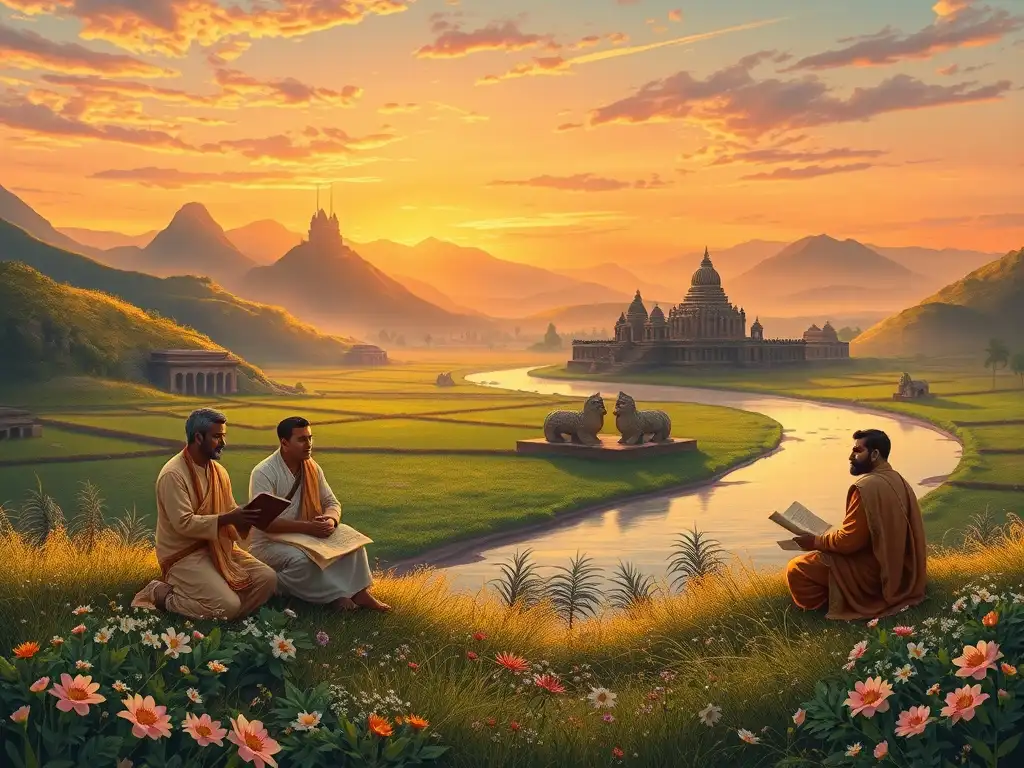
Sangam literature, a treasure trove of poetic expression, flourished in ancient Tamil Nadu between approximately 300 BCE and 300 CE. This literary tradition emerged during the Sangam period, characterized by a collection of poems composed by various poets and scholars. The term "Sangam" itself refers to an assembly of Tamil poets who gathered to share their works, fostering artistic collaboration and cultural dialogue.
The socio-political landscape of this era was marked by the rise of several dynasties, including the Cholas, Pandyas, and Cheras, which played a pivotal role in patronizing the arts. The influence of the Tamil language, rich in its own right, served as a canvas for expressing various themes—love, valor, ethics, and the beauty of nature—through lyrical poetry. Sangam literature reflects the daily lives, struggles, and philosophies of the people in this vibrant time, making it a significant historical artifact.
The Era of Sangam Literature
The era of Sangam literature is categorized into three distinct periods, each showcasing unique stylistic and thematic elements:
- Early Sangam (300 BCE - 100 BCE):
- Characterized by the Ettuthokai (Eight Anthologies), which includes collections like Akananuru and Purananuru.
- Focused on themes of love (Akam) and valor (Puram), reflecting the duality of human experience.
- Poets such as Kapilar and Kannanar emerged during this time, laying the groundwork for Tamil poetic traditions.
- Middle Sangam (100 BCE - 200 CE):
- Marked by the emergence of Tolkappiyam, a foundational text on Tamil grammar and poetics.
- The works of poets became more sophisticated, incorporating philosophical reflections alongside personal experiences.
- Prominent figures include Avvaiyar and Maduraikanchi, who contributed significantly to the thematic depth of the literature.
- Later Sangam (200 CE - 300 CE):
- This period saw the rise of more elaborate poetic forms and narratives that began to influence later Tamil literature.
- The texts from this period, including Silappatikaram and Manimekalai, exhibit a blend of mythology and moral lessons.
- Notable poets such as Ilango Adigal shaped the narrative style, paving the way for future literary developments.
The Sangam period was not only a time of artistic flourishing but also of cultural integration, where influences from trade and interactions with other cultures enriched the Tamil literary landscape.
Key Poets and Their Contributions
The richness of Sangam literature is attributed to a diverse array of poets, each bringing their unique voice and perspective. Here are some of the key figures and their lasting contributions:
- Kapilar:
- Known for his Akam poetry, Kapilar's verses often explored the nuances of love and the complexities of human emotions. His work emphasizes the connection between nature and personal experience, making it relatable across generations.
- Avvaiyar:
- A legendary figure in Tamil literature, Avvaiyar is celebrated for her wisdom and moral teachings. Her poems, such as those in Akananuru, provide ethical insights and reflections on society, leaving a profound impact on Tamil culture.
- Ilango Adigal:
- Best known for the epic Silappatikaram, Ilango Adigal weaved intricate narratives that blended mythology with real-life scenarios, offering moral lessons through storytelling. His ability to craft compelling characters and plots has influenced countless writers in Tamil literature.
- Maduraikanchi:
- This poet is recognized for his contributions to the Puram genre, emphasizing valor and heroism in his verses. Maduraikanchi's works often celebrated the exploits of warriors and the significance of honor in society.
The combined efforts of these poets and many others established a literary legacy that not only defined the aesthetic principles of their time but also significantly influenced the realms of art and poetry in subsequent eras. Their contributions resonate in modern Tamil literature, demonstrating the enduring power of Sangam poetry in shaping Indian aesthetics.
Through this exploration of the historical context and key figures of Sangam literature, one can appreciate its profound influence on the aesthetic landscape of India, particularly in how it has shaped artistic expression across various forms.
Themes and Motifs in Sangam Poetry
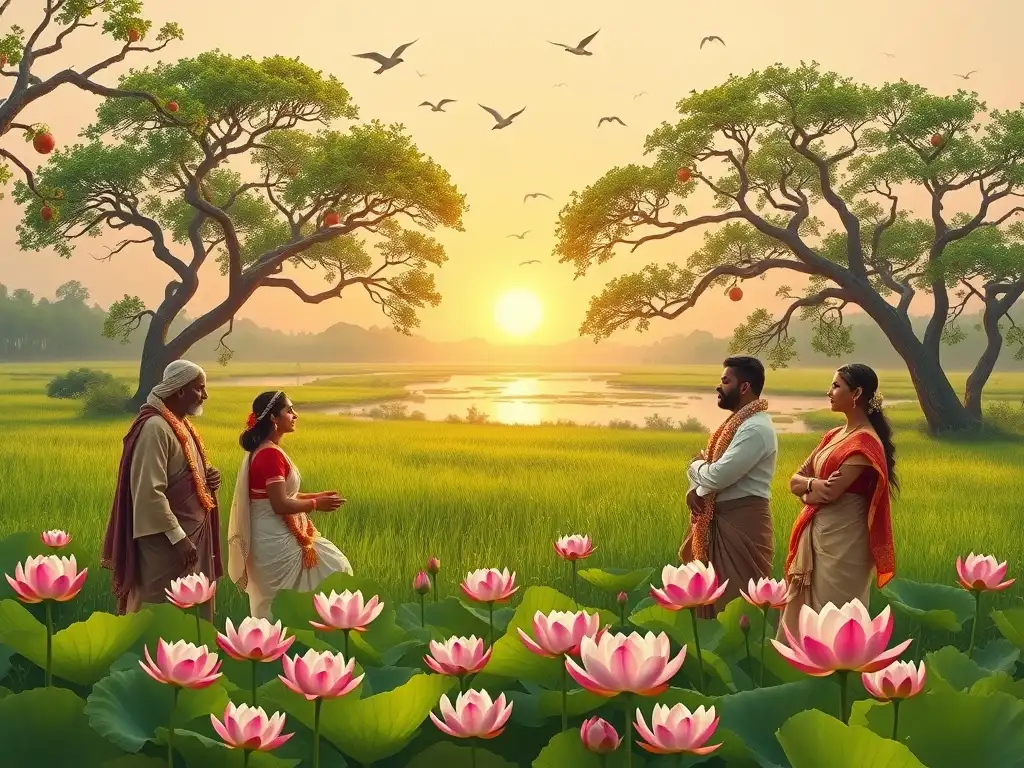
Sangam literature, a treasure trove of ancient Tamil poetry, is rich in themes and motifs that reflect the cultural and social fabric of early Tamil society. The poems, composed between 300 BCE and 300 CE, encapsulate a wide range of human experiences and emotions, providing insight into the values, beliefs, and aesthetics of the time. Understanding these themes is crucial to appreciating the profound influence of Sangam literature on art, culture, and the overall aesthetic landscape of India.
Nature and Its Representation in Sangam Literature
Nature holds a prominent place in Sangam poetry, often depicted as a living entity intertwined with human emotions and experiences. The poets of this era celebrated the beauty of the natural world, using vivid imagery and metaphors to create a connection between the environment and human feelings. Various landscapes, such as mountains, valleys, rivers, and forests, serve as backdrops for the emotional narratives within the poems.
- Five Landscapes (Tinai):
- The Sangam poets categorized nature into five distinct landscapes, each associated with specific emotions and types of poetry:
- Mullai (Forest) - Represents love and longing.
- Marudham (Agricultural Land) - Symbolizes prosperity and community life.
- Neithal (Coastal) - Evokes themes of separation and longing.
- Palai (Desert) - Reflects desolation and loss.
- Kurinji (Mountain) - Embodies romantic love and beauty.
- The Sangam poets categorized nature into five distinct landscapes, each associated with specific emotions and types of poetry:
The use of these landscapes not only reflects the physical environment of ancient Tamil Nadu but also serves as a metaphor for the emotional states of the characters within the poetry. For instance, the imagery of the Mullai landscape often evokes feelings of intimate love, while the Palai landscape illustrates the despair of separation.
- Nature as a Character:
- Nature is often personified in Sangam poems, acting as a witness or participant in human affairs. The changing seasons, the blooming of flowers, or the flow of rivers are imbued with emotional significance, reinforcing the idea that humanity is an integral part of the natural world. This relationship emphasizes the interconnectedness of life, a motif that resonates deeply in Indian aesthetics.
Love, War, and Heroism in Sangam Poetry
The themes of love, war, and heroism are intricately woven into the fabric of Sangam literature, reflecting the values and conflicts of the time. These themes not only illustrate personal experiences but also serve as a commentary on societal norms and the human condition.
- The Complexity of Love:
- Love in Sangam poetry is multifaceted, encompassing various dimensions such as romantic love, familial affection, and unrequited desire. The emotional depth of love is explored through various poetic forms, including Akam (interior) and Puram (exterior) poetry:
- Akam poetry focuses on the emotions and experiences of lovers, often set against the backdrop of nature.
- Puram poetry deals with the themes of valor, heroism, and the external events surrounding warfare and societal duties.
- Love in Sangam poetry is multifaceted, encompassing various dimensions such as romantic love, familial affection, and unrequited desire. The emotional depth of love is explored through various poetic forms, including Akam (interior) and Puram (exterior) poetry:
- Valor and Heroism:
- The depiction of warriors and their heroic deeds is a significant aspect of Sangam literature. The poets extol the virtues of bravery, loyalty, and honor, celebrating the valor of kings and soldiers alike. Epic battles and their consequences are vividly described, highlighting the moral complexities involved:
- Heroic Elegies: These poems often mourn fallen warriors, blending themes of love and loss, and illustrating the profound impact of war on human lives.
- The depiction of warriors and their heroic deeds is a significant aspect of Sangam literature. The poets extol the virtues of bravery, loyalty, and honor, celebrating the valor of kings and soldiers alike. Epic battles and their consequences are vividly described, highlighting the moral complexities involved:
This duality of love and war creates a rich tapestry of human experience, providing insights into the values that shaped ancient Tamil society.
Spirituality and Philosophy in Sangam Works
Sangam literature is not solely focused on earthly matters; it also delves into spiritual and philosophical themes that reflect the broader Indian worldview. The poets engage with concepts of existence, morality, and the divine, drawing from a deep well of cultural and spiritual knowledge.
- Philosophical Reflections:
- The poets often reflect on the nature of existence, the pursuit of truth, and the impermanence of life. This philosophical inquiry is intertwined with the ethos of Siddhars and philosophical schools prevalent in Tamil Nadu, emphasizing the quest for knowledge and self-realization.
- Divine and Secular:
- Many poems explore the relationship between the divine and the secular, illustrating how spirituality permeates everyday life. The worship of local deities and the veneration of nature are common motifs, highlighting the integration of spiritual beliefs into the fabric of daily existence.
- Moral and Ethical Dilemmas:
- The moral dilemmas faced by individuals, such as loyalty versus duty or the pursuit of love against societal expectations, are beautifully articulated in Sangam works. These themes invite readers to ponder their own values and beliefs, making Sangam literature a timeless reflection on the human experience.
The themes and motifs present in Sangam poetry not only enrich the literary landscape of ancient India but also continue to resonate in contemporary art and aesthetics. The profound exploration of nature, love, heroism, and spirituality within these texts lays the groundwork for understanding the enduring influence of Sangam literature on Indian culture and aesthetics.
The Influence of Sangam Literature on Indian Aesthetics
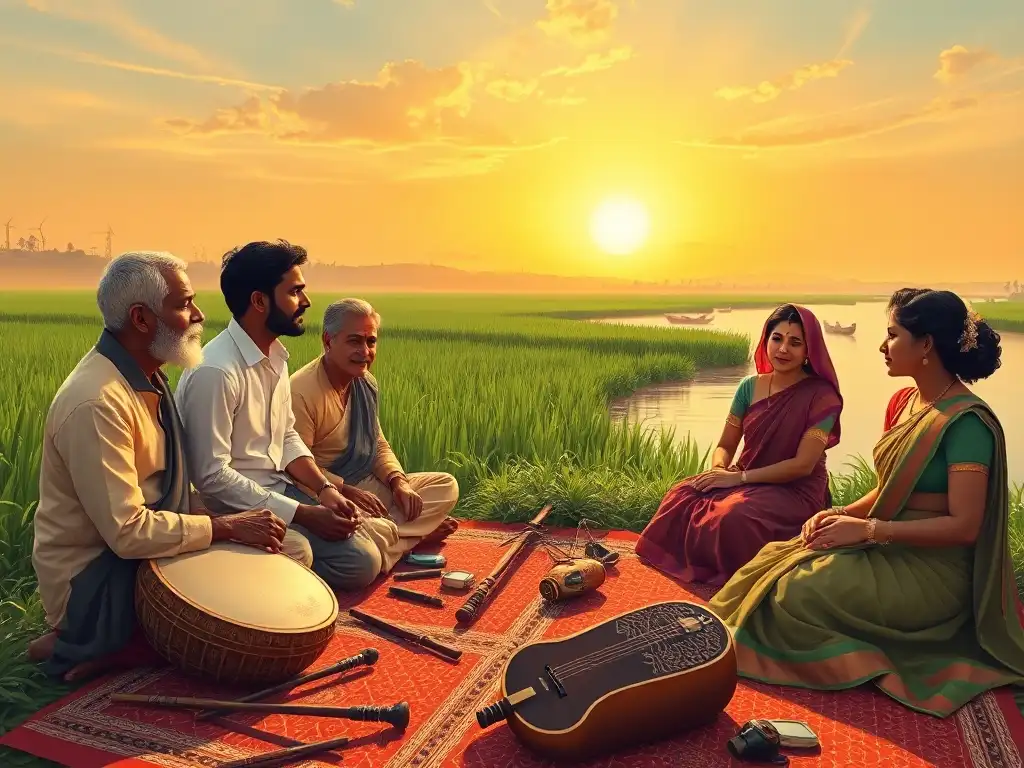
Sangam literature, a remarkable corpus of Tamil poetry and prose created between 300 BCE and 300 CE, has left an indelible mark on various aspects of Indian aesthetics. Its themes, imagery, and emotional depth have transcended time, influencing not only literature but also visual arts, music, and dance. By exploring the multifaceted impact of Sangam literature, we can appreciate how this ancient treasure continues to resonate in contemporary artistic expressions.
Connection Between Sangam Literature and Visual Arts
The intricate relationship between Sangam literature and visual arts is evident in the vivid imagery and themes presented in the poems. The poets of the Sangam period employed rich descriptive language that brought nature, emotions, and social situations to life.
- Imagery in Sangam Poetry: The use of metaphors and similes to describe landscapes, flora, and fauna has inspired countless artists. For example, the portrayal of the beautiful landscape of the Tamil Nadu region, with its mountains, rivers, and forests, has been a popular theme in Tamil paintings and sculptures.
- Themes of Love and War: Central themes such as love (akam) and valor (puram) in Sangam literature have been translated into visual narratives. Artists have depicted scenes from these poems, capturing the essence of human emotions and interactions.
- Symbolism: The symbolic elements found in Sangam poetry, such as the “puli” (tiger) representing strength or the “thuli” (dew) symbolizing beauty, have become focal points in various art forms, reinforcing the connection between literary and visual representation.
Through these connections, Sangam literature has not only enriched the visual arts but has also provided a framework for interpreting and expressing cultural identity.
Impact on Traditional Indian Art Forms
Sangam literature has significantly influenced several traditional Indian art forms, imbuing them with its poetic essence and thematic richness:
- Painting: The Tanjore painting style, known for its vibrant colors and use of gold foil, frequently incorporates themes from Sangam poetry. Artists often depict mythological scenes and narratives inspired by the verses, creating a visual dialogue between literature and art.
- Sculpture: The intricate sculptures found in ancient temples often draw inspiration from the characters and stories in Sangam texts. The depiction of figures in dynamic poses, reflecting the emotions portrayed in the poetry, showcases the seamless integration of literature and sculpture.
- Mural Art: Murals in South Indian temples, particularly in places like Madurai and Thanjavur, illustrate stories from Sangam literature, bringing the verses to life through elaborate visual storytelling.
The synthesis of these art forms with Sangam literature showcases how literature can inspire visual creativity and maintain cultural continuity over centuries.
Relationship with Classical Music and Dance
The influence of Sangam literature extends beyond visual arts into the realms of classical music and dance, where its themes and emotions are embodied in performance:
- Classical Music: The lyrics of many Carnatic music compositions draw inspiration from Sangam poetry, with composers such as Thyagaraja and Muthuswami Dikshitar adapting themes from the Sangam era. The emotional depth of the poetry allows musicians to explore a wide range of bhavas (emotions), enhancing the aesthetic experience of the listeners.
- Dance Forms: Bharatanatyam and other classical dance forms often incorporate narratives derived from Sangam literature. Dancers interpret the poems through intricate footwork and expressive hand gestures (mudras), conveying the sentiments of love, longing, and valor articulated by the poets.
- Fusion of Art Forms: The convergence of poetry, music, and dance creates a holistic artistic experience, where Sangam literature serves as the foundation for performance art. This synthesis not only revitalizes ancient texts but also ensures their relevance in contemporary cultural expressions.
The influence of Sangam literature on Indian aesthetics is profound and multifaceted. Its rich imagery and themes have inspired visual arts, invigorated traditional art forms, and found a lasting presence in music and dance. As we delve deeper into the legacy of Sangam literature, we uncover the enduring connections that continue to shape the cultural landscape of India.
Case Studies of Sangam Literature's Influence on Art
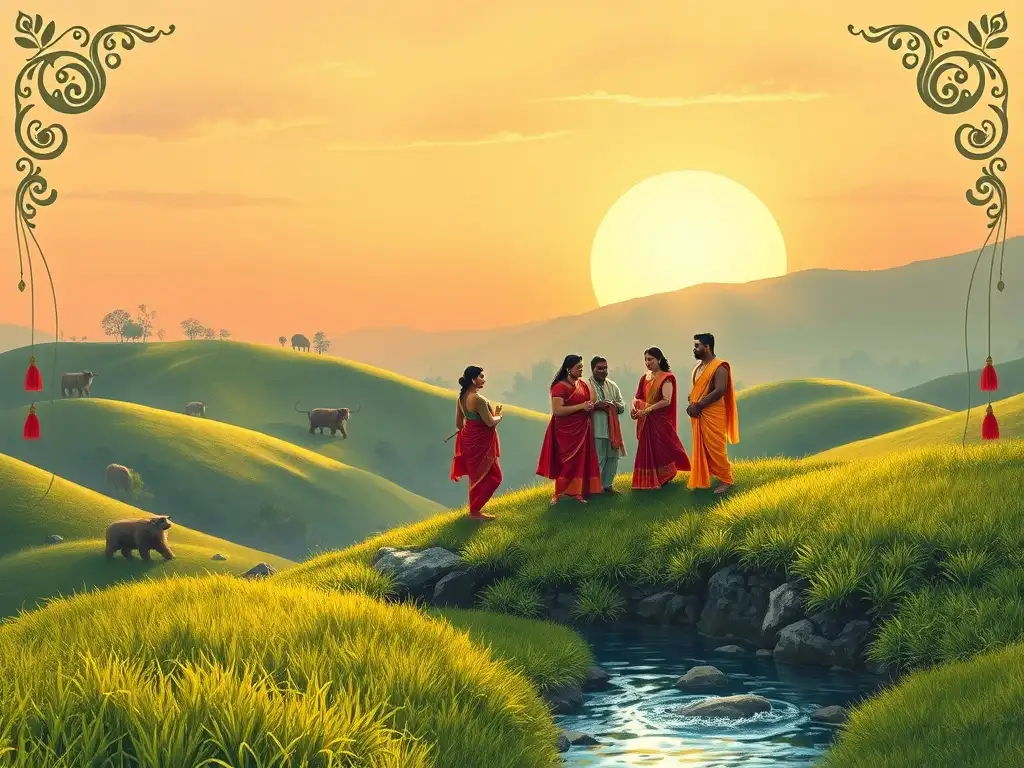
Sangam literature, a treasure trove of Tamil poetry from the early centuries of the Common Era, serves as a profound source of inspiration across various artistic disciplines in India. This section delves into specific case studies that highlight the influence of Sangam literature on different forms of art, focusing on three primary areas: visual arts, dance forms, and contemporary art.
Influence on Tamil Visual Arts
The intricate relationship between Sangam literature and Tamil visual arts is evident in various artistic expressions, including paintings, sculptures, and murals. The themes explored in Sangam poetry, such as love, nature, and the valor of warriors, are vividly depicted in these art forms.
- Themes and Motifs:
- Nature: Sangam poets often celebrated the beauty of the natural world. This reverence is mirrored in visual art, where flora and fauna are meticulously represented. For instance, the depiction of the "Mullai" landscape, characterized by its lush greenery, finds expression in numerous paintings and sculptures.
- Heroism: The valor of warriors, a recurring theme in Sangam literature, is immortalized in bronze sculptures and temple carvings, showcasing figures in dynamic poses, often engaged in battle or heroic deeds.
- Techniques and Styles:
- Iconography: The use of specific symbols and imagery associated with Sangam literature, such as the "Kali" motif representing fierce battles, has become a staple in Tamil visual arts.
- Color Palette: The vibrant colors found in Sangam poetry descriptions have influenced the color choices in Tamil paintings, creating a visual narrative that resonates with the poetic themes.
Reflections in Bharatanatyam and Other Dance Forms
Bharatanatyam, one of the classical dance forms of India, has strong roots in the lyrical and thematic richness of Sangam literature. The dance form not only narrates stories but also embodies the emotional depth found in Tamil poetry.
- Narrative Elements:
- Abhinaya (Expression): Dancers often use facial expressions and gestures to convey the emotions depicted in Sangam poetry, such as longing and devotion. The portrayal of romantic relationships as described in the "Aham" (inner) poems is particularly prominent.
- Thematic Choreography: Many Bharatanatyam pieces are choreographed around the themes of nature and love found in Sangam literature, creating a seamless blend of poetry and movement.
- Costuming and Music:
- Costumes: The traditional attire worn by Bharatanatyam dancers often incorporates motifs and colors inspired by Sangam literature, enhancing the thematic authenticity of the performance.
- Musical Accompaniment: The music used in Bharatanatyam often features lyrics derived from Sangam poetry, allowing for a direct auditory connection to the literary heritage.
Representation in Contemporary Indian Art
The influence of Sangam literature extends into the realm of contemporary art, where modern artists draw inspiration from ancient Tamil poetry to explore current themes and societal issues.
- Fusion of Styles:
- Mixed Media: Contemporary artists utilize a variety of mediums, including installations and digital art, to reinterpret Sangam themes. This fusion of traditional and modern techniques creates a dialogue between the past and present.
- Cultural Commentary: Many artworks reflect on contemporary issues while referencing Sangam literature, using poetic imagery to critique or celebrate modern life.
- Exhibitions and Collaborations:
- Art Exhibitions: Numerous exhibitions showcase works that draw from Sangam literature, highlighting the ongoing relevance of these ancient texts in contemporary discourse.
- Collaborative Projects: Artists and poets often collaborate to create multidisciplinary works that encompass visual arts, poetry readings, and performances, further bridging the gap between literature and art.
The influence of Sangam literature on art is multifaceted and deeply rooted in Tamil culture. From visual arts to dance forms and contemporary expressions, the themes and emotions articulated in Sangam poetry continue to inspire and shape artistic endeavors, enriching the cultural tapestry of India.
Comparisons: Sangam Literature and Other Literary Traditions
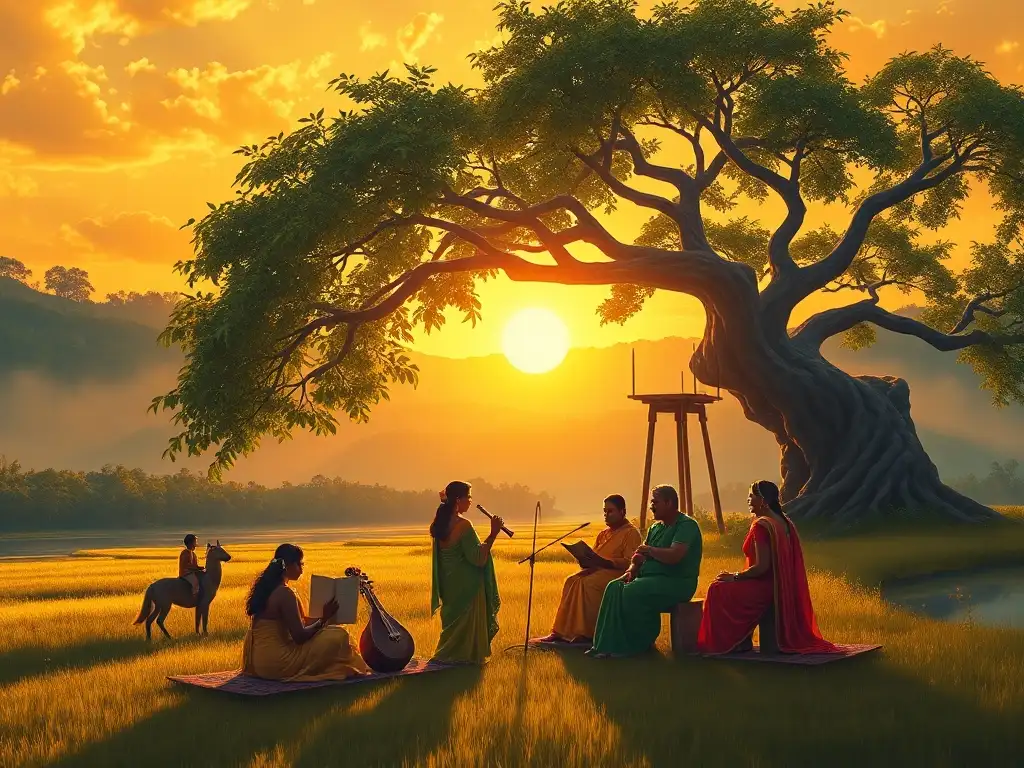
Sangam literature, a remarkable body of Tamil poetry produced between 300 BCE and 300 CE, showcases the intricate tapestry of ancient Indian literary traditions. This section delves into its similarities and contrasts with other prominent literary forms, such as Vedic literature and the great Indian epics, while also examining its lasting impact on later Tamil literature.
Similarities with Vedic Literature
Sangam literature and Vedic literature share several similarities that highlight the interconnectedness of ancient Indian thought.
- Theme of Nature: Both literary traditions celebrate nature, though their portrayals differ in context. Vedic hymns often invoke natural elements as manifestations of the divine, while Sangam poets weave nature into the fabric of their emotional expressions, using it as a backdrop for love, war, and everyday life.
- Social Structure: Both traditions reflect the societal norms of their times. Vedic literature emphasizes the varna system and ritualistic practices, while Sangam literature provides insights into the lives of various social classes, including the rulers, poets, and common people, thus creating a more holistic view of society.
- Spiritual Undertones: While Vedic texts are primarily spiritual and philosophical, Sangam literature also includes spiritual themes, especially in poems dedicated to gods and goddesses, which reveal a shared cultural reverence for the divine.
- Oral Tradition: Both forms of literature were initially transmitted orally before being committed to writing. This oral tradition fostered a vibrant culture of storytelling, performance, and communal participation.
Despite these similarities, the contexts and purposes of the two literatures diverge significantly, reflecting their unique cultural and historical backgrounds.
Contrasts with Epics: Mahabharata and Ramayana
When comparing Sangam literature with the great Indian epics, such as the Mahabharata and the Ramayana, distinct contrasts emerge in terms of themes, structure, and narrative style.
- Focus on Individual vs. Narrative: Sangam literature often centers around personal emotions and experiences, emphasizing individual feelings related to love, loss, and heroism. In contrast, the Mahabharata and Ramayana are grand narratives that explore complex moral dilemmas and the interplay of fate, duty, and righteousness.
- Poetic Form vs. Prose: Sangam works are primarily poetic, employing various forms and meters to create lyrical beauty. The epics, while containing poetic segments, are largely prose narratives that encompass extensive dialogues and elaborate descriptions, presenting a more extensive storyline.
- Cultural Context: Sangam literature is deeply rooted in the Tamil cultural landscape, reflecting the customs, dialects, and landscapes unique to the Tamil people. The epics, however, are pan-Indian in scope, addressing a wider audience and incorporating diverse regional influences.
- Themes of Love and War: While both literary forms address themes of love and conflict, Sangam literature often presents these themes in a more personal and intimate manner, focusing on human emotions and relationships. The epics, on the other hand, depict epic battles and moral conflicts on a grandiose scale, intertwining personal stories with the fate of kingdoms.
Influence on Later Tamil Literature
The influence of Sangam literature on later Tamil literature is profound and far-reaching, shaping the literary landscape for centuries to come.
- Thematic Continuity: Many themes present in Sangam poetry, such as love, heroism, and the beauty of nature, continued to resonate in later Tamil literature. The Kuruntokai and Akananuru, for example, draw on similar motifs, emphasizing emotional depth and the human experience.
- Linguistic Evolution: Sangam literature contributed significantly to the development of the Tamil language, influencing its lexicon and poetic forms. Later poets, such as Kambar and Valluvam, drew inspiration from the Sangam tradition, enriching Tamil literature with their own innovations while retaining the core elements of Sangam aesthetics.
- Cultural Identity: The rich tradition of Sangam literature played a crucial role in shaping Tamil cultural identity. It established a literary canon that future generations of Tamil writers would reference, ensuring the preservation of the themes, styles, and cultural nuances unique to Tamil heritage.
- Integration of Music and Performance: The sung quality of Sangam poetry laid the groundwork for the integration of music and performance in Tamil literature, which continues to this day. This tradition of musical storytelling evolved into various art forms, such as Kuthu and Nadagam, that celebrate Tamil heritage.
Sangam literature stands as a pivotal influence within the broad spectrum of Indian literary traditions, providing a rich tapestry of themes and styles that resonate deeply within Tamil culture and beyond. Its legacy continues to shape the artistic and poetic expressions of later generations.
Conclusion: The Enduring Legacy of Sangam Literature in Indian Aesthetics
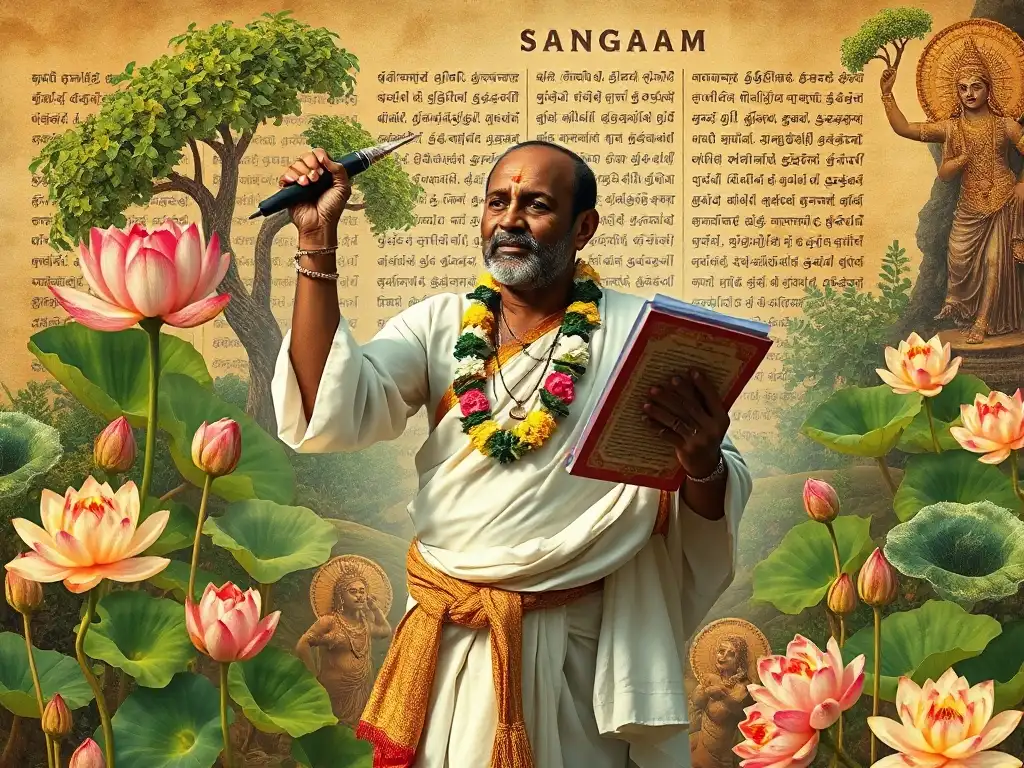
The legacy of Sangam literature extends far beyond its poetic verses; it represents a foundational element in the development of Indian aesthetics. The Sangam period, known for its rich literary output from approximately 300 BCE to 300 CE, has left an indelible mark on various forms of art, including sculpture, painting, and music. The themes of love, valor, and nature prevalent in Sangam poetry have inspired countless artists and scholars throughout the ages, solidifying its relevance in Indian culture.
Summary of Key Points
- Themes and Motifs: Sangam literature encapsulates a wide range of human experiences, including love (akam) and heroism (puram), which have been instrumental in shaping artistic expressions across different mediums. These themes resonate in visual arts, where the portrayal of emotions and narratives mirrors the poetic descriptions found in Sangam texts.
- Influence on Visual Arts: The intricate connections between Sangam poetry and visual arts can be seen in the iconography of sculptures and murals. For instance, the depiction of Tamil landscape and flora in paintings aligns closely with the vivid descriptions in Sangam verses, showcasing how literature has informed artistic representation.
- Integration with Performing Arts: The rhythmic and lyrical qualities of Sangam poetry have influenced traditional music and dance forms in India. Elements of Tamil folk music often echo the sentiments expressed in Sangam poems, highlighting the interrelationship between literature and performance.
- Cultural Continuity: The themes and aesthetics derived from Sangam literature continue to find relevance in contemporary artistic practices. Modern artists and writers often draw inspiration from this rich literary heritage, ensuring its ongoing influence on Indian aesthetics.
Future Directions for Research on Sangam Literature and Art Influence
The enduring influence of Sangam literature on art opens several avenues for future research, including:
- Interdisciplinary Studies: There is a significant opportunity to explore the intersections between Sangam literature and various art forms. Collaborative studies that involve literature, art history, and anthropology can yield fresh insights into how these realms influence each other.
- Regional Variations: Investigating how Sangam themes have manifested in different regional art forms across India could reveal the diverse interpretations and adaptations of its literary motifs. This research could focus on specific art traditions in Tamil Nadu and their connections to Sangam poetry.
- Contemporary Adaptations: Analyzing how modern artists incorporate Sangam literature into their works can provide a deeper understanding of its relevance today. This research may include case studies of contemporary artists, filmmakers, and writers who draw from the Sangam tradition.
- Digital Humanities: Utilizing digital tools to analyze Sangam texts alongside visual art collections may unveil patterns and connections that were previously overlooked. This approach could lead to new ways of understanding the influence of Sangam literature on Indian aesthetics.
The profound influence of Sangam literature on art not only reflects its historical significance but also emphasizes its continuing relevance in shaping Indian aesthetics. Future research endeavors promise to further illuminate the intricate connections between this literary treasure and the vibrant world of art.
Frequently Asked Questions
What is Sangam literature?
Sangam literature refers to a collection of ancient Tamil texts composed between 300 BCE and 300 CE, celebrated for its poetic and artistic expression of human emotions and experiences.
How did Sangam literature influence Indian art?
Sangam literature significantly influenced Indian aesthetics by inspiring various art forms, including sculpture, painting, and performance arts, which often depicted themes from the poems.
What themes are prevalent in Sangam literature?
Common themes in Sangam literature include love, valor, nature, and ethics, reflecting the social and cultural fabric of ancient Tamil society and serving as a source of inspiration for artists.
Can you provide examples of art influenced by Sangam literature?
Many traditional Tamil paintings and sculptures depict scenes and characters from Sangam poems, showcasing the interconnection between literature and visual art in ancient India.
Why is Sangam literature important for understanding Indian history?
Sangam literature is crucial for understanding social, political, and cultural dynamics of ancient India, providing insights into the values and beliefs of early Tamil civilization and its impact on subsequent cultures.
Final Reflection: The Enduring Legacy of Sangam Literature on Indian Aesthetics
Sangam literature stands as a testament to the profound interplay between art and poetry, shaping the cultural landscape of India in ways that resonate even today. The intricate verses and vivid imagery of this ancient literary tradition continue to inspire contemporary artists and poets, reminding us of the timeless nature of creativity. As we navigate a world increasingly driven by modernity, the essence of Sangam literature serves as a bridge to our rich heritage, urging us to appreciate the beauty and depth of our artistic roots.
The influence of Sangam literature on Indian aesthetics is not merely historical; it is a living force that enriches our cultural identity. From visual arts to performing arts, the themes and motifs found in Sangam poetry have permeated various forms of expression, fostering a sense of unity and continuity in our artistic endeavors. As poet K. N. Darshan eloquently stated, Art is the soul of a culture, and Sangam literature is its heartbeat.
This underscores the idea that our understanding of aesthetics is deeply intertwined with the literary traditions that have shaped our collective consciousness.
As we reflect on the lessons of Sangam literature, let us embrace the call to explore and celebrate our artistic heritage. Consider how the themes of love, nature, and valor found in these ancient texts can inspire your own creative pursuits. Whether you are an artist, a poet, or simply an admirer of beauty, take a moment to delve into the richness of Sangam literature and allow its influence to guide your expression. In doing so, we not only honor the past but also contribute to the ongoing dialogue of art and aesthetics in our ever-evolving world.
Embark on Your Journey Through Sangam Literature!
Thank you for taking the time to explore the rich tapestry of Sangam literature and its profound influence on Indian aesthetics. The insights you've gained today allow you to appreciate the intricate connections between art and poetry in this remarkable literary tradition.
Now, it’s time to take action and deepen your engagement with this vibrant culture:
- Dive into a piece of Sangam poetry: Select a poem that resonates with you and reflect on its themes and beauty. Consider how it speaks to contemporary issues.
- Join a local literature group or participate in an online forum to share your thoughts on Sangam literature and exchange ideas with fellow enthusiasts.
- Share your favorite Sangam artwork on social media and tag us! Let the world see how these ancient influences continue to inspire modern creativity.
What aspect of Sangam literature or its aesthetics has inspired you the most, and how can it influence your own art or creative expression?