
Exploring Ancient Trade Routes: Luxury Travel Through India’s Historical Landscapes

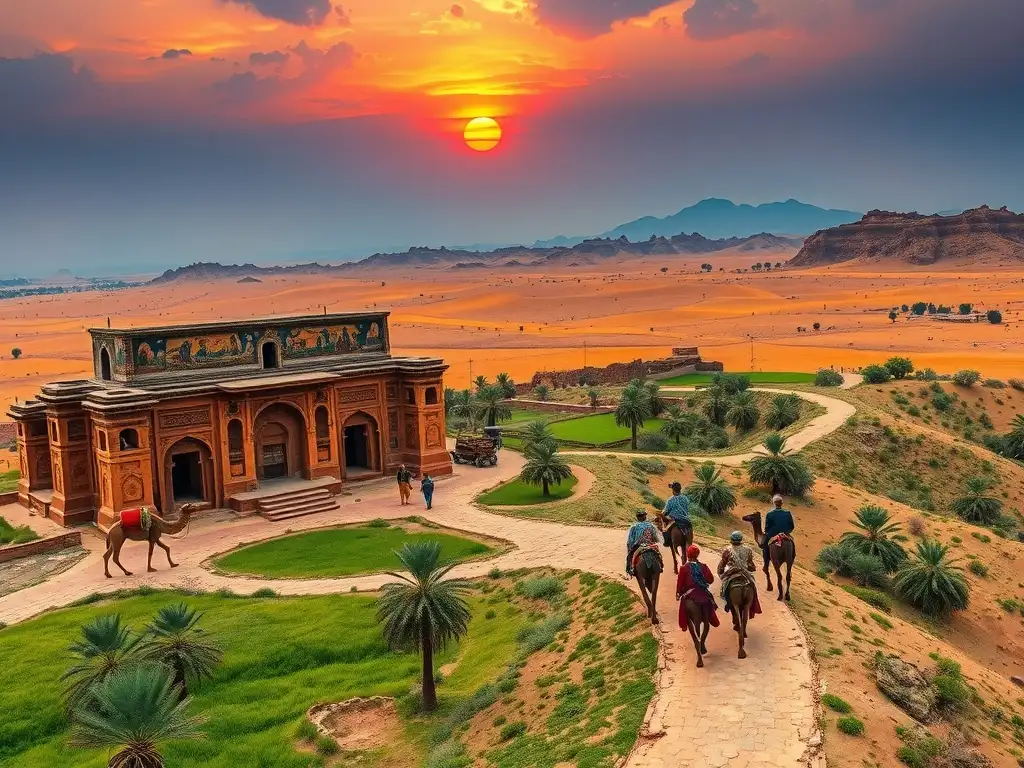
Welcome to Ancient India History, where we embark on a mesmerizing journey through the rich tapestry of India's past! In our featured article, “Exploring Ancient Trade Routes: Luxury Travel Through India’s Historical Landscapes,” we delve into the fascinating world of ancient trade routes in India—the veins of commerce that once connected vibrant civilizations and laid the groundwork for cultural exchange.
Prepare to uncover the stories behind opulent caravans, bustling markets, and the extraordinary innovations that emerged along these historic pathways. Join us as we explore how luxury and history intertwine, inviting you to experience the grandeur of ancient India like never before!
- Exploring Ancient Trade Routes in India: A Journey Through History
- Historical Context of Ancient Trade Routes
- Luxury Travel Experiences Along Ancient Trade Routes
- Key Features of Luxury Travel on Ancient Trade Routes
- Planning Your Luxury Journey: Tips and Recommendations
- Frequently Asked Questions
- Final Reflection: The Enduring Legacy of Ancient Trade Routes in India
- Embark on Your Journey Through Time!
Exploring Ancient Trade Routes in India: A Journey Through History
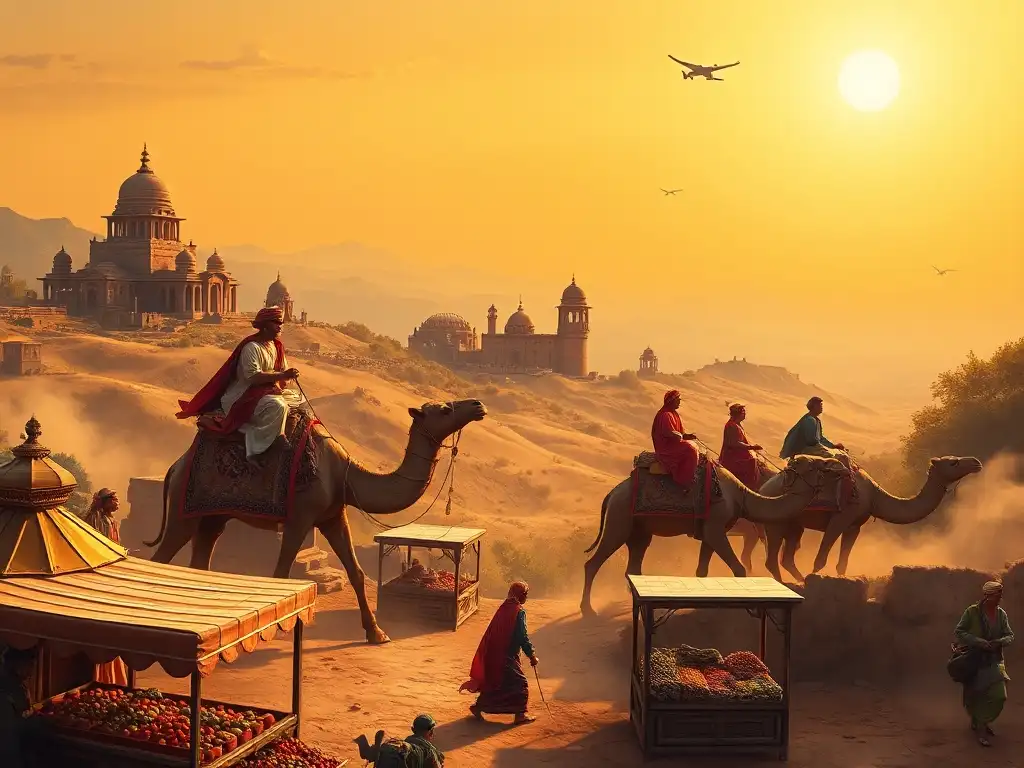
Introduction to Ancient Trade Routes in India
The ancient trade routes in India were not merely pathways for commerce; they were vibrant arteries of culture, innovation, and interaction that shaped the subcontinent's history. Spanning from the Indus Valley Civilization, which thrived around 2500 BCE, to the flourishing trade practices during the Gupta Empire, these routes facilitated the exchange of goods, ideas, and traditions across vast distances.
As one navigates through the historical landscapes of India, it becomes evident that these trade networks played a crucial role in establishing India as a significant player in the global economy of ancient times. The Silk Road, for instance, connected India to Central Asia and beyond, creating opportunities for the exchange of luxury goods such as silk, spices, and precious stones.
Moreover, these routes were instrumental in the spread of religions, art, and science, as traders and travelers carried their beliefs and knowledge with them. The confluence of diverse cultures along these paths contributed to the rich tapestry of Indian civilization, making it a fascinating subject for exploration.
In this article, we will delve into the intricacies of ancient trade routes in India, uncovering their historical significance and offering travel tips for those wishing to experience these remarkable journeys through India's past. Whether you are a history enthusiast, a luxury traveler, or simply curious about the ancient world, the stories embedded in these routes await discovery.
Historical Context of Ancient Trade Routes
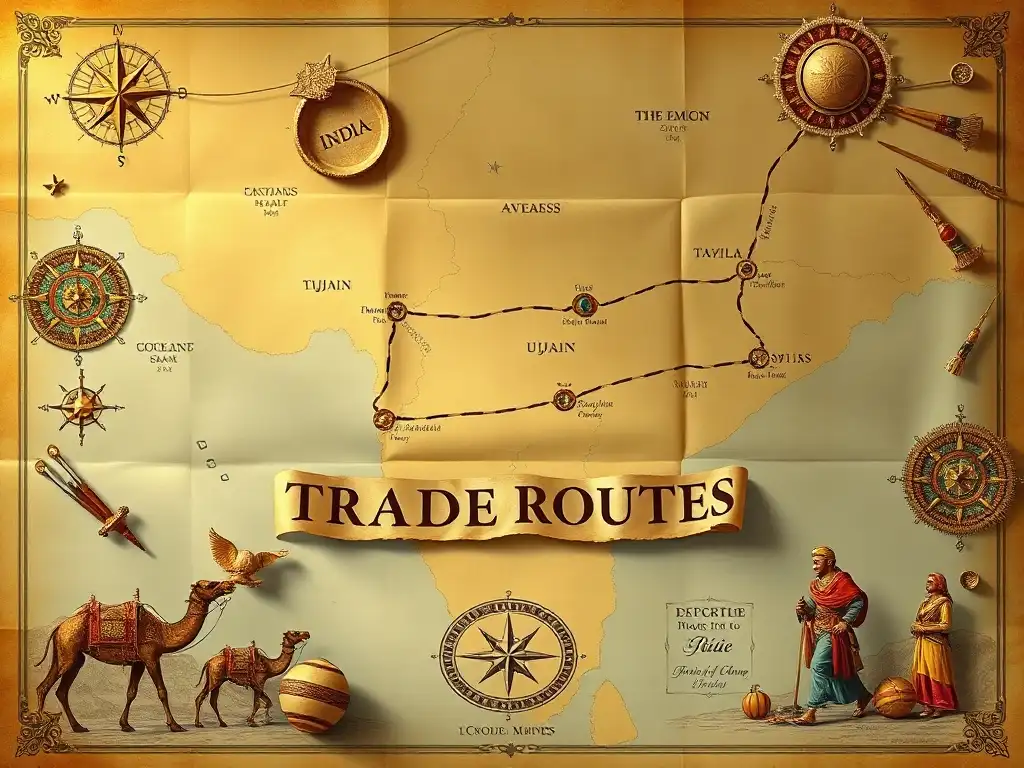
Ancient trade routes in India were pivotal not only for commerce but also for cultural exchange, facilitating the spread of ideas, religions, and innovations across vast distances. These routes shaped the social and economic landscape of ancient Indian civilizations, connecting them with neighboring regions and beyond. Understanding these trade networks offers insights into how ancient India flourished and contributed to the global economy.
The Indus Valley Civilization and Trade
The Indus Valley Civilization (c. 3300–1300 BCE) is among the earliest urban cultures in the world, renowned for its advanced city planning and architecture. The cities of Harappa and Mohenjo-Daro served as significant trade hubs, strategically located near major rivers.
- Trade Goods: The Indus people traded in a variety of goods, including:
- Cotton textiles: India was one of the first civilizations to cultivate cotton, which became a highly sought-after commodity.
- Jewelry: Crafted from semi-precious stones like lapis lazuli and carnelian, jewelry from the Indus Valley was traded far beyond its borders.
- Metals: Copper, bronze, and gold items were vital trade products, showcasing advanced metallurgical skills.
- Trade Networks: The Indus Valley engaged in trade with regions such as Mesopotamia and Persia. Archaeological findings, including seals and weights, suggest the existence of a standardized system of trade and commerce that facilitated long-distance exchanges.
The Indus Valley's trade networks laid the groundwork for future economic interactions across Asia.
Trade Routes of the Maurya and Gupta Empires
The Maurya Empire (c. 321–185 BCE) and the Gupta Empire (c. 320–550 CE) were significant periods in ancient Indian history, expanding and formalizing trade routes that had begun in earlier civilizations.
- Silk Road Connection: The Mauryan Empire is noted for its connection to the Silk Road, which linked India to Central Asia and China. This route was instrumental in the exchange of silk, spices, and precious stones.
- Land and Maritime Routes: The Maurya and Gupta empires also developed extensive land routes, as well as maritime paths through the Indian Ocean, connecting India to the Mediterranean, Southeast Asia, and beyond. This expansion allowed for:
- Cultural Exchange: Ideas, religions like Buddhism and Hinduism, and artistic influences spread widely, enriching the cultural tapestry of India.
- Economic Prosperity: The flourishing of trade led to the rise of urban centers, such as Pataliputra, which became bustling hubs of commerce.
- Infrastructure Development: The establishment of safeguarded trade routes included the construction of roads, caravanserais (roadside inns), and improved port facilities, enhancing trade efficiency.
The Spice Route and Its Legacy
The Spice Route was a network of maritime paths that connected India to the Middle East, Africa, and Europe, primarily for the trade of spices, which were highly valued for their flavor and preservative qualities.
- Key Spices: India was known for its rich variety of spices, including:
- Black pepper: Often referred to as "black gold," it was one of the most sought-after spices in ancient trade.
- Cardamom and cloves: These spices were highly prized not only for culinary uses but also for their medicinal properties.
- Cultural Impact: The Spice Route facilitated not only trade but also cultural exchanges between distant civilizations, leading to the introduction of Indian cuisine and culinary techniques in various parts of the world.
- Legacy: The legacy of the Spice Route continues to influence contemporary trade. Modern culinary practices still reflect the historical significance of these spices, highlighting their enduring impact on global cuisine.
The Spice Route exemplifies how ancient trade routes in India were not merely channels for goods but conduits for cultural and culinary exchange.
The ancient trade routes in India, from the sophisticated networks established by the Indus Valley Civilization to the expansive trade during the Maurya and Gupta empires, formed a foundation that shaped not only the Indian subcontinent but also the broader world. Understanding these routes enhances our appreciation for India's rich historical landscapes and their significance in global trade history.
Luxury Travel Experiences Along Ancient Trade Routes
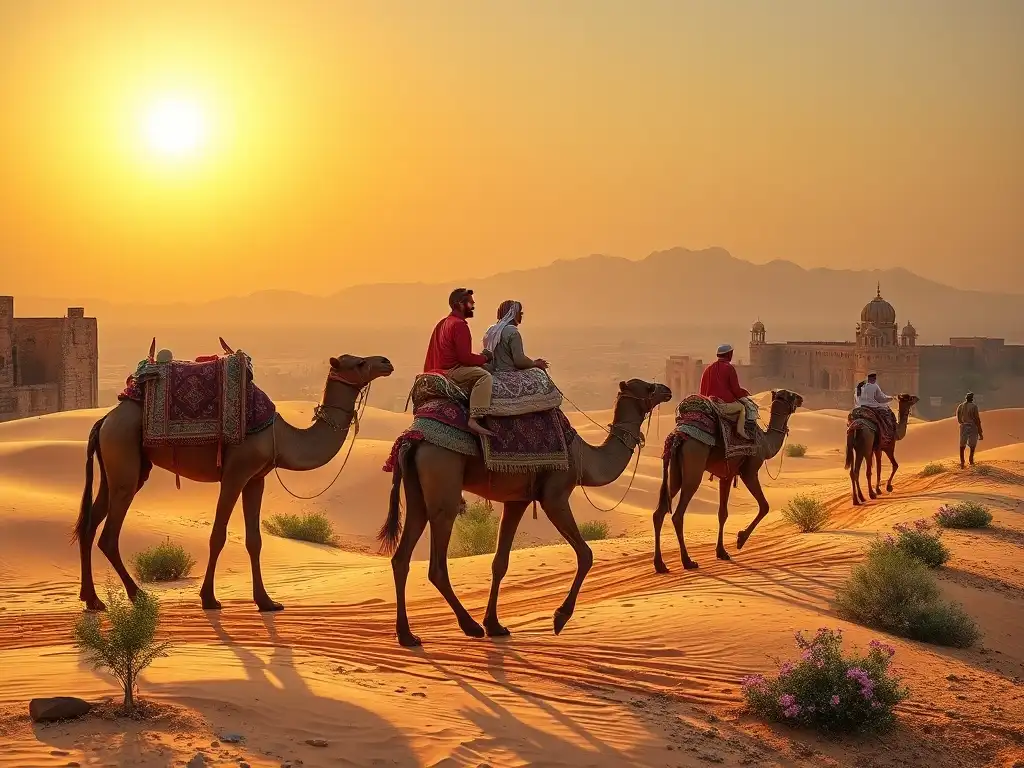
Exploring the ancient trade routes in India offers a unique opportunity to immerse oneself in the rich tapestry of history, culture, and luxury. These routes not only served as conduits for commerce but also facilitated the exchange of ideas, art, and traditions. Modern luxury travel along these paths allows visitors to experience the opulence of ancient civilizations while enjoying contemporary comforts.
Travelers can embark on tailored journeys that highlight significant trade routes, such as the Silk Road and the Spice Route, often complemented by bespoke services that cater to their every need. High-end travel agencies now offer curated experiences that include private transport, exclusive access to heritage sites, and personalized itineraries that showcase the best of India’s historical landscapes.
Top Destinations for Luxury Travelers
-
Varanasi
Known as one of the oldest living cities in the world, Varanasi offers travelers an enchanting glimpse into ancient culture. The ghats along the Ganges River provide stunning views and spiritual experiences. Luxury travelers can enjoy exclusive boat rides at dawn, witnessing the mesmerizing Ganga Aarti ceremony while sipping on gourmet refreshments.
-
Jaisalmer
The Golden City, with its iconic sandstone architecture, is a must-visit for those exploring ancient trade routes. Travelers can stay in luxury desert camps that mimic the grandeur of royal palaces, complete with private butlers and fine dining under the stars. Camel safaris can be arranged, allowing guests to explore the Thar Desert’s breathtaking landscapes.
-
Agra
Home to the iconic Taj Mahal, Agra is a pivotal stop on the ancient trade routes. Luxury travelers can enjoy exclusive sunset views of this architectural marvel from private balconies at five-star hotels. Guided tours can be arranged to explore not only the Taj but also the Agra Fort and the lesser-known tombs and gardens in the area.
-
Kerala
Known for its spice plantations, Kerala was a significant stop on the Spice Route. Luxury houseboat cruises through the tranquil backwaters offer a unique perspective on the region’s natural beauty and historical significance. Many resorts here provide Ayurvedic treatments and gastronomic experiences that highlight local spices.
-
Udaipur
Famous for its lakes and palaces, Udaipur is a luxurious destination for those interested in history and beauty. Travelers can stay in opulent palace hotels and enjoy private tours of the City Palace and Jag Mandir. Evening boat rides on Lake Pichola provide an unforgettable experience.
Luxury Accommodations Near Ancient Sites
When traveling along ancient trade routes, luxury accommodations play a vital role in enhancing the overall experience. Here are some top-notch options:
| Destination | Accommodation | Features |
|---|---|---|
| Varanasi | BrijRama Palace | Heritage hotel with Ganges views, private boat rides |
| Jaisalmer | Suryagarh | Luxury hotel with desert safari experiences, spa services |
| Agra | The Oberoi Amarvilas | Taj Mahal views, world-class dining, private guided tours |
| Kerala | Kumarakom Lake Resort | Ayurvedic spa, traditional dining, backwater cruises |
| Udaipur | Taj Lake Palace | Floating palace hotel, fine dining, private cultural performances |
These accommodations not only provide luxurious amenities but also offer unique insights into the historical significance of their locations, often integrating local culture into their services.
Exclusive Guided Tours and Experiences
Luxury travel along ancient trade routes in India is greatly enriched by exclusive guided tours and experiences. Here are a few noteworthy options:
-
Private Heritage Walks
Engaging local historians and guides, luxury travelers can participate in personalized heritage walks through ancient cities, exploring hidden gems and receiving in-depth knowledge of historical contexts.
-
Culinary Experiences
Many luxury tours now include exclusive culinary experiences that allow travelers to learn about ancient trade goods such as spices, textiles, and crafts. Cooking classes with renowned chefs highlight the fusion of ancient and contemporary Indian cuisine.
-
Cultural Performances
Evening performances of classical dance or music can be arranged in historical settings, creating an intimate atmosphere where guests can appreciate the arts that flourished along these trade routes.
-
Wellness Retreats
Combining luxury with wellness, exclusive retreats offer holistic treatments and yoga sessions in serene settings that reflect the tranquility of ancient Indian philosophies.
-
Hot Air Ballooning
Experience breathtaking views of ancient landscapes and historical sites from above, providing a unique perspective that connects travelers to the vast history of the region.
By integrating these luxurious experiences with the exploration of ancient trade routes, travelers can truly appreciate the depth and richness of India's historical landscapes.
Key Features of Luxury Travel on Ancient Trade Routes
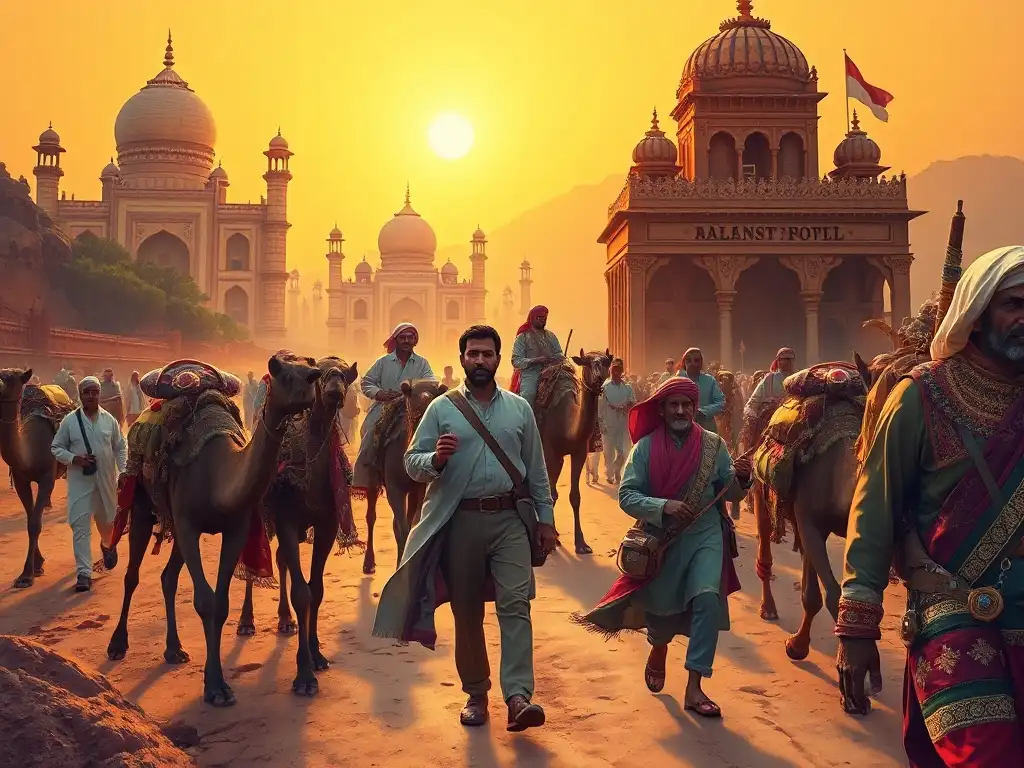
Exploring the ancient trade routes in India offers a unique opportunity to experience the luxurious splendor of historical landscapes intertwined with vibrant cultures. Luxury travel along these routes is characterized by exquisite accommodations, personalized services, and immersive cultural experiences. Here are some key features that define this exceptional journey:
Cultural Immersion and Historical Insights
Luxury travel along ancient trade routes allows travelers to delve deep into the rich tapestry of Indian history. Each stop along these routes is steeped in stories that have shaped the civilization over millennia.
- Expert Guides: Travelers benefit from knowledgeable guides specializing in ancient history, ensuring a comprehensive understanding of each site. These experts can narrate tales of trade dynamics, cultural exchanges, and the significance of various locations.
- Exclusive Access: Luxury tours often provide exclusive access to historical sites, allowing travelers to explore areas that are typically closed to the public. For instance, private tours of ancient forts, temples, and cities like Hampi and Ajanta can foster a deeper appreciation for their historical significance.
- Workshops and Cultural Experiences: Engaging in local art and craft workshops can enhance the travel experience. For example, learning the art of Madhubani painting or block printing not only connects travelers to local artisans but also provides insights into the region's cultural heritage.
- Historical Reenactments: Some luxury travel packages include historical reenactments that bring the past to life. These immersive experiences help travelers visualize ancient trade interactions and cultural exchanges.
Gastronomic Journeys Along the Routes
Food has always been an integral part of trade routes, representing both the flavors and traditions of the regions they traverse. Luxury travel on ancient trade routes in India offers gastronomic experiences that are as rich as the history itself.
- Regional Cuisine Exploration: Travelers can indulge in the diverse culinary offerings of different regions. For example, along the Silk Route, one may savor the spicy flavors of Hyderabadi Biryani, while the Spice Route can introduce travelers to the aromatic dishes of Kerala.
- Fine Dining Experiences: Many luxury travel packages include exclusive dining experiences in heritage hotels or palaces. Imagine enjoying a meal under the stars in a restored palace, with dishes prepared by renowned chefs who highlight ancient recipes.
- Food Trails: Some itineraries feature food trails that guide travelers through local markets and street food stalls. This not only tantalizes the taste buds but also provides insights into the daily lives and traditions of the local populace.
- Wine and Spice Tastings: Luxury tours often include tastings of local wines and spices, offering travelers a chance to understand the historical significance of these commodities in trade. For instance, a visit to a spice plantation in Goa can reveal how spices were once the currency of trade.
Luxury travel along the ancient trade routes in India is marked by cultural immersion and a celebration of regional gastronomy. Each journey is an invitation to explore the past while enjoying the comforts and exclusivity of modern travel, making it an unforgettable experience for those seeking to connect with the historical richness of this incredible land.
Planning Your Luxury Journey: Tips and Recommendations
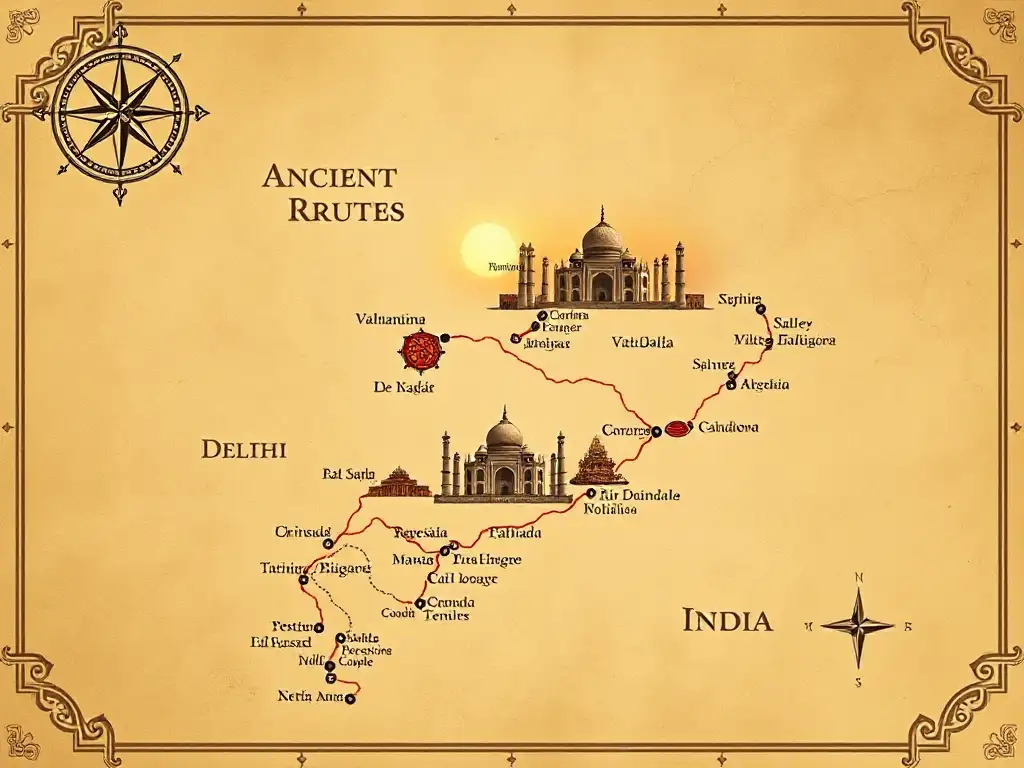
Planning a luxury journey along the ancient trade routes in India requires a blend of historical insight and modern comfort. These routes not only connect significant historical sites but also offer travelers a unique glimpse into the rich tapestry of India's heritage. Here are some essential tips and recommendations to enhance your travel experience.
Best Times to Visit Ancient Trade Routes in India
Choosing the right time to visit is crucial for making the most of your luxury journey. The ideal months to explore the ancient trade routes in India are typically from October to March, when the weather is most pleasant and conducive for travel.
Seasonal Breakdown:
- October to November:
- Weather: Mild temperatures, ideal for outdoor explorations.
- Festivals: Diwali, the festival of lights, offers a vibrant cultural experience.
- December to February:
- Weather: Cooler temperatures, perfect for exploring historical sites without the heat.
- Events: Various cultural festivals and fairs take place, enriching your travel experience.
- March:
- Weather: Warming up, but still manageable for travel.
- Activities: Holi celebrations, a colorful and joyous festival that showcases Indian culture.
Note: Avoid traveling during the peak summer months (April to June), as temperatures can soar, making it uncomfortable for extended outdoor activities.
Essential Packing Tips for Luxury Travelers
Packing for a trip along the ancient trade routes in India involves a balance of comfort, style, and practicality. Here are some essential packing tips to ensure you have a seamless experience:
- Clothing:
- Lightweight Fabrics: Opt for breathable materials such as cotton and linen.
- Layers: Include light jackets or shawls for cooler evenings.
- Cultural Sensitivity: Choose modest clothing to respect local customs, especially in religious sites.
- Footwear:
- Comfortable Shoes: Invest in high-quality walking shoes for exploring historical sites.
- Dress Shoes: Pack a pair for dining or cultural events.
- Accessories:
- Sun Protection: Include a wide-brimmed hat, sunglasses, and sunscreen.
- Travel Essentials: A stylish yet functional daypack for daily excursions.
- Health and Safety:
- First Aid Kit: A compact kit with basic medical supplies.
- Travel Insurance: Ensure you have coverage for health emergencies and trip cancellations.
- Luxury Items:
- Tech Gadgets: Tablets or e-readers for entertainment during travel.
- Photography Gear: Bring a quality camera to capture the stunning landscapes and historical architecture.
Transportation Options for Luxury Travel
Exploring the ancient trade routes in India can be done through various luxurious transportation options, ensuring comfort while navigating the historical landscapes:
- Private Chauffeur Services:
- Hiring a private car with a driver allows for flexibility and comfort while traveling between ancient sites. Many services offer luxury vehicles equipped with modern amenities.
- Luxury Trains:
- Experience the elegance of Indian Railways with luxury trains like the Palace on Wheels or Maharajas' Express, which provide a royal journey through India's historical regions, complete with gourmet dining and plush accommodations.
- Helicopter Tours:
- For a unique perspective, consider chartering a helicopter for aerial views of ancient sites and trade routes, providing a breathtaking overview of the landscape.
- Domestic Flights:
- India has a vast network of domestic flights connecting major cities and regions. Opting for flights can save time and enhance the luxury experience.
Tip: Always plan your transportation in advance, especially during peak tourist seasons, to ensure availability and secure the best rates.
By considering these recommendations, luxury travelers can fully immerse themselves in the rich history of India's ancient trade routes while enjoying the comfort and convenience that high-end travel offers.
Frequently Asked Questions
What were the ancient trade routes in India?
Ancient trade routes in India were networked paths that connected various regions, facilitating the exchange of goods, culture, and ideas, significantly impacting the economy and society.
How did ancient trade routes influence Indian civilizations?
These trade routes played a crucial role in the economic prosperity of ancient civilizations by enabling the trade of valuable commodities like spices, textiles, and precious stones, fostering cultural exchanges along the way.
What were the major trade goods transported on these routes?
Key trade goods included silks, spices, gems, and agricultural products. These items were highly sought after and contributed to the wealth and power of various ancient Indian empires.
How did geography affect the ancient trade routes in India?
The diverse topography of India, including mountains, rivers, and plains, shaped the routes taken by traders. Natural features served as both barriers and conduits, influencing trade dynamics.
What impact did ancient trade routes have on modern India?
The legacy of ancient trade routes is still evident today, as they shaped regional cultures, economies, and even modern trade practices, continuing to influence India's global connections.
Final Reflection: The Enduring Legacy of Ancient Trade Routes in India
The exploration of ancient trade routes in India reveals not only the historical significance of these pathways but also their profound impact on contemporary society. As we navigate a world increasingly defined by globalization, understanding these routes offers invaluable insights into the interconnectedness of cultures and economies that have shaped our past and continue to influence our present. The luxury of travel through these historical landscapes is not just about opulence; it is about experiencing the rich tapestry of human history that these routes represent.
The legacy of ancient trade routes in India is woven into the very fabric of our cultural identity, influencing everything from art and cuisine to language and commerce. These pathways were not merely conduits for goods but also for ideas and innovations, fostering a spirit of exchange that resonates today. As noted by historian Romila Thapar, History is not just a record of the past; it is a living narrative that shapes our understanding of the present.
This ongoing influence reminds us that the stories of our ancestors are still relevant, urging us to appreciate the depth of our shared heritage.
As we reflect on the lessons from these ancient trade routes, let us embrace the opportunity to explore our own journeys with curiosity and respect. Consider how the paths we choose today can lead to new connections and understandings, just as they did for those who traveled before us. I invite you to delve into the historical landscapes of India, not just as a traveler seeking luxury but as a seeker of knowledge and connection. By doing so, we honor the past while enriching our own lives and the lives of those around us.
Embark on Your Journey Through Time!
Thank you for diving into the fascinating world of ancient trade routes and luxury travel through India’s rich historical landscapes. We hope you’ve uncovered inspiring insights that spark your curiosity and passion for exploration. Now, it’s time to take these ideas off the page!
Here are a few engaging steps you can take to bring this journey to life:
- Plan your own travel itinerary that follows one of these legendary routes—experience the diverse cultures, exquisite tastes, and unforgettable experiences firsthand!
- Join our online community where you can share your travel stories and learn from fellow history enthusiasts who share your passion.
- Explore lesser-known historical sites that were once bustling trade hubs—uncover hidden gems and share your discoveries with friends and family!
What ancient city or trade route are you most excited to explore next, and what draws you to it? Share your thoughts and let the adventure begin!