
The Role of Ancient Indian Women in Society: A Heritage Tour of Empowerment

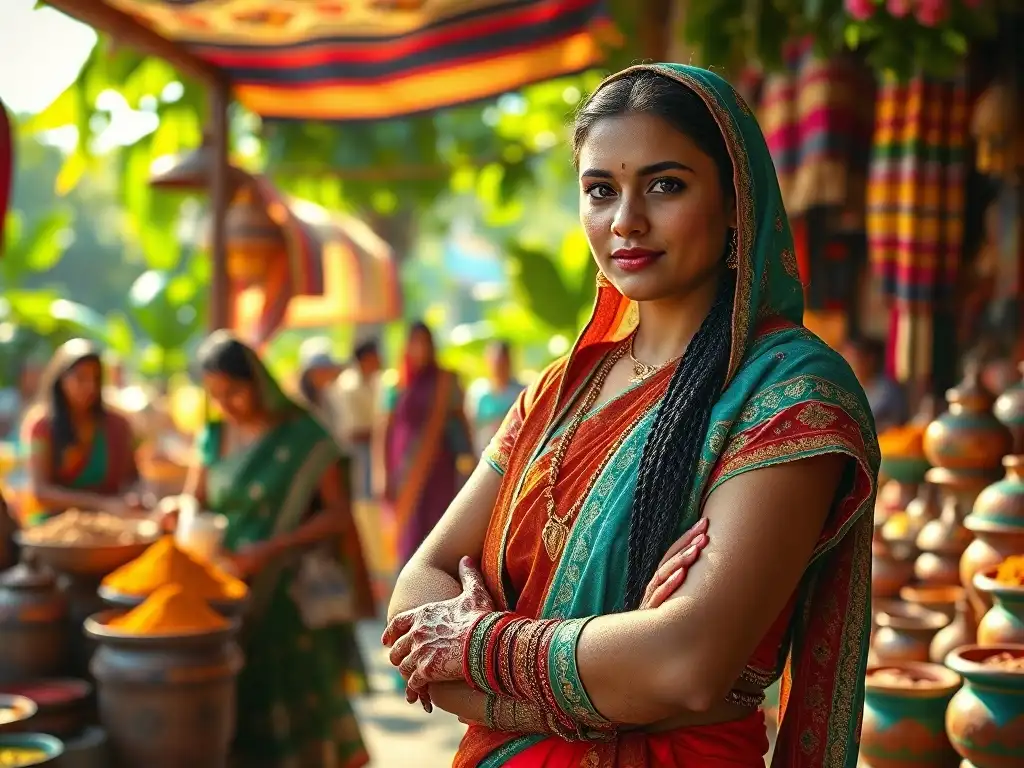
Welcome to Ancient India History, where we embark on an extraordinary journey through time to uncover the rich tapestry of culture and contributions from ancient Indian civilizations. In our featured article, "The Role of Ancient Indian Women in Society: A Heritage Tour of Empowerment," we delve into the remarkable stories of ancient Indian women empowerment that shaped society and influenced generations.
Prepare to be captivated as we explore the powerful roles women played in the fabric of ancient life, revealing insights that resonate even today. Join us as we uncover the legacy of these trailblazers and inspire your curiosity to dive deeper into the world of ancient India!
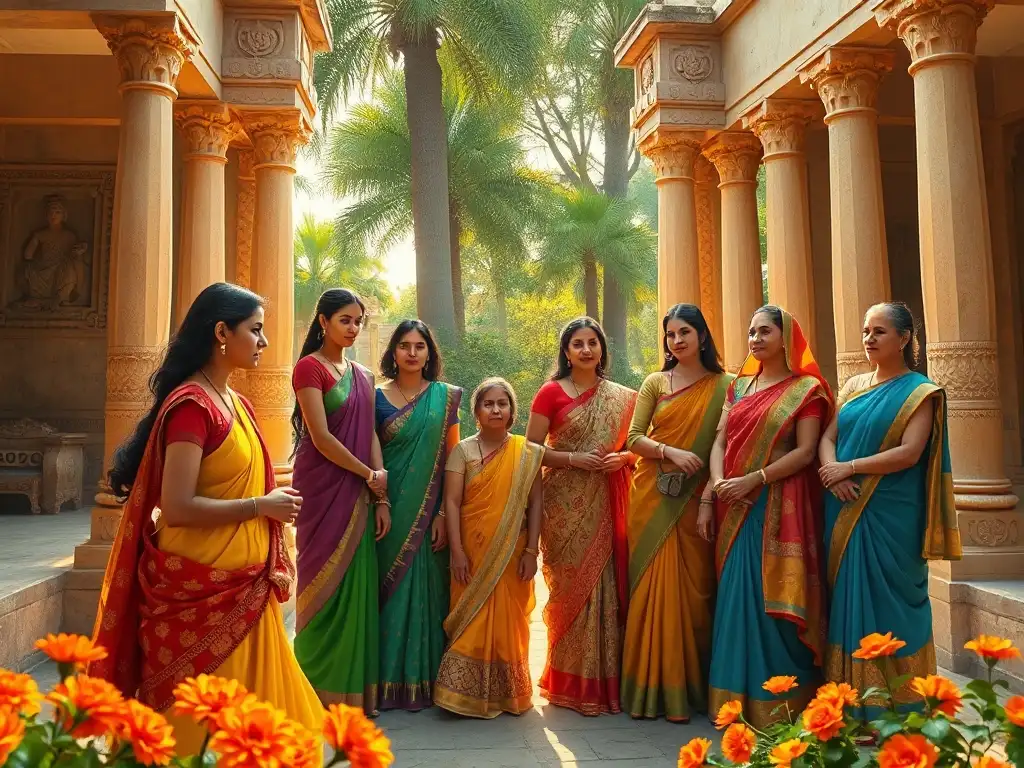
Introduction to Ancient Indian Women Empowerment
The history of ancient India is not just a chronicle of kings, conquests, and empires; it is also a profound narrative of the women who shaped society in various dimensions. The concept of ancient Indian women empowerment is deeply rooted in the cultural and social frameworks of the time, where women were not merely passive figures but active participants in the socio-political and spiritual spheres.
This article aims to explore the diverse roles that women played in ancient Indian society, emphasizing their contributions and significance across different periods. By understanding these historical contexts, we can appreciate the rich heritage of empowerment that ancient Indian women embodied, paving the way for future generations.
The Historical Context of Women in Ancient India
Ancient Indian society was marked by a variety of cultural influences, and the position of women evolved significantly throughout different eras. To truly grasp the empowerment of women, it is essential to delve into the historical contexts that shaped their roles. The following sections will provide insights into two pivotal periods: the Indus Valley Civilization and the Vedic Period, highlighting the strides made by women during these times.
The Indus Valley Civilization: Pioneers of Gender Equality
The Indus Valley Civilization, flourishing around 2500 BCE, is often cited as one of the earliest examples of a society that promoted gender equality. Archaeological findings suggest that women in this civilization enjoyed significant freedoms and rights. For instance:
- Economic Participation: Women were actively involved in trade and craftwork, contributing to the economy alongside men. Evidence of female figurines indicates their societal importance.
- Religious Roles: Women held prominent positions in religious practices, as seen in various artifacts depicting female deities. This suggests a reverence for feminine divinity and an acknowledgment of women's spiritual authority.
- Social Status: The presence of urban planning and sophisticated drainage systems further indicates a society where women likely played integral roles in community organization.
Overall, the Indus Valley Civilization laid a foundation for gender dynamics that promoted equality, setting a precedent for future societies.
Vedic Period: The Rise of Female Scholars and Leaders
Transitioning to the Vedic Period (1500 BCE – 500 BCE), we witness a remarkable evolution in the roles and recognition of women, particularly in the realms of education and leadership. This era is characterized by:
- Intellectual Contributions: Women such as Gargi and Maitreyi emerged as prominent scholars, engaging in philosophical debates and contributing to Vedic literature. Their prominence in intellectual circles highlights the respect accorded to female scholarship.
- Social Autonomy: The concept of Swayamvara, where women chose their spouses, underscores the agency women had in marital decisions. This practice reflects a societal structure that valued women’s choices and autonomy.
- Leadership Roles: Historical texts indicate that women could hold positions of power, influencing political decisions and participating in governance, which signifies their integral role in shaping society.
By examining these aspects of the Vedic Period, we can appreciate the strides made in women's empowerment and the significant impact they had on shaping Vedic society.
Understanding the contributions of ancient Indian women provides a compelling lens through which to view their empowerment, setting the stage for a deeper exploration of their legacy in the following sections.
Cultural Contributions of Ancient Indian Women
Ancient Indian women played a pivotal role in shaping the cultural landscape of their societies. Their contributions spanned various fields, including literature, art, philosophy, and religion, showcasing their talents and intellect. This cultural involvement not only reflects their empowerment but also demonstrates how women's roles were integral to the broader narrative of ancient Indian civilization.
Women were involved in various artistic expressions, from dance and music to painting and sculpture. Notably, the exquisite murals of the Ajanta and Ellora caves often depict female figures, highlighting their significance in cultural narratives. Additionally, women contributed to oral traditions, passing down folklore and stories that enriched the cultural fabric of their communities.
Moreover, ancient texts reveal that women were not only creators but also patrons of the arts, commissioning works that would celebrate their legacies. This active participation in cultural endeavors laid the groundwork for future generations, emphasizing the importance of women's voices in the historical context of ancient India.
Literature and Arts: Voices of Empowerment
In ancient India, women were not mere spectators in the literary and artistic realms; they emerged as powerful voices contributing to the richness of Indian literature and art. Prominent figures such as Vemana, a 14th-century poet, and Mira Bai, a 16th-century saint-poet, exemplify how women shaped literary traditions through their writings and performances.
Women like Vemana engaged in social commentary through poetry, addressing societal issues and advocating for change. Similarly, Mira Bai's devotional poems expressed deep personal and spiritual experiences, challenging societal norms regarding love and devotion. These contributions were not only artistic expressions but also acts of empowerment, allowing women to assert their identities and beliefs.
In visual arts, evidence from archaeological findings indicates that women were skilled artisans. They crafted intricate pottery, textiles, and jewelry, often incorporating personal and cultural narratives into their designs. The representation of women in ancient sculptures and paintings further underscores their prominent roles in artistic expressions, serving as symbols of beauty, strength, and resilience.
Spiritual Leadership: Women in Religion and Philosophy
Women in ancient India held significant positions in religious and philosophical spheres, contributing to the discourse on spirituality and ethics. Figures such as Gargi and Maitreyi are prominent examples of women philosophers who participated in intellectual debates during the Vedic period. Their contributions to discussions on metaphysics and ethics illustrate the depth of women's engagement with complex philosophical questions.
In addition to philosophy, women played crucial roles in religious practices. The Shakti cult, which worshipped the divine feminine, highlights the reverence for women as embodiments of power and divinity. Women were often seen as spiritual leaders, guiding their communities in rituals and ceremonies. This spiritual empowerment not only elevated women's status but also reflected broader societal beliefs in the importance of feminine energy in both religious and secular life.
Moreover, the presence of female ascetics and saints in various traditions, such as Sufi mysticism and Bhakti movement, underscores the diverse ways women influenced religious thought and practice. Their teachings and lifestyles inspired many, emphasizing the transformative power of spirituality in fostering empowerment.
The Impact of Women's Empowerment on Society
The empowerment of women in ancient India had profound implications for society, influencing social structures, governance, and cultural practices. As women gained recognition in various domains, their contributions shaped societal norms and expectations, fostering a more inclusive environment.
Social Structures and Gender Roles in Ancient India
While ancient Indian society had defined gender roles, the empowerment of women challenged and redefined these structures. Historical texts indicate that women participated in various aspects of life, from education to trade, often managing households and businesses alongside men. This involvement in economic activities not only bolstered family incomes but also enhanced women's status within their communities.
In many regions, women held property rights, enabling them to inherit and manage wealth. This legal recognition of women's rights contributed to their economic independence, allowing them to make decisions that impacted their lives and families. The existence of women as scholars, poets, and artisans further illustrates the fluidity of gender roles, showing that women were not confined to domestic spheres but actively engaged in public life.
Despite societal constraints, women often navigated these structures to assert their agency. They formed networks of solidarity, supporting each other in various endeavors, which ultimately led to a gradual transformation of societal attitudes towards gender roles.
Women in Governance: Queens and Rulers
The historical narrative of ancient India includes numerous examples of women in governance, showcasing their leadership and political acumen. Queens such as Rani Durgavati and Rani Lakshmibai emerged as formidable leaders who defended their kingdoms against invasions and fought for their people's rights.
These women were not only figures of power but also symbols of resistance and resilience. They often commanded armies, made strategic alliances, and influenced political decisions, demonstrating that women's leadership was a vital component of governance.
Furthermore, dynasties such as the Chola and Mughal emperors recognized the importance of women in political affairs, with queens and princesses often serving as advisors and regents. This acknowledgment of women's roles in governance reflects a broader understanding of leadership that transcended gender, emphasizing capability and intellect over societal norms.
The historical impact of these women in governance continues to inspire contemporary discussions around women's empowerment and leadership, highlighting the enduring legacy of ancient Indian women in shaping society.
Modern Reflection: Heritage Tours Exploring Ancient Indian Women Empowerment
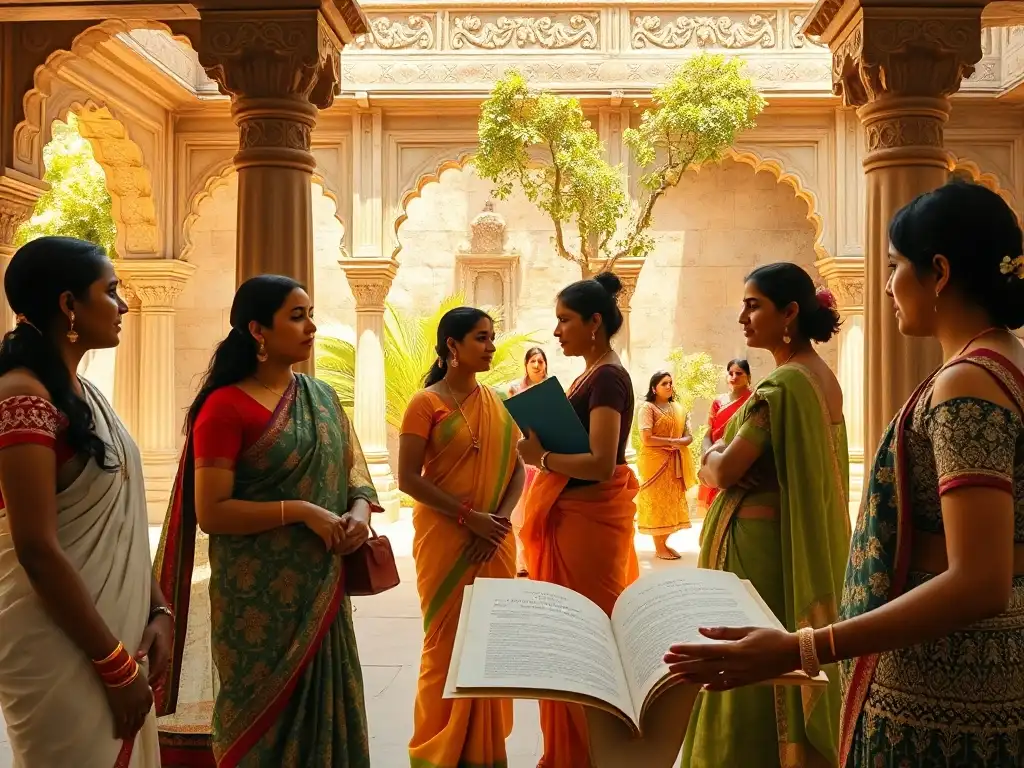
Heritage tours that focus on ancient Indian women empowerment offer a unique lens through which travelers can appreciate the significant roles women played in shaping society. These tours not only highlight historical facts but also emphasize the cultural narratives that have often been overshadowed. From the powerful queens of the Maurya and Gupta empires to the influential poets and scholars, ancient Indian women demonstrated remarkable strength, intellect, and leadership.
As modern society grapples with issues of gender equality and empowerment, these heritage tours serve as a reminder of the longstanding contributions women have made throughout history. By visiting sites dedicated to these remarkable figures, travelers can engage with the stories of women who defied societal norms and made lasting impacts on their communities. This journey into the past not only celebrates women's achievements but also encourages reflections on current empowerment movements, illustrating how history can inform present-day struggles for equality.
Top Heritage Sites Celebrating Women’s Contributions
-
Nalanda University
Established in the 5th century CE, Nalanda was more than a center of learning; it was also home to several prominent female scholars. Tours of this UNESCO World Heritage Site often explore the contributions of women in education and philosophy, highlighting figures like Aryabhata’s contemporaries who were instrumental in the intellectual advancements of the time.
-
Hampi
The ruins of Hampi, once the capital of the Vijayanagara Empire, feature several temples and monuments dedicated to women. The site of the Vijaya Vittala Temple, for instance, showcases intricate carvings that depict women in various roles, from goddesses to dancers, emphasizing their cultural significance.
-
Jaipur's City Palace
This royal residence reflects the empowerment of women through the stories of the queens who lived here. The Mubarak Mahal, a part of the palace complex, served as the women’s quarters, and guided tours often reveal the lives of these royal women who wielded considerable influence in governance and social affairs.
-
Ajanta and Ellora Caves
These ancient rock-cut caves are not just a marvel of architecture but also house beautiful depictions of women in various roles, including divine figures and everyday life. The narratives presented in these caves highlight the importance of women in spiritual and cultural contexts.
-
The Rani Mahal, Gwalior
This palace is dedicated to Rani Durgavati, a warrior queen known for her valor and leadership. Heritage tours often focus on her legacy and the impact of female rulers in ancient India, providing insights into their governance and military strategies.
Luxury Travel Experiences: Tours Focused on Women Empowerment
Luxury travel experiences that center around ancient Indian women empowerment offer a blend of comfort and education, allowing travelers to immerse themselves in rich historical narratives. These curated tours often include:
-
Private Guides
Expert guides specializing in women's history provide in-depth knowledge and personal anecdotes that bring the stories of ancient women to life. This personalized approach enriches the travel experience and fosters a deeper understanding of the cultural context.
-
Cultural Workshops
Many luxury tours incorporate workshops that focus on traditional arts and crafts historically practiced by women, such as pottery, weaving, or dance. Participants can engage with local artisans, learning not just about the craft but also its significance in empowering women in these communities.
-
Wellness Retreats
Some heritage tours combine visits to historical sites with wellness activities inspired by ancient practices. These retreats often include yoga and meditation sessions that draw from the teachings of women like Gargi and Maitreyi, who contributed to philosophy and spirituality in ancient India.
-
Culinary Experiences
Gastronomic tours that highlight traditional recipes passed down through generations of women provides a delicious way to connect with history. Participants can learn about the roles women played in food preparation and preservation, reflecting their economic and social contributions.
Conclusion: Lessons from Ancient Indian Women for Modern Empowerment
The exploration of ancient Indian women’s roles offers profound lessons for contemporary society. These historical narratives reveal that women have long been integral to societal development, serving as leaders, scholars, and influencers. By understanding and honoring their contributions, we can foster a culture of empowerment that transcends time.
The stories of resilience, intellect, and creativity embodied by ancient women inspire modern movements advocating for gender equality. As heritage tours celebrate these legacies, they also encourage travelers to reflect on their own roles in the ongoing quest for empowerment. Ultimately, the lessons drawn from ancient Indian women emphasize the importance of recognizing and valuing women's contributions in all spheres of life, paving the way for a more equitable future.
Additional Resources for Exploring Ancient Indian Heritage
To delve deeper into the role of ancient Indian women and their contributions to society, several resources can enhance your understanding and appreciation of this significant aspect of history. Here’s a curated list of valuable resources:
- Books:
- "Women in Ancient India" by Kumkum Roy: This book provides an in-depth analysis of women's roles in various facets of ancient Indian life, including religion, family, and politics.
- "The Status of Women in Ancient India" by Jaya Shankar: This text explores the socio-economic status of women throughout different eras in ancient India, highlighting their contributions to society.
- Documentaries and Films:
- The Women of India: This documentary showcases various women's roles throughout Indian history, including influential figures from ancient times.
- Sita: An Illustrated Retelling of the Ramayana: A visual narrative that brings to life the character of Sita, showcasing her strength and resilience in an ancient context.
- Online Courses:
- Coursera offers courses on Indian history and culture, including modules focused on gender roles in ancient societies.
- edX provides free courses from Indian universities that explore the historical context of women in ancient India.
- Museums and Heritage Sites:
- The National Museum in New Delhi features artifacts and exhibits related to women's roles in ancient Indian civilization.
- The Ajanta and Ellora Caves provide insights into the artistic representation of women in ancient Indian culture through intricate carvings and paintings.
- Academic Journals:
- The Journal of Historical Sociology often publishes articles related to gender studies and the historical context of women in India.
- The Indian Journal of Gender Studies offers scholarly articles that explore various aspects of women's roles in Indian history, including ancient times.
Engaging with these resources not only broadens knowledge but also fosters a deeper appreciation of the empowerment that ancient Indian women exhibited, contributing to the rich tapestry of India's history.
Final Thoughts on Women’s Empowerment in Ancient India
The exploration of ancient Indian women reveals a complex tapestry of empowerment that transcends time. Women in ancient India held diverse roles, from influential leaders and scholars to dedicated homemakers and spiritual figures. Their contributions were pivotal in shaping the cultural, spiritual, and socio-economic landscapes of their communities.
Despite facing societal constraints, many women managed to carve out their identities, showcasing resilience and strength. The legacy of figures such as Gargi, a philosopher, and Vasanti, a poetess, demonstrate that women's voices were significant in the intellectual and cultural discourse of their time. Their stories serve as powerful reminders of the potential for empowerment inherent in all women, regardless of the era.
As we reflect on the past, it is essential to acknowledge the lessons learned from ancient Indian women's experiences. The empowerment seen in their lives can inspire contemporary societies to strive for gender equality and inclusivity. By understanding and honoring the achievements and struggles of women from ancient times, we can foster a more equitable future.
The heritage tour of empowerment through the lens of ancient Indian women is not merely a historical exploration; it is an invitation to recognize and celebrate the enduring spirit of women throughout history. Engaging with this rich cultural legacy encourages us to advocate for the rights and empowerment of women today, ensuring that their voices continue to resonate in the fabric of society.
- Introduction to Ancient Indian Women Empowerment
- The Historical Context of Women in Ancient India
- Cultural Contributions of Ancient Indian Women
- The Impact of Women's Empowerment on Society
- Modern Reflection: Heritage Tours Exploring Ancient Indian Women Empowerment
- Conclusion: Lessons from Ancient Indian Women for Modern Empowerment
- Additional Resources for Exploring Ancient Indian Heritage
- Final Thoughts on Women’s Empowerment in Ancient India
Frequently Asked Questions
What was the status of women in ancient Indian society?
Women in ancient Indian society enjoyed a varied status depending on the time period and region. Many were involved in family affairs, education, and even politics, reflecting a sense of empowerment.
How did ancient Indian texts portray women?
Ancient texts often showcased women as strong, wise, and influential figures. They were depicted in roles ranging from goddesses to scholars, highlighting their importance in culture and society.
Were there any notable women in ancient India?
Yes, figures like Gargi and Maitreyi were renowned philosophers, while Rani Durgavati and Rani Padmini exemplified leadership and bravery, contributing significantly to the narrative of women empowerment.
What contributions did women make to ancient Indian culture?
Women contributed to various fields, including literature, arts, and education. Their roles in preserving traditions and passing down knowledge were vital for the cultural heritage of ancient India.
How does the concept of women empowerment in ancient India compare to today?
While ancient Indian women experienced forms of empowerment, modern interpretations emphasize equality and rights. The historical context provides a foundation for ongoing discussions about women’s roles in society today.
Final Reflection: Embracing the Legacy of Ancient Indian Women Empowerment
The exploration of ancient Indian women and their pivotal roles in society underscores a timeless truth: the empowerment of women is not a modern phenomenon, but rather a deep-rooted aspect of our heritage. As we navigate the complexities of contemporary gender dynamics, it becomes increasingly clear that the stories of these women serve as a powerful reminder of resilience, strength, and the capacity for leadership that transcends time. Their contributions were not merely supportive; they were foundational to the cultural and social fabric of their communities, challenging the notion that empowerment is a recent development.
The legacy of ancient Indian women continues to resonate in today's cultural and social landscape, inspiring movements for equality and justice. Their stories of courage and intellect remind us that empowerment is not just about individual achievement, but about collective progress. As we reflect on their influence, we can draw from the wisdom of the past to address the challenges faced by women today. Empowerment is not a privilege; it is a birthright.
This quote encapsulates the essence of what ancient Indian women stood for and what we must strive for in our ongoing quest for gender equality.
As we close this exploration, I invite you to reflect on the lessons learned from the remarkable women of ancient India. Consider how their legacy can inspire you to advocate for empowerment in your own community, to challenge stereotypes, and to celebrate the achievements of women around you. Let their stories ignite a passion for change within you, reminding us all that the fight for equality is a shared journey, one that requires our active participation and commitment. Together, we can honor the past while forging a brighter future for all women.
Empower Your Understanding of Ancient Indian Heritage!
Thank you for exploring the powerful contributions of ancient Indian women to society. Your interest in this vital aspect of history reflects a commitment to celebrating empowerment and heritage. Now, it’s time to take that inspiration and transform it into action!
Here’s how you can deepen your connection to this rich narrative:
- Dive deeper into research: Explore more articles on our site to uncover the diverse roles women played in various aspects of ancient Indian life.
- Share the knowledge: Discuss your insights with friends or on social media to spread awareness about this important heritage.
- Join a community: Consider participating in local history groups or online forums dedicated to women's roles in ancient cultures to connect with like-minded individuals.
What insights about the impact of women in ancient society resonate most with you? How do you believe these stories can inspire today's movements for empowerment?