
Tips for Avoiding Crowds While Visiting Popular Ancient Sites in India

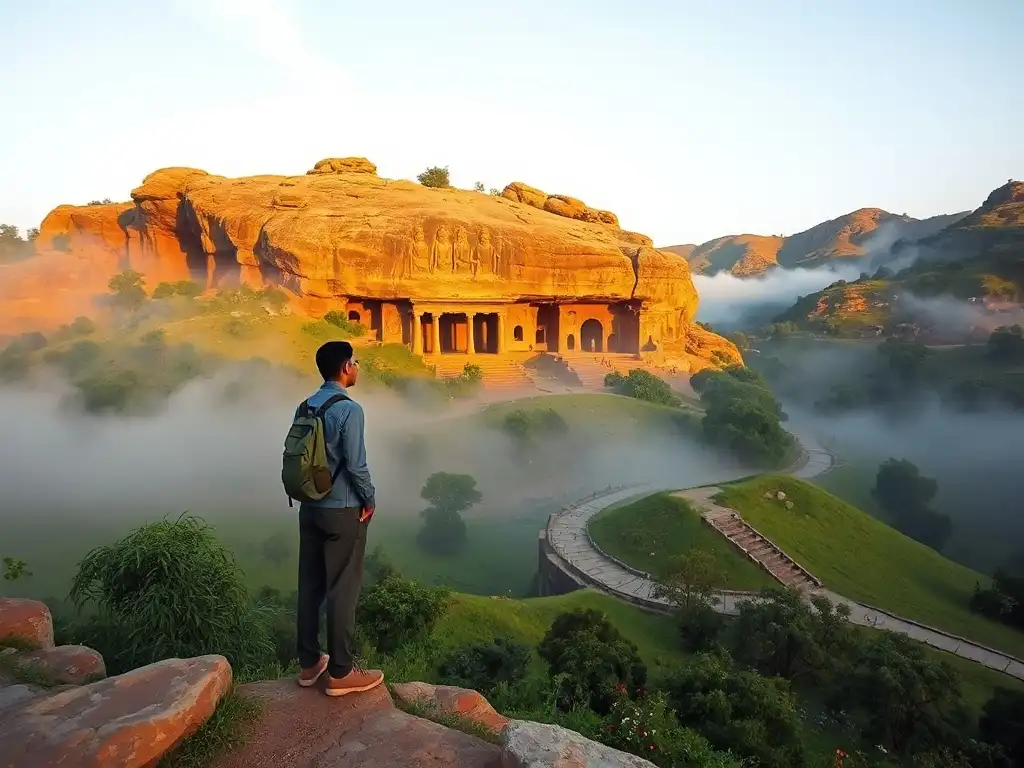
Welcome to Ancient India History, where we delve into the rich tapestry of civilizations that shaped the Indian subcontinent. In our latest article, we provide insider tips for avoiding crowds while visiting popular ancient sites in India, ensuring that your journey through history is both serene and enlightening. Discover the secrets of the Indus Valley, the grandeur of the Gupta Empire, and how to experience these timeless wonders without the hustle and bustle.
Join us as we unlock the mysteries of the past and guide you on a path of exploration that promises to be both luxurious and historically enriching. Dive in and let your adventure begin!
-
Tips for Avoiding Crowds While Visiting Ancient Sites in India
- Understanding the Popularity of Ancient Sites in India
- Best Times for Visiting Ancient Sites in India
- Strategic Planning: How to Avoid Crowds at Ancient Sites
- Choosing Lesser-Known Ancient Sites in India
- Utilizing Guided Tours to Minimize Crowds
- Technology and Apps for Planning Your Visit
- Engaging with Local Communities
- Conclusion: Enjoying Ancient Sites in India Without the Crowds
-
Frequently Asked Questions
- What are the best times to visit ancient sites in India to avoid crowds?
- How can I plan my visit to ancient sites for a quieter experience?
- Are there less-known ancient sites in India worth visiting?
- What are some tips for enjoying ancient sites while dealing with large crowds?
- How do ancient sites in India contribute to cultural understanding?
- Final Reflection: Embracing Tranquility in India's Ancient Wonders
- Unveil a Calm Journey Through India’s Ancient Wonders!
Tips for Avoiding Crowds While Visiting Ancient Sites in India
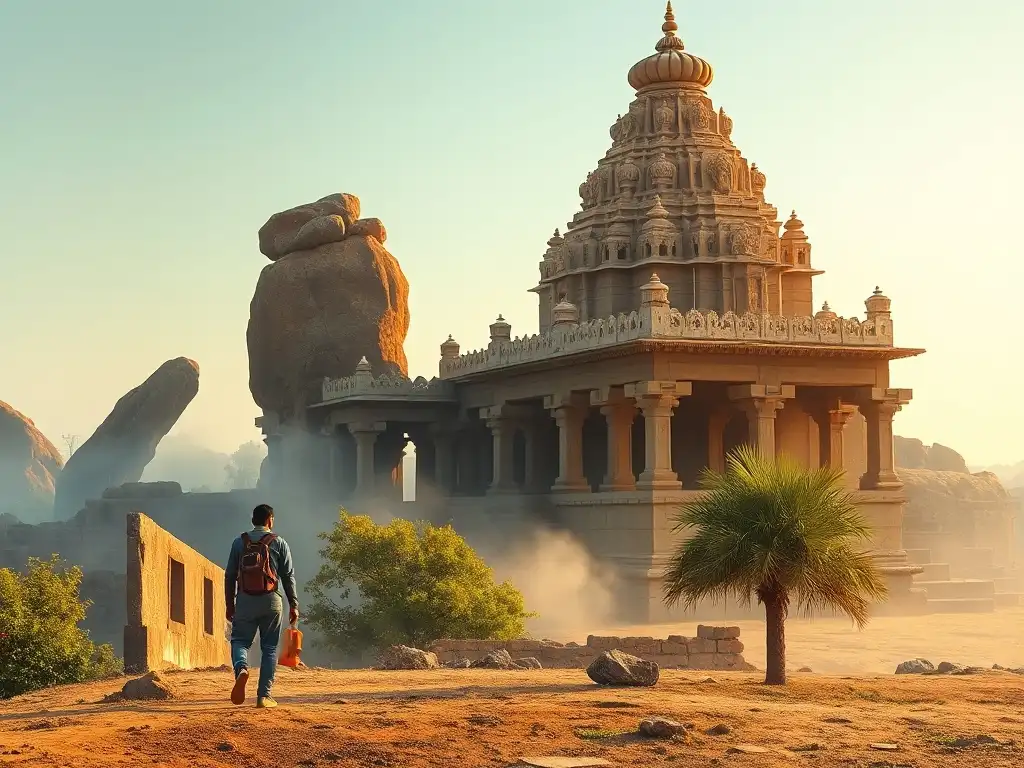
Exploring the majestic remnants of ancient Indian civilizations offers a unique glimpse into the country's rich tapestry of history and culture. From the intricate urban planning of the Indus Valley to the architectural marvels of the Gupta Empire, visiting ancient sites in India is a journey through time that captivates the imagination.
However, these remarkable sites often attract large crowds, especially during peak tourist seasons. To enhance your experience and allow for a more intimate connection with the history and artistry of these locations, this article will provide you with practical tips to avoid the throngs of visitors while still enjoying the beauty of India's ancient heritage.
Understanding the Popularity of Ancient Sites in India
The Allure of India's Rich History and Culture
India's ancient sites are not merely relics of the past; they are living testaments to the country's vibrant culture and diverse civilizations. The allure of these sites is enhanced by their:
- Architectural Splendor: From the stunning carvings of Khajuraho temples to the grandiose structures of Hampi, the architectural diversity showcases the ingenuity of ancient Indian builders.
- Historical Significance: Each site tells a story, whether it be the rise of empires or the evolution of art and philosophy.
- Cultural Heritage: Many sites serve as focal points of ongoing cultural practices, festivals, and rituals, making them significant not just historically but also in contemporary society.
These factors contribute to the popularity of ancient sites, drawing both domestic and international tourists year-round.
Key Ancient Sites to Explore in India
Among the numerous ancient sites, a few stand out for their historical importance and breathtaking beauty. Here are some must-visit locations:
- Taj Mahal, Agra: A UNESCO World Heritage Site, this iconic mausoleum is a symbol of love and architectural brilliance.
- Ajanta and Ellora Caves, Maharashtra: Renowned for their rock-cut sculptures and ancient murals, these caves illustrate the religious diversity of India.
- Hampi, Karnataka: Once the capital of the Vijayanagara Empire, this site is famous for its ruins and unique landscape.
- Khajuraho, Madhya Pradesh: Known for its exquisite temples adorned with intricate erotic sculptures, this site is a UNESCO World Heritage Site.
These sites, while breathtaking, can become overwhelmingly crowded, especially during peak travel seasons.
Best Times for Visiting Ancient Sites in India
Seasonal Considerations for Less Crowded Visits
Timing your visit is crucial for a more serene experience. Here are some seasonal insights:
- Winter Months (November to February): Although this is a popular time due to pleasant weather, visiting during weekdays can help avoid crowds.
- Monsoon Season (June to September): While some sites may be less accessible, the reduced tourist traffic and lush surroundings can offer a unique perspective.
- Early Mornings or Late Afternoons: Regardless of the season, visiting early in the morning or later in the afternoon can significantly decrease your chances of encountering large groups.
Off-Peak Travel Tips for Ancient Site Exploration
To further enhance your experience at these historical landmarks, consider the following tips:
- Plan Visits on Weekdays: Weekends often see an influx of visitors. Aim for a mid-week visit for a quieter experience.
- Research Local Festivals: While festivals can offer unique experiences, they also attract large crowds. Check local calendars before planning your visit.
- Utilize Guided Tours: Some guided tours offer early access or exclusive access to certain areas, providing a more intimate experience.
- Stay Nearby: Accommodations close to the site allow for easy early morning access, letting you beat the crowds.
By incorporating these strategies, you can enjoy the rich history of ancient India with fewer distractions, allowing for a deeper appreciation of its cultural legacy.
Strategic Planning: How to Avoid Crowds at Ancient Sites
When visiting ancient sites in India, strategic planning is essential to enhance your experience and minimize encounters with large crowds. Understanding peak seasons, planning your itinerary, and utilizing technology can make a significant difference.
- Research Peak Seasons: Ancient sites in India often attract tourists during specific seasons, such as winter (November to February) when the weather is pleasant. By researching and choosing to visit during off-peak times, such as the monsoon season (June to September), you can avoid large groups.
- Use Technology: Utilize mobile apps and websites that provide real-time visitor data. Some platforms can indicate crowd levels at popular sites, helping you choose times to visit when fewer people are present.
- Plan Your Itinerary Wisely: Consider a flexible itinerary that allows you to adapt to crowd levels. Visiting less popular sites first or mixing popular attractions with lesser-known ones can lead to a more enjoyable experience.
Early Morning Visits: Enjoying Tranquility at the Taj Mahal
The Taj Mahal is undoubtedly one of the most visited ancient sites in India, attracting millions of tourists each year. To fully appreciate its beauty and avoid the crowds, early morning visits are highly recommended.
- Magical Atmosphere: Visiting the Taj Mahal at dawn allows you to witness the breathtaking sunrise illuminating its marble façade. The serene ambiance at this hour enhances the experience, providing a sense of tranquility that is often lost in the hustle and bustle of the day.
- Fewer Tourists: Arriving early not only offers peace but also significantly reduces the number of visitors around you. This allows for unobstructed views and great opportunities for photography without the interference of large groups.
- Cooler Temperatures: The early hours of the day are generally cooler, making your visit more comfortable, especially during the hot summer months.
Weekday vs. Weekend Visits: Choosing the Right Days
Crowd levels can vary significantly between weekdays and weekends at ancient sites. To enhance your experience, consider the following:
- Weekday Advantages: Visiting ancient sites during the week, particularly from Monday to Thursday, often results in fewer tourists. Many locals tend to visit on weekends, so weekdays can provide a quieter and more intimate experience.
- Plan Around Holidays: Be mindful of national holidays and school vacations, as these can significantly increase visitor numbers. Avoiding these peak times will help you enjoy the sites more peacefully.
Choosing Lesser-Known Ancient Sites in India
While iconic sites like the Taj Mahal and Hampi draw immense crowds, India is home to numerous lesser-known ancient sites that offer rich history and cultural significance without the throngs of tourists.
Hidden Gems: Exploring Off-the-Beaten-Path Locations
Exploring hidden gems can provide a unique perspective on India's ancient history. Here are a few notable sites to consider:
- Chandragiri Fort: Located in Andhra Pradesh, this fort provides stunning views and a glimpse into the Vijayanagara Empire's history without the crowds found at more popular sites.
- Kanha National Park: Beyond its wildlife, this park is home to ancient temples that are often overlooked, allowing for a peaceful exploration of India's cultural heritage.
- Mandore Gardens: Situated near Jodhpur, these gardens house numerous temples and cenotaphs dedicated to the Marwar rulers, making it a serene spot to enjoy historical architecture.
Comparing Popular Sites with Lesser-Known Alternatives
When planning your visit, consider comparing popular sites with lesser-known alternatives based on several criteria:
| Criteria | Popular Sites | Lesser-Known Alternatives |
|---|---|---|
| Crowd Levels | High | Low to Moderate |
| Accessibility | Well-connected | May require extra travel |
| Cultural Experience | Often commercialized | Authentic local interactions |
| Photography | Challenging due to crowds | Ample opportunities for stunning shots |
By opting for lesser-known sites, you can enjoy a more personalized experience that allows for deeper exploration of India's rich history and culture, all while avoiding the overwhelming crowds typically found at major tourist attractions.
Utilizing Guided Tours to Minimize Crowds
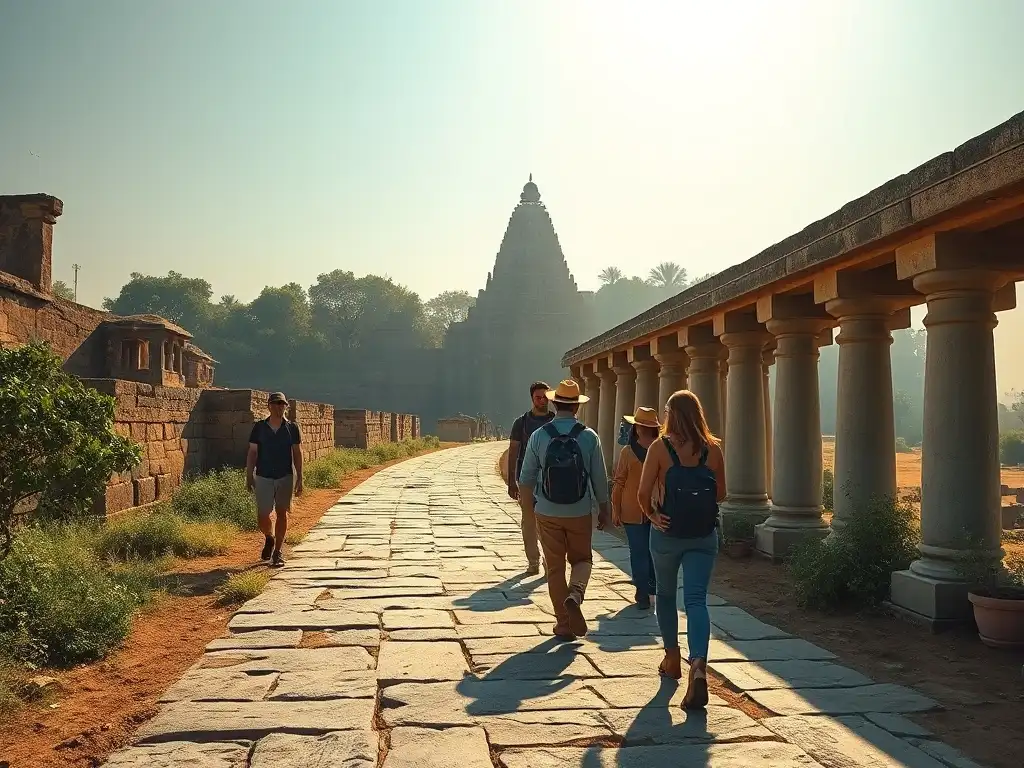
Visiting ancient sites in India can be a breathtaking experience, but the throngs of tourists can sometimes take away from the serenity of these historical treasures. One effective way to minimize your exposure to crowds is by utilizing guided tours. Guided tours not only provide you with expert knowledge and insights into the history and significance of the sites but also often allow for flexible scheduling. Many tour companies offer early morning or late afternoon options, which are typically less crowded times for visiting popular attractions.
By opting for a guided tour, you can benefit from the expertise of a local guide who knows the best times to visit and can navigate you through the site efficiently. Additionally, some tours include exclusive access to certain areas or experiences that are not available to the general public, further enhancing your visit while avoiding large groups.
Benefits of Private Tours for Visiting Ancient Sites in India
Private tours offer a tailored experience that can significantly enhance your visit to ancient sites in India. Here are some key benefits of choosing private tours:
- Personalized Itineraries: Private tours allow you to customize your itinerary based on your interests, ensuring that you spend time at the sites that matter most to you.
- Flexible Timing: Unlike group tours that follow a strict schedule, private tours can adapt to your pace, allowing you to explore at your leisure.
- Exclusive Access: Many tour operators can arrange for access to restricted areas or unique experiences that larger groups might not have the opportunity to enjoy.
- Enhanced Engagement: With a dedicated guide, you can ask questions and receive in-depth information about the site, creating a more enriching experience.
- Avoiding Peak Times: Private guides often have the knowledge to schedule visits during off-peak hours, helping you avoid the busiest times at popular sites.
Choosing a private tour not only enriches your understanding of ancient sites but also transforms your travel experience into a more intimate and crowd-free adventure.
Recommended Tour Companies for a Crowded-Free Experience
When seeking a crowd-free experience at ancient sites in India, selecting the right tour company is crucial. Here are a few recommended tour companies that specialize in providing personalized and less crowded experiences:
- Intrepid Travel: Known for small group tours, Intrepid offers trips that focus on cultural immersion and often visit sites during off-peak times.
- Kerala Tour Packages: This company provides customizable itineraries in Kerala, including visits to historic sites with minimal crowds.
- India Someday: Offering personalized travel itineraries, India Someday focuses on creating unique experiences that often include lesser-known sites.
- Cox & Kings: With a long history in travel, Cox & Kings provides luxury private tours that can be tailored to avoid popular crowds.
By choosing one of these companies, you are more likely to enjoy a serene visit to ancient sites, free from overwhelming crowds.
Technology and Apps for Planning Your Visit
In the digital age, technology can significantly enhance your travel experience, especially when visiting ancient sites in India. Utilizing apps and online resources can help you plan your visit effectively, ensuring that you avoid crowds and make the most of your time.
Essential Apps for Travelers Visiting Ancient Sites in India
Here are some essential apps that can assist travelers looking to explore ancient sites in India while minimizing crowd exposure:
- Google Maps: Use this app not only for directions but also for real-time updates on popular times for various attractions, helping you choose the best times to visit.
- TripAdvisor: With user-generated reviews and tips, TripAdvisor can guide you towards less crowded times and lesser-known sites.
- Visit A City: This app offers customizable itineraries and city guides, allowing you to plan your visit based on historical significance and crowd levels.
- Klook: This travel service app provides options for booking tickets to attractions in advance, helping you skip the entry lines.
These apps can be invaluable in crafting a seamless travel experience while visiting ancient sites in India.
Using Online Resources for Crowd Predictions
Online resources are increasingly becoming essential tools for travelers aiming to avoid crowds at popular ancient sites. Here’s how you can leverage them:
- Crowd Prediction Websites: Websites like Crowdless and other travel blogs provide crowd prediction data based on historical trends, allowing you to choose optimal visiting times.
- Social Media Insights: Platforms like Instagram and Facebook can give you real-time insights into visitor experiences, helping you gauge current crowd levels at specific sites.
- Local Tourism Boards: Many state tourism websites offer updates on visitor numbers and peak times, ensuring that you can plan your visit accordingly.
By utilizing these online resources, you can make informed decisions that enhance your experience while visiting ancient sites in India, steering clear of the largest crowds.
Engaging with Local Communities
Engaging with local communities is a profound way to enhance your experience while visiting ancient sites in India. By immersing yourself in the culture, you not only gain unique insights but also support the preservation of local traditions. Communities near these historical sites often have rich stories and customs that are intertwined with the history of the place, offering visitors a deeper understanding of the significance of the site.
When you interact with local residents, consider participating in traditional activities such as cooking classes or artisan workshops. These experiences not only keep you away from the crowded tourist spots but also provide you with authentic encounters that can enrich your travel narrative. For instance, learning about the art of pottery in a village close to the ancient city of Varanasi can provide context to the region’s historical significance.
Moreover, embracing local customs and practices fosters a sense of respect and appreciation for the heritage of the area. Engaging with the community often leads to discovering lesser-known sites that are not featured in mainstream travel guides, allowing you to explore the hidden gems of ancient India.
Cultural Experiences That Avoid the Tourist Rush
To truly appreciate the heritage of ancient sites in India without the throngs of tourists, seek out cultural experiences that allow for a more personal connection. Participating in local festivals, such as the vibrant Diwali celebrations, offers an immersive experience where visitors can witness and partake in age-old traditions. These events often attract fewer tourists, allowing for a more intimate experience.
Additionally, consider visiting ancient sites during off-peak hours. Early morning visits not only provide a quieter atmosphere but also allow you to enjoy the stunning sunrises that illuminate these historic monuments. For example, witnessing the first light of dawn at the iconic Taj Mahal can be a deeply moving experience, free from the distractions of large crowds.
Another option is to explore lesser-known sites that are equally rich in history but often overlooked by mainstream tourism. Places like the ancient rock-cut caves of Ajanta and Ellora or the historical temples of Khajuraho can provide a remarkable cultural experience while avoiding the typical tourist rush.
Supporting Local Guides and Their Unique Insights
Utilizing the services of local guides can significantly enhance your visit to ancient sites in India while steering clear of crowds. Local guides possess invaluable knowledge and unique insights about the history, architecture, and cultural significance of the sites they represent. By hiring a guide, you not only gain a deeper understanding of the context surrounding ancient monuments but also contribute to the local economy.
Many local guides offer personalized tours that can be tailored to avoid crowded times and popular tourist traps. Engaging with these knowledgeable individuals often leads to discovering hidden stories and legends that you would otherwise miss. For instance, a local guide at the ruins of Hampi can share tales of the Vijayanagara Empire that bring the site to life in ways that a standard guidebook cannot.
Furthermore, supporting local guides promotes sustainable tourism practices. By choosing to work with those who are deeply connected to the area, visitors help ensure that the heritage and culture of these ancient sites are preserved for future generations.
Conclusion: Enjoying Ancient Sites in India Without the Crowds
Visiting ancient sites in India can be a rewarding experience filled with history and culture, especially when approached with strategies to avoid the crowds. By engaging with local communities, seeking out cultural experiences, and supporting local guides, travelers can enjoy a serene exploration of India’s rich heritage.
Recap of Key Strategies for a Serene Visit
To recap, here are some key strategies for a peaceful visit to ancient sites in India:
- Engage with local communities to gain authentic cultural insights.
- Participate in off-peak cultural experiences by visiting during less busy times.
- Hire local guides who can offer unique perspectives and lead you to less crowded areas.
Implementing these strategies can transform your travel experience, allowing you to connect more deeply with the history and culture of ancient India.
Final Thoughts on the Importance of Preserving Heritage
Preserving the rich heritage of ancient sites in India is vital not only for cultural identity but also for future generations. By visiting these sites responsibly and consciously avoiding overcrowding, travelers can contribute to the preservation and appreciation of these historical treasures. The journey through India’s ancient past becomes not just a personal adventure but also a collective effort in safeguarding the legacy of civilization. Ultimately, these experiences enrich our understanding of human history and the diverse narratives that shape our world today.
Frequently Asked Questions
What are the best times to visit ancient sites in India to avoid crowds?
Visiting during off-peak seasons, such as monsoon months or weekdays, can significantly reduce the number of visitors at popular ancient sites.
How can I plan my visit to ancient sites for a quieter experience?
To enjoy a less crowded experience, arrive early in the morning or later in the afternoon. This timing allows you to appreciate the sites with fewer tourists around.
Are there less-known ancient sites in India worth visiting?
Yes, there are many hidden gems in India, such as Hampi and Khajuraho, which offer rich history without the typical crowds found at more famous locations.
What are some tips for enjoying ancient sites while dealing with large crowds?
Try to explore areas off the main pathways, and visit sightseeing spots that are less frequented. Engaging with local guides can also enhance your experience away from the crowds.
How do ancient sites in India contribute to cultural understanding?
Visiting these sites provides insights into India's rich history and diverse cultures, allowing travelers to appreciate the architectural brilliance and the historical significance of ancient civilizations.
Final Reflection: Embracing Tranquility in India's Ancient Wonders
Visiting ancient sites in India is not just about witnessing history; it’s about experiencing the serenity and significance of these places without the overwhelming presence of crowds. In a world where travel has become synonymous with bustling tourist hotspots, the ability to connect with the past in a peaceful setting is more relevant than ever. The tips shared in this article serve as a guide to not only enhance your experience but also to foster a deeper appreciation for the rich heritage that these sites represent.
Crowded spaces can often dilute the essence of what makes ancient sites truly special. By seeking out quieter moments, we allow ourselves to engage with the stories and cultures that shaped our world. As we navigate through our modern lives, it’s essential to remember that these historical treasures are not merely attractions; they are reflections of our shared humanity. The past is never dead. It's not even past.
- William Faulkner. This quote resonates profoundly as it reminds us that the echoes of history continue to shape our present and future, urging us to approach these sites with reverence and mindfulness.
As you plan your journey to explore the ancient sites of India, I invite you to reflect on how you can incorporate these lessons into your travels. Consider the impact of your presence on these sacred spaces and strive to engage with them in a way that honors their significance.
By choosing to visit during off-peak times, exploring lesser-known sites, or simply taking a moment to pause and reflect, you can create a more meaningful connection with the past. Let your travels be a testament to the beauty of solitude and the power of history, inspiring you to share these experiences with others in a way that promotes respect and appreciation for our global heritage.
Unveil a Calm Journey Through India’s Ancient Wonders!
Thank you for exploring the tips for avoiding crowds at India’s beloved ancient sites! You’ve gained valuable insights that will enhance your travel experience, allowing you to soak in the rich history without the hustle and bustle.
Now, let’s turn those insights into action! Here are a few steps you can take to ensure a peaceful exploration of these magnificent sites:
- Plan Your Visit During Off-Peak Hours: Aim for early mornings or late afternoons to enjoy the serenity and capture stunning photographs without interruption.
- Explore Lesser-Known Sites: Research and add unique locations to your itinerary that aren’t on the typical tourist track—a memorable experience awaits!
- Join Local Tours: Connect with knowledgeable guides who can provide insights and access to quieter spots, enhancing both your understanding and enjoyment.
What’s the one ancient site in India you’re most excited to visit, and how do you plan to make it a tranquil experience? Share your thoughts below!