
Uncovering the Secrets of the Gupta Empire: Tips for the Discerning Traveler


Welcome to Ancient India History, where we invite you to embark on a fascinating journey through the rich tapestry of India's past. In our latest article, “Uncovering the Secrets of the Gupta Empire: Tips for the Discerning Traveler,” you'll discover invaluable insights that will elevate your exploration of one of history's most remarkable civilizations. From breathtaking architecture to ancient cultural treasures, the Gupta Empire holds secrets waiting to be unveiled. Are you ready to uncover these hidden gems and indulge in a luxurious historical adventure? Dive in and let your curiosity guide you through the wonders of ancient India!

Introduction to the Gupta Empire and Its Historical Significance
The Gupta Empire, often referred to as the "Golden Age of India," flourished between approximately 320 to 550 CE and left an indelible mark on Indian history through its remarkable advancements in art, science, and culture. Nestled in the heart of ancient India, the Gupta Empire was known for its impressive achievements in mathematics, astronomy, literature, and architecture, making it a fascinating destination for travelers interested in exploring the rich tapestry of human civilization.
During this era, significant developments occurred, such as the introduction of the concept of zero, advancements in medical knowledge, and the creation of exquisite literary works like Kalidasa's plays and poetry. The Gupta period also saw the construction of magnificent temples and monuments, some of which stand as testaments to the engineering prowess and artistic sensibilities of that time.
For the discerning traveler, venturing into the remnants of the Gupta Empire offers a unique opportunity to delve into the complexities of ancient Indian life. From the thriving cities of Pataliputra to the sacred sites of Ujjain and the architectural marvels in Sarnath, each location tells a story waiting to be uncovered. This article aims to equip you with essential Gupta Empire travel tips to enhance your exploration and appreciation of these historical sites, ensuring a deeply enriching experience as you journey through this extraordinary chapter of Indian heritage.
- What are the main attractions of the Gupta Empire for travelers?
- What is the best time to visit sites from the Gupta Empire?
- Are there guided tours available for exploring Gupta Empire locations?
- What should I wear when visiting Gupta Empire sites?
- How can I enhance my experience when visiting Gupta Empire sites?
Essential Gupta Empire Travel Tips for History Enthusiasts

Best Time to Visit Gupta Empire Sites
When planning a trip to the historical sites of the Gupta Empire, timing can significantly enhance your experience. The ideal period for visiting these sites generally falls between October and March. During these months, the weather conditions are more favorable, allowing for comfortable exploration of outdoor landmarks.
- October to November:
- Temperatures: Mild and pleasant, ranging from 15°C to 25°C (59°F to 77°F).
- Events: The festive season, including Diwali, provides an excellent opportunity to witness local traditions that have roots in ancient history.
- December to February:
- Temperatures: Cooler, with temperatures dropping to around 10°C (50°F) at night.
- Attractions: This period is perfect for visiting sites such as Ujjain and Sarnath, where historical significance meets serene winter landscapes.
- March:
- Temperatures: Warming up, averaging 25°C (77°F) during the day.
- Activities: This month often features local fairs that celebrate ancient traditions, giving travelers firsthand experience of Gupta heritage.
Travelers should avoid the monsoon season, which spans from June to September, due to heavy rainfall that could hinder access to some destinations, making travel less enjoyable.
Must-Visit Sites of the Gupta Empire
The Gupta Empire, often referred to as the "Golden Age of India," boasts a plethora of historical sites that reflect its rich legacy. Here are some must-visit locations that every history enthusiast should include in their itinerary:
- Ajanta Caves
- Description: A UNESCO World Heritage Site, these rock-cut caves date back to the 2nd century BCE and feature stunning murals and sculptures that depict Buddhist teachings.
- Tip: Visit during early morning hours to avoid crowds and fully appreciate the intricate artwork.
- Ellora Caves
- Description: Another UNESCO World Heritage Site, the Ellora Caves are renowned for their architectural grandeur, including the famous Kailasa Temple, which is carved from a single rock.
- Tip: Allocate a full day to explore all 34 caves, as each offers unique insights into religious and cultural practices.
- Sarnath
- Description: The site of Buddha's first sermon, Sarnath features ancient stupas and monasteries that echo the profound impact of the Gupta Empire on Buddhism.
- Tip: Don’t miss the Dhamek Stupa, an iconic symbol of the site.
- Ujjain
- Description: Known for its Kumbh Mela, this ancient city is rich in Hindu traditions and home to several temples, including the Mahakaleshwar Temple.
- Tip: Visit during the Kumbh Mela for an immersive experience in ancient rituals.
- Nalanda University Ruins
- Description: Once a renowned center of learning, the ruins of Nalanda provide insight into ancient Indian education and scholarship.
- Tip: Engage a local guide to dive deeper into the historical context of this significant site.
Cultural Etiquette Tips for Travelers
Understanding and respecting cultural etiquette while visiting the sites of the Gupta Empire can greatly enhance your travel experience. Here are some essential tips to keep in mind:
- Dress Modestly:
- When visiting temples and sacred sites, wear clothing that covers your shoulders and knees. This shows respect for local customs and traditions.
- Remove Shoes:
- Always remove your shoes before entering temples and certain historical sites. It is a sign of respect and cleanliness.
- Photography Etiquette:
- Be mindful of photography rules; some sites may prohibit photography, especially in sacred areas. Always ask for permission before taking pictures of people.
- Engage with Locals:
- Approach local artisans and guides with respect and curiosity. Engaging in conversations can provide deeper insights into the history and culture of the Gupta Empire.
- Respect Religious Practices:
- If attending religious ceremonies, observe quietly and participate only if invited. This respect for local customs fosters a positive interaction.
By adhering to these travel tips, you can ensure a more enriching and meaningful experience as you explore the wonders of the Gupta Empire.
Preparing for Your Gupta Empire Journey
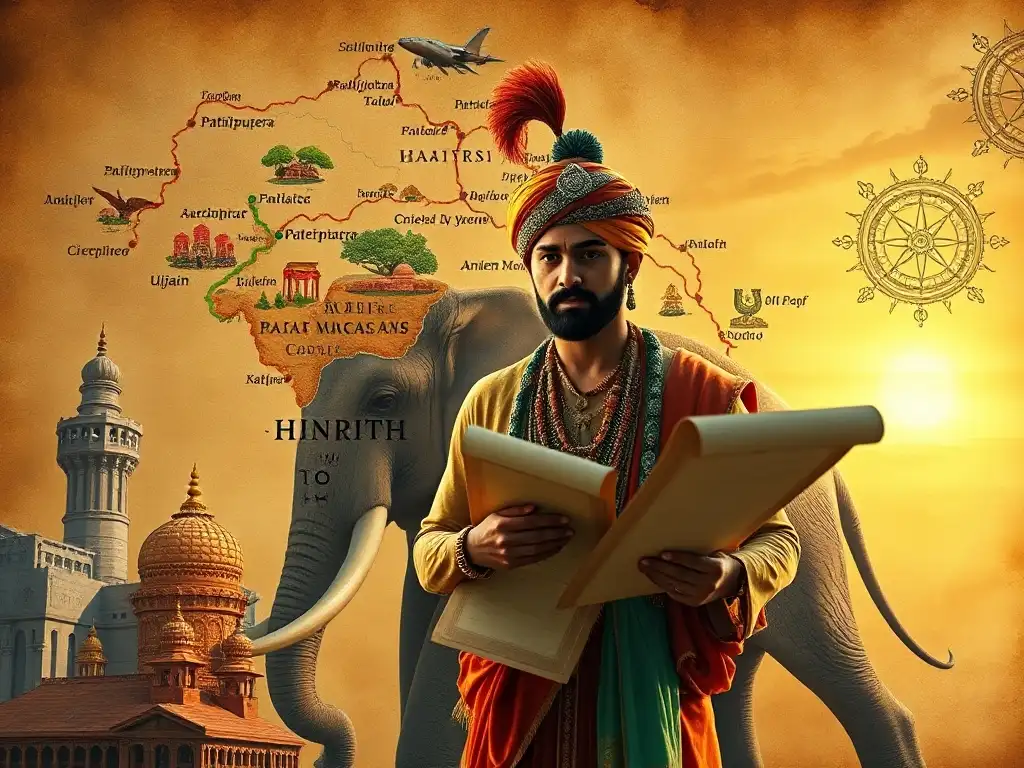
Embarking on a journey to explore the Gupta Empire requires thoughtful preparation to fully appreciate its historical significance and cultural richness. This section will provide crucial insights and practical tips to help you make the most of your travel experience.
Recommended Travel Gear for Exploring Ancient Sites
When visiting ancient sites associated with the Gupta Empire, having the right travel gear can enhance your experience significantly. Here’s a comprehensive list of recommended items to pack:
- Comfortable Footwear:
- Invest in sturdy walking shoes or sandals that provide good support, as you may be walking on uneven terrain at archaeological sites.
- Lightweight Clothing:
- Dress in breathable fabrics suitable for warm climates. Consider packing long-sleeved shirts and pants for sun protection.
- Sun Protection:
- Include a wide-brimmed hat, sunglasses, and high-SPF sunscreen to shield yourself from the sun while exploring outdoor sites.
- Hydration Gear:
- A reusable water bottle is essential. Some sites may have limited access to clean drinking water, so staying hydrated is vital.
- Camera and Binoculars:
- Capture the stunning architecture and landscapes. Binoculars can be handy for observing intricate details on distant ruins.
- Portable Charger:
- Ensure your devices stay charged to document your journey and use navigation apps effectively.
- Guidebooks or Apps:
- Consider bringing a guidebook on the Gupta Empire or downloading relevant apps that provide historical context and travel tips.
- First Aid Kit:
- A small kit with essentials like band-aids, antiseptics, and any personal medications can be invaluable during your travels.
- Notebook and Pen:
- Jot down your thoughts, experiences, and insights as you explore these ancient sites.
By equipping yourself with these essentials, you can ensure a more comfortable and enriching experience while delving into the rich history of the Gupta Empire.
Travel Insurance: Why It’s Crucial for Your Gupta Empire Adventure
Travel insurance is an often-overlooked aspect of trip preparation, yet it plays a critical role in safeguarding your adventure to the Gupta Empire. Here’s why securing travel insurance is essential:
- Coverage for Unexpected Events:
- Travel insurance provides financial protection against unforeseen circumstances such as trip cancellations, lost luggage, or medical emergencies. These issues can disrupt your plans and incur unexpected costs.
- Medical Emergencies:
- In case of illness or injury while traveling, insurance can cover medical expenses, ensuring you receive necessary care without overwhelming financial burden.
- Emergency Evacuations:
- Should a serious incident occur, such as natural disasters or political unrest, travel insurance can facilitate emergency evacuations, providing peace of mind during your journey.
- 24/7 Assistance:
- Many insurance plans offer 24/7 assistance hotlines that can provide support and guidance in case of emergencies, making it easier to navigate unexpected challenges.
- Peace of Mind:
- Knowing you're protected allows you to focus on enjoying the rich history and culture of the Gupta Empire without the worry of potential mishaps.
When selecting a travel insurance policy, look for coverage that specifically includes trips to historical sites, adventure activities, and any other elements unique to your travel plans. Always read the policy details carefully to understand what is and isn’t covered.
Securing travel insurance is a critical step in preparing for your Gupta Empire adventure, ensuring that you can explore this fascinating period of history with confidence and security.

Best Transportation Options for Gupta Empire Travel
When planning your journey through the heart of the Gupta Empire, understanding the best transportation options is crucial for a seamless travel experience. The Gupta Empire, which flourished from approximately 240 to 550 CE, encompasses several key regions in modern-day India, including parts of Uttar Pradesh, Bihar, and Madhya Pradesh. Here are the most effective modes of transportation to explore these historical sites:
-
Air Travel
Major cities like Varanasi and Gaya serve as convenient entry points. The nearest international airports are:
- Lal Bahadur Shastri International Airport (Varanasi)
- Gaya Airport
From these airports, travelers can connect to local destinations via domestic flights or ground transportation.
-
Train Services
The Indian Railways network is extensive and provides an economical and scenic way to travel. Key railway stations include:
- Gaya Junction: A major hub for those visiting Bodh Gaya, an important Buddhist pilgrimage site.
- Varanasi Junction: Ideal for accessing Sarnath and other significant Gupta-era sites.
Route Duration Key Stops Varanasi to Gaya 3-4 hours Varanasi, Bodh Gaya Gaya to Patna 2 hours Gaya, Patna -
Road Travel
Renting a car or hiring a driver is a popular choice for travelers seeking flexibility. The road conditions vary, so it’s advisable to check local travel advisories. Major highways connect significant cities and historical sites, allowing for easy exploration.
-
Local Transport
Once in a city, options like auto-rickshaws, cycle-rickshaws, and taxis are available. For a more immersive experience, consider using local buses to experience everyday life in the regions shaped by the Gupta Empire.
Luxurious Accommodations Near Gupta Empire Sites
Travelers looking for luxury and comfort while exploring the historical sites of the Gupta Empire will find a range of high-end accommodations. Here are some top recommendations:
-
Taj GVK Hotels & Resorts, Varanasi
This exquisite hotel offers stunning views of the Ganges River and is located near significant sites like Sarnath. Guests can enjoy:
- Spa Services: Indulge in traditional Ayurvedic treatments.
- Fine Dining: Experience local cuisine with a modern twist.
-
The Grand Bihar, Bodh Gaya
Situated close to the Mahabodhi Temple, this hotel combines luxury with cultural immersion. Features include:
- Elegant Suites: Spacious rooms with traditional decor.
- Cultural Programs: Engage in local art and music evenings.
-
ITC Mughal, Agra
While slightly outside the immediate Gupta region, this hotel is perfect for those extending their journey to nearby historical sites. It offers:
- Mughal Architecture: A stunning representation of the era’s grandeur.
- Gourmet Dining: A variety of restaurants including authentic Indian cuisine.
-
Radisson Blu, Gaya
A modern luxury hotel located near the city center, ideal for exploring both ancient sites and contemporary attractions. Amenities include:
- Infinity Pool: Relax with views of the lush surroundings.
- Fitness Center: Stay active while enjoying your travels.
-
Heritage Hotels
For a more traditional experience, consider staying in heritage properties that reflect the architectural styles of the Gupta period. These accommodations often include guided tours and personalized experiences, enhancing your exploration of ancient history.
By taking the time to choose the right transportation and accommodation options, your journey through the remnants of the Gupta Empire will be both luxurious and enriching, allowing you to fully immerse yourself in the history and culture of this remarkable civilization.
Enhancing Your Experience with Guided Tours and Local Experts

When traveling to explore the rich history of the Gupta Empire, engaging with local guides and tour packages can significantly enhance your experience. These professionals offer insights and knowledge that go beyond what is available in guidebooks, providing a deeper understanding of the cultural heritage and historical significance of the sites you visit. Here are some reasons why hiring a local guide can be a valuable addition to your journey through ancient India.
Benefits of Hiring a Local Guide
-
In-Depth Knowledge
Local guides possess extensive knowledge about the Gupta Empire, its history, and the significance of various archaeological sites. They can share fascinating stories, myths, and historical contexts that may not be readily available through traditional media. For instance, they can explain the architectural features of temples, such as the intricate carvings at the Udayagiri Caves, and their relevance to Gupta art and culture.
-
Personalized Experience
By hiring a local guide, you can tailor your itinerary to fit your interests. Whether you're fascinated by ancient architecture, inscriptions, or the daily life of the people during the Gupta period, a guide can customize the experience to meet your needs. This personalized approach ensures that you get the most out of your visit.
-
Cultural Insights
Local guides often have a deep connection to the culture and communities surrounding historical sites. They can provide insights into local customs, traditions, and modern-day life that enrich your understanding of the region. For example, visiting a local market or participating in a traditional event can offer a unique glimpse into the cultural tapestry that has evolved since the Gupta era.
-
Efficient Navigation
As you traverse ancient sites, a local guide can help you navigate the often complex histories and layouts of these locations. They can guide you through vast sites like Nalanda University, ensuring you don't miss key highlights and providing context at each stop. This expertise can save you time and enhance your exploration.
-
Language and Communication
Language barriers can hinder your travel experience in a foreign land. A local guide can bridge this gap, facilitating communication with locals and helping you engage more fully with the environment. This can lead to spontaneous interactions and experiences that you might miss otherwise.
Recommended Guided Tour Packages for Gupta Empire Exploration
When considering a guided tour for your exploration of the Gupta Empire, several packages offer comprehensive itineraries that cover key historical sites. Here are a few recommended options:
| Tour Package | Highlights | Duration | Price Range |
|---|---|---|---|
| Gupta Heritage Tour | Udayagiri Caves, Gupta-era Temples, Local Museums | 7 Days | $800 - $1200 |
| Imperial Gupta Adventure | Nalanda University, Bodh Gaya, Sarnath, and Patna | 10 Days | $1500 - $2000 |
| Cultural Immersion Tour | Local Festivals, Traditional Crafts, Culinary Experiences | 5 Days | $600 - $900 |
These packages typically include accommodations, transportation, and meals, allowing you to focus on enjoying the rich history and culture of the Gupta Empire without the stress of planning.
Incorporating the expertise of local guides and thoughtfully curated tour packages will undoubtedly enhance your experience, making your journey through the Gupta Empire an unforgettable adventure filled with learning and discovery. ✈️
Conclusion: Embracing the Richness of Gupta Empire Travel
Traveling through the remnants of the Gupta Empire offers a unique opportunity to immerse oneself in a period often referred to as the "Golden Age of India." This era, spanning from approximately 320 to 550 CE, was marked by remarkable advancements in art, science, and philosophy, all of which can still be experienced today through the sites that remain.
The Gupta Empire's contributions to architecture, literature, and mathematics are not merely historical footnotes—they are tangible experiences waiting to be explored. Sites such as Nalanda, one of the world's oldest residential universities, and Ajanta Caves, known for their stunning frescoes, provide a deep insight into the intellectual and cultural life of the time.
Embracing this journey means not just visiting these sites but also understanding the stories and the people who shaped them. Travelers are encouraged to engage with local guides, attend cultural performances, and partake in workshops that delve into traditional crafts and practices. By doing so, one can appreciate the profound legacy of the Gupta Empire in a much more meaningful way.
Call to Action: Start Your Gupta Empire Adventure Today!
Now that you are equipped with essential Gupta Empire travel tips, it's time to embark on your adventure! Here’s how to get started:
- Plan Your Itinerary: Identify key sites that resonate with your interests, whether it’s history, art, or architecture.
- Book Guided Tours: Opt for local guides who can offer insights that enrich your experience, providing context and stories behind the ruins.
- Engage with Local Culture: Participate in festivals, try local cuisine, and explore markets to get a feel for contemporary life that echoes the past.
- Document Your Journey: Capture your experiences through photography and journaling to reflect on the rich heritage you encounter.
With the right preparation and mindset, your journey through the remnants of the Gupta Empire will not just be a trip but a profound exploration of a civilization that has left an indelible mark on human history. 🌏✨
Frequently Asked Questions
What are the main attractions of the Gupta Empire for travelers?
The Gupta Empire is known for its rich cultural heritage. Key attractions include ancient temples, archaeological sites, and museums that showcase art and architecture from this golden age of Indian history.
What is the best time to visit sites from the Gupta Empire?
The ideal time to explore Gupta Empire sites is during the winter months (October to March) when the weather is pleasant and conducive for travel and sightseeing.
Are there guided tours available for exploring Gupta Empire locations?
Yes, many travel agencies offer guided tours that focus on historical sites of the Gupta Empire, providing insights into its culture, art, and significant contributions to civilization.
What should I wear when visiting Gupta Empire sites?
Visitors are advised to wear comfortable clothing suitable for the climate, and to consider modesty when visiting religious sites, as many temples still serve as active places of worship.
How can I enhance my experience when visiting Gupta Empire sites?
To enhance your experience, consider hiring a local guide who can provide context and stories about the historical significance of the sites, as well as recommendations for nearby attractions and local cuisine.
Final Reflection: Embracing the Legacy of the Gupta Empire
The allure of the Gupta Empire transcends time, inviting modern travelers to explore its rich history and cultural heritage. As we delve into the remnants of this remarkable civilization, we discover not just ancient ruins but also the enduring spirit of innovation and artistry that continues to inspire today. The insights shared in this article serve as a guide for discerning travelers, reminding us that the past is not merely a collection of artifacts, but a living narrative that shapes our understanding of the world.
Cultural exploration is a powerful tool for connection and understanding. The Gupta Empire, often referred to as the "Golden Age of India," has left an indelible mark on art, science, and philosophy that resonates in contemporary society. As we traverse the landscapes once graced by great scholars and artists, we are reminded of the words of Mahatma Gandhi: A nation's greatness is measured by how it treats its weakest members.
This sentiment underscores the importance of appreciating and preserving the legacies of civilizations like the Gupta Empire, as they provide valuable lessons on resilience, creativity, and community.
As you embark on your journey to uncover the secrets of the Gupta Empire, I invite you to reflect on the stories that these ancient sites tell. Consider how the wisdom of the past can inform your present and future adventures. Embrace the opportunity to connect with history, engage with local cultures, and foster a deeper appreciation for the world around you. Let the lessons of the Gupta Empire inspire you to travel not just with your eyes, but with your heart and mind open to the treasures of human experience.
Dive Deeper into the Gupta Empire Treasures!
Thank you for exploring the captivating world of the Gupta Empire with us! We hope you’ve uncovered valuable insights and inspiration for your upcoming adventures. Now, let’s transform that curiosity into action to truly embrace the essence of this incredible era.
- Plan your immersive journey by selecting a significant site related to the Gupta Empire to visit or research further.
- Engage with fellow history enthusiasts: Share your newfound knowledge or travel plans on social media using the hashtag #GuptaEmpireAdventures!
- Join a local history group or online community to exchange experiences and expand your understanding of ancient Indian cultures.
What aspect of the Gupta Empire fascinates you the most, and how do you plan to explore it further?