
From Varanasi to Rishikesh: A Spiritual Heritage Tour of Ancient India

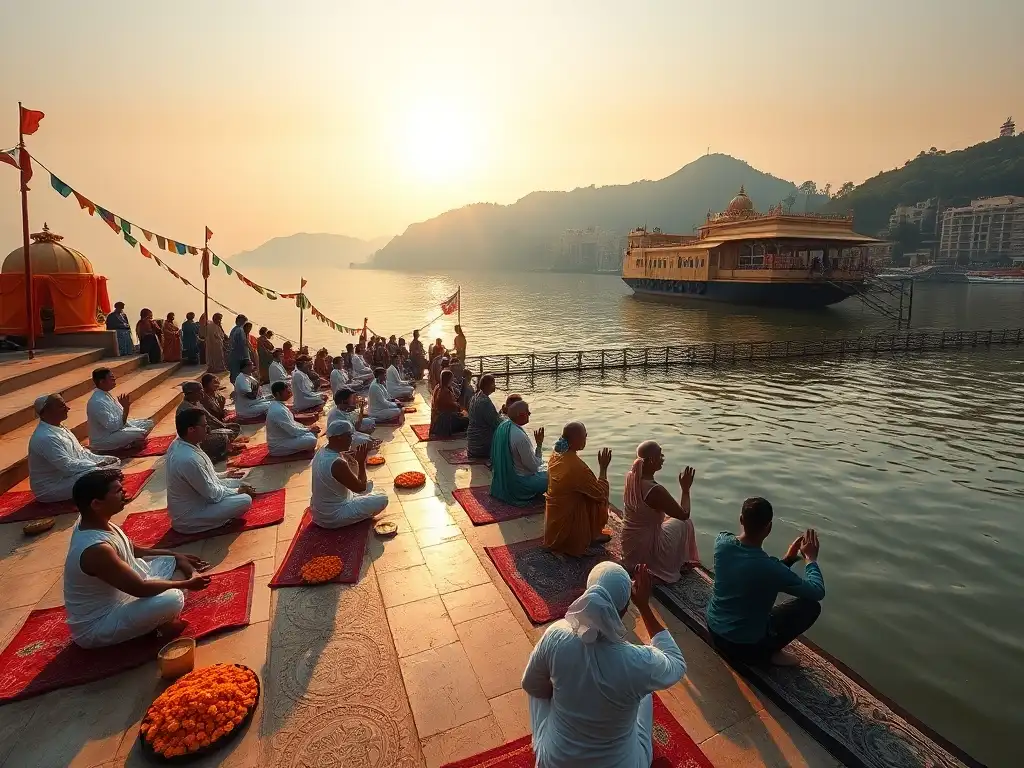
Welcome to Ancient India History, where we embark on a journey through the rich and diverse tapestry of ancient Indian civilizations. In our featured article, “From Varanasi to Rishikesh: A Spiritual Heritage Tour of Ancient India,” we invite you to delve into the enchanting world of spiritual heritage sites that have shaped the very essence of India’s cultural landscape.
Discover the profound stories and sacred traditions that echo through time, and let your curiosity lead you to uncover the hidden gems of the past. Join us as we explore the majestic legacies that continue to inspire and enlighten travelers from around the globe!
Introduction to Spiritual Heritage Sites in India
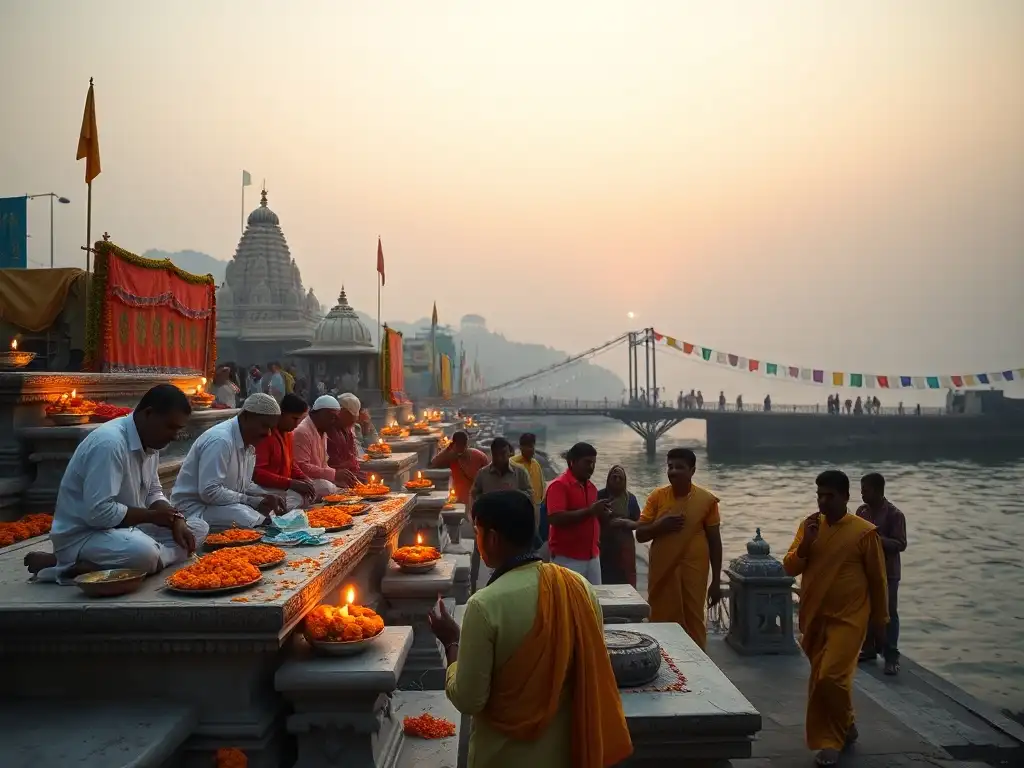
India is widely recognized as a land of profound spirituality, where ancient traditions and religious practices intertwine to create a rich tapestry of cultural heritage. Among the many facets of this diverse spiritual landscape, spiritual heritage sites in India stand out as significant markers of the nation's religious and historical journey. These sites not only attract pilgrims and tourists alike but also serve as beacons of India's philosophical and spiritual teachings, echoing the wisdom of the ages.
From the sacred banks of the Ganges in Varanasi to the serene landscapes of Rishikesh, this article explores the spiritual heritage tour that encapsulates the essence of ancient India. Each location boasts its unique significance, showcasing the architectural marvels, rituals, and traditions that have thrived over millennia. Embarking on this spiritual journey offers an unparalleled opportunity to engage with India’s historical narratives and spiritual legacies, making it a truly transformative experience for every traveler.
Varanasi: The Spiritual Capital of India
Varanasi, often revered as Kashi, is one of the oldest continuously inhabited cities in the world, steeped in history and spiritual significance. Known as the spiritual capital of India, Varanasi holds a paramount place in Hindu belief, drawing millions of devotees who seek to purify their souls in the holy waters of the Ganges. This vibrant city is a living museum of ancient culture, where every narrow lane and bustling ghat (riverfront steps) tells a story of devotion and tradition.
The Historical Significance of Varanasi
Varanasi's history dates back over 3,000 years, making it a cradle of civilization that has shaped the spiritual landscape of India. It is believed that Lord Shiva, one of the principal deities in Hinduism, chose Varanasi as his eternal abode, which adds to its sacred reputation. The city is mentioned in various ancient texts, including the Vedas and the Puranas, highlighting its significance as a center for learning, philosophy, and spirituality.
- Cultural Influence: Varanasi has been a hub for scholars, poets, and saints. Its influence can be seen in the teachings of renowned philosophers like Adi Shankaracharya and Tulsidas, who have left an indelible mark on Indian spirituality.
- Pilgrimage Destination: The city attracts pilgrims from all over the world, especially during significant festivals like Kashi Vishwanath Mahadev, where devotees flock to seek blessings and immerse themselves in the spiritual atmosphere.
Key Spiritual Heritage Sites in Varanasi
Varanasi is home to numerous spiritual heritage sites, each contributing to the city’s rich tapestry of culture and devotion. Some of the must-visit places include:
- Kashi Vishwanath Temple: This iconic temple dedicated to Lord Shiva is one of the twelve Jyotirlingas in India and is a pilgrimage site of immense importance.
- Dashashwamedh Ghat: Renowned for its grand Ganga Aarti ceremony, this ghat is a vibrant spot where spirituality meets community celebration.
- Sarnath: Located a short distance from Varanasi, Sarnath is where Buddha delivered his first sermon after attaining enlightenment, making it a significant Buddhist pilgrimage site.
Experiencing the Spiritual Essence of Varanasi
Experiencing Varanasi is a sensory journey that transcends the physical realm. Visitors can partake in various activities that deepen their spiritual connection and understanding of the city:
- Morning Boat Rides: A serene boat ride at dawn along the Ganges allows travelers to witness the mesmerizing rituals performed by devotees, offering a glimpse into the spiritual pulse of the city.
- Participating in Aarti: Joining the Ganga Aarti at Dashashwamedh Ghat is an unforgettable experience, where the rhythmic chants, flickering lamps, and collective devotion create an atmosphere of divine energy.
- Local Cuisine and Traditions: Exploring Varanasi's culinary delights, such as the famous Banarasi Kachori and Lassi, while engaging with local artisans and spiritual leaders adds depth to the travel experience.
As we transition from Varanasi to Rishikesh, the next leg of our spiritual heritage tour promises to unveil another layer of India's rich cultural and spiritual legacy. Stay tuned as we delve into the tranquil surroundings of Rishikesh and explore its profound significance in the realm of spirituality.
Journey from Varanasi to Rishikesh
The journey from Varanasi to Rishikesh offers a unique blend of spiritual experiences, cultural heritage, and breathtaking landscapes. Covering approximately 780 kilometers, this route takes travelers through some of the most sacred and historically rich regions of India. As you travel, the scenery transforms from the bustling life along the Ganges in Varanasi to the tranquil banks of the Ganges in Rishikesh, surrounded by the majestic Himalayas.
Starting in Varanasi, one of the oldest continuously inhabited cities in the world, visitors can delve into the depths of Hindu spirituality. The journey often includes a scenic drive or train ride, allowing travelers to witness the changing landscapes of northern India. Along the way, many choose to stop at significant sites such as Haridwar, a city famed for its ghats and the Ganga Aarti ceremony. This journey is not merely a transition between two cities; it is a pilgrimage that connects the spiritual essence of both locations.
As you approach Rishikesh, the atmosphere shifts dramatically. The air becomes crisp and fresh, infused with a sense of serenity that invites introspection. Here, spirituality is palpable, with the Ganges flowing gracefully and the mountains standing sentinel. This journey serves as an awakening, preparing travelers for the spiritual depth that Rishikesh offers.
The Spiritual Journey: A Connecting Thread
The spiritual journey from Varanasi to Rishikesh serves as a profound connecting thread that weaves together the essence of ancient Indian heritage. Each location embodies a unique spiritual philosophy and historical significance, contributing to the broader narrative of India's spirituality.
Varanasi, revered as the spiritual capital of India, is a city where life and death coexist harmoniously. Pilgrims flock to its ghats to perform rituals, seeking liberation from the cycle of rebirth. This city’s connection to the divine is encapsulated in its ancient temples and the sacred Ganges, considered a lifeline by millions.
On the other hand, Rishikesh is known as the "Yoga Capital of the World." It is a place where individuals seek enlightenment through yoga and meditation, drawing from ancient teachings that emphasize self-realization and inner peace. The journey between these two cities not only highlights the diversity of spiritual practices in India but also underscores the continuity of ancient traditions through time.
The connecting thread of this journey is enriched by the stories of saints, sages, and scholars who have traveled these paths seeking spiritual truth. It is a reminder of the age-old quest for understanding the self and the universe, making the journey itself a significant part of the spiritual heritage.
Rishikesh: The Gateway to Spirituality
Rishikesh stands as a prominent gateway to spirituality, attracting seekers from all around the globe. Nestled at the foothills of the Himalayas and flanked by the Ganges River, this town is steeped in spiritual history and cultural richness. Known for its ashrams and yoga centers, Rishikesh has become synonymous with peace, meditation, and self-discovery.
The town’s spiritual significance dates back thousands of years, with references found in ancient texts such as the Mahabharata and Ramayana. It is believed that Rishikesh is where Lord Rama performed penance for killing Ravana. The spiritual vibrations of the area resonate with visitors, drawing them to explore their inner selves through various practices.
Moreover, Rishikesh is often a starting point for those embarking on the Char Dham Yatra, a pilgrimage to the four sacred shrines of Yamunotri, Gangotri, Kedarnath, and Badrinath. This further emphasizes Rishikesh's pivotal role in India's spiritual landscape.
The Historical Significance of Rishikesh
Rishikesh is not only a modern hub for spirituality but also a site of profound historical significance. The town has served as a center for Hindu philosophy and spirituality for centuries, attracting sages and philosophers who sought refuge in its serene environment.
Historical records indicate that Rishikesh was a thriving pilgrimage site even during ancient times, where scholars and mystics would gather to exchange knowledge and engage in spiritual dialogue. The presence of numerous ancient temples, such as the Trayambakeshwar Temple and the Neelkanth Mahadeva Temple, reflects the town's long-standing religious importance.
In the early 20th century, Rishikesh gained international attention when it became a center for yoga and meditation, largely due to the influence of notable figures such as Swami Sivananda and Maharishi Mahesh Yogi. Their teachings attracted countless followers, leading to the establishment of many ashrams that continue to thrive today. This historical context adds depth to Rishikesh’s identity as a sanctuary for spiritual seekers.
Must-Visit Spiritual Heritage Sites in Rishikesh
Rishikesh offers a plethora of must-visit spiritual heritage sites that encapsulate its rich cultural and religious history. Here are some key sites that every traveler should explore:
- Trimbakeshwar Temple: Dedicated to Lord Shiva, this ancient temple is a significant pilgrimage site for devotees, known for its architectural beauty and spiritual ambiance.
- Lakshman Jhula: A suspension bridge that connects the two banks of the Ganges, this site is steeped in legend, believed to be the spot where Lord Rama's brother Lakshman crossed the river.
- Parmarth Niketan Ashram: One of the largest ashrams in Rishikesh, it offers daily yoga classes, spiritual discourses, and the mesmerizing Ganga Aarti, attracting visitors from all over the world.
- Neelkanth Mahadeva Temple: Situated amidst lush greenery, this temple dedicated to Lord Shiva is a sacred site where devotees come to seek blessings and engage in rituals.
- Sivananda Ashram: Founded by Swami Sivananda, this ashram promotes the teachings of yoga and meditation and hosts various spiritual programs throughout the year.
These sites not only serve as destinations for spiritual practices but also function as gateways to understanding the deeper philosophical underpinnings of ancient Indian spirituality.
Engaging in Spiritual Practices in Rishikesh
Engaging in spiritual practices in Rishikesh is an enriching experience that allows visitors to connect with their inner selves and the divine. The town is synonymous with yoga, meditation, and holistic healing, offering a variety of programs tailored to different levels of spiritual seekers.
- Yoga Retreats: Rishikesh is home to numerous yoga schools and retreat centers that offer courses ranging from beginner to advanced levels. Participants can immerse themselves in asanas, pranayama, and philosophy, often overlooking the serene Ganges.
- Meditation Sessions: Many ashrams provide structured meditation programs that focus on techniques such as mindfulness and transcendental meditation. These sessions guide participants in exploring the depths of their consciousness.
- Ganga Aarti: The evening Ganga Aarti at the banks of the Ganges is a captivating ritual that draws crowds. Witnessing this ceremony, where devotees offer prayers and light lamps, is a spiritual experience that resonates deeply with participants.
- Nature Walks and Trekking: Engaging with the natural beauty of Rishikesh is also a form of spiritual practice. Guided nature walks and treks in the surrounding hills provide a meditative experience, encouraging reflection and connection with nature.
- Ayurvedic Treatments: Many wellness centers in Rishikesh offer Ayurvedic therapies that promote physical and mental well-being. These treatments are rooted in ancient Indian medicine and are designed to restore balance and harmony within the body.
By participating in these practices, visitors can experience the transformative power of spirituality that Rishikesh embodies, making it a true haven for those on a spiritual quest.
Planning Your Spiritual Heritage Tour
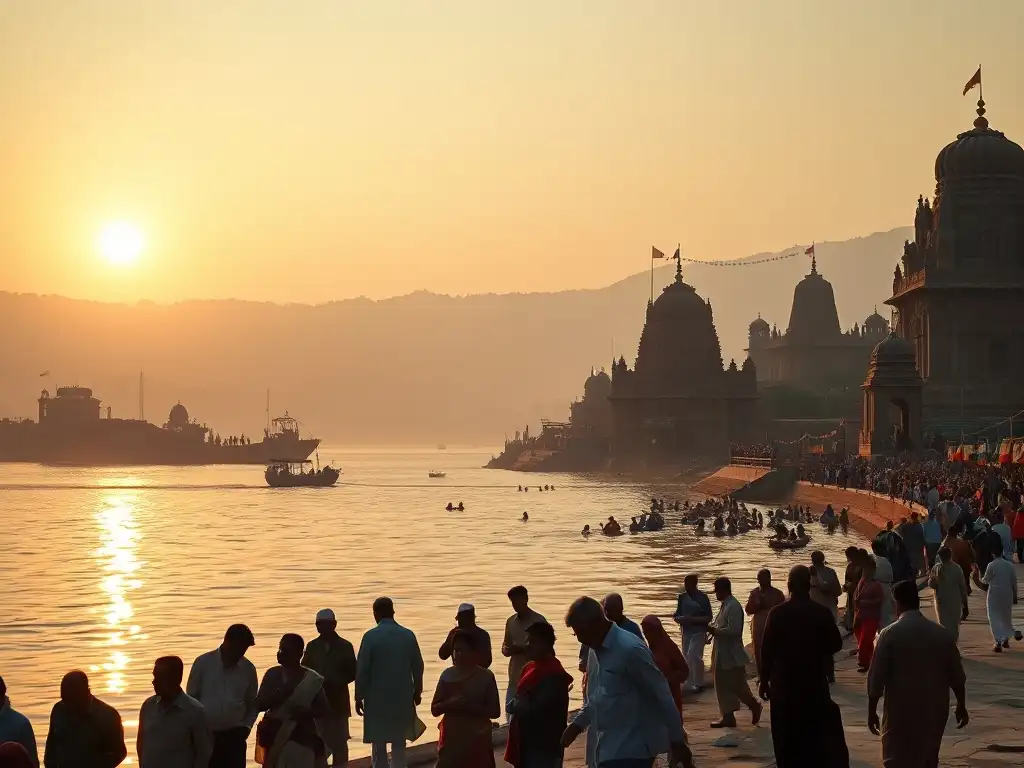
Planning a spiritual heritage tour from Varanasi to Rishikesh involves more than just selecting sites to visit; it requires an understanding of the cultural and spiritual significance of each location. To begin with, it's essential to research the rich tapestry of history, philosophies, and rituals that define these sacred places.
Varanasi, one of the oldest continuously inhabited cities in the world, is renowned for its ghats along the Ganges River, where pilgrims perform rituals to honor their ancestors and seek spiritual cleansing. Rishikesh, often referred to as the "Yoga Capital of the World," offers a serene backdrop for meditation and reflection, nestled in the foothills of the Himalayas.
As you plan your itinerary, consider the duration of your stay. A well-structured tour typically spans 5 to 7 days, allowing for ample time to explore the spiritual sites, engage in local customs, and participate in guided meditation or yoga classes. It’s advisable to include visits to significant temples, ashrams, and other historical landmarks. Additionally, engaging a local guide can enrich your experience, providing insights into the spiritual practices and historical contexts of the sites you visit.
Best Times to Visit Varanasi and Rishikesh
When planning your visit, timing is crucial for experiencing the vibrant culture and serene beauty of Varanasi and Rishikesh. The best months to visit these spiritual heritage sites are from October to March. During this period, the weather is pleasantly cool and dry, making it ideal for sightseeing and outdoor activities.
- October to November: The onset of winter brings festive celebrations, including the famous Diwali festival, which illuminates Varanasi with lights and fireworks, creating a magical atmosphere.
- December to February: These months are characterized by cooler temperatures, perfect for morning boat rides on the Ganges and evening aarti (prayer) ceremonies at the ghats. However, be prepared for colder nights, especially in Rishikesh.
- March: The end of the tourist season sees a surge in visitors as the weather warms up. It’s also the time for various spiritual festivals, including Maha Shivaratri, which draws pilgrims from across the country.
Recommended Tour Packages for Spiritual Heritage Tours
Several travel companies offer tailored tour packages that cater specifically to those interested in spiritual heritage sites in India. Here are a few popular options:
- Heritage and Spiritual Package: This package typically includes guided tours of major temples in Varanasi, such as Kashi Vishwanath Temple and Sarnath, combined with yoga sessions in Rishikesh. Expect comfortable accommodations and transportation between sites.
- Cultural Immersion Tour: Focused on deepening your understanding of local customs, this tour may involve workshops on traditional crafts, cooking classes, and participation in local festivals, alongside visits to spiritual sites.
- Wellness Retreats: Many packages emphasize wellness and spiritual rejuvenation, featuring yoga and meditation retreats in Rishikesh alongside excursions to Varanasi. These often include expert-led sessions and holistic therapies.
- Luxury Spiritual Tours: For those seeking a more opulent experience, luxury tours offer personalized services, gourmet meals, and stays in premium accommodations, along with exclusive access to spiritual leaders and private ceremonies.
Tips for a Meaningful Spiritual Journey
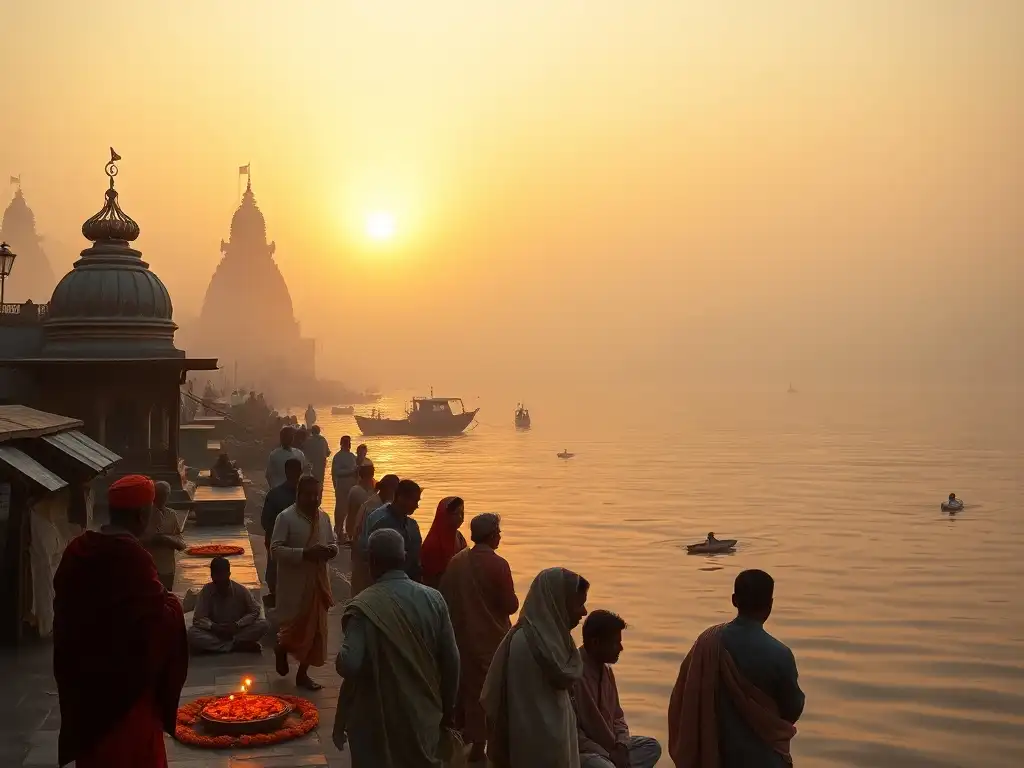
Embarking on a spiritual heritage tour is not just about visiting sites; it’s about engaging with the culture and embracing the spirituality of the places you visit. Here are some tips to enhance your journey:
- Be Open-Minded: Embrace new experiences and perspectives. Participate in local rituals and ceremonies, which can deepen your understanding of the spiritual practices in these regions.
- Dress Respectfully: When visiting temples and sacred sites, wear modest clothing. Women should cover their shoulders and legs, while men should avoid shorts.
- Engage with Locals: Take the time to converse with local residents, as they can offer unique insights into the spiritual significance of the sites and share personal stories that enrich your experience.
- Practice Mindfulness: Whether you are meditating by the Ganges or attending a yoga class in Rishikesh, practice mindfulness to fully absorb the spiritual atmosphere around you.
- Document Your Journey: Keep a journal or blog about your experiences. Writing can help you reflect on your thoughts and emotions during your spiritual journey.
Conclusion: Embracing the Spiritual Heritage of Ancient India
The spiritual heritage tour from Varanasi to Rishikesh offers a profound opportunity to connect with the ancient traditions and beliefs that have shaped India’s cultural landscape. By immersing yourself in the rituals, philosophies, and practices of these sacred sites, you gain insights not only into the history of ancient India but also into your own spiritual journey.
As you witness the mesmerizing aarti ceremonies, practice yoga by the Ganges, and explore age-old temples, you will find that the spiritual essence of these locations resonates deeply within you. Embrace this journey with an open heart and mind, and allow the spiritual heritage of ancient India to enlighten your soul.
Call to Action
Embarking on a spiritual heritage tour through ancient India, from Varanasi to Rishikesh, is not just a journey; it’s an experience that transcends time and space. These destinations are rich in history, culture, and spiritual significance, making them essential stops for anyone looking to deepen their understanding of India’s spiritual landscape.
Ready to Explore?
Don't miss the opportunity to witness the enchanting rituals on the banks of the Ganges in Varanasi, where spirituality comes alive through centuries-old traditions. Experience the vibrant energy of this sacred city, where every corner tells a story dating back thousands of years.
Dive into Tranquility:
Continue your journey to Rishikesh, the yoga capital of the world, where the serene banks of the Ganges invite you to unwind and reconnect with your inner self. Participate in meditation sessions, yoga classes, and spiritual workshops that have been practiced for generations.
Plan Your Journey:
Whether you’re seeking enlightenment, relaxation, or adventure, the spiritual heritage sites in India offer something for everyone. Start planning your itinerary today to ensure you make the most of your visit.
Connect with Experts:
Consider reaching out to travel consultants who specialize in luxury and historical travel to curate a personalized itinerary that fits your interests and desires. Their expertise can help you navigate the rich tapestry of experiences available along this spiritual heritage tour.
Join the Journey!
Embark on this transformative experience and discover the spiritual heart of India. Book your tour now, and let the ancient wisdom of Varanasi and Rishikesh guide you on a path of self-discovery and enlightenment.
- Introduction to Spiritual Heritage Sites in India
- Varanasi: The Spiritual Capital of India
- Journey from Varanasi to Rishikesh
- Rishikesh: The Gateway to Spirituality
- Planning Your Spiritual Heritage Tour
- Best Times to Visit Varanasi and Rishikesh
- Recommended Tour Packages for Spiritual Heritage Tours
- Tips for a Meaningful Spiritual Journey
- Conclusion: Embracing the Spiritual Heritage of Ancient India
- Call to Action
- What are the major spiritual heritage sites in India mentioned in the article?
- Why is Varanasi considered a significant spiritual site?
- How does Rishikesh contribute to India's spiritual heritage?
- What role did ancient Indian civilizations play in shaping spiritual heritage?
- How can visitors experience the spiritual heritage of these sites?
Frequently Asked Questions
What are the major spiritual heritage sites in India mentioned in the article?
The article highlights Varanasi and Rishikesh as key spiritual heritage sites, known for their ancient temples, sacred rivers, and holistic practices that attract millions of pilgrims and tourists annually.
Why is Varanasi considered a significant spiritual site?
Varanasi is revered for its ghats, where rituals and ceremonies are performed along the Ganges River, making it a crucial pilgrimage destination for Hindus seeking spiritual purification and enlightenment.
How does Rishikesh contribute to India's spiritual heritage?
Rishikesh, often called the "Yoga Capital of the World," is famous for its ashrams, meditation centers, and the Ganga Aarti ceremony, which underscores its role in promoting spiritual practices and wellness.
What role did ancient Indian civilizations play in shaping spiritual heritage?
Ancient Indian civilizations, such as those from the Indus Valley to the Gupta Empire, laid the groundwork for various religious philosophies, rituals, and architectural styles that define India's spiritual landscape today.
How can visitors experience the spiritual heritage of these sites?
Visitors can engage in rituals, attend spiritual discourses, participate in yoga sessions, and explore ancient temples, allowing them to immerse themselves in the rich spiritual traditions of India.
Final Reflection: Embracing the Essence of Spiritual Heritage in India
The journey through the spiritual heritage sites in India, from the sacred ghats of Varanasi to the tranquil banks of Rishikesh, underscores the profound connection between culture and spirituality. In today's fast-paced world, where the noise of modernity often drowns out the whispers of tradition, these ancient sites serve as powerful reminders of our roots and the timeless quest for inner peace. They invite us to pause, reflect, and reconnect with the essence of our existence.
The influence of these spiritual heritage sites extends far beyond their geographical boundaries; they shape our collective consciousness and inspire countless seekers on their paths. The vibrant rituals, the serene landscapes, and the rich histories encapsulated within these locations resonate deeply with those who visit, fostering a sense of belonging and purpose. In the midst of movement and chaos, keep stillness inside of you.
– Deepak Chopra. This quote beautifully encapsulates the essence of what these sacred spaces offer: a sanctuary for the soul amidst the chaos of life.
As you reflect on the insights gained from this exploration of India's spiritual heritage, I encourage you to consider how you can incorporate these lessons into your own life. Take a moment to seek out your own spiritual sanctuary, whether it be a place of worship, a quiet corner in your home, or a natural setting that brings you peace.
Allow the wisdom of these ancient traditions to guide you, and remember that the journey toward spiritual fulfillment is as significant as the destination itself. Embrace the opportunity to deepen your connection with the world around you and within you, and let the spirit of India inspire your path forward.
Embrace Your Journey: Unleash the Spirit of Ancient India!
Thank you for taking the time to explore the rich spiritual tapestry of ancient India, from the sacred ghats of Varanasi to the serene banks of Rishikesh! We hope you found inspiration in the sacred practices, vibrant traditions, and historical insights shared in this article. Now, let's transform that inspiration into action.
Here are some steps you can take to deepen your connection and experience the profound essence of this journey:
- Join a local workshop or retreat focused on yoga or meditation, allowing you to immerse yourself in the practices that have been cultivated over centuries.
- Share your newfound knowledge with friends and family by planning a discussion or a themed gathering, weaving in the stories and significance behind the sites you’ve just discovered.
- Explore virtual tours of ancient Indian temples or attend online lectures to connect with experts and enthusiasts, enriching your understanding and appreciation of this spiritual heritage.
Which aspect of ancient India resonates most with you, and how will you incorporate its wisdom into your daily life?