
Ancient Indian Battle Formations: Strategies that Changed the Course of History

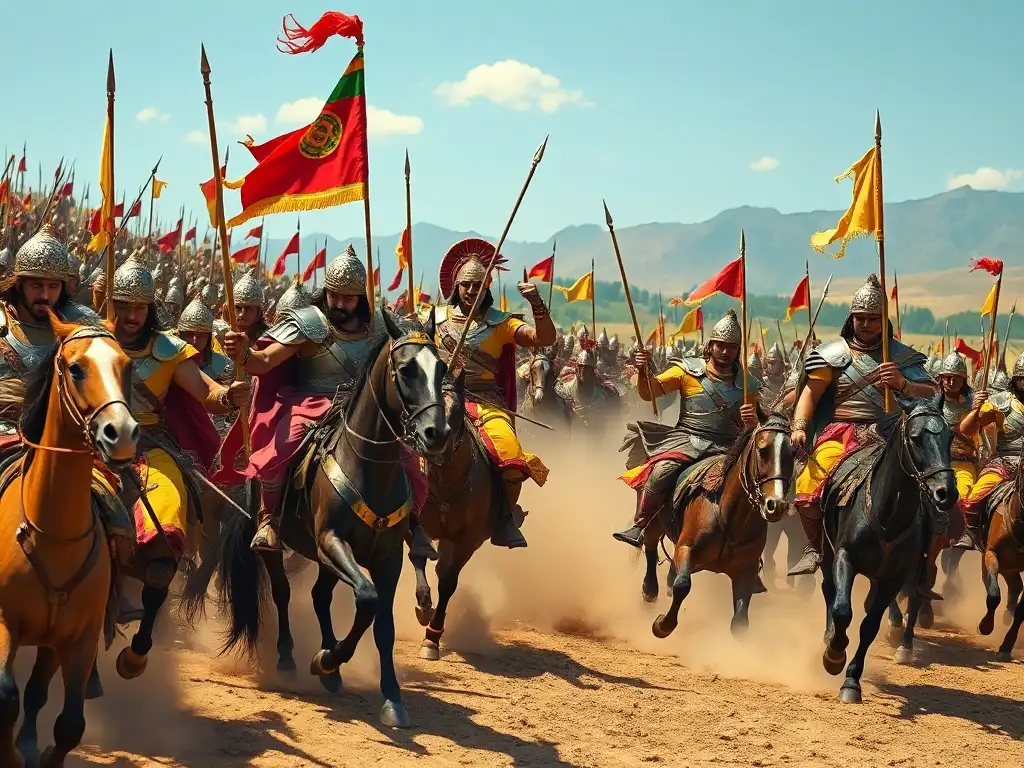
Welcome to Ancient India History, where we embark on a fascinating journey through the rich tapestry of ancient Indian civilizations. Here, we delve into the remarkable battle strategies that not only shaped the military landscape but also influenced the course of history itself. In our featured article, “Ancient Indian Battle Formations: Strategies that Changed the Course of History,” we invite you to uncover the intricate tactics and formations that defined warfare from the Indus Valley to the Gupta Empire.
Prepare to be captivated as we explore how these ancient techniques resonate through time, leaving an indelible mark on military history. Your adventure into the past begins now—are you ready to discover the secrets of ancient warfare?
Introduction to Ancient Indian Battle Strategies
The history of warfare in ancient India is a tapestry woven with intricate strategies, innovative formations, and profound cultural significance. From the formidable Indus Valley Civilization to the illustrious Gupta Empire, ancient Indian battle strategies played a pivotal role in shaping the political landscape of the subcontinent.
These strategies were not merely about brute force; they encompassed a blend of tactical ingenuity, geographical awareness, and psychological warfare that often determined the fate of kingdoms. This article will delve into the various battle formations and strategies employed by ancient Indian warriors, illustrating how these methods not only influenced military outcomes but also left a lasting legacy on military tactics throughout history.
Overview of Ancient Indian Warfare
Ancient Indian warfare was characterized by a rich amalgamation of diverse techniques and formations that evolved over centuries. The strategic framework was often influenced by factors such as geography, technology, and the socio-political climate of the time. The use of infantry, archers, cavalry, and war elephants were fundamental components of ancient Indian armies, each playing a unique role in the battlefield dynamics.
- Key Elements of Warfare:
- Infantry: Foot soldiers formed the backbone of ancient armies, trained to engage in close combat.
- Cavalry: Mounted units provided speed and mobility, crucial for flanking maneuvers.
- Archers: Ranged units offered support and could disrupt enemy formations.
- War Elephants: Used not only for their strength but also as psychological tools to instill fear in the enemy ranks.
The integration of these elements into cohesive battle formations was vital, as it allowed commanders to maximize their forces' strengths while exploiting the weaknesses of their adversaries.
Importance of Battle Formations in Historical Context
The significance of battle formations in ancient Indian warfare cannot be overstated. These formations were reflective of the strategic thinking and military prowess of the time. Properly executed formations could mean the difference between victory and defeat, and several key battles throughout history showcase the effectiveness of these strategies.
Notable Historical Battles:
- The Battle of the Hydaspes (326 BCE), where King Porus utilized innovative formations against Alexander the Great.
- The Kalinga War (261 BCE), which illustrated the devastating impact of strategic formations on civilian populations and military morale.
In these contexts, battle formations served not only as tactical arrangements but also as symbols of power and authority, influencing the course of history through their outcomes.
Key Ancient Indian Battle Strategies
Ancient Indian battle strategies were diverse and multifaceted, reflecting the ingenuity of military leaders and the adaptability of their forces. Below are some of the most notable strategies that have left an indelible mark on military history.
The Phalanx Formation: A Tactical Overview
The phalanx formation was a widely used strategy in ancient India, characterized by rows of infantry standing shoulder to shoulder, creating a formidable wall of shields and spears. This formation allowed for enhanced defensive capabilities while maximizing offensive thrusts against enemy forces.
- Key Features:
- Dense arrangement of troops for maximum impact.
- Ability to withstand frontal assaults.
- Effective for maintaining order amidst chaos.
The phalanx was particularly effective in battles where terrain favored a solid defensive line, showcasing the importance of discipline and coordination among troops.
The Cavalry Charge: Speed and Impact
The cavalry charge was a hallmark of ancient Indian warfare, allowing for rapid movement and decisive engagement with enemy forces. Cavalry units were often used to exploit weaknesses in enemy lines or to pursue fleeing foes.
- Advantages of Cavalry:
- Increased mobility and speed on the battlefield.
- Capability to flank and encircle enemy formations.
- Psychological impact of mounted troops on foot soldiers.
This strategy was instrumental in numerous battles, where the swift cavalry could turn the tide in favor of their commanders.
The Use of War Elephants: Strength and Symbolism
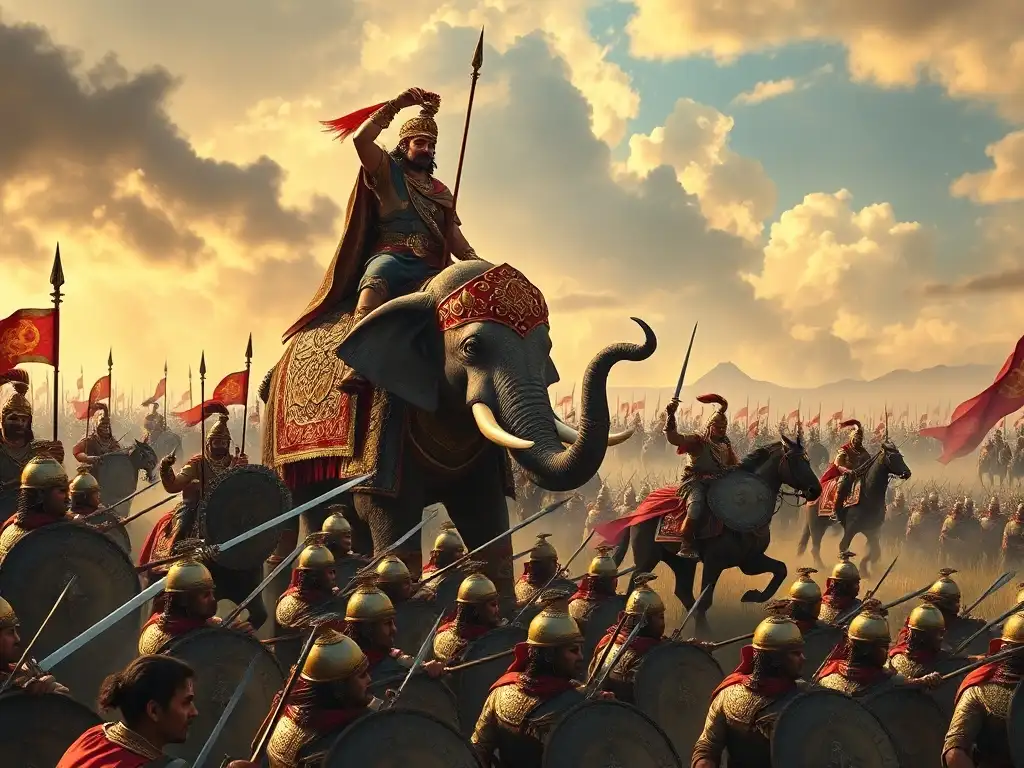
War elephants were a unique and powerful aspect of ancient Indian battle strategies. Their sheer size and strength made them formidable on the battlefield, serving both tactical and symbolic purposes.
- Roles of War Elephants:
- Breaking enemy lines and causing chaos.
- Carrying archers or commanders into battle for strategic oversight.
- Serving as a status symbol, representing the wealth and power of a king.
The use of war elephants became synonymous with ancient Indian warfare, leaving a lasting impression on both allies and adversaries. Their deployment often dictated the structure of battle formations and strategies, showcasing their integral role in warfare.
Notable Ancient Indian Battles and Their Strategies
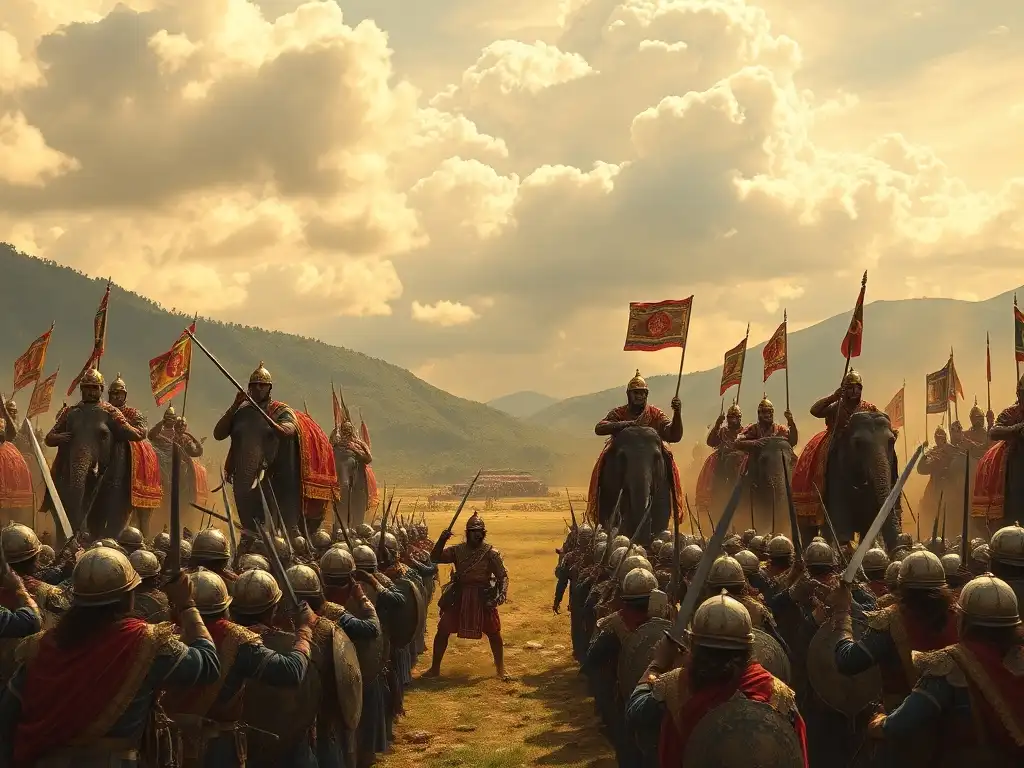
Ancient Indian battle strategies were characterized by unique formations, tactical innovations, and the integration of diverse influences from neighboring cultures. Some of the most notable battles not only exemplified these strategies but also left a lasting impact on the course of Indian history. From the epic conflicts depicted in texts like the Mahabharata to the historical conquests of powerful empires, these battles showcased the military acumen of ancient Indian leaders and their ability to adapt to evolving warfare dynamics.
The Battle of Kurukshetra: Strategies of the Mahabharata
The Battle of Kurukshetra, one of the most significant events in the Mahabharata, is a prime example of ancient Indian battle strategies. Spanning 18 days, this epic conflict involved the Pandavas and Kauravas and was marked by several strategic maneuvers:
- Chakra Vyuha: One of the most famous formations used during this battle was the Chakra Vyuha, a circular formation designed to protect key warriors while encircling adversaries. This strategy aimed to confuse and isolate enemy troops.
- Emphasis on Morale and Ethics: The ethical dilemmas faced by warriors, as highlighted in the Bhagavad Gita, played a crucial role in the battle's dynamics. Leaders like Arjuna had to balance their duty as warriors with their moral responsibilities.
- Use of Allies and Espionage: Throughout the battle, alliances were formed and broken, showcasing the importance of intelligence and reconnaissance in warfare. Espionage played a key role in understanding enemy strategies, which ultimately influenced the outcomes of various confrontations.
The Conquests of Chandragupta Maurya: Strategic Innovations
Chandragupta Maurya, the founder of the Maurya Empire, exemplified innovative military strategies during his conquests. His campaigns were marked by several key strategies:
- Use of Infantry and Cavalry: Chandragupta effectively utilized a mix of infantry, cavalry, and war elephants to create a flexible and formidable army. This combination allowed him to engage in various terrains and adapt to different battlefield scenarios.
- Guerrilla Tactics: In his campaigns against the Nanda Empire and other regional powers, Chandragupta employed guerrilla tactics, including surprise attacks and swift retreats, which disrupted traditional warfare norms.
- Diplomatic Alliances: Chandragupta's success was also attributed to his ability to forge strategic alliances, including an alliance with the Greek general Seleucus I Nicator. This not only strengthened his position but also facilitated the exchange of military knowledge.
The Role of Ashoka’s Edicts in Warfare Strategy
Emperor Ashoka, known for his transformative governance post-Kalinga War, also had a profound influence on warfare strategy through his edicts:
- Promotion of Dhamma: After witnessing the devastation of war, Ashoka's edicts emphasized the importance of Dhamma (moral law) over brute force. This shift reflected a strategic move towards psychological warfare, promoting peace and stability in his empire.
- Strategic Communication: Ashoka's edicts, inscribed on pillars and rocks, served as a means of communication that reinforced loyalty among his subjects and deterred potential adversaries. This innovative approach utilized written communication as a strategic tool in governance and warfare.
- Centralized Administration for Military Efficiency: Ashoka's establishment of a centralized administration allowed for better resource allocation and troop mobilization, leading to more effective military responses during conflicts.
Evolution of Ancient Indian Battle Formations
The evolution of ancient Indian battle formations was influenced by various factors, including changing military technologies, the rise of powerful kingdoms, and interactions with neighboring civilizations. This evolution highlights the adaptability of Indian warfare throughout history.
Transition from Early Warfare to Organized Formations
Early Indian warfare was characterized by unstructured conflicts often involving tribal skirmishes. However, as kingdoms expanded, the need for organized warfare became evident:
- Formation of Standing Armies: The establishment of standing armies marked a significant transition, allowing for better training, discipline, and coordination during battles.
- Adoption of Complex Formations: The introduction of complex battle formations, such as the Vyuha (military formations), allowed commanders to strategize effectively against larger foes and coordinate attacks more efficiently.
- Role of Commanders and Tactics: The rise of skilled commanders who could devise and implement tactical plans significantly influenced the organization of troops on the battlefield, leading to a more structured approach to warfare.
Influences from Neighboring Civilizations on Indian Warfare
Ancient Indian warfare was not isolated; it was significantly influenced by neighboring civilizations, particularly through trade, cultural exchanges, and military encounters:
- Persian and Greek Military Tactics: The invasions of Alexander the Great introduced new military strategies and formations to Indian warfare. Indian generals adapted these tactics, incorporating elements such as heavy cavalry and phalanx formations.
- Cultural Exchange: The interaction with Hellenistic cultures led to advancements in weaponry and military technology, including the use of more sophisticated siege equipment.
- Integration of Infantry and Cavalry: The influence of neighboring civilizations also encouraged the integration of diverse troop types, which enhanced the effectiveness of Indian armies in various combat situations.
Technological Advancements and Their Impact on Battle Strategies
Technological advancements played a crucial role in shaping ancient Indian battle strategies, influencing both the tactics employed and the overall effectiveness of military campaigns:
- Development of Iron Weapons: The transition from bronze to iron weapons allowed for stronger and more durable arms, enhancing the combat effectiveness of soldiers and altering battle dynamics.
- Siege Warfare Techniques: Innovations in siege techniques, such as the use of catapults and siege towers, transformed how battles were fought, especially during the conquest of fortified cities.
- Naval Warfare: Although less emphasized than land battles, advancements in naval technology allowed for increased trade and military operations along the coasts, expanding the strategic options available to ancient Indian rulers.
Through these notable battles and the evolution of formations, ancient Indian battle strategies reveal a rich tapestry of military history, shaped by cultural influences, technological advancements, and the relentless pursuit of victory.
Analysis of Specific Battle Formations in Ancient India
Ancient Indian battle formations were not only tactical maneuvers but also reflected the rich cultural and philosophical ideals of the time. These formations were designed to maximize the strengths of warriors and exploit the weaknesses of the enemy. Each formation had its unique characteristics, which were often influenced by the geographical and political landscape of the time. Understanding these formations provides insights into the military strategies that shaped ancient Indian warfare and their lasting impact on subsequent generations.
The Chakravyuha: A Complex Defensive Formation
The Chakravyuha is one of the most renowned battle formations in ancient Indian warfare, famously illustrated in the Mahabharata. This circular formation was designed to create a defensive barrier while allowing for an offensive thrust at its core. Warriors arranged themselves in concentric circles, with the strongest fighters positioned at the center, creating a formidable defensive structure.
The strategic significance of the Chakravyuha lay in its ability to confuse and trap the enemy, drawing them into the center where they could be overwhelmed by concentrated attacks. The most famous instance of its use occurred during the Kurukshetra War when Abhimanyu, the son of Arjuna, bravely penetrated this formation but was ultimately trapped and killed. This incident not only highlights the effectiveness of the Chakravyuha but also underscores the tragic consequences of warfare and the valor of its warriors.
The Makara Formation: Symbolism and Tactical Use
The Makara formation, resembling the shape of a mythical sea creature, served both symbolic and practical purposes in ancient Indian battles. This formation often consisted of warriors arranged in a way that mirrored the Makara's shape, creating a visually striking and psychologically intimidating front.
The tactical advantage of the Makara formation lay in its flexibility and adaptability during combat. It allowed for rapid movement and reconfiguration, enabling commanders to respond effectively to changing battlefield dynamics. Additionally, the symbolism associated with the Makara—representing strength and stability—imbued the troops with morale and a sense of purpose, essential for sustaining their resolve in battle.
The Vyuha: Understanding Its Strategic Importance
The term Vyuha refers to a broader category of formations used in ancient Indian warfare, encompassing various tactical arrangements. Each Vyuha type was tailored to specific combat scenarios, reflecting a deep understanding of military strategy. Among the most notable was the Padmavyuha, which was designed to counter cavalry charges by creating a flower-like pattern with infantry stationed at the outer edges.
The strategic importance of the Vyuha formations extended beyond mere tactics; they represented a comprehensive approach to warfare that integrated philosophy, logistics, and troop dynamics. By employing different Vyuhas, commanders could anticipate enemy movements and devise counter-strategies, showcasing a sophisticated level of military planning that was advanced for its time.
The Legacy of Ancient Indian Battle Strategies
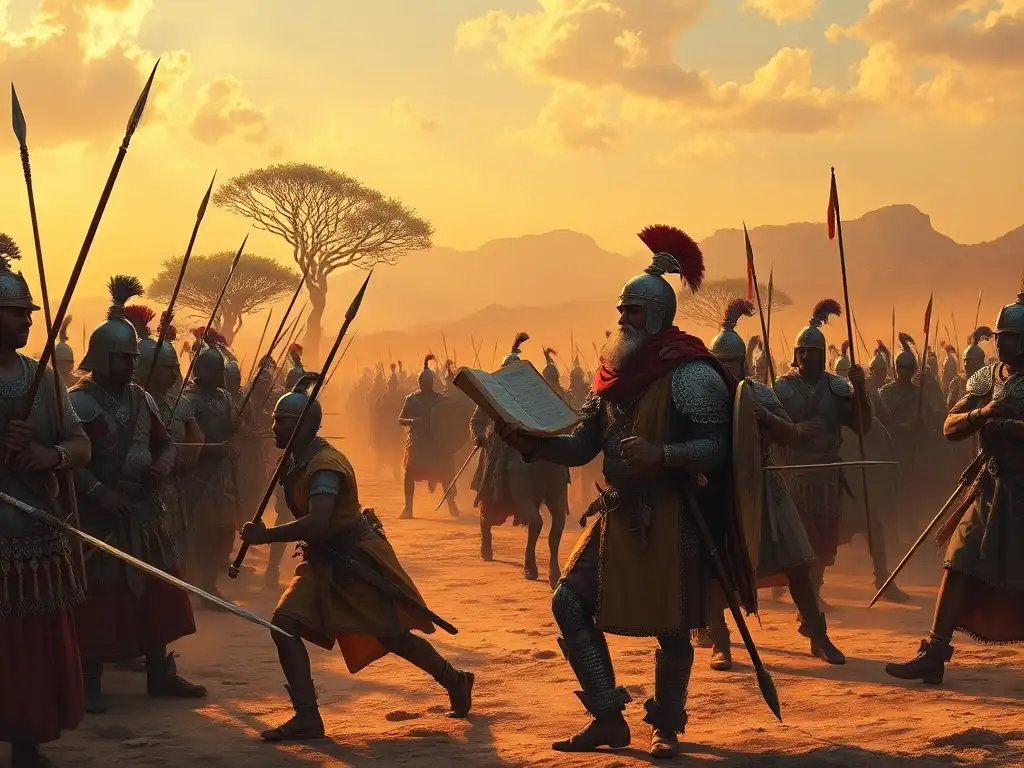
The legacy of ancient Indian battle strategies extends far beyond the battlefield. These formations and tactics not only shaped the outcomes of specific conflicts but also influenced military thought and practices in various cultures and eras that followed.
Influence on Modern Military Tactics
Many principles found in ancient Indian battle strategies continue to resonate within modern military tactics. Concepts such as strategic positioning, psychological warfare, and the use of deception can trace their roots back to formations like the Chakravyuha and Vyuha. Modern military leaders study these ancient strategies to glean insights into effective maneuvering, troop organization, and the importance of morale, demonstrating the timeless relevance of these historic practices.
Continuation of Ancient Strategies in Later Indian Warfare
The ingenuity of ancient Indian battle formations laid the groundwork for subsequent military strategies in later periods of Indian history. As dynasties rose and fell, the basic principles of these formations were adapted and evolved, reflecting the changing nature of warfare. The Mughal Empire, for instance, incorporated elements of ancient Indian tactics into its own military strategies, blending them with contemporary techniques from other cultures.
Cultural and Historical Significance of Battle Formations
The cultural and historical significance of ancient Indian battle formations extends beyond their military utility. These formations were often imbued with philosophical meanings and were reflective of the social structure, values, and beliefs of the time. They served as a testament to the organizational capabilities of ancient Indian societies and their understanding of warfare as not just a physical confrontation but a complex interplay of strategy, ethics, and culture. The study of these formations enriches our understanding of ancient Indian civilization and its enduring legacy in the realms of military thought and cultural identity.
Conclusion: The Impact of Ancient Indian Battle Strategies on History
The battle strategies employed by ancient Indian civilizations significantly influenced the outcomes of numerous conflicts and shaped the trajectory of historical developments in the region. From the meticulously organized formations of the Indus Valley to the innovative tactics of the Mauryan and Gupta Empires, these strategies were not just about victory in battle; they played a crucial role in statecraft, territorial expansion, and the establishment of political dominance. The sophisticated understanding of terrain, logistics, and troop movements showcased by ancient Indian generals laid the groundwork for military doctrines that would resonate through the ages.
Moreover, the cultural and philosophical underpinnings of ancient Indian warfare, such as the principles outlined in texts like the Arthashastra, demonstrate a holistic approach that integrated ethical considerations with the pursuit of victory. This balance between strategy and morality influenced not only military leaders but also the broader societal context in which these battles were fought.
Summary of Key Strategies and Their Effects
Ancient Indian battle strategies were diverse and adaptable, reflecting the varied landscapes and cultural contexts of the subcontinent. Key strategies included:
- Chakra Formation: This circular formation allowed for flexibility and protection for soldiers, enhancing their ability to repel attacks while maintaining a strong offensive stance.
- Elephant Corps: The use of war elephants provided a psychological edge and physical force on the battlefield, often leading to decisive victories.
- Guerrilla Tactics: Employed by figures such as Chandragupta Maurya, these tactics involved ambushes and surprise attacks, which leveraged mobility over sheer numbers, especially against larger armies.
- Siege Warfare: The fortifications of ancient India, combined with strategies to breach enemy defenses, highlighted an advanced understanding of engineering and logistics.
Each of these strategies not only influenced immediate military outcomes but also had lasting effects on political stability and the evolution of governance in ancient India.
Reflection on the Importance of Studying Ancient Warfare
Studying ancient Indian battle strategies is essential for several reasons. Firstly, it offers insights into the technological and tactical advancements of the time, which can inform our understanding of military history globally. Moreover, these strategies reflect the socio-political realities of ancient Indian societies, providing a lens through which we can examine issues of power, governance, and societal values.
Additionally, understanding ancient warfare contributes to the broader narrative of human history, illustrating how different cultures approached conflict and cooperation. The lessons learned from ancient Indian military strategies continue to resonate in modern military theory, making this field of study relevant not just for historians but for military professionals and strategists today.
References
Key Texts and Sources on Ancient Indian Battle Strategies
- Arthashastra by Kautilya: A seminal treatise on statecraft and military strategy, offering detailed insights into the political and military practices of ancient India.
- Mahabharata: This epic not only narrates the great war of Kurukshetra but also encapsulates various strategies and philosophies of warfare.
- Indica by Megasthenes: An account of ancient India by a Greek ambassador, providing an outsider's perspective on Indian military and societal practices.
Suggested Further Reading on Ancient Indian Military History
- The History of Ancient India by R.C. Majumdar: A comprehensive overview of the political and military history of ancient India.
- War and Society in Ancient India by A.K. Sharma: This book explores the relationship between warfare and societal structures in ancient Indian civilizations.
- The Art of War in Ancient India by John Smith: An analytical approach to the military tactics and formations that defined ancient Indian warfare.
These texts provide valuable insights into the complexities of ancient Indian battle strategies and their lasting impacts on both history and society.
- Introduction to Ancient Indian Battle Strategies
- Overview of Ancient Indian Warfare
- Importance of Battle Formations in Historical Context
- Key Ancient Indian Battle Strategies
- Notable Ancient Indian Battles and Their Strategies
- Evolution of Ancient Indian Battle Formations
- Analysis of Specific Battle Formations in Ancient India
- The Legacy of Ancient Indian Battle Strategies
- Conclusion: The Impact of Ancient Indian Battle Strategies on History
- References
- What were some common battle strategies used in ancient India?
- How did terrain influence ancient Indian battle formations?
- Who were the notable military leaders in ancient India?
- What impact did cavalry and elephants have on ancient Indian warfare?
- How did ancient Indian battle strategies evolve over time?
Frequently Asked Questions
What were some common battle strategies used in ancient India?
Ancient Indian armies utilized various strategies including flanking, ambushes, and formation tactics such as the Chakra Vyuha, which allowed for effective defense and offense during battles.
How did terrain influence ancient Indian battle formations?
The terrain played a crucial role in determining battle tactics, with mountains, rivers, and forests affecting the choice of formations and strategies to leverage natural advantages.
Who were the notable military leaders in ancient India?
Prominent military leaders such as Chandragupta Maurya and Samudragupta implemented innovative strategies that not only won battles but also expanded their empires significantly.
What impact did cavalry and elephants have on ancient Indian warfare?
The use of cavalry and war elephants was significant, as they provided mobility and intimidation, often turning the tide of battles through their sheer size and strength.
How did ancient Indian battle strategies evolve over time?
Over time, ancient Indian battle strategies evolved, incorporating lessons from previous conflicts and adapting to new technologies and tactics, leading to a more sophisticated approach in warfare.
Final Reflection: The Enduring Legacy of Ancient Indian Battle Strategies
Ancient Indian battle strategies have not only shaped the course of history but continue to resonate in contemporary military and strategic thinking. The intricate formations and tactics employed by ancient warriors reveal a profound understanding of human psychology, terrain, and resource management. Today, as we navigate complex challenges in various fields, the lessons from these ancient strategies remind us that adaptability and foresight are timeless virtues that can lead to victory, whether on the battlefield or in our daily lives.
Cultural and social landscapes are profoundly influenced by the strategies of the past, as they lay the groundwork for modern practices. The principles of unity, discipline, and strategic foresight found in ancient Indian warfare can be seen reflected in contemporary leadership and organizational strategies. As Sun Tzu famously said, In the midst of chaos, there is also opportunity.
This quote encapsulates the essence of how ancient strategies can inspire us to find clarity and purpose amidst the complexities of modern life.
As you reflect on the insights gained from the exploration of ancient Indian battle strategies, consider how these lessons can be applied to your own journey. Embrace the spirit of innovation and adaptability that characterized these historical figures. Let their wisdom guide you in overcoming your own challenges and seizing opportunities that may arise. Remember, the strategies of the past are not merely relics; they are a source of inspiration that can empower you to forge your own path toward success and resilience in an ever-changing world.
Unveil the Secrets of Ancient Strategies!
Thank you for exploring the fascinating world of ancient Indian battle formations with us! We've uncovered unique strategies that not only shaped history but also inspire our understanding of leadership, teamwork, and strategy today.
Now it’s time to put these insights into action! Here are some steps you can take to deepen your knowledge and engage with this rich history:
- Join a discussion group or online forum dedicated to ancient history to share your thoughts and learn from others who are intrigued by these strategies.
- Explore further the lives of key historical figures and their tactics by visiting our curated resources on ancientindiahistory.com.
- Create a visual representation of one of the formations discussed and share it on social media to spark conversations about these timeless strategies!
Which ancient strategy do you think would be most applicable to modern leadership challenges? Join the conversation and share your insights!