
Ancient Indian Military Leaders: Profiles of the Most Influential Commanders

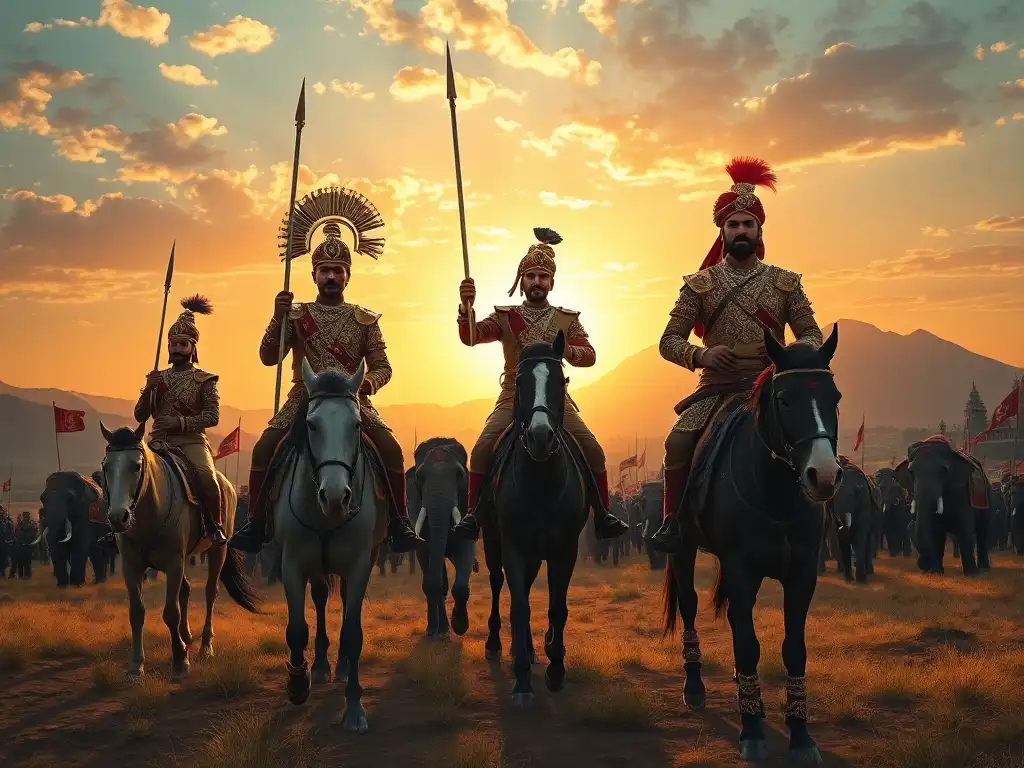
Welcome to Ancient India History, where we delve into the fascinating tapestry of India’s past, exploring the wealth of culture, innovation, and power that defined its ancient civilizations. In our featured article, Ancient Indian Military Leaders: Profiles of the Most Influential Commanders, we invite you to uncover the remarkable stories of valiant commanders who shaped the destiny of empires from the Indus Valley to the Gupta Empire.
Join us on this journey through time, as we reveal how these extraordinary figures not only led their armies but also influenced the very fabric of Indian history. Are you ready to learn about the legends that forged a nation?
- Introduction to Ancient Indian Military Leaders
-
Profile of Prominent Ancient Indian Military Commanders
- Chandragupta Maurya: The Founder of the Maurya Empire
- Ashoka the Great: The Warrior King Turned Peace Advocate
- Samudragupta: The Napoleon of India
- Prithviraj Chauhan: The Icon of Rajput Valor
- Shivaji Maharaj: The Pioneer of Guerrilla Warfare
- Strategies of Asymmetric Warfare
- Establishment of the Maratha Empire
- Impact of Ancient Indian Military Commanders on Warfare
- Conclusion: The Enduring Legacy of Ancient Indian Military Leaders
-
Frequently Asked Questions
- What were the main achievements of ancient Indian military commanders?
- Who are some of the most notable military leaders in ancient India?
- How did the geography of India influence military strategies?
- What role did ancient Indian military commanders play in cultural exchanges?
- How did ancient Indian military tactics compare to those of other civilizations?
- Final Reflection: The Enduring Legacy of Ancient Indian Military Commanders
- Unleash Your Inner Commander: Step into Ancient Military Brilliance!
Introduction to Ancient Indian Military Leaders
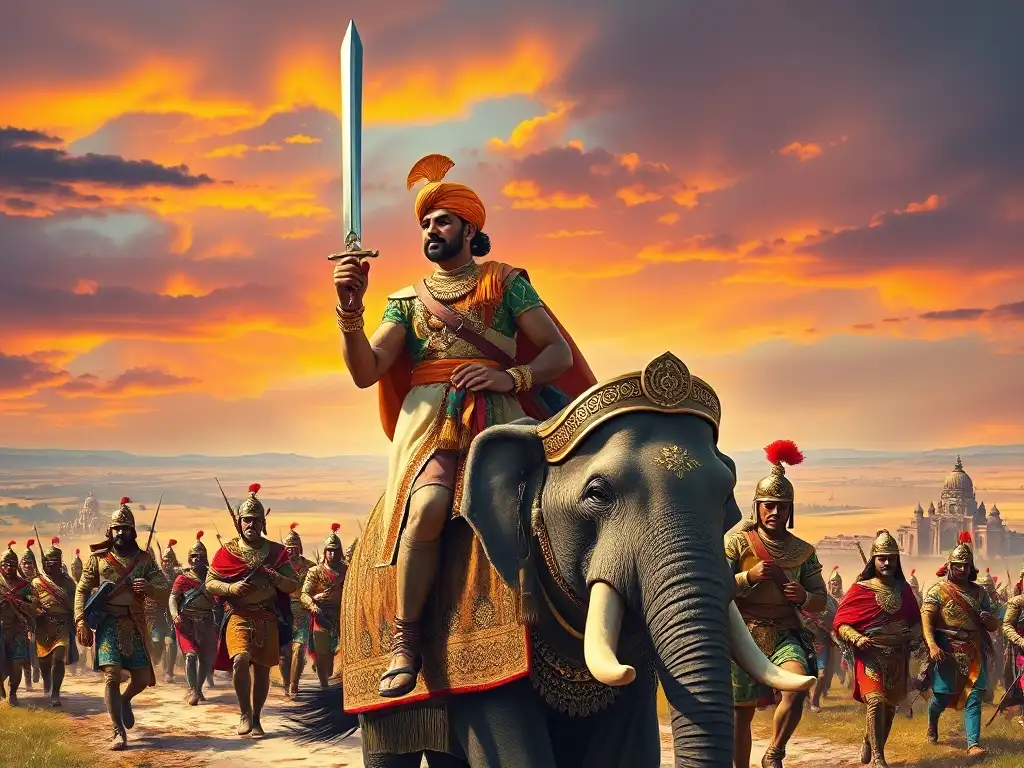
The legacy of ancient Indian military commanders is woven into the rich tapestry of India's history, showcasing strategic brilliance, valor, and profound influence on the development of warfare in the subcontinent. Spanning thousands of years, from the early days of the Indus Valley civilization to the sophisticated military strategies of the Gupta Empire, these leaders not only shaped the battlefields but also contributed significantly to the cultural and political landscape of their times.
In this article, we delve into the lives and legacies of the most influential ancient Indian military commanders, exploring their tactics, contributions, and the enduring impact they had on the course of Indian history.
Overview of Ancient Indian Military Commanders
Ancient Indian military commanders were known for their innovative strategies, adept use of diverse troops, and profound understanding of terrain. Figures such as Chandragupta Maurya, who founded the Maurya Empire, and his advisor Chanakya, exemplified strategic genius in unifying a fragmented India. Similarly, the valor of commanders like Raja Raja Chola I in the South, who expanded the Chola dynasty's influence through naval supremacy, reflects the multifaceted nature of warfare in ancient India.
Key characteristics of these commanders included:
- Diverse Military Strategies: From guerrilla tactics to large-scale warfare.
- Cultural Integration: Many leaders emphasized the importance of integrating various cultural practices to strengthen their armies.
- Technological Advancements: Innovations in weaponry and fort architecture that enhanced their military capabilities.
Significance of Military Leadership in Ancient India
The role of military leaders in ancient India extended beyond mere battlefield tactics; they were pivotal in shaping political structures, influencing trade routes, and managing resources. Effective commanders not only led their armies to victory but also contributed to the establishment of empires, facilitated diplomatic relations, and maintained peace in their realms.
The significance of military leadership can be summarized as follows:
- Political Stability: Strong military leaders were often the backbone of powerful dynasties, ensuring stability and expansion.
- Cultural Exchange: Military campaigns often led to the exchange of ideas, technologies, and cultural practices between different regions.
- Historical Documentation: The exploits of these commanders have been documented in ancient texts, providing insight into the societal values and norms of their times.
In essence, the study of ancient Indian military commanders reveals not only their military prowess but also their integral role in the broader narrative of Indian history, highlighting the intertwining of warfare and civilization development.
Profile of Prominent Ancient Indian Military Commanders
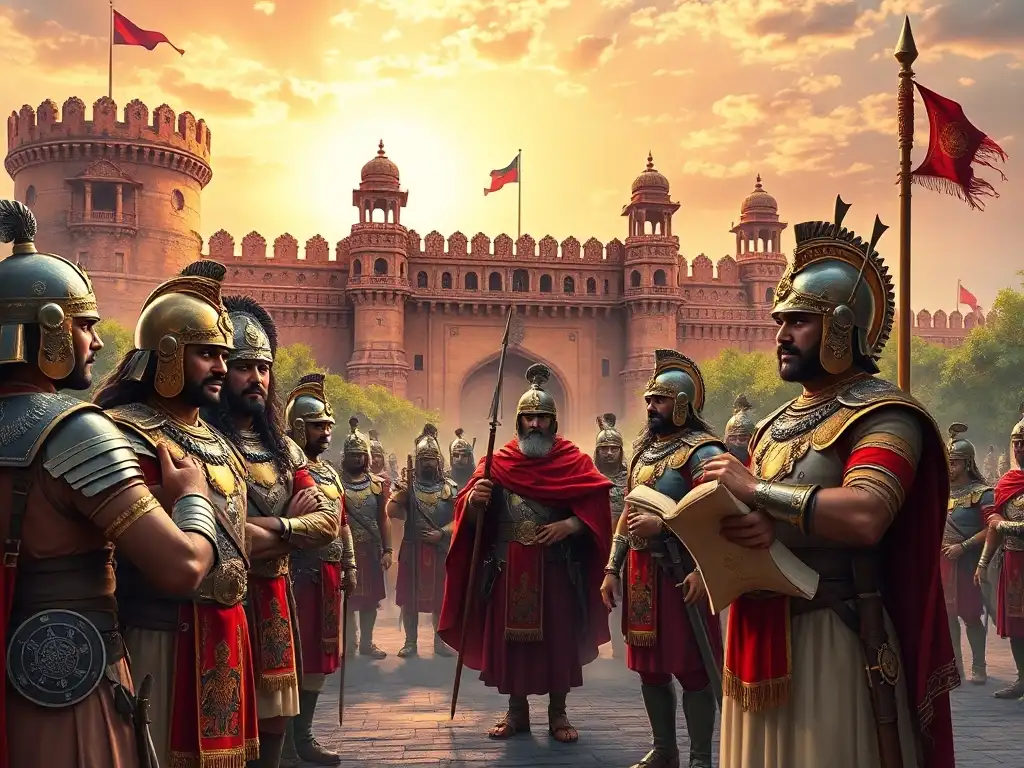
Ancient India was home to a plethora of influential military leaders whose strategies, innovations, and philosophies shaped the course of Indian history. This section delves into the profiles of two of the most significant ancient Indian military commanders: Chandragupta Maurya and Ashoka the Great.
Chandragupta Maurya: The Founder of the Maurya Empire
Chandragupta Maurya (c. 340 – c. 297 BCE) established the Maurya Empire, which marked a significant turning point in Indian history. His rise to power was marked by his astute military tactics and ability to unite various Indian kingdoms under one banner.
Military Strategies and Innovations
Chandragupta's military strategies were both innovative and effective. He employed a combination of guerrilla tactics and traditional warfare, which allowed him to outmaneuver larger forces. His alliance with Chanakya, a wise Brahmin and strategist, played a pivotal role in his military conquests.
- Use of Elephants: Chandragupta's forces utilized war elephants, which were crucial in breaking enemy lines and causing chaos among opposing troops.
- Infantry and Cavalry: He maintained a balanced army comprising infantry, cavalry, and chariots, ensuring flexibility in battle.
- Fortifications: Understanding the importance of strongholds, Chandragupta fortified key locations, making it difficult for enemies to invade.
Chandragupta's ability to adapt and innovate in military tactics laid the groundwork for the Maurya Empire's expansion across the Indian subcontinent.
Key Battles and Achievements
Chandragupta's most notable achievements include:
- Battle of the Hydaspes (326 BCE): Although this battle was primarily fought by Alexander the Great, it showcased the rising power of local kingdoms, including Chandragupta's forces.
- Overthrow of the Nanda Dynasty: Utilizing his strategic acumen, Chandragupta successfully overthrew the Nandas, establishing the Maurya Empire.
- Expansion of Territory: Under his leadership, the empire expanded to include much of northern India, contributing to a unified political landscape.
His reign laid the foundation for a centralized administration and significant cultural advancements that would flourish under his successors.
Ashoka the Great: The Warrior King Turned Peace Advocate
Ashoka the Great (c. 268 – c. 232 BCE) is renowned as one of India's most illustrious rulers. Initially a fierce military leader, his transformation into a proponent of peace and Buddhism marked a unique chapter in ancient Indian history.
Military Campaigns Before Embracing Buddhism
Ashoka’s early reign was characterized by military expansion and conquests, most notably the Kalinga War (c. 261 BCE). This campaign was significant for several reasons:
- Brutality of the Kalinga War: The war resulted in massive casualties, with estimates suggesting over 100,000 deaths. This brutal reality profoundly impacted Ashoka.
- Shift in Perspective: Witnessing the devastation caused by his campaigns led Ashoka to reevaluate his approach to governance.
The consequences of the Kalinga War were pivotal, as they prompted Ashoka to abandon aggressive expansion in favor of promoting peace and welfare.
Legacy of Non-Violence and Administration
Ashoka's legacy is marked by his commitment to non-violence and the spread of Buddhism. His policies included:
- Edicts of Ashoka: These inscriptions, scattered across the empire, outlined his vision of governance based on Dharma (moral law) and non-violence.
- Promotion of Buddhism: Ashoka actively promoted Buddhist teachings, both within his empire and beyond, sending missionaries to various regions, including Sri Lanka and Central Asia.
- Social Welfare Programs: He established hospitals, rest houses, and irrigation projects, contributing to the welfare of his subjects.
Ashoka's transformation from a warrior king to a benevolent ruler exemplifies the profound impact of leadership on societal values and governance in ancient India.
The military strategies and philosophies of ancient Indian military commanders like Chandragupta Maurya and Ashoka the Great not only shaped the political landscape of their time but also left lasting legacies that continue to influence modern perspectives on leadership and governance. Their stories are a testament to the complexity and richness of ancient Indian military history.
Samudragupta: The Napoleon of India
Samudragupta, often referred to as the "Napoleon of India," was one of the most prominent military commanders of ancient India, reigning during the Gupta Empire in the 4th century CE. His leadership not only expanded the empire significantly but also left a lasting impact on Indian history. His military campaigns are documented in the Allahabad Pillar inscription, which highlights his accomplishments and strategic prowess. Samudragupta's ability to unite various regions under the Gupta banner, along with his diplomatic skills, marked a golden era in ancient Indian history.
Tactical Brilliance in Warfare
Samudragupta’s tactical brilliance is evident in his innovative military strategies. He employed a combination of swift cavalry movements and well-coordinated infantry attacks, allowing him to outmaneuver larger enemy forces. His tactics included:
- Use of Elephants: He effectively utilized war elephants in battles, which provided a significant advantage in both offense and defense.
- Guerrilla Warfare: Samudragupta was adept at employing guerrilla tactics against entrenched foes, disrupting their supply lines and morale.
- Psychological Warfare: He often spread misinformation to instill fear and confusion among his enemies before launching attacks.
These strategies allowed him to defeat numerous adversaries, including the powerful kingdoms of the north and south, showcasing his military genius.
Expansion of the Gupta Empire
Samudragupta's reign marked a period of unprecedented expansion for the Gupta Empire. His conquests included:
- Northern India: He successfully annexed territories such as the kingdoms of Magadha, Kosala, and the Shaka rulers of western India.
- Southern Campaigns: His military expeditions extended as far south as present-day Karnataka, where he defeated several regional kings, thereby consolidating the Gupta influence across the subcontinent.
- Tributary States: Instead of outright annexation, Samudragupta often installed local rulers as vassals, requiring them to pay tribute. This approach helped maintain stability and loyalty within the empire.
By the end of his reign, Samudragupta had transformed the Gupta Empire into one of the most powerful and expansive realms of ancient India, laying the groundwork for cultural and economic prosperity.
Prithviraj Chauhan: The Icon of Rajput Valor
Prithviraj Chauhan, a 12th-century ruler of the Chauhan dynasty, is celebrated as one of the most valiant commanders in ancient Indian history. His reign was marked by his unwavering courage and commitment to defending his kingdom against foreign invasions, particularly from the Ghurid Empire led by Muhammad Ghori. Prithviraj's legacy is not only that of a warrior but also of a patron of culture, making him a significant figure in Indian history.
Notable Battles Against Muhammad Ghori
Prithviraj Chauhan is best known for his fierce battles against Muhammad Ghori, particularly the First and Second Battles of Tarain. Key highlights include:
- First Battle of Tarain (1191 CE): Prithviraj's forces decisively defeated Ghori, showcasing his military prowess and strategic acumen. This victory reinforced his reputation as a formidable leader.
- Second Battle of Tarain (1192 CE): Despite his earlier victory, Prithviraj faced Ghori again in a subsequent battle. This time, the Rajput forces were outmaneuvered and defeated, leading to Ghori's conquest of northern India. Prithviraj's leadership and valor during this battle remain a poignant chapter in Indian military history.
These battles symbolize the struggle between indigenous Indian kingdoms and foreign invaders, highlighting the valor and resilience of Rajput warriors.
Cultural Contributions Beyond Warfare
Beyond his military endeavors, Prithviraj Chauhan made significant contributions to culture and society. He was a patron of literature and arts, fostering an environment where poets and scholars thrived. Notable contributions include:
- Literary Works: He is often associated with the famous poet Chand Bardai, who composed the epic "Prithviraj Raso," celebrating Prithviraj's valor and romantic exploits.
- Architectural Developments: Under his rule, several forts and palaces were constructed, showcasing the architectural brilliance of the Rajput era.
- Promotion of Chivalry: Prithviraj embodied the ideals of Rajput chivalry, inspiring future generations of warriors with his commitment to honor, loyalty, and bravery.
His cultural impact, coupled with his military legacy, solidifies Prithviraj Chauhan's status as an enduring symbol of Rajput valor in ancient Indian history.
Shivaji Maharaj: The Pioneer of Guerrilla Warfare
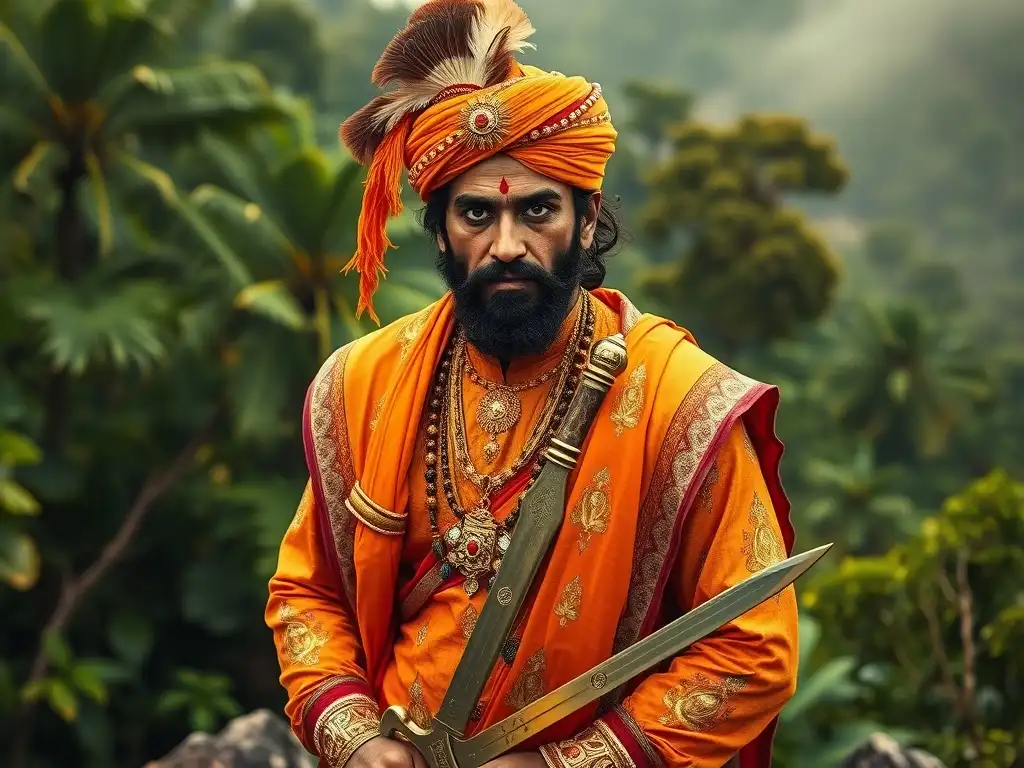
Shivaji Maharaj, born in 1630, was a formidable military leader and the founder of the Maratha Empire in western India. Renowned for his innovative tactics, he is often celebrated as a pioneer of guerrilla warfare. His ability to leverage the rugged terrain of the Western Ghats allowed him to execute surprise attacks on larger enemy forces, significantly altering the dynamics of military engagements during his time.
Shivaji's leadership style was characterized by his deep commitment to his men and his ability to inspire loyalty. He organized his troops into small, mobile units that could strike swiftly and retreat before the enemy could mount a counter-offensive. This approach not only minimized casualties but also demoralized larger armies, making them vulnerable to subsequent attacks. Through clever use of intelligence networks, he often outmaneuvered his foes, securing numerous victories against the Mughals and other adversaries.
Strategies of Asymmetric Warfare
Shivaji Maharaj's strategies exemplified asymmetric warfare, where smaller, less powerful forces use unconventional tactics to combat a larger, more traditional military. His approach included:
- Hit-and-Run Tactics: By engaging in swift raids, Shivaji's forces would strike at enemy supply lines and camps, creating chaos and confusion.
- Use of Terrain: He expertly navigated and utilized the hilly landscapes of Maharashtra, employing ambush tactics that capitalized on the natural environment.
- Psychological Warfare: Shivaji often spread misinformation about his troop movements, leading enemies into traps and causing them to overextend their resources.
- Alliances and Espionage: He cultivated alliances with local chieftains and used espionage to gather crucial information about enemy plans and troop movements, ensuring that he was always a step ahead in battle.
These strategies not only proved effective against the Mughal Empire but also laid the groundwork for future guerrilla warfare tactics adopted by various military leaders across the globe.
Establishment of the Maratha Empire
The establishment of the Maratha Empire by Shivaji Maharaj marked a significant turning point in Indian history. After a series of successful campaigns against the Mughals, who sought to expand their influence in the Deccan region, Shivaji was crowned as the Chhatrapati in 1674. This event symbolized the consolidation of his power and the formal recognition of the Maratha state.
Under Shivaji's leadership, the Maratha Empire expanded rapidly, incorporating large parts of western and central India. He introduced progressive administrative reforms, including a system of revenue collection that ensured fairness and efficiency, promoting economic growth. The establishment of a well-structured military and navy further solidified his control over coastal territories, enabling trade and commerce to flourish.
Shivaji Maharaj's legacy persisted beyond his lifetime, inspiring subsequent generations of leaders and shaping the national identity of India. His innovative military tactics, political acumen, and vision for a sovereign state laid the foundation for the Maratha Empire's enduring influence on Indian history.
Impact of Ancient Indian Military Commanders on Warfare
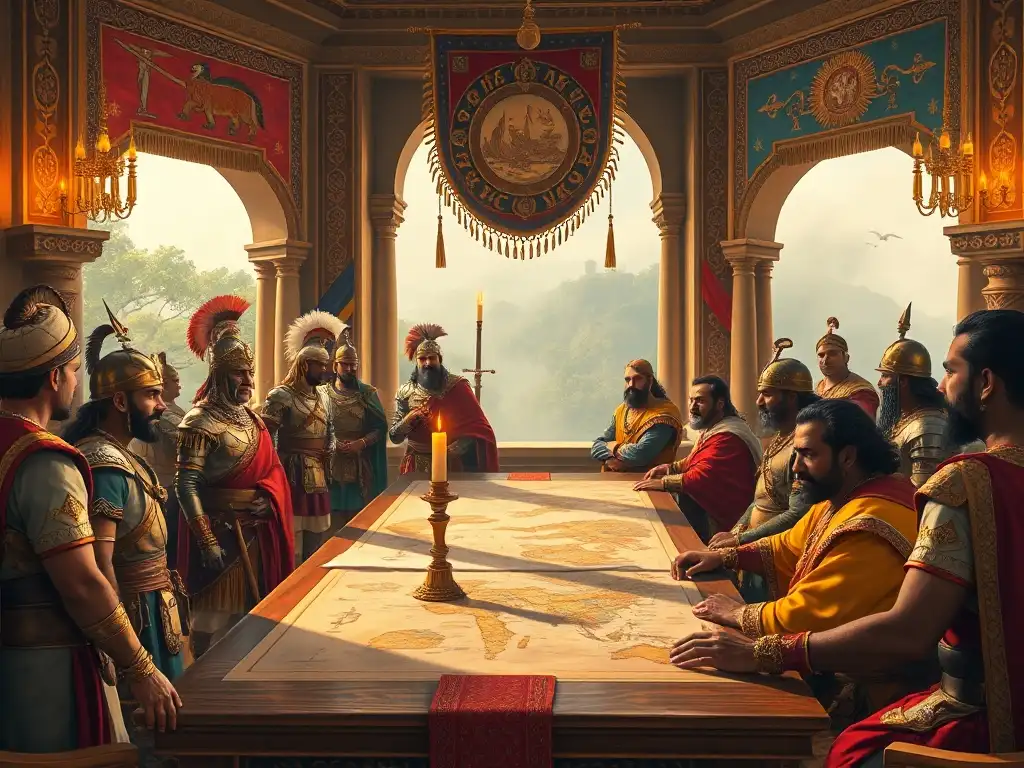
Evolution of Military Tactics in Ancient India
The evolution of military tactics in ancient India was significantly influenced by the strategies and innovations introduced by notable military commanders. From the early days of the Indus Valley Civilization through to the time of the Gupta Empire, these leaders adapted their approaches based on the unique challenges posed by terrain, technology, and enemy forces.
- Indus Valley Civilization Tactics:
- Fortifications: Cities like Mohenjo-Daro and Harappa featured advanced urban planning with fortified walls, hinting at early defensive strategies.
- Weaponry: The use of bronze weapons marked a technological advancement, allowing for more effective combat.
- Mauryan Empire Innovations:
- Chandragupta Maurya: Adopted guerrilla warfare tactics against the Macedonian forces, utilizing the vast forests and challenging terrain to his advantage.
- Kautilya's Arthashastra: This ancient treatise on statecraft introduced concepts of espionage, psychological warfare, and the importance of economic resources in sustaining military campaigns.
- Gupta Period Developments:
- Skilled Cavalry and Elephants: Generals like Samudragupta effectively utilized cavalry formations and war elephants, which played a crucial role in battles such as the one against the Western Kshatrapas.
- Unified Command Structure: The establishment of a centralized command under influential commanders allowed for more coordinated military efforts, ultimately leading to successful campaigns and territorial expansion.
These tactical evolutions not only enhanced military effectiveness but also laid the groundwork for future generations, influencing how warfare was conducted in the subcontinent.
Influence on Subsequent Generations of Leaders
The impact of ancient Indian military commanders extended beyond their immediate victories; their legacies shaped the strategic thinking and military practices of subsequent generations.
- Cultural Legacy: The achievements and strategies of commanders like Ashoka the Great and his non-violent approach post-conquest set a precedent for future rulers, promoting a philosophy of governance that valued diplomacy and statecraft alongside military might.
- Military Texts and Education: The works of ancient strategists, such as Kautilya, had a lasting influence on military education. Leaders throughout history, including those in medieval and colonial India, studied these texts to refine their own tactics and strategies.
- Inspiration for Rebellions and Nationalism: The valor and strategies of ancient commanders inspired later figures, such as Rani Lakshmibai and Shivaji Maharaj, who sought to rally forces against colonial powers in the 18th and 19th centuries. They drew upon the principles of guerrilla warfare and the use of local terrain that had been established centuries earlier.
The legacy of ancient Indian military commanders is profound, influencing not only the immediate context of warfare but also shaping the strategic landscape of India for centuries to come. Their innovative tactics and philosophies continue to resonate in military doctrine and national pride to this day.
Conclusion: The Enduring Legacy of Ancient Indian Military Leaders
The legacy of ancient Indian military leaders is not only significant in the context of their time but also resonates through the ages, influencing military strategies and doctrines in India and beyond. These commanders were not merely warriors; they were also skilled diplomats, strategists, and innovators who shaped the course of history through their tactical brilliance and visionary leadership.
Reflection on Their Contributions to Military History
The contributions of ancient Indian military commanders to military history are manifold. Figures such as Chandragupta Maurya, who founded the Maurya Empire, exemplified strategic acumen by uniting various small states into a powerful empire. His successor, Ashoka the Great, further transformed military philosophy by promoting non-violence after his conversion to Buddhism, showcasing the evolution of military ethics.
Additionally, the legendary Rani Lakshmibai of Jhansi is remembered for her valor during the Indian Rebellion of 1857, symbolizing the spirit of resistance against colonial powers. Her leadership demonstrated the role of women in military history, challenging traditional gender roles.
Moreover, the military tactics employed by ancient commanders, such as the use of war elephants and chariots, were ahead of their time and influenced warfare strategies in neighboring regions. The intricate formations and psychological warfare tactics developed during this period laid the groundwork for future military innovations.
Continuing Influence on Modern Indian Military Thought
The influence of ancient Indian military commanders extends into modern military thought, particularly within the Indian Armed Forces. The principles of Kautilya's Arthashastra, which emphasizes strategy, intelligence, and economic warfare, continue to be studied in military academies today. Kautilya’s insights into statecraft and military tactics have become essential components of modern strategic planning.
Furthermore, the valor and strategies of figures like Samudragupta and Prithviraj Chauhan are often referenced in military training, inspiring contemporary leaders to adapt historical strategies to modern warfare scenarios. The importance of morale, tactical flexibility, and resource management, as demonstrated by these ancient commanders, remains relevant in today’s military operations.
The enduring legacy of ancient Indian military commanders not only enriches the historical understanding of warfare in India but also serves as a foundational element of modern military strategies and philosophies. Their exemplary leadership and innovative tactics continue to inspire and inform military practices, ensuring that their contributions to military history are remembered and revered.
Frequently Asked Questions
What were the main achievements of ancient Indian military commanders?
Ancient Indian military commanders were known for their strategic brilliance and innovative tactics. They played crucial roles in expanding territories, maintaining defensive strategies, and fostering cultural exchanges through conquests.
Who are some of the most notable military leaders in ancient India?
Notable military leaders include Chandragupta Maurya, who founded the Maurya Empire, and Samudragupta, known for his military campaigns that expanded the empire significantly. Raja Raja Chola is also remembered for his naval prowess.
How did the geography of India influence military strategies?
The diverse geography of India, with its mountains, rivers, and plains, shaped military strategies. Commanders often utilized natural barriers for defense and took advantage of trade routes for logistics during campaigns.
What role did ancient Indian military commanders play in cultural exchanges?
Ancient Indian military commanders facilitated cultural exchanges by conquering new territories and establishing trade links. This led to the spread of ideas, art, and religion, enriching the cultural fabric of the region.
How did ancient Indian military tactics compare to those of other civilizations?
Ancient Indian military tactics were characterized by flexibility and adaptability, often incorporating war elephants and chariots. Compared to other civilizations, they emphasized guerrilla warfare and used local terrain effectively to outmaneuver larger forces.
Final Reflection: The Enduring Legacy of Ancient Indian Military Commanders
The profiles of ancient Indian military commanders reveal not only their strategic brilliance but also their profound impact on the socio-political landscape of their time. In an era where military prowess often dictated the fate of empires, these leaders demonstrated that strength was not merely about brute force but also about wisdom, diplomacy, and cultural integration. Their legacies continue to resonate today, reminding us of the intricate interplay between leadership and the collective identity of a nation.
The influence of these commanders extends far beyond the battlefield; they have shaped the very fabric of Indian culture and history. From the tactical innovations of Chandragupta Maurya to the valor of Rani Lakshmibai, these figures have inspired generations, instilling a sense of pride and resilience in the hearts of their descendants. As noted by historian Romila Thapar, The stories of our past are not just tales of glory; they are lessons in governance, strategy, and the human spirit.
This ongoing relevance underscores the importance of understanding our history, as it provides a framework for navigating contemporary challenges.
As we reflect on the lessons imparted by these ancient military leaders, let us consider how their strategies and values can be applied in our own lives. Embrace the courage to lead with integrity, the wisdom to learn from the past, and the vision to unite diverse perspectives for a common goal. In doing so, we honor their legacy and contribute to a future where leadership is defined not just by power, but by purpose and compassion.
Unleash Your Inner Commander: Step into Ancient Military Brilliance!
Thank you for journeying through the inspiring tales of India's most formidable military leaders. Their strategies and valor not only shaped history but can also motivate us to tackle our own challenges with courage and ingenuity. Now, it's time to take action and apply these lessons to your life!
- Discover more: Explore additional resources about ancient military tactics and their relevance today. Look for documentaries or books that reveal these fascinating strategies.
- Share your thoughts: Engage with your friends and family about these remarkable leaders. Host a discussion or create a social media post to encourage conversations about leadership and resilience.
- Join a community: Connect with others who share a passion for history. Participate in forums or local groups where you can exchange ideas and insights related to ancient warfare and leadership.
Which lessons from these legendary commanders resonate most with you on your personal journey?