
Ancient Indian Warfare and Its Reflection in Art and Literature

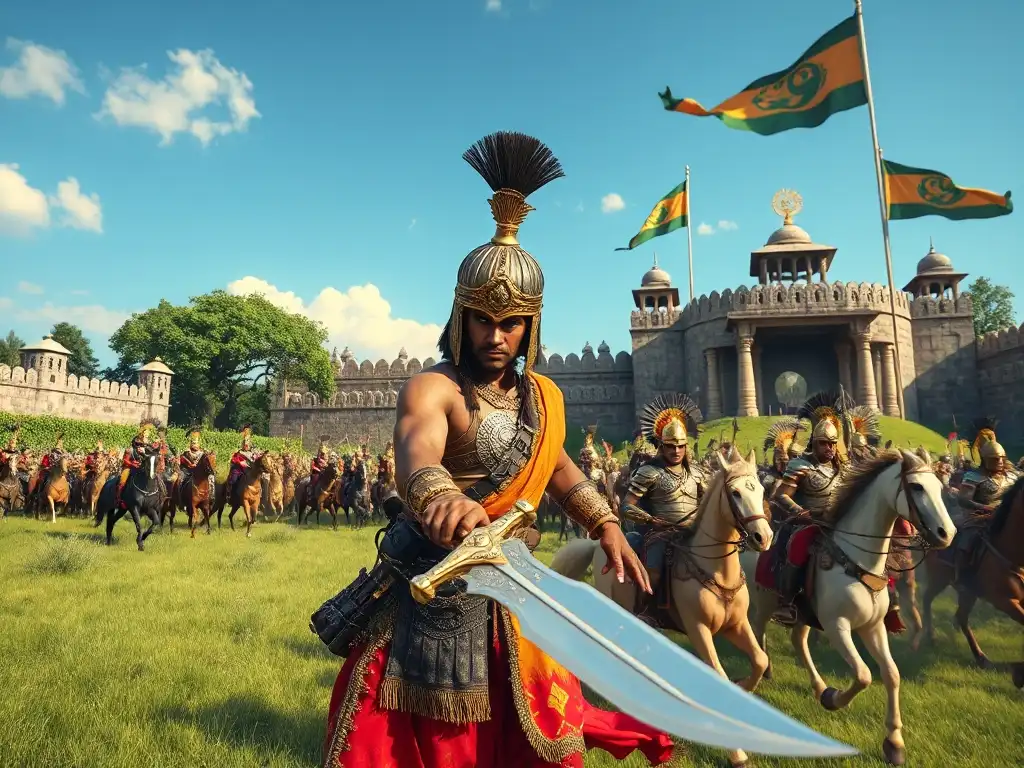
Welcome to Ancient India History, where we embark on a fascinating journey through the rich tapestry of ancient Indian civilizations. Dive deep into the intriguing world of ancient Indian warfare history as we explore its profound impact on art and literature. From the strategic prowess of the Indus Valley to the valor displayed during the Gupta Empire, discover how these historical battles not only shaped the course of civilization but also inspired timeless artistic expressions.
Prepare to unravel the layers of history that continue to resonate in our cultural consciousness today. Join us as we unveil the stories that lie at the crossroads of conflict and creativity!
- Ancient Indian Warfare History: An Overview
- The Influence of Warfare on Art and Literature
- The Legacy of Ancient Indian Warfare in Modern Context
- Conclusion: The Enduring Impact of Ancient Indian Warfare History
-
Frequently Asked Questions
- What are the main characteristics of ancient Indian warfare?
- How did warfare influence art and literature in ancient India?
- What role did technology play in ancient Indian warfare?
- How did the Gupta Empire contribute to warfare strategies?
- What are some notable examples of ancient Indian military leaders?
- Final Reflection: The Enduring Legacy of Ancient Indian Warfare
- Unveil the Rich Legacy of Ancient Indian Warfare!
Ancient Indian Warfare History: An Overview
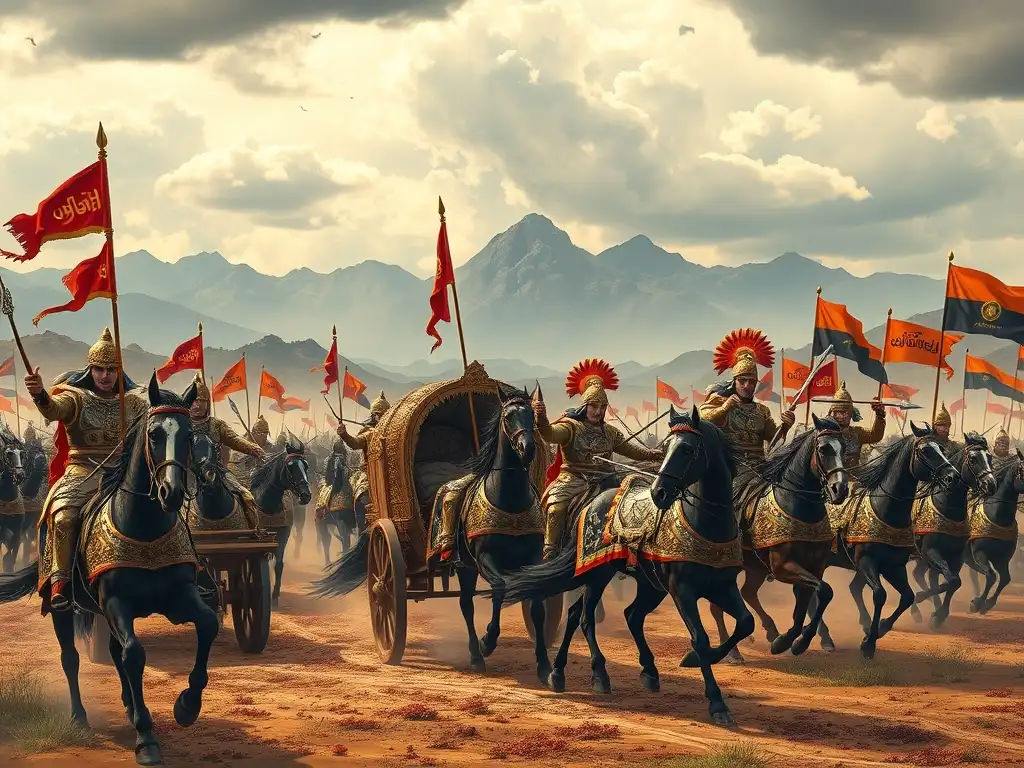
Ancient Indian warfare history is a fascinating field that encompasses the myriad ways in which battles, military strategies, and conflicts shaped the civilizations of the Indian subcontinent. From the organized armies of the Indus Valley Civilization to the strategic innovations during the Gupta Empire, the evolution of warfare in ancient India reflects not only the martial prowess of its people but also their profound cultural and artistic expressions.
This exploration reveals how warfare influenced art, literature, and societal structures, making it a pivotal aspect of ancient Indian history. By analyzing the various periods and key developments in military strategies, we can gain insight into how ancient Indian societies adapted to their changing environments and challenges.
The Evolution of Warfare in Ancient India
The history of warfare in ancient India is marked by a gradual evolution in tactics, technology, and organization. Various civilizations contributed to this development, each leaving a unique imprint on the military landscape. Understanding this evolution requires delving into the early forms of combat and the impact of geographical factors that shaped warfare practices.
Early Forms of Combat in the Indus Valley Civilization
The Indus Valley Civilization (circa 3300–1300 BCE) showcases some of the earliest known forms of organized conflict. Archaeological evidence suggests the presence of fortified cities, which indicates a need for defense against potential invaders. Early forms of combat may have included:
- Use of simple weapons: Swords, bows, and arrows were likely among the first tools of warfare.
- Fortifications: Cities like Harappa and Mohenjo-Daro featured walls that served both defensive and symbolic purposes.
- Social organization: The presence of a structured society implies that military roles were formalized, possibly involving specialized warriors.
The Impact of Geography on Warfare Tactics
Geography played a crucial role in shaping warfare tactics throughout ancient India. The diverse landscapes, including mountains, plains, and rivers, influenced military strategies and the movement of armies.
- Mountainous terrain: In regions like the Himalayas, guerrilla warfare became prevalent, allowing smaller groups to utilize the landscape to their advantage.
- Riverine strategies: Rivers served as natural barriers and routes for transportation, affecting how armies were mobilized.
- Monsoon cycles: Knowledge of seasonal weather patterns influenced the planning of military campaigns, as armies had to contend with heavy rains and flooding.
Major Periods in Ancient Indian Warfare History
Ancient Indian warfare can be categorized into several major periods, each marked by distinct characteristics and innovations. These periods reflect the ongoing evolution of military practices and the socio-political contexts of their times.
Warfare in the Vedic Period
The Vedic period (circa 1500–500 BCE) is characterized by the emergence of new social structures and the codification of warfare in texts like the Vedas. Key features include:
- Chariot warfare: The introduction of chariots revolutionized combat, allowing for greater mobility on the battlefield.
- Sacred warfare: Battles often had religious significance, with rituals performed to invoke divine favor.
- Formation of warrior classes: The emergence of Kshatriyas (warrior caste) established a distinct military elite within society.
The Mauryan Empire and Military Innovations
The Mauryan Empire (circa 322–185 BCE) marked a significant transformation in ancient Indian warfare due to its centralized administration and military innovations. Notable aspects include:
- Large standing armies: The Mauryan rulers maintained extensive armies, which were crucial for expansion and defense.
- Use of elephants: War elephants became a symbol of power and played a pivotal role in battles, adding both psychological and physical advantages.
- Advanced military tactics: Innovations in strategy and logistics allowed the Mauryan military to conduct successful campaigns across vast territories.
The Gupta Empire: A Golden Age of Warfare
The Gupta Empire (circa 320–550 CE) is often referred to as a golden age, not only for its cultural achievements but also for its military strategies. Key characteristics include:
- Cavalry dominance: The Gupta army relied heavily on cavalry, enhancing mobility and effectiveness in battles.
- Diplomacy and alliances: Strategic marriages and alliances were used to secure peace and expand influence without conflict.
- Artistic reflections: Warfare during this period is vividly depicted in art and literature, showcasing the valor and heroism of warriors.
As we continue to explore the intricate relationship between ancient Indian warfare and its reflections in art and literature, we will uncover the rich tapestry of cultural heritage that has shaped the identity of one of the world's oldest civilizations.
Key Battles and Military Campaigns in Ancient India
Ancient Indian warfare was characterized by a series of significant battles and military campaigns that not only shaped its political landscape but also influenced its cultural and artistic expressions. From the strategic maneuvers of the Mauryan Empire to the valiant efforts of regional kings, these key confrontations are essential for understanding the evolution of military tactics and their reflections in art and literature. The following sections highlight some of the most pivotal battles and campaigns in ancient Indian warfare history.
The Battle of Kalinga: A Turning Point
The Battle of Kalinga, fought in 261 BCE, stands as one of the most significant military confrontations in ancient Indian history. It was between the Mauryan Empire, led by Emperor Ashoka, and the kingdom of Kalinga, located in present-day Odisha. This battle is notable not only for its scale but also for its profound impact on Ashoka and the course of Indian history.
- Background: Kalinga was a prosperous region known for its wealth and strategic location. Ashoka sought to expand his empire and bring Kalinga under Mauryan control.
- The Conflict: The battle was marked by intense combat and led to significant casualties. Historical accounts suggest that over 100,000 soldiers and civilians lost their lives during this confrontation.
- Aftermath: The devastation of the war deeply affected Ashoka, leading him to embrace Buddhism and promote non-violence. This change of heart is famously encapsulated in his edicts, which reflect a commitment to peace and the welfare of his subjects.
The Battle of Kalinga is not only a crucial event in military history but also a powerful symbol of the transformation of Ashoka as a ruler who prioritized moral governance over conquest.
Chandragupta Maurya’s Campaigns and Strategies
Chandragupta Maurya, the founder of the Maurya Empire in the 4th century BCE, is renowned for his military acumen and strategic prowess. His campaigns were instrumental in unifying the Indian subcontinent and establishing one of the largest empires in ancient India.
- Conquests: Chandragupta's rise to power began with his efforts to overthrow the Nanda dynasty. With the guidance of his mentor Chanakya, he successfully defeated the Nandas and established his rule.
- Military Organization: He implemented a well-structured military system that included infantry, cavalry, and war elephants. This organization enabled him to effectively manage large armies and execute complex battle strategies.
- Alliances and Diplomacy: Chandragupta also understood the importance of alliances. His diplomatic skills helped him forge strategic partnerships, which were crucial for sustaining his campaigns against rival kingdoms.
Chandragupta's legacy in military strategy influenced subsequent generations, showcasing the importance of planning, organization, and the integration of diplomacy in warfare.
Skandagupta's Defense Against Huna Invasions
Skandagupta, the last prominent ruler of the Gupta Empire (around 455-467 CE), faced significant challenges during his reign, particularly from the Huna invasions. These invasions posed a serious threat to the stability of the Gupta Empire and tested Skandagupta's military capabilities.
- The Huna Threat: The Huna, a nomadic tribe from Central Asia, launched multiple attacks on Indian territories, aiming to expand their influence. Skandagupta recognized the urgency of the situation and mobilized his forces to defend the empire.
- Military Campaigns: Skandagupta demonstrated exceptional military leadership, successfully repelling the Huna invasions through a series of well-coordinated campaigns. His armies were able to inflict significant defeats on the Huna forces, preserving the integrity of the Gupta Empire.
- Cultural Impact: The defense against the Huna invasions highlighted the resilience of Indian civilization. Skandagupta's victories were celebrated in inscriptions and literary works, reflecting the martial spirit of the time and the importance of defending the homeland.
Skandagupta's efforts against the Huna invasions not only ensured the survival of the Gupta Empire but also reinforced the cultural narrative of valor and heroism in ancient Indian warfare history.
The Influence of Warfare on Art and Literature
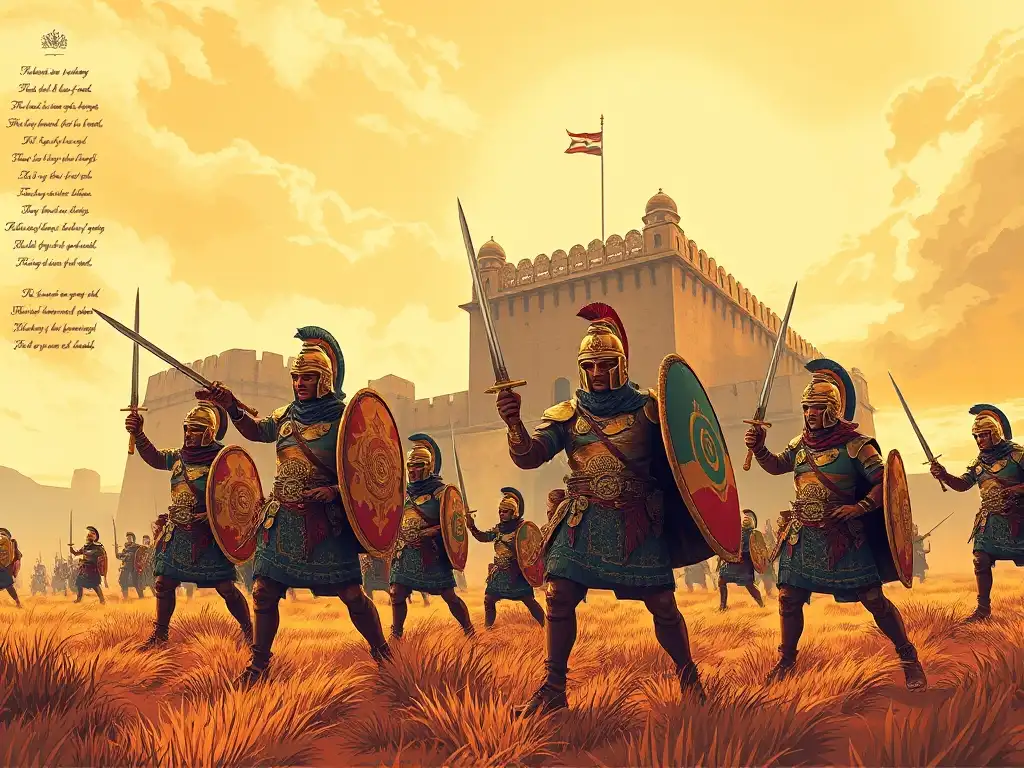
Depictions of Warfare in Ancient Indian Art
The rich tapestry of Ancient Indian warfare history is vividly reflected in the artistic expressions of the time. Artisans and painters captured the essence of battles, strategies, and the valor of warriors, providing us with a deep insight into the martial culture of ancient India.
Sculptures and Reliefs: Visual Narratives of Battles
Sculptures and reliefs from ancient temples and monuments serve as powerful visual narratives that depict iconic battles and military strategies. Notable examples can be found in:
- Khajuraho Temples: The intricate carvings in these temples showcase not only sensual themes but also epic battles, portraying warriors in dynamic poses, wielding weapons, and displaying martial prowess.
- Brahmanical Temples: Many temples from the Gupta period exhibit reliefs of gods participating in wars, such as Vishnu in his various avatars, symbolizing the divine support for righteousness in battle.
These sculptural forms not only highlight the techniques and armaments of the time but also reflect the philosophical and ethical dimensions of warfare, illustrating the justifications for conflicts as dictated by dharma (moral duty).
Paintings and Manuscripts: Artistic Representations of Warfare
Paintings and manuscripts further illustrate the significance of warfare in ancient Indian culture. The Ajanta Caves, for instance, contain frescoes that depict scenes of battles, warriors, and their valor. These artworks often serve to immortalize historical events and legendary figures, blending history with mythology.
- Miniature Paintings: From the Mughal period, these artworks depict intricate battle scenes, showcasing elaborate armor, weaponry, and the emotional intensity of warfare.
- Manuscripts: Texts such as the Raghuvamsha by Kalidasa include vivid descriptions of battles, blending poetic language with detailed artistic illustrations.
These artistic representations not only document the historical aspects of warfare but also convey the emotional and psychological impact of conflict on society.
Literary Reflections of Ancient Indian Warfare
The literary corpus of ancient India also reflects its martial ethos and philosophies regarding warfare. Epic narratives and historical texts provide profound insights into the strategies, ethics, and philosophical considerations surrounding war.
Epics and Texts: The Mahabharata and Ramayana
The Mahabharata and Ramayana are monumental epics that encapsulate the essence of ancient Indian warfare.
- The Mahabharata: This epic intricately details the Kurukshetra War, focusing on themes of righteousness, duty, and morality in warfare. Characters like Arjuna and Krishna embody the complexities of battle, with Krishna's teachings serving as a moral compass for warriors.
- The Ramayana: Featuring the battle between Rama and Ravana, this text not only narrates the events of war but also delves into the hero's journey, emphasizing virtues such as honor and valor.
Both epics serve as more than just literary works; they are philosophical treatises that explore the moral implications of warfare and the responsibilities of those who engage in it.
Historical Accounts: Kautilya's Arthashastra
Kautilya's Arthashastra, a foundational text on statecraft and military strategy, offers a pragmatic view of ancient Indian warfare.
- Military Strategy: Kautilya outlines various forms of warfare, including espionage, alliances, and psychological tactics, emphasizing the importance of strategy over mere brute strength.
- Political Philosophy: The text also discusses the role of a ruler in maintaining a strong military and ensuring the state's security, reflecting the integral relationship between governance and warfare.
Through Kautilya's insights, we gain a deeper understanding of the strategic and tactical considerations that shaped ancient Indian warfare, revealing a sophisticated approach to military affairs.
The Ancient Indian warfare history is not only a study of battles and strategies but also a reflection of the cultural, philosophical, and artistic dimensions that influenced and were influenced by the military practices of the time. The interplay between warfare, art, and literature paints a comprehensive picture of ancient Indian civilization, showcasing its complexities and richness.
Symbolism of Warfare in Ancient Indian Culture
Warfare in ancient India was not merely a physical confrontation but was deeply interwoven with the cultural and spiritual fabric of society. The symbolism of warfare is prevalent in various forms of art and literature, reflecting the values, beliefs, and societal norms of the time.
The ancient Indian civilizations viewed warriors not just as fighters but as embodiments of dharma (righteousness) and kshatriya (warrior class) ideals. This belief system is showcased in numerous texts, including the Mahabharata and Ramayana, where battle scenes symbolize the eternal struggle between good and evil. The valor and heroism displayed by characters like Arjuna and Rama serve as moral exemplars, inspiring generations.
Artworks from this period often depict warriors clad in ornate armor, wielding weapons that are meticulously crafted. These representations serve to glorify the martial values and the honor associated with warfare. Temples and sculptures frequently illustrate battles, with intricate carvings showcasing the dynamics of combat and the significance of victory as a divine blessing.
Furthermore, the narratives surrounding warfare contributed to a collective identity among the communities. They became a means of expressing resistance against foreign invasions and asserting sovereignty, thus reinforcing the cultural pride and resilience of ancient Indian societies.
The Warrior Ethos in Literature and Art
The warrior ethos in ancient Indian literature and art is a significant aspect that highlights the moral and ethical standards expected of warriors. This ethos is characterized by qualities such as bravery, honor, loyalty, and sacrifice, which are prevalent in epic narratives and artistic expressions.
In epic literature like the Mahabharata, the character of Bhishma represents the ideal warrior, bound by his vows and principles. His sacrifices and unwavering commitment to duty illustrate the profound respect for ethical conduct in warfare. Similarly, the Ramayana features Lord Rama, who epitomizes dharma in his quest to rescue Sita, emphasizing the moral responsibilities that come with being a warrior.
Artistic representations further amplify these themes. Sculptures and paintings often depict heroic figures in dynamic poses, embodying strength and valor. For example, the intricate frescoes in ancient temples showcase scenes of battle and triumph, illustrating not only the physical prowess of warriors but also their divine support and moral righteousness.
These depictions served as a source of inspiration for society, instilling a sense of pride and reinforcing the virtues associated with the warrior class. They also acted as a narrative tool to convey the consequences of failing to uphold these virtues, as seen in the tragic stories of characters who strayed from their dharma.
The Role of Deities in Warfare: Durga and Kartikeya
In ancient Indian warfare, deities played a crucial role, often personifying the virtues and powers associated with battle. Two prominent deities linked to warfare are Goddess Durga and Lord Kartikeya, both of whom symbolize the divine intervention in human conflicts.
Goddess Durga is revered as the fierce protector of dharma and the destroyer of evil forces. Her representation in art often includes her riding a lion or tiger while wielding various weapons, signifying her strength and combat prowess. The famous festival of Durga Puja celebrates her victory over the buffalo demon Mahishasura, which embodies the triumph of good over evil. This narrative not only serves as an allegory for warfare but also emphasizes the importance of divine support in overcoming challenges.
On the other hand, Lord Kartikeya, known as Skanda or Murugan, is the commander of the divine army. His depictions in art usually showcase him in armor with a spear, leading the celestial forces against demonic adversaries. His mythology reflects themes of valor, leadership, and the strategic aspects of warfare. The worship of Kartikeya among warriors and kings illustrates the belief in divine guidance and the necessity of moral righteousness in military endeavors.
The reverence for these deities underscores the intertwining of spirituality and warfare in ancient Indian culture, demonstrating how religious beliefs influenced the conduct and justification of battles. These narratives and artistic representations served to fortify the morale of warriors, providing them with a sense of purpose and divine backing in their quests.
The Legacy of Ancient Indian Warfare in Modern Context
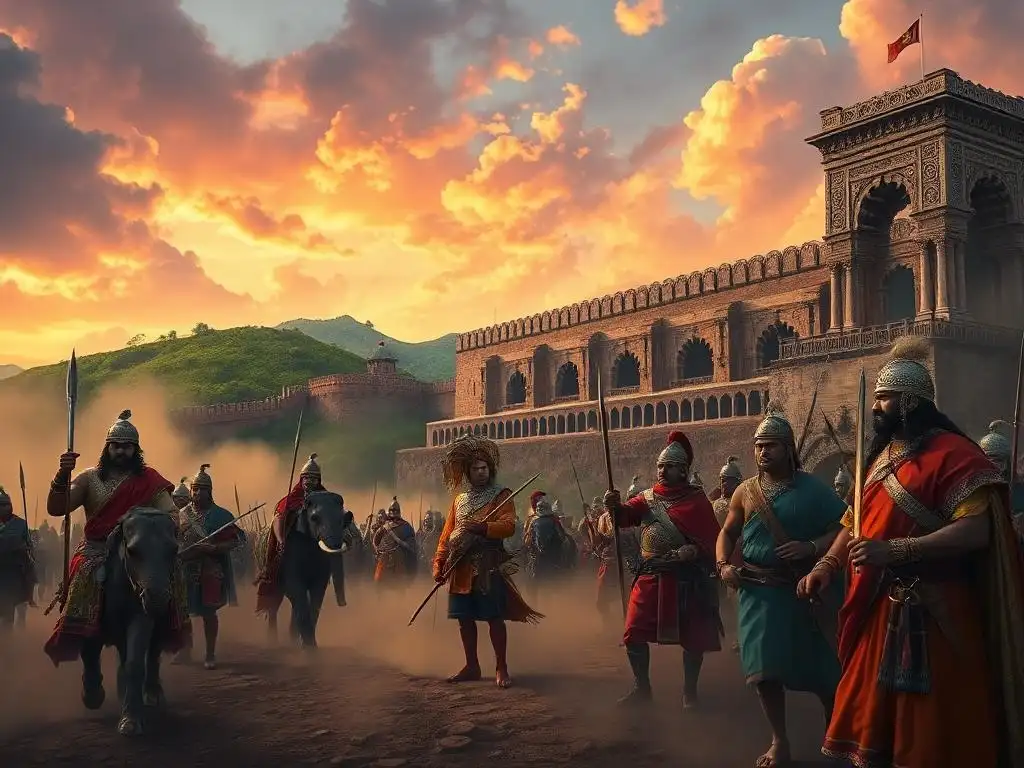
Influence on Contemporary Military Strategies
The strategies and philosophies of ancient Indian warfare have left a lasting imprint on modern military practices, both in India and globally. The principles laid out in ancient texts, such as the Arthashastra by Kautilya (Chanakya), emphasize strategic thinking and psychological warfare, which are still relevant today. The concepts of deception, terrain advantage, and intelligence gathering from this ancient text inform contemporary military doctrines.
- Strategic Planning:
- Ancient Indian military leaders emphasized meticulous planning. The importance of assessing the battlefield, understanding the enemy, and using intelligence to gain an advantage can be observed in modern military strategy formulation.
- For example, the use of reconnaissance and intelligence units in today's armed forces can be traced back to the practices established in ancient warfare.
- Psychological Warfare:
- The ancient Indian strategists understood the power of morale and the psychological impact of warfare. Techniques to intimidate the enemy or win over local populations were common practices.
- These principles manifest today in tactics such as information warfare and propaganda, which aim to influence public opinion and deter adversaries without direct confrontation.
- Use of Terrain:
- The strategic use of geography, which was crucial in ancient Indian battles, continues to be a focal point in modern military operations.
- For instance, the selection of battlefields based on terrain advantages is a tactic still employed by military planners worldwide.
- Adaptability and Innovation:
- The adaptability showcased by ancient Indian warriors in utilizing various combat techniques and weaponry reflects in the modern military’s emphasis on flexibility and innovation in strategy.
- The incorporation of technology and evolving tactics in response to changing warfare landscapes echoes the ancient principle of adapting to circumstances.
Reflection in Modern Indian Art and Literature
The legacy of ancient Indian warfare extends beyond military tactics; it permeates contemporary Indian art and literature, where themes of valor, strategy, and the ethical dilemmas of war are explored and celebrated.
- Literature:
- Modern Indian authors often draw inspiration from ancient epics like the Mahabharata and Ramayana, which feature detailed narratives of warfare, valor, and moral dilemmas faced by warriors.
- These texts are not merely historical accounts; they delve into the philosophy of warfare, highlighting the complexities of dharma (duty) versus adharma (unjust actions), which remains relevant in discussions of military ethics today.
- Art:
- Contemporary Indian art frequently reflects themes from ancient warfare, depicting scenes of battles, heroic figures, and mythological contexts.
- Artists utilize traditional styles, such as Madhubani and Pattachitra, to narrate stories of ancient battles, infusing modern interpretations with historical significance.
- Cinema:
- The portrayal of ancient battles in Indian cinema has popularized historical narratives, bringing the intricacies of ancient warfare to modern audiences. Films often dramatize historical events and figures, creating a blend of entertainment and education regarding ancient Indian warfare history.
- Cultural Festivals:
- Various festivals celebrate historical battles and military heroes, reflecting the ongoing admiration for ancient warriors. Events such as Vijayadashami (Dussehra) symbolize the triumph of good over evil, rooted in ancient tales of conflict and valor.
The rich tapestry of ancient Indian warfare continues to influence and inspire contemporary Indian culture, ensuring that the lessons learned and the stories told remain alive in the modern context. The exploration of these themes not only honors the past but also encourages critical reflection on the nature of warfare and its impact on society.
Conclusion: The Enduring Impact of Ancient Indian Warfare History
Summary of Key Insights
Ancient Indian warfare history is a multifaceted subject that sheds light on the military strategies, technologies, and philosophies of various Indian civilizations. The examination of warfare in ancient India reveals several key insights:
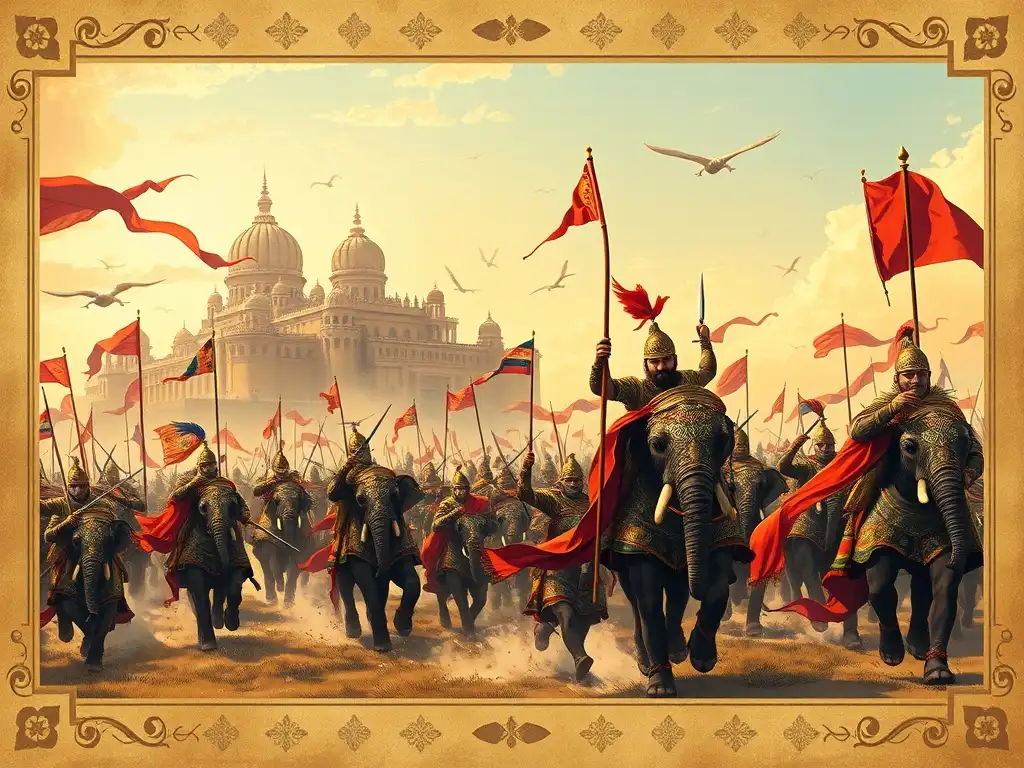
- Military Innovations: Ancient Indian armies were known for their advanced weaponry and tactics. The use of elephants in warfare, along with chariots and infantry formations, played a crucial role in battles.
- Strategic Texts: Works like the Arthashastra by Kautilya and the Mahabharata provide deep insights into military strategy, statecraft, and the ethical considerations of warfare. These texts emphasize the importance of planning, resource management, and the moral dilemmas faced by leaders.
- Cultural Reflections: The depiction of warfare in ancient Indian art and literature illustrates not only the historical significance of battles but also the cultural values and societal norms of the time. For instance, sculptures and paintings often glorified heroic deeds and valor.
- Impact on Society: Warfare influenced various aspects of society, including social structures, economy, and alliances among kingdoms. The need for defense and conquest led to the establishment of fortified cities and trade routes that shaped regional interactions.
Final Thoughts on Warfare’s Role in Shaping Ancient Indian Civilization
Warfare was not merely a series of conflicts in ancient India; it was a defining element that influenced the trajectory of civilizations. The legacies of battles, strategies, and military leaders have persisted through time, echoing in modern cultural narratives and national identity.
The study of ancient Indian warfare history reveals a complex interplay between conflict and culture. It highlights how warfare acted as a catalyst for political change, technological advancement, and cultural development. As we continue to explore this rich history, it is essential to recognize the enduring impact of these ancient practices and philosophies on contemporary society.
Understanding ancient Indian warfare is crucial for appreciating the depth of India's historical narrative and the evolution of its civilization. The lessons learned from past conflicts continue to resonate, reminding us of the intricate relationship between warfare, art, and literature in shaping the identity of ancient India.
Frequently Asked Questions
What are the main characteristics of ancient Indian warfare?
Ancient Indian warfare was marked by strategic use of elephants, chariots, and infantry. Battles often included sophisticated tactics and were influenced by religious beliefs and cultural values.
How did warfare influence art and literature in ancient India?
Warfare had a profound impact on art and literature, inspiring epic poems like the Mahabharata and Ramayana, which reflect the valor and morality of warriors, as well as battle scenes depicted in sculptures and paintings.
What role did technology play in ancient Indian warfare?
Technological advancements, such as the development of advanced weaponry and fortifications, significantly shaped the outcomes of battles. Innovations like the crossbow and siege engines enhanced military effectiveness.
How did the Gupta Empire contribute to warfare strategies?
The Gupta Empire is known for its military organization and tactical innovations, including the use of cavalry and improved supply chains. Their strategies laid the groundwork for future military practices in India.
What are some notable examples of ancient Indian military leaders?
Prominent military leaders included Chandragupta Maurya, who founded the Maurya Empire, and Samudragupta, renowned for his conquests and diplomacy. Their legacies illustrate the strategic depth of ancient Indian warfare.
Final Reflection: The Enduring Legacy of Ancient Indian Warfare
The exploration of ancient Indian warfare history reveals not only the strategies and battles of the past but also the profound impact these events have had on our cultural and artistic expressions today. From the epic tales of valor in the Mahabharata to the intricate sculptures depicting warriors in battle, the legacy of ancient conflicts continues to resonate, reminding us of the complexities of human nature and the timeless struggle for power and honor.
The influence of ancient Indian warfare extends beyond mere historical accounts; it shapes our understanding of identity, morality, and the human experience. The narratives woven through art and literature serve as a mirror reflecting our own societal values and conflicts. As the renowned historian Romila Thapar once said, "> History is not just about the past; it is a way of understanding the present." This perspective invites us to consider how the lessons learned from ancient battles can inform our modern lives and societal challenges.
As we reflect on the significance of ancient Indian warfare, I invite you to contemplate its lessons and how they can be applied in your own life. Consider the themes of courage, strategy, and resilience that permeate these stories. How can you draw inspiration from these narratives to navigate your own challenges? Let the echoes of the past guide you in your journey forward, fostering a deeper appreciation for the rich tapestry of history that shapes our present and future.
Unveil the Rich Legacy of Ancient Indian Warfare!
Thank you for joining us on this journey through the fascinating world of ancient Indian warfare and its profound impact on art and literature. We hope you're inspired by the intricate strategies, valiant warriors, and the cultural narratives that have shaped India's history.
Now, it's time to take the next steps to deepen your understanding and appreciation:
- Dive deeper into history: Explore our gallery of ancient Indian artifacts and artworks that depict the valor and tactics of warriors.
- Join the conversation: Share your insights or experiences on social media using the hashtag #AncientIndianWarfare, and connect with fellow history enthusiasts!
- Expand your knowledge: Read our recommended books and resources to further immerse yourself in the epic tales that continue to influence modern culture.
What aspects of ancient Indian warfare resonate most with you, and how do you see them reflected in today's stories?