
Fortifications and Siege Warfare: Architectural Marvels of Ancient India


Welcome to Ancient India History, where we embark on a captivating journey through the rich tapestry of India's past. Our focus today is on the intriguing history of ancient Indian fortifications, revealing the architectural marvels that have stood the test of time. From the towering walls of the Indus Valley cities to the strategic designs of the Gupta Empire, discover how these monumental structures shaped military strategies and defended civilizations.
Prepare to delve deep into a world of siege warfare and ingenuity that not only protected but also defined the essence of ancient Indian culture. Keep reading to unlock the stories behind these formidable fortifications!
- Introduction to Ancient Indian Fortifications History
- Evolution of Fortifications in Ancient India
- Key Features of Ancient Indian Fortifications
- Siege Warfare in Ancient India
- Prominent Fortifications of Ancient India
- Architectural Techniques and Military Engineering
- The Decline of Fortifications in Later Periods
- Conclusion: Legacy of Ancient Indian Fortifications
- References and Further Reading on Ancient Indian Fortifications History
- Frequently Asked Questions
- Final Reflection: The Enduring Legacy of Ancient Indian Fortifications
- Unleash the Power of Ancient Fortifications!
Introduction to Ancient Indian Fortifications History
The history of ancient Indian fortifications offers a fascinating glimpse into the military ingenuity and architectural prowess of the civilizations that thrived on the subcontinent. From the majestic walls of the Indus Valley cities to the robust citadels of the Gupta Empire, these fortifications not only served defensive purposes but also symbolized power, control, and cultural identity.
The study of ancient Indian fortifications reflects the strategic importance of military architecture in the face of invasions and territorial expansion, shedding light on the technological advancements and societal priorities of the time. By exploring the intricacies of these structures, we can better understand the complexities of warfare, defense strategies, and the sociopolitical landscape that shaped ancient India.
Overview of Ancient Indian Military Architecture
Ancient Indian military architecture is characterized by a diverse array of fortifications, each tailored to its geographical and cultural context. The evolution of these structures can be traced through various eras, showcasing a blend of indigenous and foreign influences. Key features include:
- Types of Fortifications:
- Hill Forts: Constructed on elevated terrains, these forts were designed for strategic advantage, making them difficult for enemies to access.
- Walled Cities: Cities like Mohenjo-Daro and Harappa boasted massive walls built from baked bricks, emphasizing urban planning in defense.
- Stone Forts: Constructed later, these forts utilized local stone resources for durability and strength.
- Architectural Elements:
- Gates and Entrances: Fortifications often featured intricate gate designs, sometimes adorned with carvings and sculptures, serving both functional and aesthetic purposes.
- Watchtowers: These structures provided vantage points for surveillance and defense, allowing for early detection of approaching threats.
- Moats and Ditches: Strategic water bodies were often created around fortifications to deter attackers and enhance defense.
Importance of Fortifications in Indian Warfare
Fortifications played a pivotal role in shaping the dynamics of warfare in ancient India. Their significance can be understood through several key aspects:
- Defense Mechanisms: Fortifications served as the first line of defense against invasions, with thick walls and bastions designed to withstand artillery and assaults.
- Psychological Deterrence: The imposing presence of fortified structures often intimidated potential aggressors, acting as a deterrent to conflict.
- Cultural Significance: Fortifications were not merely military structures; they represented the cultural identity and heritage of the communities they safeguarded. Many forts became centers of administrative and economic activity, enhancing their importance beyond military utility.
- Technological Innovations: The need for effective fortifications spurred advancements in military technology, including improved weaponry and siege tactics, influencing the overall landscape of warfare in ancient India.
The study of ancient Indian fortifications reveals a rich tapestry of military history, showcasing how architecture and warfare intertwined to shape the civilizations of the subcontinent. Understanding these fortifications provides valuable insights into the strategies employed by ancient Indian societies to protect their territories and maintain their cultural legacies.
Evolution of Fortifications in Ancient India
Early Fortifications: Indus Valley Civilization
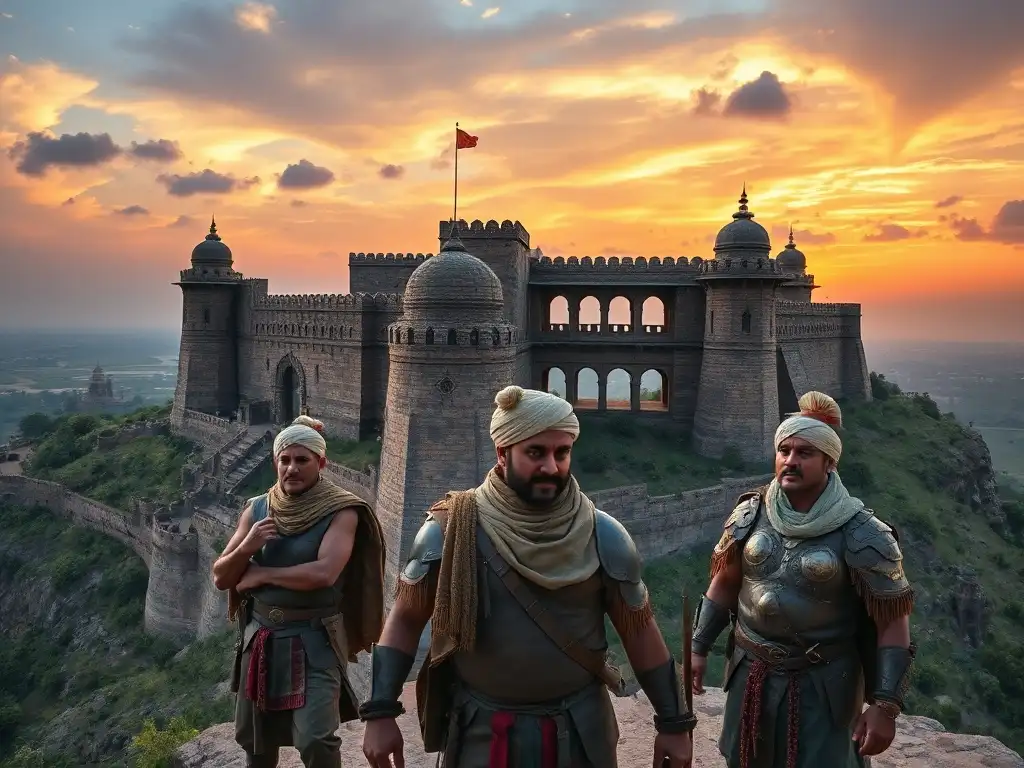
The Indus Valley Civilization (c. 3300–1300 BCE) is one of the earliest known urban cultures, renowned for its advanced architectural techniques and urban planning. The fortifications from this period reflect a sophisticated understanding of defensive strategies and urban organization.
- Cities with Defensive Walls: Major cities like Harappa and Mohenjo-Daro were surrounded by massive walls built from baked bricks. These walls were not only protective but also indicative of the social organization and political structure of the time.
- Strategic Location: The positioning of these fortifications often took advantage of natural features like rivers and hills, enhancing their defensive capabilities against potential invaders.
- Drainage Systems: The urban layout included advanced drainage systems, which demonstrated the civilization's engineering prowess. This feature facilitated the effective management of resources and contributed to the sustainability of settlements.
The fortifications of the Indus Valley Civilization laid the foundation for future military architecture in India, emphasizing both functional and aesthetic aspects in their designs.
Fortification Developments in the Maurya Empire
The Maurya Empire (c. 322–185 BCE) marked a significant evolution in ancient Indian fortifications, reflecting the empire's political ambitions and military innovations. As one of the largest empires in ancient India, its fortifications were critical for maintaining control over vast territories.
-
Constructed Citadels: Fortifications during this period included massive citadels, such as those found in Pataliputra, the Mauryan capital. These structures were often built using stone and included multiple layers of walls to enhance defense.
Feature Description Materials Used Stone, wood, and earth Wall Structure Multi-layered for strength Watchtowers Provided surveillance and defense -
Military Strategy: The Mauryan military employed a combination of infantry, cavalry, and war elephants, necessitating robust fortifications that could accommodate troops and supplies. The famous military leader Chandragupta Maurya utilized these structures to secure his reign against external threats.
-
Innovative Techniques: The Mauryans introduced new techniques in fortification construction, such as the use of firing clay bricks and reinforced structures that could withstand sieges. This innovation highlighted the integration of technology into military architecture.
Innovations in Fortifications during the Gupta Empire
The Gupta Empire (c. 240–550 CE) is often regarded as a golden age of Indian history, marked by advancements in arts, science, and military architecture. The period saw significant innovations in fortification techniques and designs.
- Sophisticated Citadels: Gupta fortifications were characterized by the construction of elaborate citadels, often situated on elevated ground. These fortifications provided strategic advantages in both defense and visibility of approaching threats.
- Architectural Styles: The use of intricate carvings and architectural styles became prominent during this period. Fortifications like those at Ujjain and Nalanda showcased the blend of aesthetics and functionality. The walls were often adorned with sculptures that reflected the culture and values of the time.
- Advanced Siege Techniques: With the rise of new military tactics and technologies, Gupta fortifications had to evolve. Innovations included:
- Moats and Ditches: These features added an extra layer of defense, making it difficult for invaders to approach the walls.
- Fortified Gates: The gates of Gupta forts were designed with complex mechanisms to withstand attacks, often featuring multiple layers of entryways.
The innovations in fortifications during the Gupta Empire not only demonstrated advanced military engineering but also reflected the cultural richness of the period, marking a significant chapter in the ancient Indian fortifications history.
Key Features of Ancient Indian Fortifications
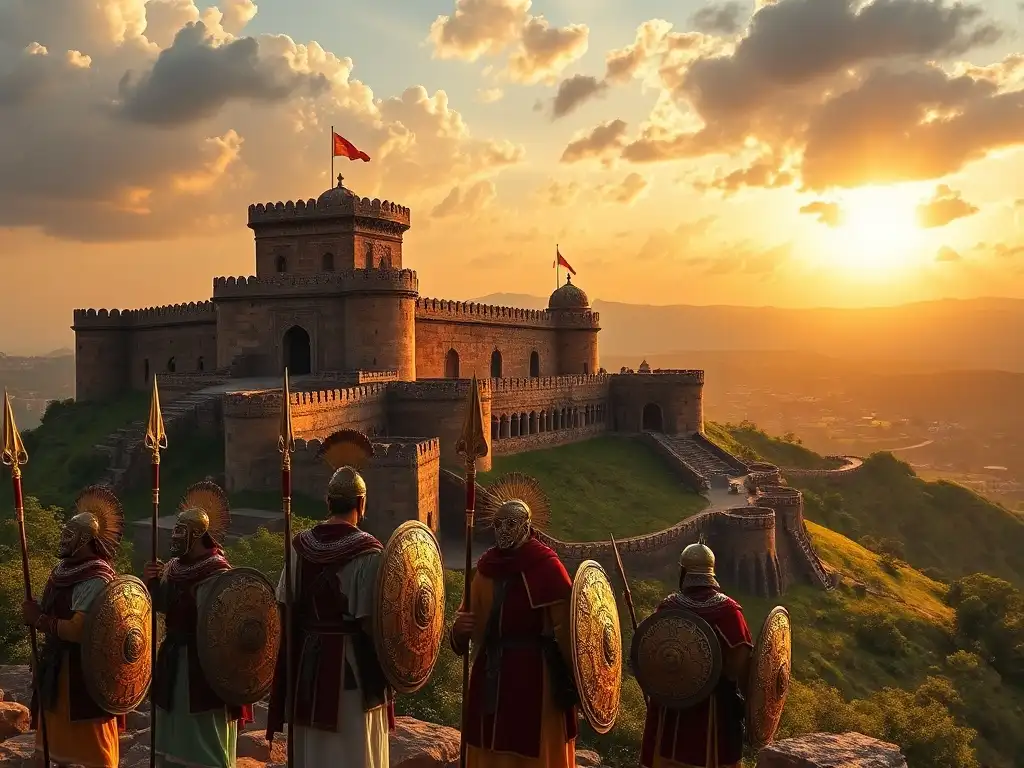
Ancient Indian fortifications, characterized by their intricate designs and strategic locations, played a pivotal role in the military history of the subcontinent. These architectural marvels not only served as shelters during conflicts but also represented the technological prowess and cultural significance of the civilizations that built them. Below are some key features that define these fortifications.
Design and Layout of Fortresses
The design of ancient Indian fortresses was a blend of practicality and aesthetics, reflecting the geographical and cultural context of their time. Many fortifications were constructed with a multi-layered defense system. This often included:
- Outer Walls: Thick and tall, designed to withstand attacks from siege weapons.
- Moats: Water-filled ditches surrounding the fort, enhancing security against invaders.
- Watch Towers: Strategically placed towers for surveillance and defense, allowing for early detection of incoming threats.
The layout often included:
- Main Gates: Often designed with intricate carvings and multiple gates to confuse attackers.
- Inner Citadel: A fortified area within the fortress that served as a last refuge for inhabitants.
- Living Quarters: Designed for both military personnel and civilians, with provisions for long-term habitation during sieges.
Prominent examples of such fortresses include the Chittorgarh Fort and Gwalior Fort, which showcase sophisticated architectural styles and robust defensive mechanisms.
Materials Used in Construction of Fortifications
The choice of materials for constructing ancient Indian fortifications varied by region and period, influenced by local resources and technological advancements. Key materials included:
- Stone: Granite and sandstone were commonly used, providing durability and strength. The fort of Jaigarh, built from red sandstone, exemplifies this.
- Brick: In regions like the Indus Valley, baked bricks were utilized, showcasing advanced kiln technology.
- Wood: In some regions, wooden structures were also incorporated, especially in the Naga fortifications, where wood was abundant.
Each material brought unique benefits, such as:
| Material | Advantages | Examples |
|---|---|---|
| Stone | High durability and weather resistance | Jaigarh Fort, Kumbhalgarh |
| Brick | Uniformity and ease of construction | Harappa, Mohenjo-Daro |
| Wood | Flexibility and lighter structures | Naga Forts |
The combination of these materials led to the development of some of the most resilient fortifications in history.
Strategic Locations: Hill Forts and River Forts
Ancient Indian fortifications were often strategically situated to maximize their defensive capabilities. Two notable types are hill forts and river forts:
- Hill Forts: Built atop elevated terrains, these forts provided natural defenses against enemy attacks. The steep slopes made it difficult for invaders to approach. Examples include:
- Mandu Fort: Positioned on a plateau, it offered sweeping views of the surrounding area.
- Kumbhalgarh Fort: Renowned for its massive wall, second only to the Great Wall of China.
- River Forts: Constructed near rivers, these forts utilized water as a barrier. The proximity to water sources also provided essential resources during sieges. Notable examples include:
- Lahore Fort: Situated near the Ravi River, it served both as a military stronghold and a trade hub.
- Fatehgarh Fort: Located along the banks of the Ganges, it provided strategic advantages against potential threats from land and water.
Overall, the strategic placement of these fortifications highlights the military acumen of ancient Indian civilizations, showcasing their understanding of geography in warfare.
Siege Warfare in Ancient India
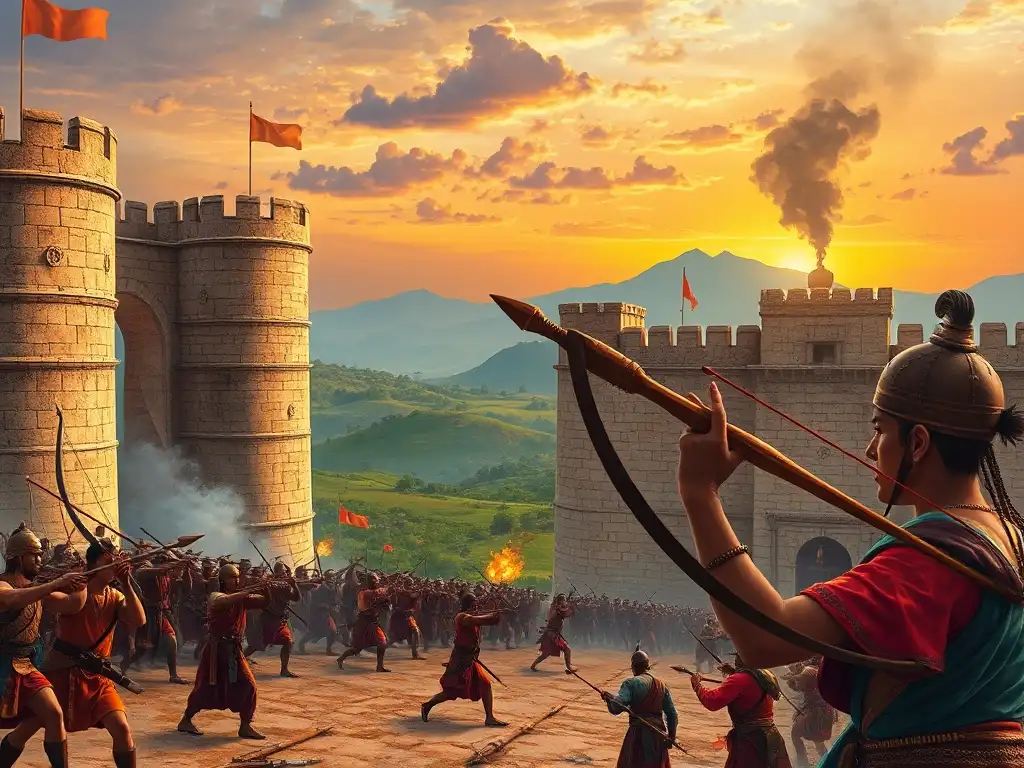
Siege warfare played a pivotal role in the military history of ancient India, characterized by a rich tapestry of tactics, strategies, and notable events. The complexity of this warfare was influenced significantly by the diverse geography, varying climate, and the unique architectural styles of fortifications that dotted the subcontinent. As kingdoms rose and fell, the ability to besiege fortified cities and defend them became a crucial aspect of military strategy.
Tactics and Strategies in Siege Warfare
Siege tactics in ancient India were multifaceted and evolved over time, incorporating both traditional and innovative approaches. Here are some key tactics employed:
- Blockades: One of the primary strategies was to establish blockades around the fortified cities to cut off supplies and reinforcements. This tactic aimed to weaken the defenders, forcing them to surrender due to starvation.
- Use of Artillery: Ancient Indian armies utilized various types of siege engines, such as catapults and trebuchets, to launch projectiles over the walls of fortifications. This included the use of fire and explosive devices to create breaches in walls.
- Mining Operations: Tunneling under walls to collapse them was a common practice. This method required skilled engineers who could create subterranean passages without being detected by the defenders.
- Psychological Warfare: The use of psychological tactics, such as spreading rumors or displaying the heads of fallen enemies, was employed to instill fear among the defenders. This could lead to internal panic and potential betrayal.
- Deception and Diversion: Creating distractions to divert attention was a tactic used to facilitate a more effective assault on the fortifications. This included feigned attacks at one point while the main force struck elsewhere.
Notable Sieges in Ancient Indian History
Several significant sieges marked ancient Indian history, showcasing the strategic importance of fortifications and the art of siege warfare:
- Siege of Pataliputra (c. 300 BCE): The Mauryan Empire faced various challenges during its expansion, with the siege of its capital city by the forces of the Nanda dynasty being one of the most notable. The sophisticated fortifications of Pataliputra were tested, leading to innovative siege tactics that would influence future military engagements.
- Siege of Chittorgarh (c. 1568 CE): This siege is famous for its fierce resistance led by Maharana Pratap against the Mughal Empire. The fort's robust defenses and the valor of its defenders exemplified the significance of fortifications in ancient Indian warfare.
- Siege of Dholavira (c. 2200 BCE): The ancient city of Dholavira in the Harappan civilization had impressive fortifications, which were crucial in resisting various invasions. The archaeological remains provide insights into the techniques used to secure the city against sieges.
Role of Fortifications in Defensive Strategies
Fortifications served as a cornerstone of defensive strategies in ancient India. Their design and construction reflected the military and architectural ingenuity of the time. Key roles of fortifications included:
- Physical Barriers: Fortifications provided a physical barrier against invading forces. High walls, moats, and strategically placed gates created formidable challenges for besieging armies.
- Symbol of Power: Fortified cities were often symbols of power and authority. The size and complexity of a fort could deter potential attackers simply by demonstrating strength and resilience.
- Strategic Locations: Many fortifications were built on elevated terrain or near crucial trade routes, allowing defenders to monitor and control movement. This strategic placement was vital for both defense and logistics.
- Cultural Significance: Beyond military purposes, fortifications often held cultural and political significance. They were centers of administration and culture, housing temples, palaces, and marketplaces, making them vital to the societal structure.
The history of siege warfare and fortifications in ancient India illustrates a sophisticated understanding of military strategy, engineering, and the interplay between power and architecture. The legacy of these ancient practices continues to influence contemporary military tactics and architectural designs.
Prominent Fortifications of Ancient India
The Great Wall of India: Kumbhalgarh Fort
Kumbhalgarh Fort, often referred to as the "Great Wall of India," stands as a testament to the architectural ingenuity of ancient Indian fortifications history. Located in the Aravalli Range of Rajasthan, this fort is renowned for its massive walls that stretch over 36 kilometers, making it the second-longest continuous wall in the world after the Great Wall of China.
Key Features of Kumbhalgarh Fort:
- Architectural Grandeur: Built in the 15th century by Maharana Kumbha, the fort features a unique blend of Rajput and Islamic architectural styles. The walls are up to 15 feet thick in some places, showcasing advanced engineering techniques of the time.
- Strategic Location: Perched on a hilltop at an elevation of 1,100 meters, Kumbhalgarh's location provided a strategic advantage, allowing it to serve as a refuge during invasions.
- Battlements and Watchtowers: The fort is adorned with numerous watchtowers and battlements, which not only added to its defensive capabilities but also provided stunning panoramic views of the surrounding countryside.
Interestingly, Kumbhalgarh is also home to over 360 temples, including the famous Neelkanth Mahadev Temple, which reflects the cultural and religious significance of the site.
The Marvels of Chittorgarh Fort
Chittorgarh Fort, the largest fort in India, holds a significant place in ancient Indian fortifications history due to its rich historical and cultural legacy. This UNESCO World Heritage Site, located in the state of Rajasthan, is a symbol of valor and sacrifice, particularly associated with the tales of Rani Padmini and the Rajput warriors.
Highlights of Chittorgarh Fort:
- Massive Structure: Covering an area of around 700 acres, the fort features a series of palaces, temples, and reservoirs. Its walls, which rise to a height of 1,300 meters, are fortified with numerous gates, making it a formidable stronghold.
- Victory Tower (Vijay Stambha): Erected in 1440 CE to commemorate Maharaja Rana Kumbha's victory over the combined armies of Malwa and Gujarat, this iconic tower stands 37 meters tall and showcases intricate sculptures and carvings.
- Historical Resilience: Chittorgarh has witnessed multiple sieges throughout history, including the famous siege by Alauddin Khilji. The fort's resilience and the bravery of its defenders have made it a symbol of Rajput pride.
The fort's architecture incorporates advanced defensive elements, such as moats and high walls, reflecting the strategic military thinking of ancient Indian civilizations.
Understanding the Architecture of Gwalior Fort
Gwalior Fort, one of the most impressive examples of ancient Indian fortifications history, is perched atop a rocky hill in Madhya Pradesh. Known for its stunning architecture and historical significance, the fort has been a witness to various dynasties, including the Tomaras and the Scindias.
Architectural Highlights of Gwalior Fort:
- Fortified Hilltop: The fort stands at an elevation of 100 meters and is surrounded by a 2.5-kilometer-long wall, which includes several gateways and bastions, enhancing its defensive strength.
- Sculpted Facades: The fort is famous for its palaces, temples, and intricate carvings. The Man Singh Palace, built in the 15th century, is a notable example, showcasing Indo-Islamic architecture with its stunning frescoes and ornate balconies.
- Strategic Defensive Features: The fort incorporates natural features of the rocky terrain, utilizing steep cliffs and deep ravines as additional layers of defense against potential attackers.
Moreover, Gwalior Fort's historical significance is underscored by the numerous battles fought over its control, making it a key player in the military history of ancient India. Its architectural marvels continue to attract historians and tourists alike, serving as a reminder of the region's storied past.
Architectural Techniques and Military Engineering
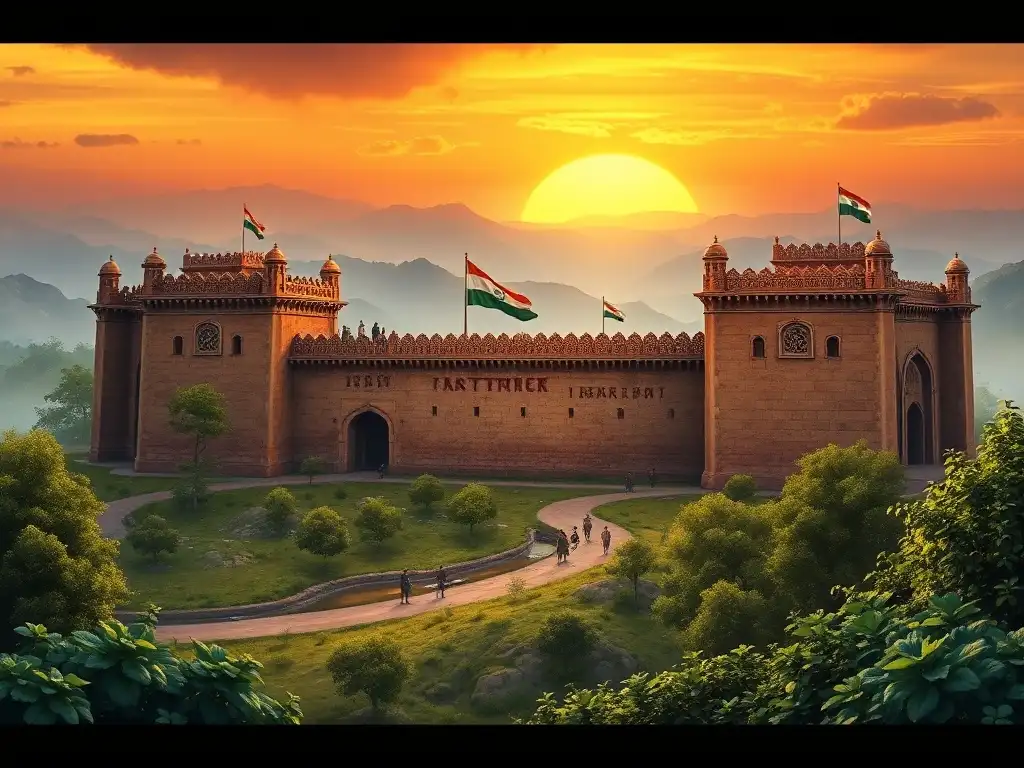
Ancient Indian fortifications are a testament to the remarkable architectural techniques and military engineering prowess that defined the subcontinent's defense systems. These structures were not only built for protection but also served as symbols of power and cultural identity. The ingenuity displayed in their construction reflects a deep understanding of materials, engineering principles, and strategic military needs.
Advanced Techniques in Fort Construction
The construction of ancient Indian forts involved a variety of advanced techniques that catered to the geographical and tactical requirements of the time. Key methods included:
- Use of Local Materials: The choice of materials such as stone, mud, and brick was often dictated by the local geography. For instance, the red sandstone used in the forts of Rajasthan was both readily available and durable.
- Imposing Walls and Gates: Fort walls were constructed to be thick and high, often exceeding several meters in height. The gates were strategically placed and reinforced to withstand assaults. Notable examples include the Kumbhalgarh Fort, with walls extending over 36 kilometers, making it one of the longest in the world.
- Moats and Defensive Structures: Many forts incorporated moats filled with water, which not only made access difficult for invaders but also served as a psychological barrier. The Chittorgarh Fort features extensive moat systems that enhanced its defensive capabilities.
- Innovative Layouts: The layout of these forts often included multiple layers of defenses, with outer walls protecting inner citadels. This tiered approach was particularly effective in delaying enemy advances.
- Use of Geometry and Planning: The application of geometric principles in fort design ensured optimal defense. Forts like the Golconda Fort showcased advanced planning with their intricate layouts that utilized natural topography to bolster defense.
Influence of Geography on Fortification Design
The geography of ancient India played a crucial role in shaping fortification designs. Various geographical features influenced the strategic placement and architectural styles of these defensive structures:
- Hills and Mountains: Forts such as the Mandu Fort were built on elevated terrain, providing a commanding view of the surrounding areas. This elevation not only enhanced defense but also offered a strategic advantage in reconnaissance.
- Deserts and Arid Regions: In regions like Rajasthan, forts were constructed to withstand extreme weather conditions, with thick walls that provided insulation against heat. The use of courtyards and ventilation systems was common to maintain a livable environment.
- Rivers and Water Bodies: Proximity to water sources was often advantageous. Fortifications like Gwalior Fort, built near significant rivers, used water for both defense and sustenance.
- Urban vs. Rural Settings: The design of fortifications also varied depending on whether they were situated in urban centers or remote areas. Urban forts were more complex, featuring additional structures like palaces and markets, while rural forts focused primarily on defense.
Comparison with Fortifications in Other Civilizations
When comparing ancient Indian fortifications with those in other civilizations, several distinctive features emerge:
| Feature | Ancient Indian Fortifications | European Fortifications | Chinese Fortifications |
|---|---|---|---|
| Materials Used | Stone, mud, and brick | Stone, brick, and concrete | Rammed earth, brick, and wood |
| Design Philosophy | Integration with natural landscapes | Focus on symmetrical layouts | Emphasis on linearity and walls |
| Defensive Mechanisms | Moats, thick walls, and multiple gates | Bastions, arrow slits, and drawbridges | Watchtowers, gates, and wall sections |
| Cultural Significance | Symbol of power, with intricate carvings | Military strongholds with political power | Strategic defense against invasions |
| Adaptation to Environment | Built for varied climates and terrains | Adapted to local resources and warfare needs | Designed based on geographical threats |
While all these civilizations developed fortifications to protect against invaders, the unique blend of local materials, geographical considerations, and cultural importance set ancient Indian fortifications apart. They reflect a fusion of military necessity, architectural brilliance, and cultural identity that underscores the rich history of ancient India.
The Decline of Fortifications in Later Periods
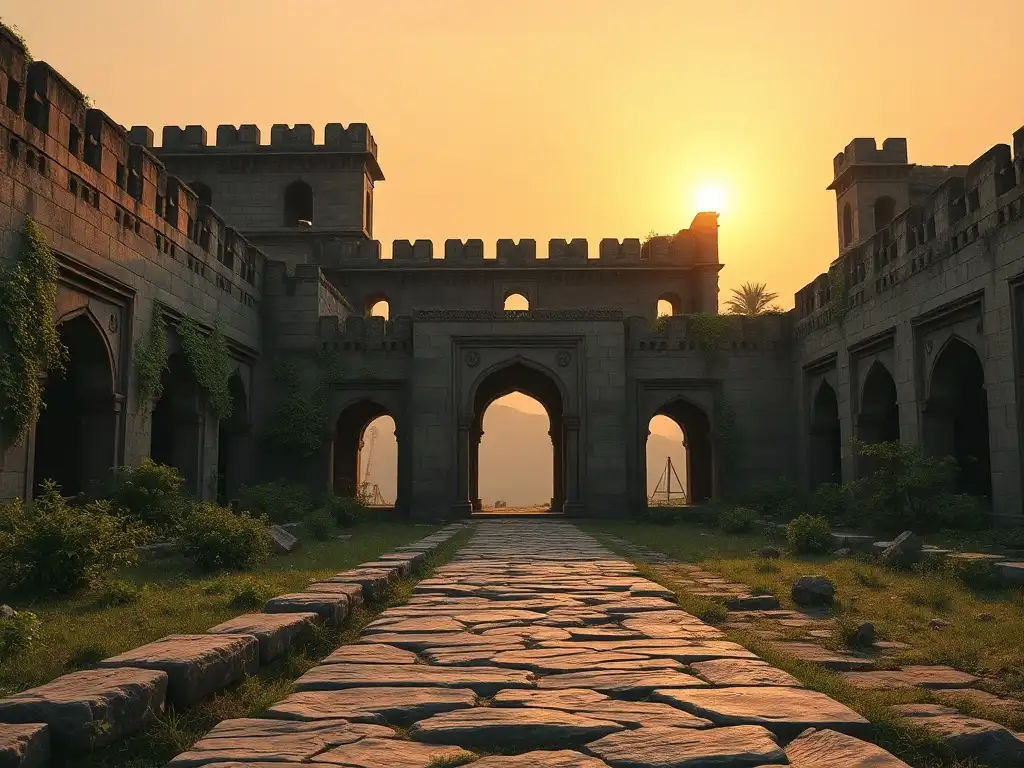
The decline of ancient fortifications in India can be traced through various socio-political, technological, and economic changes that occurred over centuries. As empires rose and fell, the need for fortified structures evolved, leading to a gradual shift away from traditional fortifications. This decline, particularly noticeable during the late medieval period, was influenced by several key factors.
Factors Leading to the Decline of Ancient Fortifications
- Changing Military Tactics:
- The evolution of military strategies played a significant role in diminishing the importance of fortifications. With the advent of gunpowder and artillery, traditional walls and moats became less effective against new weaponry. Armies began to focus on mobility and rapid assaults rather than prolonged sieges.
- Political Consolidation:
- As various regional powers unified under larger empires, the need for individual fortifications diminished. For example, the establishment of the Mughal Empire saw a centralization of military power, where the focus shifted to maintaining control through a strong standing army rather than numerous isolated fortifications.
- Economic Factors:
- The maintenance of vast fortifications required significant resources, both in terms of manpower and materials. As trade routes expanded and cities grew, resources were often redirected towards urban development and trade, leading to the neglect of many ancient fortresses.
- Cultural Shifts:
- The rise of more sophisticated urban centers led to a cultural shift that prioritized architectural advancements over military needs. The construction of palaces, temples, and public buildings became more prevalent, reflecting a move towards stability and prosperity rather than defensive readiness.
- Technological Advancements:
- Innovations in military technology, such as the introduction of cannons and siege engines, rendered many traditional fortifications obsolete. The need for stronger and more adaptable defensive structures emerged, leading to the redesign and eventual abandonment of older fortifications.
Transition from Fortified Structures to Modern Defense Mechanisms
As ancient Indian fortifications began to decline, the transition to modern defense mechanisms took shape. This evolution involved several key developments:
- Integration of Fortified Urban Centers:
- Instead of isolated forts, many rulers began to construct fortified cities with integrated defenses. These urban centers served both as administrative hubs and military strongholds, combining civilian and military architecture.
- Development of New Architectural Styles:
- The focus shifted towards creating structures that could withstand artillery bombardment. This led to the design of thicker walls, rounded bastions, and multi-layered defenses that were more suited for modern warfare.
- Adoption of Modern Military Strategies:
- With the decline of traditional siege warfare, armies began to adopt strategies that prioritized rapid maneuvers and surprise attacks over prolonged engagements. This led to a rethinking of how defense was organized, moving from static fortifications to mobile defense units.
- Colonial Influence:
- The arrival of European powers brought new military ideologies and technologies. Indian rulers adapted by integrating Western military tactics and fortification designs, leading to a hybridization of defense mechanisms that reflected both traditional and modern influences.
- Emergence of Professional Armies:
- The establishment of professional standing armies replaced the reliance on feudal levies. This transition necessitated a different approach to defense, focusing on training and logistics rather than merely building walls.
The decline of ancient Indian fortifications marked a significant transformation in the military landscape of the subcontinent. The factors leading to this decline were multifaceted, encompassing changes in military technology, political dynamics, and economic considerations. As the focus shifted towards modern defense mechanisms, the legacy of ancient fortifications continued to influence military architecture and strategies in subsequent eras.
Conclusion: Legacy of Ancient Indian Fortifications

The fortifications of ancient India represent a remarkable legacy, showcasing the ingenuity, strategic thinking, and architectural prowess of the civilizations that built them. From the meticulously planned urban layouts of the Indus Valley Civilization to the formidable defenses of the Gupta Empire, these structures not only served as physical barriers against invasions but also as symbols of power and resilience. The techniques and designs employed in these fortifications laid the groundwork for subsequent military architecture and influenced the evolution of defensive strategies throughout history.
The study of ancient Indian fortifications history reveals the diverse approaches to military architecture adopted by different cultures. Each fortification reflected the geographical and political context of its time, illustrating how local resources and environmental factors shaped defensive designs. The intricate stonework, use of natural landscapes, and incorporation of advanced engineering techniques underscore the sophistication of ancient Indian military infrastructure.
Influence on Modern Indian Military Architecture
The legacy of ancient Indian fortifications can be seen in the contemporary military architecture of India. Modern fortifications draw upon the lessons learned from historical sites, employing similar principles of site selection, material choice, and defensive design. For instance, the strategic use of topography to enhance defense capabilities remains a core concept in modern military planning.
Moreover, the architectural styles of ancient fortresses have influenced the design of modern military installations. Elements such as thick walls, bastions, and moats are reinterpreted in contemporary contexts, ensuring that these principles of defense are not lost to time. The historical significance of ancient fortifications continues to inspire architects and military strategists, promoting a blend of tradition and innovation in modern defenses.
Preservation of Ancient Fortifications Today
Preserving ancient fortifications is crucial for understanding the military history and cultural heritage of India. Various initiatives have been undertaken by the Indian government and archaeological organizations to protect these sites from degradation and urban encroachment.
Efforts include:
- Restoration Projects: Specialized teams work to restore and maintain the structural integrity of ancient forts, ensuring that they can withstand the ravages of time while retaining their historical authenticity.
- Cultural Heritage Programs: These programs aim to raise public awareness about the significance of ancient fortifications, encouraging local communities to engage in their preservation.
- UNESCO World Heritage Listings: Several ancient forts, such as the Red Fort and Jaisalmer Fort, have been recognized for their cultural importance and are protected under international heritage agreements. This recognition helps secure funding and support for preservation efforts.
As we continue to explore and appreciate the intricate history of ancient Indian fortifications, it becomes clear that these structures are not merely remnants of the past but vital links to understanding the military strategies and cultural identities of ancient civilizations. Their preservation allows future generations to gain insight into the remarkable architectural achievements and historical narratives that shaped ancient India.
References and Further Reading on Ancient Indian Fortifications History
Suggested Books and Articles
-
"The Fortifications of Ancient India" by T. Richard
This comprehensive volume delves into the architectural techniques and materials used in constructing ancient Indian forts, exploring various regional styles from the Indus Valley to the Gupta Empire. It also analyzes the strategic importance of these fortifications in historical conflicts.
-
"Military Architecture in Ancient India" by R. K. Mohan
This book provides a detailed examination of the military architecture of ancient Indian civilizations, with a focus on the evolution of fortifications and their role in siege warfare. The author presents numerous case studies of notable forts and cities, including their defensive features.
-
"Siege Warfare: A Historical Study" by S. N. Rao
This work offers a broader context of siege warfare across various cultures, with specific chapters dedicated to ancient Indian practices. It highlights the unique strategies employed by Indian rulers and the architectural adaptations in fort designs to withstand sieges.
-
"The Indus Valley Civilization: An Archaeological Perspective" by A. Sharma
While primarily focused on the Indus Valley Civilization, this book discusses the early fortifications found in key archaeological sites, shedding light on their significance in urban planning and defense mechanisms.
-
"Ancient Indian Warfare: A Historical Overview" by V. K. Singh
This article presents a detailed overview of the military strategies employed by ancient Indian kingdoms, with insights into how fortifications played a crucial role in warfare tactics.
Documentaries and Resources for Deeper Understanding
-
"Secrets of the Ancient Forts of India" (YouTube Documentary)
This engaging documentary explores several iconic forts across India, revealing their historical contexts, architectural features, and stories of battles fought within their walls.
-
"The Wonders of Ancient Indian Architecture" (National Geographic Series)
This series features episodes dedicated to the architectural marvels of ancient India, including detailed analyses of fortifications and their strategic importance in military history.
-
Online Resource: Archaeological Survey of India (ASI)
The ASI website hosts a wealth of resources, including articles and images of ancient fortifications, archaeological findings, and historical documentation relevant to ancient Indian fortifications history.
-
Podcast: "Fortresses of Time: The Forts of India"
This podcast series offers in-depth discussions with historians and archaeologists about the forts of India, their construction techniques, and the significance of these structures in the context of ancient Indian warfare.
-
Virtual Tours of Ancient Fortifications
Various online platforms offer virtual tours of significant forts, such as the Red Fort in Delhi and the forts of Rajasthan, providing immersive experiences that highlight architectural details and historical narratives.
Frequently Asked Questions
What are some notable ancient Indian fortifications?
Ancient Indian fortifications include the Great Wall of India at Kumbhalgarh, Jaisalmer Fort, and the Gwalior Fort, showcasing the architectural prowess of their time.
How did fortifications influence ancient Indian warfare?
Fortifications played a crucial role in defense strategies, allowing kingdoms to protect their territories and withstand siege warfare, significantly shaping military tactics.
What materials were commonly used in ancient Indian fortifications?
Ancient Indian fortifications were primarily constructed using stone, brick, and earthworks, emphasizing both durability and aesthetic appeal in their design.
How did the geography of India impact fortification designs?
The diverse geography of India, including mountains and rivers, influenced fortification designs, leading to the creation of strategically placed forts that utilized natural defenses.
What was the role of fortifications during the Gupta Empire?
During the Gupta Empire, fortifications served as symbols of power and were essential for protecting trade routes, which contributed to the empire's economic and military strength.
Final Reflection: The Enduring Legacy of Ancient Indian Fortifications
The architectural marvels of ancient Indian fortifications not only tell tales of military strategy but also reflect the rich cultural heritage and ingenuity of their creators. Today, as we navigate a world filled with rapid technological advancements and shifting societal norms, the lessons embedded in these historical structures remind us of the importance of resilience and adaptability in the face of challenges. The fortifications stand as a testament to the human spirit's ability to innovate and protect, urging us to draw inspiration from the past as we confront contemporary issues.
The influence of ancient Indian fortifications extends far beyond their physical presence; they have shaped our understanding of community, defense, and identity. These monumental structures fostered a sense of belonging and pride among the people, serving as symbols of strength and unity. As we reflect on their significance, we are reminded of the words of historian R.C. Majumdar: The history of India is a history of the people, their struggles, and their triumphs, woven into the very fabric of its fortifications.
This perspective invites us to appreciate how these architectural wonders continue to resonate in our cultural consciousness, inspiring modern interpretations of strength and solidarity.
As we conclude this exploration of ancient Indian fortifications, I invite you to reflect on the lessons they impart about resilience and community. Consider how you can apply these principles in your own life, whether in personal challenges or collective endeavors. Embrace the spirit of innovation and protection that these fortifications embody, and let their legacy guide you as you build your own strongholds in an ever-changing world. Together, we can honor the past while forging a path toward a more resilient future.
Unleash the Power of Ancient Fortifications!
Thank you for joining us on this fascinating journey through the architectural wonders of ancient India's fortifications and siege warfare. We hope you’ve gained insights into the ingenuity and strategies that defined this remarkable era. Now, it's time to take that knowledge further and engage with this rich history!
Here are some actionable steps you can take right now:
- Explore a local historical site or museum that showcases fortifications and military history. Experience the grandeur firsthand!
- Join an online forum or community dedicated to ancient history. Share your thoughts and connect with fellow enthusiasts!
- Create a visual project or presentation about a specific fortification that intrigues you. Showcase its importance to your friends or on your personal blog!
What aspect of ancient India's fortifications intrigues you the most, and how will you share this newfound passion with others?