
The Role of Diplomacy in Ancient Indian Military Conflicts

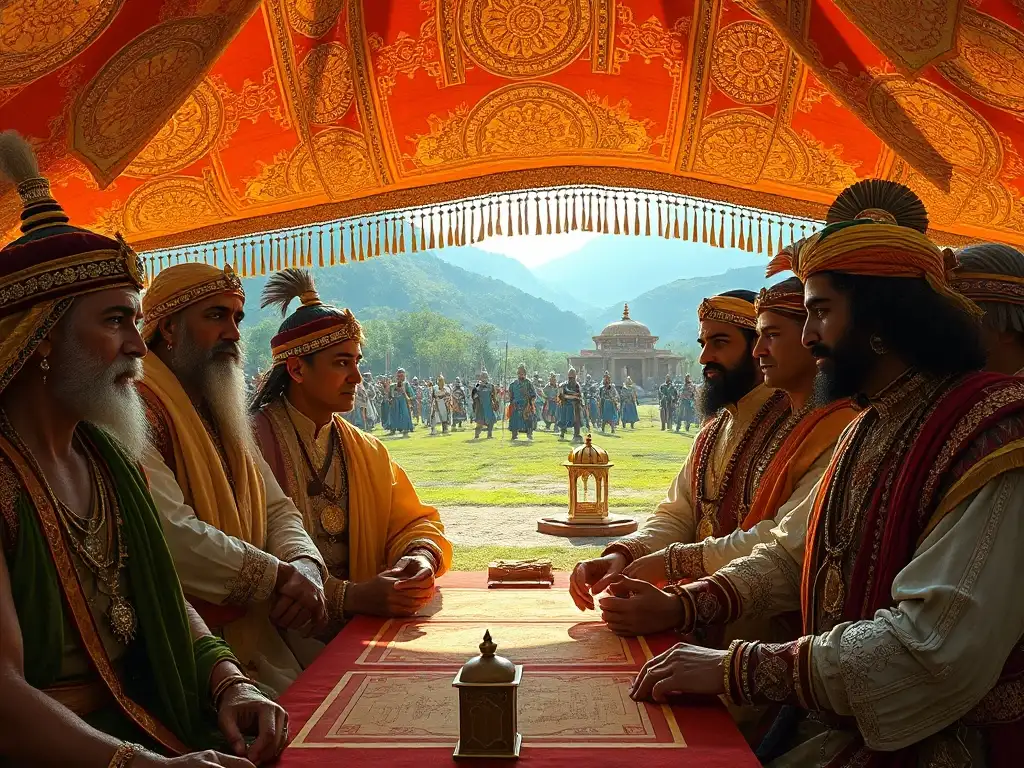
Welcome to Ancient India History, where we embark on a fascinating journey through the rich tapestry of ancient Indian civilizations. From the innovative cities of the Indus Valley to the grandeur of the Gupta Empire, explore how these cultures not only thrived but also navigated the complexities of military conflicts.
In our featured article, "The Role of Diplomacy in Ancient Indian Military Conflicts," we delve into the intriguing world of Ancient Indian military diplomacy—a crucial yet often overlooked aspect of warfare that shaped the destinies of empires. Prepare to uncover the strategies and alliances that defined an era, and let your curiosity guide you deeper into the annals of history!
Introduction to Ancient Indian Military Diplomacy
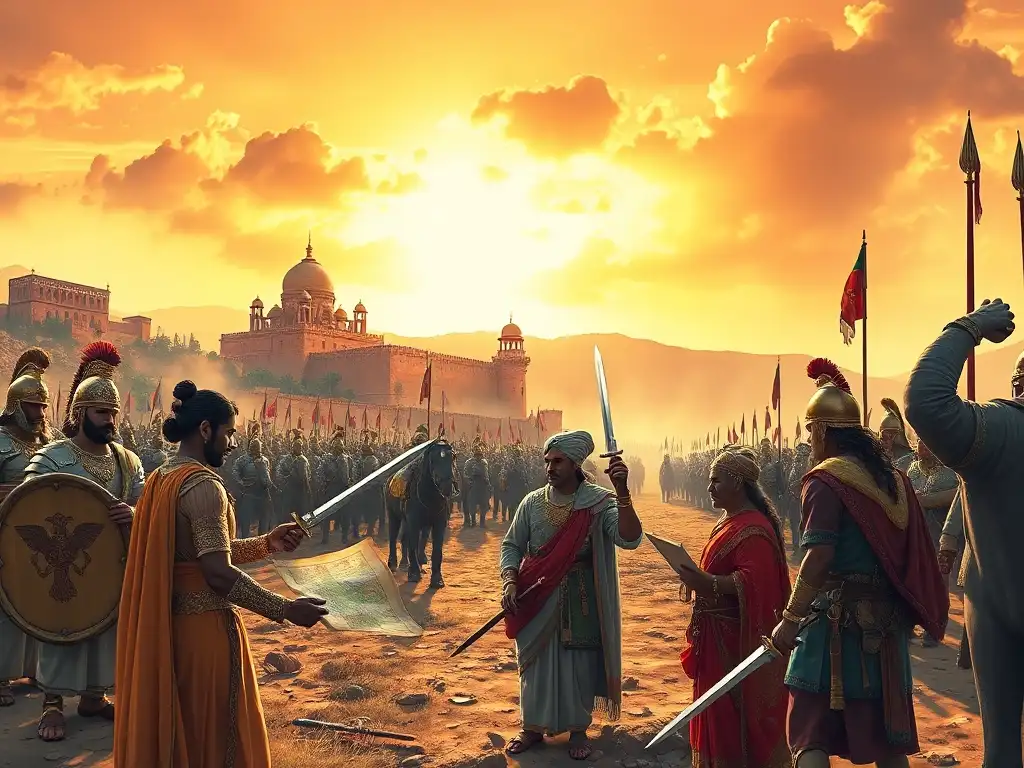
Ancient Indian military diplomacy played a crucial role in shaping the outcomes of conflicts across various eras. While the region is often celebrated for its remarkable achievements in art, science, and philosophy, its military strategies and diplomatic maneuvers remain equally significant.
This article delves into how ancient Indian states utilized diplomacy not only as a means to avoid warfare but also as an effective tool to influence alliances, negotiate peace, and assert power. By examining the intricate relationship between military strategy and diplomatic efforts, we can better understand the complexity of ancient Indian military conflicts and the pivotal role diplomacy played in them.
Definition of Military Diplomacy in Ancient India
Military diplomacy in ancient India can be defined as the art of negotiating and managing relationships between states in the context of military affairs. This encompassed a wide array of activities, including:
- Treaties and Alliances: Formulating agreements that could bolster military strength through mutual support.
- Diplomatic Envoys: Sending representatives to negotiate terms and maintain communication with rival states.
- Negotiation of Peace: Engaging in discussions to resolve conflicts without resorting to battle.
- Information Exchange: Gathering intelligence on enemy capabilities and intentions, often through diplomatic channels.
This multifaceted approach not only facilitated conflict resolution but also allowed states to project power and influence beyond their borders.
Importance of Diplomacy in Ancient Indian Warfare
The significance of diplomacy in ancient Indian warfare cannot be overstated. It served several vital functions:
- Conflict Prevention: By engaging in diplomacy, states could avert potential confrontations and maintain stability in their regions.
- Strengthening Alliances: Diplomatic relations allowed kingdoms to form strategic alliances, which could provide crucial military support during conflicts.
- Resource Management: Through negotiations, states could secure necessary resources, such as troops, supplies, or intelligence, enhancing their military capabilities.
- Cultural Exchange: Diplomatic interactions often led to cultural exchanges that enriched the societies involved, fostering mutual respect and understanding.
In essence, military diplomacy acted as a force multiplier, enabling ancient Indian kingdoms to navigate the complex landscape of warfare with finesse.
Historical Context of Ancient Indian Military Conflicts
To fully appreciate the role of military diplomacy, it is essential to explore the historical context of ancient Indian military conflicts. This includes understanding the major kingdoms that emerged and their respective military strategies.
Overview of Major Ancient Indian Kingdoms
Ancient India was home to several prominent kingdoms that played significant roles in regional conflicts, including:
- Maurya Empire: Known for its vast territory and sophisticated administration, the Maurya Empire under Ashoka exemplified how diplomacy could coexist with military power.
- Gupta Empire: Renowned for its cultural advancements, the Gupta Empire also engaged in strategic military alliances to maintain its dominance.
- Chola Dynasty: The Cholas were adept at using naval power and diplomacy to expand their influence across South India and beyond.
- Kushana Empire: This empire facilitated trade and cultural exchanges along the Silk Road, often leveraging diplomatic ties to enhance its military reach.
These kingdoms not only engaged in warfare but also relied heavily on diplomatic strategies to forge alliances and manage conflicts.
The Evolution of Military Strategies in Ancient India
The evolution of military strategies in ancient India reveals a complex interplay between warfare and diplomacy. Key developments included:
- Use of War Elephants: These majestic creatures were often employed in battle, but their procurement and maintenance were frequently negotiated through diplomatic channels.
- Formation of Alliances: As conflicts intensified, kingdoms began to form coalitions to counter common enemies, demonstrating the need for diplomatic negotiations to secure alliances.
- Adaptation of Techniques: The exchange of military techniques and strategies through diplomatic relations often influenced the outcomes of battles, as states learned from one another.
By examining these strategies, we can gain insight into how ancient Indian military diplomacy shaped the course of history.
In the following sections, we will explore specific instances of military diplomacy in ancient India, analyzing how these practices influenced notable battles and campaigns throughout the region's rich history.
Key Features of Ancient Indian Military Diplomacy
Ancient Indian military diplomacy was characterized by a blend of strategic alliances, negotiations, and treaties aimed at both conflict resolution and military advantage. The following key features defined this intricate system:
- Emphasis on Alliances: Alliances were often formed between kingdoms to counter common threats. This collaboration not only strengthened military capabilities but also facilitated cultural exchange and economic ties, creating a network of mutual support.
- Use of Treaties: Treaties played a vital role in formalizing relationships between states. They often included terms for peace, territorial agreements, and mutual assistance clauses, which were critical in maintaining stability and preventing warfare.
- Diverse Approaches: Ancient Indian diplomacy was not monolithic; strategies varied significantly based on regional practices, the nature of the conflict, and the specific goals of the involved parties. This diversity allowed for a tailored approach to each situation.
- Cultural and Religious Considerations: Diplomacy was often influenced by cultural and religious factors, with envoys frequently invoking shared beliefs and practices to foster goodwill and cooperation among different states.
Treaties and Alliances in Ancient Indian Warfare
Treaties and alliances were fundamental to the conduct of military operations in ancient India. These agreements often dictated the course of conflicts and shaped the political landscape. Key aspects of treaties and alliances include:
- Mutual Defense Pacts: Many states entered into pacts where they committed to defend each other against external aggression. This strategy not only deterred potential invaders but also provided a united front during conflicts.
- Territorial Agreements: Treaties frequently involved negotiations over land disputes, where territories were exchanged or boundaries were defined to avoid future conflicts. Such agreements were pivotal during the expansionist phases of various empires.
- Cultural Exchange: Alliances often led to the exchange of cultural practices, technology, and military tactics. For example, the Mauryan Empire's alliances with smaller kingdoms facilitated the spread of Buddhism, which in turn promoted peaceful relations.
- Historical Examples: The treaties established during the reign of Chandragupta Maurya and later during Ashoka’s rule exemplify how diplomacy was utilized to secure peace and consolidate power.
The Role of Envoys and Ambassadors
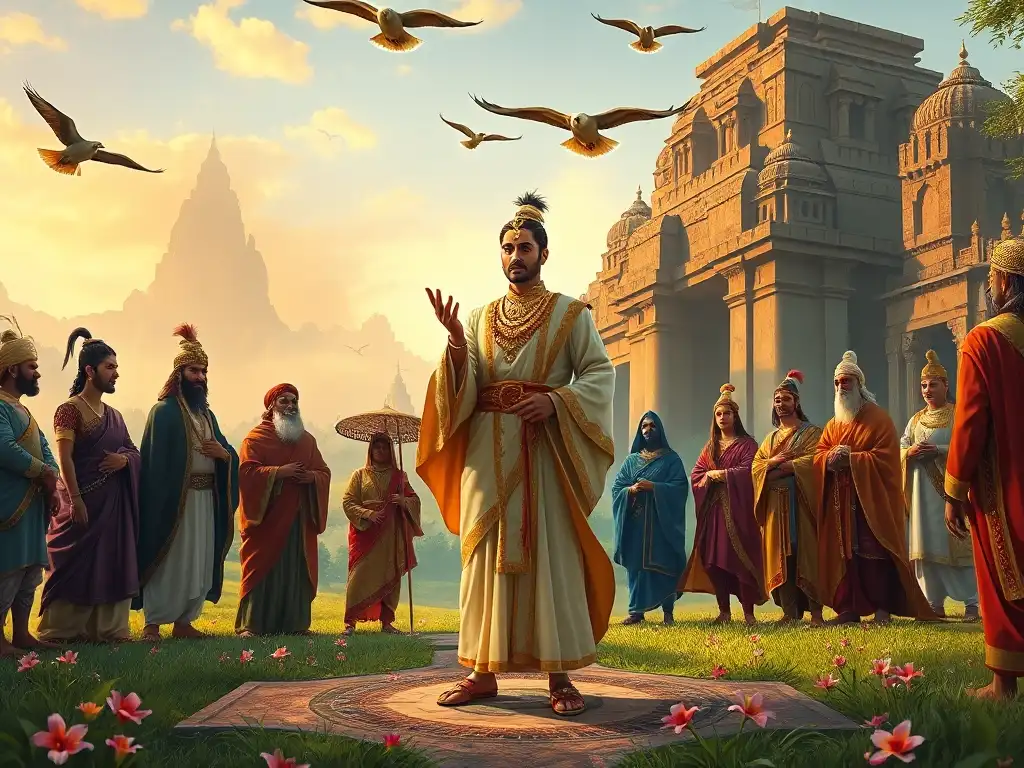
Envoys and ambassadors were crucial in ancient Indian military diplomacy, serving as the primary conduits of communication between states. Their roles included:
- Negotiation: Envoys were often tasked with negotiating peace treaties or alliances. Their ability to articulate terms and persuade opposing leaders was essential in achieving favorable outcomes.
- Intelligence Gathering: Envoys also served as spies, gathering information about enemy strengths, weaknesses, and intentions. This intelligence was vital for strategic planning and military preparedness.
- Cultural Diplomacy: Beyond military matters, ambassadors played a role in cultural diplomacy, fostering goodwill through marriage alliances, exchanges of gifts, and shared religious ceremonies, which helped in mitigating conflicts.
- Examples of Notable Envoys: Historical figures like Kautilya, who served as an advisor and envoy during the Mauryan Empire, exemplify the significant impact that skilled diplomats could have on military and political affairs.
Negotiation Tactics Used in Ancient Indian Conflicts
Negotiation tactics in ancient Indian military diplomacy were sophisticated and varied. They included:
- Leverage through Alliances: States often used their alliances as leverage in negotiations, emphasizing their collective strength to intimidate adversaries or persuade them to agree to favorable terms.
- Appeal to Shared Values: Diplomats frequently invoked shared cultural or religious beliefs to build rapport and create a sense of unity, making it easier to reach agreements.
- Use of Gifts and Offerings: Offering gifts was a common tactic to win favor and demonstrate goodwill. This practice often facilitated smoother negotiations and reinforced relationships.
- Long-term Vision: Diplomats were trained to think beyond immediate concerns, often negotiating terms that would ensure long-term peace and stability rather than temporary solutions.
Case Studies of Notable Battles Involving Diplomacy
The intricate relationship between military conflict and diplomacy can be illustrated through various case studies throughout ancient Indian history:
The Kalinga War: A Diplomatic Perspective
The Kalinga War, fought by Emperor Ashoka around 261 BCE, serves as a significant example of the interplay between diplomacy and military action. Prior to the conflict, Ashoka attempted to negotiate with Kalinga, seeking a peaceful resolution to territorial disputes. However, when negotiations failed, military action ensued. The aftermath of the war led to a profound shift in Ashoka's perspective on violence, ultimately prompting him to embrace Buddhism and promote non-violence, showcasing how military conflicts could lead to diplomatic transformations.
The Maurya Empire and Diplomatic Strategies
The Maurya Empire, particularly under Chandragupta and Ashoka, exemplified the use of diplomatic strategies to expand influence. Chandragupta’s alliances with local rulers through marriage and treaties allowed for territorial expansion without extensive military confrontation. Ashoka, on the other hand, utilized diplomatic envoys to spread Buddhism and secure peace, demonstrating that military strength could be complemented by diplomatic efforts to foster stability and cultural integration.
Diplomatic Maneuvers in the Gupta Empire’s Military Campaigns
The Gupta Empire, known for its cultural and scientific advancements, also employed sophisticated diplomatic maneuvers in its military campaigns. The Guptas often engaged in marriage alliances with neighboring states, which not only secured peace but also facilitated the transfer of knowledge and technology. Additionally, their strategic use of envoys helped negotiate terms with rival kingdoms, ensuring that military engagements were often the last resort, highlighting the empire's preference for diplomacy over conflict.
The Impact of Foreign Relations on Ancient Indian Military Conflicts
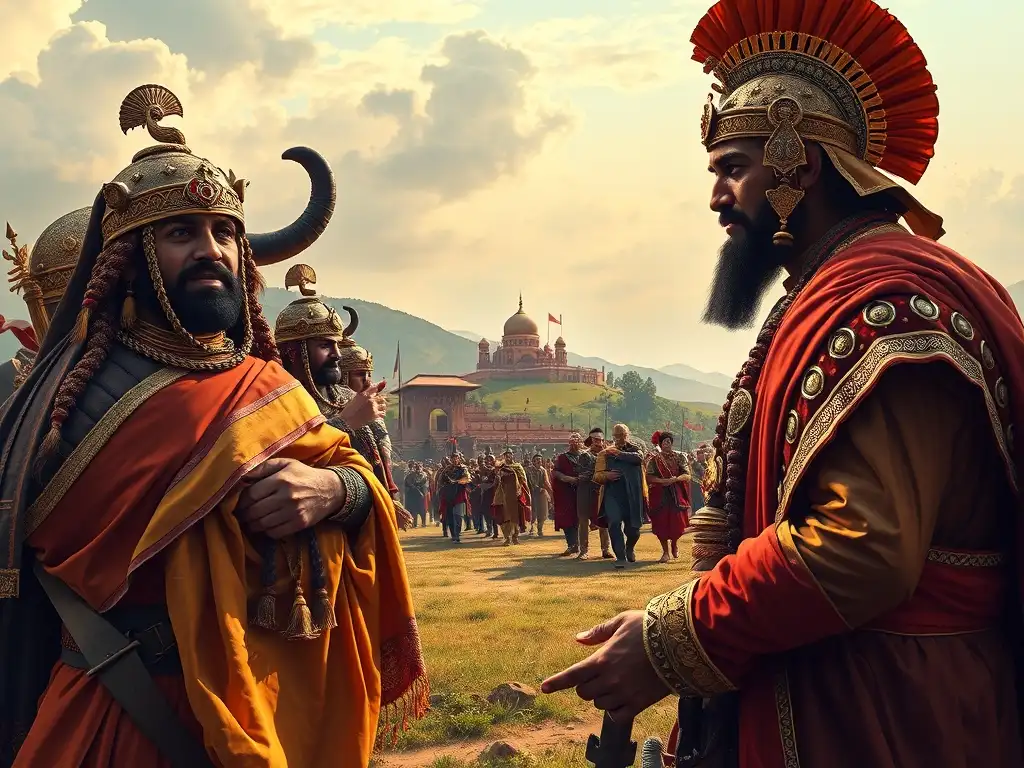
Foreign relations played a pivotal role in shaping the military landscape of ancient India. The intricate web of alliances, rivalries, and diplomatic negotiations influenced not only the outcomes of battles but also the political stability of various kingdoms. Throughout history, kingdoms such as the Mauryas, Guptas, and Cholas engaged in diplomatic efforts that were crucial in managing conflicts and securing their territories.
One significant aspect of ancient Indian military diplomacy was the practice of forming alliances with neighboring states to deter common threats. This strategic maneuvering often involved marriages between royal families, which served as a means to solidify partnerships. For instance, the Mauryan Empire under Ashoka utilized marriages to forge alliances with various regional powers, thereby enhancing his empire's influence without direct military confrontation.
Additionally, emissaries and envoys played a critical role in conveying messages and negotiating terms. The ability to communicate effectively with other states could prevent misunderstandings that might lead to warfare. In many instances, the mere presence of a diplomatic envoy could act as a deterrent against potential aggression, showcasing the importance of diplomacy in maintaining peace.
Relationships with Neighboring Kingdoms
The relationships between ancient Indian kingdoms were often characterized by a blend of cooperation and conflict. Neighboring states frequently formed alliances based on mutual interests, such as trade or defense against larger empires. For example, during the time of the Gupta Empire, relationships with kingdoms like the Vakatakas and the Western Kshatrapas were vital for maintaining regional stability and fostering economic growth.
On the other hand, rivalries were equally prevalent. The constant competition for resources and territory led to numerous conflicts, which were sometimes resolved through diplomatic channels. The use of envoys to negotiate peace treaties or territorial adjustments was common, highlighting the significance of diplomacy in mitigating the impacts of warfare. Notably, the famous Kalinga War, fought by Ashoka, exemplified how previous diplomatic failures could escalate into full-blown military conflicts.
Furthermore, the cultural ties formed through trade routes also influenced these relationships. Diplomatic missions often included cultural exchanges, which not only fostered goodwill but also laid the groundwork for lasting alliances. These interactions promoted a sense of shared identity among neighboring kingdoms, enabling them to collaborate against external threats.
The Influence of Cultural Exchange on Diplomacy
Cultural exchange significantly enriched the diplomatic relations of ancient Indian civilizations. Trade routes connecting India to regions such as Persia, Central Asia, and beyond facilitated the exchange of not only goods but also ideas, customs, and diplomatic practices. This cross-cultural interaction fostered a deeper understanding and appreciation among different kingdoms, leading to more effective diplomatic engagements.
The introduction of foreign practices and ideas into Indian diplomacy can be seen in various historical contexts. For instance, the influence of Greek diplomatic customs following Alexander's invasion introduced new methods of negotiation and alliance-building. Such interactions encouraged Indian rulers to adopt more sophisticated diplomatic strategies, enhancing their effectiveness in managing conflicts.
Moreover, cultural exchanges often resulted in the establishment of shared religious and philosophical beliefs, which served as a foundation for diplomatic relations. The propagation of Buddhism, for example, not only spread throughout India but also reached regions like Central Asia and Southeast Asia, creating a network of cultural and diplomatic ties that transcended military conflicts.
Lessons from Ancient Indian Military Diplomacy
Ancient Indian military diplomacy offers several valuable lessons that remain relevant even in contemporary international relations. The emphasis on strategic alliances, communication, and cultural exchange can inspire modern diplomatic practices.
Strategies for Modern Diplomacy Inspired by Ancient Practices
Modern diplomatic efforts can draw from the ancient Indian approach to military conflicts by prioritizing the establishment of strategic partnerships. Just as ancient rulers formed alliances to confront shared adversaries, contemporary nations can benefit from collaborative frameworks that address global challenges such as terrorism and climate change.
Furthermore, the role of effective communication cannot be overstated. Ancient Indian envoys were trained in the art of negotiation, understanding the nuances of language and culture. Today, diplomats should similarly emphasize cultural sensitivity and negotiation skills to navigate complex international landscapes, fostering mutual respect and understanding.
Lastly, the promotion of cultural exchanges through education, trade, and people-to-people connections can enhance diplomatic relations. Learning from the past, nations can create avenues for dialogue and collaboration that extend beyond mere political or military interests.
The Relevance of Ancient Indian Military Diplomacy Today
The principles of ancient Indian military diplomacy remain relevant in today's geopolitical climate. As nations face multifaceted challenges, the lessons learned from historical diplomatic practices can inform modern strategies. The importance of diplomacy in conflict resolution, the necessity of building alliances, and the value of cultural understanding are all aspects that continue to resonate.
In contemporary contexts, the need for diplomatic engagement is paramount. The ancient practices of negotiation and alliance-building serve as a reminder that effective diplomacy can prevent conflicts and foster stability. As nations navigate a complex world, reflecting on the diplomatic history of ancient India can provide insights into achieving peace and cooperation in an increasingly interconnected global landscape.
Conclusion
The role of diplomacy in ancient Indian military conflicts played a pivotal part in shaping the strategies, outcomes, and political landscapes of the time. Rather than relying solely on military might, ancient Indian states frequently engaged in diplomatic negotiations, forming alliances, and employing various forms of communication to achieve their objectives. This multifaceted approach not only mitigated the need for continual warfare but also enriched the political culture of ancient India, allowing for the coexistence of diverse kingdoms and their respective interests.
Summary of Key Points on Ancient Indian Military Diplomacy
- Diplomatic Alliances: Many ancient Indian rulers formed strategic alliances to bolster their military strength against common enemies. For instance, alliances between regional powers, such as the Kuru and the Panchala kingdoms, were essential in countering larger threats.
- Treaties and Agreements: Treaties played a significant role in maintaining peace and stability. The Mauryan Empire, under Ashoka, is particularly noted for its diplomatic efforts, including the Rock Edicts that emphasized moral governance and peaceful coexistence.
- Utilization of Envoys: Envoys and ambassadors were crucial in ancient Indian diplomacy. They facilitated negotiations, conveyed messages, and often played a role in espionage. The historical text Arthashastra by Kautilya outlines the importance of spies and informants in gathering intelligence, which was vital for diplomatic missions.
- Cultural Exchange: Diplomatic engagements often led to cultural exchanges, influencing art, religion, and social practices. For example, the spread of Buddhism through diplomatic channels solidified relationships between different kingdoms.
- Conflict Resolution: Diplomatic negotiations were frequently employed as a means of conflict resolution, reducing the need for prolonged warfare. The ability to resolve disputes amicably can be seen in the historical accounts of various dynasties, who preferred negotiations to outright battles.
Final Thoughts on the Role of Diplomacy in Shaping Ancient Indian Military History
Ancient Indian military diplomacy was not merely a supplementary aspect of warfare; it was a fundamental element that shaped the very fabric of military history in the subcontinent. The strategic use of diplomacy complemented military actions, enabling states to navigate complex political landscapes with finesse. As a result, ancient Indian civilizations were able to maintain a delicate balance between warfare and peace, fostering an environment where culture and society could thrive alongside military endeavors. Understanding this duality is crucial for appreciating the sophistication of ancient Indian political strategies and their enduring impact on the region's history.
- Introduction to Ancient Indian Military Diplomacy
- Historical Context of Ancient Indian Military Conflicts
- Key Features of Ancient Indian Military Diplomacy
- Treaties and Alliances in Ancient Indian Warfare
- The Role of Envoys and Ambassadors
- Negotiation Tactics Used in Ancient Indian Conflicts
- Case Studies of Notable Battles Involving Diplomacy
- The Impact of Foreign Relations on Ancient Indian Military Conflicts
- Lessons from Ancient Indian Military Diplomacy
- Conclusion
- What was the significance of military diplomacy in ancient India?
- How did ancient Indian civilizations employ diplomatic strategies during conflicts?
- Which ancient Indian empires are known for their military diplomacy?
- What role did cultural exchanges play in ancient Indian military diplomacy?
- How did the practice of military diplomacy evolve in ancient India over time?
Frequently Asked Questions
What was the significance of military diplomacy in ancient India?
Military diplomacy played a crucial role in conflict resolution and alliances, allowing ancient Indian states to navigate disputes and maintain peace through strategic negotiations rather than outright warfare.
How did ancient Indian civilizations employ diplomatic strategies during conflicts?
Ancient Indian civilizations used a combination of marriage alliances, treaties, and envoys to strengthen their positions, ensuring that military actions were supported by political agreements.
Which ancient Indian empires are known for their military diplomacy?
The Maurya and Gupta Empires are particularly noted for their effective use of military diplomacy, balancing warfare and negotiation to expand their influence across the region.
What role did cultural exchanges play in ancient Indian military diplomacy?
Cultural exchanges facilitated understanding and cooperation between rival states, often leading to peace treaties that benefited both parties, thus enhancing the effectiveness of military diplomacy.
How did the practice of military diplomacy evolve in ancient India over time?
Over the centuries, military diplomacy evolved from simple tribal negotiations to complex strategies involving multiple states, reflecting the growing sophistication of ancient Indian political systems and their international relations.
Final Reflection: The Enduring Legacy of Ancient Indian Military Diplomacy
The exploration of ancient Indian military diplomacy reveals its profound relevance in today's geopolitical landscape. As nations navigate complex relationships and conflicts, the strategies employed by ancient Indian states remind us that diplomacy is not merely a tool of negotiation but a vital instrument of peace and stability. The lessons learned from these historical practices underscore the importance of dialogue and understanding in resolving disputes, emphasizing that diplomacy can often be more powerful than warfare.
The impact of ancient Indian military diplomacy extends beyond historical analysis; it continues to shape our cultural and social frameworks today. The intricate balance between military might and diplomatic engagement seen in ancient texts serves as a reminder that effective governance requires a nuanced approach to conflict resolution. As Mahatma Gandhi once said, An eye for an eye only ends up making the whole world blind.
This sentiment echoes the ancient wisdom that diplomacy, when prioritized, can foster enduring relationships and avert unnecessary bloodshed.
As we reflect on the insights gleaned from ancient Indian military diplomacy, let us consider how we can apply these lessons in our own lives and communities. In a world increasingly defined by division and discord, we are called to embrace the spirit of diplomacy in our interactions.
Whether through fostering dialogue in our personal relationships or advocating for peaceful resolutions in broader societal issues, each of us has the power to contribute to a more harmonious future. Take a moment to reflect on how you can embody the principles of diplomacy in your daily life, and let this be a guiding force as we navigate the complexities of our modern world.
Unveil Effective Strategies Inspired by Ancient Diplomacy!
Thank you for diving into the fascinating world of ancient Indian military conflicts! You've discovered how diplomacy shaped historical outcomes and influenced the art of warfare. Now, it's time to harness this knowledge and apply it to modern contexts.
Here's how you can take action:
- Reflect on the Role of Diplomacy: Consider how diplomatic strategies can be applied in your daily life or workplace. Focus on resolving conflicts through dialogue rather than confrontation.
- Join the Discussion: Share your thoughts on how ancient diplomacy influences current global relations on our Ancient India History forum !
- Explore More: Read about additional ancient strategies by subscribing to our newsletter and stay updated on our latest articles!
How do you believe the lessons learned from ancient diplomacy can positively transform today's conflicts?