
The Art of War: Ancient Indian Military Architecture


Welcome to Ancient India History, where we embark on a journey through the rich and diverse tapestry of India’s past. In this exploration, we delve into the fascinating world of Ancient Indian military architecture, a remarkable testament to the ingenuity and strategic prowess of civilizations that shaped the subcontinent. From the awe-inspiring forts of the Gupta Empire to the sophisticated defenses of the Indus Valley, discover how these monumental structures not only protected but also played a crucial role in the art of war.
Join us as we unveil the secrets behind these architectural marvels and their lasting impact on military history. Your adventure into the past begins here!

Introduction to Ancient Indian Military Architecture
The study of Ancient Indian military architecture offers a fascinating glimpse into the strategic minds and innovative spirits of the civilizations that once thrived on the Indian subcontinent. From the fortified cities of the Indus Valley Civilization to the grand fortresses of the Gupta Empire, military structures were not merely functional; they were a reflection of the socio-political dynamics, technological advancements, and artistic expressions of their time. This article embarks on an exploration of the architectural marvels that defined warfare in ancient India, examining the intricate designs and formidable defenses that shaped the outcomes of notable battles and campaigns.
Understanding the Importance of Military Structures in Ancient India
Military architecture in ancient India was crucial for several reasons:
- Defense and Protection: Fortifications and walls provided safety against invasions and attacks from rival kingdoms.
- Symbolism of Power: Grand military structures served as symbols of strength and authority, projecting power to both subjects and enemies.
- Strategic Advantage: The design of military architecture often incorporated natural landscapes, enhancing the tactical advantages of defending forces.
- Cultural Integration: These structures were also centers for cultural activities, blending art, religion, and military prowess.
Overview of Architectural Styles in Ancient Indian Warfare
The architectural styles of ancient Indian military structures varied significantly across regions and time periods, influenced by local materials, cultural practices, and military needs. Some notable styles include:
- Fortresses: Massive stone fortifications with thick walls, such as those found in Chittorgarh and Gwalior.
- Mud Forts: Earthen structures that were easier to construct and could quickly adapt to changing military needs.
- Urban Ramparts: Cities like Harappa and Mohenjo-Daro featured sophisticated urban planning that included defensive walls and gateways.
Historical Context of Ancient Indian Military Architecture
To fully appreciate the evolution of military architecture in ancient India, it's essential to consider the historical context in which these structures were built.
The Evolution of Defensive Structures from the Indus Valley Civilization
The Indus Valley Civilization marked the beginning of sophisticated urban planning and military architecture in ancient India, featuring fortified cities with grid-like layouts. Key developments included:
- Brick Walls: The use of baked bricks allowed for sturdier and more durable structures.
- Drainage Systems: Advanced drainage systems not only prevented flooding but also showcased the architectural ingenuity of the time.
- Watchtowers: Elevated structures that provided visibility across the surrounding areas, enhancing security.
Influence of Geography on Military Architecture in Ancient India
Geography played a pivotal role in shaping military architecture in ancient India. The diverse landscapes, ranging from the rugged mountains of the Himalayas to the vast plains of the Gangetic Valley, influenced the design and location of military fortifications. Key geographical considerations included:
- Natural Barriers: Rivers, mountains, and forests were often integrated into defensive strategies, making attacks more difficult.
- Strategic Locations: Forts were constructed at key trade routes and borders to control movement and trade, such as the forts along the Silk Road.
- Resource Availability: The materials available in different regions dictated the construction techniques and styles used in various military structures.
Key Features of Ancient Indian Military Architecture
Ancient Indian military architecture showcases a blend of strategic functionality, aesthetic appeal, and local materials, reflecting the diverse cultures and technologies of its time. Key features include robust fortifications, complex gateways, and innovative defensive structures. These elements were designed to withstand sieges, provide vantage points, and facilitate the movement of troops. The use of local stone and advanced engineering techniques allowed for the construction of formidable structures that not only served military purposes but also symbolized power and prestige.
The architecture often incorporated natural landscapes, using hills, rivers, and forests as natural barriers. This strategic integration made many forts virtually impregnable, while intricate designs allowed for effective surveillance and defense. Additionally, many military structures included living quarters, storage facilities, and religious spaces, demonstrating the multifaceted nature of these sites as centers of both military and civilian life.
Fortifications and Defensive Walls
Fortifications in ancient Indian military architecture were primarily designed to protect against invasions and sieges. Thick stone walls, often several meters high, were built using locally sourced materials such as sandstone, granite, and limestone. These walls were sometimes reinforced with mud, brick, or timber, enhancing their durability.
Many of these fortifications featured a unique design known as "bastions," which provided additional defensive strength and allowed for flanking fire against attackers. The walls were often punctuated with crenellations—alternating high and low sections that allowed defenders to shoot projectiles while remaining protected. In addition, some forts included moats, which further deterred enemy advances by complicating direct assaults.
Gates and Entrances: Design and Purpose
The gates and entrances of ancient Indian forts were not only functional but also symbolic. They served as the first line of defense and were often designed with multiple layers to control access. These gateways featured intricate carvings and sculptures, reflecting the artistic sensibilities of the time while also intimidating potential invaders.
Common designs included heavy wooden doors reinforced with iron, sometimes set at angles to deflect attacks. Some gates had additional defensive mechanisms like portcullises and trapdoors, enhancing security. The placement of gates was strategic; they were often located in difficult terrains to limit the enemy's approach and were sometimes concealed by natural vegetation.
Towers and Watchtowers: Strategic Advantages
Towers and watchtowers were integral components of ancient Indian military architecture, providing significant strategic advantages. Positioned at key points along fortifications, these structures offered elevated vantage points for surveillance and early warning of approaching enemies.
Watchtowers were typically built at strategic intervals along the walls, allowing defenders to monitor movements and relay information quickly. Some towers were designed to house archers or artillery, enabling them to defend the fort from a distance. The construction of these towers often included narrow windows or loopholes, allowing for effective defense while minimizing exposure to attackers.
Notable Examples of Ancient Indian Military Architecture
The Forts of Rajasthan: A Testament to Military Ingenuity
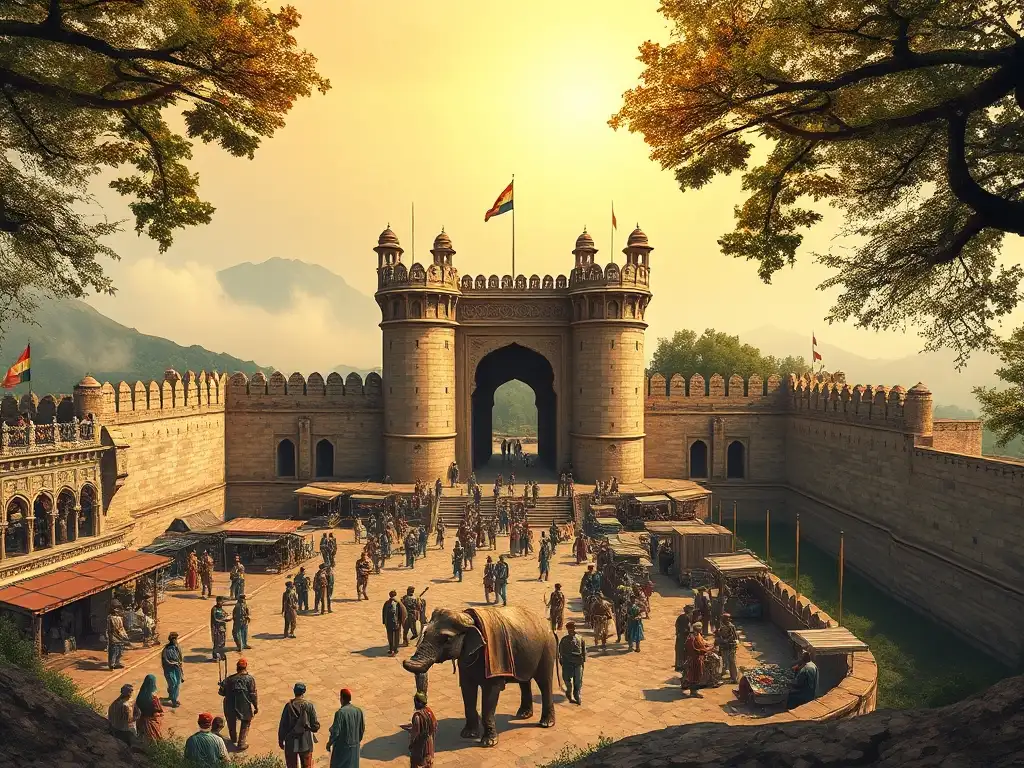
The forts of Rajasthan stand as remarkable examples of ancient Indian military architecture, showcasing the ingenuity and strategic foresight of their builders. This region is home to several UNESCO World Heritage Sites, including the Jaisalmer Fort and the Mehrangarh Fort, which illustrate the use of local sandstone and intricate carvings.
These forts were designed to withstand the harsh desert climate while providing robust defense mechanisms against invaders. The layout of these forts often included multiple layers of walls, fortified gates, and sophisticated water storage systems, which were crucial for survival during prolonged sieges. The artistic embellishments also reflect the cultural and historical significance of these military structures.
The Great Wall of India: Kumbhalgarh Fort
Kumbhalgarh Fort, often referred to as the "Great Wall of India," is renowned for its massive fortifications that stretch over 36 kilometers. Built in the 15th century, this fort exemplifies the engineering prowess of ancient Indian architects.
Its walls, some of the thickest in the world, are designed to withstand both natural and man-made threats. The fort's strategic location on the Aravalli Range provided a natural defense, while its complex design included numerous palaces, temples, and gardens, demonstrating that military architecture could also be a site of cultural significance. Kumbhalgarh's fortifications are not just a testament to military strategy but also to the artistic and architectural achievements of the time.
The Architectural Marvels of the Gupta Empire
The Gupta Empire, often referred to as the "Golden Age" of India, produced some of the most magnificent examples of ancient Indian military architecture. Notable structures include the fortifications of Ujjain and the impressive walls of the city of Pataliputra.
These military architectures were characterized by their sophisticated design, which integrated defense with urban planning. The use of sophisticated planning techniques, such as grid layouts and systematic placement of defenses, highlights the advanced understanding of military architecture during this era. Additionally, the incorporation of religious sites within military structures reflects the Gupta belief in the divine protection of their empire, blending spiritual and military objectives seamlessly.
Architectural Techniques and Materials Used
Ancient Indian military architecture is a fascinating blend of ingenuity and adaptation to local conditions. The construction of forts, walls, and other military structures utilized a variety of architectural techniques and materials that were distinct to different regions and periods in Indian history. The strategic importance of these structures cannot be overstated, as they were crucial for defense, control of trade routes, and the assertion of power over territories.
Local Materials and Their Impact on Military Structures
The choice of building materials was influenced greatly by the geographical and climatic conditions of the region. For instance:
- Stone: In regions like Rajasthan, forts were primarily constructed from local stone, such as sandstone and granite, which provided durability and strength. The use of stone not only offered resilience against enemy attacks but also ensured that the structures could withstand the test of time.
- Mud and Earth: In the Deccan plateau, mud and earth were common materials for constructing fortifications. This technique, known as "rammed earth," involved compacting earth to create solid walls, which were effective in providing protection during the rainy season.
- Wood and Bamboo: In the northeastern parts of India, bamboo and wood were extensively used due to their abundance. These materials were lightweight and allowed for quick construction, which was essential during times of conflict.
The impact of local materials on military structures was profound, as they not only defined the aesthetic qualities of the forts but also determined their defensive capabilities. The strategic use of these materials showcased the architectural foresight of ancient Indian builders.
Innovative Construction Techniques in Ancient Indian Forts
Ancient Indian architects employed several innovative construction techniques that enhanced the effectiveness of military architecture. Notable techniques include:
- Thick Walls and Bastions: Forts were often built with thick walls reinforced with bastions that provided vantage points for archers and soldiers. This design allowed defenders to repel attackers more effectively.
- Moats and Water Defenses: Many forts incorporated moats filled with water as an additional layer of defense. These moats not only hindered the movement of enemy forces but also provided a source of water in case of sieges.
- Crenellations and Arrow Slits: The use of crenellations on parapets allowed defenders to shoot arrows while remaining protected. Arrow slits were narrow openings in walls that enabled archers to target enemies while minimizing exposure.
These construction techniques demonstrate the sophistication of ancient Indian military architecture, which combined functionality with strategic foresight.
The Role of Military Architecture in Battles and Campaigns
Military architecture in ancient India played a pivotal role in shaping battles and campaigns. The design and location of forts influenced military strategy and tactics, often determining the outcome of conflicts.
How Fortifications Shaped Military Strategy
The presence of well-fortified structures allowed rulers to establish strategic control over territories. Key aspects include:
- Defense and Deterrence: Strong fortifications acted as deterrents against invasions. For instance, the impregnable forts of the Rajputs were known to repel numerous invasions, allowing these kingdoms to flourish.
- Supply and Logistics: Forts served as logistical hubs, providing supplies and shelter for troops during campaigns. This strategic placement enabled armies to sustain prolonged engagements with the enemy.
- Regional Control: The construction of forts along trade routes allowed rulers to control commerce and tax trade, which in turn funded military campaigns. This control over resources was critical for maintaining a military advantage.
The strategic implications of military architecture were significant, often leading to territorial expansion and consolidation of power.
Case Studies of Notable Battles Involving Ancient Indian Forts
Several notable battles in ancient India highlight the impact of military architecture on warfare:
- The Siege of Chittorgarh (1568): The fort of Chittorgarh, renowned for its high walls and extensive defenses, faced a siege by Mughal Emperor Akbar. Despite its formidable architecture, the fort ultimately fell due to a prolonged siege and resource depletion, illustrating the limits of even the strongest fortifications against determined forces.
- Battle of Kalinga (261 BCE): The fortifications of Kalinga played a crucial role in this significant battle between the Mauryan Empire and the Kalinga kingdom. The well-planned defenses allowed the Kalinga forces to hold off the Mauryan army initially, though they ultimately succumbed to the larger and better-equipped forces of Ashoka.
- The Defense of Golconda (1687): The Golconda Fort, known for its acoustics and strategic architecture, successfully defended against several sieges until it fell to Mughal forces under Aurangzeb. The fort's design, which included a series of walls and gates, showcased the advanced military architecture of the time.
These case studies demonstrate how ancient Indian military architecture not only defined the landscape of warfare but also significantly influenced the outcomes of battles and the course of history.
Cultural Significance of Military Architecture
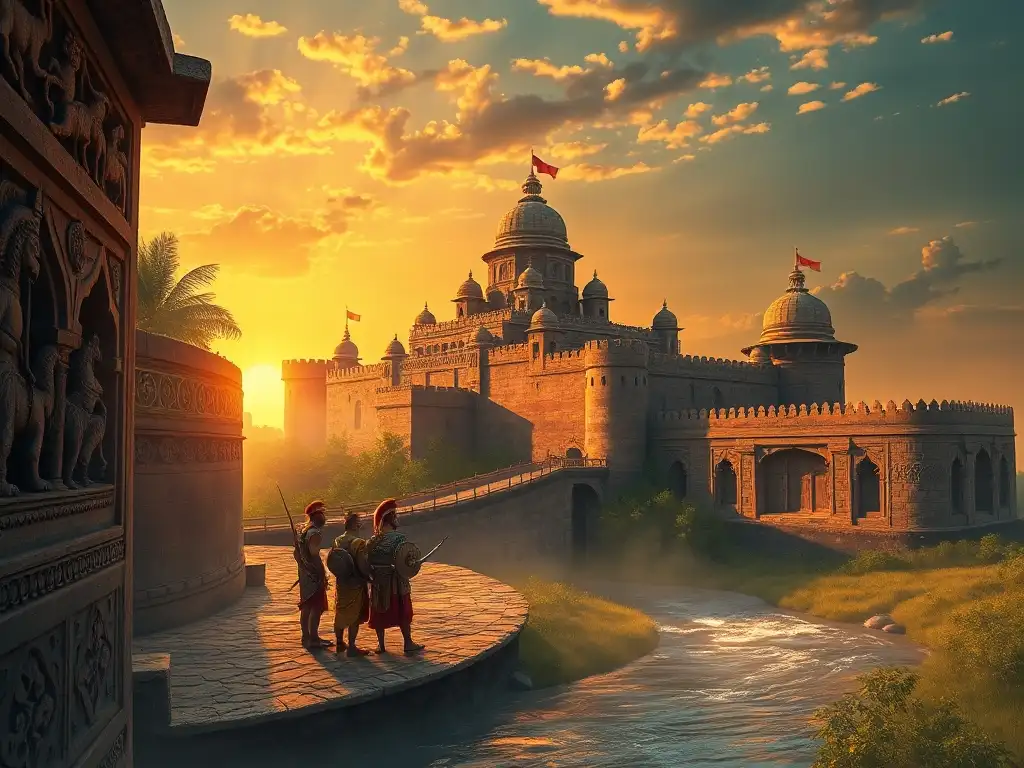
Ancient Indian military architecture reflects not only the strategic needs of warfare but also the cultural and social values of the civilizations that built them. Fortresses, citadels, and battlefields were meticulously designed, serving dual purposes: defending against invasions and symbolizing the power and prestige of ruling dynasties. Structures like the forts of Rajasthan and the rock-cut caves of Maharashtra exemplify how military architecture merged functionality with artistic expression, often adorned with intricate carvings and inscriptions that conveyed the ethos of the time.
Furthermore, the architectural styles and materials used were influenced by the geography and climate of the region, showcasing local craftsmanship and ingenuity. For instance, the use of local stone in the construction of forts not only ensured durability but also integrated the military structures into the surrounding landscape, creating an enduring link between nature and human endeavor. This cultural significance is evident in how these sites have become a part of India’s historical narrative, attracting scholars and tourists alike who seek to understand the rich tapestry of ancient Indian military heritage.
The Interconnection Between Military and Religious Architecture
The relationship between military and religious architecture in ancient India is profound and multifaceted. Many military structures were built in close proximity to temples and other religious edifices, reflecting the belief that divine protection was essential for success in battle. Temples often served as places of refuge during sieges, and their fortifications were designed to protect sacred relics and deities.
For example, the forts of Chittorgarh and Kumbhalgarh not only functioned as military bastions but also housed temples that were integral to the local community’s spiritual life. The architectural styles of these military and religious structures often overlapped, with similar decorative motifs and building techniques employed. This interconnection illustrates how warfare and spirituality coexisted and influenced each other, creating a unique architectural language in ancient India.
Preservation of Ancient Military Sites in Modern India
Preserving ancient military sites in modern India poses both challenges and opportunities. Many forts and battlefields, such as the imposing Gwalior Fort and the historic battlefield of Panipat, face threats from urbanization, environmental degradation, and neglect. However, there is a growing awareness of the importance of these sites in understanding India’s military history and heritage.
Efforts to preserve these sites involve collaboration between government agencies, archaeological organizations, and local communities. Initiatives like the Archaeological Survey of India (ASI) play a crucial role in restoring and maintaining these structures, while also promoting them as tourist destinations. Educational programs and heritage walks are increasingly being organized to raise awareness about the significance of these sites, thereby fostering a sense of pride and responsibility among the younger generations.
Conclusion: The Legacy of Ancient Indian Military Architecture
The legacy of ancient Indian military architecture is a testament to the ingenuity and resilience of its builders. These structures not only served as defensive measures but also embodied the cultural and political aspirations of their time. The strategic placement of forts, the intricate designs, and the use of local resources reflect a deep understanding of both warfare and architecture, making them vital components of India’s historical narrative.
As we study these ancient designs, we gain insights into the socio-political dynamics of past civilizations and the evolution of military strategies. The architectural feats achieved during ancient times continue to inspire modern architects and historians, showcasing a legacy that is both rich and complex.
The Influence of Ancient Designs on Modern Indian Fortifications
Ancient Indian military architecture has left an indelible mark on contemporary fortifications and military designs. Modern architects often draw inspiration from the defensive strategies employed in ancient forts, adapting them to contemporary needs. Elements such as moats, high walls, and strategic lookout points are still relevant in today’s military architecture, emphasizing the timelessness of these ancient designs.
Moreover, the aesthetic aspects of ancient military architecture influence modern constructions, as seen in the use of intricate carvings and local materials. This blending of ancient wisdom with modern technology not only enhances the functionality of military structures but also preserves the cultural essence of India’s architectural heritage.
Future Perspectives on Ancient Military Architecture Research
The future of research on ancient Indian military architecture is promising, with advancements in technology opening new avenues for exploration. Techniques such as 3D scanning and digital reconstruction allow researchers to study and analyze ancient structures in unprecedented detail, revealing construction techniques and design principles that were previously overlooked.
Moreover, interdisciplinary approaches that combine archaeology, history, and architecture are essential for a holistic understanding of these military sites. As interest in heritage conservation grows, there is an opportunity to engage with local communities to promote awareness and education about their historical significance. This collaborative effort can ensure that the legacy of ancient Indian military architecture continues to be valued and preserved for future generations.
References and Further Reading
Delving into the rich tapestry of ancient Indian military architecture provides an enlightening perspective on the strategies, technologies, and cultural influences that shaped historical battles and fortifications. For readers seeking to deepen their understanding, a variety of resources are available. Below are recommended books and online materials that offer comprehensive insights into this fascinating subject.
Recommended Books on Ancient Indian Military Architecture
-
"War in Ancient India" by Major General S.K. Pillay
This book explores the various aspects of warfare in ancient India, including military strategies, architectural innovations, and the evolution of fortifications from the Indus Valley period to the Gupta Empire.
-
"A History of Indian Military Architecture" by Shyam S. K.
A thorough examination of military architecture throughout ancient India, focusing on the design and construction of forts, citadels, and defensive structures, along with their strategic importance.
-
"Indian Forts: The Architecture of War" by Dhananjay Kumar
This book provides a visual and descriptive journey through some of the most significant forts in India, detailing their architectural features and roles in historical conflicts.
-
"The Art of War in Ancient India" by Rakesh Sharma
An insightful exploration of military tactics and infrastructure, this book discusses the interplay between architecture and warfare, highlighting key historical events and structures.
-
"The Influence of Ancient Indian Warfare on Modern Military Strategy" by Anil K. Gupta
Gupta analyzes how ancient military architecture and strategies have influenced contemporary military thought, offering a unique perspective on the legacy of ancient practices.
Online Resources and Documentaries for Deeper Insights
-
The Ancient Indian History Archive
This online repository includes a wealth of articles, research papers, and visual content focusing on various aspects of ancient Indian history, including military architecture.
-
YouTube Documentaries: "The Majestic Forts of India"
This documentary series provides a visual exploration of India's forts, detailing their history, architecture, and military significance. It highlights the strategic locations and designs that made these structures formidable.
-
Coursera Course: "Military Architecture of Ancient India"
This online course offers a structured learning experience, delving into the military strategies and architectural innovations of ancient India, featuring expert lectures and interactive content.
-
Podcasts: "Warfare and Architecture in Ancient India"
Various podcasts discuss the intersection of warfare and architecture, featuring interviews with historians and architects who specialize in ancient Indian military structures.
These resources serve as an excellent foundation for anyone interested in understanding the complexities of ancient Indian military architecture and its lasting impact on warfare strategies and cultural heritage.
- Introduction to Ancient Indian Military Architecture
- Historical Context of Ancient Indian Military Architecture
- Key Features of Ancient Indian Military Architecture
- Notable Examples of Ancient Indian Military Architecture
- Architectural Techniques and Materials Used
- The Role of Military Architecture in Battles and Campaigns
- Cultural Significance of Military Architecture
- Conclusion: The Legacy of Ancient Indian Military Architecture
- References and Further Reading
- What is Ancient Indian military architecture?
- What are some key examples of Ancient Indian military architecture?
- How did Ancient Indian military architecture influence warfare?
- What materials were commonly used in Ancient Indian military architecture?
- How does Ancient Indian military architecture reflect the culture of the time?
Frequently Asked Questions
What is Ancient Indian military architecture?
Ancient Indian military architecture refers to structures and fortifications built for defense and warfare purposes during various periods, showcasing the engineering skills of the time.
What are some key examples of Ancient Indian military architecture?
Notable examples include the forts of Rajasthan, the Great Wall of Kumbhalgarh, and Ajanta Caves, all of which demonstrate strategic design and defensive mechanisms.
How did Ancient Indian military architecture influence warfare?
The design of fortifications and defensive structures enhanced the ability to withstand attacks, providing strategic advantages in battles and shaping military tactics during the era.
What materials were commonly used in Ancient Indian military architecture?
Ancient Indian military structures were primarily constructed using stone, brick, and mortar, often incorporating local materials that ensured durability and strength.
How does Ancient Indian military architecture reflect the culture of the time?
The architecture not only served a practical purpose but also reflected the artistic sensibilities and aesthetic values of ancient Indian civilization, merging functionality with beauty.
Final Reflection: The Enduring Legacy of Ancient Indian Military Architecture
The intricate designs and strategic innovations of ancient Indian military architecture remain profoundly relevant today, as they not only reflect the ingenuity of past civilizations but also offer insights into the principles of defense and resilience. In a world where security and strategy are paramount, understanding the historical context of these architectural marvels can inspire contemporary approaches to both military and civil engineering.
The influence of ancient Indian military architecture extends far beyond its physical structures; it shapes our cultural identity and informs our understanding of warfare and peace. From the imposing forts of Rajasthan to the intricate designs of temples that served as bastions of strength, these edifices tell stories of valor, strategy, and community. As noted by historian R. S. Sharma, The architecture of a civilization is a reflection of its values and priorities.
This observation underscores the importance of recognizing how these ancient designs continue to resonate in our modern world, influencing not just military tactics but also our appreciation for heritage and cultural preservation.
As we reflect on the lessons embedded in ancient Indian military architecture, I invite you to contemplate how these principles can be applied to your own life. Consider the strength found in unity, the importance of strategic planning, and the value of resilience in the face of challenges. Let the legacy of these architectural wonders inspire you to build your own fortifications—be they in your personal life, community, or professional endeavors. Embrace the wisdom of the past as you forge a path toward a future that honors both tradition and innovation.
Unveil the Strategies of Ancient India!
Thank you for exploring the fascinating world of Ancient Indian military architecture with us! You’ve uncovered the intricate designs and strategies that shaped historic battles and fortified cities. Now, it’s time to take your learning further and engage more deeply with this captivating subject.
Here are some powerful next steps to enhance your exploration:
- Dive deeper: Read articles related to the military strategies and innovations of ancient civilizations—your knowledge base awaits!
- Visit a historical site: Plan a trip to a local fort or ancient military landmark to experience the grandeur firsthand!
- Share your insights: Engage with friends or participate in an online community to exchange ideas and discover new perspectives on the evolution of military architecture.
What aspect of Ancient Indian military architecture intrigues you the most? Share your thoughts, and let’s engage in a fascinating discussion together!