
The Role of Mercenaries in Ancient Indian Armies: Allies or Threats?

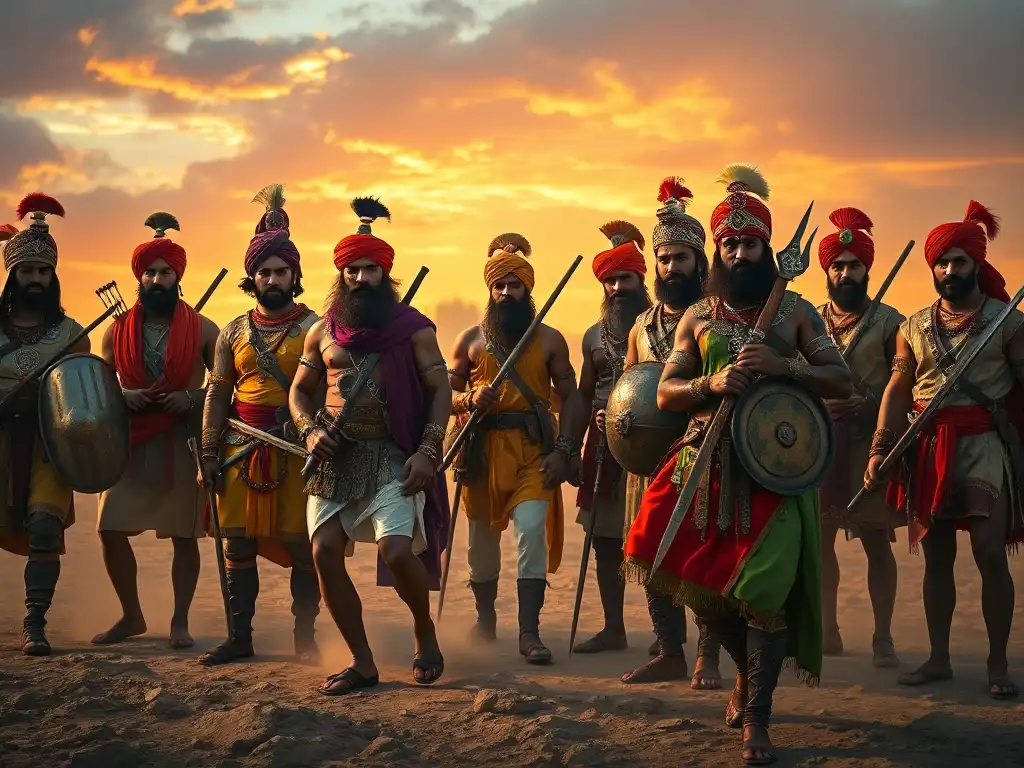
Welcome to Ancient India History, where we delve into the rich tapestry of civilizations that shaped the Indian subcontinent. In this journey through time, we explore a myriad of themes, from the architectural marvels of the Indus Valley to the intellectual flourishing of the Gupta Empire. Today, we invite you to uncover the fascinating role of mercenaries in ancient Indian armies.
Were they allies enhancing military prowess, or potential threats lurking within the ranks? Join us as we navigate this intriguing aspect of military history and discover the complexities that defined ancient warfare. Your adventure into the past begins here!
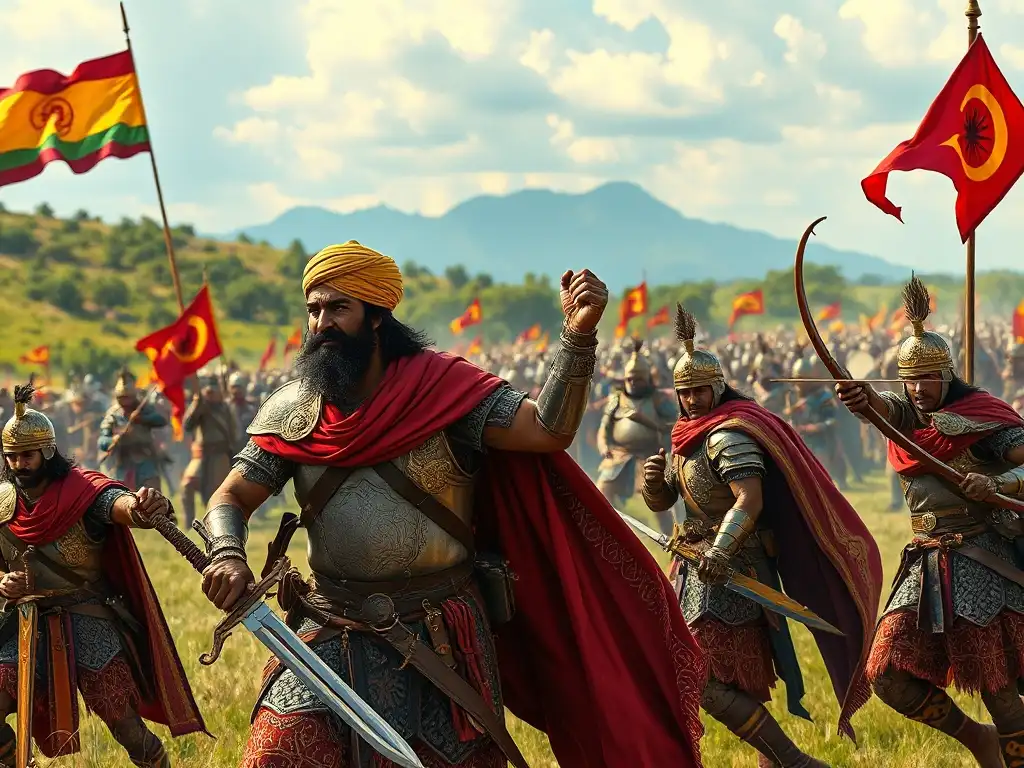
The utilization of mercenaries in military conflicts has been a long-standing practice across various cultures and civilizations, and ancient India is no exception. The role of mercenaries in ancient Indian armies raises intriguing questions about their influence, loyalty, and the dynamics of warfare during that period.
This article aims to explore the complexities surrounding mercenaries in ancient Indian warfare, examining whether they were primarily allies that augmented military strength or potential threats that could undermine the stability of established forces. By delving into historical instances and the socio-political context, we can better understand the multifaceted role of these hired soldiers in shaping the battles and strategies of ancient Indian kingdoms.
Introduction to Mercenaries in Ancient Indian Armies
Definition and Overview of Mercenaries
Mercenaries are typically defined as professional soldiers who are hired to serve in a foreign army or engage in armed conflict for financial gain rather than loyalty to a nation or cause. In the context of ancient India, these warriors were often recruited from various regions, bringing with them unique skills, tactics, and experiences. The motivations behind mercenary recruitment varied, ranging from the need for additional manpower in times of war to the desire for specialized combat techniques that local soldiers may not possess.
- Characteristics of Mercenaries:
- Financial Incentive: Primarily motivated by payment.
- Loyalty Issues: Allegiance can be uncertain, often swaying with the highest bidder.
- Diverse Backgrounds: Hailing from different cultures and regions, enriching the military tactics.
Historical Context of Warfare in Ancient India
To fully grasp the role of mercenaries in ancient Indian armies, it is essential to understand the broader historical context of warfare in the region. Ancient India was characterized by a myriad of kingdoms and empires, each vying for power and territory. Major conflicts were often fueled by political ambitions, territorial disputes, and external invasions, leading to a demand for skilled fighters.
- Key Features of Ancient Indian Warfare:
- Use of Elephants: Elephants were often employed as war machines, adding a unique dimension to battles.
- Chariot Warfare: Chariots played a pivotal role, especially in early Indian conflicts.
- Fortified Cities: Many kingdoms constructed strategic fortifications, influencing military tactics.
The Origin of Mercenaries in Ancient Indian Warfare
Early Instances of Mercenaries in Indian Armies
The practice of employing mercenaries can be traced back to various ancient Indian texts and historical accounts. Notable instances include the recruitment of Greek mercenaries during the campaigns of Alexander the Great and the use of soldiers from the regions surrounding the Indus Valley. These early mercenaries contributed not only to the military might of their employers but also facilitated cultural exchanges between different societies.
- Examples of Early Mercenaries:
- Greek Mercenaries: Engaged during Alexander's campaigns, influencing military strategies.
- Local Tribesmen: Often hired for their knowledge of terrain and combat skills.
Influence of Geography and Trade on Mercenary Recruitment
The geographical diversity of the Indian subcontinent, coupled with extensive trade networks, played a significant role in the recruitment of mercenaries. Regions with rich resources and strategic locations attracted foreign soldiers, while trade routes facilitated the movement of troops across vast distances. This interconnectedness allowed for the emergence of a unique mercenary culture that thrived on the borders of various empires.
- Factors Influencing Recruitment:
- Strategic Locations: Proximity to trade routes and borders increased recruitment opportunities.
- Cultural Exchanges: Interaction with foreign merchants and soldiers led to a blend of military practices.
- Resource Availability: Regions rich in resources could afford to hire skilled mercenaries.
By examining these aspects, we can gain a deeper understanding of the critical role that mercenaries played in ancient Indian warfare, their motivations, and the impact they had on shaping military strategies and outcomes.
Types of Mercenaries in Ancient Indian Armies
Mercenaries played a crucial role in the military landscape of ancient India, with various types serving distinct functions within armies. These warriors were often hired for their skills, experience, and specialized abilities, which were valuable during times of conflict. The following categories illustrate the diversity among mercenaries in ancient Indian armies:
- Foreign Mercenaries: Many rulers enlisted warriors from outside India, particularly from regions such as Persia, Central Asia, and the Mediterranean. These foreign fighters brought different tactics and weaponry, enriching the combat capabilities of Indian armies.
- Local Mercenaries: Indigenous warriors, often tribal or regional fighters, were also prominent among mercenaries. They were familiar with the terrain and local warfare customs, making them invaluable allies in battles.
- Specialized Units: Some mercenaries specialized in specific combat roles, such as archers, cavalry, or infantry. These specialized units could be called upon to execute particular strategies or tactics, depending on the battle's demands.
- War Elephants and Charioteers: While not mercenaries in the traditional sense, skilled handlers of war elephants and chariots often operated on a mercenary basis, providing crucial support in large-scale battles.
Different Classes of Mercenaries
The classification of mercenaries in ancient Indian armies often depended on their social status, skills, and the contractual agreements they entered into. The following categories highlight these distinctions:
- Kshatriya Warriors: Some mercenaries belonged to the Kshatriya class, traditionally associated with warfare. They were respected and often commanded higher wages due to their noble lineage and combat experience.
- Artisans and Craftsmen: Skilled artisans, such as blacksmiths and armorers, sometimes served as mercenaries, providing essential services in crafting weapons and armor while also participating in combat.
- Peasants and Laborers: In dire situations, rulers would recruit commoners, including peasants and laborers, to supplement their forces, especially in defense against invasions. These individuals often fought for survival and protection of their lands.
- Outcast Warriors: Some mercenaries were drawn from outcast communities, where they sought opportunities to earn a living through warfare. Their motivations were often driven by need rather than honor or tradition.
Roles and Specializations of Mercenaries
Mercenaries in ancient Indian armies were not merely foot soldiers; they often took on specialized roles that enhanced the military effectiveness of the forces they joined. Their roles included:
- Cavalry Units: Many mercenaries were skilled horsemen, providing mobility and speed to armies. They often executed flanking maneuvers and rapid assaults, crucial for strategic dominance.
- Archers and Slingers: Ranged combat was vital in ancient warfare, and mercenaries skilled in archery or slinging provided the ability to engage enemies from a distance, helping to soften opposition before close combat.
- Siege Specialists: Some mercenaries were experts in siege warfare, equipped with knowledge of constructing siege engines and techniques to breach fortifications, an essential aspect of military campaigns.
- Advisors and Strategists: Experienced mercenaries sometimes took on advisory roles, offering tactical insights based on their experiences in various conflicts, which could be instrumental in shaping military strategies.
The Dual Nature of Mercenaries: Allies or Threats?
The presence of mercenaries in ancient Indian armies often raised questions about their loyalty and effectiveness. While they could provide significant advantages, they also posed potential threats to the stability of the armies they served.
Advantages of Employing Mercenaries in Warfare
Mercenaries brought several advantages to ancient Indian armies, making them attractive options for rulers seeking to bolster their military strength:
- Cost-Effectiveness: Hiring mercenaries could sometimes be more economical than maintaining a standing army, especially during periods of peace. Rulers could pay for services when needed without the burden of long-term costs.
- Diverse Skill Sets: The inclusion of mercenaries allowed armies to access a wide range of skills and expertise that might not have been available among local forces, enhancing overall combat versatility.
- Rapid Mobilization: Mercenaries could often be mobilized quickly in response to threats, allowing rulers to respond to invasions or conflicts without the lengthy recruitment process required for regular troops.
- Flexibility in Warfare: The diverse backgrounds of mercenaries meant that armies could adapt to different combat scenarios. Their varied training and experiences contributed to innovative tactics and strategies.
Potential Risks and Threats Posed by Mercenaries
Despite their advantages, mercenaries also posed several risks and challenges that could undermine their effectiveness:
- Loyalty Issues: Mercenaries were often motivated by financial gain rather than loyalty to a ruler or cause. This lack of allegiance could lead to issues of trust, especially in critical situations.
- Potential for Rebellion: If mercenaries felt underappreciated or poorly compensated, they might revolt or turn against their employers, posing a significant threat to the stability of the armies they served.
- Variable Quality: The skills and reliability of mercenaries could vary widely, leading to inconsistent performance on the battlefield. This unpredictability could result in costly defeats.
- Impact on Local Forces: The reliance on mercenaries could lead to the neglect of local troops, undermining their training and morale, which could weaken the overall military structure in the long term.
Notable Battles Involving Mercenaries in Ancient India
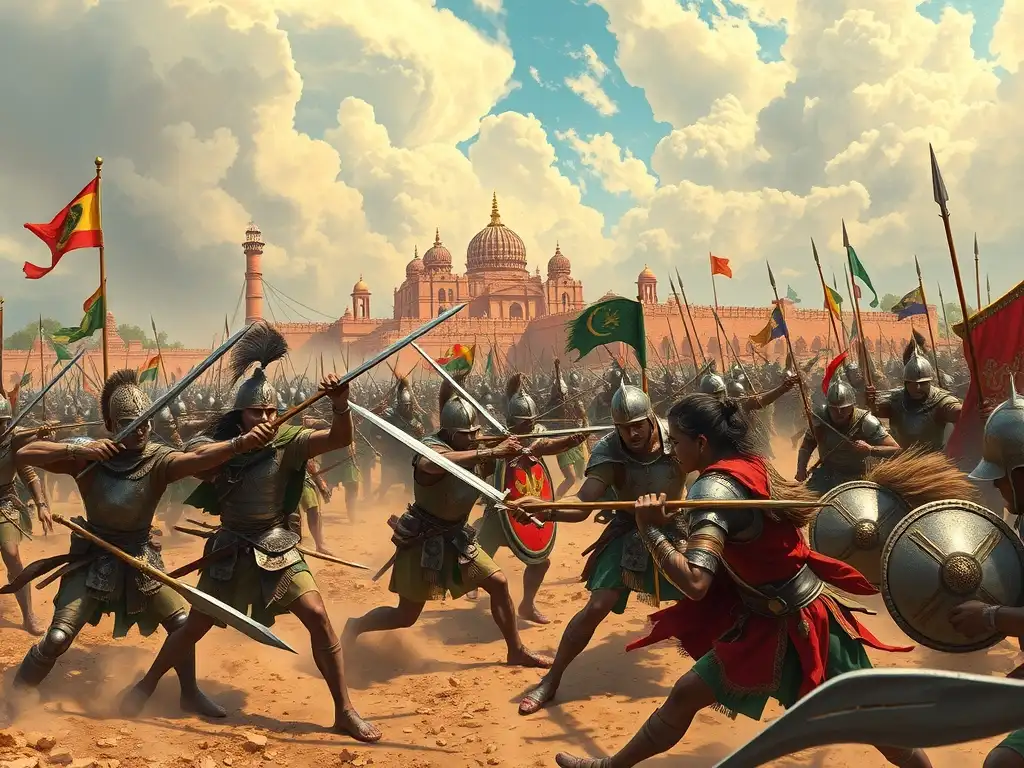
Mercenaries played a significant role in various battles throughout ancient Indian history, often tipping the scales in favor of their employers. These hired warriors brought not only their combat skills but also unique tactics and equipment that could be pivotal in warfare. Some of the notable battles involving mercenaries include the struggles between regional kings and the invasions from foreign entities, where mercenaries were often employed to bolster armies.
One prominent example is the Battle of the Hydaspes, where King Porus faced the invading forces of Alexander the Great. Accounts suggest that both sides utilized mercenaries, which influenced the battle's dynamics and outcome. The presence of these hired soldiers highlighted the strategic importance of mercenaries in ancient warfare, as they provided flexibility and additional manpower in critical confrontations.
Case Study: The Battle of the Hydaspes
The Battle of the Hydaspes, fought in 326 BCE, is a prime example of the strategic use of mercenaries in ancient Indian warfare. This battle occurred near the banks of the Hydaspes River (modern-day Jhelum) and saw the forces of Alexander the Great clash with King Porus's army.
Porus, known for his fierce resistance against Alexander, is believed to have employed a contingent of mercenaries alongside his own troops. These mercenaries came from various regions, including Greek and local Indian warriors, who added to the diversity and adaptability of Porus's forces. Despite Porus's valor and the effectiveness of his army, including war elephants, Alexander's tactics and superior battlefield experience ultimately led to his victory. The involvement of mercenaries in this battle underscores their dual role as both allies and potential threats, capable of altering the balance of power.
Comparative Analysis of Mercenary Involvement in Other Battles
In addition to the Battle of the Hydaspes, mercenaries played crucial roles in other significant battles throughout ancient India. For instance, during the Kalinga War (circa 261 BCE), Emperor Ashoka employed mercenary forces to supplement his army against the Kalinga kingdom. The inclusion of mercenaries allowed Ashoka to maintain a larger and more versatile fighting force, which was essential for his military campaigns.
Furthermore, the Mauryan Empire often utilized mercenaries in their conquests across the Indian subcontinent, taking advantage of the diverse skills and combat experience these soldiers brought. Comparatively, in the Gupta Empire, the reliance on mercenaries began to diminish as the empire established a more organized military structure, focusing on professional soldiers rather than hired hands.
This comparative analysis reveals a shift in military strategies across different periods, illustrating how the role of mercenaries evolved in response to the changing dynamics of warfare, state formation, and military organization in ancient India.
The Decline of Mercenaries in Ancient Indian Armies
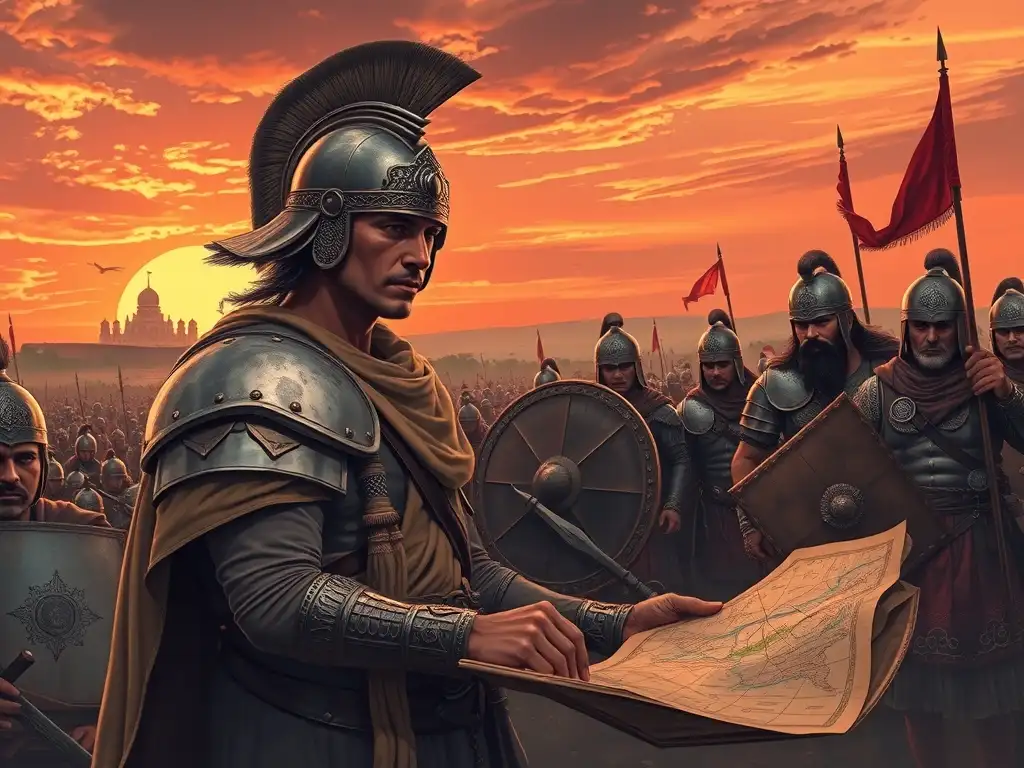
The reliance on mercenaries began to decline in ancient Indian armies due to several interrelated factors, fundamentally altering the military landscape. As kingdoms grew more centralized and powerful, the need for a reliable and loyal fighting force became paramount.
One key factor was the increasing emphasis on building professional standing armies, which provided greater stability and consistency in military operations. These armies were often composed of soldiers who were regularly trained and paid, fostering loyalty to the state rather than to individual commanders or mercenary leaders.
Factors Leading to Reduced Reliance on Mercenaries
Several factors contributed to the reduced reliance on mercenaries in ancient Indian armies:
- Centralization of Power: As empires expanded and centralized authority increased, rulers sought to create cohesive military forces that could be controlled more effectively.
- Economic Considerations: Maintaining a professional army often proved more cost-effective in the long run compared to the fluctuating costs associated with hiring mercenaries.
- Loyalty and Trust: Professional soldiers, who fought for their homeland, often exhibited greater loyalty compared to mercenaries who were motivated primarily by pay.
- Military Innovations: Advances in military strategy and weaponry made it possible for state armies to operate more effectively without relying on external forces.
The Transition to Professional Standing Armies
The transition to professional standing armies marked a significant shift in ancient Indian military strategy. By employing soldiers who were committed to their roles and trained in specific tactics, rulers could ensure greater discipline and effectiveness in battle.
This shift became increasingly evident during the rise of the Gupta Empire, where state-sponsored armies were established, leading to a more structured military hierarchy. The focus on training, loyalty, and state allegiance allowed these armies to engage in prolonged campaigns without the instability that mercenaries often brought.
Consequently, as professional armies became the norm, the role of mercenaries diminished, paving the way for a new era in ancient Indian warfare characterized by state-controlled military forces capable of sustained and organized combat operations.
Conclusion: The Legacy of Mercenaries in Ancient Indian Warfare
The use of mercenaries in ancient Indian armies has left a profound legacy that continues to influence military strategies and sociopolitical dynamics. These hired soldiers played a crucial role in shaping the outcomes of numerous battles, serving both as valuable assets and potential threats. Their presence often reflected the complexities of alliances and power struggles within ancient Indian states, showcasing not only military prowess but also the delicate balance of trust and betrayal. The dual nature of mercenaries as both allies and threats underscores the intricate tapestry of ancient Indian warfare, where motivations and loyalties could shift rapidly.
Summary of Key Points
- Role and Function: Mercenaries were employed by various kingdoms, including the Mauryas and the Gupta Empire, providing critical manpower during times of war and conflict.
- Diversity of Forces: These soldiers came from varied backgrounds, including local warriors and foreign troops, bringing unique skills and combat techniques to the battlefield.
- Impact on Warfare: The integration of mercenaries influenced military tactics and strategies, allowing for more flexible and diverse approaches to warfare.
- Political Implications: The reliance on mercenaries often reflected the political landscape of ancient India, where trust issues and shifting allegiances could lead to significant consequences for rulers.
- Cultural Exchange: The presence of foreign mercenaries facilitated cross-cultural interactions, impacting not only military practices but also trade, technology, and governance.
Reflection on the Impact of Mercenaries on Military History in Ancient India
Mercenaries in ancient Indian armies exemplified the complexities of warfare beyond mere battlefield tactics. Their involvement highlighted the economic and social dimensions of military service, as rulers often sought to supplement their forces with hired soldiers to achieve strategic advantages. This reliance on mercenaries raised questions about loyalty, as these soldiers were often motivated by financial gain rather than allegiance to a sovereign.
The historical narratives surrounding mercenaries reflect broader themes in ancient Indian military history, such as the interplay between warfare and statecraft. As mercenaries navigated the landscape of alliances, their actions could either bolster a kingdom's strength or lead to its downfall. The legacy of these soldiers is evident in how ancient Indian states adapted to the changing dynamics of warfare, paving the way for future military strategies that would echo through time.
Further Reading on Warfare in Ancient India
For those interested in delving deeper into the role of mercenaries and the broader context of warfare in ancient India, numerous resources are available that provide valuable insights and analyses.
Recommended Books and Articles
- "A History of Ancient Indian Warfare" by R. S. Sharma: This book offers a comprehensive overview of military practices in ancient India, including the role of mercenaries in various kingdoms.
- "War and Society in Ancient India" by Ashok K. K. Singh: This work examines the socio-political impacts of warfare, addressing the dynamics introduced by mercenary forces.
- "The Art of War in Ancient India" by S. P. Gupta: A detailed exploration of military strategies, including tactics employed by mercenary units.
Suggested Online Resources for Deeper Exploration
- Digital South Asia Library: Offers a wealth of primary sources and academic articles related to ancient Indian history and warfare.
- Internet Archive: A valuable repository of historical texts, including books and manuscripts on Indian military history.
- JSTOR: An academic database providing access to scholarly articles and research papers focused on ancient Indian warfare and mercenary activities.
By exploring these resources, readers can gain a more nuanced understanding of the intricate role that mercenaries played in shaping the military history of ancient India.
- Introduction to Mercenaries in Ancient Indian Armies
- The Origin of Mercenaries in Ancient Indian Warfare
- Types of Mercenaries in Ancient Indian Armies
- The Dual Nature of Mercenaries: Allies or Threats?
- Notable Battles Involving Mercenaries in Ancient India
- Case Study: The Battle of the Hydaspes
- Comparative Analysis of Mercenary Involvement in Other Battles
- The Decline of Mercenaries in Ancient Indian Armies
- Conclusion: The Legacy of Mercenaries in Ancient Indian Warfare
- Further Reading on Warfare in Ancient India
Frequently Asked Questions
What were mercenaries in ancient Indian armies?
Mercenaries were professional soldiers who fought for pay rather than loyalty to a specific ruler or kingdom. They were often employed in various ancient Indian armies to bolster military strength.
How did mercenaries impact ancient Indian warfare?
Mercenaries had a significant impact by providing skilled combatants and enhancing the military capabilities of kingdoms. However, their loyalty issues sometimes posed challenges during conflicts.
Were mercenaries viewed as allies or threats?
Opinions on mercenaries varied; some viewed them as valuable allies who could turn the tide in battle, while others considered them potential threats due to their unpredictable loyalty.
What roles did mercenaries play in specific ancient Indian empires?
In empires like the Maurya and Gupta, mercenaries served in various capacities, including infantry, cavalry, and even as commanders, contributing to military strategies and campaigns.
How did the use of mercenaries evolve in ancient India?
The use of mercenaries evolved from being a common practice in early kingdoms to a more strategic approach in later empires, reflecting changes in military organization and tactics over time.
Final Reflection: The Dual Nature of Mercenaries in Ancient Indian Armies
The exploration of mercenaries in ancient Indian armies reveals a complex interplay between alliance and threat, highlighting their significant role in shaping military strategies and political landscapes. In today's world, where the concept of hired soldiers persists in various forms, understanding this historical context allows us to appreciate the nuanced dynamics of loyalty, power, and conflict. The lessons learned from ancient practices can inform our perspectives on contemporary military engagements and the ethical implications of employing mercenaries.
The legacy of mercenaries continues to resonate in our cultural and social discourse, reflecting the ongoing tension between trust and betrayal in alliances. The historical accounts of mercenaries serving both as formidable allies and potential threats remind us of the precarious balance that exists in any partnership. As historian John Keegan once noted, The soldier's loyalty is often to the paymaster, not the cause,
underscoring the inherent risks involved in relying on external forces for protection and power.
As we reflect on the role of mercenaries in ancient Indian armies, let us consider how these lessons apply to our lives today. How do we navigate our own alliances, and what does loyalty mean in our personal and professional relationships? I invite you to contemplate the implications of trust and the responsibilities that come with it. Embrace the opportunity to forge connections that are grounded in mutual respect and shared values, ensuring that the lessons of history guide us toward a more harmonious future.
Unveil the Legacy of Ancient Indian Mercenaries!
Thank you for diving into the fascinating world of Ancient Indian armies and the complex role mercenaries played in shaping history! You’ve uncovered important insights that bridge the past with our understanding of warfare dynamics. Now, let’s take this exploration further together.
Here’s how you can actively engage with this topic:
- Dive deeper into your own research: Explore historical records or texts on mercenary strategies used in various conflicts throughout ancient India to enhance your understanding!
- Join the conversation: Share your thoughts and insights in our community forum where fellow history enthusiasts discuss their findings and interpretations!
- Spread the knowledge: Discuss what you've learned with friends or on social media to inspire others to appreciate the rich tapestry of Ancient Indian history!
What are your thoughts on the balance between utilizing mercenaries as allies and the potential threats they may pose? Join the discussion below!