
Decoding the Sankhya Sutras: Key Texts and Their Relevance Today


Welcome to Ancient India History, where we embark on a fascinating journey through time, uncovering the rich and diverse heritage of one of the world's oldest civilizations. Today, we invite you to explore the Sankhya Sutras and their profound significance in history. These ancient texts not only shaped philosophical thought but also offer insights that resonate in contemporary discussions.
What secrets do these teachings hold, and how do they continue to influence modern philosophy? Join us as we decode the Sankhya Sutras and delve deeper into their relevance today, sparking curiosity and inspiring a greater appreciation for India's illustrious past.

Introduction to the Sankhya Sutras
The Sankhya Sutras represent a profound philosophical framework that has shaped ancient Indian thought and continues to resonate in contemporary discussions on philosophy and spirituality. Originating from the Sankhya School of Thought, one of the six orthodox schools of Indian philosophy, the Sutras offer insights into the nature of reality, consciousness, and the interplay between the material and spiritual worlds.
This article aims to explore the Sankhya Sutras' significance in history, analyzing their foundational texts, historical context, and their relevance in the current philosophical landscape. By understanding the essence of the Sankhya Sutras, we gain not only a glimpse into the past but also tools to navigate the complexities of modern thought.
Overview of the Sankhya School of Thought
The Sankhya School of Thought is known for its dualistic approach, positing that reality consists of two fundamental components: Purusha (consciousness) and Prakriti (matter). This philosophical dichotomy serves as a foundation for numerous Indian philosophical and spiritual traditions. Key elements of the Sankhya philosophy include:
- Epistemology: The study of knowledge, focusing on how we can know and understand both the material and immaterial aspects of existence.
- Metaphysics: Exploring the nature of being and reality, Sankhya delves into the relationship between the observer (Purusha) and the observed (Prakriti).
- Liberation (Moksha): The ultimate goal in Sankhya is to achieve liberation from the cycles of birth and death through self-realization and understanding of one's true nature.
Historical Context of the Sankhya Sutras
The Sankhya Sutras were composed during a period of significant intellectual activity in ancient India, around the 2nd century BCE. This era was marked by a flourishing of philosophical inquiry and the establishment of various schools of thought. The Sutras themselves are attributed to the sage Kapila, whose teachings laid the groundwork for later interpretations and commentaries.
The historical significance of the Sankhya Sutras lies in their:
- Influence on other schools: Sankhya played a crucial role in shaping the ideas of other philosophical systems, including Yoga and Vedanta.
- Integration of scientific thought: The analytical nature of the Sutras reflects an early attempt to understand the universe through observation and classification, akin to scientific methodologies.
Importance of the Sankhya Sutras in Ancient Indian Philosophy
The Sankhya Sutras hold a pivotal position in the realm of ancient Indian philosophy due to their systematic approach to understanding existence. Their relevance can be summarized through several key points:
- Framework for Self-Realization: The Sutras provide a roadmap for individuals seeking spiritual enlightenment and understanding of their true selves.
- Contributions to Ethical and Moral Philosophy: The insights offered by the Sankhya philosophy inform ethical considerations in various aspects of life, including personal conduct and societal norms.
- Relevance in Modern Philosophy: Contemporary philosophers and psychologists often draw on Sankhya concepts to address issues related to consciousness and the nature of reality.
Key Texts of the Sankhya Sutras
The Original Texts and Their Authors
The primary text of the Sankhya School is the Sankhya Karika, authored by Ishvara Krishna in the 4th century CE. This text serves as a comprehensive summary of the core tenets of Sankhya philosophy, elaborating on its concepts and principles. Other significant texts include:
- Sankhya Sutras: A collection of aphorisms outlining the fundamental doctrines of the Sankhya School.
- Commentaries by later philosophers: Such as Gaudapada and Vishnu Sharma, who expanded upon the original texts and adapted them for contemporary audiences.
Major Themes and Concepts in the Sankhya Sutras
The Sankhya Sutras encompass a variety of themes and concepts central to understanding its philosophical framework, including:
- The Nature of Reality: Exploration of the duality between Purusha and Prakriti.
- The Process of Evolution: How the interplay between consciousness and matter leads to the manifestation of the universe.
- The Path to Liberation: Methods and practices for transcending the material world to achieve Moksha.
Unique Features of the Sankhya Sutras Compared to Other Philosophical Texts
The Sankhya Sutras distinguish themselves from other philosophical texts through several unique features:
- Analytical Approach: Unlike many other schools that rely heavily on metaphysics, Sankhya employs a systematic analysis of reality.
- Focus on Dualism: The clear delineation between consciousness and matter provides a framework for understanding existence that is not found in other philosophies.
- Integration with Practical Applications: The teachings of the Sankhya Sutras have been integrated into various practices, such as Yoga, which emphasizes the importance of self-awareness and mental discipline.
The Sankhya Sutras not only encapsulate a critical aspect of ancient Indian philosophy but also offer a rich tapestry of thought that continues to inspire and inform contemporary philosophical discourse. Understanding their significance in history allows us to appreciate their contributions to the broader landscape of human thought.
The Significance of Sankhya Sutras in History
The Sankhya Sutras hold a pivotal position in the history of Indian philosophy, primarily due to their systematic approach to understanding the nature of reality, consciousness, and the universe. Attributed to the sage Kapila, the Sutras serve as a foundational text for the Sankhya school of thought, one of the six orthodox schools of Hindu philosophy. The significance of the Sankhya Sutras in history lies in their role in delineating the dualistic framework of Purusha (consciousness) and Prakriti (matter), which influenced various philosophical discourses and spiritual traditions throughout the ages.
Historically, the Sankhya Sutras emerged during a period when philosophical inquiry was gaining momentum in ancient India. The Sutras provided a coherent structure for understanding metaphysical concepts, thus marking a departure from mythological explanations prevalent before their time. Their emphasis on analytical reasoning and observation paved the way for future philosophical explorations, especially in the realms of epistemology and ontology, profoundly impacting subsequent texts like the Yoga Sutras of Patanjali and the later philosophies of Buddhism and Jainism.
Influence of the Sankhya Sutras on Ancient Indian Thought
The influence of the Sankhya Sutras on ancient Indian thought is multifaceted, affecting various schools of philosophy and religious practices. The Sutras contributed significantly to the development of the concept of Kaivalya, or liberation, by articulating the path to self-realization through the discernment of the eternal self (Purusha) from the transient material world (Prakriti). This dualism not only informed the philosophical discourse but also influenced spiritual practices aimed at achieving liberation, creating a rich tapestry of thought that resonated across different texts and traditions.
Moreover, the analytical approach of the Sankhya Sutras encouraged a shift from devotion-centered practices to a more introspective form of spirituality. The emphasis on understanding the nature of existence and consciousness led to greater intellectual engagement among scholars and practitioners. This influence is evident in various texts, including the Bhagavad Gita, which incorporates Sankhya principles to discuss duty and righteousness (dharma) in the context of the eternal soul.
The Role of Sankhya Sutras in Shaping Modern Philosophy
The Sankhya Sutras have significantly shaped modern philosophy by introducing concepts that resonate with contemporary existential and metaphysical inquiries. The separation of consciousness and matter, a central theme in the Sutras, finds parallels in modern debates surrounding dualism and materialism. Philosophers such as Descartes and Kant grappled with issues of consciousness that echo the Sankhya perspective, highlighting the relevance of these ancient texts in contemporary philosophical discourse.
Furthermore, the Sutras have influenced the development of psychological theories, particularly in understanding the nature of the self and its relationship with external reality. The idea of self-awareness and introspection promoted by Sankhya philosophy can be seen in modern psychological practices that emphasize mindfulness and self-reflection. Thus, the Sankhya Sutras contribute not only to philosophical discussions but also to the evolution of psychological thought.
Comparative Analysis: Sankhya Sutras and Other Philosophical Traditions
A comparative analysis of the Sankhya Sutras with other philosophical traditions reveals both unique contributions and shared themes. In contrast to Advaita Vedanta, which advocates a non-dualistic perspective, Sankhya emphasizes a clear distinction between consciousness and matter. This dualism leads to different approaches in understanding liberation, knowledge, and the nature of reality.
Additionally, when compared to Buddhism, which focuses on impermanence and the absence of a permanent self, the Sankhya Sutras offer a more structured framework for understanding the self as a distinct entity. This comparative analysis not only highlights the richness of Indian philosophical traditions but also underscores the Sankhya Sutras' role as a cornerstone of discourse that continues to inspire and challenge thinkers across different schools of thought.
Relevance of the Sankhya Sutras Today
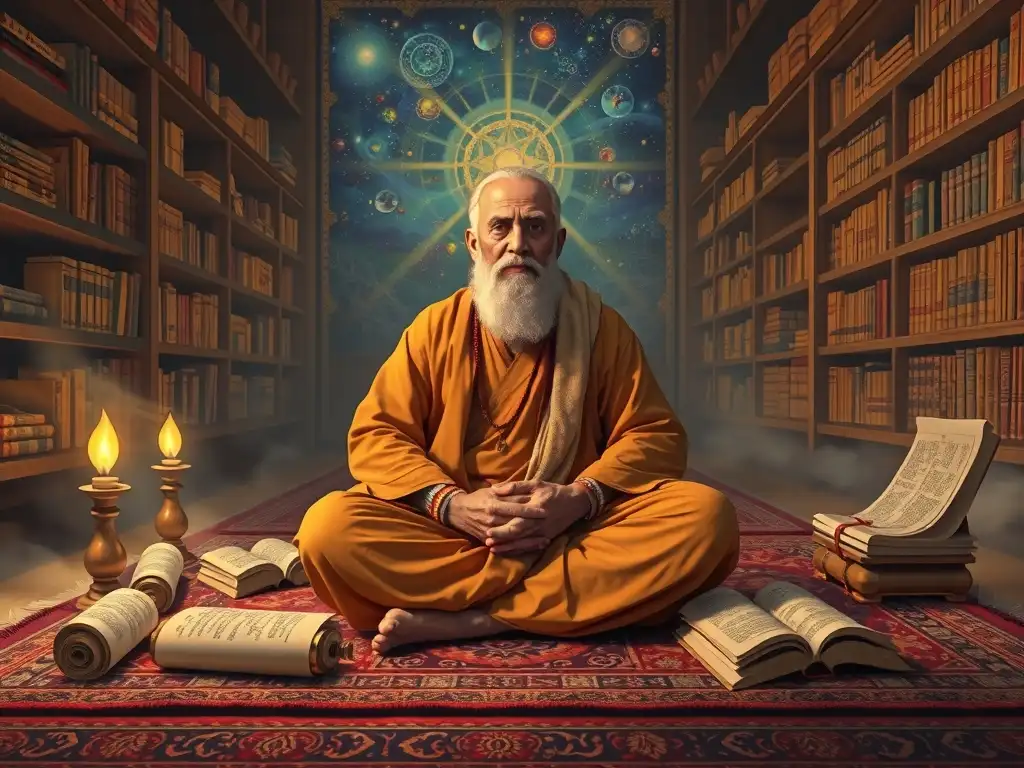
The relevance of the Sankhya Sutras today is evident across various fields, including philosophy, psychology, and spirituality. As contemporary society grapples with questions of identity, consciousness, and the nature of existence, the insights provided by the Sutras offer timeless wisdom. Their teachings encourage a deeper exploration of self and reality, resonating with modern quests for meaning and understanding in a complex world.
Application of Sankhya Philosophy in Contemporary Thought
The application of Sankhya philosophy in contemporary thought manifests in various ways, particularly in discussions around consciousness and identity. The Sutras' analytical framework encourages critical thinking and self-inquiry, fostering a culture of introspection that is essential in today’s fast-paced environment. Philosophers and psychologists alike draw upon Sankhya concepts to explore the relationship between mind and matter, consciousness and experience, thus bridging ancient wisdom with modern scientific inquiry.
Moreover, the principles derived from the Sutras have found a place in various therapeutic practices that emphasize mindfulness and self-awareness. This integration highlights the enduring applicability of Sankhya philosophy in promoting mental health and well-being, providing tools for individuals to navigate the complexities of modern life.
The Impact of Sankhya Sutras on Modern Spiritual Practices
The impact of the Sankhya Sutras on modern spiritual practices is profound, as many contemporary spiritual movements draw inspiration from their teachings. Practices such as yoga and meditation often incorporate the principles of Sankhya, emphasizing the importance of understanding the self and achieving inner harmony. These practices focus on the distinction between the eternal self and the transient physical world, encouraging practitioners to cultivate awareness and mindfulness.
Additionally, the Sutras’ exploration of liberation and the nature of reality resonates with seekers who are on a path of spiritual growth. The ideas presented in the Sankhya Sutras provide a philosophical foundation for understanding spiritual experiences, making them relevant for those engaged in modern spiritual disciplines.
Lessons from the Sankhya Sutras for Personal Development
The lessons from the Sankhya Sutras offer valuable insights for personal development, particularly in fostering self-awareness and emotional intelligence. The distinction between Purusha and Prakriti encourages individuals to recognize the transient nature of thoughts and emotions, promoting a sense of detachment that is crucial for personal growth. This understanding allows for a more profound engagement with one’s inner self, leading to enhanced clarity and purpose.
Furthermore, the Sutras advocate for the pursuit of knowledge and understanding as essential components of personal development. By encouraging critical thinking and self-reflection, the Sankhya Sutras empower individuals to navigate their life journeys with greater insight and intentionality. This emphasis on self-discovery and knowledge aligns well with contemporary approaches to personal development, making the teachings of the Sankhya Sutras not only historically significant but also profoundly relevant today.
Conclusion
The Sankhya Sutras stand as a monumental text within the realm of ancient Indian philosophy, reflecting a rich tapestry of thought that has influenced various schools of philosophy, spirituality, and science. Through its systematic approach to understanding the universe, consciousness, and the nature of reality, the Sankhya Sutras have provided a framework that continues to resonate in contemporary discussions on metaphysics and epistemology. Their significance in history is not merely limited to academic discourse; they have also inspired practical applications in various fields, including psychology, yoga, and holistic health.
Recap of the Sankhya Sutras' Significance in History
The Sankhya Sutras, traditionally attributed to the sage Kapila, are pivotal for several reasons:
- Foundation of Dualism: The text introduces the dualistic framework of Purusha (consciousness) and Prakriti (matter), delineating the interaction between these two fundamental realities. This dualism laid the groundwork for various philosophical debates in Indian thought and influenced later systems like Yoga and Vedanta.
- Influence on Other Philosophical Schools: The ideas presented in the Sankhya Sutras have permeated other philosophical traditions, shaping the discourse around the nature of existence and the self. Notably, they have had a profound impact on Buddhist thought and the development of Jain philosophy.
- Systematic Methodology: The Sutras employ a rigorous analytical approach, emphasizing logical reasoning and empirical observation. This methodological foundation has made the Sankhya Sutras a significant reference point in the evolution of Indian philosophy, promoting a culture of inquiry and intellectual discourse.
- Cultural and Historical Context: Emerging during a time of profound philosophical exploration in ancient India, the Sankhya Sutras reflect the socio-cultural milieu of their era. Their relevance extends beyond philosophy, as they encapsulate the spiritual quest of a civilization seeking to understand its place in the cosmos.
Final Thoughts on the Continued Relevance of Sankhya Philosophy
The enduring legacy of the Sankhya Sutras is evident in their continued relevance to modern philosophical inquiries and practices. As we navigate the complexities of contemporary life, the insights offered by Sankhya philosophy provide valuable perspectives on self-awareness and the nature of reality.
- Integration into Modern Discourses: Today's discussions on consciousness, mind-body relations, and the nature of existence often echo the principles outlined in the Sankhya Sutras. They serve as a bridge connecting ancient wisdom with modern scientific and philosophical explorations.
- Practical Applications: The principles of Sankhya are not just theoretical; they inform practices in yoga, meditation, and holistic wellness, offering individuals tools for personal development, mental clarity, and spiritual growth.
- Philosophical Relevance: The questions raised by the Sankhya Sutras continue to inspire scholars and practitioners alike, encouraging a deeper exploration of what it means to exist and how one can attain liberation (moksha) through understanding the interplay of consciousness and matter.
The Sankhya Sutras hold a significant place in the annals of history, not only for their philosophical contributions but also for their ongoing impact on various aspects of contemporary life, underscoring the timeless nature of their insights.
- Introduction to the Sankhya Sutras
- Key Texts of the Sankhya Sutras
- The Significance of Sankhya Sutras in History
- Relevance of the Sankhya Sutras Today
- Conclusion
Frequently Asked Questions
What are the Sankhya Sutras?
The Sankhya Sutras are foundational texts in Indian philosophy, outlining a system of thought that emphasizes knowledge and understanding as a means to liberation.
How did the Sankhya Sutras influence Indian philosophy?
The Sankhya Sutras significantly impacted various schools of thought, particularly Yoga and Vedanta, by introducing concepts of dualism and the distinction between purusha (consciousness) and prakriti (matter).
What is the historical significance of the Sankhya Sutras?
The historical significance lies in their role as one of the earliest texts to systematically explore metaphysical concepts, influencing later philosophical discourse and shaping the cultural landscape of ancient India.
How are the Sankhya Sutras relevant in modern times?
Today, the Sankhya Sutras continue to be relevant as they offer insights into self-awareness, mental clarity, and the understanding of existence, which resonate in contemporary spiritual and psychological practices.
What role did the Sankhya Sutras play in ancient Indian education?
In ancient Indian education, the Sankhya Sutras served as essential texts for students studying philosophy, promoting critical thinking and encouraging a deep exploration of existential questions.
Final Reflection: The Enduring Significance of the Sankhya Sutras
In exploring the Sankhya Sutras and their historical significance, we uncover a treasure trove of wisdom that transcends time and culture. These ancient texts, foundational to Indian philosophy, continue to resonate in our modern world, offering profound insights into the nature of reality and the self. As we navigate the complexities of contemporary life, the teachings of the Sankhya Sutras remind us of the importance of understanding our inner selves and the universe around us.
The influence of the Sankhya Sutras extends far beyond their historical context, shaping not only philosophical discourse but also cultural and spiritual practices across the globe. Their teachings encourage a deeper inquiry into existence, prompting us to reflect on our own lives and the choices we make. As philosopher and scholar Swami Vivekananda once said, The greatest sin is to think yourself weak.
This sentiment encapsulates the empowering essence of the Sankhya Sutras, urging us to embrace our potential and seek knowledge that fosters personal growth and understanding.
As we conclude our exploration of the Sankhya Sutras, I invite you to reflect on their teachings and consider how they can enrich your own life. Take a moment to ponder your own beliefs and perceptions, and challenge yourself to delve deeper into the philosophical questions that shape your existence. By integrating the wisdom of the Sankhya Sutras into your daily practice, you can cultivate a more profound connection with yourself and the world, paving the way for a more enlightened future.
Unlock the Wisdom of the Sankhya Sutras Today!
Thank you for diving into the fascinating world of the Sankhya Sutras with us! You've gained insights into these foundational texts and their enduring relevance, sparking a deeper understanding of ancient knowledge. Now, let’s put this wisdom into action!
- Dive Deeper: Choose a specific verse or concept from the Sutras and integrate it into your daily life. Reflect on its significance and explore how it can change your perspective.
- Join the Conversation: Engage with others by sharing your thoughts or questions about the Sutras on our community forum. This interaction enhances our understanding and creates a supportive learning environment.
- Spread the Knowledge: Introduce a friend to the teachings of the Sankhya Sutras. Share your favorite verse to spark their curiosity and initiate a meaningful discussion together.
Which insights from the Sankhya Sutras resonate with you the most, and how do you plan to apply them in your life?