
Jain Philosophy: Nonviolence and Its Impact on Ancient Indian Society

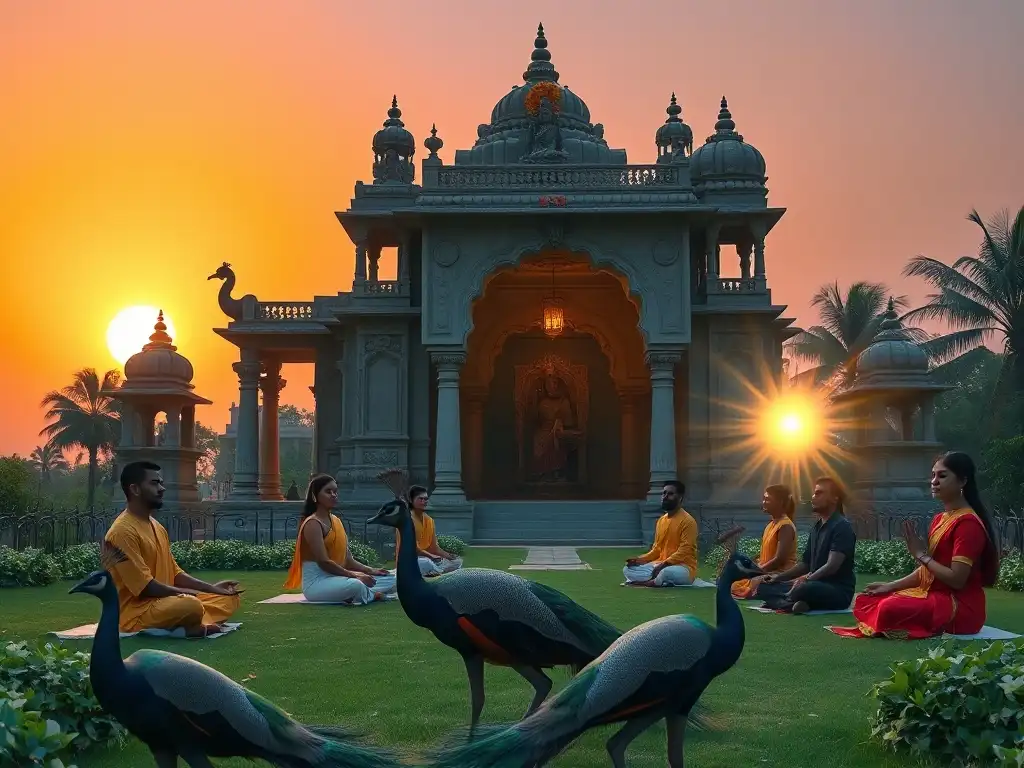
Welcome to Ancient India History, where we take you on a captivating journey through the rich tapestry of India's past. In our featured article, “Jain Philosophy: Nonviolence and Its Impact on Ancient Indian Society,” we delve into the profound influence of Jain philosophy on the fabric of ancient civilization. Discover how the principles of nonviolence and ethical living not only shaped individual lives but also transformed entire communities.
Join us as we unveil the intricate connections between philosophy and society, and ignite your curiosity about the enduring legacy of Jain ideals. There's so much more to explore—let's embark on this enlightening adventure together!

Introduction to Jain Philosophy
Jain philosophy represents a profound and intricate system of thought that has significantly shaped the cultural and ethical landscape of ancient India. Rooted in the teachings of Mahavira, the 24th Tirthankara, Jainism is characterized by its commitment to ahimsa, or nonviolence, which is not only a moral principle but also a way of life that seeks to minimize harm to all living beings.
This article aims to explore the influence of Jain philosophy on society, particularly how its emphasis on nonviolence has impacted various aspects of ancient Indian civilization, including social structures, ethics, and cultural practices. By delving into the core tenets of Jainism and its historical context, we can better understand the enduring legacy of this rich philosophical tradition.
Overview of Jain Philosophy
At its core, Jain philosophy is built upon the understanding of the soul (jiva) and the principle of karma. Jains believe that every living being possesses a soul, which is inherently pure but becomes trapped in the cycle of birth and death due to accumulated karma. The ultimate goal of Jainism is to achieve liberation (moksha) by purifying the soul through ethical living, self-discipline, and spiritual practices. Jain philosophy is unique in its rigorous approach to nonviolence, truthfulness, and asceticism, setting it apart from other philosophical and religious traditions in ancient India.
Key Principles of Jainism
Jainism is often summarized by the Five Great Vows (Mahavratas) that practitioners strive to follow:
- Ahimsa (Nonviolence): The foremost principle advocating for the protection of all living beings.
- Satya (Truthfulness): The commitment to speak the truth and avoid falsehoods.
- Asteya (Non-stealing): The principle of not taking anything that is not willingly given.
- Brahmacharya (Celibacy or Chastity): The practice of self-control over desires and sexual conduct.
- Aparigraha (Non-possessiveness): The attitude of detachment from material possessions and desires.
These principles not only guide individual conduct but also foster a communal ethos that emphasizes compassion, ethical behavior, and social responsibility.
Importance of Nonviolence in Jain Thought
Nonviolence is the cornerstone of Jain philosophy, deeply influencing both personal conduct and societal norms in ancient India. The concept of ahimsa extends beyond the mere absence of violence; it encompasses a profound respect for all forms of life, advocating for compassion and empathy towards every living being. This commitment to nonviolence has historically translated into various practices, such as vegetarianism and eco-friendly living, which have had a lasting impact on Indian culture and ethics.
Historical Context of Jainism in Ancient India
Origins of Jain Philosophy in Ancient India
Jainism traces its roots back to the 6th century BCE, during a time of significant philosophical and religious ferment in ancient India. The movement emerged as a response to the prevailing Vedic traditions, offering a radical departure by emphasizing personal spiritual experience over ritualistic practices. The early Tirthankaras, including Parsva and Mahavira, played pivotal roles in codifying Jain teachings and establishing the framework for what would become one of the major philosophical systems in ancient India.
Major Figures in Jain History
Throughout its history, Jainism has produced numerous influential figures who have contributed to its development and spread. Mahavira, the most prominent Tirthankara, is credited with systematizing Jain philosophy and advocating for its ethical principles. Additionally, figures such as Gautama, a chief disciple of Mahavira, and various later scholars and monks have played significant roles in interpreting and teaching Jain thought, thereby influencing countless adherents and shaping the broader philosophical discourse of ancient India.
Influence of Jain Philosophy on Indian Society
The impact of Jain philosophy on ancient Indian society is profound and multifaceted. Jainism has fostered a culture of nonviolence that permeates various aspects of life, including politics, commerce, and social relations. The principles of Jainism have encouraged ethical business practices, environmental stewardship, and a commitment to social justice, all of which have contributed to the moral fabric of Indian civilization. Furthermore, the emphasis on nonviolence has inspired other religious and philosophical traditions, reinforcing its significance in the historical narrative of ancient India.
Jain philosophy, with its foundational principle of nonviolence, has left an indelible mark on the cultural and ethical landscape of ancient Indian society, influencing various dimensions of life and contributing to a legacy that continues to resonate in contemporary discussions surrounding ethics and morality.
The Concept of Ahimsa (Nonviolence)
Definition of Ahimsa in Jainism
Ahimsa, or nonviolence, is one of the foundational principles of Jain philosophy, deeply embedded in its ethical framework. In Jainism, Ahimsa is not merely the absence of physical violence but encompasses a broader commitment to non-harm across all living beings. This principle is rooted in the belief that all forms of life are interconnected and possess a soul (jiva).
Consequently, Jains strive to live in a way that minimizes harm, consciously avoiding actions that could cause injury to others, whether through thought, word, or deed. This profound respect for life has led to strict dietary practices, such as vegetarianism, and rituals aimed at protecting all forms of existence.
Ahimsa and Its Ethical Implications
The ethical implications of Ahimsa extend far beyond personal conduct. In Jain philosophy, Ahimsa fosters a sense of responsibility towards others and encourages individuals to cultivate compassion and empathy. Jains practice nonviolence as a means of spiritual development, believing that adherence to this principle purifies the soul and leads to liberation (moksha). Furthermore, the commitment to nonviolence has significant social ramifications, promoting peace and harmony within communities. The emphasis on Ahimsa has shaped Jain social practices, leading to the establishment of various institutions focused on education, healthcare, and mutual aid, all aimed at fostering a nonviolent society.
Comparison with Other Philosophical Traditions
While the concept of nonviolence is prevalent in various philosophical traditions, Jainism's interpretation of Ahimsa is distinct. In contrast to Buddhism, which also emphasizes nonviolence, Jainism posits a more rigorous application of Ahimsa, extending it to even the smallest microorganisms. Similarly, while Hinduism advocates for nonviolence, it often permits violence in the context of dharma (righteous duty), a stance that differs from Jainism's absolute rejection of harm. This unique perspective on nonviolence not only sets Jain philosophy apart but also highlights its profound impact on the ethical landscapes of other Indian philosophical traditions.
Jain Philosophy Influence on Society
Impact on Social Structures in Ancient India
Jain philosophy's emphasis on nonviolence and respect for all life significantly influenced social structures in ancient India. The practice of Ahimsa fostered a culture of tolerance and coexistence among diverse communities, encouraging peaceful interactions and reducing conflict. Jains established numerous monastic communities that served not only as centers of spiritual learning but also as hubs for social service and community support. These institutions played a vital role in promoting social welfare, education, and healthcare, thereby contributing to the overall stability and harmony of ancient Indian society.
Influence on Art and Literature
The principles of Jain philosophy, particularly Ahimsa, have profoundly influenced ancient Indian art and literature. Jain texts, such as the Tattvartha Sutra, contain rich philosophical discussions that have inspired countless literary works. Jain art, characterized by intricate sculptures and paintings, often depicts themes of nonviolence, compassion, and reverence for life. The portrayal of Tirthankaras—spiritual teachers in Jainism—exemplifies the beauty of nonviolence and serves as a visual reminder of the importance of ethical living. Furthermore, the integration of Jain values into broader Indian literature has enriched the cultural fabric of the region, promoting ideals of peace and coexistence.
Contribution to Environmental Ethics in Ancient Indian Society
Jain philosophy's commitment to nonviolence extends to environmental ethics, positioning it as one of the earliest advocates for ecological consciousness. The belief that all living beings possess a soul fosters a deep respect for nature, prompting Jains to engage in sustainable practices that minimize harm to the environment. This philosophy encouraged the preservation of forests, rivers, and wildlife, as Jains viewed environmental conservation as an extension of their ethical obligation to practice Ahimsa. Consequently, Jain communities have historically contributed to environmental stewardship in ancient India, promoting a harmonious relationship between humans and the natural world.
Case Studies of Jain Influence
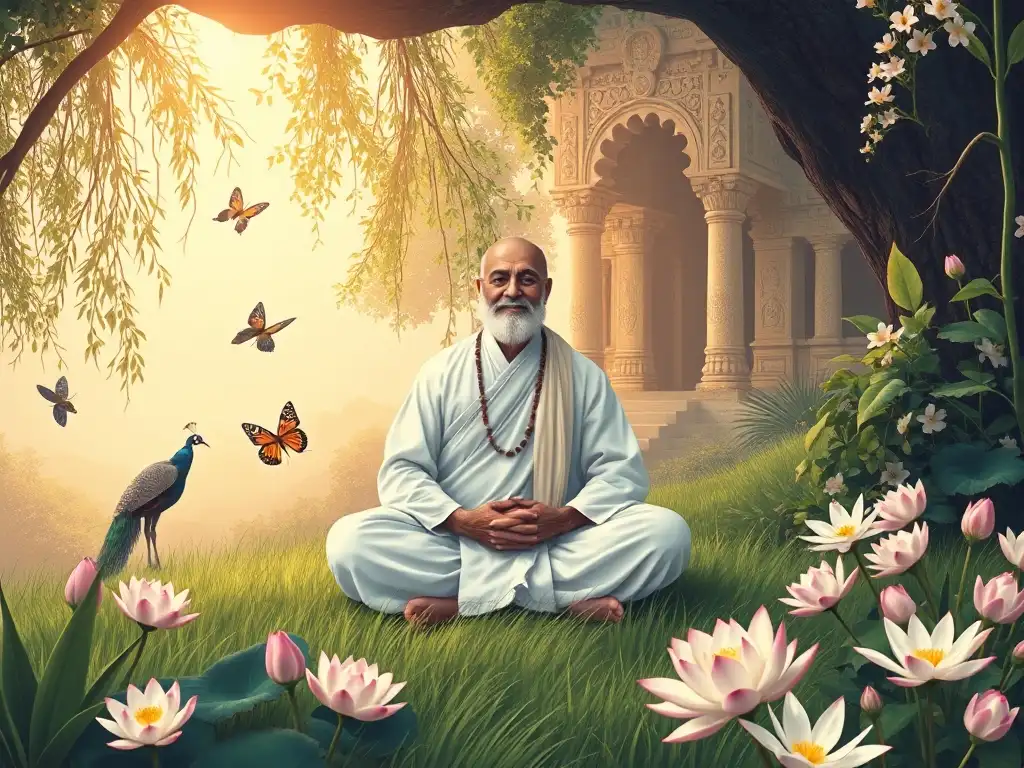
Jain philosophy, particularly the principle of ahimsa (nonviolence), has had a profound impact on various aspects of ancient Indian society. This influence can be observed through case studies that highlight the integration of Jain values into different communities and their practices. One notable example is the city of Ahmedabad, which has a significant Jain population. The Jains of Ahmedabad not only adhere to strict nonviolent practices but also contribute to the city’s philanthropic efforts, funding schools and hospitals that serve all communities, regardless of religious affiliation.
Another significant case study is the role of Jains in the Indian textile industry. Jain merchants, known for their ethical business practices, have historically contributed to fair trade and sustainable practices, influencing labor relations and environmental consciousness in ancient and modern contexts. Their commitment to nonviolence extends to their business dealings, ensuring that their practices do not harm individuals or the environment.
Jain Communities and Their Practices
Jain communities are organized around the principles of ahimsa, satya (truth), and asteya (non-stealing), which permeate their daily lives. Rituals and practices within these communities often emphasize peaceful coexistence with all living beings. For instance, many Jains follow a vegetarian diet, abstaining from all forms of violence against animals. This dietary practice not only reflects their spiritual beliefs but also impacts societal norms regarding food consumption and animal rights.
Additionally, Jain festivals, such as Paryushana, focus on self-restraint, forgiveness, and community service, reinforcing the values of nonviolence and compassion. During these times, Jains engage in reflection, prayer, and community outreach, which fosters a sense of solidarity and mutual respect among community members and neighboring societies.
Historical Examples of Nonviolence in Action
Throughout history, there have been notable instances where Jain principles of nonviolence have been put into practice. One of the most famous figures is Mahavira, the 24th Tirthankara, who advocated for nonviolence and compassion towards all living beings, significantly shaping the ethical framework of Jainism. His teachings inspired not just followers of Jainism but also influenced leaders of other religions, including Buddhism and Hinduism.
Another historical example is the approach taken by Jain merchants during the Mauryan Empire. They often acted as mediators in conflicts, promoting peaceful resolutions and trade agreements that avoided violence. Emperor Ashoka, influenced by Jain ideals, adopted a policy of nonviolence across his empire, which was reflected in his edicts that promoted peace, tolerance, and respect for all life forms.
The Legacy of Jain Philosophy in Modern Times
The teachings of Jain philosophy continue to resonate in contemporary society, demonstrating the enduring legacy of its principles. The emphasis on ahimsa has transcended time and remains a guiding principle for many social movements that advocate for peace and nonviolence.
Continued Relevance of Ahimsa Today
In today's world, the principle of ahimsa remains relevant as societies grapple with issues of violence, conflict, and environmental degradation. The concept of nonviolence has been adopted by various global movements, including those advocating for civil rights, animal welfare, and ecological sustainability. Activists like Mahatma Gandhi drew heavily from Jain teachings, using nonviolent resistance as a powerful tool against oppression and injustice.
Jain organizations continue to promote ahimsa through educational programs and community initiatives that encourage peaceful coexistence and respect for all forms of life. This commitment to nonviolence fosters dialogue among diverse groups, contributing to a more harmonious society.
Jain Philosophy's Influence on Contemporary Movements
Jain philosophy has significantly influenced contemporary social movements, particularly those advocating for peace, environmental justice, and animal rights. The principles of ahimsa and compassion are foundational to movements such as veganism and animal rights activism, where advocates seek to protect living beings from harm.
Moreover, the principles of nonviolent resistance have inspired modern leaders and movements across the globe. Figures like Martin Luther King Jr. and Nelson Mandela have referenced the teachings of Jainism and the broader ethos of nonviolence, showcasing how these ancient principles can guide contemporary struggles for justice and equality.
Future Implications of Jain Teachings on Society
Looking ahead, the teachings of Jain philosophy have the potential to shape societal values and practices in profound ways. As the world faces challenges such as climate change, social injustice, and violence, the concepts of ahimsa and ethical living can provide frameworks for addressing these issues.
Jain organizations are increasingly engaging in dialogue on sustainability and ethical practices, promoting a lifestyle that respects all forms of life. This holistic approach can lead to more compassionate policies and societal norms that prioritize nonviolence, ultimately fostering a culture of peace and respect in both local and global communities. The future of Jain philosophy, rooted in its ancient teachings, promises to continue influencing society toward greater harmony and ethical responsibility.
Conclusion
Jain philosophy, with its foundational principle of nonviolence (ahimsa), has profoundly influenced ancient Indian society across various dimensions. Its teachings encouraged a culture of respect for all living beings and fostered a sense of moral responsibility among individuals. The emphasis on nonviolence led to significant shifts in social practices, ethical standards, and even political ideologies.
Through its propagation, Jainism contributed to the development of other philosophical schools and religious traditions in India. The legacy of Jain nonviolence continues to resonate in modern ethical discussions and movements advocating for peace and coexistence.
Summary of Jain Philosophy's Impact on Ancient Indian Society
The impact of Jain philosophy on ancient Indian society can be summarized through several key areas:
- Cultural Practices: Jain teachings instigated a cultural shift towards vegetarianism, influencing dietary choices and promoting a lifestyle that minimizes harm to living beings.
- Social Harmony: The principle of nonviolence nurtured social harmony, reducing conflicts and encouraging peaceful coexistence among diverse communities.
- Economic Influence: Jains became prominent merchants and traders, adhering to ethical business practices rooted in nonviolence and truthfulness, which shaped economic interactions.
- Political Thought: Jain philosophy offered an alternative to the prevailing doctrines of power and warfare, advocating for governance based on moral integrity and nonviolent principles.
The pervasive influence of Jainism has left an indelible mark on the ethical and cultural fabric of ancient India, establishing a framework that prioritized compassion and respect for life.
Final Thoughts on the Importance of Nonviolence in Philosophy
Nonviolence, as espoused by Jain philosophy, is not merely a doctrine but a comprehensive worldview that advocates for the sanctity of all life. Its importance transcends historical contexts, providing a timeless ethical framework that can address contemporary issues of violence and conflict. The principles of ahimsa encourage individuals and societies to seek peaceful resolutions and foster understanding across cultural and ideological divides.
In the realm of philosophy, Jainism's emphasis on nonviolence serves as a crucial reminder of the power of compassion in shaping human interactions and societal structures. As the world grapples with violence and discord, revisiting and embracing these ancient teachings can inspire transformative change.
References
Recommended Readings on Jain Philosophy
- "The Jains" by John E. Cort - This comprehensive text explores the history, philosophy, and cultural aspects of Jainism.
- "A Concise History of Jainism" by Christopher Key Chapple - An insightful overview of Jain history and its philosophical contributions.
- "Jain Philosophy: A Critical Introduction" by N. S. Raghavan: - This book analyzes the core tenets of Jain philosophy and its implications for ethics and society.
Key Texts and Scriptures in Jainism
- Tattvartha Sutra: A foundational text that outlines the principles of Jain philosophy, ethics, and cosmology.
- Samayasara: Written by Acharya Kundakunda, this scripture delves into the nature of the self and the path to liberation.
- Akaranga Sutra: One of the earliest texts of Jain literature, focusing on the rules of conduct for monks and laypersons.
These texts serve as essential resources for understanding the depth and breadth of Jain philosophy and its enduring impact on society.
- Introduction to Jain Philosophy
- Historical Context of Jainism in Ancient India
- The Concept of Ahimsa (Nonviolence)
- Jain Philosophy Influence on Society
- Case Studies of Jain Influence
- The Legacy of Jain Philosophy in Modern Times
- Conclusion
- References
Frequently Asked Questions
What is Jain philosophy?
Jain philosophy is a religious and ethical system that emphasizes nonviolence (ahimsa), truth, and asceticism. It teaches the importance of compassion towards all living beings.
How did Jain philosophy influence ancient Indian society?
Jain philosophy significantly impacted ancient Indian society by promoting nonviolence and ethical living. It encouraged social harmony and respect for life, which influenced both culture and social norms.
What are the core principles of Jainism?
The core principles of Jainism include ahimsa (nonviolence), satya (truth), asteya (non-stealing), brahmacharya (chastity), and aparigraha (non-possessiveness). These principles shape ethical conduct and personal development.
How did Jainism contribute to Indian art and literature?
Jainism contributed to Indian art and literature by inspiring unique artistic expressions and literary works that reflected its values. Jain temples and manuscripts often showcase intricate designs and moral teachings.
In what ways does Jain philosophy continue to influence modern society?
Jain philosophy continues to influence modern society through its advocacy for nonviolence and sustainable living. Its principles resonate in contemporary discussions on environmental ethics and interpersonal relationships.
Final Reflection: The Enduring Influence of Jain Philosophy on Society
Jain philosophy's core tenet of nonviolence remains profoundly relevant in today's world, where conflicts and violence often dominate headlines. The principles of ahimsa (nonviolence) and compassion that were foundational to ancient Indian society continue to resonate, challenging us to reconsider our own actions and their impact on others. As we navigate a complex global landscape, the teachings of Jainism remind us that every choice we make can either perpetuate harm or foster peace.
Cultural and social landscapes have been significantly shaped by the teachings of Jain philosophy, which advocate for a life of respect towards all living beings. This philosophy has inspired countless individuals and movements, promoting a lifestyle rooted in nonviolence that transcends mere dietary choices or rituals. Nonviolence is the greatest force at the disposal of mankind.
- Mahatma Gandhi. This quote encapsulates the essence of Jain teachings and their lasting influence, encouraging us to embrace a path that prioritizes harmony and understanding in our interactions with others.
As we reflect on the teachings of Jain philosophy, let us consider how we can embody these principles in our daily lives. Take a moment to evaluate your actions and their consequences, striving to cultivate a mindset of compassion and respect. By embracing the lessons of nonviolence and understanding, we can contribute to a more peaceful society, ensuring that the profound impact of Jain philosophy continues to inspire future generations.
Embrace Nonviolence: Transform Your Perspective Today!
Thank you for diving into the world of Jain philosophy and exploring its deep-rooted values of nonviolence. Your interest in this rich tradition is a powerful step toward understanding its significant impact on ancient Indian society. Now, let’s channel that inspiration into action!
Consider taking these steps:
- Reflect on Your Daily Choices: Identify one area of your life where you can practice nonviolence, whether through your thoughts, words, or actions.
- Share What You’ve Learned: Engage in conversations about the principles of Jain philosophy with friends and family to raise awareness of its importance and relevance in today’s world.
- Join a Local Community: Look for or establish a group dedicated to nonviolence and ethical living practices to connect with others who share your values.
How can you integrate the principle of nonviolence into your daily life to create a positive ripple effect in your community?