
Revisiting Sankhya: Modern Interpretations of an Ancient Philosophy

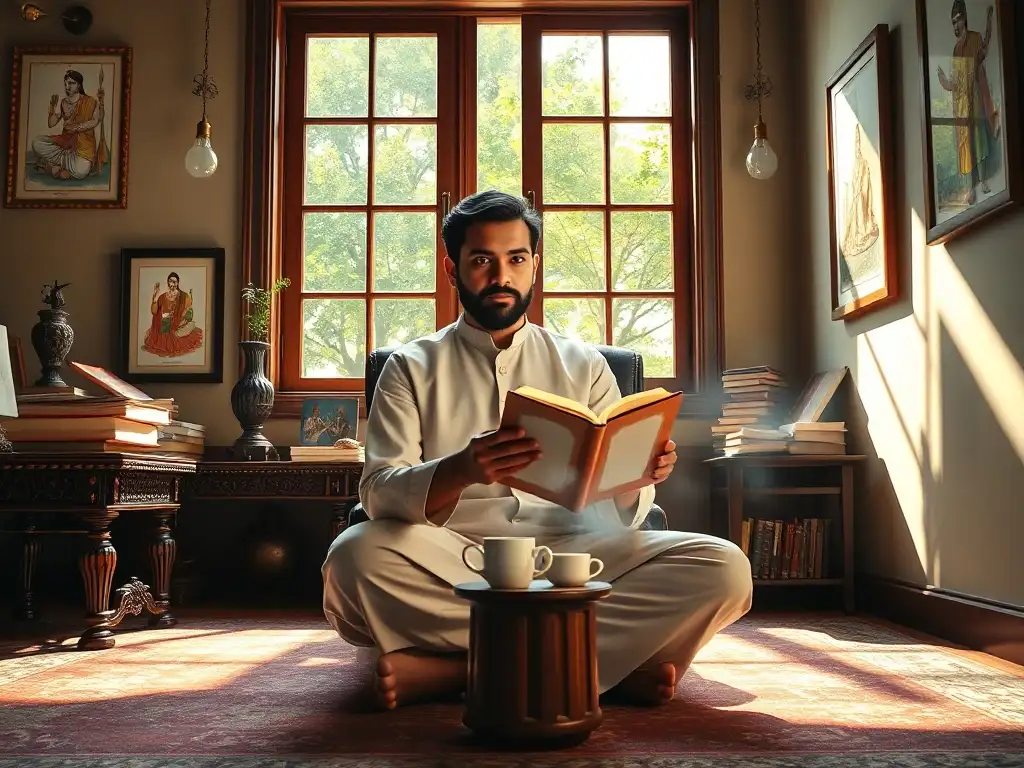
Welcome to Ancient India History, where we embark on a fascinating journey through the rich tapestry of ancient Indian civilizations. Dive deep into the realms of culture, innovation, and wisdom that have shaped our world. In our featured article, “Revisiting Sankhya: Modern Interpretations of an Ancient Philosophy,” we unravel the timeless insights of Sankhya philosophy and explore how contemporary thinkers are reinterpreting its profound concepts. Are you ready to discover how ancient ideas continue to resonate in today's world? Join us as we delve into this captivating exploration!
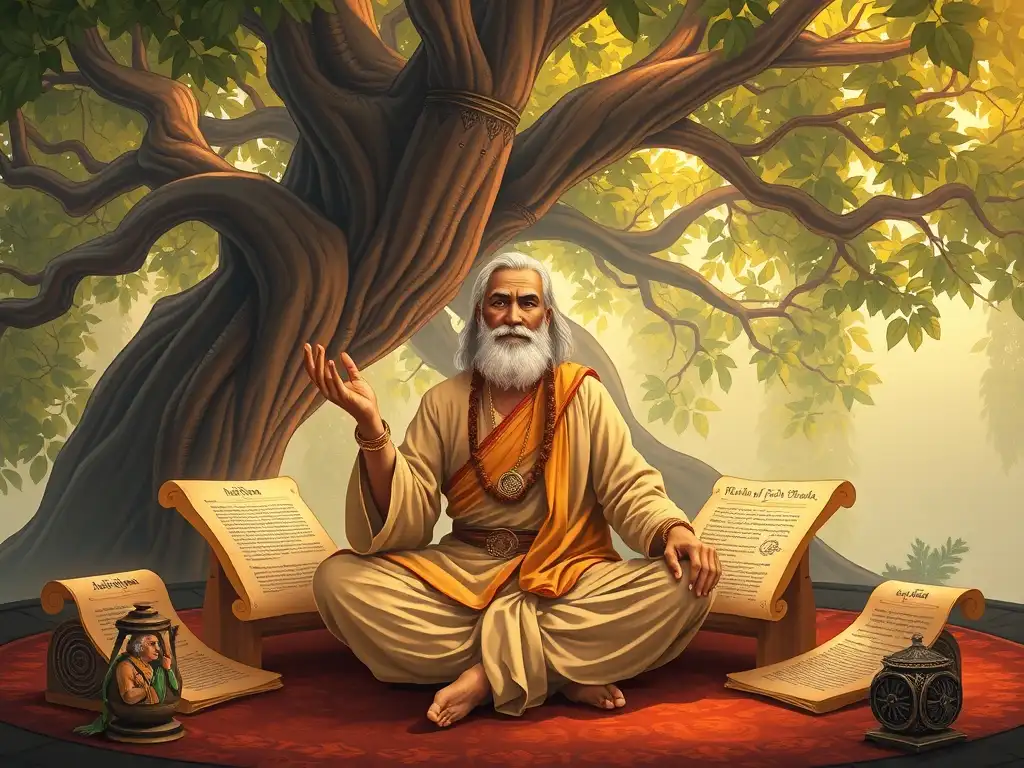
Sankhya philosophy, one of the six orthodox schools of Indian philosophy, offers profound insights into the nature of reality and the human experience. As we explore the modern interpretations of Sankhya philosophy, we delve into a system that not only shaped ancient Indian thought but also continues to influence contemporary philosophical discourse.
With its emphasis on dualism, the interplay of consciousness and matter, and a structured understanding of human experience, Sankhya serves as a vital framework for understanding both ancient wisdom and its relevance in today's world. This article aims to unravel the intricate layers of Sankhya, examining its definitions, historical context, and key concepts while showcasing how modern thinkers reinterpret these age-old ideas.
Introduction to Sankhya Philosophy
Sankhya philosophy, attributed to the sage Kapila, is often regarded as one of the foundational frameworks of Indian thought. It is characterized by its systematic approach and rational methodology, distinguishing itself from other philosophical schools. As we revisit this ancient philosophy, it becomes essential to understand both its definition and origins, as well as the historical context that gave rise to its development.
Definition and Origins of Sankhya Philosophy
At its core, Sankhya translates to "number" or "enumeration," reflecting its analytical approach to categorizing the elements of existence. The philosophy posits a dualistic framework that separates reality into two fundamental principles: Purusha (consciousness) and Prakriti (matter). This distinction is crucial as it lays the groundwork for understanding the nature of existence and the interplay between the self and the material world.
Sankhya's origins can be traced back to ancient texts, particularly the Sankhya Karika, which serves as a foundational text for this school of thought. The philosophy was not developed in isolation; rather, it evolved alongside other schools, such as Yoga and Advaita Vedanta, each contributing to a rich tapestry of Indian philosophical thought.
Historical Context of Sankhya in Ancient India
The historical context of Sankhya is pivotal in comprehending its development and influence. Emerging during a transformative period in ancient India, Sankhya philosophy was part of a broader intellectual movement that sought to address existential questions and the nature of reality. It flourished during the early centuries CE, amidst the rise of various schools of thought that engaged in debates on metaphysics, epistemology, and ethics.
The interactions between Sankhya and other philosophies, particularly Buddhism and Jainism, further enriched its perspectives. The philosophical discourse of the time emphasized empirical observation and rational inquiry, allowing Sankhya to assert its significance as a rigorous philosophical system.
Key Concepts of Sankhya Philosophy
Understanding the key concepts of Sankhya is crucial to grasping its relevance in both ancient and modern contexts. The philosophy provides a framework for exploring the dualism of Purusha and Prakriti, the role of Gunas in human experience, and the theory of evolution that underpins its metaphysical assertions.
The Dualism of Purusha and Prakriti
At the heart of Sankhya philosophy lies the dualism of Purusha and Prakriti. Purusha represents the eternal, unchanging consciousness, while Prakriti embodies the dynamic, ever-changing material world. This dualistic framework allows for a nuanced understanding of existence, where liberation (moksha) is achieved through the realization of the distinction between the self and the material realm.
The interplay between these two principles is fundamental to Sankhya's epistemology, influencing how individuals perceive reality and their place within it. This understanding has implications for contemporary philosophical debates about consciousness and identity.
The Role of Gunas in Human Experience
Sankhya also introduces the concept of Gunas, or the three fundamental qualities— Sattva (purity), Rajas (activity), and Tamas (inertia)—that influence human behavior and experience. Each Guna represents a different aspect of the material world and plays a crucial role in shaping one's thoughts, emotions, and actions.
In modern interpretations, the Gunas offer insights into psychological and behavioral patterns, highlighting the importance of balance and harmony in achieving a fulfilling life. This aspect of Sankhya philosophy resonates with contemporary discussions on mental health and well-being.
The Theory of Evolution in Sankhya Thought
Finally, the theory of evolution in Sankhya philosophy outlines a systematic progression from the unmanifested to the manifested universe. This evolutionary process reflects the unfolding of Prakriti and is marked by the interplay of the Gunas.
Understanding this theory sheds light on how Sankhya conceptualizes change and transformation, offering a framework that parallels modern scientific theories of evolution and development. As we continue to explore the modern interpretations of Sankhya, its evolutionary perspective remains a relevant and thought-provoking aspect of this ancient philosophy.
Modern Interpretations of Sankhya Philosophy
Modern interpretations of Sankhya philosophy have gained traction as scholars and practitioners seek to understand its relevance in today's world. Originally formulated by the sage Kapila, Sankhya is one of the six orthodox schools of Indian philosophy, characterized by its dualistic approach to the nature of reality, distinguishing between Purusha (consciousness) and Prakriti (matter). In contemporary discussions, Sankhya is often examined through the lens of personal development, spirituality, and even scientific inquiry, leading to a resurgence of interest in its principles.
One of the significant modern interpretations focuses on the idea of self-awareness and the nature of consciousness. Many modern thinkers argue that Sankhya's delineation between Purusha and Prakriti can provide insights into the human experience, particularly in understanding the relationship between the mind and body. This dualism resonates with current discussions in psychology and cognitive science, where the nature of consciousness and its interaction with the physical world is a central theme.
Contemporary Relevance of Sankhya Concepts
The concepts of Sankhya philosophy remain highly relevant in contemporary discourse, particularly in fields such as mental health, personal development, and holistic wellness. The idea that the mind can be understood separately from the body aligns with modern therapeutic practices that emphasize mindfulness, self-reflection, and the importance of mental well-being. Techniques derived from Sankhya's teachings, such as meditation and yoga, are increasingly recognized for their benefits in reducing stress and enhancing cognitive function.
Sankhya's classification of the gunas (qualities) — sattva, rajas, and tamas — offers a framework for understanding human behavior and personality. In modern psychology, this triadic model can be correlated with personality traits and emotional responses, making it a valuable tool for personal development. By recognizing which gunas dominate an individual’s disposition, practitioners can tailor their approaches to foster balance and well-being.
Integration of Sankhya Philosophy in Modern Psychology
The integration of Sankhya philosophy into modern psychology showcases its enduring impact on understanding the human psyche. Concepts such as the mind-body connection, the role of perception, and the understanding of consciousness have found their way into therapeutic modalities. Cognitive Behavioral Therapy (CBT), for instance, echoes Sankhya's emphasis on the importance of awareness and thought processes in shaping one's experience of reality.
Moreover, the practice of mindfulness, which has gained popularity in psychological circles, parallels Sankhya's call for self-awareness and observation of the mind's fluctuations. By cultivating a detached awareness, individuals can achieve a clearer understanding of their thoughts and emotions, leading to improved mental health outcomes. This synthesis not only validates ancient wisdom but also demonstrates its applicability in modern therapeutic practices.
Sankhya Philosophy in the Context of Modern Science
In recent years, there has been a growing interest in exploring the intersections between Sankhya philosophy and modern scientific paradigms. Notably, the distinction between consciousness and matter in Sankhya aligns with contemporary discussions in neuroscience and quantum physics. Researchers are increasingly investigating the nature of consciousness, seeking to understand how it arises and interacts with the physical brain, a question that resonates deeply with Sankhya's dualistic framework.
Furthermore, the examination of the gunas through the lens of modern biology has led to intriguing discussions about human behavior and health. The idea that different combinations of gunas can influence physiological and psychological states is being explored in areas such as psychoneuroimmunology, which studies the interactions between psychological processes and the nervous and immune systems. This cross-disciplinary dialogue not only enriches the understanding of both Sankhya and science but also opens avenues for innovative approaches to health and wellness.
Comparison with Other Philosophical Schools
The comparison of Sankhya philosophy with other philosophical schools reveals both commonalities and divergences that enrich the broader understanding of Indian philosophy. While Sankhya is primarily a dualistic system, contrasting perspectives emerge when compared with schools like Yoga and Advaita Vedanta.
Sankhya vs. Yoga: Commonalities and Differences
Sankhya and Yoga share a profound philosophical relationship, both stemming from the same ancient traditions and addressing the nature of reality and consciousness. However, their approaches differ significantly. While Sankhya is largely theoretical, focusing on metaphysical constructs and the nature of existence, Yoga is more practical, emphasizing methods and practices for achieving spiritual realization.
In terms of philosophy, both schools agree on the existence of Purusha and Prakriti, but Yoga introduces the concept of union (yoga) between the two, advocating for the integration of the individual self with universal consciousness. This practical application of Sankhya's principles through physical and mental disciplines marks a key distinction, with Yoga providing a pathway to the experiential realization of Sankhya's teachings.
Sankhya and Advaita Vedanta: Philosophical Divergence
The divergence between Sankhya and Advaita Vedanta is particularly striking, as both systems offer contrasting views on the nature of reality and the self. Sankhya posits a dualistic framework where Purusha and Prakriti are distinct entities, leading to the idea of individual souls coexisting with a material world. In contrast, Advaita Vedanta advocates for non-dualism, asserting that all distinctions are ultimately illusory and that the ultimate reality is a singular, all-encompassing consciousness (Brahman).
This philosophical divergence has profound implications for understanding liberation (moksha). While Sankhya emphasizes knowledge and discrimination between the self and matter as a means to liberation, Advaita Vedanta suggests that realization of the oneness of all existence is the key to spiritual awakening. This contrast not only highlights the diversity within Indian philosophical thought but also invites deeper inquiry into the nature of existence and the paths to enlightenment.
Applications of Sankhya Philosophy Today
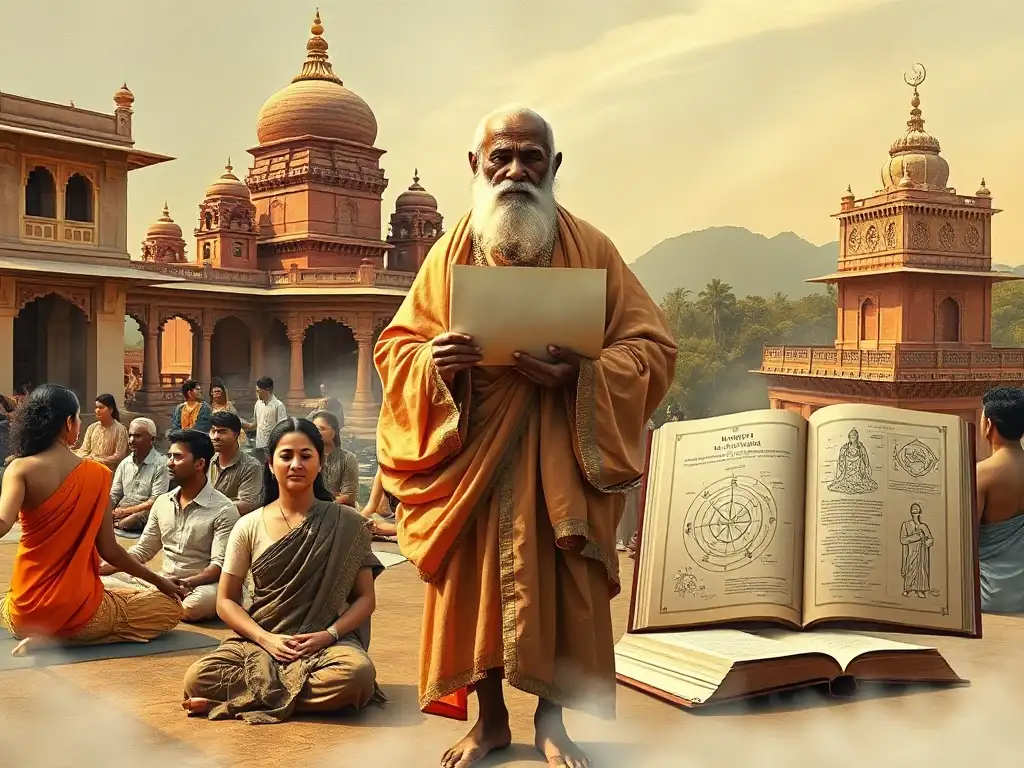
Sankhya philosophy, one of the oldest schools of thought in Indian philosophy, continues to find relevance in contemporary society. Its dualistic framework, which distinguishes between consciousness (Purusha) and matter (Prakriti), offers profound insights that resonate in various fields today. The applications of Sankhya philosophy can be seen across spirituality, health, ethics, and even in modern scientific discourse, enriching our understanding of existence and the universe. As we explore these applications, it is crucial to recognize how ancient wisdom can be integrated into modern life, providing clarity and depth to our experiences.
Influence on Modern Spiritual Practices
Modern spiritual practices often draw upon the foundational concepts of Sankhya philosophy, particularly in meditation and yoga. The emphasis on self-realization and the understanding of the self as distinct from the material world aligns closely with contemporary mindfulness and self-awareness movements. Many yoga schools incorporate Sankhya principles, emphasizing the separation of the eternal self from the transient body and mind. This approach fosters a deeper connection to spiritual experiences, encouraging practitioners to explore their true nature beyond physical existence.
Furthermore, various new-age spiritual leaders and teachings frequently reference Sankhya concepts, advocating for a holistic view of life that transcends materialism. This integration signifies a revival of interest in ancient philosophies, reflecting a collective yearning for deeper meaning and understanding of human consciousness.
Sankhya's Impact on Holistic Health and Wellness
The principles of Sankhya have significantly influenced modern holistic health and wellness paradigms. By promoting a comprehensive view of human existence that includes physical, mental, and spiritual dimensions, Sankhya philosophy encourages a balanced approach to well-being. The dualism inherent in Sankhya supports integrative practices that address the mind-body connection, recognizing that true health encompasses more than just physical fitness.
In practices such as Ayurvedic medicine, which is deeply rooted in Sankhya thought, the emphasis on individual constitution (Prakriti) and the balance of bodily elements reflects the philosophy's application in promoting well-being. This holistic perspective is increasingly embraced in modern wellness communities, where techniques like yoga, meditation, and dietary practices based on Ayurvedic principles are utilized to achieve harmony and balance.
Relevance in Contemporary Ethical Discussions
Sankhya philosophy also plays a pivotal role in contemporary ethical discussions, particularly in debates surrounding consciousness and moral agency. By distinguishing between the observer (Purusha) and the observed (Prakriti), Sankhya encourages a more nuanced understanding of ethical dilemmas. This dualistic view supports the notion that individuals can observe their thoughts and actions, allowing for greater moral reflection and responsibility.
In bioethics, for instance, Sankhya’s insights about the nature of consciousness raise important questions about the rights of sentient beings, the nature of life, and the moral implications of actions taken in the material world. This philosophical framework encourages discussions that consider both the material impact of decisions and the deeper ethical implications, fostering a more compassionate approach to modern challenges.
Critiques and Challenges of Modern Interpretations
While modern interpretations of Sankhya philosophy have enriched various fields, they are not without critiques and challenges. Misinterpretations and oversimplifications of its core principles can lead to a distorted understanding that undermines its depth and significance. Furthermore, the application of ancient philosophies in the context of contemporary life presents unique hurdles that require careful navigation.
Misinterpretations of Sankhya Philosophy
One of the primary critiques of modern interpretations of Sankhya is the tendency to oversimplify its complex doctrines. Many contemporary interpretations reduce Sankhya to mere self-help principles, neglecting the profound metaphysical and epistemological inquiries that characterize the original philosophy. This can create a superficial understanding that fails to appreciate the rigorous logical framework and the nuances of Sankhya's teachings.
Additionally, the reduction of Sankhya’s dualism to a simplistic mind-body dichotomy often leads to misunderstandings. Critics argue that such interpretations can mislead practitioners, encouraging a separation that does not reflect the integrative nature of Sankhya, where Purusha and Prakriti are interdependent aspects of reality.
Challenges in Applying Ancient Philosophies to Modern Life
Applying ancient philosophies like Sankhya to modern life presents significant challenges, particularly in terms of contextual relevance. The socio-cultural and scientific advancements of contemporary society differ vastly from the times in which Sankhya was developed. This can lead to difficulties in directly translating its principles to address modern issues such as technology, globalization, and environmental crises.
Moreover, the challenge of reconciling ancient wisdom with contemporary scientific understanding remains a contentious issue. While Sankhya offers profound insights into consciousness and existence, integrating these concepts into modern scientific paradigms requires careful consideration and dialogue. The potential for misalignment between ancient philosophies and modern empirical approaches necessitates a thoughtful exploration of how these ideas can coexist and inform one another, ensuring that the richness of Sankhya is preserved and respected in modern interpretations.
Conclusion: The Enduring Legacy of Sankhya Philosophy
Sankhya philosophy, one of the six orthodox schools of Indian philosophy, has left a profound impact on the intellectual landscape of not just ancient India but also modern philosophical discourse. Its dualistic framework, which emphasizes the distinction between consciousness (Purusha) and matter (Prakriti), continues to resonate with contemporary thinkers and practitioners. The analytical and systematic approach of Sankhya has inspired various modern interpretations, making it relevant in discussions around metaphysics, psychology, and even cognitive science.
The teachings of Sankhya encourage a deeper understanding of the self and the universe, fostering a holistic worldview that integrates both material and spiritual pursuits. This enduring legacy reflects not only in scholarly works but also in the growing interest in mindfulness and self-awareness practices that align with Sankhya principles. As modern interpretations bridge the gap between ancient wisdom and contemporary thought, they highlight the timelessness of Sankhya philosophy and its potential to inform and enrich lives today.
Summary of Modern Interpretations of Sankhya
Modern interpretations of Sankhya philosophy have emerged across various disciplines, including psychology, philosophy, and even science. Scholars and practitioners are increasingly exploring its relevance in understanding human consciousness, the nature of reality, and ethical living. Some key themes in these interpretations include:
- Psychological Insights: Modern psychologists have drawn parallels between Sankhya and contemporary psychological theories, especially in understanding the nature of the self and consciousness. The emphasis on discernment (Viveka) in Sankhya is mirrored in practices that promote mindfulness and self-reflection.
- Philosophical Applications: Many modern philosophers have revisited Sankhya's dualism to engage with debates on materialism versus idealism. The distinction between Purusha and Prakriti offers a unique perspective on the interplay between mind and matter, contributing to ongoing dialogues in metaphysics.
- Integrative Approaches: The holistic nature of Sankhya has inspired interdisciplinary studies that combine insights from science, philosophy, and spirituality. This integrative approach fosters a more comprehensive understanding of complex phenomena, encouraging a nuanced view of human experience.
These modern interpretations not only honor the ancient roots of Sankhya but also adapt its principles to address contemporary issues, showcasing its dynamic relevance.
Future Directions for Research and Exploration in Sankhya Thought
As interest in Sankhya philosophy continues to grow, several future directions for research and exploration have emerged. These avenues not only promise to deepen our understanding of Sankhya but may also yield valuable insights for modern society:
- Interdisciplinary Research: Collaborations between philosophers, psychologists, and scientists can further elucidate the implications of Sankhya thought. Exploring how its principles can inform modern cognitive science or ethical frameworks could lead to innovative applications.
- Comparative Studies: Engaging in comparative analyses between Sankhya and other philosophical systems, both Eastern and Western, could enrich dialogue around consciousness and existence. Such studies may reveal commonalities and divergences that enhance philosophical discourse globally.
- Practical Applications: Investigating how Sankhya can be applied in contemporary contexts, such as mental health, wellness, and leadership, may provide practical benefits to individuals and communities. Developing programs that incorporate Sankhya principles could promote self-awareness and balanced living.
- Digital Humanities: Utilizing technology and digital platforms to archive, analyze, and disseminate Sankhya texts and interpretations will make this ancient philosophy more accessible. Online resources can foster global engagement and encourage new interpretations.
The future of Sankhya philosophy lies in its ability to adapt and resonate with ongoing inquiries into the nature of reality, self, and ethics. By embracing modern interpretations and exploring new research avenues, we can ensure that this ancient wisdom continues to inform and inspire future generations.
- Introduction to Sankhya Philosophy
- Key Concepts of Sankhya Philosophy
- Modern Interpretations of Sankhya Philosophy
- Contemporary Relevance of Sankhya Concepts
- Integration of Sankhya Philosophy in Modern Psychology
- Sankhya Philosophy in the Context of Modern Science
- Comparison with Other Philosophical Schools
- Applications of Sankhya Philosophy Today
- Critiques and Challenges of Modern Interpretations
- Conclusion: The Enduring Legacy of Sankhya Philosophy
Frequently Asked Questions
What is Sankhya philosophy?
Sankhya is one of the six classical schools of Indian philosophy. It emphasizes a dualistic reality of purusha (consciousness) and prakriti (matter), exploring the nature of existence and knowledge.
How does modern interpretation of Sankhya differ from ancient views?
Modern interpretations of Sankhya often incorporate contemporary scientific insights and psychological perspectives, emphasizing its relevance in today's philosophical debates and practices.
What are some key contributions of Sankhya philosophy to contemporary thought?
Sankhya has significantly influenced yoga, meditation, and therapeutic practices, providing a framework for understanding the mind-body relationship and the nature of consciousness.
Can Sankhya philosophy be applied to modern life?
Yes, many advocate for the practical application of Sankhya in areas such as mental health, personal development, and ethical living, promoting a balanced approach to life's challenges.
Where can I learn more about Sankhya philosophy?
To delve deeper into Sankhya, consider exploring scholarly articles, books, and courses that focus on ancient Indian philosophy and its modern interpretations.
Final Reflection: Embracing the Wisdom of Sankhya in Modern Times
The exploration of Sankhya philosophy reveals its profound relevance in today's fast-paced world, where the quest for understanding the self and the universe is more critical than ever. As we navigate the complexities of modern life, the ancient insights of Sankhya offer a framework for self-discovery and clarity, reminding us that the pursuit of knowledge and balance is timeless. The principles of duality and the interplay between purusha (consciousness) and prakriti (matter) resonate deeply in our contemporary struggles, urging us to seek harmony within ourselves and our surroundings.
The ongoing influence of Sankhya philosophy is evident in various aspects of our cultural and social landscape, from wellness practices to psychological frameworks. As we witness a resurgence of interest in holistic approaches to well-being, the teachings of Sankhya serve as a guiding light, encouraging individuals to explore their inner landscapes. The greatest discovery of my generation is that a human being can alter his life by altering his attitude.
This quote encapsulates the transformative potential of embracing Sankhya's insights, as it empowers us to shift our perspectives and cultivate a deeper understanding of our existence.
As we reflect on the lessons drawn from Sankhya, I invite you to consider how these ancient teachings can be woven into the fabric of your daily life. Take a moment to pause, breathe, and connect with your inner self. Embrace the journey of self-exploration and allow the wisdom of Sankhya to guide you toward a more balanced and fulfilling existence. In doing so, you not only honor the legacy of this ancient philosophy but also contribute to a more mindful and harmonious world.
Embrace the Wisdom of Sankhya Today!
Thank you for diving into the rich tapestry of Sankhya philosophy with us! We hope you’ve discovered insights that inspire you to reflect on its relevance in our modern lives. Now, it’s your turn to take the next step in embracing this ancient wisdom.
Here’s how you can act on what you’ve learned:
- Dive Deeper: Read a modern interpretation of Sankhya philosophy to expand your understanding. Consider exploring contemporary texts that bridge ancient concepts with current scenarios.
- Discuss and Share: Engage with others by initiating a conversation or even forming a book club focused on Sankhya. Sharing ideas not only deepens your understanding but also helps illuminate this profound philosophy for others.
- Apply Its Principles: Dedicate time each week to practice self-reflection, utilizing Sankhya’s teachings to evaluate your thoughts and actions. Journaling your insights can unveil patterns that transform your daily life.
What aspect of Sankhya resonates with you the most, and how do you envision applying its principles in your life? Let’s keep the conversation going!