
The Contributions of Northern India to Science and Technology: Innovations and Discoveries


Welcome to Ancient India History, where we embark on an enthralling journey through time to uncover the rich tapestry of civilization that shaped the world. In our featured article, we delve into the remarkable realm of Ancient Indian science and technology, exploring how Northern India became a beacon of innovation and discovery. From pioneering advancements in mathematics to groundbreaking contributions in astronomy, the legacies of these ancient thinkers continue to resonate today.
Join us as we peel back the layers of history and reveal the extraordinary achievements that defined a civilization, sparking curiosity and inspiring future generations. Dive deeper to uncover the secrets of a time when knowledge flourished!
Introduction to Ancient Indian Science and Technology
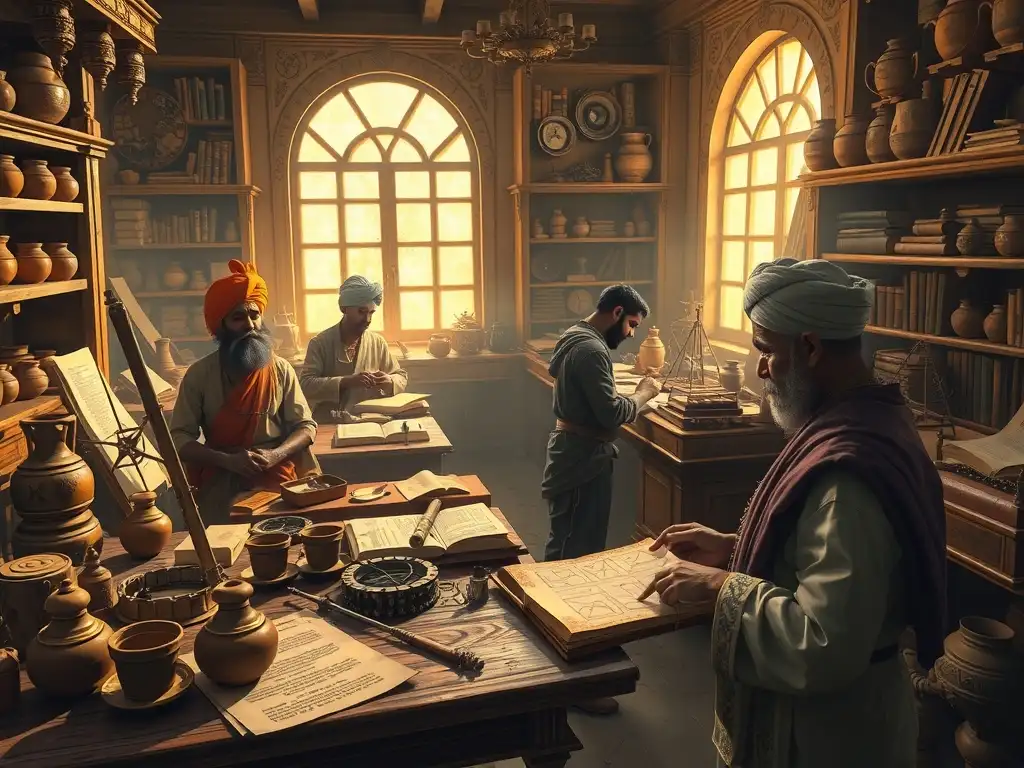
The history of Ancient Indian science and technology is a remarkable testament to the ingenuity and creativity of Northern Indian civilizations. From the early urban settlements of the Indus Valley to the flourishing empires of the Gupta period, Northern India has been a cradle for numerous scientific and technological advancements that laid the groundwork for future innovations globally. This article delves into the rich tapestry of discoveries and inventions that emerged from this region, highlighting how ancient Indian scholars contributed significantly to fields such as mathematics, astronomy, engineering, and medicine.
Overview of Northern India's Historical Context
Northern India has been home to several influential civilizations that thrived due to its strategic geographic location and fertile lands. The Indus Valley Civilization, one of the earliest urban cultures, showcased advanced urban planning, drainage systems, and standardized weights and measures. Following this period, various dynasties, including the Maurya and Gupta Empires, fostered an environment that encouraged intellectual exploration and scientific inquiry.
Throughout these epochs, the interplay of culture, religion, and social structure significantly influenced scientific thought. Many advancements were documented in ancient texts, such as the Aryabhatiya and the Siddhanta Shiromani, which were pivotal in shaping the scientific discourse of the time.
Significance of Scientific Innovations in Ancient India
The contributions of Northern India to science and technology were not confined to theoretical knowledge; they had practical applications that transformed everyday life. Innovations in medicine, metallurgy, and architecture played essential roles in the development of society.
- Medicine: Ancient Indian texts like the Sushruta Samhita laid the foundation for surgical practices, including techniques for cataract surgery and the use of anesthesia.
- Metallurgy: The production of high-quality steel, particularly Wootz steel, showcased advanced techniques in metallurgy, allowing for the creation of durable weapons and tools.
- Architecture: The construction of intricate temples and forts exemplified advanced engineering skills, with techniques that are still admired today.
These innovations not only improved the quality of life but also established Northern India as a center of knowledge and progress, influencing neighboring cultures and civilizations.
Early Innovations in Mathematics and Astronomy
Development of Mathematical Concepts
The mathematical achievements of ancient Northern India are profound and far-reaching. Notably, the concept of zero, as both a numeral and a placeholder, revolutionized mathematics. Scholars like Aryabhata developed sophisticated methods for arithmetic, algebra, and geometry, which were documented in texts that continue to be studied today.
- Decimal System: The introduction of the decimal system, which allowed for more efficient calculations, was a significant advancement that influenced mathematics worldwide.
- Trigonometry: Indian mathematicians made important contributions to trigonometry, developing sine and cosine functions that were instrumental in astronomical calculations.
These concepts laid the groundwork for future mathematical theories and practices, significantly impacting global mathematical thought.
Advances in Astronomy
The field of astronomy in ancient Northern India was marked by remarkable observations and theories. Scholars meticulously studied celestial bodies and their movements, leading to significant discoveries.
- Hindu Calendar: The development of a solar calendar based on astronomical observations was crucial for agricultural and ritual purposes, demonstrating the practical application of astronomical knowledge.
- Planetary Motion: Ancient Indian astronomers, such as Brahmagupta, proposed theories about the motion of planets that preceded similar concepts in Western astronomy by centuries.
The advancements in astronomy not only contributed to navigation and timekeeping but also influenced philosophical and religious thought, as celestial phenomena were often linked to divine significance.
The innovations and discoveries in science and technology from Northern India represent a rich legacy that continues to inspire and shape the modern world. The contributions made during this period are a vital part of the broader narrative of human progress and intellectual achievement.
Medical Science and Ayurveda
The field of medical science in ancient India, particularly Ayurveda, represents a comprehensive system of medicine that has evolved over thousands of years. Originating in Northern India, Ayurveda embodies a holistic approach to health, emphasizing the balance between body, mind, and spirit. Its teachings integrate various aspects of health and wellness, including diet, herbal remedies, and lifestyle changes, making it a pivotal part of ancient Indian science and technology.
Origins of Ayurvedic Medicine in Northern India
The roots of Ayurvedic medicine can be traced back to the Vedic texts, particularly the Atharva Veda, which dates back to around 1500 BCE. These texts introduced concepts of health and illness, focusing on the importance of a balanced lifestyle and the use of natural substances for healing. The foundational principles of Ayurveda were further elaborated in the classical text, the Charaka Samhita, attributed to the physician Charaka during the 2nd century BCE. This text laid the groundwork for Ayurvedic practices, detailing various ailments, diagnostics, and treatments.
Northern India played a crucial role in the development of Ayurveda, with ancient universities such as Nalanda and Takshashila serving as centers for medical education. Scholars and practitioners contributed to the system's evolution, experimenting with herbal medicines and documenting their findings. As a result, Ayurveda became not only a medical practice but also a philosophical system that emphasized the interconnectedness of all living beings.
Surgical Techniques and Medical Practices
Surgery has been an integral part of Ayurvedic medicine, with ancient texts like the Sushruta Samhita, attributed to Sushruta, highlighting advanced surgical techniques and medical practices. This text, written around the 6th century BCE, is considered one of the earliest treatises on surgery, detailing over 120 surgical instruments and various procedures, including cataract surgery and plastic surgery techniques such as rhinoplasty.
Sushruta's methods included anesthesia using herbal concoctions and meticulous post-operative care, showcasing a sophisticated understanding of human anatomy and surgical procedures. The principles of cleanliness, sterilization, and patient care emphasized in these practices reveal the advanced knowledge of medical science in ancient Northern India. Furthermore, the successful implementation of these techniques signifies a remarkable achievement in ancient Indian science and technology.
Engineering and Architecture: Marvels of Northern India
The engineering and architectural feats of ancient Northern India are a testament to the innovative spirit and technical prowess of its civilization. From the construction of grand temples and palaces to advanced urban planning, these contributions reflect a deep understanding of materials, design, and functionality that has influenced subsequent generations.
Ancient Indian Engineering Techniques
One of the standout features of ancient Indian engineering was its use of local materials and sustainable practices. Ingenious techniques in stone masonry allowed for the construction of monumental structures that have withstood the test of time. The use of interlocking stones, as seen in the temples of Khajuraho and the forts of Rajasthan, exemplifies the advanced engineering skills of the builders.
Moreover, the concept of urban planning in cities like Harappa and Mohenjo-Daro, part of the Indus Valley Civilization, showcases a sophisticated understanding of drainage systems, grid layouts, and the use of standardized bricks. These early urban centers were equipped with advanced water management systems, including wells and drainage, indicating a remarkable level of engineering knowledge and foresight.
Architectural Innovations
Architectural innovations in Northern India are reflected in the diverse styles of temple architecture, such as Nagara and Dravidian styles, characterized by intricate carvings and towering shikharas (spires). The construction of the iconic Brihadeeswarar Temple in Thanjavur, built during the Chola dynasty, showcases the use of massive granite blocks and complex structural engineering that remains an inspiration today.
Additionally, the Indo-Islamic architecture that emerged later brought new styles and techniques, such as the use of domes and intricate tile work, exemplified by the Taj Mahal and the Red Fort. These innovations not only highlight the aesthetic aspects of architecture but also represent a blend of cultural influences and engineering prowess, making Northern India a cradle of architectural excellence in ancient Indian science and technology.
Metallurgy and Material Science
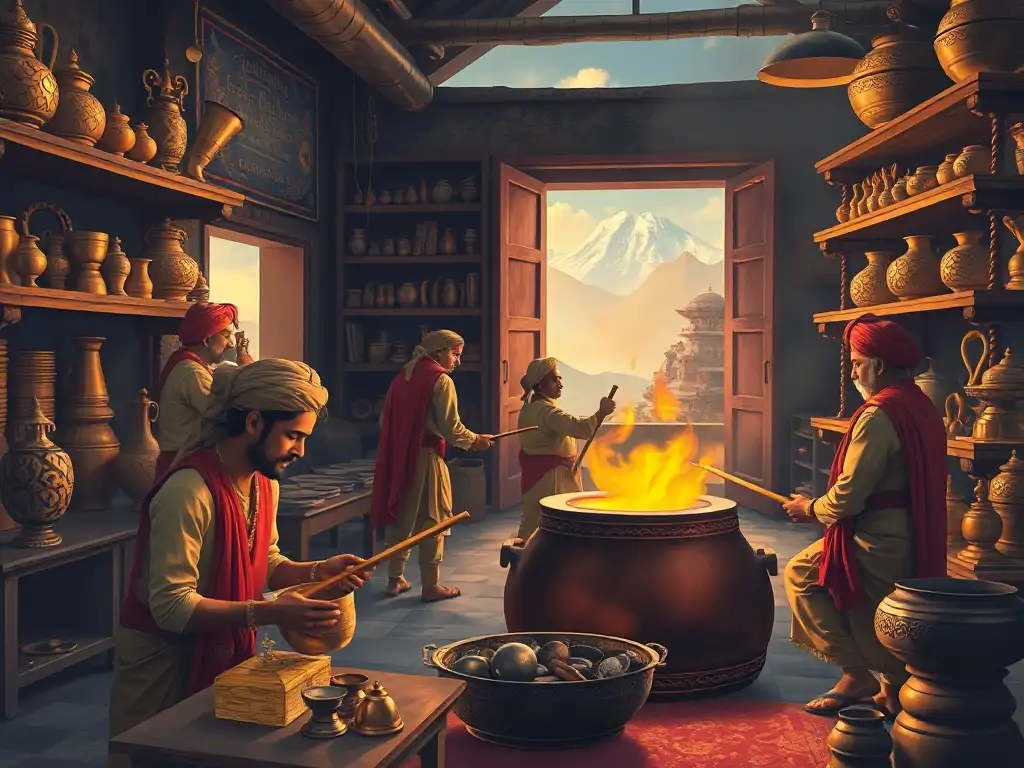
The ancient civilizations of Northern India made significant strides in the field of metallurgy and material science, showcasing their advanced understanding of metals and their properties. The region is renowned for its early and sophisticated techniques in extracting and manipulating metals, which played a crucial role in various aspects of life, from tools and weapons to art and architecture. Evidence from archaeological sites indicates that the people of Northern India were adept at smelting and alloying metals, leading to the production of high-quality artifacts that have withstood the test of time.
The technological prowess in metallurgy is exemplified by the production of iron, particularly during the Iron Age. The discovery of processes such as carburization enabled smiths to produce steel, which was both strong and flexible. This innovation laid the groundwork for further developments in weaponry and tools, significantly impacting agricultural efficiency and military capabilities.
Advancements in Metallurgy
One of the most notable advancements in metallurgy from Northern India is the development of Wootz steel, a high-carbon steel known for its durability and sharpness. This steel was highly prized, not only within India but also in trade networks that extended to the Middle East and beyond. The methods used to produce Wootz steel involved intricate techniques of refining iron ore and controlled heating, allowing artisans to create blades that were both aesthetically pleasing and functionally superior.
Additionally, the production of bronze and other alloys was significant in various applications, including sculpture and coinage. The ability to create intricate designs in bronze allowed for a rich tradition of artistic expression, while advancements in casting techniques led to the mass production of coins, facilitating trade and commerce.
Applications in Daily Life and Warfare
The advancements in metallurgy had profound implications for daily life and warfare in ancient Northern India. The production of tools such as plows and sickles revolutionized agricultural practices, enabling more efficient farming and increased crop yields. The introduction of iron tools reduced the reliance on less durable materials, thereby enhancing productivity.
In terms of warfare, the ability to craft superior weapons such as swords, shields, and armor transformed military tactics and strategies. The famed Kshatriya warriors of Northern India, equipped with advanced weaponry, were formidable in battles, showcasing the critical role that metallurgy played in the region's political dynamics and territorial expansions.
Agriculture and Irrigation Techniques
The agricultural practices in ancient Northern India were deeply intertwined with the region's innovations in irrigation techniques. The fertile plains of the Indus Valley and the Gangetic basin provided an ideal environment for farming, and the inhabitants developed sophisticated methods to maximize agricultural output. This period saw the establishment of advanced farming communities that laid the foundation for sustainable agricultural practices.
The integration of irrigation systems was crucial, as they allowed for the cultivation of crops even during dry seasons. The use of canals, reservoirs, and wells demonstrated an understanding of hydrology and landscape management, facilitating crop growth and supporting larger populations.
Agricultural Practices in Ancient Northern India
Ancient Northern India's agricultural practices were characterized by a diverse array of crops, including wheat, barley, pulses, and rice. The region's agricultural success can be attributed to the systematic use of crop rotation and selective breeding, which improved yields and resilience against pests and diseases.
Farmers utilized a variety of tools made from iron, such as plows and hoes, which significantly enhanced their efficiency. The methods of sowing and harvesting evolved over time, incorporating techniques that minimized labor while maximizing productivity. Additionally, the cultivation of cash crops alongside subsistence farming allowed for trade and economic stability within communities.
Technological Innovations in Agriculture
Technological innovations in agriculture were pivotal in shaping the agrarian landscape of ancient Northern India. The development of irrigation systems, including the construction of dams and water channels, exemplifies the ingenuity of ancient engineers. These systems not only facilitated the movement of water but also allowed for the storage and management of resources, ensuring a reliable supply for farming.
Moreover, the introduction of agro-techniques such as composting and natural pest control demonstrated an early understanding of sustainable farming practices. The use of organic fertilizers and companion planting contributed to soil health and crop diversity, laying the groundwork for practices that are still valued in modern agriculture.
The contributions of Northern India to science and technology, particularly in metallurgy and agriculture, reflect a rich heritage of innovation and practical application that has left a lasting impact on the region's development and cultural identity.
Conclusion: The Lasting Impact of Ancient Indian Science and Technology
The contributions of Northern India to science and technology have left a profound and lasting impact on the world. From the sophisticated urban planning of the Indus Valley Civilization to the astronomical advancements made during the Gupta period, the innovations developed in this region have shaped not only Indian society but have also influenced global scientific thought. Ancient Indian scholars emphasized empirical observation and critical reasoning, establishing foundational principles that continue to resonate in modern scientific practices. The integration of mathematics, astronomy, metallurgy, and medicine showcases a holistic approach to knowledge, emphasizing the interconnectedness of various fields.
As we reflect on the achievements of ancient Indian scientists and thinkers, it becomes evident that their legacy extends beyond historical significance. Today, their methodologies and discoveries serve as a source of inspiration for contemporary researchers and innovators. The enduring relevance of ancient Indian science and technology is a testament to the intellectual rigor and creativity that characterized this remarkable civilization.
Legacy of Northern Indian Innovations on Modern Science
The legacy of Northern Indian innovations is prominently reflected in several modern scientific fields. For instance, the concept of zero, developed by ancient Indian mathematicians such as Brahmagupta, revolutionized mathematics and provided a crucial foundation for calculus and computer science. Additionally, Aryabhata's work in astronomy laid the groundwork for future studies in celestial mechanics, influencing scholars worldwide.
Moreover, the principles of Ayurveda, which originated in ancient India, continue to inform contemporary healthcare practices, blending ancient wisdom with modern medical science. The techniques developed for surgical procedures, as documented by Sushruta, remain a cornerstone of surgical education today. The emphasis on observation and experimentation in ancient Indian science paved the way for the scientific method, which is fundamental to research and innovation in the modern era.
The Cultural Significance of Scientific Discoveries in Ancient India
The scientific discoveries of ancient India were not merely academic pursuits but were deeply intertwined with the cultural and spiritual fabric of society. Knowledge was often seen as a means to attain higher truths and understanding of the universe. The pursuit of science was celebrated and encouraged, with scholars being revered figures within their communities.
The cultural significance of these discoveries is reflected in ancient texts, such as the Vedas and Upanishads, which explore philosophical concepts alongside scientific inquiries. This synthesis of knowledge illustrates a unique worldview that recognized the importance of both empirical investigation and spiritual understanding. Festivals, rituals, and educational systems were often centered around scientific inquiry, demonstrating how integral science was to the daily lives of ancient Indians.
References and Further Reading on Ancient Indian Science and Technology
For those interested in delving deeper into the fascinating world of ancient Indian science and technology, a variety of resources are available. These include scholarly texts, historical analyses, and online databases that explore the remarkable contributions of this civilization.
Suggested Books and Articles
- "A History of Science in India" by D. P. Chattopadhyaya – This book provides a comprehensive overview of the developments in science across various periods in Indian history.
- "The World of Ancient India: A Historical Overview": by M. S. Yadav – A detailed examination of the cultural and scientific advancements that emerged from ancient Indian civilizations.
- "The Science of Indian Mathematics" by Kim Plofker – An insightful exploration into the mathematical innovations of ancient India and their impact on the global mathematical landscape.
Online Resources for In-Depth Exploration
- Digital Library of India – A vast repository of texts, manuscripts, and historical documents related to Indian history and science.
- Indian Academy of Sciences – Offers a range of publications and resources that detail the contributions of Indian scientists throughout history.
- The Indian National Science Academy – Provides access to research papers, articles, and programs dedicated to the promotion of science in India, including historical perspectives on scientific achievements.
- Introduction to Ancient Indian Science and Technology
- Early Innovations in Mathematics and Astronomy
- Medical Science and Ayurveda
- Engineering and Architecture: Marvels of Northern India
- Metallurgy and Material Science
- Agriculture and Irrigation Techniques
- Conclusion: The Lasting Impact of Ancient Indian Science and Technology
- References and Further Reading on Ancient Indian Science and Technology
- What were some key scientific contributions from ancient Northern India?
- How did ancient Indian technology influence the world?
- What role did the Gupta Empire play in scientific advancements?
- Can you explain the significance of Ayurveda in ancient Indian science?
- How did ancient Indian astronomy differ from other cultures?
Frequently Asked Questions
What were some key scientific contributions from ancient Northern India?
Ancient Northern India made significant contributions in fields such as mathematics, with the invention of the decimal system, and advancements in medicine, notably through Ayurveda.
How did ancient Indian technology influence the world?
The technological innovations from ancient India, such as metallurgy and textile production, laid the groundwork for various industrial processes that would later be adopted globally.
What role did the Gupta Empire play in scientific advancements?
The Gupta Empire is often referred to as the Golden Age of Science and Technology in India, fostering advancements in astronomy, mathematics, and the establishment of universities like Nalanda.
Can you explain the significance of Ayurveda in ancient Indian science?
Ayurveda represents one of the earliest systems of medicine, emphasizing a holistic approach to health that incorporates herbal remedies, diet, and lifestyle, influencing modern medical practices.
How did ancient Indian astronomy differ from other cultures?
Ancient Indian astronomy was characterized by its mathematical precision and focus on celestial calculations, leading to innovations like the concept of zero and accurate predictions of solar and lunar eclipses.
Final Reflection: Embracing the Legacy of Ancient Indian Science and Technology
The contributions of Northern India to science and technology are not merely historical footnotes; they are the bedrock of modern innovation and understanding. As we navigate an era defined by rapid technological advancement and scientific exploration, it is crucial to recognize how the foundations laid by ancient Indian scholars continue to influence contemporary practices and thought. The brilliance of ancient Indian science and technology serves as a reminder that innovation is often rooted in the wisdom of the past.
The impact of these ancient contributions resonates deeply within our cultural and social landscape, shaping not only our scientific endeavors but also our worldview. The principles of mathematics, astronomy, and medicine developed in Northern India have transcended time, inspiring generations of thinkers and innovators across the globe. As Mahatma Gandhi once said, “Live as if you were to die tomorrow. Learn as if you were to live forever.” This quote encapsulates the spirit of continuous learning and appreciation for the knowledge that has come before us, urging us to honor and build upon this rich legacy.
As we reflect on the profound implications of ancient Indian science and technology, I invite you to consider how these lessons can be applied in your own life. What can you learn from the innovations of the past to inspire your own creative pursuits and problem-solving approaches today? Embrace the curiosity and ingenuity of ancient scholars, and let their discoveries guide you toward a future where knowledge is not just preserved but actively cultivated and shared. Together, we can honor this legacy by fostering a culture of innovation that respects the past while boldly stepping into the future.
Unveil the Legacy of Innovation—Take Action!
Thank you for exploring the incredible contributions of Northern India to science and technology! We hope you found inspiration in the rich history of innovations and discoveries that have shaped our world. Now, it’s time to turn that knowledge into action!
Here are a few steps you can take to further engage with this fascinating topic:
- Delve Deeper: Research a specific innovation from Northern India and share your findings with friends or on social media to spark discussions.
- Get Involved: Join online forums or local groups that focus on ancient history or technology to connect with like-minded individuals and share insights.
- Spread the Word: Share this article with your network to raise awareness about the incredible achievements of Northern India and their impact on modern science.
What new perspectives on science and technology do you think can be inspired by the traditions of Northern India? Your thoughts may enlighten others—let's discuss!