
The Indus Valley Civilization: Unraveling the Mysteries of Northern India's First Urban Culture

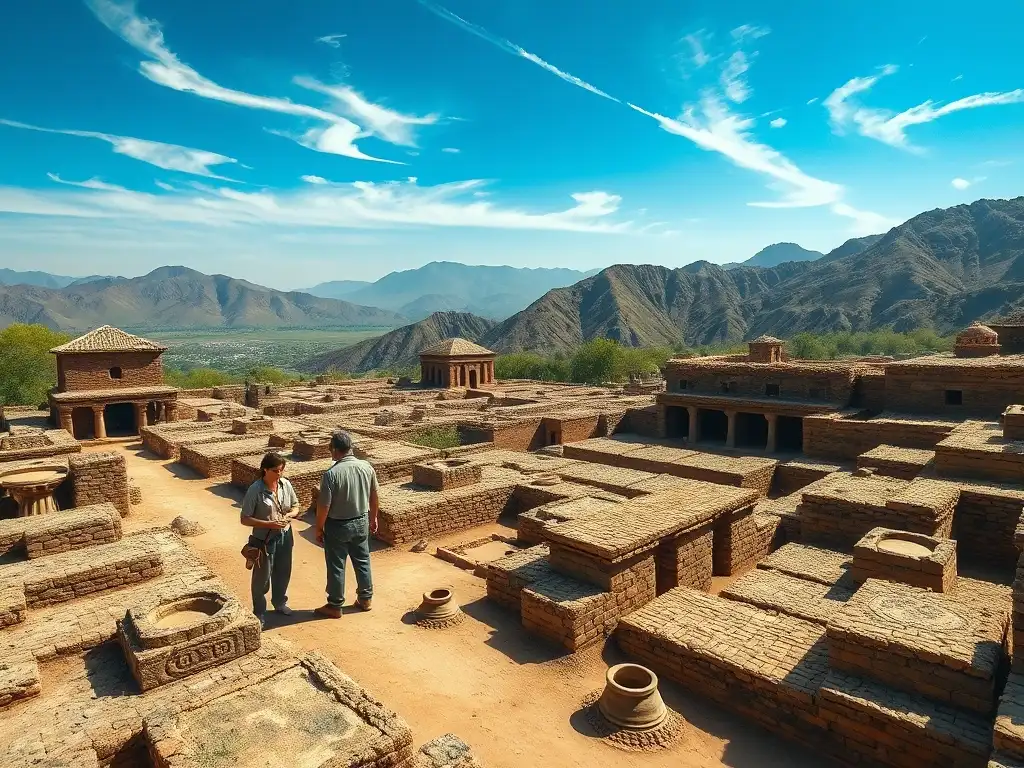
Welcome to Ancient India History, where we embark on a captivating journey through the rich tapestry of India's past. In this realm of exploration, we delve into the Indus Valley Civilization history, unearthing the mysteries of Northern India's first urban culture. What secrets lie buried beneath the sands of time? How did this remarkable civilization shape the cultural and historical landscape of ancient India? Join us as we uncover the fascinating stories, innovations, and legacies that continue to influence our world today. Prepare to be intrigued and inspired—your adventure into the heart of ancient civilizations begins now!
The Indus Valley Civilization (IVC), thriving around 3300 to 1300 BCE, stands as one of the most significant chapters in the history of Northern India. Renowned for its advanced urban planning, sophisticated architecture, and intricate social systems, the IVC represents a critical foundation in understanding the evolution of Indian civilization.
As we delve into the intricacies of this ancient culture, we will explore its socio-economic structures, technological advancements, and the enigmatic factors that led to its eventual decline. This article aims to illuminate the Indus Valley Civilization history, shedding light on its contributions to the broader tapestry of ancient Indian heritage, and offering insights into a civilization that remains a subject of fascination and scholarly inquiry.
The exploration of the IVC not only enhances our comprehension of urbanization but also invites us to reflect on the complexities of human society long before the dawn of recorded history. Through archaeological findings and modern research, we can piece together the mysteries that surround this remarkable civilization, uncovering the legacies that continue to influence contemporary India. Let's embark on this journey to unravel the enigma of the Indus Valley Civilization, focusing on its remarkable achievements and enduring significance in the historical narrative of Northern India.
- Introduction to Indus Valley Civilization History
- Geographic Context of the Indus Valley Civilization
- Societal Structure of the Indus Valley Civilization
- Economic Aspects of Indus Valley Civilization
- Cultural Contributions of the Indus Valley Civilization
- Decline and Mysteries of the Indus Valley Civilization
- Legacy of the Indus Valley Civilization in Northern India
- Conclusion: The Significance of Indus Valley Civilization History
- Frequently Asked Questions
- Final Reflection: Embracing the Legacy of the Indus Valley Civilization
- Unveil the Secrets of the Indus Valley Civilization!
Introduction to Indus Valley Civilization History
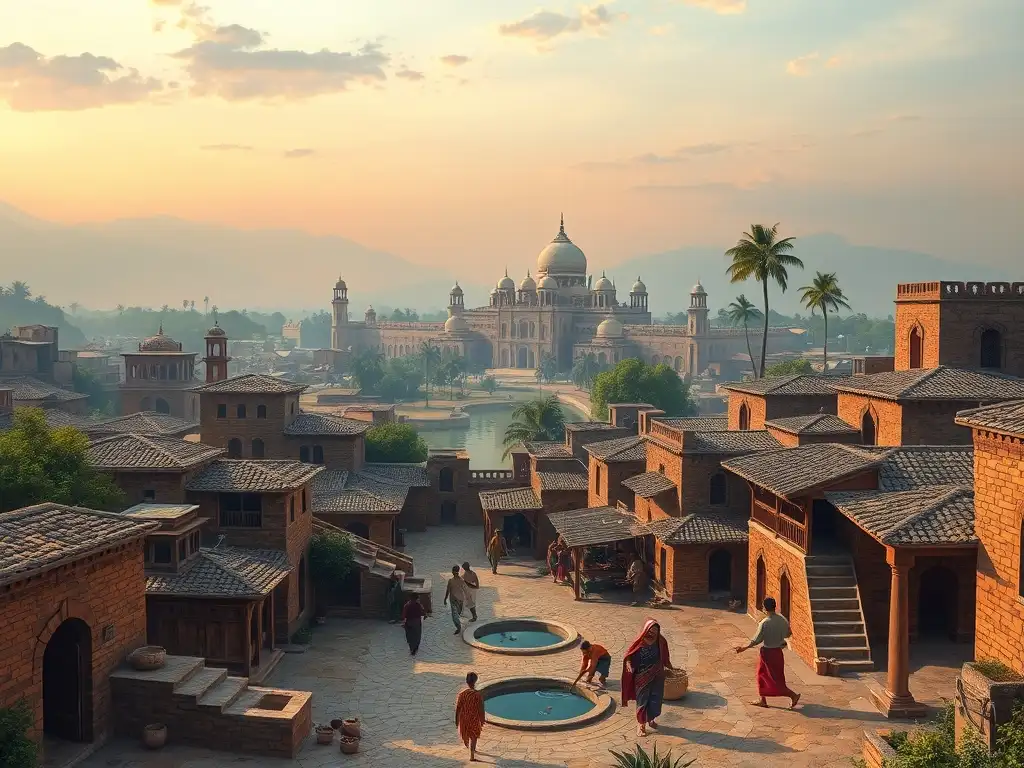
The Indus Valley Civilization (IVC), one of the world's earliest urban cultures, flourished around 2500 BCE in the northwestern regions of South Asia, primarily in present-day Pakistan and northwest India. Characterized by advanced urban planning, complex societal structures, and significant technological innovations, the IVC offers invaluable insights into the early development of human civilization. Its study is crucial for understanding the socio-economic, cultural, and political landscapes of ancient Northern India.
Overview of the Indus Valley Civilization
The Indus Valley Civilization emerged during the Bronze Age, encompassing a vast area that stretched from the Indus River in the west to the Ganges River in the east. Major urban centers such as Harappa and Mohenjo-Daro exemplified the civilization's architectural and engineering prowess. These cities featured:
- Well-planned layouts: Streets were laid out in a grid pattern, with advanced drainage systems that showcased a remarkable understanding of urban infrastructure.
- Standardized weights and measures: The use of uniform weights indicates a sophisticated system of trade and commerce, facilitating economic interactions across regions.
- Advanced craftsmanship: Artisans produced intricate pottery, jewelry, and seals, often depicting animals and script, reflecting a rich cultural life.
Despite its achievements, the Indus Valley Civilization faced eventual decline and abandonment, likely due to factors such as climate change, river shifts, and potential invasions. Understanding these aspects is crucial for piecing together the historical narrative of this enigmatic civilization.
Importance of Studying the Indus Valley Civilization
Studying the Indus Valley Civilization is essential for several reasons:
- Cultural Heritage: The IVC represents a foundational period in the cultural and historical evolution of the Indian subcontinent. Its influences can be traced in subsequent Indian cultures, making it a vital part of the region's heritage.
- Technological Innovations: The sophisticated urban planning and engineering solutions of the IVC offer insights into early human ingenuity. Their water management systems and standardized brick sizes are examples of advanced technological practices that laid the groundwork for future developments.
- Trade and Economy: The extensive trade networks established during the IVC highlight the economic sophistication of ancient societies. By studying these trade routes, researchers can better understand the economic relationships between different ancient civilizations.
- Social Structure: The artifacts and urban layout suggest a complex social hierarchy and governance system. Analyzing these structures aids historians in comprehending the evolution of societal norms and governance in ancient India.
- Script and Language: Although the script of the Indus Valley remains undeciphered, studying it provides clues about the communication methods of early civilizations. Understanding this can contribute to the broader field of linguistics and the study of early writing systems.
The Indus Valley Civilization history is a rich tapestry that reveals the complexities of early urban life and cultural development in Northern India. Its study not only enriches our understanding of the past but also informs contemporary discussions about urbanization, trade, and cultural exchange.
Geographic Context of the Indus Valley Civilization
Location and Extent of the Indus Valley
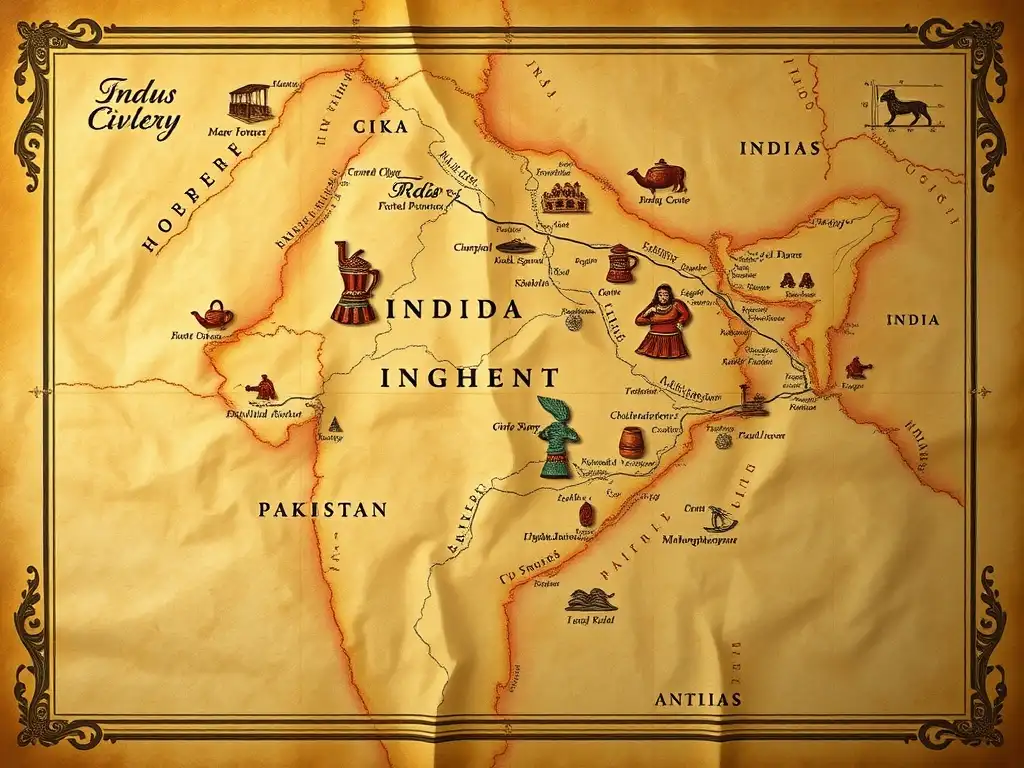
The Indus Valley Civilization (IVC), one of the world's earliest urban cultures, thrived in the northwestern region of the Indian subcontinent, primarily in what is today Pakistan and northwest India. The civilization emerged around 3300 BCE and lasted until approximately 1300 BCE, marking a significant period in ancient history.
The geographical extent of the IVC covered a vast area, including:
- Major Regions:
- The fertile plains of the Indus River
- The Thar Desert
- The surrounding regions of the Ghaggar-Hakra River system
- Parts of eastern Afghanistan
Overall, the civilization spanned an area of about 1,260,000 square kilometers, making it one of the largest ancient civilizations. The strategic location along the Indus River provided ample water supply and fertile land for agriculture, which was essential for sustaining urban life.
Major Cities of the Indus Valley Civilization
The Indus Valley Civilization was characterized by its remarkable urban centers, which were meticulously planned and executed. Among these, two cities stand out as prime examples of the civilization's achievements:
Harappa: A Hub of Urban Planning
Harappa, one of the earliest cities of the Indus Valley Civilization, is located in present-day Punjab, Pakistan. This city exemplifies advanced urban planning and architectural design.
Key features of Harappa include:
- Grid Layout: The city was laid out in a grid pattern, showcasing a high level of urban planning.
- Drainage System: Harappa's drainage system was sophisticated, with covered drains running along the streets and waste disposal methods that reflected the civilization's emphasis on hygiene.
- Architecture: Buildings were constructed using standardized baked bricks, which contributed to the durability and uniformity of urban structures.
- Economic Activities: Harappa served as a significant center for trade, possibly engaging in commerce with distant regions due to its strategic location and advanced infrastructure.
Mohenjo-Daro: The Architectural Marvel
Mohenjo-Daro, another iconic city of the Indus Valley Civilization, is situated near the Indus River in Sindh, Pakistan. This city is often regarded as an architectural marvel of ancient times.
Prominent aspects of Mohenjo-Daro include:
- The Great Bath: This impressive structure is believed to have been used for ritual purification, indicating the importance of water in the culture.
- Citadel and Lower City: Mohenjo-Daro was divided into a citadel, which housed public buildings, and a lower city for residential areas, showcasing a clear distinction in urban planning.
- Artistic Expression: The city is notable for its artistic artifacts, including seals, pottery, and figurines, which reflect the aesthetic values and social practices of its inhabitants.
- Decline: Despite its advancements, Mohenjo-Daro faced decline around 1900 BCE, possibly due to environmental changes, which poses questions about the sustainability of urban civilizations.
The Indus Valley Civilization history is a testament to the ingenuity and sophistication of ancient societies. The extensive urban planning, advanced engineering, and rich cultural expressions found in cities like Harappa and Mohenjo-Daro continue to inspire awe and research in modern times.
Societal Structure of the Indus Valley Civilization
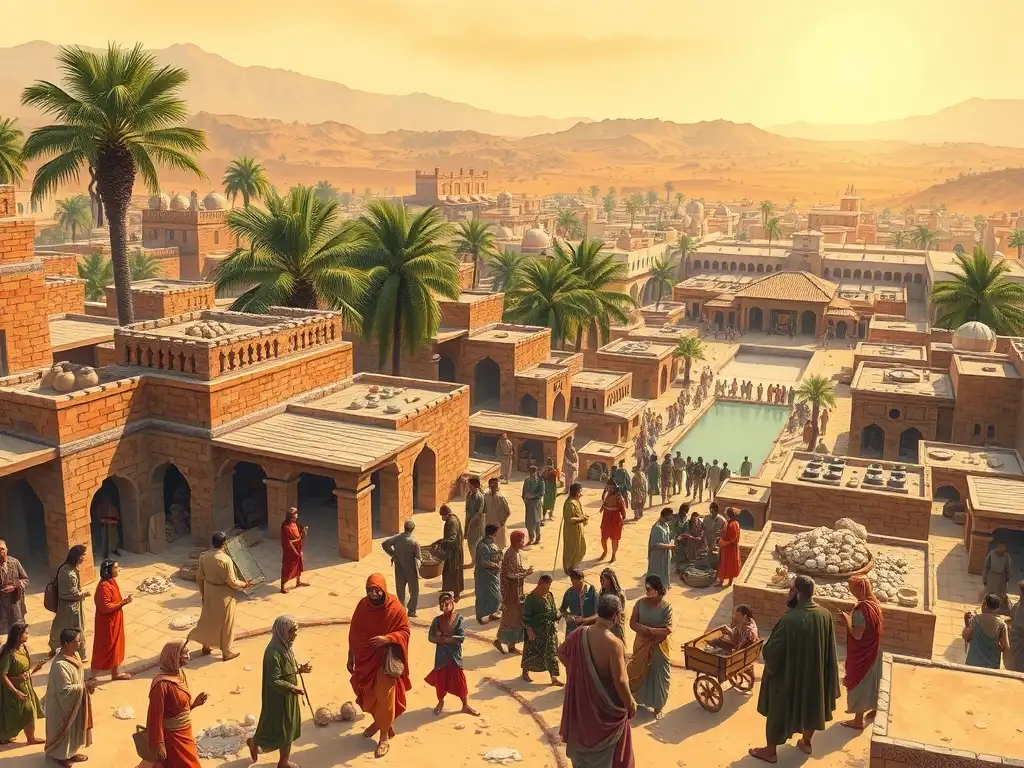
The Indus Valley Civilization (IVC) is renowned not only for its advanced urban planning and architectural prowess but also for its intricate societal structure. This civilization, which flourished around 2500 BCE in what is now Pakistan and northwest India, exhibited a complex social organization that can be inferred from archaeological findings and urban layouts.
The social hierarchy of the Indus Valley Civilization appears to have been relatively fluid compared to other ancient civilizations. While definitive records are scarce, evidence suggests a tiered structure that may have included several distinct classes:
- Elite Class: This group likely comprised the ruling elites, wealthy merchants, and influential landowners. They resided in large, well-constructed homes, often featuring multiple rooms and advanced sanitation systems. The presence of luxury goods, such as jewelry and fine pottery, indicates their affluent lifestyle.
- Artisans and Craftsmen: Skilled laborers, including potters, weavers, and metalworkers, formed a significant part of the economy. Their specialized skills contributed to the creation of various goods, which were traded both locally and with distant regions.
- Laborers and Farmers: The majority of the population consisted of farmers and laborers who worked the fertile lands surrounding the Indus River. They played a crucial role in sustaining the civilization through agriculture, animal husbandry, and labor-intensive tasks.
- Possible Slavery: While some evidence suggests the existence of a lower class or servitude, the extent and nature of slavery in Indus Valley society remain debated among historians. Unlike in other ancient civilizations, where slavery was more overt, the IVC's approach to this social stratum is less clear.
Roles and Responsibilities within the Community
The roles within the Indus Valley community were likely defined by both social status and occupation. Responsibilities varied widely, contributing to the overall functioning of urban life:
- Governance and Administration: The elite class likely played a pivotal role in governance, overseeing trade, resource distribution, and urban planning. Evidence of standardized weights and measures suggests an organized system of trade and taxation.
- Agricultural Management: Farmers were responsible for cultivating crops such as wheat, barley, and cotton, which were essential for both sustenance and trade. The community relied on irrigation systems to maximize agricultural output.
- Craftsmanship and Trade: Artisans produced goods that were not only functional but also artistic, enhancing the cultural fabric of the civilization. Trade networks extended beyond the boundaries of the IVC, with evidence of exchanges as far as Mesopotamia.
- Religious and Spiritual Roles: While the specifics of their beliefs remain enigmatic, there is evidence of ritualistic practices and possibly priestly classes who may have overseen religious ceremonies, indicating a structured belief system.
Evidence of Gender Equality in Indus Valley Civilization
One of the most striking aspects of the Indus Valley Civilization is the evidence suggesting a degree of gender equality that was uncommon in many ancient cultures. Several archaeological findings support this assertion:
- Artifacts and Figurines: Numerous figurines depicting female figures have been unearthed, often showcasing a range of attire and adornments. This suggests that women held a visible and possibly significant role in society.
- Burial Practices: The analysis of burial sites indicates that women were often buried with valuable goods, similar to their male counterparts. This practice implies a recognition of their status and contributions within the community.
- Economic Participation: Evidence suggests that women may have actively participated in economic activities, including agriculture and crafts. The presence of female figurines in workshop contexts hints at their involvement in production processes.
- Social Representation: Unlike many contemporary civilizations, where women were often marginalized, the Indus Valley Civilization appears to have allowed women a prominent place in social structures, potentially influencing family and community decisions.
The societal structure of the Indus Valley Civilization reflects a complex interplay of roles and responsibilities, characterized by relative equality and community interdependence. This unique model provides insights into how one of history's earliest urban cultures functioned and thrived in the context of Northern India's rich heritage.
Economic Aspects of Indus Valley Civilization
The Indus Valley Civilization (IVC), known for its advanced urban planning and societal organization, also exhibited a robust economic framework that played a crucial role in its development and sustainability. Understanding the economic aspects of the IVC provides insight into how this ancient civilization thrived in Northern India. Below, we delve into the key elements of the IVC's economy, including agricultural practices, trade networks, and artisanal crafts.
Agricultural Practices and Crop Cultivation
Agriculture was the backbone of the Indus Valley economy, with fertile land along the banks of the Indus River enabling the cultivation of various crops. The civilization's agricultural practices were characterized by several key features:
- Irrigation Systems: The IVC utilized sophisticated irrigation techniques, including canals and water reservoirs, to manage water supply effectively. This innovation allowed farmers to cultivate crops even during dry seasons.
- Diverse Crops: The primary crops cultivated included:
- Wheat: A staple food, wheat was extensively grown, with archaeological evidence indicating its use dating back to the early phases of the civilization.
- Barley: Another important crop, barley was likely used for food as well as for brewing purposes.
- Legumes: Pulses like chickpeas and lentils were also cultivated, contributing to the nutritional diversity of the diet.
- Cotton: The IVC is notable for being one of the earliest producers of cotton, which was used to make textiles.
- Agricultural Tools: Excavations have uncovered various tools such as plows and sickles, indicating a level of technological advancement in farming practices.
The successful agricultural practices not only supported the local population but also provided surplus produce for trade, further enhancing the economic standing of the Indus Valley Civilization.
Trade Networks and Economic Exchanges
The Indus Valley Civilization established extensive trade networks that connected it with neighboring regions and distant lands. These networks were critical for the exchange of goods, ideas, and cultural practices.
- Local and Long-Distance Trade: The economic exchanges included both local trade within the IVC and long-distance trade with regions such as Mesopotamia, Persia, and the Arabian Peninsula. Goods traded included:
- Raw materials: Such as copper, ivory, and semi-precious stones.
- Crafted products: Including pottery, jewelry, and textiles.
- Trade Routes: The IVC utilized well-defined trade routes, both overland and maritime, facilitating the movement of goods. Evidence of dockyards, particularly in Harappa and Mohenjo-Daro, suggests that the civilization engaged in maritime trade.
- Standardization of Weights and Measures: The use of uniform weights and measures for trade transactions indicates a high level of economic organization and regulation within the IVC. This standardization likely helped to streamline trade practices and foster trust among merchants.
The trade networks not only enhanced the economic prosperity of the Indus Valley Civilization but also facilitated cultural exchanges that enriched its society.
Artisanal Crafts and Goods
Artisans played a vital role in the economic landscape of the Indus Valley Civilization, producing a wide array of goods that showcased their skills and creativity. The artisanal crafts can be categorized as follows:
- Pottery: The IVC is renowned for its distinctive pottery, characterized by intricate designs and high-quality craftsmanship. Both utilitarian and decorative pottery were produced, often featuring geometric patterns and animal motifs.
- Metalwork: Skilled artisans crafted tools, weapons, and ornaments from various metals, including copper, bronze, and gold. The use of metallurgy in the IVC was advanced for its time, contributing to both everyday life and trade.
- Textiles: The production of textiles, particularly cotton, was a significant aspect of IVC craftsmanship. Archaeological findings suggest a sophisticated textile industry, with various techniques employed in spinning and weaving.
- Bead Making: The IVC was known for its exquisite bead-making industry, utilizing materials such as semi-precious stones, shells, and metals. These beads were not only used for personal adornment but also served as important trade items.
The artisanal crafts of the Indus Valley Civilization reflect the advanced skills and cultural richness of its people, contributing significantly to its economic framework and cultural identity.
The economic aspects of the Indus Valley Civilization reveal a complex and dynamic society that thrived through innovative agricultural practices, extensive trade networks, and skilled artisanal crafts. Understanding these elements provides a clearer picture of how the IVC sustained itself and interacted with the broader ancient world.
Cultural Contributions of the Indus Valley Civilization
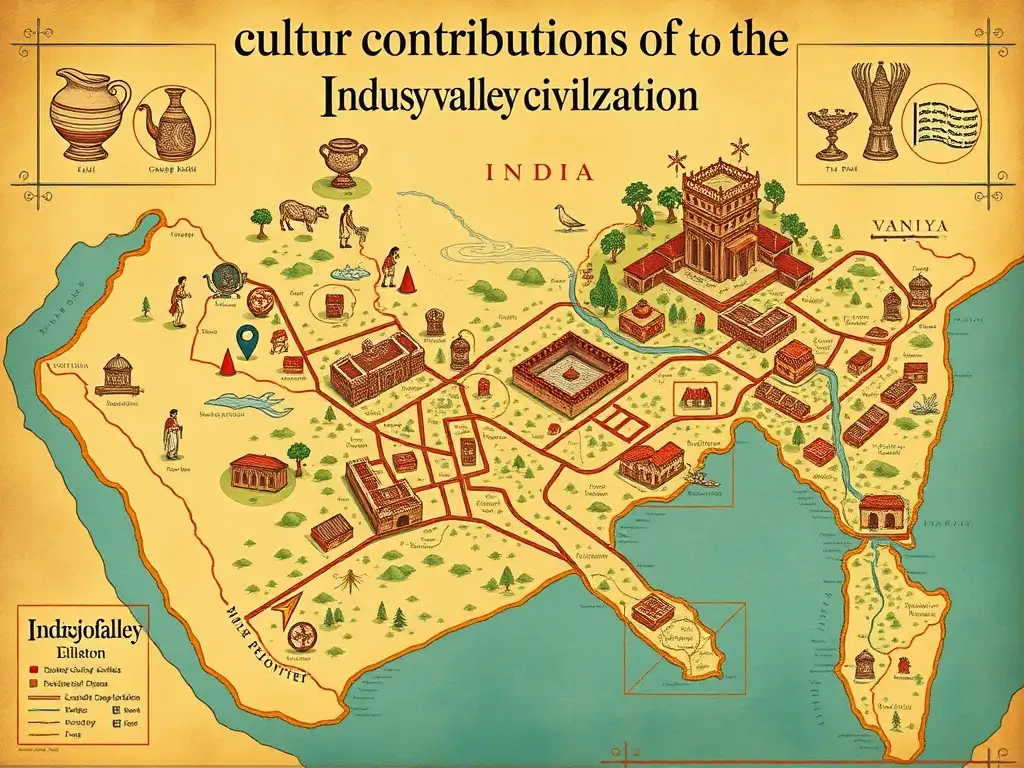
The Indus Valley Civilization (IVC) is renowned not only for its urban planning and architecture but also for its rich cultural contributions that have had a lasting impact on the region's history. These contributions encompass a variety of aspects such as writing, art, craftsmanship, and religious practices, each reflecting the sophistication and complexity of this ancient civilization.
Writing System: The Indus Script
The Indus Valley Civilization is notable for its unique writing system, commonly referred to as the Indus Script.
- Characteristics:
- The script consists of over 400 distinct symbols, which have been found on various seals, pottery, and other artifacts.
- The direction of writing is still debated, but many inscriptions appear to be written in a right-to-left format.
- Current Understanding:
- Despite numerous attempts to decipher the Indus Script, it remains largely undeciphered. Scholars believe it could represent a form of logosyllabic writing, where symbols denote whole words or syllables.
- The short length of most inscriptions, often consisting of just a few characters, complicates the decipherment process.
- Significance:
- Cultural Identity: The script likely played a crucial role in administrative communication, trade, and cultural expression, indicating a complex socio-political structure.
- Linguistic Heritage: The existence of the Indus Script raises questions about the languages spoken in the region, hinting at a possible connection to later languages in the Indian subcontinent.
Art and Craftsmanship in Indus Valley Civilization
Art and craftsmanship flourished in the Indus Valley Civilization, reflecting the civilization’s advanced skills and cultural values.
- Pottery:
- The pottery of the IVC is characterized by its fine quality and intricate designs. Notable techniques include red slip painting and the use of geometric patterns, animals, and human figures.
- The discovery of painted pottery in sites like Mohenjo-Daro reveals the aesthetic sensibilities of the people.
- Sculpture and Seals:
- Small carvings, such as figurines of animals and human figures, showcase the artistry of the civilization. The famous dancing girl bronze statue exemplifies the skill in metalwork.
- Seals, often made of steatite, were intricately carved and used for trade and administrative purposes. They often depict animals like unicorns, which may have held symbolic meanings.
- Textiles and Jewelry:
- Evidence suggests that the inhabitants of the Indus Valley produced textiles, possibly using cotton, which was an innovation of the time.
- Jewelry made from semi-precious stones, such as lapis lazuli and carnelian, demonstrates the sophistication of their trade networks and craftsmanship.
- Architectural Art:
- The cities were adorned with public baths, granaries, and well-planned streets, reflecting not only utility but also a sense of communal aesthetic.
Religion and Spiritual Practices
The religious beliefs and spiritual practices of the Indus Valley Civilization remain subjects of intrigue, as few written records exist to provide clear insights.
- Deities and Symbols:
- While specific deities remain unidentified, certain seals feature figures that may represent religious figures or deities. The Pashupati seal, depicting a figure with multiple horns seated in a yogic posture, is often interpreted as a precursor to later Hindu deities.
- Rituals and Practices:
- Evidence of ritualistic practices is suggested by the presence of large public baths, such as the Great Bath at Mohenjo-Daro, which may have held ceremonial significance.
- Fire altars found at certain sites imply that fire rituals were an integral aspect of their spiritual life.
- Burial Practices:
- The burial customs of the IVC indicate a belief in an afterlife. Graves were often equipped with pottery, jewelry, and other artifacts, hinting at a belief in the continuity of existence after death.
- Cultural Continuity:
- Many elements of the IVC's religious practices appear to have influenced later Indian religions, suggesting a continuity of cultural traditions.
The cultural contributions of the Indus Valley Civilization are manifold, encompassing a unique writing system, exceptional artistry, and complex spiritual practices. These elements highlight the civilization's sophistication and its enduring legacy in the history of Northern India.
Decline and Mysteries of the Indus Valley Civilization
The decline of the Indus Valley Civilization (IVC) remains one of the most intriguing aspects of its history, shrouded in speculation and debate. Various theories attempt to explain how this once-thriving urban culture, known for its sophisticated cities, advanced drainage systems, and trade networks, fell into decline around 1900 BCE. Understanding the factors that contributed to this decline is essential for unraveling the mysteries surrounding the Indus Valley Civilization history.
Theories on the Decline of the Indus Valley Civilization
Numerous theories have emerged regarding the decline of the Indus Valley Civilization, each presenting a unique perspective on the potential causes. The primary theories include:
- Environmental Changes:
- Climate Change: Shifts in climate may have led to droughts, significantly impacting agriculture. Evidence suggests that a gradual drying of the region could have disrupted the agricultural base of the civilization, leading to food shortages.
- River Shifts: The Indus River and its tributaries may have changed course or diminished in flow, affecting irrigation and trade routes. This alteration would have crippled the agricultural output and economic stability of the cities.
- Sociopolitical Factors:
- Internal Conflict: Some researchers propose that social unrest or warfare may have erupted within the city-states. The absence of a centralized authority may have made the civilization vulnerable to internal strife.
- Invasion by Foreign Tribes: Another theory posits that invasions by nomadic tribes from the north, such as the Aryans, might have contributed to the decline. However, evidence for large-scale invasions remains inconclusive.
- Economic Decline:
- Trade Disruptions: The IVC was heavily dependent on trade with neighboring regions, including Mesopotamia. Disruptions in these trade networks due to economic or environmental factors could have led to a decline in wealth and resources.
- Resource Depletion: Overexploitation of natural resources, such as timber and water, could have contributed to an unsustainable economy, leading to societal collapse.
Archaeological Discoveries and Ongoing Research
Archaeological research continues to shed light on the Indus Valley Civilization, revealing new insights into its societal structure, daily life, and eventual decline. Key discoveries include:
- Excavations at Harappa and Mohenjo-Daro: Ongoing excavations at these major sites have uncovered advanced urban planning, including grid layouts, public baths, and sophisticated drainage systems. These findings highlight the complexity of IVC society.
- Material Culture: Artifacts such as pottery, seals, and tools provide clues about the economic activities and trade connections of the Indus Valley people. The discovery of weights and measures indicates a standardized system for trade, pointing to an organized economy.
- Research Techniques: Modern techniques such as aerial surveys and ground-penetrating radar have enhanced archaeological methods, allowing researchers to explore previously inaccessible sites and uncover hidden structures.
- Interdisciplinary Studies: Collaboration among archaeologists, environmental scientists, and historians has led to a more comprehensive understanding of the civilization's environmental context and how it may have influenced societal changes.
Unsolved Mysteries of the Indus Valley Civilization
Despite extensive research, several mysteries surrounding the Indus Valley Civilization persist, making it a subject of great fascination among historians and archaeologists:
- Writing System: The Indus script remains undeciphered, leading to questions about the civilization's communication methods and administrative practices. Without understanding their writing, much of their societal structure and culture remains elusive.
- Religion and Rituals: The religious beliefs and practices of the IVC are still largely unknown. Archaeological findings, such as figurines and seals depicting animals and possible deities, hint at a complex belief system, yet definitive evidence is lacking.
- Population Decline: The exact timeline and nature of the population decline are still debated. Was it a gradual process, or did it occur suddenly? The absence of clear evidence makes this question difficult to answer.
- Cultural Continuity: The relationship between the Indus Valley Civilization and subsequent cultures, such as the Vedic civilization, raises questions about cultural continuity. Did the people of the IVC assimilate into new cultures, or did they vanish entirely?
The decline of the Indus Valley Civilization is a multifaceted topic that encompasses environmental, social, and economic factors, each contributing to its enigmatic history. Ongoing archaeological discoveries and research continue to uncover layers of this ancient civilization, yet many questions remain unanswered, ensuring that the mysteries of the Indus Valley will continue to captivate scholars and enthusiasts alike.
Legacy of the Indus Valley Civilization in Northern India
The Indus Valley Civilization (IVC), flourishing around 2500 BCE in what is now Pakistan and northwest India, left a profound legacy that significantly influenced the trajectory of later Indian civilizations. This ancient urban culture is recognized for its advanced city planning, sophisticated drainage systems, and the use of standardized weights and measures, which laid the groundwork for the socio-economic structures of subsequent societies in the region.
Influence on Later Indian Civilizations
The influence of the Indus Valley Civilization on later Indian civilizations can be observed in several key areas:
-
Urban Planning and Architecture
The meticulous urban planning seen in Harappa and Mohenjo-Daro, characterized by grid layouts and advanced drainage systems, set a precedent for future city developments in northern India. Subsequent civilizations, such as those in the Gangetic plains, adopted similar urban designs, reflecting the IVC's emphasis on organization and public hygiene.
-
Trade and Economy
The IVC was a hub of trade, linking various regions through extensive trade networks. This practice continued with later civilizations, which built upon the trade routes established by the IVC. The use of standardized weights and measures introduced during the IVC facilitated commerce, and these practices were carried forward, fostering economic growth and cultural exchange in ancient India.
-
Cultural and Technological Innovations
The Indus Valley Civilization was marked by advancements in metallurgy, pottery, and textiles. The technological innovations, such as the production of cotton textiles, influenced the economic practices of later cultures. The craftsmanship and artistic styles seen in IVC artifacts can be traced in subsequent artistic endeavors, indicating a continuity in cultural expression.
-
Religious and Symbolic Practices
Archaeological findings suggest that early forms of religious practices and symbolism from the IVC, including the worship of mother goddesses and fertility symbols, influenced later Hindu traditions. The continuity of certain motifs and deities from the IVC period into later Indian religious practices underscores its lasting impact on the spiritual landscape of the region.
-
Societal Structure
The social organization of the IVC, which appears to have been relatively egalitarian compared to later hierarchical societies, potentially influenced the social structures of subsequent civilizations. Elements of communal governance and urban citizenship may have their roots in the practices established during the height of the IVC.
Preservation and Study of Indus Valley Sites
The preservation and study of Indus Valley sites are critical for understanding the complexities of this civilization and its legacy. Archaeological efforts have been pivotal in uncovering the mysteries of the IVC, leading to significant discoveries that have enriched our understanding of ancient northern India.
-
Major Sites
Key archaeological sites such as Harappa, Mohenjo-Daro, and Dholavira have been at the forefront of research. These sites have provided invaluable insights into the urban layout, economy, and daily life of the IVC population. Ongoing excavations continue to reveal new artifacts and structures, enhancing our comprehension of this ancient civilization.
-
Challenges in Preservation
Despite the importance of these sites, many face threats from urban development, climate change, and insufficient funding for archaeological research. Conservation efforts are essential to protect these irreplaceable cultural heritage sites from degradation. International collaborations and local initiatives are increasingly being called upon to ensure the preservation of these ancient ruins.
-
Technological Advances in Archaeology
The application of modern technology, such as remote sensing and GIS mapping, has transformed the study of the IVC. These techniques allow researchers to analyze large areas of land and uncover hidden structures without extensive excavation. This innovative approach not only aids in preservation but also enriches our understanding of the spatial organization of IVC settlements.
-
Public Engagement and Education
Increasing awareness of the Indus Valley Civilization's significance is crucial for its preservation. Educational programs and public exhibitions play a vital role in fostering appreciation for this ancient culture. Engaging local communities in preservation efforts can also promote sustainable tourism, creating a balance between economic development and cultural conservation.
The legacy of the Indus Valley Civilization is profound, influencing various aspects of later Indian civilizations. Its preservation and study remain critical for understanding the foundations of urban culture in northern India and ensuring that future generations can appreciate this remarkable chapter in human history.
Conclusion: The Significance of Indus Valley Civilization History
The Indus Valley Civilization (IVC) stands as a monumental chapter in the annals of ancient Indian history, showcasing the remarkable achievements and advancements of one of the world's earliest urban cultures. The significance of IVC history extends beyond its chronological existence; it lays the foundation for understanding the cultural, social, and technological evolution that has shaped modern India.
The urban planning, sophisticated drainage systems, and standardized weights and measures of the Indus Valley cities, such as Harappa and Mohenjo-Daro, demonstrate a level of governance and civic organization that was unparalleled for its time. These achievements contribute to our understanding of how early societies organized themselves and interacted with their environment, influencing future civilizations in the region.
Reflections on the Indus Valley's Impact on Modern India
The legacy of the Indus Valley Civilization is woven into the cultural fabric of contemporary India. From urban planning principles to agricultural practices, the innovations of the IVC set precedents that resonate even today.
- Cultural Heritage: The craftsmanship and artistry found in IVC artifacts reflect an aesthetic sensibility that continues to inspire Indian artisans. Pottery, jewelry, and seals from this era are not only historical records but also sources of inspiration for modern design.
- Agricultural Advances: The agricultural practices of the IVC, particularly the cultivation of wheat and barley, laid the groundwork for India's agrarian society. The knowledge of irrigation and crop management developed during this period has influenced agricultural methodologies through the ages.
- Urban Influence: The urban planning techniques employed in IVC cities can be seen in the layout of modern cities, highlighting the importance of infrastructure and urban governance. The emphasis on sanitation and public works has had a lasting impact on urban development strategies in contemporary India.
In understanding the IVC's contributions, we recognize the civilization's role not only as a historical entity but as a vital influence on India's cultural and societal evolution.
Future Research Directions in Indus Valley Civilization Studies
As scholars continue to explore the depths of Indus Valley Civilization history, several avenues for future research emerge. These directions promise to enhance our comprehension of this ancient culture and its relevance to modern society.
- Archaeological Discoveries: Ongoing excavations in the Harappan region are likely to yield new findings. The utilization of advanced technologies such as ground-penetrating radar and 3D modeling can uncover hidden structures and artifacts, offering fresh insights into urban life.
- Interdisciplinary Approaches: Integrating methodologies from fields such as anthropology, genetics, and climate science can enrich the study of the IVC. Understanding the impact of climate change on agricultural practices and settlement patterns could shed light on the civilization's eventual decline.
- Cultural Connections: Investigating the connections between the IVC and contemporaneous civilizations, such as Mesopotamia and Ancient Egypt, can provide a broader context for understanding trade, cultural exchange, and technological diffusion.
- Public Engagement: Engaging with local communities and incorporating indigenous knowledge into research can enhance the appreciation of the IVC's heritage. Educational programs and exhibitions can foster public interest and understanding of this pivotal period in history.
The history of the Indus Valley Civilization is not merely a record of the past; it is a vibrant narrative that continues to inform and inspire the present and future of India. The ongoing exploration of this ancient civilization offers invaluable lessons about human ingenuity, resilience, and the interconnectedness of cultures across time.
Frequently Asked Questions
What is the Indus Valley Civilization?
The Indus Valley Civilization is one of the world's oldest urban cultures, flourishing around 2500 BCE in what is now Pakistan and northwest India. It is known for its advanced city planning and sophisticated drainage systems.
What were the major cities of the Indus Valley Civilization?
Key cities included Harappa and Mohenjo-Daro, both renowned for their urban planning, public baths, and granaries. These cities served as important centers for trade and administration.
How did the Indus Valley Civilization contribute to ancient culture?
The civilization contributed significantly with its innovative architecture, art, and writing systems. It also established trade networks that influenced later cultures in the region.
What led to the decline of the Indus Valley Civilization?
The decline is attributed to factors such as climate change, resource depletion, and possible invasions. These led to a gradual abandonment of cities and a shift in population.
How does the Indus Valley Civilization relate to later Indian history?
The Indus Valley Civilization laid the foundation for later Indian cultures, influencing aspects like urbanization, agriculture, and trade practices that would continue through subsequent eras, including the Gupta Empire.
Final Reflection: Embracing the Legacy of the Indus Valley Civilization
The exploration of the Indus Valley Civilization history reveals not only the remarkable achievements of one of the world's earliest urban cultures but also its profound relevance in today's context. As we navigate through the complexities of modern civilization, understanding the innovations and societal structures of the Indus Valley offers us invaluable lessons on sustainability, urban planning, and cultural diversity. The echoes of this ancient society remind us that our current challenges are not new; they have been faced and addressed by those who came before us.
The enduring influence of the Indus Valley Civilization is evident in our cultural and social landscapes, where its contributions to trade, architecture, and governance continue to resonate. Reflecting on this ancient civilization allows us to appreciate the interconnectedness of human history and the shared experiences that shape our identities. As we delve into the remnants of their sophisticated cities and advanced societal norms, we are reminded of the words of historian R. S. Sharma: The past is not merely a record of what has been; it is a guide to what can be.
This perspective encourages us to draw inspiration from the past as we forge our paths forward.
As we conclude our journey through the Indus Valley Civilization, I invite you to reflect on how its lessons can be applied to our lives today. Consider the importance of community, innovation, and respect for the environment in your daily actions. Let the mysteries of this ancient culture inspire you to engage more deeply with your own heritage and the world around you. Together, we can honor the legacy of the Indus Valley by fostering a future that values collaboration, sustainability, and understanding across cultures.
Unveil the Secrets of the Indus Valley Civilization!
Thank you for immersing yourself in the fascinating world of the Indus Valley Civilization. You've gained insight into the wonders of one of the earliest urban cultures that shaped Northern India. Now, it's your turn to delve deeper!
Here’s how you can continue exploring this incredible history:
- Read more about the complex architecture and urban planning that made the Indus Valley unique. Consider visiting renowned online archives or museums to view artifacts and reconstructions.
- Engage with fellow enthusiasts who share a passion for ancient history! Join a local or online discussion group focused on archaeology or ancient civilizations to exchange ideas and insights.
- Share your reflections! Write a blog post or social media update about what fascinated you most about the Indus Valley, encouraging friends and followers to join the conversation.
What aspect of the Indus Valley Civilization sparks your curiosity the most, and how do you think it influenced later cultures? We invite you to share your thoughts below!