
The Influence of Ancient Western India on Modern Indian Culture

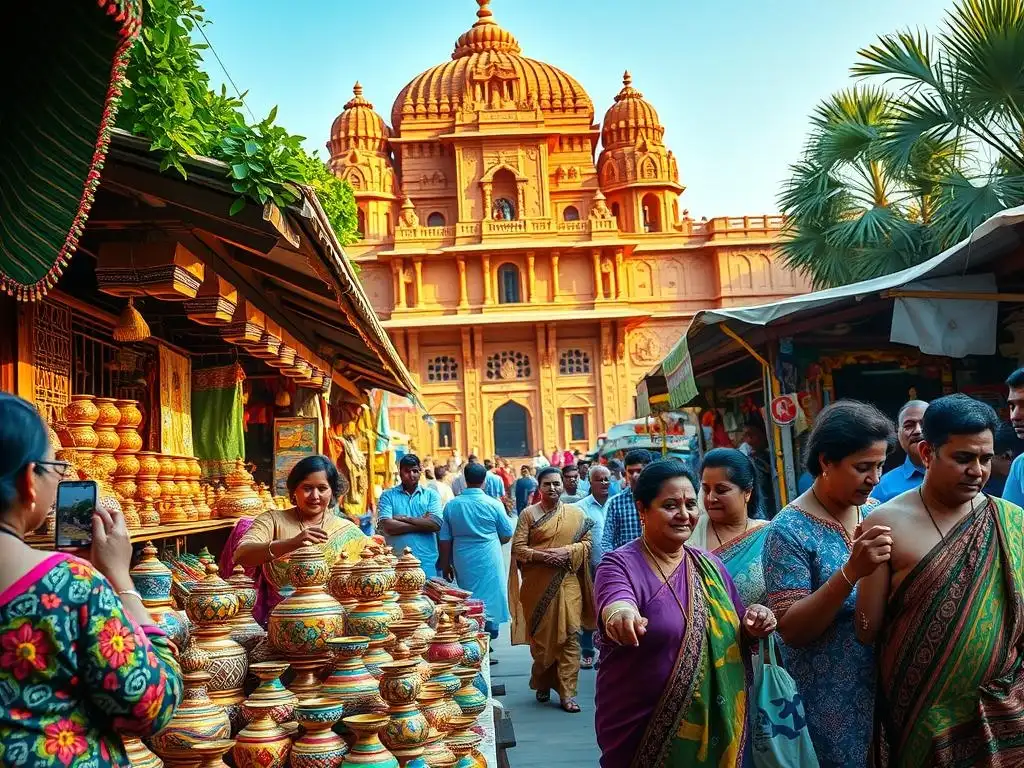
Welcome to Ancient India History, where we embark on a fascinating journey through the intricate tapestry of ancient Indian civilizations. From the Indus Valley to the Gupta Empire, our exploration unveils the rich and diverse contributions that have shaped modern Indian culture. In this article, we delve into the influence of ancient Western India, illuminating how its remarkable legacies continue to resonate in contemporary society. Prepare to unlock the secrets of a vibrant past that still echoes through our lives today—let's dive deeper into the captivating world of ancient Western India!
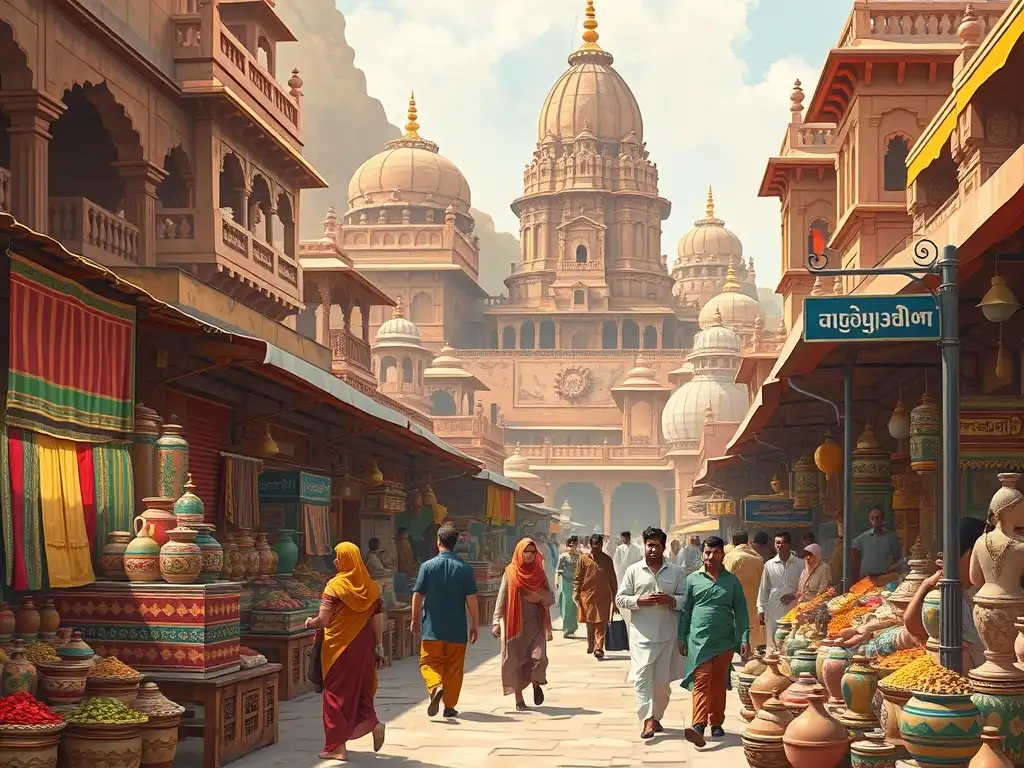
Introduction to Ancient Western India Contributions
Ancient Western India, comprising regions such as Gujarat, Maharashtra, and Rajasthan, has played a pivotal role in shaping the cultural, social, and economic fabric of modern India. This region, known for its rich tapestry of civilizations, has contributed significantly to various aspects of Indian culture, including art, architecture, trade, and philosophy. By exploring the ancient contributions of Western India, we can uncover the historical threads that continue to influence contemporary Indian society. This article aims to delve into the diverse contributions of ancient Western India and their lasting impact on modern Indian culture.
Overview of Ancient Western India
Ancient Western India was characterized by its vibrant trade routes and diverse populations. The region was home to significant civilizations such as the Indus Valley Civilization and later, the Maurya and Gupta Empires. Notable cities like Dholavira and Lothal emerged as critical hubs of trade and cultural exchange, facilitating interactions between different cultures and communities.
The landscape of ancient Western India was marked by flourishing urban centers, intricate architectural styles, and advancements in various fields, including mathematics and astronomy. Furthermore, the region's strategic coastal location allowed for maritime trade, connecting it with distant civilizations like Mesopotamia and Egypt. The blend of indigenous practices with external influences shaped a unique cultural identity that persists today.
Significance of Ancient Western India in Indian History
The significance of ancient Western India in the broader context of Indian history cannot be overstated. This region served as a melting pot of ideas, beliefs, and practices that shaped the historical narrative of the subcontinent.
- Cultural Exchange: Western India facilitated extensive cultural exchanges, particularly through trade. The influx of goods, ideas, and philosophies contributed to a rich intellectual and artistic heritage.
- Political Influence: Various dynasties, including the Mauryas and Guptas, ruled over parts of Western India, leaving a legacy of governance and administration that influenced subsequent empires.
- Religious Developments: The region was a significant center for the spread of religions such as Buddhism and Jainism, further enriching the spiritual landscape of India.
Historical Background of Ancient Western India
Understanding the historical background of ancient Western India is crucial to appreciating its contributions to modern Indian culture. The following sections will explore the major civilizations and key historical events that shaped this region.
Major Civilizations in Ancient Western India
-
Indus Valley Civilization:
One of the earliest urban civilizations, known for its advanced urban planning, drainage systems, and trade networks.
-
Maurya Empire:
A significant empire that unified much of India, promoting political stability and cultural growth.
-
Gupta Empire:
Often referred to as the Golden Age of India, this period witnessed remarkable advancements in science, literature, and the arts.
Key Historical Events Shaping Ancient Western India
-
Trade Expansion (2000 BCE - 500 BCE):
The establishment of trade routes that connected Western India with Mesopotamia, facilitating cultural and economic exchanges.
-
Rise of Buddhism (5th Century BCE):
The emergence of Buddhism as a major religious force, particularly with the patronage of emperors like Ashoka.
-
Cultural Renaissance (4th - 6th Century CE):
The Gupta period, which saw a flourishing of art, literature, and science, leaving a profound impact on Indian culture.
By examining these elements, we can gain a deeper understanding of how ancient Western India has contributed to the rich mosaic of modern Indian culture.
Cultural Contributions of Ancient Western India
Ancient Western India, particularly known for its rich tapestry of cultures, has significantly influenced modern Indian culture through various contributions in art, literature, and architecture. The region, encompassing modern-day states like Gujarat, Maharashtra, and Rajasthan, was a melting pot of diverse communities and traditions. The legacies of these ancient civilizations manifest in contemporary cultural practices, festivals, and social norms, making it an integral part of India's historical narrative.
Art and Architecture Influences
The art and architecture of ancient Western India are characterized by their unique styles and innovative techniques that have endured through the ages. The intricate carvings of the rock-cut caves, such as those found in Ajanta and Ellora, showcase a blend of religious themes and naturalistic representations. These caves, dating back to the 2nd century BCE to the 6th century CE, not only served as monastic retreats but also as centers for artistic expression and cultural exchange.
The architectural marvels of ancient Western India, such as the sun temples of Gujarat and the forts of Rajasthan, reflect a deep understanding of local materials and environmental aesthetics. The use of local stone and intricate jali work (lattice screens) are prominent features that continue to inspire modern architecture. Moreover, the distinct styles of temple architecture, especially in the form of shikhara (spire) and mandapa (pillared hall), have influenced contemporary temple designs across India.
The vibrant painting traditions of the region, including the Warli and Pithora art, represent the everyday life and spiritual beliefs of the local communities. These art forms have seen a resurgence in modern times, with artists drawing inspiration from ancient techniques to create contemporary works that resonate with today’s audience.
Literature and Language Developments
Literature from ancient Western India has played a vital role in shaping the linguistic landscape of modern India. The region was home to several influential literary figures and texts, particularly in Sanskrit and Prakrit, which laid the foundation for many modern Indian languages. The works of ancient poets and playwrights, such as Kalidasa and Bhasa, not only reflect the societal norms of their times but also contribute to the rich tapestry of Indian literature.
The ancient texts, including the Mahabharata and the Puranas, were often recited and performed in various dialects, which helped in the evolution of local languages. This linguistic diversity is evident in the modern vernaculars spoken in Western India today, such as Gujarati and Marathi, which have their roots in the ancient languages of the region.
Additionally, the oral traditions prevalent in ancient Western India have preserved folk tales and narratives that continue to be celebrated in contemporary literature and storytelling. Such traditions foster a sense of cultural identity and continuity, linking the past with the present.
Religious Influences from Ancient Western India
The religious landscape of ancient Western India has been pivotal in shaping the spiritual and cultural practices of modern India. The region was a cradle for various religious movements, with significant contributions to Hinduism, Jainism, and Buddhism, which continue to influence contemporary religious practices and beliefs.
Major Religions Originating in Western India
Ancient Western India is recognized as the birthplace of Jainism, a religion that emphasizes non-violence and asceticism. The teachings of Mahavira, the 24th Tirthankara, originated in this region, and the philosophy of Jainism has deeply influenced ethical and moral frameworks in Indian society. The architectural marvels of Jain temples, with their exquisite carvings and intricate design, continue to be a source of inspiration for modern religious architecture.
Buddhism also flourished in Western India, particularly during the reign of Emperor Ashoka. The rock-cut caves at Ajanta and the stupas at Sanchi are testaments to the region's significance in the spread of Buddhist teachings. The emphasis on peace, compassion, and community found in Buddhism resonates in various modern spiritual practices and community initiatives across the country.
Hinduism, with its myriad of gods, rituals, and cultural practices, has been significantly shaped by the ancient traditions of Western India. The region is home to several sacred sites and pilgrimage routes that remain central to Hindu worship today. Festivals like Navratri and Diwali, which have roots in ancient practices, continue to be celebrated with fervor, showcasing the enduring legacy of ancient religious traditions.
Impact on Modern Religious Practices in India
The influence of ancient Western India on modern religious practices is evident in various aspects of daily life and community rituals. The integration of ancient philosophies, such as non-violence from Jainism and communal harmony from Buddhism, is reflected in contemporary ethical practices and social movements.
Moreover, the festivals, rituals, and customs that originated in ancient Western India have adapted and evolved over time, maintaining their relevance in modern society. For instance, the celebration of religious festivals often incorporates traditional music, dance, and cuisine, fostering community spirit and cultural continuity.
The architectural styles of temples and religious structures built in ancient times have also left a lasting impact on modern designs. The principles of sacred geometry and alignment with celestial bodies continue to inform contemporary religious architecture, ensuring that the spiritual essence of ancient practices is preserved in modern constructions.
The contributions of ancient Western India have profoundly shaped the cultural and religious landscape of modern India, creating a rich legacy that continues to thrive in contemporary society.
Philosophical and Educational Contributions
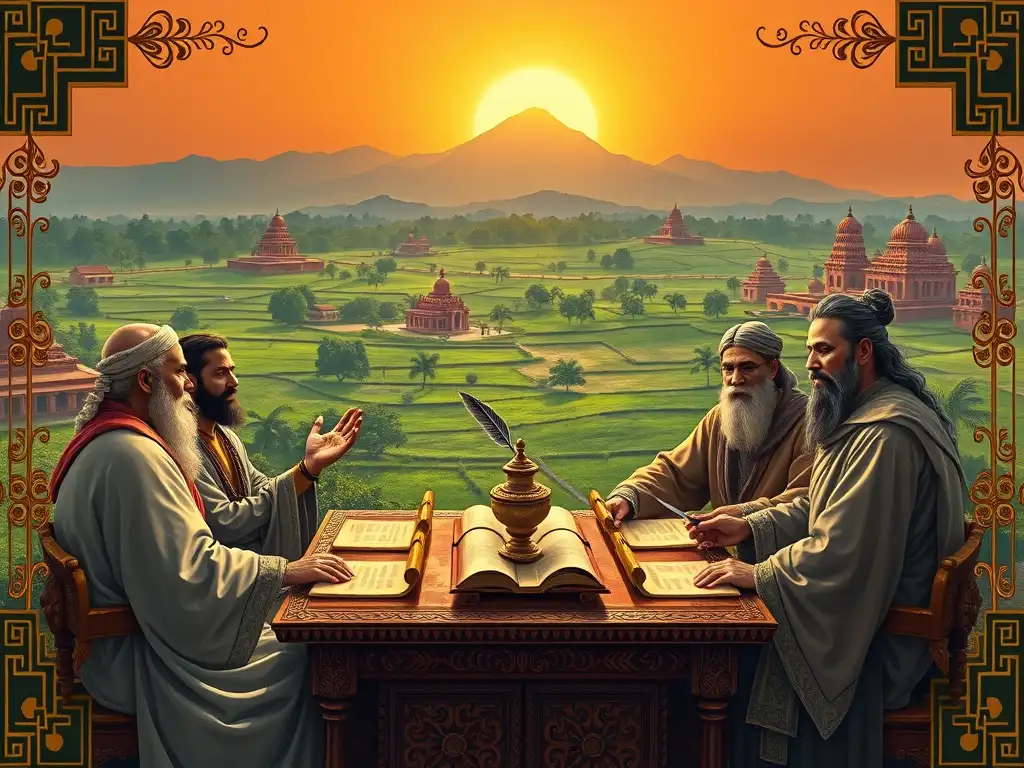
Ancient Western India has played a pivotal role in shaping the philosophical and educational landscape of modern India. From profound philosophical inquiries to the establishment of illustrious centers of learning, this region has left an indelible mark on Indian culture. The teachings and ideologies originating from this area have influenced contemporary thought, ethics, and educational practices, contributing significantly to the rich tapestry of Indian civilization.
Ancient Western Indian Philosophers and Thinkers
The philosophical heritage of ancient Western India is enriched by the contributions of notable thinkers such as Jain sages and Buddhist philosophers. The Madhyamaka school of thought, propagated by figures like Nagarjuna, emerged from this region, emphasizing the concept of emptiness and the middle path, which has resonated through various schools of Indian philosophy. Moreover, Jain philosophy introduced principles like ahimsa (non-violence) and anekantavada (non-absolutism), which have not only shaped ethical discourse in India but also influenced global philosophical discussions.
The legacy of these thinkers is evident in modern Indian philosophy, which continues to explore the themes of morality, existence, and the nature of reality. Their works laid the groundwork for a nuanced understanding of ethics and metaphysics in contemporary Indian society.
The Role of Ancient Universities in Western India
Ancient Western India was home to several prestigious educational institutions, notably the universities of Nalanda and Taxila. These centers of learning attracted scholars from across Asia, promoting a multicultural exchange of ideas. At these universities, subjects such as philosophy, medicine, mathematics, and astronomy were rigorously taught, fostering an environment of intellectual curiosity and innovation.
The pedagogical methods and curricula developed in these institutions have influenced modern educational practices. The emphasis on critical thinking, debate, and comprehensive education can be traced back to these ancient universities, which championed a holistic approach to learning. Thus, their contributions continue to resonate within the educational frameworks of contemporary India.
Economic Contributions of Ancient Western India
Ancient Western India was a hub of economic activity, marked by vibrant trade routes and agricultural innovations. The economic prosperity of this region laid the foundation for its cultural exchanges and societal advancements, ultimately influencing the economic practices of modern India.
Trade Routes and Economic Exchanges
The strategic geographical location of ancient Western India facilitated trade with various regions, including Persia, Arabia, and Southeast Asia. Key trade routes, such as the Silk Road and maritime routes through the Arabian Sea, enabled the exchange of goods, ideas, and cultural practices. This trade network not only fostered economic prosperity but also integrated Western Indian culture with diverse influences.
Merchants from this region traded valuable commodities such as textiles, spices, and gemstones, which became integral to the global economy. The thriving trade practices established during this era have laid the groundwork for modern trade and commerce in India, showcasing the lasting impact of ancient economic exchanges on contemporary practices.
Agricultural Practices and Innovations
Agriculture in ancient Western India was characterized by advanced techniques and innovations that contributed to food security and economic stability. The introduction of irrigation systems, crop rotation, and the cultivation of diverse crops such as millet, wheat, and pulses significantly enhanced agricultural productivity.
These practices not only ensured sustenance for the local population but also facilitated surplus production, which, in turn, supported trade. Many of these agricultural practices have been retained in modern farming techniques, demonstrating the enduring legacy of ancient Western Indian innovations on contemporary agricultural practices in India.
Modern Reflections of Ancient Western India Contributions
The contributions of ancient Western India have had a profound impact on the cultural landscape of modern India. From the artistic expressions and architectural styles to the philosophical teachings that emerged in ancient times, these influences continue to resonate in contemporary society. By examining the various dimensions of this influence, we can appreciate how the rich heritage of ancient Western India forms a crucial part of India's identity today.
Influence on Contemporary Indian Art and Culture
Contemporary Indian art and culture exhibit numerous reflections of ancient Western Indian contributions. The vibrant traditions of painting, sculpture, and dance can trace their origins back to the artistic achievements of historical civilizations such as the Mauryas and the Guptas.
- Artistic Styles: The intricate designs and motifs seen in modern Indian textiles and crafts often draw inspiration from ancient Western Indian patterns. For instance, the use of vibrant colors and geometric shapes in Rajasthani textiles can be linked to the artistic practices of ancient Western Indian cultures.
- Architecture: The architectural styles of ancient Western India, particularly the rock-cut caves and temple complexes, have influenced modern construction and design. The iconic Ajanta and Ellora caves serve as a testament to the ingenuity of ancient architects and continue to inspire modern architects in their quest for sustainable and aesthetically pleasing designs.
- Performing Arts: The classical dance forms like Kathak can also be traced back to the cultural milieu of ancient Western India. These dance forms incorporate storytelling elements and intricate footwork, reflecting the region’s rich narrative tradition.
Relevance of Ancient Philosophies in Modern Society
The philosophical teachings that emerged from ancient Western India remain relevant in today's discourse on ethics, governance, and social harmony. The wisdom of ancient thinkers continues to provide insights into contemporary issues.
- Ethics and Morality: The moral teachings of ancient texts, such as the Arthashastra by Kautilya, still resonate with modern political thought and strategy. The principles of leadership and governance outlined in these texts are studied in contemporary political science courses.
- Spiritual Practices: Ancient philosophies related to yoga and meditation, originating from this region, have gained global recognition and popularity. The practices not only emphasize physical well-being but also enhance mental clarity and inner peace, making them relevant in the fast-paced modern world.
- Social Harmony: The teachings of ancient philosophers regarding tolerance and coexistence among diverse communities continue to guide social interactions in contemporary India. The emphasis on unity in diversity remains a cornerstone of Indian society today.
Conclusion: The Lasting Legacy of Ancient Western India
The legacy of ancient Western India is not merely a relic of the past but a living influence that shapes modern Indian culture. The profound contributions from this region in various fields have created a foundation upon which contemporary society continues to build.
Summary of Key Contributions
The contributions of ancient Western India encompass a wide array of domains, including:
- Art and Architecture: The artistic styles, architectural innovations, and cultural practices that emerged from this region have left an indelible mark on modern Indian art and architecture.
- Philosophy and Ethics: The philosophical insights and ethical frameworks developed in ancient times continue to inform contemporary thought and practice.
- Cultural Diversity: The rich tapestry of languages, traditions, and customs rooted in ancient Western India contributes to the diversity that characterizes modern Indian society.
The Importance of Preserving Ancient Heritage in Modern India
Preserving the ancient heritage of Western India is crucial for maintaining the cultural identity and historical consciousness of contemporary India. Efforts to protect archaeological sites, promote traditional arts, and revive ancient practices are essential for future generations to connect with their roots.
- Awareness and Education: Educating the public about the significance of ancient contributions fosters appreciation and respect for cultural heritage.
- Cultural Festivals: Celebrating festivals that highlight ancient traditions encourages community participation and keeps the legacy alive.
- Sustainable Practices: Incorporating traditional knowledge into modern practices can lead to sustainable solutions in various fields, from agriculture to architecture.
The contributions of ancient Western India are not only significant in their historical context but also vital to the cultural and philosophical landscape of modern India. The ongoing influence of these contributions underscores the importance of safeguarding this rich heritage for future generations.
- Introduction to Ancient Western India Contributions
- Historical Background of Ancient Western India
- Cultural Contributions of Ancient Western India
- Religious Influences from Ancient Western India
- Philosophical and Educational Contributions
- Economic Contributions of Ancient Western India
- Modern Reflections of Ancient Western India Contributions
- Conclusion: The Lasting Legacy of Ancient Western India
Frequently Asked Questions
What were the major contributions of ancient Western India?
Ancient Western India made significant contributions in fields such as trade, art, and architecture, showcasing a diverse culture that influenced modern Indian society.
How did trade impact ancient Western India's development?
Trade was a driving force in ancient Western India, facilitating cultural exchange and economic prosperity, which helped shape the region's rich cultural landscape.
What role did religion play in ancient Western India?
Religion played a central role, influencing social structures, art, and literature, and fostering a harmonious coexistence of various belief systems in the region.
How did the Gupta Empire influence Western India?
The Gupta Empire, known as the Golden Age of India, significantly impacted Western India through advancements in science, literature, and philosophy, laying the groundwork for future cultural developments.
In what ways can we see ancient Western India's influence today?
Today, the influence of ancient Western India can be seen in festivals, art forms, and cuisine, reflecting the rich heritage and diverse traditions that have persisted through the ages.
Final Reflection: Embracing the Legacy of Ancient Western India
The contributions of ancient Western India are not just relics of the past; they are vibrant threads woven into the fabric of modern Indian culture. As we navigate through the complexities of contemporary society, it becomes increasingly clear that understanding our historical roots is essential for appreciating the rich tapestry of traditions, art, and philosophies that define us today. The echoes of ancient Western India resonate in our daily lives, reminding us of the profound impact that history continues to have on our identity.
Culturally and socially, the influence of ancient Western India is palpable in various aspects of modern life. From the intricate art forms that adorn our festivals to the philosophical teachings that guide our moral compass, the contributions of this region have shaped the very essence of what it means to be Indian. As Mahatma Gandhi once said, "> A nation's greatness is measured by how it treats its weakest members." This sentiment underscores the importance of acknowledging and celebrating our heritage, as it informs our values and interactions in an ever-evolving world.
As we reflect on the lessons from ancient Western India, let us take a moment to consider how we can integrate these insights into our lives. I invite you to explore your own connection to this rich legacy and to carry forward the wisdom of the past into the future. Whether through art, philosophy, or community engagement, each of us has the power to honor these contributions and ensure that they continue to inspire generations to come. Embrace your heritage, and let it guide you in creating a more inclusive and culturally rich society.
Embrace Your Cultural Heritage Today!
Thank you for taking the time to explore the profound influence of ancient Western India on modern Indian culture! We hope you found inspiration in how history shapes our lives today. Now, it’s time to take that knowledge and turn it into action.
Here are a few ways you can celebrate and reconnect with this rich heritage:
- Dive Deeper! Consider enrolling in a local workshop or an online course to learn about the ancient arts and crafts of India that continue to thrive today.
- Share the Knowledge! Engage in discussions with friends or family to ignite conversations about the cultural influences that surround us.
- Explore the History! Plan a visit to a nearby museum or cultural site dedicated to ancient Indian history to gain a hands-on experience with your heritage.
What aspect of ancient Indian culture intrigues you the most, and how do you see it influencing your daily life?