
The Marathas: A Resilient Force in Western Indian History

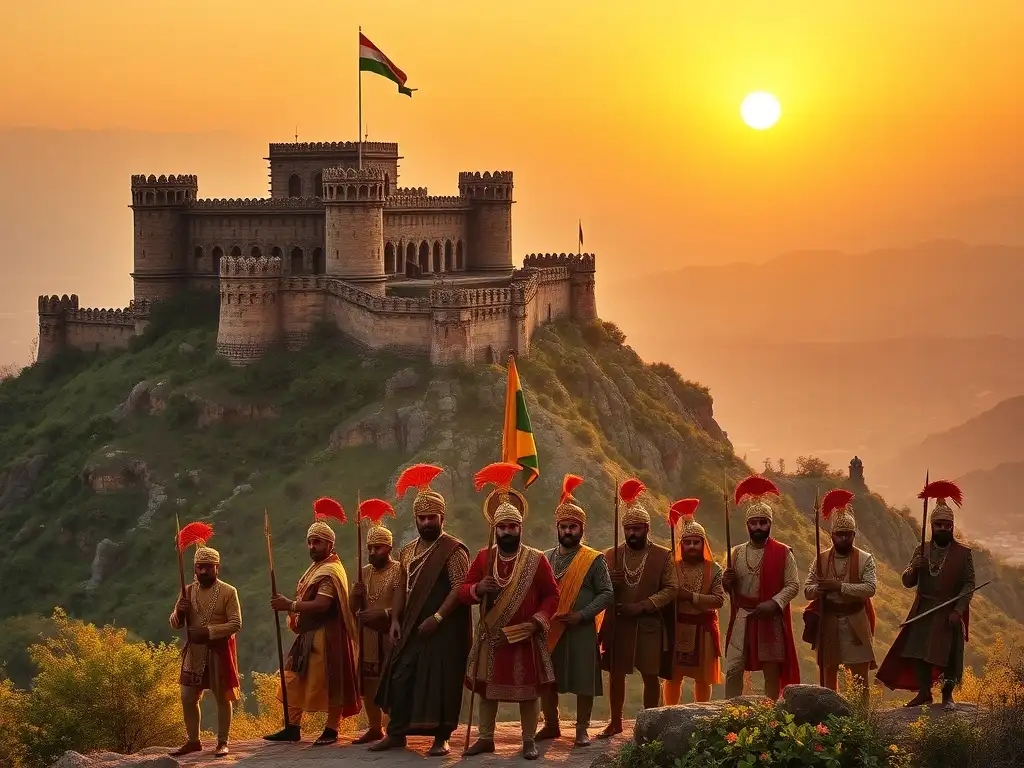
Welcome to Ancient India History, where we embark on a fascinating journey through the rich tapestry of ancient Indian civilizations. Today, we delve into the historical significance of the Maratha Empire, a formidable force that shaped the destiny of Western India. What drove the Marathas to rise against powerful adversaries, and how did their legacy influence the cultural and political landscape of India? Join us as we uncover the resilient spirit of the Marathas and their enduring impact on history. Prepare to be captivated and inspired as you explore the depths of this remarkable era!
- Introduction to the Marathas: A Resilient Force in Western Indian History
- Historical Context of the Maratha Empire
- Key Figures in Maratha History
- The Maratha Empire's Military Strategies
- Cultural Contributions of the Maratha Empire
- The Political Structure of the Maratha Empire
- The Decline of the Maratha Empire
- The Maratha Empire's Historical Significance Today
- Conclusion: The Enduring Legacy of the Marathas
- Frequently Asked Questions
- Final Reflection: The Enduring Legacy of the Maratha Empire
- Unleash Your Curiosity about the Marathas!
Introduction to the Marathas: A Resilient Force in Western Indian History
The Maratha Empire, a formidable political and military power that emerged in the 17th century, plays a pivotal role in the history of Western India. This empire, characterized by its innovative governance and resilient spirit, emerged as a counterforce to Mughal dominance and laid the groundwork for the regional identity of modern Maharashtra.
The Marathas not only shaped the socio-political landscape of their time but also contributed significantly to the cultural and economic fabric of India. Understanding the historical significance of the Maratha Empire is essential not only for comprehending the evolution of Western Indian history but also for appreciating the diverse influences that have shaped the subcontinent.
Overview of the Maratha Empire
The Maratha Empire was founded by Chhatrapati Shivaji Maharaj in 1674, marking the beginning of a new era in Indian history. Shivaji's innovative military tactics and administration strategies allowed the Marathas to expand their territory and influence across Western India. The empire reached its zenith under the leadership of the Peshwas, particularly under Baji Rao I, who was instrumental in extending Maratha power across the Indian subcontinent.
- Key Features of the Maratha Empire:
- Decentralized Administration: The empire was known for its effective decentralized governance, which allowed local chieftains to maintain a degree of autonomy while contributing to the central power.
- Military Prowess: The Marathas employed guerrilla warfare strategies, which enabled them to successfully challenge larger and more established armies, notably the Mughals.
- Cultural Flourishing: The Maratha Empire was a period of significant cultural development, including advancements in literature, arts, and architecture, which reflected the rich heritage of the region.
The Maratha Empire's influence extended beyond military victories; it played a crucial role in the decline of Mughal hegemony and paved the way for other regional powers in India.
Importance of Studying the Maratha Empire Historical Significance
Studying the historical significance of the Maratha Empire provides critical insights into the dynamics of power, culture, and resistance in India. The Marathas exemplified how a regional power could rise against a dominant imperial force, showcasing their resilience and adaptability.
- Cultural Impact: The Marathas contributed to the revival of Hindu culture and traditions during a time when the Mughal Empire was at its peak, promoting the use of vernacular languages and supporting local art forms.
- Economic Contributions: The empire played a vital role in enhancing trade and commerce in Western India, establishing trade routes, and fostering economic growth that benefited the region.
- Legacy: The legacy of the Maratha Empire is evident in modern Indian politics and social structures, where principles of decentralized governance and regional pride continue to resonate.
The Maratha Empire's historical significance is not merely a chapter in Indian history; it represents a resilient force that shaped the course of Western India's development and contributed to the broader narrative of India’s rich heritage. Understanding this significance is crucial for anyone interested in the complexities of India’s past.
Historical Context of the Maratha Empire
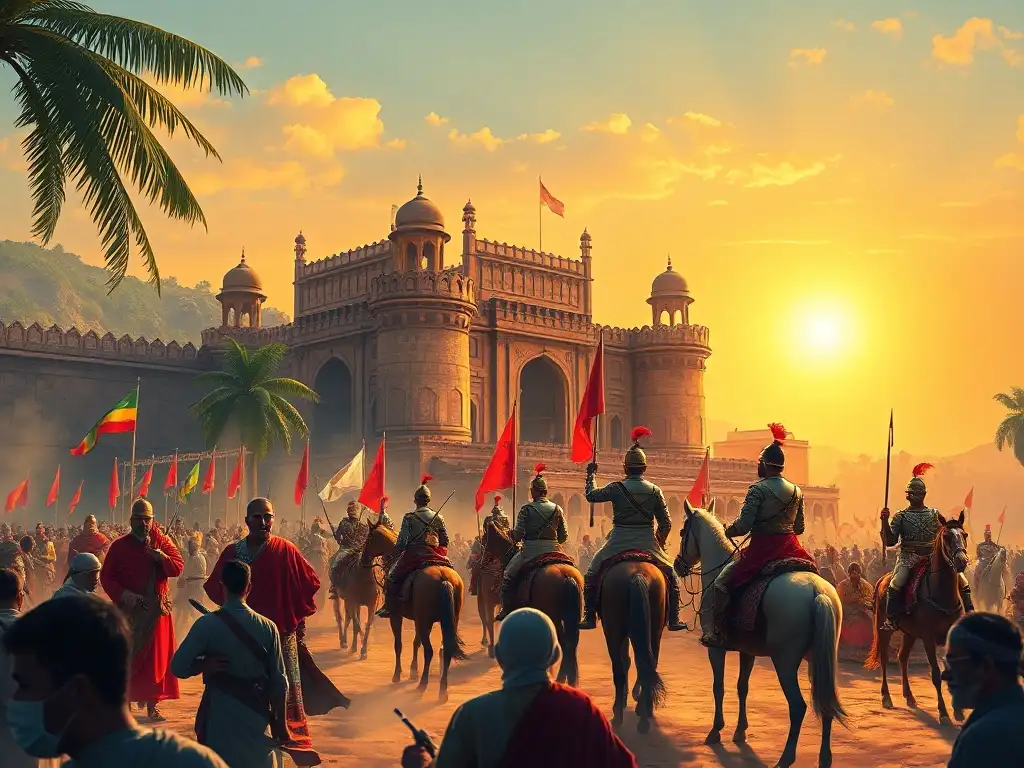
Origins of the Maratha Community
The Maratha community traces its origins to the Deccan Plateau, primarily in the western region of India, encompassing parts of present-day Maharashtra, Madhya Pradesh, and Gujarat. The Marathas are believed to have emerged from various Hindu warrior clans known as Kshatriyas, who were engaged in regional conflicts and served under the larger empires of the time, including the Deccan Sultanates and the Mughal Empire.
The term "Maratha" itself is derived from Maharashtra, the region where these clans coalesced. The community was characterized by its agrarian roots, with many families owning land and practicing agriculture. This connection to the land not only provided the economic foundation for the rise of the Maratha Empire but also fostered a sense of local identity and pride. Historical records indicate that by the late 16th century, the Marathas had begun to establish themselves as a formidable military force, capitalizing on the power vacuum created by the decline of the Mughal Empire.
The Rise of the Maratha Empire in the Deccan
The rise of the Maratha Empire is often linked to the charismatic leadership of Chhatrapati Shivaji Maharaj, who founded the empire in the 17th century. Shivaji's strategic acumen and innovative military tactics allowed him to successfully challenge the established Mughal authority, leading to the establishment of a strong Maratha state. He employed guerrilla warfare, known as Ganimi Kava, utilizing the rugged terrain of the Western Ghats to his advantage.
Under Shivaji's reign, the Marathas expanded their territory significantly, capturing key forts and regions. His crowning as the king of the Maratha Kingdom in 1674 marked a significant turning point, as it established a sense of legitimacy and unity among the diverse clans within the community. Following Shivaji's death in 1680, the empire continued to grow under the leadership of his successors, particularly his son, Sambhaji, and later, Shivaji II.
The establishment of a centralized administration, a strong navy, and the promotion of trade further solidified the empire's power. By the early 18th century, the Marathas had emerged as one of the dominant powers in India, rivaling the Mughals and other regional kingdoms.
Key Historical Events Leading to Expansion
Several key events contributed to the expansion and historical significance of the Maratha Empire:
- The Battle of Sinhagad (1670): This battle showcased Shivaji's military prowess and strategic planning. After successfully capturing the fort of Sinhagad, Shivaji's forces repelled the Mughal army, strengthening Maratha dominance in the region.
- The Treaty of Purandar (1665): This treaty between Shivaji and the Mughal Empire initially curtailed Maratha expansion but later set the stage for Shivaji's further conquests. The treaty allowed Shivaji to retain a significant number of forts and territory, which he used as a base to launch future campaigns.
- The Maratha Confederacy (Late 17th Century): Following Shivaji's death, the Maratha Empire evolved into a confederacy of various regional leaders and chieftains. This confederacy allowed for greater coordination and collective military strength, leading to successful campaigns against the Mughals and other regional powers.
- The Third Battle of Panipat (1761): Although this battle marked a significant defeat for the Marathas against the Durrani Empire, it also highlighted their resilience. The loss led to internal reforms and a renewed focus on unifying the empire, which ultimately contributed to its resurgence.
- The Decline of Mughal Power: As the Mughal Empire weakened in the 18th century, the Marathas capitalized on this decline, expanding their influence across northern and western India. The weakening of Mughal authority allowed the Marathas to establish themselves as a regional power, paving the way for their historical significance in Indian history.
Through these events, the Marathas solidified their status as a major force in Western Indian history, leaving a lasting legacy that shaped the region's political landscape well into the colonial era and beyond.
Key Figures in Maratha History
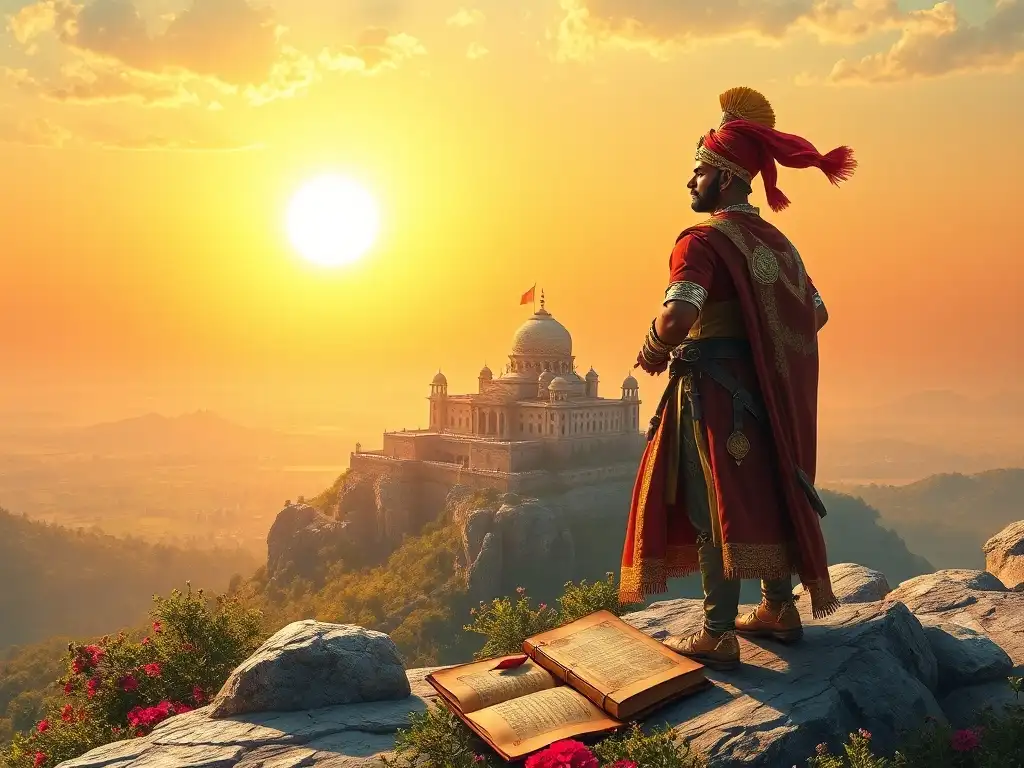
The Maratha Empire, renowned for its military prowess and administrative innovations, was shaped significantly by its key figures. These leaders not only contributed to the establishment and expansion of the empire but also influenced the cultural and social dynamics of Western India. Understanding the roles of these figures is crucial to appreciating the Maratha Empire's historical significance.
Chhatrapati Shivaji Maharaj: The Founder of the Maratha Empire
Chhatrapati Shivaji Maharaj (1630-1680) stands as the most iconic figure in Maratha history. He is credited with founding the Maratha Empire and is celebrated for his strategic acumen, innovative military tactics, and progressive administration.
- Early Life and Challenges: Born in the Shivneri Fort, Shivaji faced the challenges of a fragmented India under Mughal dominance. His early experiences in guerrilla warfare were instrumental in his later successes.
- Innovative Military Tactics: Shivaji's use of small, agile forces to conduct surprise attacks against larger opponents revolutionized warfare in the region. His famed "Mardani Khel" (warrior's skill) demonstrated the effectiveness of rapid mobility and local terrain knowledge.
- Administrative Reforms: He established a competent administration that included a council of ministers known as the "Ashtapradhan." His policies promoted local governance, revenue reforms, and tax fairness, which helped consolidate his power.
- Legacy: Shivaji Maharaj's legacy extends beyond military conquests. He is revered as a symbol of resistance against oppression and a promoter of Hindu culture and sovereignty. His coronation in 1674 as Chhatrapati marked a pivotal moment in Indian history, symbolizing the rise of regional powers against Mughal supremacy.
Notable Leaders and Their Contributions
The Maratha Empire flourished under several notable leaders who made significant contributions to its growth and resilience. Each leader brought unique strengths that shaped the empire's trajectory.
- Chhatrapati Sambhaji Maharaj (1657-1689): The son of Shivaji, Sambhaji faced numerous challenges during his reign, including intense Mughal opposition. Despite setbacks, he managed to defend the empire’s territorial integrity and continued his father's legacy by expanding its influence.
- Chhatrapati Shahu Maharaj (1681-1749): Shahu's reign marked a period of consolidation and expansion. He effectively utilized the capabilities of the Maratha nobility, leading to the establishment of a vast empire stretching across large parts of India. His diplomatic skills helped forge alliances that were crucial for the Maratha's long-term survival.
- Baji Rao I (1700-1740): As Peshwa (Prime Minister), Baji Rao I is credited with significant military campaigns that expanded Maratha territories to the north and west. His innovative cavalry tactics and rapid campaigns against the Mughals and other regional powers showcased the Maratha military's prowess.
- Madhav Rao I (1720-1774): A key figure during the empire's recovery from setbacks, Madhav Rao I focused on administrative reforms and military restructuring. His efforts helped stabilize the empire during a period of internal strife and external threats.
Women in the Maratha Empire: Roles and Impact
Women in the Maratha Empire played essential roles that were both influential and multifaceted, contributing significantly to the social and political landscape of the empire.
- Cultural Patrons: Women, especially from royal families, often served as cultural patrons. They supported artists, poets, and scholars, fostering a rich cultural environment that included literature, music, and dance.
- Political Influence: Figures like Tarabai, the widow of Shivaji’s son, played pivotal roles in political maneuvers. Tarabai actively resisted Mughal forces and was instrumental in the Maratha resurgence after the death of her husband, demonstrating women's capabilities in leadership and strategy.
- Military Participation: Some women participated directly in military campaigns, taking command of forts or leading troops. Their involvement challenged conventional gender roles and showcased the integral position women held within the martial culture of the Marathas.
- Social Reformers: Women in the empire also contributed to social reforms. They engaged in charitable works and supported education, promoting the well-being of their communities.
The Maratha Empire's historical significance is deeply rooted in the contributions of its key figures, including its visionary leaders and the impactful roles played by women. Understanding these dynamics offers valuable insights into the resilience and richness of Western Indian history.
The Maratha Empire's Military Strategies
Innovative Warfare Tactics of the Marathas
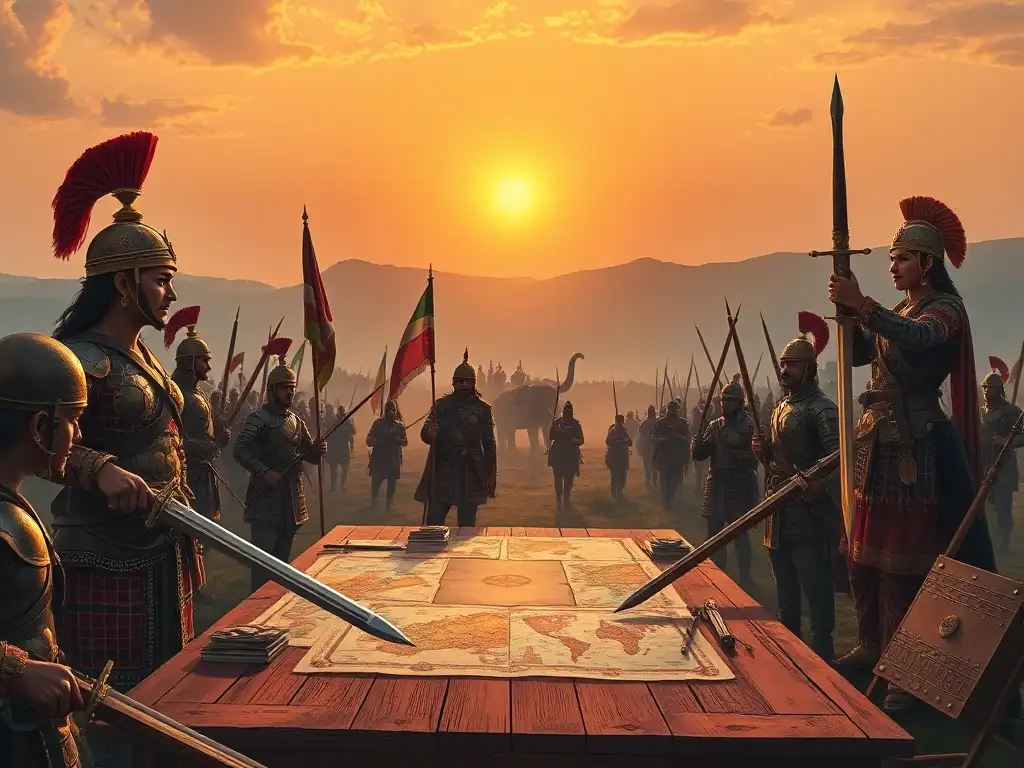
The Maratha Empire is renowned for its innovative military strategies that contributed significantly to its historical significance in Western India. Their approach to warfare was characterized by a blend of guerrilla tactics, rapid mobility, and strategic surprise. One of the key tactics employed was ‘Guerilla Warfare’, known locally as ‘Shivaji's tactics’, which allowed smaller Maratha forces to effectively engage larger enemy armies. This method involved:
- Hit-and-Run Attacks: Maratha forces would strike quickly and retreat before the enemy could effectively counterattack.
- Ambushes: The Marathas would often use the terrain to their advantage, setting up ambushes in narrow passes and dense forests.
- Intelligence Gathering: They placed great emphasis on gathering intelligence about enemy movements, enabling them to plan their attacks with precision.
Additionally, the Marathas developed a highly mobile army known as the ‘Pindari’. This group was instrumental in executing swift raids on enemy territories, disrupting supply lines, and creating chaos among enemy ranks. Their ability to adapt tactics based on the battlefield scenario ensured their dominance over rival powers.
The Role of Cavalry in Maratha Expansion
Cavalry units played a pivotal role in the expansion of the Maratha Empire. The Marathas excelled in the use of cavalry, which was critical for their military campaigns. Some noteworthy aspects include:
- Mobility and Speed: The Maratha cavalry units were exceptionally mobile, allowing them to cover vast distances quickly. This speed was crucial for both offense and defense, as they could rapidly respond to threats or launch surprise attacks.
- Flanking Maneuvers: The cavalry was often used to execute flanking maneuvers, encircling enemy forces and breaking their formations. This tactic was particularly effective in battles against more heavily armed opponents.
- Skirmishing Roles: Maratha cavalry units also performed skirmishing roles, harassing enemy forces and disrupting their formations before the main infantry engaged in combat.
The use of skilled horsemen, who were often local warriors familiar with the terrain, significantly enhanced the effectiveness of Maratha military operations. The cavalry's prowess contributed to several key victories, cementing the Maratha Empire's position in Western India.
Major Battles and Their Outcomes
Throughout its history, the Maratha Empire engaged in numerous significant battles that highlighted its military strategies and resilience. Here are some pivotal battles and their outcomes:
| Battle Name | Year | Outcome | Significance |
|---|---|---|---|
| Battle of Shivaji's Fort | 1659 | Maratha victory | Established Shivaji Maharaj's reputation as a formidable leader. |
| Battle of Sinhagad | 1670 | Maratha victory | Reinforced Maratha control over key forts and territories. |
| Battle of Panipat | 1761 | Decisive Afghan victory | Temporary set back for the Marathas, leading to strategic re-evaluations. |
| Battle of Talikota | 1565 | Victory for Deccan Sultanates | Highlighted the importance of alliances and the need for unification among Maratha forces. |
These battles exemplified not only the Maratha military prowess but also their capacity to adapt and evolve strategies in response to changing circumstances. The outcomes of these engagements played a significant role in shaping the trajectory of the Maratha Empire, influencing its territorial expansion and historical significance in Western Indian history.
Cultural Contributions of the Maratha Empire
The Maratha Empire, which emerged in the 17th century, is notable not only for its military prowess but also for its rich cultural contributions that have left a lasting impact on Western India. This section explores the significant advancements in literature, arts, architecture, and the broader influence of Maratha culture, showcasing the multifaceted legacy of this resilient force in Indian history.
Literature and Arts under the Maratha Rule
During the Maratha rule, literature flourished, driven by the patronage of various Maratha rulers. Notable poets and playwrights emerged, contributing to the rich tapestry of Marathi literature. The era saw the rise of the Dnyaneshwari, a commentary on the Bhagavad Gita by Dnyaneshwar, which remains a cornerstone of Marathi spirituality and philosophy.
- Prominent Literary Figures:
- Sant Tukaram: A renowned saint and poet, whose Abhangas (devotional songs) continue to inspire people today.
- Raja Shivaji's Court: His court became a hub for literary talents, including Ramchandra Mantri, who wrote extensively on governance and ethics.
In addition to literature, the Maratha Empire saw significant developments in the arts. Traditional forms of painting, such as Mithila and Warli, flourished, often depicting themes from mythology, nature, and everyday life. The Marathas also embraced the Natya Shastra, influencing classical dance forms like Tamasha, which combines drama and music.
Architectural Marvels: Forts and Palaces
The Maratha Empire is renowned for its impressive architecture, particularly its forts and palaces that dot the Western Indian landscape. These structures served not only as military strongholds but also as symbols of Maratha resilience and artistic achievement.
- Key Forts:
- Raigad Fort: Once the capital of the Maratha Empire, it showcases advanced engineering and strategic planning.
- Sindhudurg Fort: Built on an island, this fort exemplifies maritime architecture with its intricate design and durable construction.
- Palatial Structures:
- Shivaji Maharaj's Palaces: The palaces at Raigad and Pune reflect the grandeur of Maratha royalty, featuring exquisite carvings and elaborate designs.
- Bhonsle Palaces: These structures are notable for their unique architectural styles that blend local traditions with indigenous craftsmanship.
The architectural prowess of the Marathas not only served functional purposes but also reflected their cultural ethos and the importance placed on aesthetics and beauty in their society.
The Influence of Maratha Culture on Western India
The cultural influence of the Maratha Empire extends far beyond its territorial boundaries. Their governance system, social structures, and cultural practices significantly shaped the regions of Western India.
- Social Reforms: The Marathas implemented various social reforms that promoted education, particularly among women. The establishment of schools and libraries encouraged literacy and learning, fostering a culture of knowledge and enlightenment.
- Festivals and Traditions: Maratha festivals, such as Ganesh Chaturthi, gained prominence and are celebrated with great enthusiasm today. These festivals not only reflect the Maratha spirit but also promote community bonding and cultural pride.
- Cuisine: The Maratha influence is also evident in the culinary landscape of Western India. Dishes such as Puran Poli and Misal Pav showcase the rich flavors and culinary techniques that originated during the Maratha era.
The Maratha Empire's cultural contributions, from literature and arts to architectural marvels and social reforms, underscore its historical significance. The legacy of the Marathas continues to resonate in various aspects of life in Western India, highlighting their role as a vital force in shaping the region's identity and heritage.
The Political Structure of the Maratha Empire
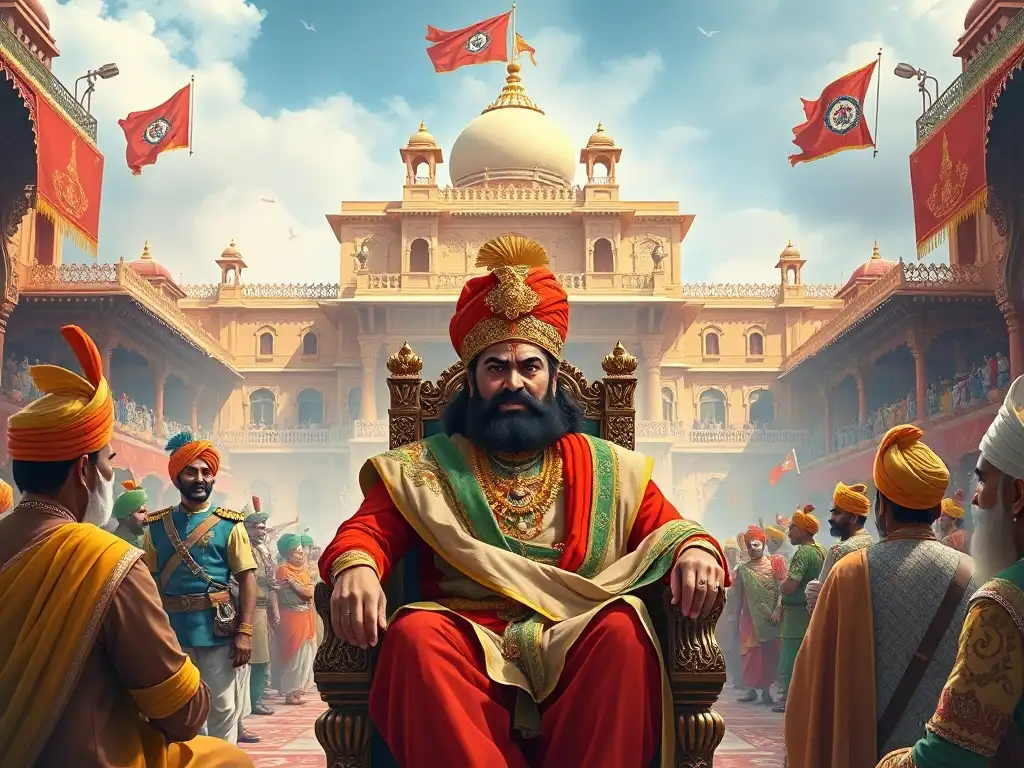
The political structure of the Maratha Empire was intricate and multifaceted, reflecting its dynamic nature and the diverse regions it encompassed. The empire's governance was characterized by a combination of centralized authority and decentralized administration, which allowed it to effectively manage a vast territory while accommodating local traditions and customs. This adaptability played a crucial role in the empire's resilience and historical significance.
Governance and Administration in the Maratha Empire
At the helm of the Maratha Empire was the Chhatrapati, the sovereign ruler, who wielded significant authority over both military and administrative matters. The most notable among them, Chhatrapati Shivaji Maharaj, laid the foundation for an organized administrative system that would support the empire's expansion.
- Administrative Divisions:
- The empire was divided into several provinces known as Swaraj, each governed by a local leader called a Mukhya. This structure allowed for local governance while maintaining allegiance to the central authority.
- Provinces were further subdivided into districts or talukas, facilitating efficient administration and resource management.
- Bureaucratic Framework:
- A well-defined bureaucracy was established to oversee various functions, including tax collection, law enforcement, and public works. Key officials included:
- Amatya: Responsible for finance and administration.
- Waqf: Oversaw military affairs and planning.
- Sardar: Managed local forces and maintained order.
- A well-defined bureaucracy was established to oversee various functions, including tax collection, law enforcement, and public works. Key officials included:
- Revenue System:
- The Marathas implemented an effective revenue collection system that included both land revenue and trade taxes. The Chauth (a form of tax amounting to 25% of revenue) and Sardeshmukhi (additional tax of 10%) played a pivotal role in funding military campaigns and administrative functions.
The Role of the Peshwas and Local Governance
The Peshwa, as the prime minister, became a central figure in the governance of the Maratha Empire, particularly from the late 17th century onward. The Peshwa's role was crucial in consolidating power and managing the empire's affairs.
- Rise of the Peshwas:
- The position of the Peshwa was formalized under Baji Rao I, who expanded the empire significantly through military conquests and strategic alliances. His military prowess and diplomatic skills laid the groundwork for the Peshwa's authority.
- Local Governance:
- The Peshwa delegated authority to local governors called Sardars, who were responsible for maintaining order and collecting taxes in their respective regions. This decentralized approach encouraged local leaders to take initiative, fostering loyalty among the populace.
- Local governance was characterized by the panchayat system, where village councils played a significant role in administration, conflict resolution, and community welfare.
The Peshwas also encouraged the participation of local elites in governance, which helped to integrate diverse communities within the empire and allowed for flexibility in administration.
Alliances and Rivalries: A Complex Political Landscape
The political landscape of the Maratha Empire was marked by a series of alliances and rivalries that shaped its historical significance. The Marathas had to navigate a complex web of relationships with neighboring states and powerful adversaries.
- Strategic Alliances:
- The Marathas formed alliances with various regional powers, including the Rajputs, Mughals, and Sikh Confederacy, to bolster their military strength against common foes.
- The Treaty of Purandar in 1665 marked a significant alliance with the Mughals, allowing the Marathas to maintain autonomy while acknowledging Mughal suzerainty.
- Rivalries:
- The Marathas faced significant rivalry from the British East India Company, which sought to expand its influence in India. The Anglo-Maratha Wars (1775-1818) were crucial in determining the fate of the empire, leading to its eventual decline.
- Internal rivalries also existed among various factions within the Maratha leadership, particularly between the Peshwas and the Sindhias, which sometimes weakened the empire's unity.
- Impact of Alliances and Rivalries:
- The shifting alliances and persistent rivalries not only defined the Maratha Empire's political landscape but also influenced its military strategies and territorial expansion. The ability to forge alliances, as well as the challenges posed by rival powers, significantly contributed to the historical significance of the Maratha Empire, solidifying its legacy as a resilient force in Western Indian history.
The political structure of the Maratha Empire, characterized by effective governance, a pivotal role of the Peshwas, and a complex interplay of alliances and rivalries, played an essential part in its historical significance. Understanding these dynamics provides insight into the resilience and adaptability of one of India's most notable empires.
The Decline of the Maratha Empire
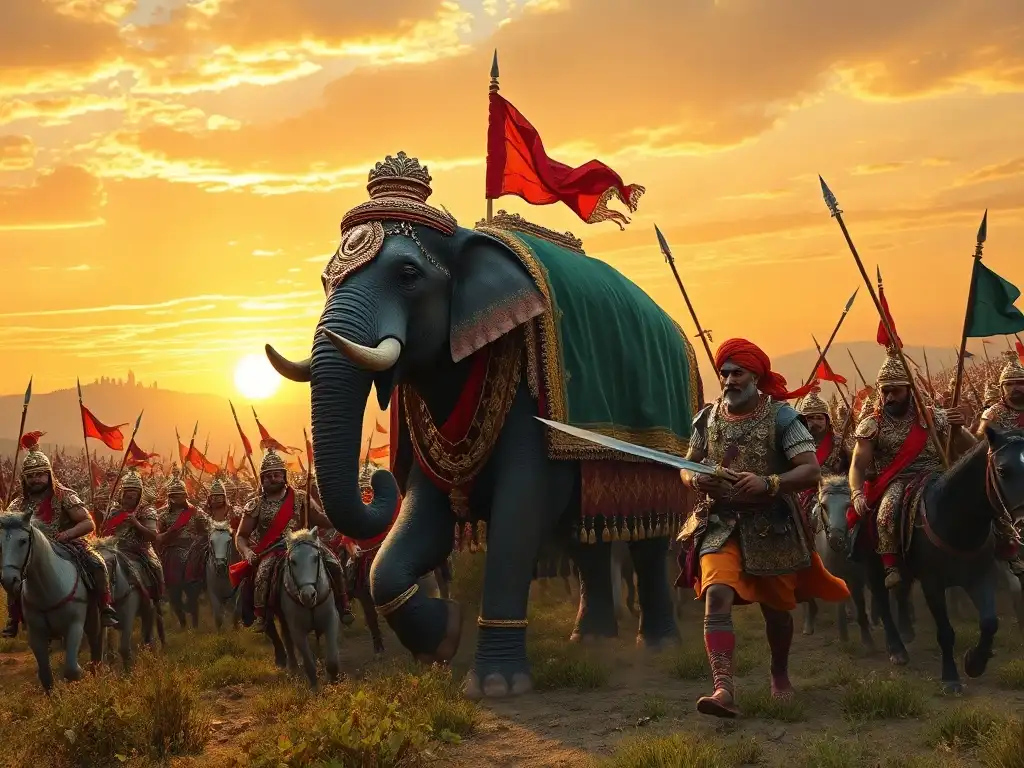
The decline of the Maratha Empire, once a formidable power in Western India, is a multifaceted phenomenon that unfolded over several decades. Following the peak of their influence in the early 18th century, the Marathas faced numerous challenges that ultimately led to their fragmentation and loss of power. Understanding the decline requires an examination of the internal strife, external pressures, and changing political landscapes that characterized this period in Indian history.
Factors Leading to the Decline of the Maratha Empire
Several critical factors contributed to the decline of the Maratha Empire:
- Internal Divisions:
- The Maratha Empire was composed of various factions and regional chieftains, each with their own ambitions. This lack of unity often resulted in power struggles, diminishing the centralized authority necessary for a cohesive empire.
- Significant figures, such as the Peshwas and the local sardars, often engaged in conflicts that diverted crucial resources and attention from external threats.
- Economic Challenges:
- The prolonged military campaigns drained the empire’s coffers. The need to maintain a large army and fund ongoing conflicts strained the economy.
- The agrarian base suffered due to heavy taxation and the devastation of local economies during warfare, leading to discontent among the peasantry.
- Military Defeats:
- Key battles, such as the Third Battle of Panipat in 1761, resulted in devastating losses for the Marathas against the Afghan forces led by Ahmad Shah Durrani. This battle not only weakened their military strength but also severely affected their morale.
- Subsequent confrontations with rival states and factions further eroded the military capabilities of the Maratha forces.
- Cultural and Administrative Challenges:
- The Marathas struggled to integrate diverse cultures within their empire, leading to resistance and unrest among various communities.
- Administrative inefficiencies and corruption within the ranks also contributed to the dissatisfaction among the populace, undermining loyalty to the empire.
The Impact of British Colonialism on Maratha Power
The arrival and expansion of British colonial forces in India played a crucial role in the decline of the Maratha Empire:
- Military Supremacy: The British East India Company gradually gained military superiority through superior tactics, discipline, and technology. The Marathas were unable to match the British in organized warfare, leading to significant territorial losses.
- Political Manipulation: The British adeptly exploited the internal divisions within the Maratha Empire. By forming alliances with rival factions, they weakened the Maratha political structure and gained strategic advantages.
- Anglo-Maratha Wars: A series of conflicts, known as the Anglo-Maratha Wars (1775–1818), decisively defeated the Marathas. The culmination of these wars resulted in the establishment of British control over much of India, effectively ending Maratha sovereignty.
- Economic Exploitation: The British introduced policies that favored their economic interests, leading to further economic decline for the Maratha territories. This exploitation exacerbated the existing economic challenges, pushing the Marathas into a weaker position.
Legacy of the Maratha Empire: Lessons from History
The legacy of the Maratha Empire extends beyond its military and political history, offering valuable lessons for contemporary society:
- Unity in Diversity: The Maratha experience highlights the importance of unity among diverse groups. Internal divisions can weaken even the most powerful entities, underscoring the significance of collaborative governance and mutual respect among different communities.
- Strategic Adaptation: The Marathas' initial success was due to their adaptability and strategic innovations. However, as they became complacent, they failed to evolve in response to new challenges. This serves as a reminder of the need for continuous adaptation in governance and military strategy.
- Cultural Resilience: The Marathas' rich cultural heritage, including language, art, and traditions, continues to influence modern Indian society. Their ability to foster a unique identity amid diverse influences teaches the importance of cultural preservation and pride.
- Historical Reflection: The rise and fall of the Maratha Empire remind us that history is cyclical. Understanding past failures and successes can provide insights into contemporary governance and societal cohesion.
The decline of the Maratha Empire was not an isolated event but rather a complex interplay of internal and external factors. As we reflect on their historical significance, we uncover lessons that remain pertinent in today's socio-political landscape.
The Maratha Empire's Historical Significance Today
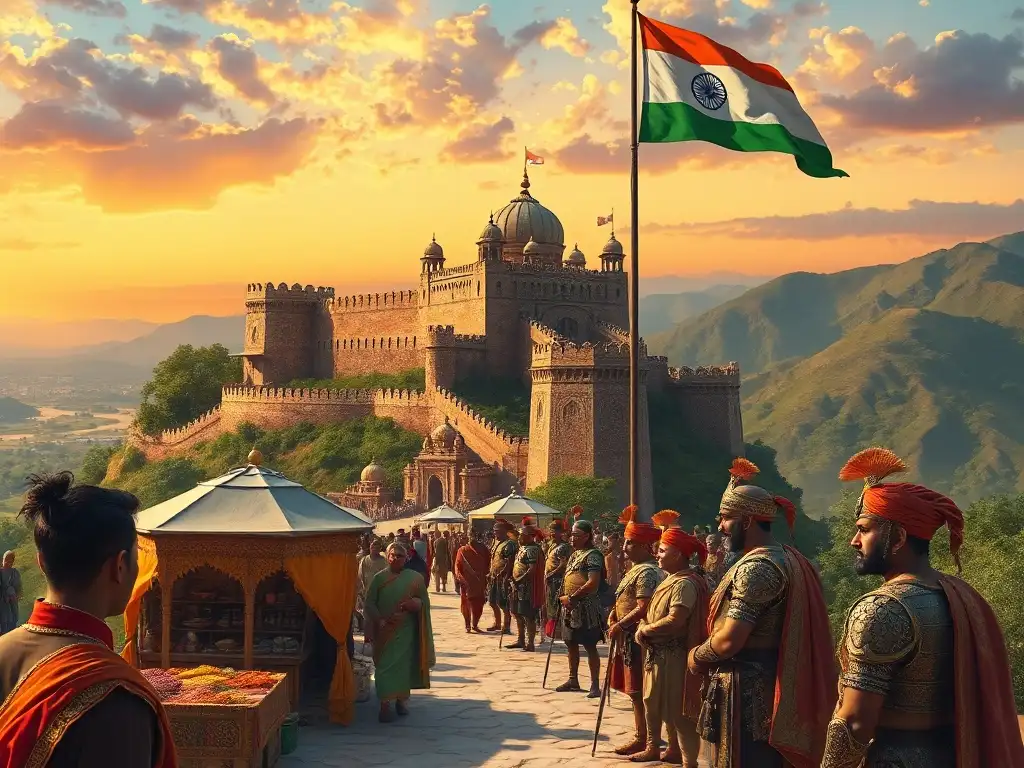
Influence on Modern Indian Identity
The Maratha Empire, which flourished from the late 17th century to the early 19th century, has left an indelible mark on the modern Indian identity. The legacy of the Marathas is intricately woven into the fabric of Indian nationalism and regional pride, particularly in Maharashtra.
- Symbol of Resistance: The Marathas are often celebrated as symbols of resistance against Mughal domination. Leaders like Chhatrapati Shivaji Maharaj are revered not just as local heroes but as national icons who stood up for sovereignty and self-rule.
- Cultural Renaissance: The Maratha Empire played a pivotal role in the cultural renaissance of Western India. Their patronage of arts, literature, and education laid the groundwork for a cultural identity that continues to influence contemporary Indian society.
Furthermore, the Maratha identity is reflected in various aspects of modern life, including politics, festivals, and even cinema, where narratives around Maratha valor and history are frequently showcased.
Preservation of Maratha Culture and Heritage
The preservation of Maratha culture and heritage is a vital aspect of understanding the historical significance of the Maratha Empire. This preservation can be seen through:
- Festivals and Traditions: Festivals such as Gudi Padwa and Shiv Jayanti celebrate Maratha history and its heroes, fostering a sense of community and cultural pride among the Marathi-speaking population.
- Architectural Heritage: Numerous forts and palaces built during the Maratha period, such as Raigad Fort and Sinhagad Fort, are preserved as historical monuments, attracting tourists and historians alike. These sites serve as reminders of the strategic prowess and architectural innovation of the Marathas.
- Literature and Folklore: The oral traditions, literature, and folklore associated with the Maratha Empire continue to thrive. Local narratives and stories passed down through generations keep the spirit of the Marathas alive, reinforcing their significance in regional and national identity.
The Marathas in Contemporary Historical Discourse
In contemporary historical discourse, the Marathas are increasingly recognized for their contributions to Indian history and their role in shaping regional dynamics. This recognition encompasses:
- Academic Research: Scholars are actively revisiting Maratha history, examining their administrative systems, military strategies, and socio-economic structures. This research helps to provide a nuanced understanding of how the Marathas influenced the political landscape of India.
- Cultural Studies: The Maratha Empire is a focal point in cultural studies, exploring themes of identity, power, and resistance. The depiction of Maratha history in literature, films, and art continues to spark interest and debate among historians and cultural theorists.
- Political Symbolism: In modern politics, the Marathas often serve as a symbol for various movements, advocating for rights and representation. Political parties in Maharashtra frequently invoke Maratha heritage to rally support and strengthen regional pride.
The Maratha Empire's historical significance is not only a matter of past achievements but also a dynamic force that informs contemporary identity, cultural preservation, and ongoing historical dialogue in India today.
Conclusion: The Enduring Legacy of the Marathas
The Maratha Empire, which flourished from the late 17th century to the early 19th century, left an indelible mark on the history of Western India. Their legacy is characterized by a unique blend of military prowess, administrative innovation, and cultural contributions. As we reflect on the Maratha Empire's historical significance, it becomes evident that their influence extends far beyond the battlefield.
The resilience and adaptability of the Marathas allowed them to carve out a formidable empire that challenged the Mughal dominance and later resisted colonial encroachments. Their ability to unite disparate factions under a common cause fostered a sense of regional identity that persists to this day. This unity was not merely a political maneuver but a reflection of shared cultural and social values that the Marathas promoted throughout their reign.
Reflection on the Maratha Empire Historical Significance
The historical significance of the Maratha Empire can be examined through several lenses:
- Military Strategies: The Marathas are renowned for their guerrilla warfare tactics, which enabled them to engage larger forces effectively. Their military innovations influenced subsequent Indian military strategies and contributed to the broader discourse on warfare in the subcontinent.
- Political Reorganization: The Maratha administration introduced a decentralized governance model, characterized by a system of local chieftains (sardars) who managed their territories while paying allegiance to the central authority. This model not only promoted local governance but also ensured the efficient collection of taxes and maintenance of law and order.
- Cultural Contributions: The Marathas were patrons of art, music, and literature. The empire fostered a cultural renaissance that saw the flourishing of Marathi literature, classical music, and various forms of visual arts. The establishment of institutions, such as the Peshwa's court, became centers for cultural exchange and intellectual discourse.
- Resistance Against Colonialism: The Marathas played a crucial role in resisting British expansion in India. Their conflicts with the British East India Company, particularly during the Anglo-Maratha Wars, highlighted the complexities of colonial dynamics in India. The Marathas' efforts laid the groundwork for future resistance movements against colonial rule.
The Role of the Marathas in Shaping Western Indian History
The Marathas were not merely a military power; they were instrumental in shaping the socio-political landscape of Western India. Their role can be delineated through several key aspects:
- Regional Empowerment: The Marathas empowered local populations by promoting regional interests and fostering a sense of identity among various communities. This empowerment was critical in an era when centralized powers dominated the political sphere.
- Economic Development: The Maratha Empire stimulated trade and commerce, particularly in the Deccan region. They established trade routes, developed infrastructure, and supported agricultural advancements, which collectively contributed to the economic prosperity of Western India.
- Diplomatic Relations: The Marathas engaged in diplomacy with neighboring states and foreign powers, navigating complex political landscapes to maintain their sovereignty and influence. Their strategic alliances and treaties with various entities helped secure their position in the region.
- Legacy of Leadership: Figures such as Shivaji Maharaj and his successors became symbols of leadership and valor. Their ideals and values continue to inspire contemporary leaders and movements in India, underscoring the lasting impact of Maratha leadership on Indian politics.
The Maratha Empire's historical significance lies in its multifaceted contributions to the political, military, and cultural evolution of Western India. Their enduring legacy is a testament to their resilience and adaptability, which continues to resonate in the region's identity today. The lessons drawn from the Maratha era remain relevant in understanding the complexities of contemporary Indian society and governance.
Frequently Asked Questions
What was the Maratha Empire known for?
The Maratha Empire was known for its military prowess, administrative innovations, and ability to challenge Mughal dominance in India, significantly influencing the region's political landscape.
How did the Marathas contribute to Indian liberation?
The Marathas played a crucial role in the resistance against foreign invasions, notably during the 18th century, fostering a sense of national identity and paving the way for future struggles for independence.
What were the key achievements of the Maratha Empire?
The Maratha Empire achieved notable advancements in governance, establishing a robust administrative system and promoting trade and agriculture, which contributed to the economic growth of Western India.
How did the Marathas influence cultural development?
The Marathas significantly impacted art, architecture, and literature, contributing to a rich cultural heritage that blended local traditions with regional influences, exemplified in their forts and temples.
What was the historical significance of the Maratha Empire?
The historical significance of the Maratha Empire lies in its role as a counterbalance to Mughal power, laying the groundwork for regional autonomy and influencing the subsequent political dynamics of India.
Final Reflection: The Enduring Legacy of the Maratha Empire
The Maratha Empire's historical significance is not just a relic of the past; it resonates profoundly in today's socio-political landscape. As we navigate a world increasingly defined by cultural identities and historical narratives, the resilience and strategic prowess of the Marathas serve as a powerful reminder of how history shapes contemporary society. Their ability to unite diverse factions against common adversaries exemplifies the strength found in collaboration and adaptability, qualities that remain crucial in our globalized world.
The Maratha Empire has left an indelible mark on the cultural and social fabric of India. Its legacy continues to inspire movements for regional pride and autonomy, reflecting the ongoing quest for identity and representation in modern times. As historian Romila Thapar aptly noted, History is not just about the past; it is a living force that shapes our present and future.
This observation underscores how the Marathas' story is woven into the very essence of Indian identity, influencing everything from politics to cultural expressions.
As we reflect on the lessons from the Maratha Empire, let us embrace the spirit of resilience and unity that characterized their journey. Consider how you can apply these principles in your own life, whether through community engagement, fostering collaboration, or standing firm in your values. The Marathas remind us that our histories are not just stories to be told; they are blueprints for action and sources of strength that can guide us toward a more inclusive and empowered future.
Unleash Your Curiosity about the Marathas!
Thank you for diving into the fascinating saga of the Marathas and their indomitable spirit in shaping Western Indian history! You've explored the rich legacy and resilience of this remarkable force, and now it's time to take your understanding even further.
Here are a few ways you can engage with this inspiring history:
- Explore More: Dive deeper into your understanding of the Marathas by checking out additional articles on our website or reading related books to enhance your knowledge.
- Share the Knowledge: Spark a conversation—discuss what you’ve learned about the Marathas with friends or family. Talk about their impact and significance in today's world!
- Join Our Community: Connect with fellow history enthusiasts on our forums to exchange insights and experiences related to the Marathas and their enduring legacy.
What aspect of the Marathas' story inspires you the most, and how do you think their resilience can be applied to modern challenges? Let's discuss!