
The Legendary Kings of Kakatiya: Their Impact on Southern Indian History


Welcome to Ancient India History, your gateway to the mesmerizing tales of the past! Here, we delve deep into the rich tapestry of ancient Indian civilizations, exploring their remarkable contributions, vibrant cultures, and profound legacies. In our featured article, we uncover the historical significance of the Kakatiya dynasty, a powerful force that shaped Southern Indian history. Prepare to embark on a journey through time, where legendary kings and their enduring impacts await your discovery. Let curiosity guide you as you explore the remarkable stories that have defined a civilization!
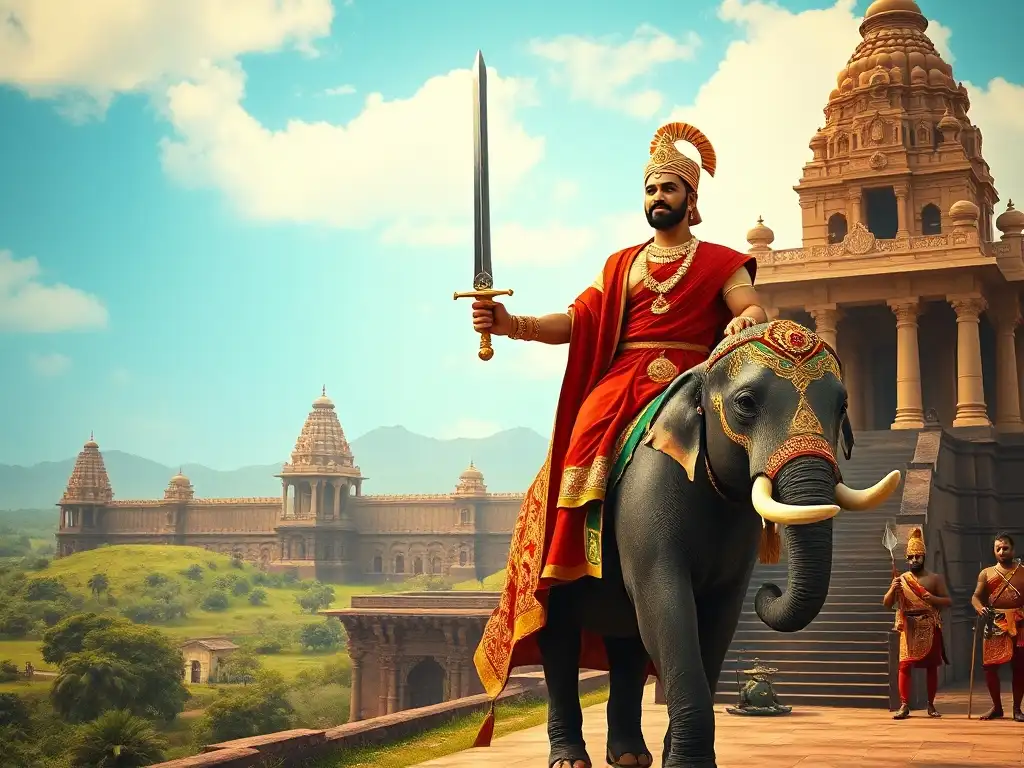
The Kakatiya dynasty stands as a monumental pillar in the historical landscape of Southern India, renowned for its remarkable contributions to culture, architecture, and governance. Emerging from the obscurity of regional powers, the Kakatiyas rose to prominence between the 12th and 14th centuries, marking a significant era in South Indian history.
Their reign was characterized by a blend of military prowess, innovative administration, and a fervent patronage of the arts and religion. This article delves into the Kakatiya dynasty's historical significance, exploring their legacy and the enduring impact they left on the region, which is still evident in contemporary Southern Indian culture and heritage.
Introduction to the Kakatiya Dynasty
Overview of the Kakatiya Dynasty
The Kakatiya dynasty, originating from the Deccan plateau, is known for its strategic location that controlled vital trade routes and resources. They established their capital at Warangal, which became a center of political and cultural activities. The dynasty is often celebrated for its architectural marvels, including the Thousand Pillar Temple and the Warangal Fort, both of which reflect the intricate craftsmanship and aesthetic sensibilities of the time. Furthermore, the Kakatiyas played a crucial role in promoting Telugu literature and fostering a sense of regional identity.
Historical Context of Southern India
To fully appreciate the Kakatiya dynasty's contributions, it’s essential to understand the historical context of Southern India during their rise. The region was characterized by a patchwork of small kingdoms and conflicts, with the decline of the Chalukyas and the Rashtrakutas creating a vacuum for new powers to emerge. The Kakatiyas capitalized on this opportunity, establishing a formidable presence and engaging in political alliances that strengthened their position. Their rule coincided with significant cultural and religious developments, including the proliferation of Shaivism and Vaisnavism, which would shape the spiritual landscape of the region.
The Rise of the Kakatiya Dynasty
Founding of the Kakatiya Kingdom
The origins of the Kakatiya dynasty can be traced back to the 12th century, with Prolaya Vema Reddy regarded as its founder. Initially serving as a subordinate to the Western Chalukyas, Vema Reddy’s vision and military acumen enabled him to carve out an independent kingdom. His successors, particularly Ganapati Deva, further solidified the kingdom's foundations and expanded its influence through conquests and strategic marriages, establishing a legacy that would endure for generations.
Key Figures in Early Kakatiya History
Among the notable rulers of the Kakatiya dynasty, Rudra Deva I and Ganapati Deva stand out for their administrative reforms and military achievements. Rudra Deva I is credited with significant territorial expansion, while Ganapati Deva is known for his patronage of culture and the arts, as well as the establishment of a robust administrative framework. Their leadership not only enhanced the kingdom’s prosperity but also laid the groundwork for subsequent rulers, including the famous Rani Rudrama Devi, one of the few female monarchs to rule in her own right in Indian history.
Territorial Expansion and Consolidation
The Kakatiya dynasty's territorial expansion was marked by a series of military campaigns against neighboring states, including the Hoysalas and the Cholas. Through a combination of warfare and diplomacy, the Kakatiyas managed to consolidate their power and expand their territory significantly. This expansion not only increased their wealth and resources but also facilitated cultural exchanges and the spread of their influence throughout Southern India, establishing the Kakatiyas as a formidable power in the region.
In the following sections, we will delve deeper into the achievements of the Kakatiya dynasty and their enduring legacy in Southern Indian history, examining how their contributions shaped the cultural and political landscape of the time.
Major Kings of the Kakatiya Dynasty
The Kakatiya dynasty, which flourished in the Deccan region of India from the 12th to the 14th centuries, was pivotal in shaping the cultural and political landscape of Southern India. This dynasty is especially known for its powerful kings who significantly contributed to the region's historical significance. Each monarch brought unique strengths and left an indelible mark on the empire, contributing to its administration, culture, and military prowess.
Rudrama Devi: The Trailblazing Queen
Rudrama Devi, reigning from 1262 to 1289, stands out as one of the most remarkable figures in Kakatiya history. She was not only the first woman to ascend the throne but also proved to be a formidable ruler in a male-dominated society. Her reign is marked by significant military campaigns against the Chola and Pandya kingdoms, showcasing her strategic acumen.
Rudrama Devi was a patron of arts and architecture, commissioning several temples, including the famous Ramappa Temple, which is known for its intricate carvings and innovative design. She also implemented administrative reforms that strengthened the Kakatiya rule, ensuring efficient governance and promoting trade and agriculture. Her legacy as a trailblazer paved the way for future generations, inspiring women in leadership roles throughout history.
Prataparudra II: The Last Great King
Prataparudra II, who ruled from 1295 to 1323, is often regarded as the last great king of the Kakatiya dynasty. Under his reign, the empire reached its zenith, marked by territorial expansion and cultural flourishing. He is known for his valiant resistance against the invasions of the Delhi Sultanate, particularly against the formidable military leader, Malik Kafur.
Prataparudra II's administration emphasized the importance of agriculture and infrastructure, leading to enhanced trade routes and economic prosperity. His reign also witnessed significant advancements in art and literature, reflecting the rich cultural heritage of the Kakatiyas. However, after his defeat, the dynasty faced decline, and he remains a symbol of resilience against foreign invasions.
Contributions of Other Notable Monarchs
While Rudrama Devi and Prataparudra II are the most recognized kings, several other monarchs of the Kakatiya dynasty also played vital roles in shaping its historical narrative. For instance, Ganapatideva, who ruled before Rudrama Devi, expanded the empire's territory and strengthened its military capabilities. His reign was characterized by extensive irrigation projects that transformed agricultural practices in the region.
In addition, the contributions of smaller rulers within the dynasty, such as Mahadeva and his successors, cannot be overlooked. They continued the legacy of promoting arts and literature, enhancing the cultural fabric of Southern India. Each ruler’s focus on local governance and community development fostered loyalty and stability, ensuring the Kakatiya dynasty's significance in the annals of Indian history.
Cultural Contributions of the Kakatiya Dynasty
The Kakatiya dynasty was not only known for its military prowess but also for its rich cultural contributions that have had a lasting impact on Southern Indian history. Their patronage of various art forms, architecture, and religious practices significantly enriched the cultural landscape of the region.
Architectural Marvels: Temples and Forts
The Kakatiya dynasty is renowned for its architectural achievements, particularly in temple construction and fortification. The most iconic example is the Ramappa Temple, dedicated to Lord Shiva, celebrated for its stunning intricacies and engineering brilliance. Built in the 13th century, it features exquisite carvings, ornate pillars, and a unique floating brick technique that showcases the advanced architectural skills of the time.
Additionally, the Kakatiyas constructed impressive forts, such as the Warangal Fort, which served both defensive and administrative purposes. The fort's intricate gateways and massive walls reflect the grandeur of Kakatiya architecture and their strategic military planning. These architectural marvels not only served religious and military functions but also became symbols of the Kakatiya legacy.
Contributions to Literature and Arts
The Kakatiya dynasty fostered a vibrant literary and artistic culture. The era saw the emergence of Telugu as a prominent literary language, with poets like Nannaya and Tikkana, who were instrumental in the translation of the Mahabharata into Telugu. This period marked a significant transformation in the literary landscape, promoting regional languages and enriching the cultural heritage of Southern India.
The dynasty's patronage extended to various art forms, including dance, music, and painting. The Kakatiyas encouraged the development of classical dance forms and music, which flourished in their courts. The artistic expressions of this period not only reflect the aesthetics of the time but also convey the socio-political narratives of the Kakatiya rule.
Influence on Religion and Spiritual Practices
The Kakatiya dynasty played a significant role in shaping the religious landscape of Southern India. They were staunch supporters of Hinduism, and their reign saw the construction of numerous temples dedicated to various deities, which became centers of spiritual and cultural activities.
The dynasty also fostered religious tolerance, allowing for the coexistence of different faiths, including Jainism and Buddhism, alongside Hindu practices. This inclusivity led to the flourishing of diverse spiritual traditions and cultural exchanges. The Kakatiya kings often participated in religious ceremonies, further solidifying their role as protectors of dharma and patrons of spirituality in their kingdom.
Kakatiya Dynasty's Role in Southern Indian Politics
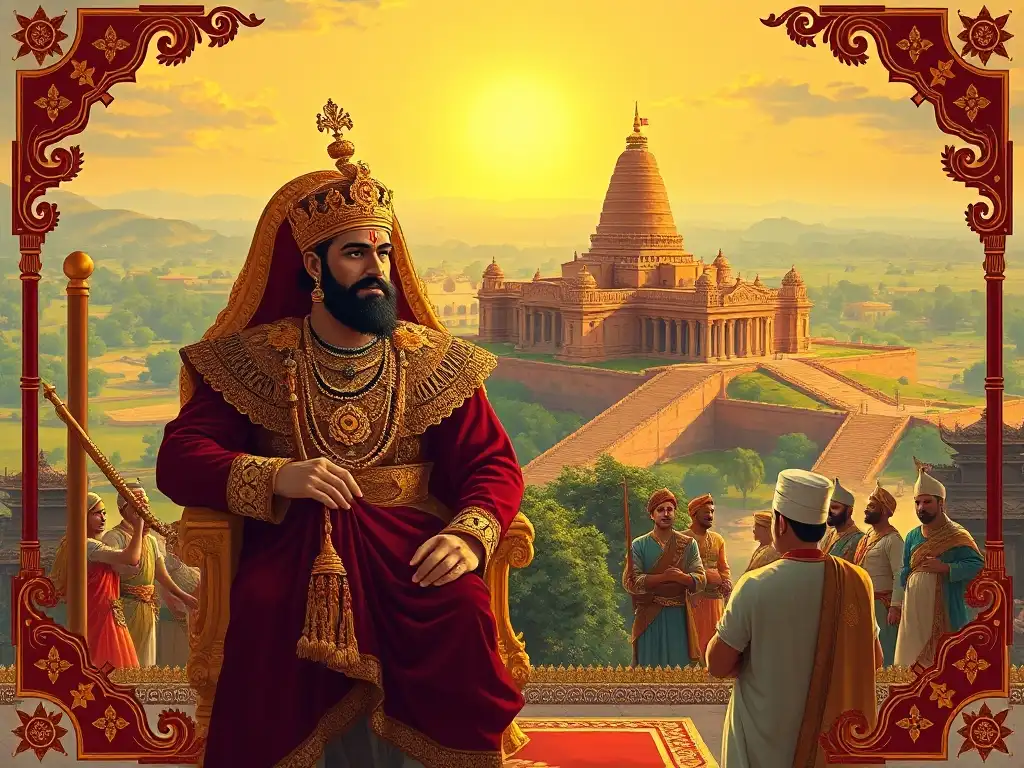
The Kakatiya dynasty emerged as one of the most influential powers in Southern India between the 12th and 14th centuries. Their strategic governance and political acumen allowed them to consolidate power in the Deccan region, significantly impacting the political landscape. The dynasty's capital, Warangal, became a center of administration and culture, facilitating trade and diplomatic engagements with neighboring regions.
The Kakatiyas played a crucial role in establishing a feudal system that integrated various local chieftains and communities. This system not only strengthened their hold over the territory but also promoted regional stability. By forming alliances through marriage and diplomacy, the Kakatiyas expanded their influence beyond their immediate territories, paving the way for a more unified Southern Indian region.
Their contributions to infrastructure, including the construction of temples, irrigation systems, and fortifications, further solidified their political significance. These developments not only enhanced agricultural productivity but also fostered economic growth, thereby reinforcing their authority and governance structures across Southern India.
Relationships with Neighboring Kingdoms
The Kakatiya dynasty adeptly navigated the complex political landscape of Southern India through strategic alliances and rivalries with neighboring kingdoms. Their relationships with the Chola and Pandya dynasties were pivotal; at times, they engaged in fierce battles, while at other times, they formed alliances to counter common threats.
The Kakatiyas also had significant interactions with the Hoysalas, which led to both conflict and cooperation. These relationships were characterized by a mix of military engagements and diplomatic marriages, showcasing the Kakatiyas' ability to adapt to the shifting dynamics of power in the region. Their diplomatic maneuvers often involved negotiating treaties that allowed them to maintain autonomy while ensuring stability along their borders.
Additionally, the Kakatiyas established trade networks with kingdoms in the north and east, facilitating cultural exchanges and economic interactions. This not only enriched their own culture but also elevated their status as key players in Southern India's political arena.
Military Strategies and Conflicts
The Kakatiya dynasty is renowned for its formidable military strategies and prowess, which were instrumental in both defending their territory and expanding their influence. Their army was well-organized and utilized advanced tactics, including the effective use of cavalry and war elephants, which were crucial in battles against rival kingdoms.
One notable military achievement was the successful defense against the invasions of the Delhi Sultanate. The Kakatiyas, under the leadership of rulers like Prataparudra, displayed remarkable resilience in the face of external threats. They employed guerrilla warfare tactics, leveraging the terrain of the Deccan plateau to their advantage, which allowed them to conduct surprise attacks and ambushes.
Moreover, the construction of strong fortifications in key strategic locations, such as the Warangal Fort, played a significant role in their military strategy. These fortifications not only served as defensive structures but also as administrative centers that helped consolidate their power in the region. The Kakatiyas' ability to maintain a strong military presence allowed them to exert control over their territories and deter potential invaders.
Impact on Regional Governance
The Kakatiya dynasty's governance model had a lasting impact on the political structure of Southern India. They implemented a decentralized administration that empowered local chieftains and village heads, fostering a sense of loyalty among the populace. This system not only facilitated efficient governance but also promoted local participation in administrative affairs.
The Kakatiyas were known for their progressive policies, including land grants and revenue systems that encouraged agricultural development. Their emphasis on irrigation and water management significantly improved agricultural productivity, which in turn strengthened the economic foundation of their kingdom.
Culturally, the Kakatiyas patronized literature, art, and architecture, leaving a rich legacy that influenced subsequent generations. The construction of grand temples, such as the famed Thousand Pillar Temple, reflects their commitment to cultural and artistic development. This cultural patronage contributed to a sense of identity and unity among the diverse communities within their realm, further solidifying their governance.
The Decline of the Kakatiya Dynasty
The decline of the Kakatiya dynasty in the late 14th century marked a significant turning point in Southern Indian history. A combination of internal strife and external pressures led to the fragmentation of their once-powerful kingdom. The emergence of the Vijayanagara Empire and the continued invasions from the Delhi Sultanate posed significant challenges to the Kakatiya hold on power.
Factors Leading to the Decline
Several key factors contributed to the decline of the Kakatiya dynasty. Internally, succession disputes and power struggles weakened the central authority, leading to fragmentation and the rise of local chieftains who often acted independently of the Kakatiya rulers. This disunity made it increasingly difficult to mount a coordinated defense against external threats.
Externally, the growing power of the Bahmani Sultanate further destabilized the region. The Bahmanis capitalized on the Kakatiya's internal discord, launching successful military campaigns that ultimately led to the capture of Warangal in 1424. This loss not only marked the end of Kakatiya rule but also signified a shift in power dynamics within Southern India.
Furthermore, environmental factors such as drought and famine also exacerbated the situation, leading to economic decline and social unrest. The combination of these factors created a perfect storm that culminated in the fall of the Kakatiya dynasty.
Historical Significance of the Fall of Kakatiya
The fall of the Kakatiya dynasty holds considerable historical significance for Southern India. It marked the transition of power from local dynasties to larger, more centralized kingdoms, such as the Vijayanagara Empire, which would dominate the region in the subsequent centuries. This shift not only altered the political landscape but also paved the way for new cultural and economic developments.
The decline of the Kakatiyas also led to a fragmentation of their once-unified territory, resulting in the emergence of smaller kingdoms and regional powers. This period of disintegration gave rise to a dynamic landscape of political and cultural exchanges among various groups, enriching the historical tapestry of Southern India.
In a broader context, the fall of the Kakatiya dynasty serves as a poignant reminder of the cyclical nature of power in history. It highlights how internal vulnerabilities and external pressures can lead to the decline of even the most formidable dynasties, shaping the course of regional histories for generations to come.
Legacy of the Kakatiya Dynasty
The Kakatiya dynasty, which flourished from the 12th to the 14th century, is renowned for its rich legacy that significantly influenced Southern India. They are credited with establishing a strong administrative framework, promoting art and architecture, and fostering economic prosperity. One of their most notable contributions is the construction of the impressive Warangal Fort, which stands as a testament to their architectural prowess.
The Kakatiyas were also instrumental in the development of irrigation systems, including the creation of extensive tanks and reservoirs, which enhanced agricultural productivity. This innovative approach to water management not only supported their economy but also set a precedent for future rulers in the region. The dynasty's patronage of literature and the arts led to a cultural renaissance that left an indelible mark on the region's heritage.
Influence on Later Southern Indian Kingdoms
The Kakatiya dynasty's influence extended beyond their reign, shaping the political and cultural landscape of Southern India. Their administrative practices, particularly in governance and revenue collection, were adopted by subsequent kingdoms, including the Vijayanagara Empire. The Kakatiyas also established a model of decentralized rule, where local chieftains were granted autonomy, a practice that was emulated in later kingdoms to maintain stability and manage diverse populations.
Additionally, the Kakatiya commitment to promoting language and literature fostered a cultural environment that inspired later dynasties to support the arts. Their emphasis on Telugu as a literary language laid the groundwork for its prominence in Southern Indian culture, influencing the linguistic landscape for centuries to come.
Kakatiya's Impact on Modern Southern Indian Culture
The cultural legacy of the Kakatiya dynasty is evident in various aspects of modern Southern Indian life. Festivals, dance forms, and folk traditions trace their roots back to Kakatiya cultural practices. For example, the famous Bonalu festival, celebrated in Telangana, has its origins in the Kakatiya period and continues to be an essential aspect of regional identity.
Moreover, the Kakatiya dynasty's contributions to temple architecture, particularly the intricate carvings and styles seen in the Thousand Pillar Temple in Warangal, influence contemporary architectural designs. The artistic motifs and themes explored during the Kakatiya era remain prevalent in modern art and craft, showcasing the enduring legacy of their cultural patronage.
Preservation of Kakatiya Heritage
Efforts to preserve Kakatiya heritage have gained momentum in recent years, as historians, archaeologists, and local communities recognize the importance of safeguarding their historical sites. Initiatives aimed at restoring monuments like the Warangal Fort and the Kakatiya Kala Thoranam (the emblem of the dynasty) are crucial in maintaining the historical narrative of the Kakatiyas.
Educational programs and heritage walks help raise awareness about the Kakatiya dynasty's contributions, engaging younger generations in the rich history of their region. The integration of Kakatiya themes into modern cultural festivals also plays a vital role in keeping their legacy alive, encouraging a deeper connection to this significant chapter in Southern Indian history.
Conclusion: The Historical Significance of the Kakatiya Dynasty
The Kakatiya dynasty stands out as a pivotal force in shaping the history of Southern India through their innovative governance, rich cultural contributions, and architectural marvels. Their legacy is not only reflected in the historical sites that adorn the region but also in the cultural practices that continue to thrive today.
Summary of Contributions and Impact
The Kakatiyas made substantial contributions to various fields, including politics, administration, architecture, and culture. Their advancements in irrigation and agriculture transformed the economic landscape of Southern India, while their artistic patronage fostered a cultural renaissance that influenced subsequent generations. The Kakatiya dynasty's unique blend of governance and cultural promotion has left an enduring legacy that is still celebrated.
Reflection on Kakatiya's Place in Southern Indian History
In reflecting on the Kakatiya dynasty's historical significance, it is clear that their contributions resonate throughout Southern Indian history. They set a benchmark for governance, cultural expression, and architectural excellence that subsequent kingdoms aspired to emulate. The Kakatiyas not only shaped the historical narrative of their time but also laid the foundations for the cultural identity of modern Southern India, ensuring their place in the annals of history remains prominent and revered.
- Introduction to the Kakatiya Dynasty
- The Rise of the Kakatiya Dynasty
- Major Kings of the Kakatiya Dynasty
- Cultural Contributions of the Kakatiya Dynasty
- Kakatiya Dynasty's Role in Southern Indian Politics
- The Decline of the Kakatiya Dynasty
- Legacy of the Kakatiya Dynasty
- Conclusion: The Historical Significance of the Kakatiya Dynasty
Frequently Asked Questions
What was the Kakatiya dynasty known for?
The Kakatiya dynasty is renowned for its cultural contributions, architectural marvels, and the promotion of Telugu literature during its reign in Southern India.
How did the Kakatiya dynasty influence architecture?
The Kakatiyas are famous for their fortresses, temples, and water management systems, notably the Kakatiya Kala Thoranam, which exemplifies their architectural prowess.
What were the key achievements of the Kakatiya rulers?
Key achievements include the establishment of a robust administrative system, advancements in agriculture, and significant contributions to art and culture, solidifying their historical importance.
How did the Kakatiya dynasty contribute to regional politics?
The Kakatiyas played a crucial role in regional politics by expanding their territory and establishing alliances, which helped to stabilize and enhance the governance of Southern India.
What is the historical significance of the Kakatiya dynasty today?
Today, the Kakatiya dynasty's legacy is seen in the continued celebration of their cultural heritage, influencing modern Telangana and Andhra Pradesh identity and history.
Final Reflection: The Enduring Legacy of the Kakatiya Dynasty
The Kakatiya dynasty's historical significance resonates profoundly in today's cultural and social landscape, reminding us of the rich tapestry of heritage that shapes our identity. As we explore the achievements and contributions of these legendary kings, we uncover not just a narrative of power and governance, but a legacy that continues to inspire pride and unity among the people of Southern India. The Kakatiyas were not merely rulers; they were visionaries who laid the groundwork for a flourishing civilization that still influences contemporary society.
The impact of the Kakatiya dynasty extends far beyond their reign, permeating the cultural fabric of Southern India. From their architectural marvels, like the iconic Warangal Fort and the Thousand Pillar Temple, to their advancements in agriculture and trade, the Kakatiyas fostered an environment where art and culture thrived. Their legacy is a testament to the idea that great leaders can shape not only their time but also the future. A nation’s greatness is measured by how it treats its weakest members.
– Mahatma Gandhi. This quote encapsulates the Kakatiyas' commitment to their people, emphasizing that their influence is felt in the values of community and resilience that persist today.
As we reflect on the lessons from the Kakatiya dynasty, let us embrace the call to honor our heritage and apply these insights in our lives. Consider how the principles of leadership, innovation, and cultural appreciation demonstrated by the Kakatiyas can inspire us in our personal and communal endeavors.
We are all part of a larger narrative, and by recognizing the significance of our history, we can contribute to a future that respects and builds upon the foundations laid by those who came before us. Let us carry forward the spirit of the Kakatiyas, fostering a sense of pride and responsibility in preserving our rich cultural legacy for generations to come.
Unveil the Legacy of the Kakatiya Kings!
Thank you for diving into the rich history of the Kakatiya kings and their extraordinary impact on Southern India! Your interest not only brings this remarkable era to life but also emphasizes the importance of preserving our cultural heritage. Now, let’s take the next steps to deepen your connection with this fascinating history.
- Explore further: Delve into additional resources such as books and documentaries about the Kakatiya dynasty to gain even more insights.
- Engage with others: Share your thoughts or favorite facts about the Kakatiyas within your social circles or on our community forum. Your voice matters!
- Experience history: Plan a visit to historical sites associated with the Kakatiya dynasty and witness the grandeur you’ve read about firsthand.
What aspect of the Kakatiya kings inspires you the most to explore further?