
How Ancient Indian Medicine Contributed to Global Surgical Knowledge

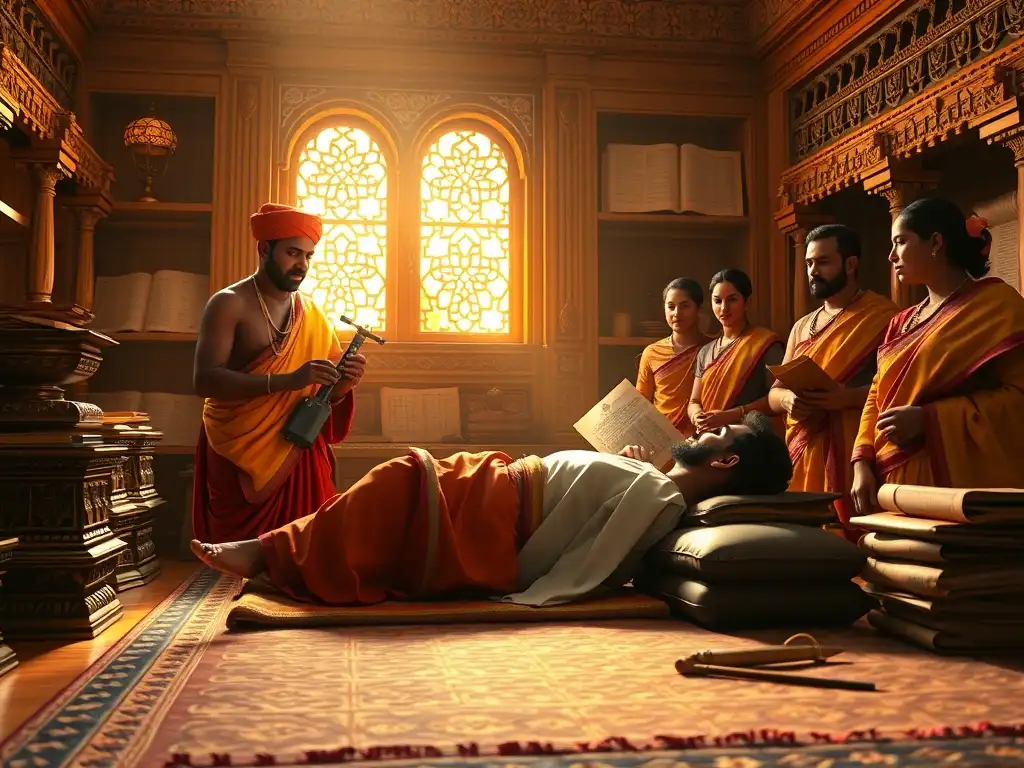
Welcome to Ancient India History, where we embark on a fascinating journey through the rich tapestry of civilizations that shaped our world. Dive deep into the remarkable contributions of ancient Indian medicine, a topic that not only highlights the ingenuity of our ancestors but also reveals how their practices influenced global surgical knowledge. Are you ready to uncover the secrets of ancient healing techniques and their profound impact on modern medicine? Continue exploring as we unravel the extraordinary legacy of ancient Indian scholars and their groundbreaking discoveries!
- Introduction to Ancient Indian Medicine Contributions
- Historical Context of Ancient Indian Medicine
- Major Contributions of Ancient Indian Medicine to Surgery
- Influence of Ancient Indian Medicine on Global Surgical Knowledge
- Case Studies of Ancient Indian Surgical Practices
- Modern Relevance of Ancient Indian Medicine Contributions
- Conclusion: The Lasting Impact of Ancient Indian Medicine on Global Surgery
-
Frequently Asked Questions
- What are the main contributions of ancient Indian medicine to global surgical knowledge?
- How did the practices of ancient Indian medicine spread to other cultures?
- Who were some prominent figures in ancient Indian medicine?
- What role did the concept of Ayurveda play in ancient Indian medicine?
- How is ancient Indian medicine relevant today?
- Final Reflection: The Enduring Legacy of Ancient Indian Medicine
- Unveil the Wisdom of Ancient Indian Medicine!
Introduction to Ancient Indian Medicine Contributions
Ancient Indian medicine, known for its profound wisdom and innovative practices, has significantly shaped the trajectory of medical knowledge and surgical techniques worldwide. This rich tradition, which spans millennia, encompasses a vast array of disciplines, including Ayurveda, surgery, and herbal medicine. The contributions of ancient Indian medicine are not only rooted in the practical application of treatments but also in the philosophical frameworks that guided healthcare practices. Understanding these contributions is essential for appreciating how ancient Indian civilizations influenced global medical practices and the evolution of surgical knowledge.
Overview of Ancient Indian Medicine
Ancient Indian medicine is primarily characterized by its holistic approach, which integrates physical, mental, and spiritual health. The foundational texts of Ayurveda, such as the Charaka Samhita and Sushruta Samhita, provide detailed insights into various medical techniques and philosophies.
- Key Concepts of Ayurveda:
- Tridosha Theory: The balance of the three doshas—Vata, Pitta, and Kapha—plays a crucial role in maintaining health.
- Panchakarma: A detoxification process that involves five therapeutic actions to cleanse the body.
- Herbal Remedies: Utilization of various plants and minerals for treatment, emphasizing the importance of natural substances in healing.
The Sushruta Samhita, attributed to Sushruta, a pioneering surgeon, specifically emphasizes surgical techniques and procedures. It is one of the earliest texts to document surgical practices, including over 300 surgical procedures and 125 surgical instruments, showcasing the advanced medical knowledge of ancient India.
Significance of Surgical Knowledge in Ancient India
The surgical techniques developed in ancient India hold a pivotal place in the history of medicine. They not only laid the groundwork for modern surgical practices but also influenced medical systems in various cultures around the world.
- Innovations in Surgery:
- Techniques such as plastic surgery, including rhinoplasty (reconstruction of the nose), were documented, highlighting the sophistication of surgical practices.
- Use of Anesthesia: Ancient texts describe the use of herbal concoctions to induce anesthesia and mitigate pain during surgical procedures.
The significance of these contributions is reflected in the following aspects:
- Cultural Exchange: Ancient Indian medical texts were translated and adapted by scholars in the Middle East and Europe, facilitating the spread of surgical knowledge.
- Foundation for Future Practices: The methodologies and principles outlined in ancient texts continue to inform modern surgical techniques and medical practices today.
The contributions of ancient Indian medicine, particularly in the realm of surgery, are invaluable. They not only highlight the ingenuity of ancient civilizations but also underscore the lasting impact of their medical knowledge on global healthcare systems.
Historical Context of Ancient Indian Medicine
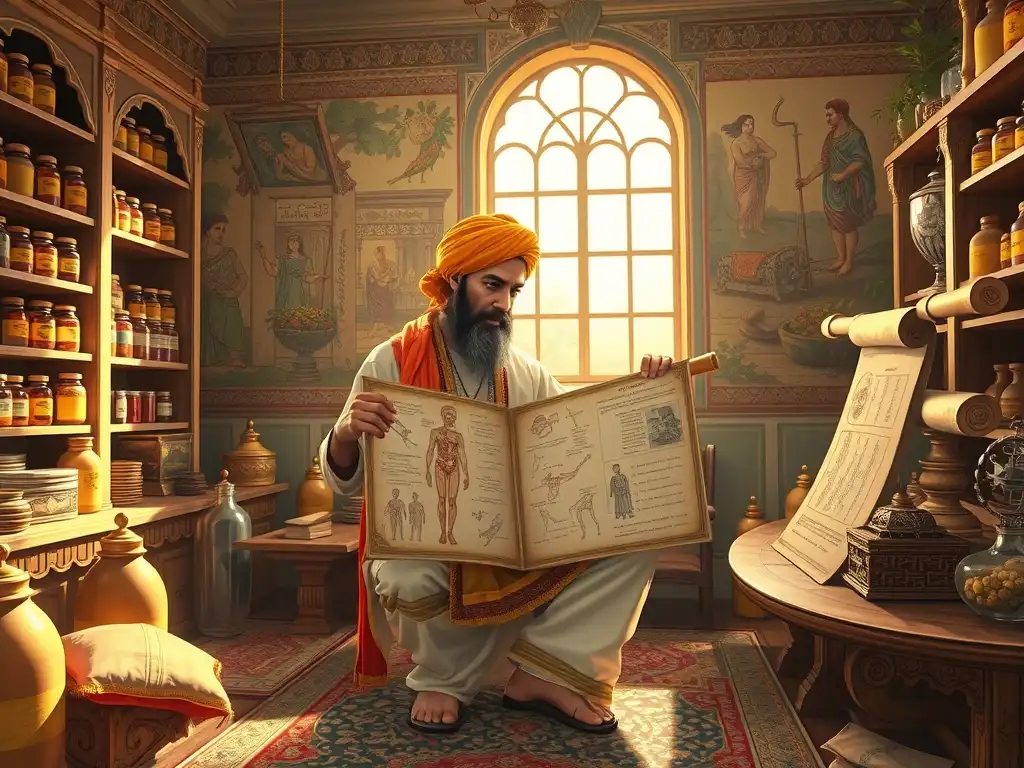
Ancient Indian medicine, often referred to as Ayurveda, has its roots deeply embedded in the rich tapestry of Indian civilization. It emerged as a sophisticated system of healing long before the modern medical practices we recognize today. The evolution of this medical tradition is not just a testament to the ingenuity of ancient Indian scholars but also reflects the holistic understanding of health and disease that characterized these early societies.
The Roots of Medicine in Ancient Indian Civilizations
The origins of medicine in ancient India can be traced back to the Indus Valley Civilization (approximately 3300-1300 BCE), where evidence of advanced urban planning and sanitation suggests an understanding of health that included hygiene practices. Archaeological findings, such as baths and drainage systems in cities like Mohenjo-Daro, indicate a recognition of the importance of cleanliness in disease prevention.
As societies evolved, there was a significant blending of spiritual beliefs with medical practices. Ancient Indian medicine emphasized not just the physical body, but also the mental and spiritual aspects of health. This holistic approach was foundational, leading to the development of various medical practices that included herbal medicine, surgery, and dietary recommendations.
The contributions of ancient Indian medicine were instrumental in shaping medical practices globally, particularly in the fields of surgery and pharmacology. The extensive knowledge acquired by ancient Indian physicians laid the groundwork for later advancements in medicine, both in the Indian subcontinent and beyond.
Key Texts on Ancient Indian Medicine
A significant aspect of ancient Indian medicine is its documentation in key texts that have survived through millennia. These texts serve as a window into the medical knowledge and practices of the time, offering insights into the methodologies employed by ancient healers.
The Sushruta Samhita
The Sushruta Samhita, attributed to the ancient physician Sushruta, is one of the earliest and most important texts on surgery and medicine in ancient India. Dated around the 6th century BCE, this text is often referred to as the "father of surgery" for its comprehensive coverage of surgical techniques and instruments.
- Surgical Techniques: Sushruta detailed various surgical procedures, including rhinoplasty (reconstruction of the nose), lithotomy (removal of bladder stones), and cesarean sections. The precision and methodology described in these procedures indicate a profound understanding of human anatomy.
- Instruments: The text outlines a plethora of surgical instruments, many of which were made from materials like iron, which were innovative for their time. Sushruta's emphasis on sterilization and the use of specific tools reveals an early understanding of what would later be recognized as surgical hygiene.
- Training of Surgeons: The Sushruta Samhita emphasizes the importance of education and training for surgeons, advocating for rigorous study under experienced mentors. This focus on training reflects an institutional approach to medical education that was advanced for its time.
The Charaka Samhita
The Charaka Samhita, another foundational text of ancient Indian medicine, is primarily focused on internal medicine and the principles of Ayurveda. Attributed to the sage Charaka, this text is believed to have been composed around the 2nd century CE.
- Concepts of Health: The Charaka Samhita introduces concepts of balance among the three doshas (vata, pitta, kapha), which are fundamental to Ayurvedic philosophy. This holistic view of health includes considerations of diet, lifestyle, and mental well-being.
- Therapeutic Practices: The text outlines various therapeutic practices, including herbal remedies, dietary guidelines, and detoxification methods. These recommendations showcase the extensive pharmacopoeia of ancient Indian medicine, which utilized a wide range of natural substances for healing.
- Clinical Observations: The Charaka Samhita is notable for its emphasis on clinical observations and diagnostics. The systematic approach to understanding diseases laid the groundwork for future medical practices, influencing not only Indian medicine but also the development of medical systems in other cultures.
The contributions of ancient Indian medicine, particularly through texts like the Sushruta Samhita and Charaka Samhita, have significantly influenced global surgical knowledge and medical practices. The intricate understanding of anatomy, surgical techniques, and holistic health concepts presented in these texts underscore the importance of ancient Indian medicine contributions to the world of healthcare.
Major Contributions of Ancient Indian Medicine to Surgery
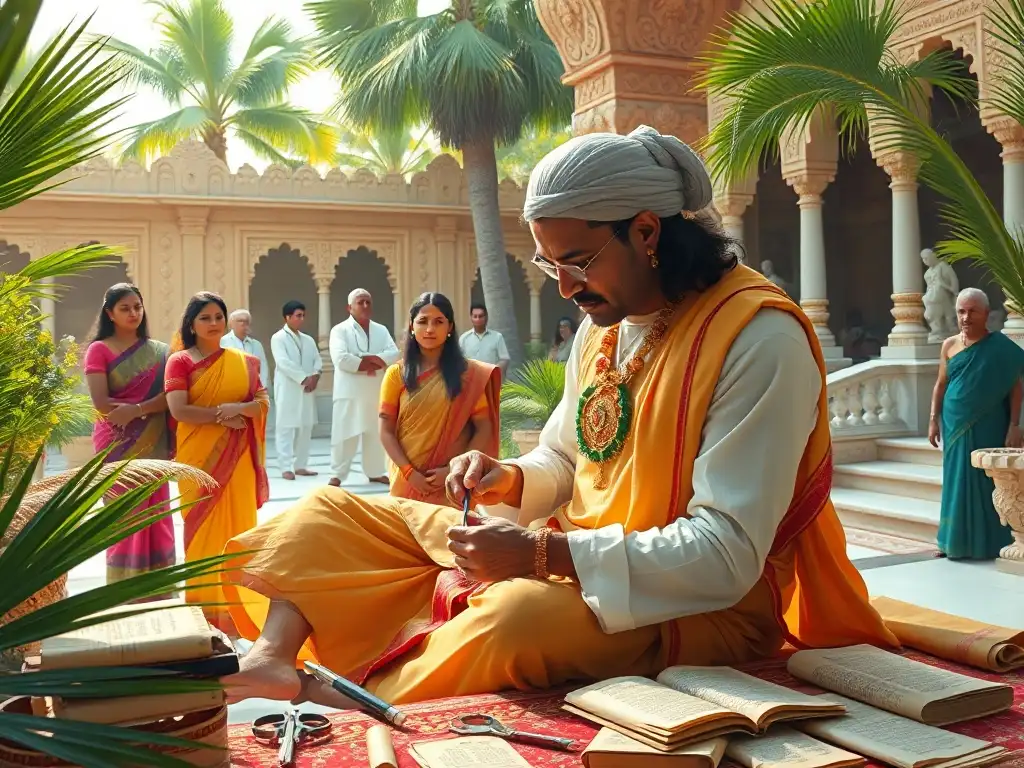
Ancient Indian medicine, particularly through the texts of Ayurveda, has made significant contributions to the field of surgery. The Sushruta Samhita, an ancient Sanskrit text attributed to Sushruta, is one of the earliest comprehensive treatises on surgery and is often regarded as the foundation of surgical practices in ancient India. This text not only provides detailed descriptions of surgical techniques but also emphasizes the importance of ethics and patient care in the practice of medicine.
The principles laid out in ancient Indian medicine have had a lasting impact on surgical practices, not only in India but also across the globe. The systematic approach to surgery that emerged from these teachings laid the groundwork for many modern surgical practices.
Development of Surgical Techniques
The development of surgical techniques in ancient Indian medicine is characterized by a systematic and empirical approach to surgery. Ancient texts describe various surgical methods for treating ailments, injuries, and diseases. Some of the notable techniques included:
- Extraction of foreign bodies: Ancient surgeons were skilled in the removal of arrows, stones, and other foreign objects from wounds.
- Cauterization: This technique was used to stop bleeding and prevent infections.
- Plastic surgery: Perhaps most famously, the reconstruction of noses (Rhinoplasty) was documented, showcasing advanced surgical skills.
The procedures described in these texts illustrate a deep understanding of human anatomy and the ability to perform complex surgical interventions with precision.
Surgical Instruments Used in Ancient Indian Medicine
The advancement of surgical techniques was supported by the development of specialized surgical instruments. Ancient Indian surgeons used a variety of tools, many of which were crafted from materials like steel, ivory, and wood. Some of these instruments included:
| Instrument Name | Purpose |
|---|---|
| Shalaka | A probe used for examining wounds and cavities |
| Chirurgika | Scalpels designed for precise incisions |
| Vishvavar | Forceps for gripping and manipulating tissues |
| Kshara | A tool for cauterization and cutting |
| Sutra | Suturing needles for stitching wounds |
These instruments demonstrate the ingenuity and technical expertise of ancient Indian surgeons, allowing them to perform intricate surgeries effectively.
Notable Surgical Procedures Documented
Several notable surgical procedures were documented in ancient Indian texts, reflecting the advanced medical knowledge of the time. Some key procedures include:
- Suturing Techniques: Ancient texts elaborate on various suturing methods, ensuring effective wound closure and minimizing scarring.
- Kshara Karma: This surgical method involved the use of alkaline substances to treat tumors and abnormal growths.
- Rhinoplasty: The reconstruction of the nose is perhaps the most famous surgical procedure described in the Sushruta Samhita, highlighting the sophistication of ancient surgical practices.
These procedures underline the comprehensive nature of ancient Indian medicine and its focus on surgical interventions that were both innovative and effective.
Innovations in Anesthesia and Pain Management
Ancient Indian medicine also made significant strides in the field of anesthesia and pain management. The use of herbal concoctions and other natural substances to alleviate pain during surgical procedures was well-documented.
- Soma: A sacred drink mentioned in ancient texts, believed to have psychoactive properties that could induce a state of euphoria and reduce pain.
- Various Herbal Anesthetics: Ancient physicians utilized a range of plants, such as cannabis and opium poppy, for their analgesic properties.
These innovations in anesthesia not only improved the surgical experience for patients but also laid the groundwork for future developments in pain management. The emphasis on minimizing discomfort during surgical procedures demonstrates an advanced understanding of patient care in ancient Indian medicine.
The contributions of ancient Indian medicine to surgical knowledge encompass a wide array of techniques, instruments, and innovations in pain management that have had lasting impacts on global surgical practices.
Hygiene and Preoperative Practices in Ancient Surgery
In ancient Indian medicine, particularly during the periods of the Indus Valley Civilization and later in the texts of Ayurveda, there was a significant emphasis on hygiene and preoperative practices. These practices not only reflected the advanced understanding of health but also laid foundational principles that resonate with modern surgical protocols.
Emphasis on Cleanliness
Ancient Indian texts, notably the Sushruta Samhita, advocate for strict cleanliness as a prerequisite for surgical procedures. Surgeons were instructed to wash their hands and the instruments thoroughly before and after surgery. This practice aimed to prevent infections, a concept that was well ahead of its time. The use of antiseptic measures, such as cleaning wounds with water and certain herbal concoctions, demonstrated an understanding of the importance of cleanliness in promoting healing.
Sterilization Techniques
The ancient surgeons employed various methods to sterilize surgical instruments. Heat was commonly used, as metals were heated over fire to kill bacteria. Additionally, certain herbs with antiseptic properties were utilized to cleanse tools and the surgical site. For example, turmeric, known for its antimicrobial properties, was applied to wounds to prevent infection and promote faster healing.
Rituals and Mental Preparation
Preoperative practices in ancient Indian surgery also included rituals aimed at mentally preparing both the patient and the surgeon. These rituals often involved prayers and chants that were believed to invoke divine blessings for successful outcomes. This not only fostered a calm environment but also helped alleviate the anxiety associated with surgical procedures. The significance of mental state in the recovery process was acknowledged, highlighting the holistic approach prevalent in ancient Indian medicine.
Role of Diet and Nutrition
Nutrition played a critical role before surgery, with specific dietary recommendations made to enhance the patient's health and resilience. Patients were often advised to consume light and easily digestible foods to prepare their bodies for the stress of surgery. Additionally, herbal preparations were prescribed to strengthen the immune system and promote overall well-being prior to the surgical intervention.
The hygiene and preoperative practices in ancient Indian surgery were comprehensive and sophisticated. By combining cleanliness, sterilization, mental preparation, and nutritional guidance, ancient Indian medicine laid essential groundwork for modern surgical practices and contributed significantly to the global understanding of surgical care.
Influence of Ancient Indian Medicine on Global Surgical Knowledge
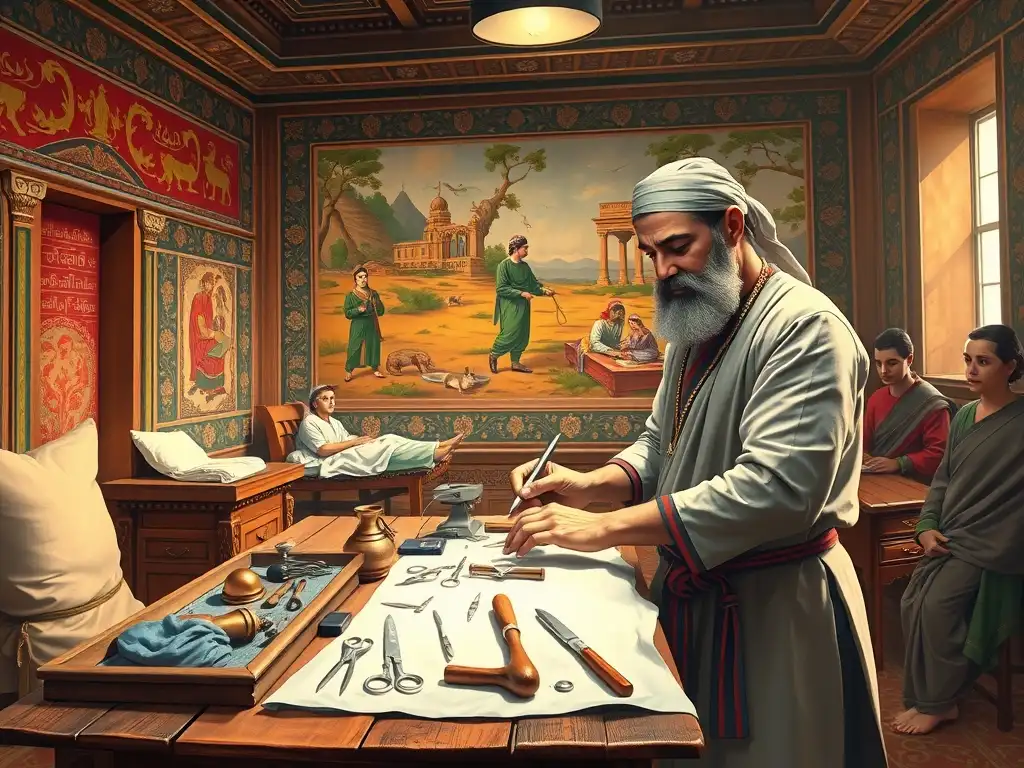
Ancient Indian Surgeons and Their Legacy
The legacy of ancient Indian medicine, particularly in the field of surgery, is profound and far-reaching. Ancient Indian surgeons demonstrated advanced medical practices that laid the groundwork for many modern surgical techniques. The Sushruta Samhita, an ancient Sanskrit text attributed to Sushruta, serves as a crucial source of knowledge regarding surgical procedures and practices. This text not only catalogs various surgical techniques but also emphasizes the importance of surgical instruments, patient care, and ethical considerations in medicine.
Sushruta: The Father of Surgery
Sushruta, often referred to as the "Father of Surgery," made significant contributions to the field that have influenced surgical practices worldwide. His work encompasses over 300 surgical procedures, including intricate operations such as rhinoplasty (reconstruction of the nose), cataract surgery, and the treatment of wounds and fractures.
- Innovative Techniques: Sushruta's methods included the use of anesthesia derived from herbal substances, showcasing an advanced understanding of pain management.
- Surgical Instruments: He detailed the use of various surgical instruments, many of which were crafted from gold, silver, and other metals. His descriptions of scalpels, forceps, and other tools are still relevant in modern surgical practices.
The principles outlined in the Sushruta Samhita not only reflect a sophisticated understanding of human anatomy but also demonstrate a commitment to patient care, emphasizing the need for cleanliness and ethical considerations in surgical practice.
Contributions of Other Notable Figures
While Sushruta is a prominent figure, other ancient Indian scholars also made valuable contributions to surgical knowledge:
- Charaka: Known for his work in internal medicine, Charaka's insights into health and disease complement surgical practices.
- Vagbhatta: His texts include surgical techniques alongside medicinal treatments, highlighting a holistic approach to health.
- Jivaka: A legendary physician and surgeon, Jivaka is credited with introducing innovative surgical practices and is often associated with the medical traditions of Buddhist teachings.
These figures collectively enriched the knowledge base of ancient Indian medicine, ensuring a legacy that influenced both contemporary practices and future generations.
Cross-Cultural Exchanges of Surgical Knowledge
The dissemination of ancient Indian medical knowledge occurred through various channels, leading to significant cross-cultural exchanges that shaped global surgical practices.
Influence on Islamic Medicine
During the medieval period, ancient Indian medical texts were translated and incorporated into Islamic medical traditions. Scholars such as Al-Razi and Ibn Sina (Avicenna) drew upon Sushruta's techniques and writings, integrating them into their own practices.
- Translation of Texts: The translation of the Sushruta Samhita into Arabic facilitated the spread of surgical knowledge across the Islamic world, enhancing medical education and practice in regions such as Persia and the Middle East.
- Surgical Techniques: Many surgical techniques described by Sushruta, including procedures for the treatment of injuries and tumors, were adopted and further refined by Islamic physicians.
This exchange not only preserved ancient Indian medical knowledge but also enriched Islamic medicine, creating a robust tradition of surgical practice.
Impact on Medieval European Surgery
The influence of ancient Indian medicine reached Europe through translations of Arabic texts during the Renaissance. The introduction of surgical concepts and techniques from the Sushruta Samhita and other ancient Indian works had a lasting impact on European surgical practices.
- Integration into European Texts: Works by medieval European surgeons, such as Guy de Chauliac, reflect the incorporation of Indian surgical knowledge, allowing for advancements in techniques and tools.
- Revival of Ancient Knowledge: The Renaissance was marked by a renewed interest in classical texts, leading to the revival of surgical practices that had roots in ancient Indian medicine.
As a result, the contributions of ancient Indian medicine not only shaped local practices but also played a pivotal role in the evolution of surgical knowledge across continents. The synthesis of these diverse traditions continues to influence modern surgical techniques today.
Case Studies of Ancient Indian Surgical Practices
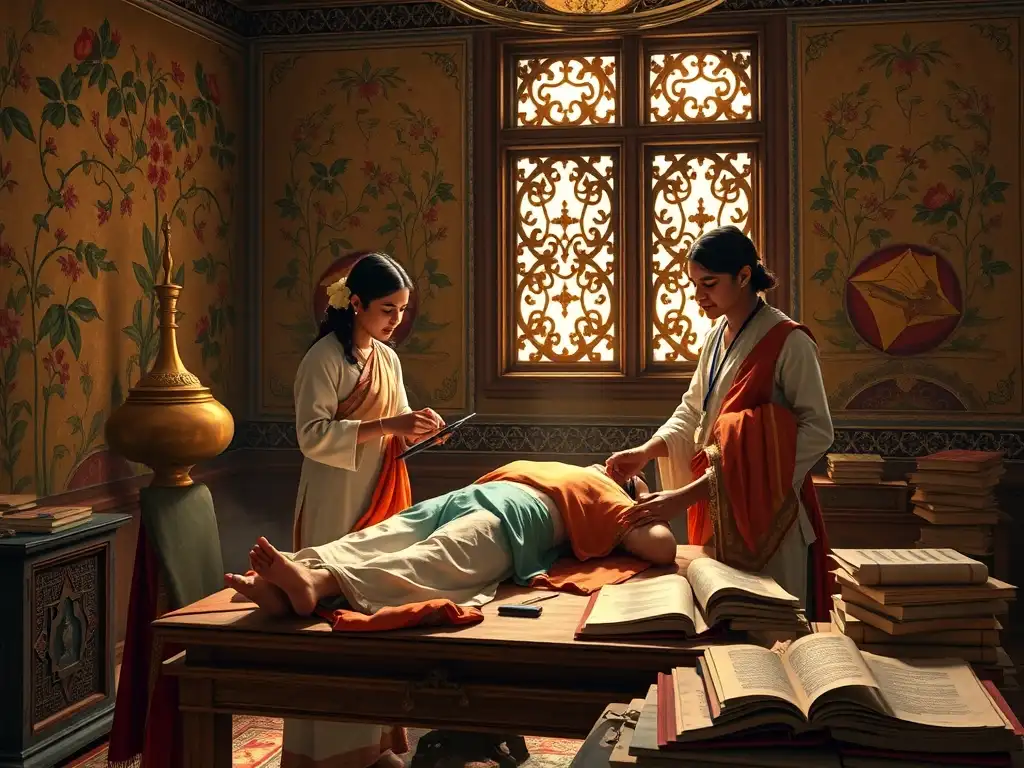
Ancient Indian medicine, particularly the surgical practices detailed in texts like the Sushruta Samhita, showcases a remarkable blend of empirical observation and systematic methodology. This foundational work, attributed to the ancient physician Sushruta, outlines various surgical techniques that have had a lasting impact on the medical field.
Successful Surgical Procedures in Ancient India
Numerous case studies highlight the successful surgical procedures performed in ancient India, demonstrating the advanced understanding of anatomy and surgical techniques of the time.
- Rhinoplasty (Nasal Reconstruction):
- The Sushruta Samhita describes intricate methods of reconstructing the nose using skin grafts from the forehead or cheek. This procedure was not only a response to injuries but also addressed social stigma associated with nasal deformities.
- Technique: A specific technique known as the "Indian method" involved cutting a flap of skin and creating a tube that would be turned into the shape of a new nose. This method is considered a precursor to modern-day rhinoplasty.
- Cataract Surgery:
- Ancient Indian surgeons were known to perform cataract surgery using a technique called couching, which involved dislodging the cataractous lens from its position.
- Outcome: Historical records indicate a success rate that rivals contemporary practices, with many patients regaining their sight following the procedure.
- Amputation and Limb Surgery:
- The Sushruta Samhita also details procedures for amputation and limb surgery, emphasizing the importance of cleanliness and the use of antiseptics derived from herbal medicines.
- Materials: Instruments were crafted from various metals, showcasing the metallurgical skills of the period, which were essential for successful surgical outcomes.
These case studies not only illustrate the capabilities of ancient Indian surgeons but also provide insight into the medical practices that laid the groundwork for future advancements in surgery.
Comparisons with Contemporary Surgical Techniques
When contrasting ancient Indian surgical practices with contemporary techniques, several similarities and differences emerge, highlighting the evolution of surgical knowledge.
- Instrumentation:
- Ancient Indian surgeons utilized a range of specialized instruments, many of which have parallels in modern surgical tools. For example, scalpels, forceps, and needles used today can trace their lineage back to instruments described in the Sushruta Samhita.
- Anesthesia and Pain Management:
- Ancient texts describe the use of herbal concoctions for pain relief, while modern surgery employs a variety of anesthetic agents and techniques for pain management. However, the principle of minimizing patient discomfort remains consistent.
- Surgical Techniques:
- While modern techniques have become more complex due to advances in technology and understanding of human physiology, the foundational principles of surgical interventions—such as precision, hygiene, and postoperative care—are evident in both ancient and contemporary practices.
| Aspect | Ancient Indian Surgery | Contemporary Surgery |
|---|---|---|
| Instruments | Handcrafted metal tools | Precision-engineered tools |
| Anesthesia | Herbal remedies | Chemical anesthetics |
| Techniques | Basic suturing and grafting | Advanced microsurgery |
| Patient Care | Focus on hygiene and herbs | Comprehensive postoperative care |
The comparison underscores the remarkable foresight of ancient Indian medicine and its contributions to the global understanding of surgery. As we continue to explore these ancient practices, it becomes evident that they not only laid the foundation for modern surgical techniques but also enriched the global medical knowledge pool.
Modern Relevance of Ancient Indian Medicine Contributions
The contributions of ancient Indian medicine, particularly in the realm of surgery, have garnered significant attention in modern medical discourse. Ancient Indian texts, such as the Sushruta Samhita, provide a comprehensive understanding of surgical techniques and medical practices that have influenced contemporary medicine. The principles and practices outlined in these texts continue to resonate today, offering insights into holistic health, surgical precision, and patient care.
Lessons from Ancient Surgical Practices
Ancient Indian surgical practices, as described in the Sushruta Samhita, illustrate a profound understanding of anatomy and physiology, which was ahead of its time. Sushruta, often referred to as the "father of surgery," meticulously documented various surgical procedures, including:
- Surgical Techniques: Procedures such as rhinoplasty (reconstruction of the nose) and cataract surgery highlight the advanced surgical skills of ancient Indian practitioners. The meticulous methods described, including the use of specialized instruments, demonstrate a sophisticated approach to surgical techniques.
- Anesthetic Practices: Ancient texts mention the use of herbal anesthetics, showcasing an early understanding of pain management. For instance, the use of soma and other plant-based compounds provided relief during surgical procedures, emphasizing the integration of pharmacology with surgery.
- Post-operative Care: The emphasis on hygiene and aftercare in ancient surgical texts is noteworthy. Instructions for wound care and the importance of a clean environment underscore the foundational principles of modern surgical practices, which prioritize patient safety and recovery.
The lessons derived from these ancient practices are not merely historical; they serve as a blueprint for modern surgical protocols. Contemporary surgeons often revisit these techniques, drawing inspiration from the meticulous documentation and holistic approach inherent in ancient Indian medicine.
Integrating Ancient Knowledge with Modern Medicine
The integration of ancient Indian medicine contributions into modern medical practices is increasingly recognized as a valuable asset. By bridging the gap between traditional knowledge and contemporary science, practitioners can enhance their approaches to healthcare. Key aspects of this integration include:
- Holistic Healing: Ancient Indian medicine emphasizes the interconnectedness of body, mind, and spirit. This holistic view is gaining traction in modern medicine, where an increasing number of healthcare providers are incorporating complementary therapies alongside conventional treatments.
- Surgical Innovations: Techniques derived from ancient practices continue to inspire innovations in surgical methods. For instance, minimally invasive techniques echo the principles found in ancient texts, where less traumatic approaches to surgery were emphasized.
- Research and Education: Academic institutions and research organizations are beginning to explore ancient texts, translating and analyzing them to inform current medical education. By integrating ancient knowledge into medical curricula, future healthcare professionals can benefit from a more comprehensive understanding of surgical practices.
The ongoing dialogue between ancient and modern medicine not only enriches the field but also fosters a greater appreciation for the rich tapestry of global medical knowledge. Ancient Indian medicine contributions remain a vital part of this narrative, affirming their relevance in today's surgical landscape.
Conclusion: The Lasting Impact of Ancient Indian Medicine on Global Surgery
The contributions of ancient Indian medicine to global surgical knowledge are both profound and far-reaching. Throughout history, Indian scholars and practitioners made significant advances in the field of surgery, which have influenced medical practices across the world. Their methodologies, ethical considerations, and innovative techniques laid the groundwork for future developments in surgery, making ancient Indian medicine a cornerstone of medical history.
Summary of Key Contributions
Ancient Indian medical texts, particularly the Sushruta Samhita, outline numerous surgical techniques that were revolutionary for their time. Here are some key contributions that have shaped surgical practices:
- Surgical Techniques: The Sushruta Samhita delineates over 300 surgical procedures, including:
- Rhinoplasty: The reconstruction of the nose using a flap of skin, which is still referenced in modern reconstructive surgery.
- Cataract Surgery: Techniques for removing cataracts, showcasing early knowledge of ophthalmology.
- Instruments: Ancient Indian surgeons crafted a variety of surgical instruments, some of which are precursors to modern tools. For example:
- Scalpels: Made from metals like bronze and iron, these were designed with precision for various surgical procedures.
- Forceps: Utilized for grasping tissues and organs, demonstrating an understanding of the need for specialized tools in surgery.
- Anesthesia: The use of herbal concoctions and other methods to induce anesthesia was documented, indicating a sophisticated understanding of patient care and comfort during surgical procedures.
These contributions not only reflect advanced surgical knowledge but also illustrate a holistic approach to medicine that integrated philosophy, ethics, and practical skills.
The Importance of Preserving Ancient Medical Knowledge
Preserving ancient medical knowledge is crucial for several reasons:
- Cultural Heritage: The rich traditions of ancient Indian medicine are a vital part of global cultural heritage. Understanding these practices offers insights into the philosophical and ethical frameworks that guided medical practitioners of the time.
- Innovative Techniques: Many ancient surgical techniques and principles remain relevant today. By studying these methods, modern practitioners can find inspiration for contemporary surgical challenges, potentially leading to innovative solutions.
- Holistic Approaches: Ancient Indian medicine emphasized a holistic view of health, considering not just the physical but also the mental and spiritual aspects of well-being. This perspective is increasingly relevant in today's integrative medicine practices.
- Historical Context: Understanding the evolution of surgical techniques from ancient times to the present provides context for modern medical practices. It highlights the cumulative nature of medical knowledge and the importance of learning from the past.
The contributions of ancient Indian medicine to global surgical knowledge are invaluable. By ensuring the preservation and study of these ancient practices, we can continue to honor their legacy and inspire future advancements in medicine.
Frequently Asked Questions
What are the main contributions of ancient Indian medicine to global surgical knowledge?
Ancient Indian medicine, particularly Ayurveda, introduced surgical techniques such as plastic surgery and cataract operations, which influenced medical practices worldwide.
How did the practices of ancient Indian medicine spread to other cultures?
The trade routes established during ancient times facilitated the exchange of knowledge, allowing Indian medical texts and practices to reach Persia, Greece, and beyond.
Who were some prominent figures in ancient Indian medicine?
Notable figures include Sushruta, often referred to as the father of surgery, who authored the Sushruta Samhita, a foundational text in surgical techniques.
What role did the concept of Ayurveda play in ancient Indian medicine?
Ayurveda, a holistic system of medicine, emphasized the importance of balance in body and mind, providing a comprehensive approach to health and surgical procedures.
How is ancient Indian medicine relevant today?
The principles and techniques developed in ancient Indian medicine, especially in surgery, continue to inform modern medical practices and inspire ongoing research in holistic health.
Final Reflection: The Enduring Legacy of Ancient Indian Medicine
The contributions of ancient Indian medicine to global surgical knowledge are not merely historical footnotes; they are vital threads woven into the fabric of modern medical practices. As we navigate an era where holistic approaches to health are gaining renewed appreciation, it is crucial to recognize how these ancient practices laid the groundwork for contemporary surgical techniques. The wisdom of ancient Indian scholars continues to resonate, reminding us that the pursuit of healing transcends time and borders.
The influence of ancient Indian medicine is palpable in today’s cultural and social landscape, where integrative health practices are increasingly embraced. This rich heritage invites us to explore the interconnectedness of various medical traditions. As we reflect on the profound insights offered by ancient texts, we are reminded of the words of Hippocrates: Wherever the art of medicine is loved, there is also a love of humanity.
This sentiment underscores the universal quest for healing and the importance of learning from diverse medical philosophies.
As we stand at the crossroads of tradition and innovation, I invite you to reflect on how the lessons from ancient Indian medicine can enrich your understanding of health and wellness. Consider how you might incorporate these timeless principles into your own life or practice. Embrace the wisdom of the past as a guiding light for the future, and let it inspire you to foster a more holistic approach to health that honors the contributions of those who came before us.
Unveil the Wisdom of Ancient Indian Medicine!
Thank you for exploring the incredible contributions of ancient Indian medicine to global surgical knowledge. Your interest in this fascinating subject opens a window into a rich heritage of healing that has shaped modern practices. Now, it's time to take that knowledge and put it into action!
Here are a few ways you can dive deeper and share the wisdom:
- Explore an Ancient Text: Choose a classical Indian medical text like the Sushruta Samhita and start your journey through its teachings. You may be surprised by the insights you uncover!
- Share Your Newfound Knowledge: Engage your friends and family by hosting a discussion or sharing what you've learned on social media. Empower others to appreciate the roots of modern medicine!
- Join a Community: Find online forums or local groups focused on ancient medical sciences. Connect with like-minded enthusiasts and broaden your understanding together.
What aspect of ancient surgical practices inspires you the most, and how do you think it could influence today's medical field? Share your thoughts in the comments below!