
The Development of Surgical Specializations in Ancient India

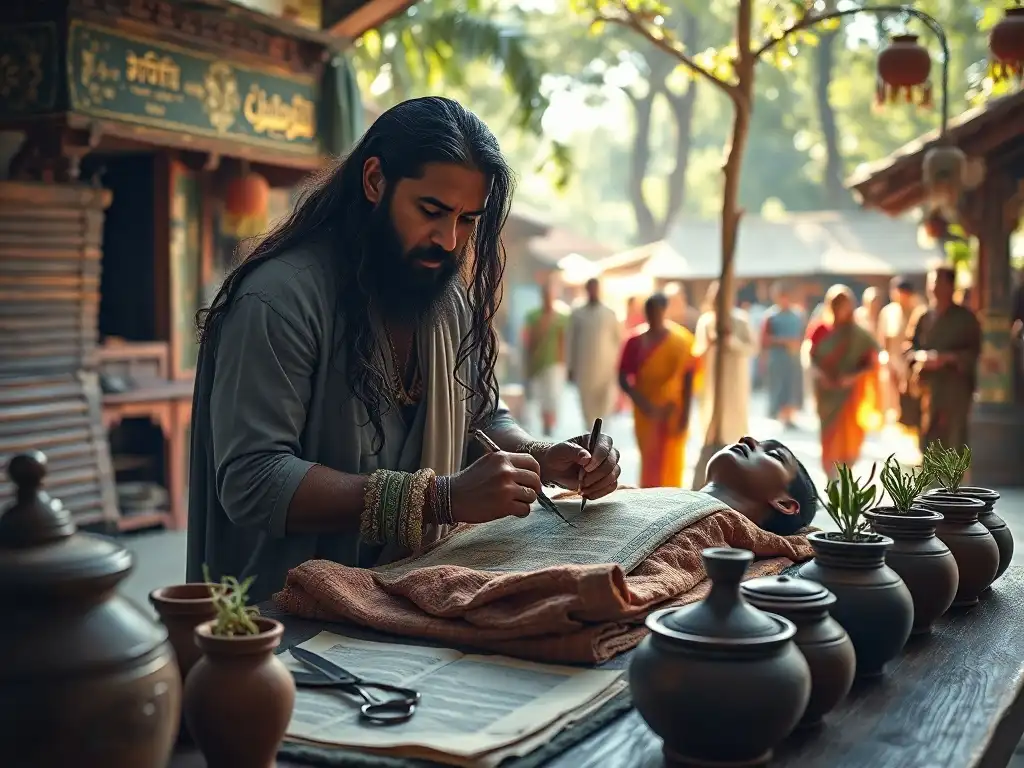
Welcome to Ancient India History, where we embark on an exciting journey through the rich tapestry of time that has shaped one of the world's oldest civilizations. In our featured article, "The Development of Surgical Specializations in Ancient India," we delve into the fascinating realm of ancient Indian surgical practices—a testament to the ingenuity and advanced medical knowledge of our ancestors.
Prepare to be captivated as we uncover the intricate techniques and profound contributions that have influenced medicine as we know it today. Join us as we explore the remarkable advancements that lie at the intersection of science and culture, inviting you to discover the secrets of ancient healing that continue to inspire modern practices.
Introduction to Ancient Indian Surgical Practices
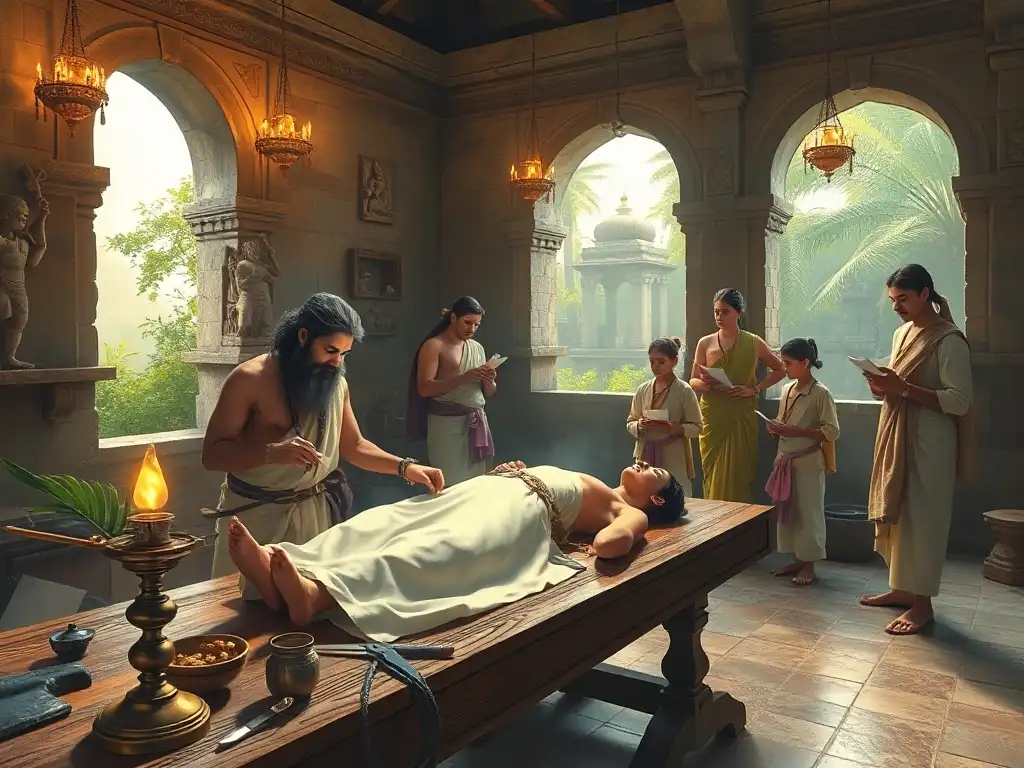
The evolution of surgical practices in ancient India represents a remarkable chapter in the history of medicine. Ancient Indian surgical practices, rooted in a rich tapestry of cultural and scientific advancements, laid the groundwork for many techniques and methodologies still relevant today.
From the sophisticated urban centers of the Indus Valley to the intellectual pursuits of the Gupta Empire, the surgical specializations developed in ancient India reflect a deep understanding of human anatomy and a commitment to healing. This article delves into the intricacies of surgical practices during this period, highlighting the contributions of various civilizations and the texts that shaped their medical landscape.
Overview of Ancient Indian Medicine
Ancient Indian medicine, often encapsulated within the framework of Ayurveda, emphasized a holistic approach to health that intertwined physical, mental, and spiritual well-being. This system of medicine included herbal remedies, dietary regulations, and surgical interventions. Key texts, notably the Sushruta Samhita and the Charaka Samhita, serve as crucial resources documenting surgical techniques and medical philosophy.
- Key Components of Ancient Indian Medicine:
- Ayurvedic Principles: Balance of bodily energies (Doshas).
- Surgical Techniques: Including but not limited to suturing, cauterization, and minor surgeries.
- Herbal Medicine: Use of plants for healing purposes.
Importance of Surgery in Ancient Indian Healthcare
Surgery held a prominent place in ancient Indian healthcare, viewed not merely as a last resort but as an integral part of medical treatment. The ancient practitioners recognized the necessity of surgical interventions for a variety of ailments, from traumatic injuries to more complex conditions. The skills of ancient surgeons were so esteemed that they often commanded great respect within society, contributing to the overall advancement of surgical techniques and knowledge.
- Roles of Surgery in Healthcare:
- Trauma Management: Addressing injuries from warfare and accidents.
- Life-Saving Procedures: Performing surgeries that had significant impacts on survival rates.
- Cultural Significance: Surgery was often intertwined with societal beliefs and practices.
Historical Context of Surgical Specializations
The historical context of surgical specializations in ancient India reveals a rich lineage of medical knowledge that evolved over millennia. Each era contributed uniquely to the understanding and practice of surgery.
The Indus Valley Civilization and Early Medical Practices
The Indus Valley Civilization (circa 2500-1900 BCE) is often credited with some of the earliest evidence of medical practices in ancient India. Archaeological findings suggest an advanced understanding of health and hygiene, with the presence of sophisticated drainage systems and public baths indicating a concern for wellness. Evidence of surgical tools and remains suggests that early practitioners may have performed rudimentary surgeries, showcasing a foundational approach to medical care.
- Notable Aspects:
- Surgical Instruments: Discovery of tools resembling scalpels and forceps.
- Hygienic Practices: Importance placed on cleanliness and sanitation.
Contributions from the Vedic Period
The Vedic period (circa 1500-500 BCE) saw significant advancements in various fields, including medicine. Texts from this era began to articulate medical knowledge, with references to surgical practices emerging more clearly. The Atharva Veda, for instance, includes hymns and incantations that reflect early medical beliefs and practices.
- Key Contributions:
- Philosophical Underpinnings: Integration of spirituality and healing.
- Development of Surgical Techniques: The foundation for more complex surgical practices laid in subsequent periods.
Influence of Ancient Texts on Surgical Knowledge
The preservation and transmission of ancient texts played a pivotal role in the development of surgical specializations. The Sushruta Samhita, attributed to the ancient surgeon Sushruta, is perhaps the most significant text, detailing over 300 surgical procedures and various surgical instruments. This text not only provided a systematic approach to surgery but also highlighted ethical considerations and the importance of training.
- Influential Texts:
- Sushruta Samhita: Comprehensive guide on surgical practices and techniques.
- Charaka Samhita: Focused on medicine and pharmacology, complementing surgical knowledge.
The development of surgical specializations in ancient India demonstrates a profound understanding of medicine that has influenced medical practices throughout history. The contributions from various civilizations and the wisdom enshrined in ancient texts continue to resonate in contemporary medical practices, underscoring the enduring legacy of ancient Indian surgical practices.
Key Figures in Ancient Indian Surgery
The history of ancient Indian surgical practices is marked by several key figures whose contributions laid the foundation for surgical techniques that are still acknowledged today. These individuals not only advanced the field of surgery but also integrated it with other medical practices, establishing a holistic approach to health. The most notable among them are Sushruta, Charaka, and various other scholars who made significant strides in understanding human anatomy and surgical procedures.
Sushruta: The Father of Surgery
Sushruta, often referred to as the "Father of Surgery," is one of the most revered figures in ancient Indian medicine. He is credited with authoring the Sushruta Samhita, a seminal text that serves as a comprehensive guide to surgical techniques and procedures. This text, composed around the 6th century BCE, outlines over 300 surgical procedures and describes various surgical instruments, showcasing Sushruta's advanced understanding of human anatomy and surgical practices.
Sushruta's contributions included pioneering techniques such as ** rhinoplasty (nose reconstruction)**, cataract surgery, and the treatment of wounds. His emphasis on patient care, pre-operative assessment, and post-operative rehabilitation reflects a sophisticated understanding of surgical practices. Sushruta advocated for a careful selection of surgical sites and the use of anesthesia derived from natural sources, highlighting his holistic approach to surgery.
Charaka and the Integration of Surgery in Medicine
Charaka, a contemporary of Sushruta, played a crucial role in the integration of surgery within the broader context of medicine. His work, the Charaka Samhita, focuses primarily on internal medicine but acknowledges the significance of surgical interventions in treating various ailments. Charaka emphasized the importance of a well-rounded understanding of both medicinal and surgical practices, advocating for a collaborative approach among healthcare practitioners.
Charaka's insights into the importance of diet and lifestyle in the healing process complement surgical practices, reinforcing the idea that surgery should not stand alone but rather be a part of a comprehensive treatment plan. His contributions paved the way for future medical practitioners to consider both surgical and non-surgical methods in patient care.
Other Notable Surgeons and Scholars
In addition to Sushruta and Charaka, several other scholars made significant contributions to ancient Indian surgery. Figures such as Vagbhata, who authored the Ashtanga Hridaya, focused on the synthesis of various medical disciplines, including surgery. Vagbhata’s work emphasized the importance of diagnosis and treatment of diseases, integrating surgical techniques into general medical practice.
Bhava Mishra, another prominent figure, contributed to the field with his text Bhavaprakasha, which included knowledge about medicinal plants and their applications in surgery. The collaborative efforts of these scholars contributed to a rich tradition of surgical knowledge in ancient India, laying a strong foundation for future generations.
Ancient Indian Surgical Techniques and Procedures
Ancient Indian surgical practices were diverse and sophisticated, encompassing a wide range of techniques that addressed various medical conditions. The techniques developed during this era not only showcased the skill of ancient surgeons but also highlighted the advanced understanding of human anatomy and physiology in ancient Indian medicine.
Types of Surgical Specializations in Ancient India
Surgical specializations in ancient India included a variety of procedures aimed at treating specific ailments. Some of the notable types of surgeries practiced were:
- Rhinoplasty: Reconstruction of the nose, often performed after injuries or deformities.
- Cataract Surgery: Techniques to remove cataracts, showcasing advanced knowledge of eye surgery.
- Hernia Repairs: Surgical methods to treat hernias, demonstrating an understanding of abdominal anatomy.
- Amputations: Performed in cases of severe injury or infection, highlighting the surgical skill of ancient practitioners.
- Treatment of Wounds: Techniques for managing and suturing wounds to prevent infection and promote healing.
These specializations reflect a comprehensive understanding of surgical techniques and an early form of specialization in medicine.
Instruments Used in Ancient Indian Surgery
The surgical instruments used in ancient Indian practices were crafted with precision and innovation. The Sushruta Samhita describes various tools that were essential for performing surgical procedures, including:
- Scalpels: Sharp blades for incisions.
- Forceps: Used for grasping and holding tissues during surgery.
- Needles: Employed for suturing wounds, showcasing advanced knowledge of wound management.
- Curettes: Instruments for scraping or debriding tissue.
- Trocars: Used to puncture body cavities for drainage or access.
These instruments were typically made from materials such as bronze, iron, and later, stainless steel, demonstrating the technological advancements of the time. The careful design of these tools facilitated various surgical techniques and contributed to the overall success of ancient surgical practices in India.
Educational Systems for Surgical Training
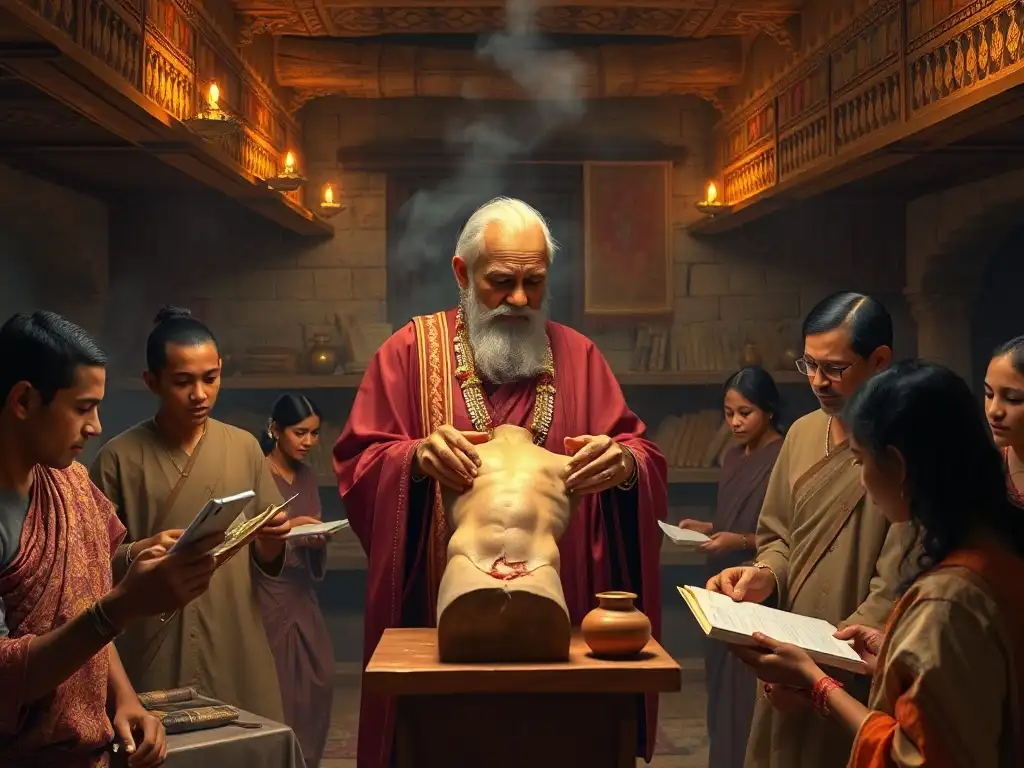
The education of ancient Indian surgeons was structured around a unique blend of practical experience and theoretical knowledge. This duality was crucial in cultivating a generation of skilled medical practitioners capable of performing complex surgical procedures. The educational systems were primarily influenced by the prevailing cultural, religious, and philosophical contexts, which shaped the methods of knowledge transmission and the standards of medical practice.
In ancient India, the training of surgeons was not solely confined to formal institutions; it often occurred through a combination of mentorship and hands-on experience. The Gurukul system, characterized by its residential learning environment, played a pivotal role in this educational framework. Students would live with their guru (teacher) and engage in a comprehensive curriculum that included not just surgery but also a wide range of subjects such as philosophy, ethics, and the natural sciences.
Gurukul System and Apprenticeship in Surgery
The Gurukul system was a traditional form of education in ancient India that emphasized learning through direct experience and personal mentorship. Aspiring surgeons would often seek out a guru who was an expert in surgical techniques and medical knowledge. This system fostered a close relationship between the teacher and student, allowing for tailored instruction and the transmission of specialized skills.
In this apprenticeship model, students not only learned the theoretical aspects of surgery but also participated in practical procedures. They observed surgeries, assisted their mentors, and gradually took on more complex tasks as their skills developed. This hands-on training was integral to mastering surgical techniques, as it allowed students to gain confidence and experience in real-life scenarios.
Moreover, the Gurukul system also emphasized the importance of holistic education. Students were instructed in various disciplines, including anatomy, herbal medicine, and even the philosophical underpinnings of health and illness. This comprehensive approach ensured that surgeons were not only technically proficient but also culturally and ethically aware.
Textual Knowledge and Oral Traditions
In addition to practical training, ancient Indian surgical education was heavily supported by textual knowledge and oral traditions. Key texts such as the Sushruta Samhita, attributed to the ancient surgeon Sushruta, served as foundational works that outlined surgical techniques, instruments, and medical theories. These texts were meticulously studied and revered, offering surgeons a structured framework for understanding human anatomy and surgical procedures.
The oral tradition played a complementary role in preserving and disseminating surgical knowledge. This involved the passing down of techniques and insights verbally from one generation to the next, often in conjunction with practical demonstrations. Such oral teachings were essential in regions where written texts were scarce and ensured that vital surgical practices were kept alive.
This dual approach of combining written texts with oral traditions enriched the knowledge base of ancient Indian surgeons and allowed for a diverse and adaptable understanding of surgical practices. The synergy between these methods contributed significantly to the advancement of ancient Indian surgical practices.
The Role of Religion and Philosophy in Surgical Practices
Religion and philosophy were deeply intertwined with the medical practices of ancient India, influencing not only the ethical frameworks within which surgeons operated but also the perception of health and disease. The philosophical teachings of various schools, including Ayurveda, provided a comprehensive understanding of the human body and its connection to the cosmos, shaping surgical practices and the training of medical practitioners.
The integration of spirituality into medical practice added a unique dimension to surgical interventions. Many ancient surgeons believed that the success of a surgical procedure was not solely dependent on technical skills but also on the moral and spiritual readiness of both the surgeon and the patient. This holistic approach highlighted the importance of compassion, mindfulness, and ethical conduct in the practice of surgery.
Spiritual Beliefs and Their Impact on Surgery
Spiritual beliefs significantly impacted surgical practices in ancient India. Concepts of karma and dharma influenced the ethical framework within which surgeons operated. Many practitioners believed that the intention behind a surgical intervention could affect the outcome, linking the success of the surgery to a higher moral purpose.
Additionally, rituals and prayers were often performed before surgeries to invoke divine blessings. Surgeons would engage in spiritual practices to purify themselves and their instruments, believing that such rituals could enhance their skills and ensure the well-being of their patients. This intertwining of spirituality and surgical practice fostered an environment where healing was viewed as both a physical and metaphysical endeavor.
The influence of deities associated with health and healing, such as Dhanvantari, played a significant role in shaping the attitudes of surgeons. Many practitioners sought guidance and inspiration from these divine figures, further embedding spirituality into the surgical process.
Ethical Considerations in Ancient Surgical Practices
Ethical considerations were paramount in ancient Indian surgical practices. The principles of non-violence (ahimsa) and the importance of patient welfare were central to the ethical guidelines governing surgery. Surgeons were expected to act with integrity, ensuring that their actions were in the best interest of their patients.
Furthermore, the concept of informed consent, although not formalized as in modern times, was reflected in the practices of ancient surgeons. Patients were often involved in discussions regarding their treatment options, and their autonomy was respected to a significant extent. This approach helped establish a trust-based relationship between the surgeon and the patient, essential for the healing process.
The ethical framework of ancient Indian surgery, shaped by philosophical and spiritual beliefs, emphasized the importance of compassion, integrity, and respect for life. This foundation not only guided surgical practices but also contributed to the rich legacy of ancient Indian surgical techniques that continue to inspire modern medical practices today.
Comparisons with Global Surgical Practices
The surgical practices of ancient India were not developed in isolation; they emerged in a global context where various civilizations were experimenting with medical techniques. A comparative analysis reveals both unique characteristics and shared methodologies across cultures.
In ancient times, most civilizations, including those in Egypt, Greece, and China, developed their own surgical traditions, often influenced by their philosophical, religious, and practical contexts. While ancient Indian surgical practices, as evidenced in texts like the Sushruta Samhita, emphasized detailed anatomical knowledge and surgical techniques, other cultures approached surgery with different focuses. For example, ancient Egyptian medicine often combined surgical interventions with spiritual healing, reflecting a more holistic worldview.
The exchange of ideas through trade and conquest facilitated the flow of medical knowledge. Scholars and practitioners from different regions likely interacted, leading to adaptations and innovations in surgical techniques. This interplay of knowledge highlights the rich tapestry of medical history across civilizations, illuminating how ancient Indian surgical practices fit within a broader global narrative.
Ancient Indian Surgery vs. Ancient Greek Medicine
Ancient Indian surgery, particularly through the contributions of Sushruta, is often compared with that of ancient Greece, primarily associated with Hippocrates and Galen. While both traditions valued empirical observation, their methodologies and philosophies differed significantly.
- Anatomical Knowledge:
- Sushruta emphasized direct observation of human anatomy through dissection and surgical practice, creating detailed descriptions of various surgical procedures, including rhinoplasty (nose reconstruction) and lithotomy (removal of bladder stones).
- Greek surgeons, on the other hand, relied more on animal dissections and philosophical reasoning to understand human anatomy, which limited their insights into certain procedures.
- Surgical Techniques:
- Indian practices included a wider array of surgical instruments, which were specifically designed for various types of operations. Sushruta's texts detail over 120 surgical instruments, showcasing a sophisticated understanding of surgical needs.
- Greek techniques were less instrument-centric and often focused on methods of treatment involving diet, lifestyle, and medication, with surgery being a last resort.
- Philosophical Approaches:
- The Indian approach often combined spirituality with medicine, recognizing the importance of mental and emotional well-being in surgical recovery.
- Greek medicine was more aligned with naturalistic explanations, where surgical practices were seen as an extension of broader medical philosophy.
This comparison illustrates how ancient Indian surgical practices were both innovative and distinct, offering a comprehensive approach to medicine that integrated both practical techniques and philosophical perspectives.
Influence of Ancient Indian Surgical Techniques on Other Cultures
Ancient Indian surgical techniques had a profound influence on various cultures, particularly in Southeast Asia and the Islamic world.
- Southeast Asia: The spread of Indian culture, including its medical knowledge, through trade routes and migration significantly impacted the surgical practices in regions like Indonesia and Thailand. Ancient texts were translated and adapted, leading to the development of local medical traditions that integrated Indian surgical methods.
- Islamic Golden Age: The translation of Indian medical texts, including the Sushruta Samhita, during the Islamic Golden Age played a crucial role in shaping medieval Islamic medicine. Scholars like Al-Razi and Ibn Sina (Avicenna) incorporated Indian surgical techniques into their practices, which later influenced European medicine during the Renaissance.
- European Renaissance: The revival of classical knowledge during the Renaissance saw an increased interest in the surgical practices of ancient cultures, including India. The meticulous documentation of surgical procedures and instruments found in Indian texts inspired European surgeons, leading to advancements in surgical techniques and instrument design.
This cross-cultural exchange emphasizes the significance of ancient Indian surgical practices, not only as a standalone tradition but also as a contributor to the global evolution of medicine and surgery.
Legacy and Influence of Ancient Indian Surgical Practices
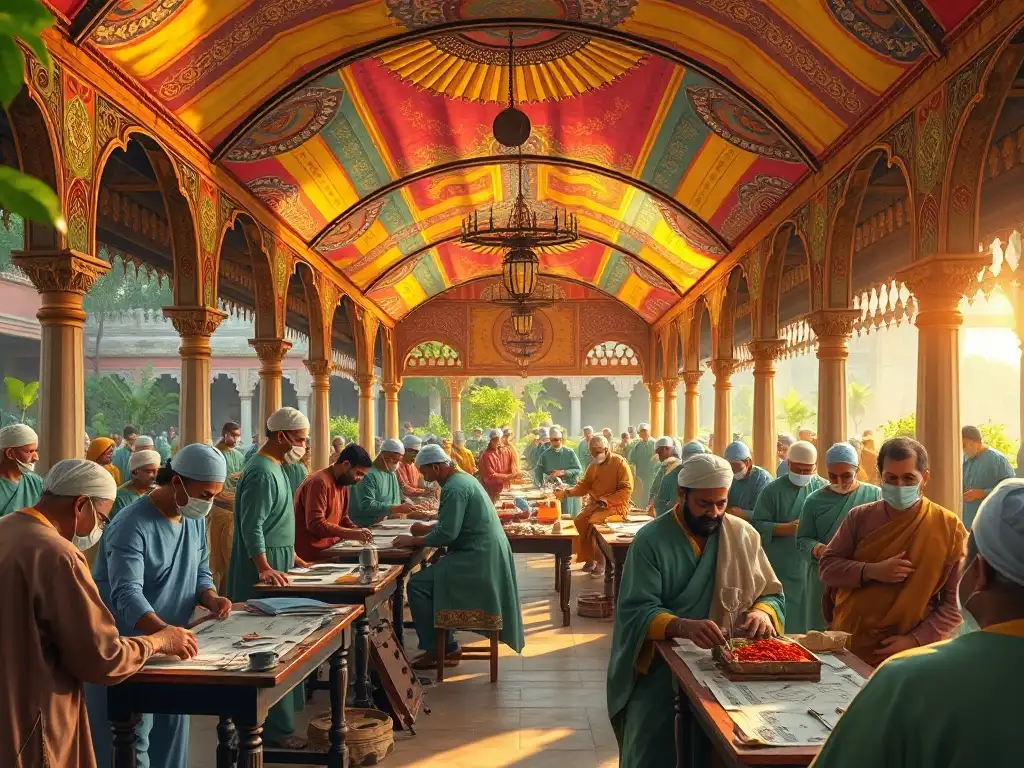
The legacy of ancient Indian surgical practices is evident in various aspects of modern medicine, showcasing the enduring impact of these early contributions.
The Sustainability of Techniques through the Ages
Many surgical techniques and principles established in ancient India have persisted through centuries, adapting to the evolving landscape of medicine. For example, techniques such as suturing and wound management were well-documented in the Sushruta Samhita and continue to form the foundation of modern surgical practices.
- Suturing Techniques: The methods of suturing and the use of specific materials for stitching wounds can be traced back to ancient Indian practices, demonstrating a remarkable understanding of healing processes.
- Rhinoplasty: The techniques developed for rhinoplasty in ancient India gained global recognition and were later adopted and refined in various cultures. This procedure remains a critical part of reconstructive surgery today.
- Holistic Approaches: The integration of surgical practices with holistic approaches to health and wellness, including the importance of diet, mental health, and herbal remedies, reflects a sustainable model of healthcare that is increasingly relevant in contemporary discussions of integrative medicine.
Modern Implications of Ancient Surgical Knowledge
The implications of ancient Indian surgical knowledge extend beyond historical significance; they resonate within modern medical practices and education.
- Educational Curriculum: Modern medical education recognizes the contributions of ancient practices by incorporating them into curricula, highlighting the importance of historical understanding in the development of current medical techniques.
- Research and Innovation: Ongoing research into ancient texts continues to inspire innovations in surgical techniques, particularly in minimally invasive surgeries and advanced wound care management.
- Global Health Practices: The principles of surgery that emerged from ancient Indian practices are being revisited in the context of global health, emphasizing the need for culturally sensitive approaches to surgical care in diverse communities.
The legacy of ancient Indian surgical practices serves as a testament to the ingenuity of ancient civilizations and their lasting influence on contemporary medicine. By acknowledging and studying these historical contributions, modern practitioners can cultivate a more holistic and informed approach to healthcare.
Conclusion
The development of surgical specializations in ancient India showcases a remarkable fusion of medical knowledge, practical skills, and philosophical insights that have significantly contributed to the field of medicine. Ancient Indian surgical practices, particularly those documented in texts like the Sushruta Samhita, reflect a sophisticated understanding of human anatomy and surgical techniques that were far ahead of their time. The emphasis on careful observation, ethical considerations, and holistic approaches laid the groundwork for future surgical practices not only in India but also around the world.
Summary of Ancient Indian Surgical Contributions
Ancient Indian surgical contributions are characterized by a systematic approach to surgery and a deep understanding of various medical conditions. Key figures such as Sushruta, often referred to as the "father of surgery," made groundbreaking advancements in surgical techniques. His work encompassed a variety of procedures, including:
- Suturing techniques: Development of methods to close wounds effectively.
- Plastic surgery: Notably, the reconstruction of noses and earlobes, showcasing an understanding of cosmetic and reconstructive needs.
- Anesthesia: Techniques using herbal concoctions to minimize pain during procedures.
The Sushruta Samhita, alongside the Charaka Samhita, represents a significant compendium of knowledge that not only details surgical techniques but also emphasizes the importance of patient care and ethical practice in medicine.
Relevance of Ancient Practices in Contemporary Medicine
The relevance of ancient Indian surgical practices in contemporary medicine is profound. Many principles established by ancient practitioners continue to influence modern surgical techniques and medical ethics. For instance:
- The concept of aseptic techniques can be traced back to the careful methods employed by ancient surgeons to prevent infections.
- Patient-centered care, a fundamental aspect of modern healthcare, echoes the holistic approaches advocated in ancient texts.
- Techniques for surgical procedures, like rhinoplasty, have evolved but still draw upon the foundational work documented in ancient Indian texts.
Moreover, the emphasis on integrative medicine seen in ancient practices resonates with the current trend towards combining traditional and modern medical approaches.
References and Further Reading
Key Texts on Ancient Indian Surgical Practices
- Sushruta Samhita: This seminal text outlines various surgical techniques and is foundational in understanding ancient Indian surgery. It covers anatomy, surgical instruments, and methods of treatment.
- Charaka Samhita: While primarily focused on internal medicine, this text provides crucial insights into the medical practices of ancient India, including surgical interventions and their philosophical underpinnings.
Suggested Literature on Historical Medical Practices
- "The History of Surgery in India" by Dr. A. S. N. Rao: This book offers an in-depth analysis of surgical practices throughout Indian history, highlighting key figures and techniques.
- "Ancient Medicine: A History" by Vivian Nutton: Although broader in scope, this work provides context for the development of surgical practices, including those from ancient India, and their impact on contemporary medicine.
These texts and literature serve as important resources for anyone interested in the remarkable legacy of ancient Indian surgical practices and their enduring influence on the medical field.
- Introduction to Ancient Indian Surgical Practices
- Historical Context of Surgical Specializations
- Key Figures in Ancient Indian Surgery
- Ancient Indian Surgical Techniques and Procedures
- Educational Systems for Surgical Training
- The Role of Religion and Philosophy in Surgical Practices
- Comparisons with Global Surgical Practices
- Legacy and Influence of Ancient Indian Surgical Practices
- Conclusion
- References and Further Reading
- What were some of the key surgical practices in ancient India?
- Who is considered the father of surgery in ancient India?
- What contributions did the Indus Valley Civilization make to medicine?
- How did the Gupta Empire influence surgical advancements?
- Are there any modern-day practices influenced by ancient Indian surgery?
Frequently Asked Questions
What were some of the key surgical practices in ancient India?
Ancient Indian surgical practices included surgical techniques like plastic surgery, cataract removal, and orthopedic procedures. These were documented in texts like the Sushruta Samhita, showcasing advanced medical knowledge.
Who is considered the father of surgery in ancient India?
Sushruta, an ancient Indian physician, is often referred to as the father of surgery. His comprehensive work laid the foundation for surgical techniques that are still referenced today.
What contributions did the Indus Valley Civilization make to medicine?
The Indus Valley Civilization contributed to early medicine through the establishment of hygienic practices, urban planning, and possibly early forms of surgical instruments. Their advanced drainage systems also reflected an understanding of public health.
How did the Gupta Empire influence surgical advancements?
During the Gupta Empire, there was a significant emphasis on medical education and the development of specialized surgical practices. This period saw the refinement of techniques documented in ancient texts and a rise in medical practitioners.
Are there any modern-day practices influenced by ancient Indian surgery?
Yes, many modern surgical practices are influenced by ancient Indian techniques. Concepts from Sushruta’s works, such as suturing methods and anesthesia, continue to be relevant in today’s medical procedures.
Final Reflection: The Enduring Legacy of Ancient Indian Surgical Practices
The exploration of surgical specializations in ancient India reveals a profound connection between historical knowledge and contemporary medical practices. As we delve into the intricate techniques and philosophies of ancient Indian surgical practices, we uncover a legacy that not only shaped the medical landscape of its time but continues to influence modern surgical methodologies. The ingenuity and precision of these early practitioners remind us that the roots of medicine are deeply intertwined with cultural evolution and scientific inquiry.
The impact of ancient Indian surgical practices resonates through the ages, serving as a testament to the remarkable achievements of early physicians. These practices laid the groundwork for advancements in surgery that are still relevant today, highlighting the importance of historical knowledge in shaping current medical standards. As the renowned surgeon Sushruta once stated, Wherever there is a surgeon, there is a healer.
This sentiment underscores the vital role that ancient wisdom plays in the ongoing journey of medical evolution, emphasizing the need to honor and learn from our past.
As we reflect on the significance of these ancient practices, I invite you to consider how the lessons from history can inform our present and future. Let us embrace the wisdom of our ancestors, recognizing that the pursuit of knowledge and healing is a timeless endeavor.
By acknowledging the contributions of ancient Indian surgical practices, we can inspire a new generation of medical professionals to innovate while respecting the rich tapestry of medical history. Take a moment to reflect on how you can apply these lessons in your own life, whether through continued learning, fostering curiosity, or advocating for the integration of historical insights into modern practices.
Unveil the Secrets of Ancient Surgical Mastery!
Thank you for diving into the fascinating world of surgical specializations in ancient India. Your interest highlights the incredible advancements made in medicine and their profound impact on our understanding today. Now, let’s take that knowledge a step further!
Here’s what you can do next:
- Explore ancient medical texts: Delve deeper into works like the Sushruta Samhita to uncover the original techniques used by skilled surgeons of the past.
- Share your insights: Discuss what you’ve learned with friends or on social media to inspire others about the rich heritage of Indian medicine.
- Visit a local museum or exhibit: Look for historical exhibitions on ancient medicine to see artifacts and gain further insights into this intriguing era.
What aspect of ancient Indian surgical practices fascinates you the most, and how do you believe it can inspire modern medical practices?