
The Influence of Ancient Indian Surgery on Eastern and Western Practices

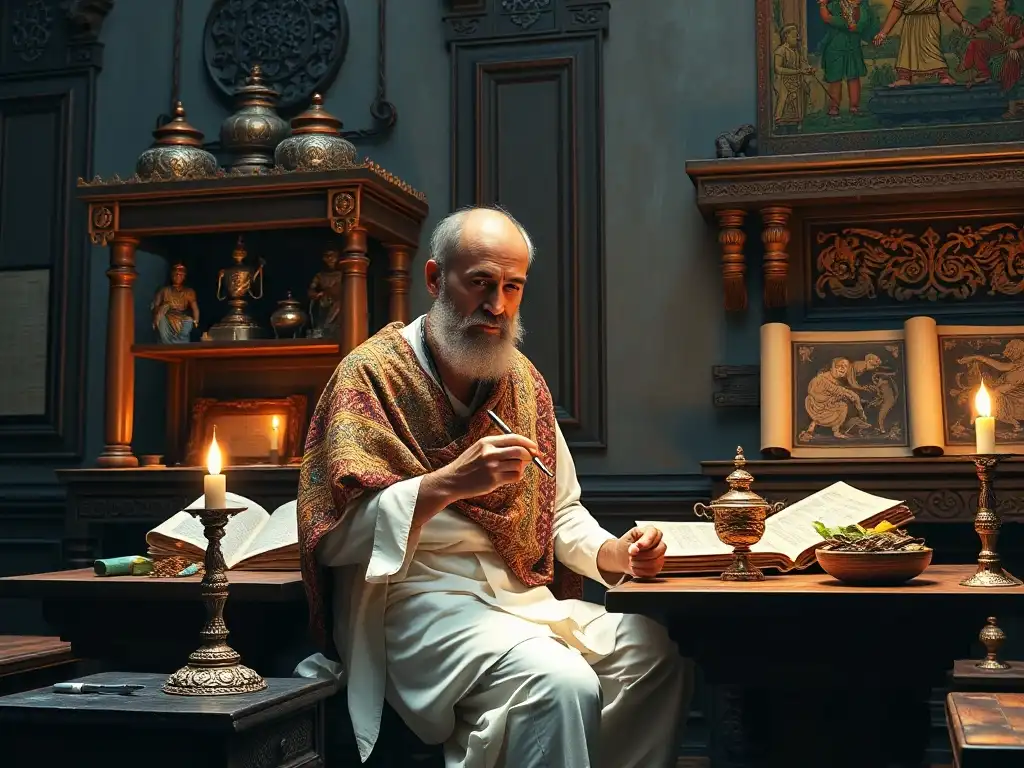
Welcome to Ancient India History, where we embark on a fascinating journey through time, delving into the rich tapestry of civilizations that shaped the subcontinent. Did you know that ancient Indian surgery techniques have not only influenced Eastern practices but also left a lasting impact on Western medicine? In our featured article, "The Influence of Ancient Indian Surgery on Eastern and Western Practices," we will explore these groundbreaking advancements and the remarkable figures behind them.
Prepare to uncover the secrets of a medical tradition that has stood the test of time and continues to inspire. Dive in and let the stories of ingenuity and wisdom captivate your mind!
Introduction to Ancient Indian Surgery Techniques
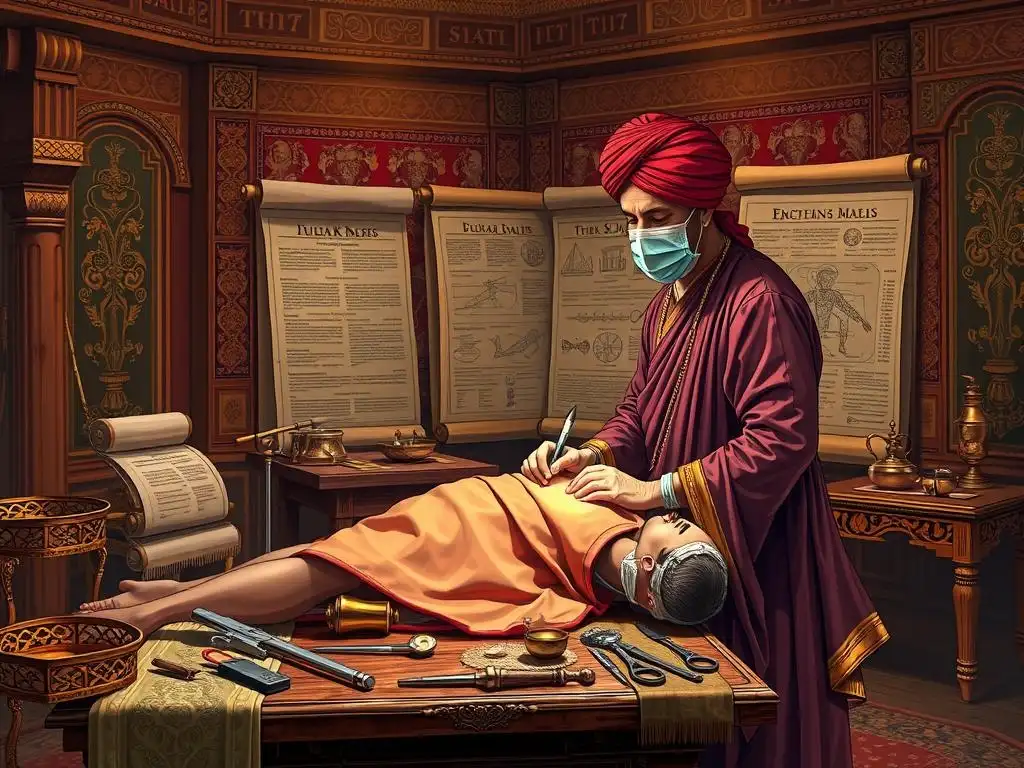
The history of medicine and surgery is a rich tapestry woven with the contributions of various civilizations, and ancient India stands out as a significant player in this narrative. Ancient Indian surgery techniques were not only advanced for their time but also laid the groundwork for many surgical practices that would evolve in both Eastern and Western medical traditions.
This article aims to explore the remarkable surgical practices developed in ancient India, highlighting their influence and historical significance. By delving into the intricacies of these techniques, we can appreciate how they shaped medical practices across the globe and continue to resonate in contemporary medicine.
Overview of Ancient Indian Surgical Practices
Ancient Indian surgical practices can be traced back to the Vedic period, with significant advancements documented in texts such as the Sushruta Samhita and the Charaka Samhita. These texts describe a variety of surgical techniques, instruments, and procedures that reflect a sophisticated understanding of human anatomy and physiology. Some key practices included:
- Surgical Operations: Procedures such as cataract surgery, cesarean sections, and the treatment of fractures were commonly performed.
- Use of Anesthesia: Ancient surgeons employed herbal concoctions and other methods to induce anesthesia, showcasing an understanding of pain management.
- Instruments: A wide range of surgical instruments, made from materials like iron and bronze, were meticulously designed for various functions, including scalpels, forceps, and needles.
Significance of Ancient Indian Surgery in Historical Context
The significance of ancient Indian surgery extends beyond its technical achievements. The practices and principles established by Indian surgeons, particularly Sushruta, influenced not only Indian medicine but also reached far into the realms of Greek and Roman medical practices. The exchange of knowledge through trade routes and cultural interactions facilitated the dissemination of these techniques. Ancient Indian surgery emphasized:
- Holistic Healing: A focus on patient care that integrated physical, mental, and spiritual health.
- Ethical Standards: Guidelines for practitioners that underscored the importance of ethical considerations in medical practice.
- Documentation: The meticulous recording of surgical techniques and outcomes, which contributed to the development of medical literature.
Historical Background of Ancient Indian Surgery
Understanding the historical backdrop of ancient Indian surgery is essential to appreciate its evolution and impact. The medical traditions of ancient India were characterized by a blend of empirical observation and spiritual philosophy, creating a unique approach to healing.
Development of Surgical Techniques in Ancient India
The development of surgical techniques in ancient India was influenced by various factors, including:
- Cultural Practices: The integration of surgical practices with traditional healing methods.
- Education: The establishment of medical schools, where students learned from experienced surgeons and scholars.
- Innovations: Contributions from various regions and communities that enriched the medical knowledge base.
These elements combined to create a sophisticated system of surgery that addressed a wide array of medical conditions.
Key Figures in Ancient Indian Surgery: Sushruta and Charaka
Two pivotal figures in the realm of ancient Indian surgery are Sushruta and Charaka. Their contributions are foundational to the practice of medicine in India and beyond.
- Sushruta: Often referred to as the "Father of Surgery," Sushruta authored the Sushruta Samhita, which elaborates on surgical techniques, instruments, and the importance of hygiene. His work laid the groundwork for various surgical procedures still recognized today.
- Charaka: A contemporary of Sushruta, Charaka is known for his contributions to internal medicine and the Charaka Samhita, a key text that complements Sushruta's work. Charaka emphasized the importance of diagnosis and treatment planning, influencing the holistic approach to medicine.
Through their groundbreaking work, Sushruta and Charaka not only advanced the field of surgery but also contributed to a broader understanding of health and wellness that continues to inspire medical practices around the world.
Core Concepts of Ancient Indian Surgical Techniques
Ancient Indian surgical techniques were characterized by a deep understanding of anatomy, physiology, and the principles of healing. Central to these techniques was the concept of Shalya (surgery), which was considered a vital aspect of Ayurvedic medicine. Ancient Indian surgeons believed in a holistic approach, emphasizing the balance of bodily humors ( doshas) and the importance of sanitation and hygiene during surgical procedures.
The methodology employed by ancient surgeons included not only physical interventions but also a comprehensive examination of the patient's overall health, diet, and lifestyle. This integrated approach laid the groundwork for a range of surgical specialties, including ophthalmology, orthopedics, and even plastic surgery, reflecting a sophistication in medical practices that was advanced for its time.
Sushruta Samhita: A Foundational Text
The Sushruta Samhita, authored by the ancient surgeon Sushruta around the 6th century BCE, is perhaps the most significant text in the field of ancient Indian surgery. This seminal work provides extensive documentation of surgical techniques, tools, and the philosophy underlying surgical practices. It is divided into several sections, including descriptions of various surgical procedures, methods of anesthesia, and detailed accounts of surgical instruments.
Sushruta's emphasis on the importance of a surgeon's skill and knowledge highlights the professional status of surgeons in ancient Indian society. The text also discusses the ethical dimensions of surgery, emphasizing the importance of patient consent and the responsibilities of the surgeon. The Sushruta Samhita serves as a critical resource for understanding the evolution of surgical practices and continues to influence modern medical techniques and education.
Types of Surgical Procedures Described in Ancient Texts
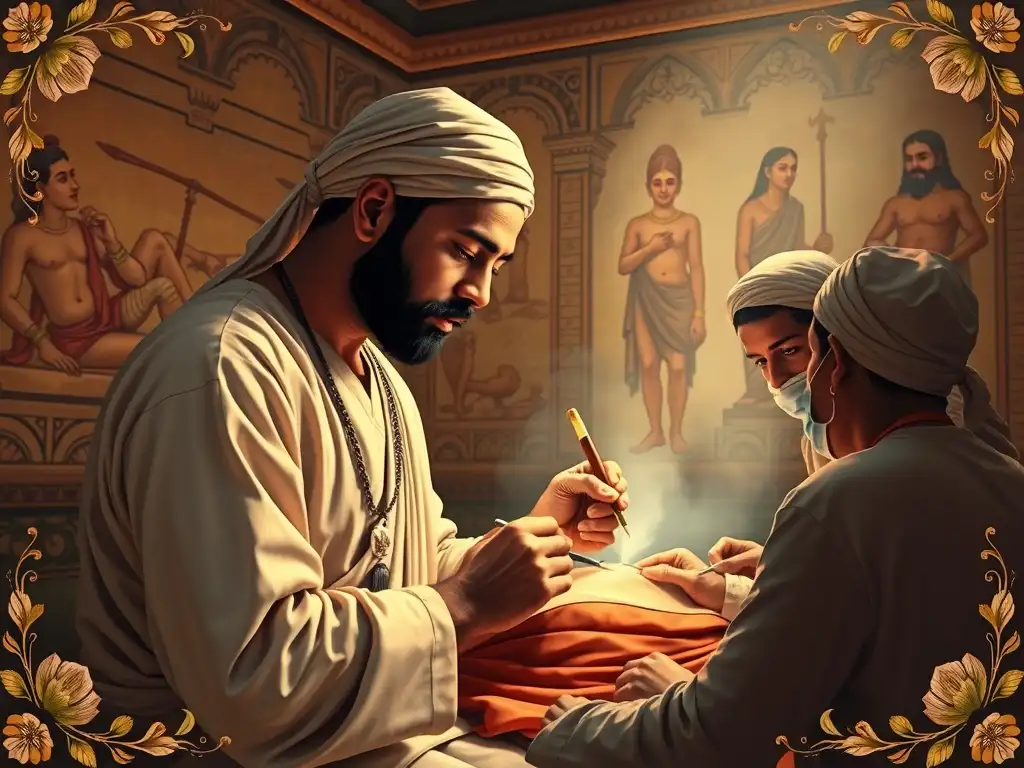
Ancient Indian texts describe an extensive array of surgical procedures, reflecting a sophisticated understanding of human anatomy. Some of the notable procedures include:
- Suturing: Techniques for closing wounds, including various types of stitches.
- Cataract Surgery: Methods for extracting cataracts, showcasing advanced knowledge in ophthalmology.
- Plastic Surgery: Procedures like rhinoplasty (reconstruction of the nose) and other reconstructive techniques were documented, demonstrating an understanding of aesthetics and functionality.
- Amputation: Guidelines for the amputation of limbs, often accompanied by techniques to minimize pain and prevent infection.
These procedures highlight the exceptional skills of ancient Indian surgeons and their commitment to patient care.
Tools and Instruments Used in Ancient Indian Surgery
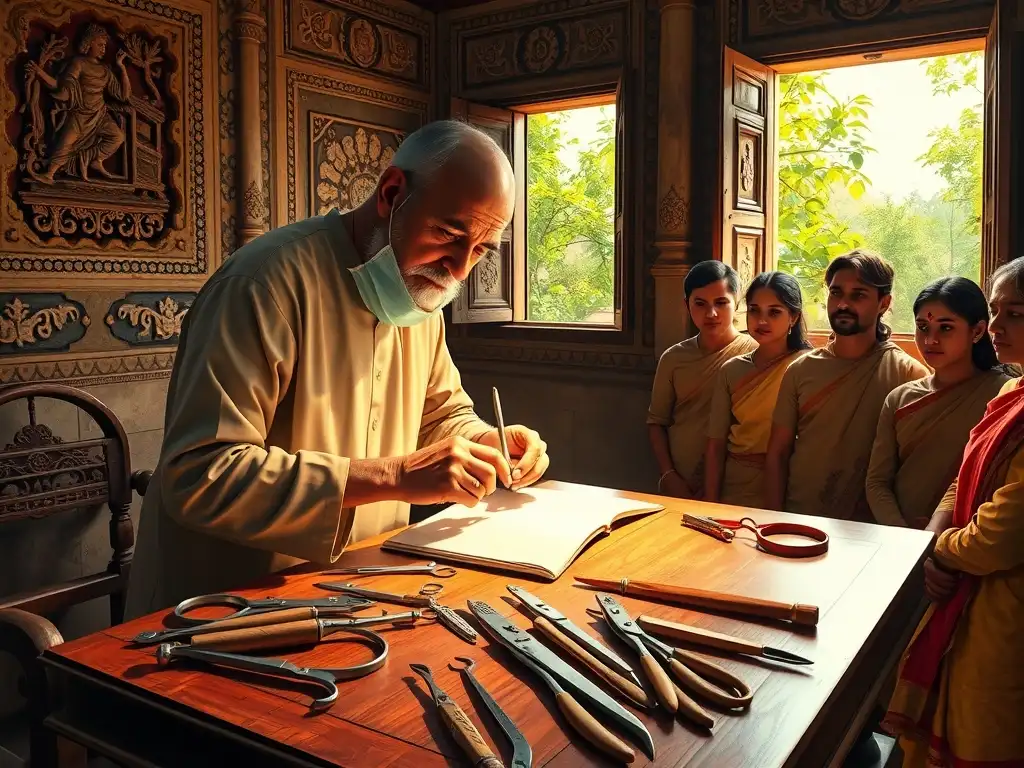
The instruments used in ancient Indian surgery were meticulously crafted and reflected a high level of craftsmanship. Some of the key surgical tools included:
- Scalpels: Sharp instruments for making incisions.
- Forceps: Used for grasping tissues or bone fragments.
- Needles: Employed for suturing wounds, often made from metal or bone.
- Cupping Instruments: Used for draining abscesses and alleviating pain.
- Surgical Hooks: Utilized for retraction during procedures.
The Sushruta Samhita details the design and use of these tools, emphasizing the importance of precision and hygiene in surgical practice.
Comparison of Ancient Indian Surgery with Eastern Practices
The surgical practices of ancient India share both similarities and differences with Eastern practices, particularly those of China. This comparison illustrates the interconnectedness of medical knowledge across cultures.
Similarities in Surgical Techniques between India and China
Both ancient Indian and Chinese surgical techniques emphasized the importance of holistic treatment approaches. For instance, both traditions incorporated herbal medicines and therapies to complement surgical interventions. Additionally, techniques such as acupuncture in Chinese medicine can be seen as akin to the anesthetic practices described in the Sushruta Samhita, where substances were used to alleviate pain during surgery.
Differences in Philosophical Approaches to Medicine and Surgery
While ancient Indian surgery was grounded in the principles of Ayurveda, emphasizing balance and wellness, traditional Chinese medicine focused on the concept of Qi (vital energy) and the harmony between the body and nature. This fundamental philosophical difference influenced their respective approaches to surgery. For example, while Indian surgeons sought to physically correct ailments, Chinese practitioners often employed methods aimed at restoring energy flow and balance in the body.
Influence of Ancient Indian Surgery on Traditional Chinese Medicine
The influence of ancient Indian surgery on traditional Chinese medicine is notable, particularly in the areas of surgical techniques and the use of medicinal herbs. Historical accounts suggest that Indian medical texts, including the Sushruta Samhita, were translated into Chinese, facilitating the exchange of knowledge. This exchange enriched Chinese medical practice, leading to the incorporation of certain surgical techniques that mirrored those found in ancient Indian texts, thereby enhancing the overall scope of traditional Chinese medicine.
Influence of Ancient Indian Surgery on Western Medical Practices
The influence of ancient Indian surgery on Western medical practices is a testament to the rich heritage and advanced understanding of medicine that flourished in ancient India. Techniques and concepts developed by Indian surgeons, particularly during the time of Sushruta and his contemporaries, laid foundational principles that transcended geographic and cultural boundaries. The meticulous records of surgical procedures and medical ethics in texts such as the Sushruta Samhita served as a bridge connecting Eastern and Western practices, demonstrating the significance of ancient Indian contributions to global medical knowledge.
Introduction of Ancient Indian Surgical Techniques to the West
The introduction of ancient Indian surgical techniques to the West can be traced back to the interactions between Indian and Greek civilizations. Notably, the conquests of Alexander the Great in the 4th century BCE opened avenues for cultural exchange. Through translations of texts and the movement of scholars, Greek physicians became aware of Indian medical practices. The Sushruta Samhita, which describes over 300 surgical procedures and instruments, eventually found its way into Arabic translations, further amplifying its influence on Western medicine during the Middle Ages.
Key Figures in the Transmission of Knowledge: Arab Scholars
Arab scholars played a crucial role in the transmission of ancient Indian surgical knowledge to the Western world. Notable figures such as Al-Razi (Rhazes) and Avicenna (Ibn Sina) were instrumental in integrating and disseminating these teachings. They translated Indian texts, including the Sushruta Samhita, into Arabic, enriching the medical literature of the Islamic Golden Age.
Their works not only preserved ancient Indian surgical techniques but also synthesized them with Greek and Roman medical knowledge, creating comprehensive medical treatises. This cross-pollination of ideas set the stage for the Renaissance period in Europe, where these texts would later inspire new advancements in surgery.
Lasting Impact on Western Surgical Techniques
The lasting impact of ancient Indian surgery on Western surgical techniques can be observed in various methods and principles still in use today. Techniques such as rhinoplasty (the reconstruction of the nose) and cataract surgery (the removal of cataracts) have their roots in ancient Indian practices. The meticulous approach of Indian surgeons to surgical instruments and aseptic techniques influenced the development of surgical tools in the West. Furthermore, the ethical guidelines established by ancient Indian texts concerning patient care and surgical consent continue to resonate within modern medical ethics, underscoring the enduring legacy of these ancient practices.
Legacy and Modern Relevance of Ancient Indian Surgery
The legacy of ancient Indian surgery extends beyond historical significance; it holds contemporary relevance in the practice of medicine today. As modern surgeons and medical practitioners explore various methodologies, the insights derived from ancient texts offer valuable perspectives on surgical innovation and patient care.
Integration of Ancient Techniques in Contemporary Practices
In recent years, there has been a renewed interest in integrating ancient Indian surgical techniques within contemporary practices. Surgeons are revisiting traditional methods, particularly in reconstructive surgery, to enhance outcomes and minimize complications. For example, techniques for skin grafting and flap surgery, described in ancient texts, are being adapted to improve modern surgical procedures. This integration demonstrates not only the practicality of these age-old methods but also the importance of a holistic approach to patient care that combines ancient wisdom with modern science.
Continued Study and Preservation of Ancient Surgical Knowledge
The continued study and preservation of ancient surgical knowledge are essential for understanding the evolution of medical practices. Institutions and scholars dedicated to the research of ancient texts work tirelessly to translate, interpret, and disseminate this knowledge. Initiatives to preserve manuscripts and promote education in ancient surgical techniques ensure that the wisdom of ancient Indian surgery remains accessible. Conferences, workshops, and academic programs dedicated to ancient medicine foster a dialogue between past and present, encouraging the exploration of how these techniques can inform modern practices and inspire future innovations in surgery.
Conclusion: The Lasting Influence of Ancient Indian Surgery Techniques
Ancient Indian surgery techniques have left an indelible mark on both Eastern and Western medical practices. The rich heritage of surgical knowledge originating from texts like the Sushruta Samhita highlights the advanced understanding of anatomy, surgical procedures, and patient care that existed in ancient India. These techniques not only paved the way for surgical innovations but also fostered the exchange of medical knowledge between cultures, influencing various practices throughout history.
The principles of hygiene, surgical tools, and methods of anesthesia detailed in ancient Indian texts have been adopted and adapted by many civilizations. As a result, contemporary surgical practices often reflect a blend of ancient wisdom and modern advancements, demonstrating the timeless relevance of these early contributions.
Summary of Key Contributions to Eastern and Western Medicine
- Surgical Techniques and Instruments: Ancient Indian texts delineated numerous surgical procedures, such as cataract surgery and plastic surgery, along with a variety of surgical instruments that are precursors to modern tools. The precision and care with which these procedures were performed set a standard that influenced later practices in both Eastern and Western medicine.
- Anesthesia and Pain Management: The use of natural anesthetics, such as alcohol and herbs, showcased early advancements in pain management. These methods informed later developments in anesthesia, paving the way for safer surgical practices.
- Holistic Approach to Medicine: Ancient Indian surgery techniques were rooted in a holistic understanding of health that combined physical, emotional, and spiritual well-being. This integrative approach has resonated in modern holistic practices and alternative medicine, emphasizing the importance of treating the patient as a whole.
- Documentation and Education: The meticulous documentation of surgical techniques and medical knowledge in texts like the Sushruta Samhita has provided a foundation for medical education and practice across cultures. This emphasis on knowledge sharing has encouraged ongoing research and development in the medical field.
Reflection on the Importance of Understanding Ancient Practices in Modern Context
Understanding ancient Indian surgery techniques is crucial for recognizing the evolution of medical practices and the interconnectedness of global healthcare systems. By studying these historical practices, modern medical professionals can appreciate the foundations upon which contemporary medicine is built.
Moreover, ancient techniques often emphasize patient-centered care and holistic approaches that align with current trends in medicine. This reflection not only fosters respect for historical knowledge but also inspires innovation within the medical field by encouraging practitioners to draw lessons from the past to address present and future challenges in healthcare.
References
Suggested Further Reading on Ancient Indian Surgery Techniques
- Sushruta Samhita: The foundational text of ancient Indian surgery, offering insights into surgical techniques and medical philosophy.
- Ayurveda: The Science of Self-Healing: by Dr. Vasant Lad: A comprehensive exploration of ancient Indian medicine, including surgical practices.
- History of Indian Medicine by Dr. R. N. Sharma: This book details the evolution of medical practices in India, highlighting significant contributions from ancient times.
Notable Research Articles and Resources on Ancient Medical Practices
- "The Influence of Sushruta on Modern Surgery" in the Journal of Indian Medical History: This article examines the contributions of Sushruta to contemporary surgical practices.
- "Ancient Indian Medical Texts and Their Relevance Today" available through various academic journals, which discuss the implications of ancient practices on modern medicine.
- Research papers from the Indian Journal of History of Science, which provide scholarly insights into the development of medical practices in ancient India, including surgical techniques.
- Introduction to Ancient Indian Surgery Techniques
- Historical Background of Ancient Indian Surgery
- Core Concepts of Ancient Indian Surgical Techniques
- Sushruta Samhita: A Foundational Text
- Types of Surgical Procedures Described in Ancient Texts
- Tools and Instruments Used in Ancient Indian Surgery
- Comparison of Ancient Indian Surgery with Eastern Practices
- Influence of Ancient Indian Surgery on Western Medical Practices
- Legacy and Modern Relevance of Ancient Indian Surgery
- Conclusion: The Lasting Influence of Ancient Indian Surgery Techniques
- References
Frequently Asked Questions
What were some key ancient Indian surgery techniques?
Ancient Indian surgery techniques included surgical procedures like cataract surgery and plastic surgery methods, notably described in texts like the Sushruta Samhita.
How did ancient Indian surgery influence other cultures?
The innovations and knowledge in surgery from ancient India significantly impacted both Eastern and Western medical practices, leading to advancements in surgical techniques across the globe.
Who was Sushruta and why is he important?
Sushruta is often referred to as the father of surgery in ancient India, his work laid the foundation for surgical practices, emphasizing the importance of anatomy and patient care.
What role did herbal medicine play in ancient Indian surgery?
Herbal medicine was integral to ancient Indian surgery, providing anesthetic and antiseptic properties, essential for safe surgical procedures and post-operative care.
How is the legacy of ancient Indian surgery perceived today?
Today, the legacy of ancient Indian surgery is recognized for its contributions to modern medicine, reflecting a sophisticated understanding of human anatomy and surgical techniques that continue to inform contemporary practices.
Final Reflection: The Enduring Legacy of Ancient Indian Surgery Techniques
The exploration of ancient Indian surgery techniques reveals a profound connection between past innovations and contemporary medical practices. Today, as we navigate a world increasingly reliant on advanced surgical methods, the wisdom of ancient practitioners serves as a reminder of the ingenuity that has shaped modern healthcare. The intricate techniques and holistic approaches developed centuries ago continue to resonate, illustrating that the roots of medicine are deeply intertwined with cultural heritage and scientific evolution.
The influence of ancient Indian surgery extends beyond mere historical significance; it has woven itself into the very fabric of both Eastern and Western medical practices. As we witness the resurgence of interest in holistic and integrative medicine, the teachings of ancient Indian surgeons remind us of the importance of viewing health through a multifaceted lens. The greatest wealth is health.
– Virgil. This quote encapsulates the essence of ancient practices, emphasizing that true well-being encompasses not just physical health but also mental and spiritual balance.
As we reflect on the lessons gleaned from ancient Indian surgery techniques, I invite you to consider how these principles can be applied in your own life. Embrace the wisdom of the past as you navigate your health journey, and recognize the value of a holistic approach to well-being. Let us honor the legacy of those who came before us by integrating their insights into our modern practices, fostering a future where ancient knowledge and contemporary innovation coexist harmoniously for the betterment of all.
Unveil the Legacy of Ancient Indian Surgery!
Thank you for exploring the profound influence of ancient Indian surgery on both Eastern and Western medical practices. You now have a glimpse into how these historic advancements continue to shape modern healthcare. So, what’s next? Let’s turn this knowledge into action!
- Dive deeper into the fascinating world of ancient medicine— explore additional resources and articles that expand on surgical techniques and philosophies.
- Share your insights with friends or in forums dedicated to history and medicine—your voice can inspire others to appreciate this remarkable legacy!
- Consider joining a community or online course that focuses on the history of medicine— connect with like-minded individuals who are passionate about these timeless practices.
What insights from ancient surgical practices do you think are most relevant to today's medical techniques? Let's discuss!