
How Ancient Indian Surgeons Practiced Medicine: Techniques and Tools

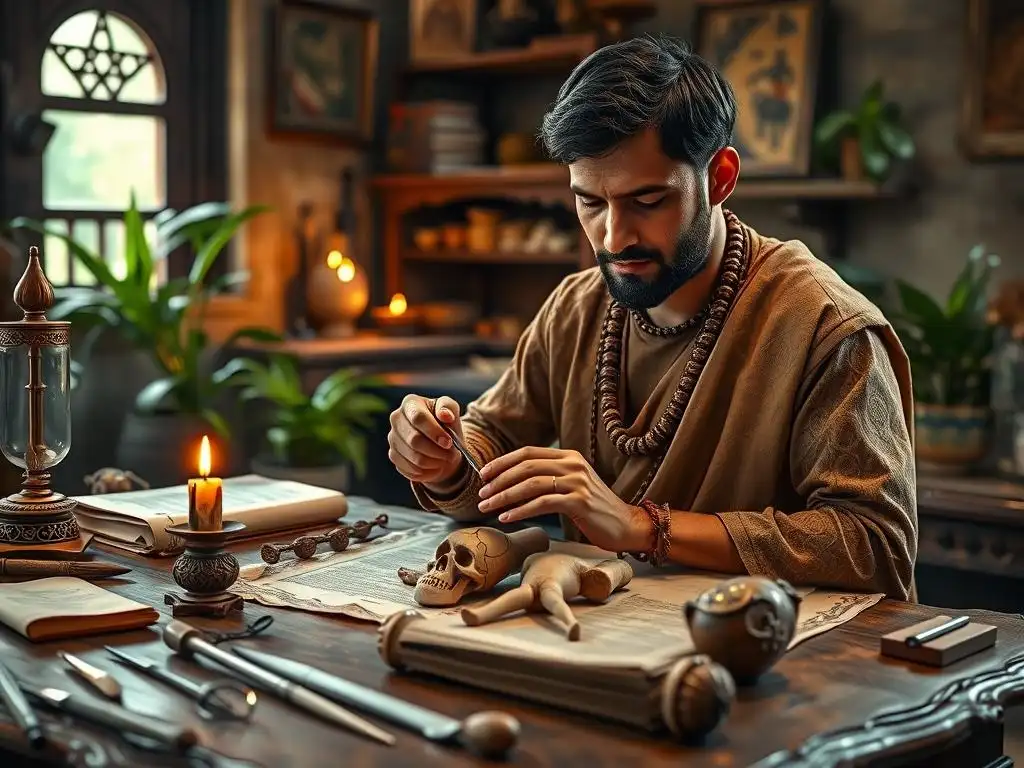
Welcome to Ancient India History, where we embark on a fascinating journey through the rich tapestry of ancient Indian civilizations. Have you ever wondered how ancient Indian surgery techniques revolutionized the field of medicine long before the advent of modern practices? In our featured article, "How Ancient Indian Surgeons Practiced Medicine: Techniques and Tools," we delve into the remarkable skills and innovative tools used by these early practitioners.
Get ready to uncover the secrets of surgical mastery that not only shaped the health of their time but also laid the groundwork for future medical advancements. Join us as we explore the extraordinary contributions of ancient India and ignite your curiosity about its profound legacy!
Introduction to Ancient Indian Surgery Techniques
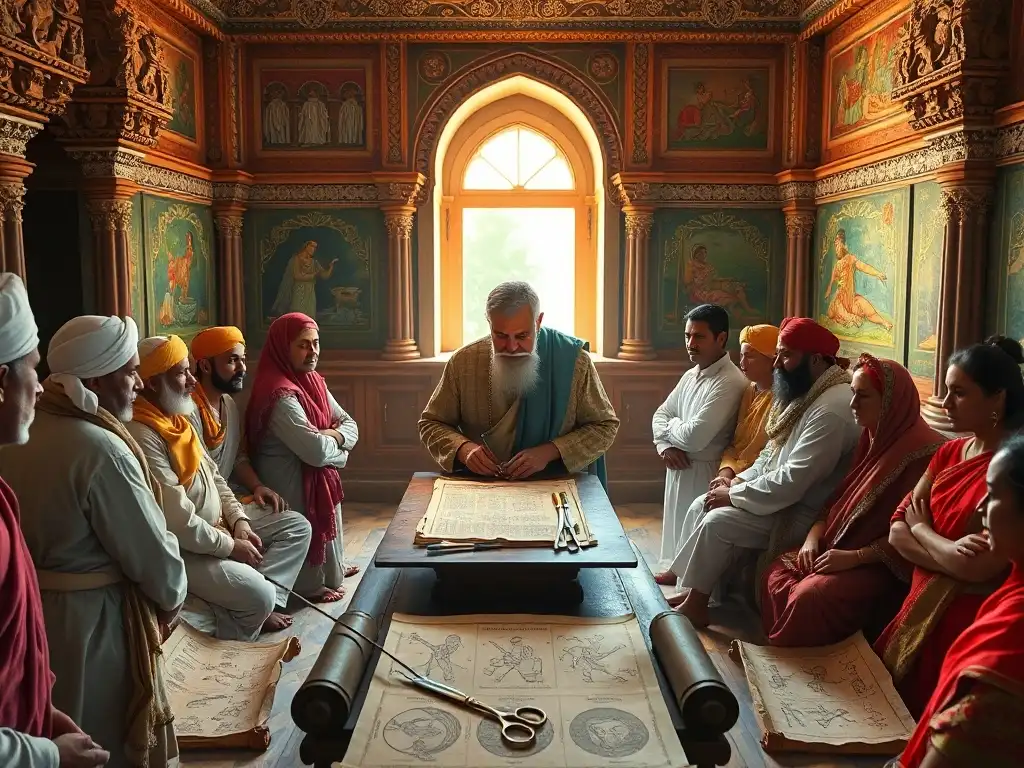
Ancient Indian surgery techniques represent a fascinating intersection of art, science, and culture, demonstrating the advanced medical knowledge and practices that flourished in India thousands of years ago. From the meticulous procedures employed by skilled surgeons to the innovative tools they crafted, ancient Indian medicine provides a rich tapestry of healing methods that were ahead of their time.
This article delves into the surgical practices of ancient Indian civilizations, highlighting their techniques, tools, and the philosophical underpinnings that guided their medical practices. By exploring these historical insights, we can gain a deeper appreciation for the contributions of ancient Indian surgeons and their influence on contemporary medicine.
Overview of Ancient Indian Medical Practices
Ancient Indian medical practices were deeply rooted in holistic philosophies that emphasized the balance between body, mind, and spirit. The system of Ayurveda, which emerged around 1500 BCE, laid the foundation for understanding health and disease. Ayurvedic texts detail various treatments, including herbal remedies, dietary guidelines, and surgical interventions.
- Key Features of Ayurvedic Medicine:
- Emphasis on preventive care and lifestyle adjustments.
- Use of natural remedies derived from plants, minerals, and animal products.
- Integration of surgery as a vital component of healing.
In addition to Ayurveda, the surgical practices of ancient India are largely documented in the Sushruta Samhita, a seminal text attributed to the physician Sushruta, often referred to as the "Father of Surgery." This text outlines numerous surgical techniques, instruments, and procedures, showcasing a sophisticated understanding of anatomy and patient care.
Importance of Surgical Techniques in Ancient India
Surgical techniques in ancient India were not merely practical procedures; they were an essential aspect of medicine that demonstrated the civilization's commitment to advancing healthcare. The importance of these techniques can be understood through several key factors:
- Innovative Surgical Procedures: Ancient Indian surgeons performed complex operations, including cataract surgery, plastic surgery, and the treatment of wounds and fractures.
- Cultural Acceptance of Surgery: Unlike many ancient cultures that viewed surgery with skepticism, ancient Indian society recognized the value of surgical intervention as a means to improve health and quality of life.
- Educational Institutions: The establishment of medical schools and training centers contributed to the dissemination of surgical knowledge and techniques, ensuring that skilled practitioners were available to treat patients.
Historical Context of Surgery in Ancient India
The practice of surgery in ancient India evolved over centuries, influenced by various cultural, social, and scientific developments. Understanding this historical context is crucial for appreciating the advancements made in surgical techniques and their lasting impact on medicine.
Timeline of Surgical Advancements in Ancient India
- Indus Valley Civilization (c. 3300–1300 BCE): Evidence of early surgical practices, including trepanation, has been found in archaeological sites.
- Vedic Period (c. 1500–500 BCE): The emergence of Ayurveda as a comprehensive medical system, incorporating surgical practices.
- Classical Period (c. 600 BCE–400 CE): The Sushruta Samhita is composed, detailing various surgical techniques and instruments, marking a significant advancement in medical knowledge.
- Gupta Empire (c. 320–550 CE): A golden age for medicine, characterized by increased surgical innovation and the establishment of hospitals.
Influential Texts on Ancient Indian Surgery
The contributions of ancient Indian surgeons are preserved in several influential texts, which serve as valuable resources for understanding their practices.
- Sushruta Samhita: Contains over 120 surgical procedures and descriptions of surgical instruments, showcasing advanced techniques such as suturing and incision.
- Charaka Samhita: Although primarily focused on internal medicine, it includes references to surgical practices and the importance of surgical intervention in treatment.
- Ashtanga Sangraha: A comprehensive medical text that discusses various aspects of Ayurveda, including surgical techniques.
Through these texts, ancient Indian surgeons not only documented their practices but also shared their knowledge with future generations, influencing medical practices beyond the Indian subcontinent. Their advancements laid the groundwork for the evolution of surgery as a respected and essential field of medicine.
Key Techniques in Ancient Indian Surgery
Ancient Indian surgery was characterized by a blend of meticulous techniques and a deep understanding of human anatomy. Among the most significant techniques were surgical excision, suturing, and cauterization.
- Surgical Excision: This technique involved the removal of tumors and abscesses. Surgeons employed various methods to ensure a clean excision, showcasing their proficiency in cutting and drainage.
- Suturing: Ancient Indian surgeons were adept at suturing wounds. They used different types of sutures based on the nature of the wound, employing methods that minimized scarring and promoted healing.
- Cauterization: Cauterization was commonly used to control bleeding and prevent infections. Surgeons often used heated instruments or caustic substances to seal wounds effectively.
These techniques demonstrate the advanced surgical knowledge possessed by ancient Indian practitioners, who not only executed surgeries with precision but also understood the importance of post-operative care to ensure patient recovery.
Sushruta and His Contributions to Surgical Techniques
Sushruta, often referred to as the "Father of Surgery," made groundbreaking contributions to the field of medicine in ancient India. His seminal work, the Sushruta Samhita, is among the oldest surgical texts in existence, dating back to around 600 BCE. This text outlines a plethora of surgical techniques and procedures, establishing a foundation for future medical practices.
- Anatomical Knowledge: Sushruta emphasized the importance of understanding anatomy, conducting dissections to gain insights into the human body. He meticulously described over 300 surgical procedures and introduced concepts such as plastic surgery and reconstructive surgery.
- Surgical Training: Sushruta advocated for rigorous training for surgeons, emphasizing the need for proper education and hands-on experience. His methods for teaching surgical techniques laid the groundwork for medical education in ancient India.
- Holistic Approach: Beyond surgical techniques, Sushruta integrated principles of Ayurveda, focusing on the balance between body, mind, and spirit, highlighting the holistic nature of ancient Indian medicine.
Sushruta's contributions significantly advanced surgical practices, influencing not only Indian medicine but also the broader field of surgery globally.
Types of Surgical Procedures in Ancient Indian Medicine
Ancient Indian surgery encompassed a wide range of procedures, reflecting the diverse medical needs of the population. Some notable types of surgical procedures included:
- Ophthalmic Surgery: Techniques for treating eye ailments were well-developed, including cataract surgeries and procedures to correct vision impairments.
- Plastic and Reconstructive Surgery: Sushruta is particularly known for his pioneering work in plastic surgery, including the reconstruction of noses and ears, often performed as a result of injuries or punishments.
- Orthopedic Surgery: Procedures to treat fractures and dislocations were common, with surgeons using splints and traction methods to ensure proper healing.
- Urological Surgery: Ancient texts indicate that surgeries related to urinary tract issues were also conducted, showcasing a comprehensive approach to various health problems.
These diverse surgical procedures illustrate the sophisticated understanding of medicine that ancient Indian surgeons possessed, enabling them to address a wide array of health concerns effectively.
Surgical Tools Used by Ancient Indian Surgeons
The tools used by ancient Indian surgeons were a testament to their ingenuity and expertise in the field of medicine. Crafted from materials such as bronze, iron, and even wood, these instruments were designed for various surgical applications.
Overview of Surgical Instruments in Ancient India
Ancient Indian surgical instruments included a variety of tools, each tailored for specific procedures. Key instruments included:
- Scalpels and Knives: Used for incisions and excisions, these sharp tools came in different sizes depending on the complexity of the surgery.
- Forceps: These were essential for grasping and holding tissues during procedures, ensuring precision and control.
- Surgical Hooks: Utilized to retract tissues and provide better visibility during surgeries, hooks were vital for accessing deeper areas.
- Needles and Sutures: Surgical needles, often made from metal, were used in conjunction with various suturing materials to close wounds effectively.
The diversity of these instruments highlights the advanced surgical practices of ancient Indian medicine, reflecting a comprehensive understanding of the tools necessary for successful surgeries.
Innovations in Surgical Equipment and Their Impact
The innovations in surgical equipment during ancient Indian times had a profound impact on the practice of medicine. Notable advancements included:
- Development of Specialized Instruments: The creation of instruments tailored for specific surgeries, such as those for plastic surgery, demonstrated a sophisticated approach to surgical needs.
- Improved Materials: The use of high-quality metals and durable materials enhanced the longevity and effectiveness of surgical tools, allowing for greater precision in operations.
- Standardization of Instruments: As surgical practices evolved, the standardization of tools facilitated training and consistency among practitioners, leading to improved surgical outcomes.
These innovations not only advanced the field of surgery in ancient India but also laid the groundwork for future developments in medical technology, influencing surgical practices across cultures and centuries.
Training and Education of Ancient Indian Surgeons
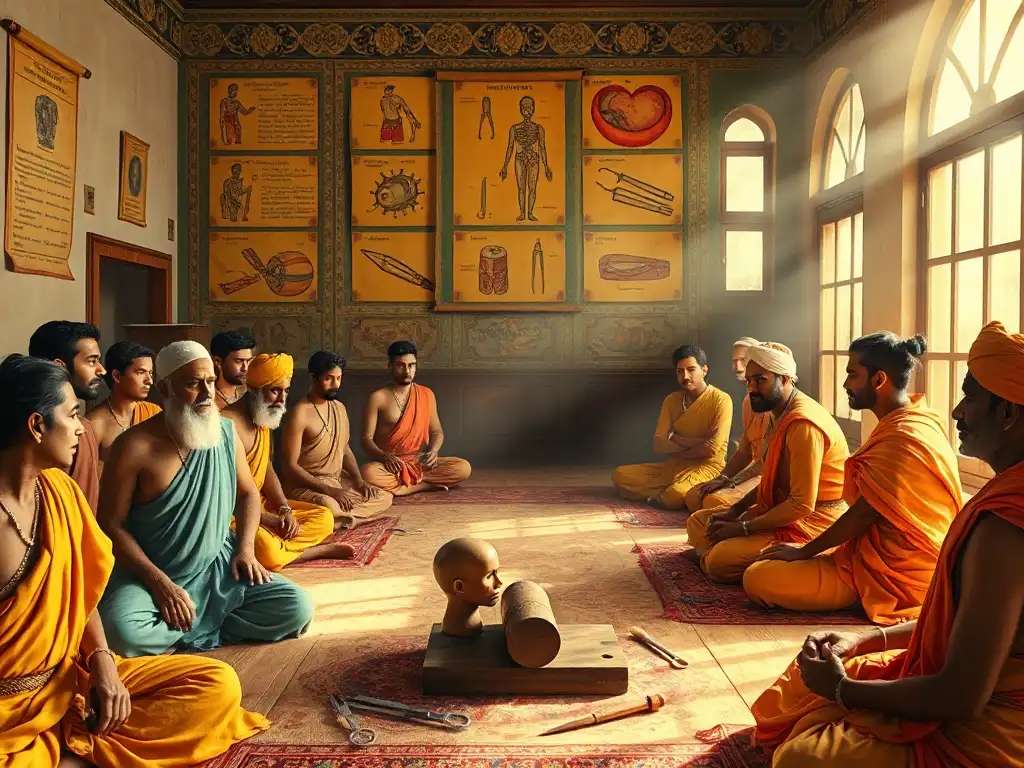
The training and education of ancient Indian surgeons were highly structured and deeply rooted in the cultural and academic traditions of the time. The foundation of surgical training was laid in ancient texts, particularly the Sushruta Samhita, attributed to Sushruta, who is often referred to as the "Father of Surgery." This seminal work compiled extensive knowledge on surgical procedures, anatomy, and medical ethics, serving as a crucial educational resource for aspiring surgeons.
Surgeons, known as vaidya, were required to undergo rigorous training that encompassed both theoretical knowledge and practical skills. This dual approach ensured that they were well-prepared to handle a variety of medical conditions and surgical interventions. The education process was not only about learning surgical techniques but also included the study of herbal medicine, physiology, and pathology, promoting a holistic understanding of health and wellness.
The Gurukula System: Learning Surgical Techniques
The Gurukula system was a traditional method of education prevalent in ancient India, where students lived with their teacher (guru) in a communal setting. This system fostered a deep mentor-student relationship that was essential for effective learning, particularly in the field of surgery. In these settings, students engaged in hands-on practice under the close supervision of their gurus, allowing them to master techniques such as suturing, wound management, and even plastic surgery.
The curriculum often included the analysis of anatomical texts and the dissection of cadavers, which was crucial for understanding human anatomy. Students learned various surgical tools and their specific uses, gaining practical knowledge that complemented their theoretical studies. The immersive nature of the Gurukula system ensured that the next generation of surgeons was not only skilled in techniques but also imbued with the ethical responsibilities of their profession.
Role of Apprenticeship in Ancient Indian Surgery
Apprenticeship played a vital role in the formation of skilled surgeons in ancient India. After completing their formal education in the Gurukula system, aspiring surgeons would often enter into an apprenticeship with established medical practitioners. This arrangement allowed them to gain practical experience in real-world settings, working directly with patients and assisting in surgical procedures.
During this phase, apprentices were exposed to a wide array of surgical techniques and patient management strategies. They learned to adapt their skills to different situations, understanding how to make critical decisions in the operating room. This hands-on experience was invaluable, as it bridged the gap between theoretical knowledge and practical application, ensuring that they were well-equipped to serve their communities as competent surgeons.
Comparisons with Contemporary Surgical Practices
The practices of ancient Indian surgery, while advanced for their time, exhibit both similarities and differences when compared to contemporary surgical practices. Understanding these aspects highlights the evolution of medical knowledge and techniques over the centuries.
Similarities Between Ancient Indian and Modern Surgical Techniques
One of the most notable similarities is the emphasis on aseptic techniques. Ancient Indian surgeons recognized the importance of cleanliness and the prevention of infection, employing methods to sterilize their instruments and maintain hygienic conditions during surgeries. This awareness parallels modern surgical practices, which prioritize infection control and patient safety.
Additionally, techniques such as suturing and the use of specific surgical instruments have endured through time. Many of the tools described in the Sushruta Samhita, such as scalpels and forceps, have their modern counterparts, showcasing the continuity of surgical innovation. Moreover, ancient Indian practices of plastic surgery, particularly rhinoplasty, paved the way for contemporary reconstructive techniques, demonstrating a remarkable understanding of human anatomy.
Unique Aspects of Ancient Indian Surgery Not Found Today
Despite the advancements in modern medicine, certain unique aspects of ancient Indian surgery are not commonly found in contemporary practices. One such aspect is the holistic approach towards patient care, which integrated spiritual and psychological elements alongside physical treatment. Ancient surgeons often considered the emotional and mental state of their patients, providing a more comprehensive care model that emphasized well-being in all aspects.
Moreover, the use of herbal remedies and natural anesthetics was prevalent in ancient Indian surgical practices. Techniques such as sukha (comfort) and anesthetics derived from plants were utilized to manage pain and facilitate smoother surgical procedures. While modern anesthesia has advanced significantly, the reliance on natural substances for pain management reflects a unique aspect of ancient practices that is seldom seen today.
The rich legacy of ancient Indian surgery offers invaluable insights into the evolution of medical practices. The training, education, and unique methodologies employed by ancient surgeons continue to inspire and inform contemporary practices in the field of medicine.
Conclusion: The Legacy of Ancient Indian Surgery Techniques
The legacy of ancient Indian surgery techniques is profound and continues to resonate in various aspects of modern medicine. Ancient Indian surgeons, particularly those from the time of the Indus Valley Civilization and later periods, laid the groundwork for surgical practices that combined empirical knowledge with a deep understanding of human anatomy. Their methodologies were not only innovative but also remarkably systematic, encompassing a range of procedures from minor interventions to complex surgeries.
These early practitioners, like Sushruta, authored texts that meticulously recorded surgical techniques, tools, and the philosophy behind medical treatments. This documentation not only preserved their knowledge for future generations but also influenced medical practices across cultures. The principles established in ancient Indian surgery emphasize the importance of hygiene, patient care, and a holistic approach to treatment, which are still relevant in contemporary medical practices.
Lasting Impact on Modern Medicine
The impact of ancient Indian surgery techniques on modern medicine is significant. The surgical instruments devised by ancient surgeons, such as scalpels, forceps, and needles, have evolved but can trace their origins back to these early innovations. Modern surgical instruments often reflect the designs and functionalities that were perfected thousands of years ago.
Furthermore, concepts such as anesthesia, wound care, and surgical procedures in ancient texts provided foundational knowledge that influenced not only Indian medicine but also the development of surgical practices in other cultures. The ancient practice of rhinoplasty, detailed in Sushruta's writings, is a prime example of a procedure that has been refined over centuries and is still performed today. The meticulous attention to detail and the emphasis on surgical precision established by ancient Indian surgeons continue to guide medical professionals in their practice.
Continued Relevance of Ancient Techniques in Today's Medical Practices
Ancient Indian surgical techniques remain relevant in today's medical practices, particularly in fields such as Ayurveda and holistic health. Many practitioners of Ayurveda incorporate surgical techniques that align with ancient principles, emphasizing natural remedies and minimal invasiveness. The holistic approach adopted by ancient surgeons, which considered the physical, psychological, and spiritual aspects of health, is increasingly recognized in modern integrative medicine.
Moreover, the resurgence of interest in traditional practices and natural healing methods has prompted a reevaluation of ancient surgical techniques. Many contemporary medical professionals look to ancient texts for inspiration, blending time-tested practices with modern technology to improve patient outcomes. Techniques such as the use of medicinal herbs for wound healing and the application of manual therapies echo the philosophies of ancient Indian surgery, demonstrating that the wisdom of the past can still inform and enhance present-day medical practices.
The legacy of ancient Indian surgery techniques is a testament to the ingenuity and depth of knowledge possessed by early practitioners. Their contributions continue to shape the landscape of modern medicine, ensuring that the principles of ancient surgery remain alive and relevant in contemporary health care.
- Introduction to Ancient Indian Surgery Techniques
- Historical Context of Surgery in Ancient India
- Key Techniques in Ancient Indian Surgery
- Surgical Tools Used by Ancient Indian Surgeons
- Training and Education of Ancient Indian Surgeons
- Comparisons with Contemporary Surgical Practices
- Conclusion: The Legacy of Ancient Indian Surgery Techniques
- What were some key techniques used in ancient Indian surgery?
- How did ancient Indian surgeons contribute to medical knowledge?
- What tools did ancient Indian surgeons use?
- How did the practice of surgery in ancient India differ from that in other cultures?
- What impact did ancient Indian surgery have on modern medical practices?
Frequently Asked Questions
What were some key techniques used in ancient Indian surgery?
Ancient Indian surgeons practiced complex techniques such as suturing, cauterization, and the use of anesthesia. They were skilled in performing surgeries on various parts of the body, including orthopedic procedures.
How did ancient Indian surgeons contribute to medical knowledge?
Ancient Indian surgeons documented their findings in texts like the Sushruta Samhita, which served as a comprehensive guide to surgical practices and medical ethics. This text laid the foundation for many techniques still relevant today.
What tools did ancient Indian surgeons use?
Surgeons in ancient India utilized a variety of surgical instruments, including scalpels, forceps, and scalpels made from metals like bronze and iron. These tools were crafted with precision to aid in delicate procedures.
How did the practice of surgery in ancient India differ from that in other cultures?
Ancient Indian surgery was characterized by its holistic approach, integrating spiritual and physical healing. Unlike some contemporary practices, Indian surgeons often emphasized the importance of patient well-being and post-operative care.
What impact did ancient Indian surgery have on modern medical practices?
The principles and techniques established by ancient Indian surgeons have greatly influenced modern surgical methods and medical education. Many foundational concepts in anatomy and surgery can be traced back to these early practitioners.
Final Reflection: The Enduring Legacy of Ancient Indian Surgery Techniques
The remarkable advancements in ancient Indian surgery techniques continue to resonate in today's medical practices, illustrating the timeless nature of innovation in healthcare. As we explore the intricate methods and tools employed by ancient Indian surgeons, we uncover a rich tapestry of knowledge that not only laid the groundwork for modern surgical practices but also emphasizes the importance of cultural contributions to medicine. The ingenuity and precision of these ancient techniques remind us that the pursuit of healing has always been a profound and noble endeavor.
Cultural appreciation for ancient Indian surgery techniques is not merely a historical curiosity; it is a testament to the resilience and creativity of human ingenuity. The principles of surgical practice established centuries ago are still echoed in contemporary medicine, inspiring a new generation of healthcare professionals. As we reflect on this legacy, we are reminded of the words of Sushruta, often regarded as the father of surgery: The physician should not only be skilled in the art of healing but also possess a compassionate heart.
This quote encapsulates the essence of medicine as a blend of science and empathy, a philosophy that remains relevant in today's healthcare landscape.
As we conclude this exploration of ancient Indian surgery techniques, I invite you to reflect on the profound impact of history on our present and future. Consider how the lessons learned from these early practitioners can inform your own approach to health and wellness, whether through a greater appreciation for holistic practices or by fostering a compassionate mindset in your interactions with others. Embrace the wisdom of the past as a guiding light for the future, and let it inspire you to contribute positively to the ongoing journey of healing and innovation in our world.
Unveil the Secrets of Ancient Surgery!
Thank you for diving into the fascinating world of ancient Indian surgical practices! You've uncovered valuable insights into the techniques and tools that shaped medicine long ago. Now, let's carry this knowledge forward and take meaningful action.
- Explore further by researching the surgical instruments used in ancient times—discover how they compare to today's tools!
- Share your newfound knowledge with friends by discussing the impact of ancient medicine on modern practices—who knows what engaging conversations it might spark!
- Participate in online forums or local history groups to connect with others interested in ancient medical practices and exchange ideas.
What ancient surgical technique surprised you the most, and in what ways do you think it could influence modern medicine today?