
Ancient Surgical Techniques: Examining Their Effectiveness

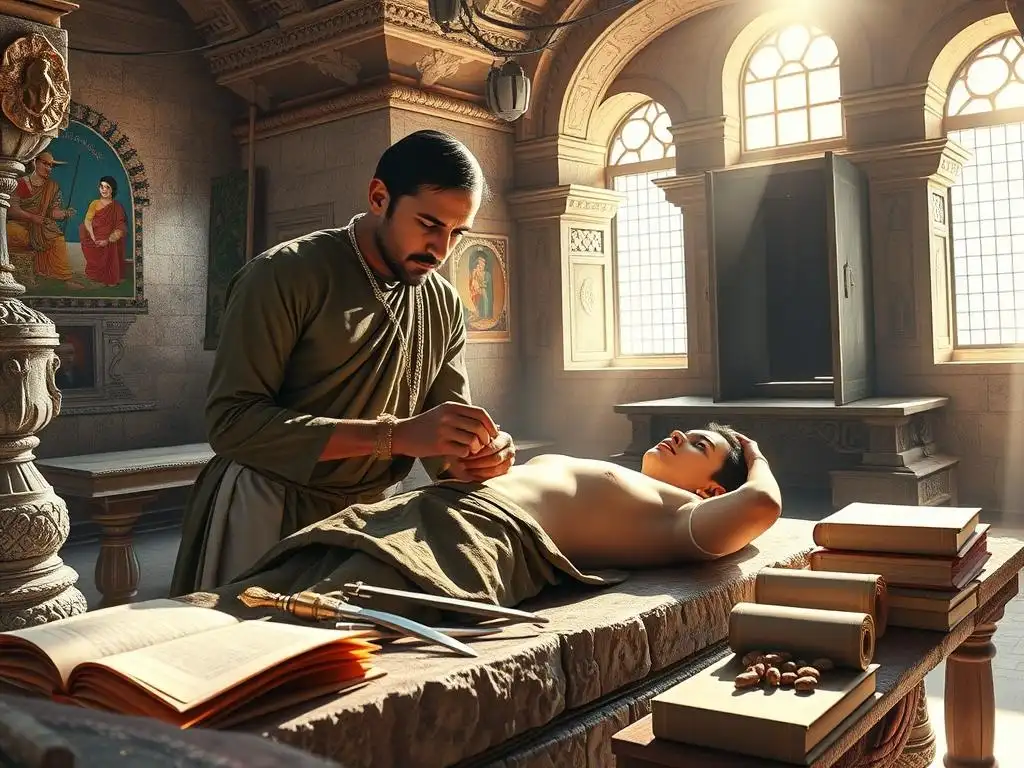
Welcome to Ancient India History, where we embark on a fascinating journey through the rich tapestry of ancient Indian civilizations. Delve into the remarkable world of ancient Indian surgical techniques in our featured article, "Ancient Surgical Techniques: Examining Their Effectiveness." Discover how these pioneering methods not only shaped the medical practices of their time but also laid the groundwork for modern medicine. Join us as we unravel the intricate stories and innovations that have defined the landscape of science and medicine in ancient India, sparking your curiosity to explore further!
-
Ancient Indian Surgical Techniques: Examining Their Effectiveness
- Introduction to Ancient Indian Surgical Techniques
- Historical Context of Ancient Indian Surgical Techniques
- Types of Ancient Indian Surgical Techniques
- Effectiveness of Ancient Indian Surgical Techniques
- Cultural Impact of Surgical Practices in Ancient India
- Challenges and Limitations of Ancient Surgical Techniques
- Conclusion: Legacy of Ancient Indian Surgical Techniques
- References
-
Frequently Asked Questions
- What are ancient Indian surgical techniques known for?
- Who is a prominent figure in ancient Indian surgery?
- How did ancient Indian surgical techniques influence modern medicine?
- What were some common procedures performed in ancient Indian surgery?
- How did cultural beliefs shape ancient Indian surgical practices?
- Final Reflection: The Enduring Legacy of Ancient Indian Surgical Techniques
- Unlock the Secrets of Ancient Wisdom!
Ancient Indian Surgical Techniques: Examining Their Effectiveness
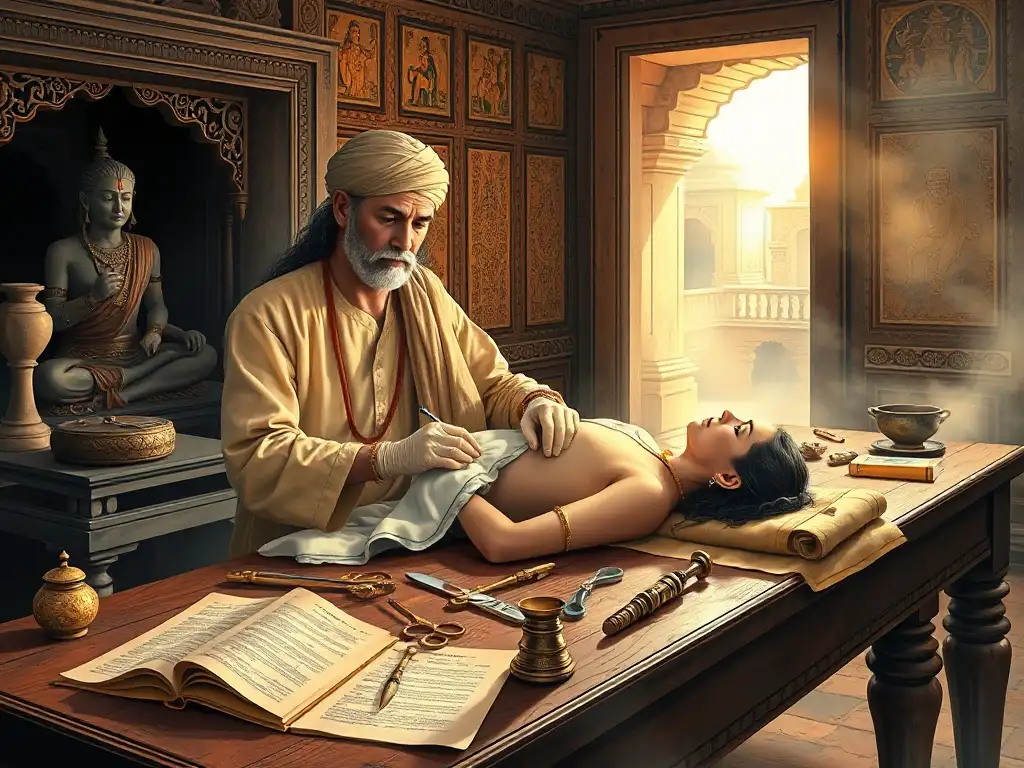
Introduction to Ancient Indian Surgical Techniques
The realm of ancient Indian surgical techniques holds profound significance in the history of medicine, showcasing the innovative spirit and advanced understanding of human anatomy possessed by early Indian civilizations. From the meticulous practices of the Indus Valley Civilization to the sophisticated methodologies of the Gupta Empire, ancient Indian surgeons made remarkable contributions that not only laid the groundwork for modern surgical practices but also reflect a rich tapestry of cultural and scientific advancements. This article delves into the effectiveness of these surgical techniques, examining their historical context, evolution, and the pivotal texts that underpin their significance.
Overview of Ancient Surgical Practices
Ancient Indian surgical practices encompassed a wide array of techniques and procedures, including:
- Surgical operations: Such as trepanation, excision of tumors, and repair of injuries.
- Use of instruments: Various surgical tools were crafted from metals, including scalpels, forceps, and probes.
- Anesthetic practices: Use of herbal concoctions and other natural substances to alleviate pain during surgical procedures.
The integration of surgery within the broader context of Ayurveda, the traditional Indian system of medicine, highlights a holistic approach to health and healing, where surgical interventions complemented medicinal treatments.
Importance of Surgery in Ancient Indian Medicine
Surgery was not merely an ancillary aspect of ancient Indian medicine; it was regarded as a vital component in treating ailments and injuries. The effectiveness of surgical techniques was evident in their application for:
- Trauma management: Addressing wounds and fractures sustained during conflicts or accidents.
- Chronic conditions: Surgical intervention for diseases that could not be managed through herbal remedies alone.
- Quality of life: Enhancing the overall well-being of individuals through corrective surgeries.
The reverence for surgical knowledge in ancient Indian society is underscored by the specialized training and rigorous standards that practitioners adhered to, ensuring that surgical procedures were performed with precision and care.
Historical Context of Ancient Indian Surgical Techniques
The historical backdrop of ancient Indian surgical techniques is essential to understanding their development and effectiveness.
Evolution of Surgical Techniques in Ancient India
The evolution of surgical techniques in ancient India can be traced through various periods, marked by significant advancements:
- Indus Valley Civilization (c. 3300–1300 BCE): Evidence of surgical practices such as trepanation has been found in archaeological sites.
- Vedic Period (c. 1500–500 BCE): The incorporation of surgical knowledge into medical texts began, laying the foundation for future practices.
- Classical Period (c. 200 BCE–600 CE): Surgeons like Sushruta and Charaka emerged, refining techniques and expanding the scope of surgery.
This gradual evolution reflects a growing understanding of human physiology, the importance of hygiene, and the significance of surgical interventions in healthcare.
Key Texts and Contributions: Sushruta Samhita and Charaka Samhita
Two pivotal texts, the Sushruta Samhita and the Charaka Samhita, serve as cornerstones of ancient Indian surgical knowledge.
- Sushruta Samhita: Often referred to as the “father of surgery,” Sushruta’s text details over 300 surgical procedures and 125 surgical instruments. It emphasizes the importance of anatomy, surgical techniques, and postoperative care.
- Charaka Samhita: While primarily a text on internal medicine, Charaka's work includes insights into surgical practices and the holistic approach to treatment, integrating surgical knowledge with herbal medicine.
These texts not only highlight the sophistication of ancient Indian surgical techniques but also their enduring legacy in the field of medicine. They serve as a testament to the ingenuity and dedication of ancient Indian surgeons who sought to alleviate suffering and improve health outcomes in their communities.
Types of Ancient Indian Surgical Techniques
Ancient Indian surgical techniques were remarkably advanced for their time, rooted in a comprehensive understanding of human anatomy and pathology. The preeminent figure in this field was Sushruta, an ancient surgeon whose treatises laid the groundwork for surgical practices. His work emphasized not only surgical procedures but also the ethical practice of medicine. The types of surgical techniques developed in ancient India can be broadly categorized into various specialties including:
- Orthopedics: Techniques for setting fractures and treating dislocations.
- Ophthalmic Surgery: Procedures aimed at treating eye conditions, notably cataracts.
- Plastic Surgery: Methods for reconstructing body parts, particularly for facial injuries.
- Gynecological Surgery: Treatments addressing women's health issues.
- General Surgery: Various operations, including those for abscess drainage and tumor removal.
These techniques were meticulously documented in texts such as the Sushruta Samhita, which not only described procedures but also the philosophy and ethical considerations of surgery.
Sushruta's Techniques: The Father of Surgery
Sushruta is often hailed as the "Father of Surgery" due to his pioneering contributions to surgical practices in ancient India. His seminal work, the Sushruta Samhita, is one of the earliest texts to systematically describe surgical techniques. Sushruta's approach was holistic, incorporating observations of patients' conditions, surgical methods, and post-operative care.
Key techniques developed by Sushruta included:
- Suturing: Using various materials for stitching wounds, which was crucial for recovery.
- Rhinoplasty: A groundbreaking technique for reconstructing the nose, showcasing advanced understanding of aesthetics and function.
- Cataract Surgery: Techniques for removing cataracts, which were advanced for their time and demonstrated a deep understanding of eye anatomy.
Sushruta's methods also emphasized the importance of asepsis, promoting cleanliness and the use of herbal antiseptics to prevent infections during surgical procedures.
Procedures: Rhinoplasty, Cataract Surgery, and More
Among the most significant contributions of ancient Indian surgical techniques are the procedures of rhinoplasty and cataract surgery.
- Rhinoplasty: This intricate procedure involved the reconstruction of the nose, often performed on patients who had suffered injuries or deformities. The technique involved meticulous dissection and suturing, often using skin grafts from the forehead.
- Cataract Surgery: Known as "couching," this technique involved displacing the cloudy lens from the eye, allowing the patient to regain vision. Sushruta's methods were remarkably effective, using specialized instruments for the surgery.
Other notable procedures included:
- Abscess drainage: A common practice for treating infections.
- Tumor excisions: Removing growths through surgical intervention.
These procedures not only reflected the technical skills of ancient Indian surgeons but also their understanding of human anatomy.
Use of Instruments in Ancient Surgery: Tools and Materials
The surgical instruments used by ancient Indian surgeons were an essential aspect of their techniques. Sushruta described a variety of tools, many of which were crafted from materials such as:
- Metals: Surgical instruments were often made from bronze, iron, or silver, allowing for durability and precision.
- Wood: Some tools were crafted from wood, especially for less invasive procedures.
- Bone: In certain cases, bone was used for suturing or as a graft material.
Instruments included:
- Scalpels: For incisions.
- Forceps: To grasp tissues or organs.
- Needles: Used for suturing wounds.
- Cupping instruments: Employed in drainage procedures.
These tools were designed with specific functions in mind, reflecting the surgical knowledge and innovation of the time.
Effectiveness of Ancient Indian Surgical Techniques
The effectiveness of ancient Indian surgical techniques can be assessed through various lenses, including historical documentation, comparative analysis, and case studies.
Success Rates of Surgical Procedures
Evidence suggests that ancient Indian surgical techniques, particularly those documented in the Sushruta Samhita, had impressive success rates. For instance, rhinoplasty procedures were noted to have a high rate of patient satisfaction, with many individuals successfully regaining function and aesthetic appearance. Cataract surgeries also demonstrated significant efficacy, leading to restored vision for numerous patients. Although specific statistics from ancient times are scarce, the reverence for Sushruta and the extensive practice of these techniques indicate a notable level of success.
Comparison with Contemporary Techniques of the Era
When comparing ancient Indian surgical techniques with those from other contemporary civilizations, such as Greece and Rome, it becomes evident that Indian practices were highly advanced. While Greek physicians like Hippocrates laid the groundwork for medical ethics and observation, the practical surgical techniques found in ancient Indian texts often surpassed those of the West in terms of complexity and effectiveness. The integration of plastic surgery and ophthalmology in India was particularly ahead of its time, showcasing a sophisticated understanding of both surgical technique and patient care.
Case Studies: Documented Surgical Successes
Several documented case studies from ancient Indian texts highlight the successes of surgical techniques. For instance, one notable case from the Sushruta Samhita describes a successful rhinoplasty performed on a nobleman who had suffered a facial injury in battle. The procedure not only restored his appearance but also his social status, underscoring the cultural significance of surgical success in ancient India.
Additionally, documented accounts of cataract surgeries illustrate how patients regained their vision, leading to improved quality of life. These case studies not only reflect the effectiveness of ancient surgical methods but also their profound impact on individuals and society as a whole.
Cultural Impact of Surgical Practices in Ancient India
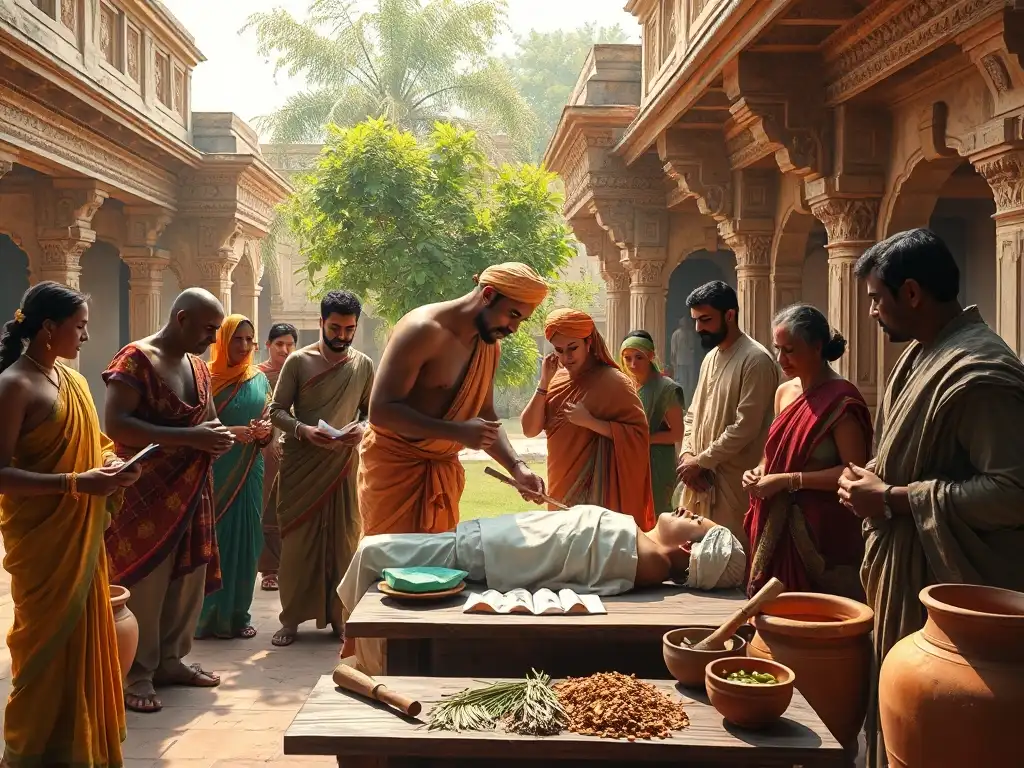
The surgical practices of ancient India were not merely medical interventions; they were deeply intertwined with the cultural and philosophical beliefs of the time. The ancient texts, particularly the Sushruta Samhita, illustrate a society that valued health and well-being, viewing surgical techniques as an integral part of holistic healing. This perspective was rooted in the notion that physical health is closely tied to spiritual and emotional well-being.
Surgeons, or "Shalya Chikitsa," held a respected position in society, as their skills were essential for treating injuries, ailments, and even cosmetic issues. The cultural significance of surgeries extended beyond mere survival; they were often seen as acts of restoration and rejuvenation. Rituals and prayers typically accompanied surgical procedures, reflecting the belief that divine intervention was necessary for the success of such interventions. This integration of spirituality and medicine fostered a culture where surgical practices were respected and valued.
Moreover, the impact of these surgical practices can also be observed in various art forms, literature, and traditional performances of ancient India. Sculptures and paintings from that era often depict surgical instruments and the practice of surgery, signifying its importance in the cultural narrative. The reverence for the healing arts and the practitioners also contributed to the preservation of medical knowledge through generations.
Influence on Other Civilizations
Ancient Indian surgical techniques significantly influenced neighboring civilizations, particularly through the translations and interpretations of texts like the Sushruta Samhita. As trade routes and cultural exchanges flourished, the knowledge of Indian medicine, including surgical practices, spread to regions such as Persia and Greece. Notably, Greek physicians like Hippocrates and Galen were influenced by Indian texts, which introduced them to advanced surgical practices.
The intricacies of surgical methods, including techniques for cataract surgery and wound treatment, were documented and adapted by these civilizations. The cross-pollination of ideas led to the refinement of surgical practices across cultures. The exchange of knowledge contributed to the development of a more systematic approach to medicine and surgery in the ancient world.
These influences are evident even in the Renaissance period, where the revival of interest in Greek and Indian texts led to advancements in surgical techniques in Europe. The legacy of ancient Indian surgical practices can thus be traced through a historical lineage that highlights the interconnectedness of ancient civilizations in the realm of medicine.
Integration of Surgery in Ayurvedic Medicine
In ancient India, surgery was not viewed in isolation but as part of a comprehensive system of medicine known as Ayurveda. This holistic approach emphasized the balance between body, mind, and spirit. Surgical techniques were integrated with herbal medicine, dietary recommendations, and lifestyle modifications to promote overall health.
The Sushruta Samhita, one of the foundational texts of Ayurveda, outlines various surgical procedures and their relevance within the context of Ayurvedic philosophy. It describes how surgical interventions were performed in conjunction with preparatory treatments, such as detoxification and rejuvenation therapies, which aimed to prepare the body for surgery and enhance healing afterward.
Moreover, the ethical considerations surrounding surgery were also rooted in Ayurvedic principles. The emphasis on compassion, respect for life, and the importance of patient consent reflects a sophisticated understanding of the doctor-patient relationship. This integration of surgery within Ayurvedic medicine ensured that surgical practices were not just about technical skill but also about promoting the well-being of the individual.
Challenges and Limitations of Ancient Surgical Techniques
Despite the advanced knowledge and skills possessed by ancient Indian surgeons, several challenges and limitations characterized the surgical practices of the time. These challenges often hindered the effectiveness of surgical interventions and posed risks to patients.
Risks and Complications in Ancient Surgical Procedures
Surgical procedures in ancient India, while innovative, were fraught with risks and complications. The lack of advanced anesthesia and aseptic techniques meant that surgeries were often painful and could lead to infections. Surgeons relied on herbal concoctions for pain relief, but these were not always effective.
Infections were a significant concern, as the understanding of germs and sanitation was rudimentary. Despite the use of various herbs with antiseptic properties, the potential for post-operative complications was high. Additionally, the absence of modern surgical instruments limited the precision of procedures, which could result in further injuries or complications.
Moreover, the psychological aspect of undergoing surgery in an era without proper anesthesia could lead to traumatic experiences for patients. The fear and pain associated with surgical interventions could deter individuals from seeking necessary treatments, ultimately affecting overall health outcomes.
Limitations of Knowledge and Technology
The effectiveness of ancient Indian surgical techniques was also constrained by the limitations of contemporary knowledge and technology. While texts like the Sushruta Samhita provided a wealth of information on surgical methods, the scientific understanding of anatomy and physiology was not as advanced as it is today. Dissections were limited, leading to gaps in knowledge regarding the human body.
The surgical instruments of the time, though sophisticated for their era, did not match the precision of modern tools. The materials used, such as bronze and iron, were effective but limited in their capability to perform intricate procedures. As a result, some surgeries could not be executed with the desired level of accuracy, impacting patient outcomes.
Furthermore, the reliance on empirical knowledge, passed down through generations, meant that some techniques were based more on tradition than on rigorous scientific validation. This lack of systematic experimentation and understanding hindered the evolution of surgical practices, making it challenging to advance beyond existing methods.
While ancient Indian surgical techniques were remarkable for their time, they were not without their challenges. The interplay of cultural beliefs, technological limitations, and risks associated with surgical procedures shaped the landscape of ancient Indian medicine, leaving a rich but complex legacy that continues to be explored today.
Conclusion: Legacy of Ancient Indian Surgical Techniques
The legacy of ancient Indian surgical techniques is profound and far-reaching, representing a significant chapter in the history of medical science. The expertise of ancient Indian surgeons, such as Sushruta, laid the groundwork for many surgical practices that are still relevant today. Their comprehensive understanding of human anatomy, innovative surgical procedures, and the ethical considerations they adhered to in patient care demonstrate an advanced level of medical practice that was ahead of its time.
These techniques not only highlight the rich cultural heritage of ancient India but also contribute to a broader understanding of the evolution of surgical practices worldwide. The principles established in ancient texts continue to inspire modern medical professionals and highlight the importance of learning from historical practices. As we delve deeper into this subject, it becomes evident that ancient Indian surgical techniques are not merely relics of the past but are integral to the ongoing narrative of medical evolution.
Lasting Contributions to Modern Medicine
Ancient Indian surgical techniques have significantly influenced modern medicine in several ways:
- Innovative Procedures: Techniques such as rhinoplasty (reconstruction of the nose), documented extensively in the Sushruta Samhita, are foundational to modern reconstructive surgery.
- Anatomical Knowledge: The detailed anatomical descriptions provided in ancient texts laid the groundwork for the advancement of surgical education, emphasizing the importance of understanding human physiology.
- Surgical Instruments: The tools and instruments developed by ancient surgeons, many of which have evolved but retain their basic designs, continue to be pivotal in surgical procedures today.
- Holistic Approach: The ancient practice of integrating herbal medicine and surgery reflects a holistic approach to health that is gaining renewed interest in modern medical practices, particularly in integrative and alternative medicine.
This enduring influence illustrates the sophistication of ancient Indian medicine and its remarkable contributions to the medical field.
Continued Relevance of Ancient Practices in Contemporary Surgery
The relevance of ancient Indian surgical techniques in contemporary surgery is evident in various aspects:
- Training and Education: Modern surgical curricula often incorporate historical texts, such as the Sushruta Samhita, to emphasize the evolution of surgical practices and the importance of historical knowledge in medical training.
- Techniques in Use: Many contemporary surgical techniques can trace their origins back to ancient practices. For instance, the method of incision, suturing, and wound care have roots in the principles laid out by ancient Indian surgeons.
- Research and Development: Ongoing research into ancient surgical methods is yielding insights into improved techniques and approaches, particularly in fields like reconstructive surgery and trauma care.
- Cultural Resurgence: There is a growing interest in reviving ancient practices in the context of Ayurveda and holistic medicine, which emphasizes the balance between physical and mental health—principles that have their origins in ancient Indian medical philosophy.
As modern medicine continues to evolve, the integration of ancient practices serves as a reminder of the foundational knowledge that has shaped the healthcare systems we rely on today.
References
Key Texts and Research Materials for Further Reading
- Sushruta Samhita: This ancient text is the primary source of knowledge on ancient Indian surgery, detailing various surgical procedures, instruments, and ethical considerations.
- Charaka Samhita: Another crucial text that complements the Sushruta Samhita, focusing on the principles of Ayurveda and holistic medicine.
- Ancient Indian Medicine: A Historical Perspective: This book provides a comprehensive overview of the evolution of medical practices in ancient India, including surgery.
- Indian Surgery: A Historical Overview: A scholarly article examining the historical context and advancements in surgical practices in ancient India.
Suggested Academic Journals and Articles on Ancient Indian Medicine
- Journal of Ayurveda and Integrative Medicine: This journal publishes research articles related to the integration of ancient Indian medicine with modern medical practices.
- Indian Journal of History of Science: This journal includes articles that explore the history of science and medicine in India, including surgical techniques.
- Surgery in History: A journal that occasionally features articles on the contributions of ancient surgical practices to modern techniques.
- International Journal of Ayurveda Research: This journal focuses on research related to Ayurveda, including historical texts and their relevance to contemporary practices.
These resources provide valuable insights and deeper understanding for those interested in the field of ancient Indian surgical techniques and their lasting impact on modern medicine.
Frequently Asked Questions
What are ancient Indian surgical techniques known for?
Ancient Indian surgical techniques are recognized for their innovative practices and advanced medical knowledge, particularly in procedures like plastic surgery and surgical instruments.
Who is a prominent figure in ancient Indian surgery?
Sushruta, often referred to as the father of surgery, made significant contributions to the field, documenting techniques in the Sushruta Samhita, which serves as a vital text in ancient medicine.
How did ancient Indian surgical techniques influence modern medicine?
These techniques laid the groundwork for modern surgical practices, showcasing a holistic approach to healthcare and emphasizing the importance of anatomy and surgical precision.
What were some common procedures performed in ancient Indian surgery?
Common procedures included cesarean sections, eye surgeries, and various methods for wound treatment, reflecting a comprehensive understanding of human anatomy and surgical interventions.
How did cultural beliefs shape ancient Indian surgical practices?
Cultural beliefs and spiritual considerations often intertwined with surgical practices, influencing the approach to healing and the role of physicians in society, merging medical knowledge with philosophical concepts.
Final Reflection: The Enduring Legacy of Ancient Indian Surgical Techniques
The exploration of ancient Indian surgical techniques reveals not only their remarkable effectiveness but also their profound relevance in today's medical landscape. As we delve into the intricate methods employed by ancient practitioners, we uncover a wealth of knowledge that continues to inspire modern medicine. The ingenuity and precision of these techniques remind us that the roots of surgical practice are deeply embedded in history, offering invaluable insights that resonate even in our advanced technological age.
The influence of these ancient practices extends far beyond their historical context, shaping contemporary approaches to surgery and healing. The principles of holistic care and the emphasis on patient well-being found in ancient texts serve as a guiding light for today's healthcare professionals. As we reflect on this enduring legacy, we are reminded of the words of the great physician Sushruta: The physician should not only be skilled in surgery but also possess a deep understanding of the human condition.
This wisdom underscores the importance of integrating compassion and knowledge in the art of healing, a lesson that remains crucial in our fast-paced world.
As we conclude this exploration of ancient Indian surgical techniques, I invite you to reflect on the lessons they impart. Consider how the wisdom of the past can inform your own journey, whether in the field of medicine or in your everyday life. Embrace the idea that healing is not merely a technical skill but a profound connection between practitioner and patient, rooted in empathy and understanding. Let us honor the legacy of those who came before us by applying their insights to create a more compassionate and effective future in healthcare and beyond.
Unlock the Secrets of Ancient Wisdom!
Thank you for diving into the fascinating world of ancient surgical techniques! We hope you discovered valuable insights into how these time-tested practices have shaped modern medicine. Now, it’s time to take action and explore further!
Here are a few steps you can take to deepen your understanding and engage with this remarkable topic:
- Dive Deeper: Read more about specific ancient techniques in our dedicated articles. Explore the intricacies and innovations that have been passed down through generations.
- Share Your Findings: Discuss these ancient practices with friends or on social media. Use the hashtag #AncientSurgery to connect with others who share your interest in this captivating subject!
- Join the Conversation: Consider sharing what you’ve learned on our forum. Your insights can help inspire others to appreciate the richness of ancient medical history.
What ancient surgical technique intrigues you the most, and how do you think it could influence modern medical practices?