
The Celestial Sphere: Understanding Ancient Indian Cosmology

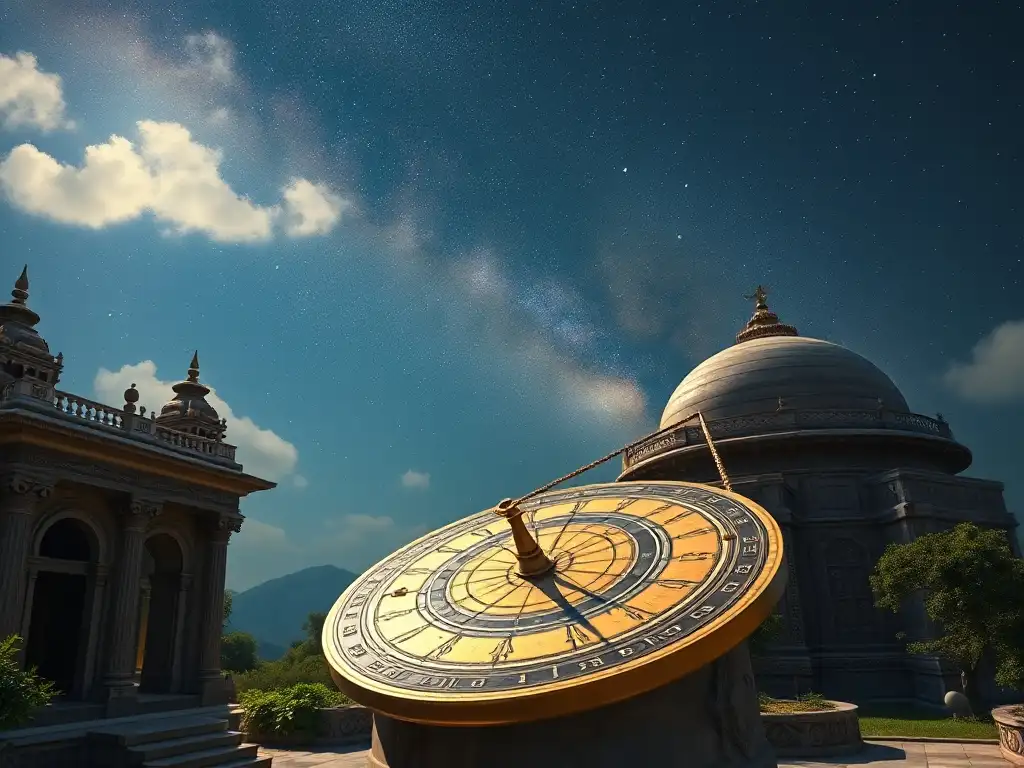
Welcome to Ancient India History, where we embark on a journey through the rich tapestry of ancient Indian civilizations! In this exploration, we delve into the intricate world of ancient Indian cosmology, revealing the profound insights and astronomical knowledge that shaped the worldview of our ancestors. Have you ever wondered how the celestial sphere influenced their understanding of the universe? Join us as we unravel the mysteries of the cosmos and discover the brilliance of ancient thinkers. Your adventure into the past begins here!
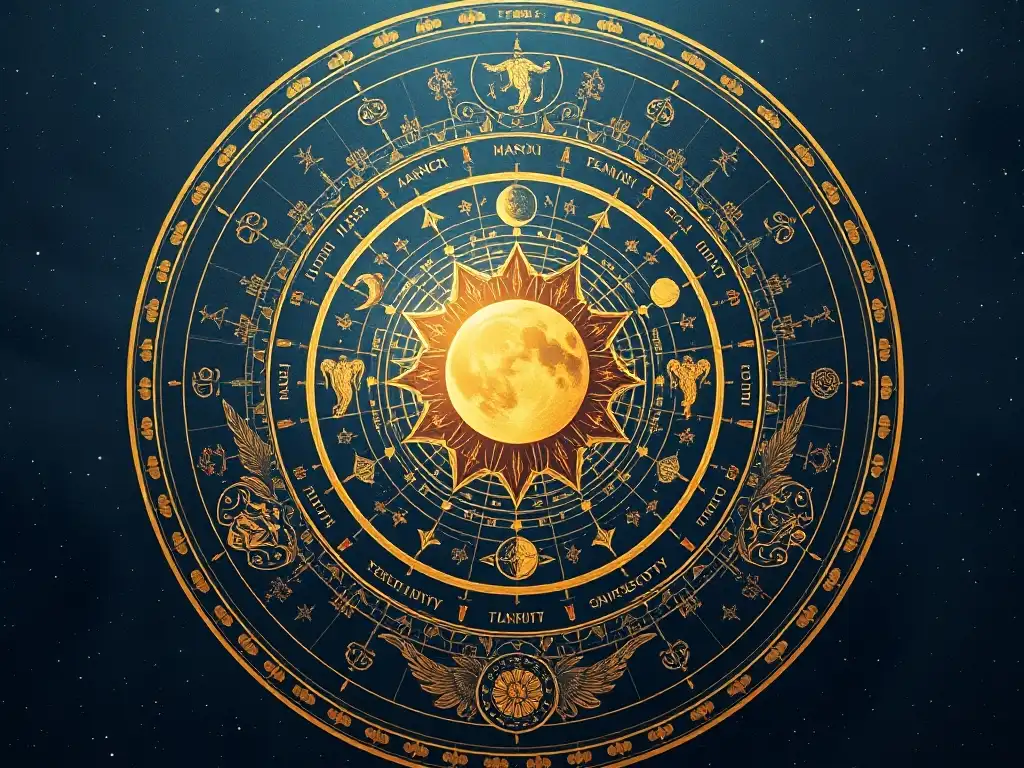
Introduction to Ancient Indian Cosmology Explained
Ancient Indian cosmology is a complex and fascinating field that encompasses the understanding of the universe's structure, the movements of celestial bodies, and the philosophical underpinnings that shaped these beliefs. This intricate system is deeply rooted in the cultural, religious, and scientific traditions of ancient India, reflecting a profound relationship between humanity and the cosmos.
The term "ancient Indian cosmology explained" encapsulates not just the astronomical observations but also the metaphysical interpretations that guided the ancient Indian civilizations from the Indus Valley to the Gupta Empire. By exploring the celestial sphere, a crucial concept in ancient Indian astronomy, we can gain insights into how these civilizations perceived their place in the universe and the significance of celestial phenomena in their daily lives.
Definition of Cosmology in Ancient India
In the context of ancient India, cosmology can be defined as the study of the origin, evolution, and eventual fate of the universe, encompassing both physical and metaphysical dimensions. This field was influenced by various philosophical schools, including Hinduism, Buddhism, and Jainism, each contributing unique perspectives on the cosmos. Key elements of ancient Indian cosmology include:
- The cyclic nature of time: Many ancient Indian texts describe the universe as undergoing endless cycles of creation, preservation, and destruction, known as Kalpa.
- Interconnectedness of all beings: The belief that the cosmos affects human life and vice versa, fostering a holistic view of existence.
- Numerical systems and calculations: Ancient Indian scholars developed sophisticated methods to quantify celestial phenomena, which were crucial for navigation, ritual practices, and agriculture.
Importance of the Celestial Sphere in Indian Astronomy
The celestial sphere is a fundamental concept in ancient Indian astronomy, serving as a model to visualize the positions and movements of stars and planets. This concept is essential for several reasons:
- Navigational Aid: The celestial sphere provided early navigators with a reference point to determine directions and locations during voyages.
- Calendar Systems: The movements of celestial bodies were crucial for developing calendar systems that aligned agricultural activities with seasonal changes.
- Astrological Practices: The positions of celestial bodies were believed to influence human affairs, forming the basis for various astrological practices prevalent in ancient Indian society.
Historical Context of Ancient Indian Cosmology
To fully appreciate ancient Indian cosmology, it is essential to place it within its historical context. This includes examining the evolution of astronomical thought and practices, as well as the texts that document these developments.
Overview of Indian Astronomical Texts
Several significant texts contribute to our understanding of ancient Indian astronomy and cosmology:
- Surya Siddhanta: An ancient astronomical treatise that provides detailed calculations of planetary positions and eclipses.
- Aryabhatiya: Written by the renowned mathematician Aryabhata, this text synthesizes mathematics and astronomy, explaining concepts such as the rotation of the Earth and the calculation of time.
- Brahmasphutasiddhanta: Authored by Brahmagupta, this work further explores the mathematical underpinnings of astronomy, emphasizing the role of zero and negative numbers.
These texts not only illustrate the scientific achievements of ancient India but also reflect the philosophical and cultural dimensions that shaped their cosmological views.
Influences from Other Civilizations on Indian Cosmology
Ancient Indian cosmology did not develop in isolation; it was influenced by various cultures and civilizations through trade, conquest, and the exchange of ideas. Notable influences include:
- Greek Astronomy: The introduction of Greek astronomical concepts, particularly during the Hellenistic period, enriched Indian cosmological frameworks.
- Persian Contributions: The arrival of Persian scholars brought new astronomical instruments and methods, further enhancing the precision of Indian astronomical calculations.
- Buddhist and Jain Perspectives: These traditions introduced alternative metaphysical views on the nature of the universe, influencing the philosophical discourse surrounding cosmology.
By understanding these influences, we can appreciate the dynamic interplay between ancient Indian cosmology and the broader global context of astronomical thought.
Key Concepts in Ancient Indian Cosmology
Ancient Indian cosmology is a complex and profound study that seeks to explain the nature of the universe, its structure, and the laws governing celestial bodies. Central to this understanding is the concept of the celestial sphere, which serves as a fundamental framework. In this model, the universe is viewed as a vast sphere surrounding the Earth, with celestial bodies embedded on its inner surface. This perspective allowed ancient astronomers to observe and interpret the movement of stars and planets as they appeared to rotate around the Earth.
Another critical aspect of ancient Indian cosmology is the cyclical nature of time. The ancient texts describe time as a vast, repeating cycle composed of different Yugas (ages), which correspond to varying states of existence and cosmic order. These cycles influence the movements of celestial bodies and their perceived effects on the Earth, underpinning the belief that cosmic events resonate with terrestrial phenomena.
Moreover, ancient Indian cosmology integrates philosophical and spiritual dimensions, acknowledging the interconnectedness of the cosmos and human life. This holistic approach emphasizes that human behaviors and societal dynamics are influenced by cosmic patterns, reflecting a worldview that transcends mere observation and calculation.
The Structure of the Celestial Sphere
The structure of the celestial sphere in ancient Indian cosmology is an intricate model that describes how celestial bodies are organized and perceived from Earth. This sphere is imagined as a vast, transparent dome, with the Earth at its center. The stars, planets, and other celestial phenomena are thought to be affixed to the inner surface of this sphere, giving rise to the illusion of their movements across the sky.
Specific points of reference, such as the North Star (Dhruva) and the zodiac constellations, play vital roles in navigation and astrology. The celestial equator is another essential element, dividing the sphere into northern and southern hemispheres. This division allows for the classification of celestial objects and their apparent paths through the sky, leading to the development of sophisticated methods for tracking celestial events.
In ancient texts, such as the Surya Siddhanta, more detailed descriptions of celestial mechanics and the positions of the planets are provided, showcasing the advanced understanding of spherical geometry that existed in ancient India. This understanding laid the groundwork for later developments in astronomy and mathematics, influencing both Indian and global perspectives on cosmology.
The Role of Planets and Stars in Indian Cosmological Models
In ancient Indian cosmology, planets and stars were not merely celestial objects; they held significant astrological and spiritual importance. The planets, referred to as "Grahas," were believed to exert influence over human affairs, and their positions were meticulously observed to provide insights into personal and societal destinies.
Each planet was associated with specific deities, attributes, and influences, reflecting the intertwining of astronomy and spirituality in ancient Indian thought. For instance, Surya (the Sun) represented vitality and authority, while Chandra (the Moon) symbolized emotion and intuition. This rich symbolism imbued celestial observations with deeper meaning, linking the cosmos to daily life.
The stars, particularly those forming the zodiac, were integral to creating horoscopes and astrological predictions. Ancient Indian texts extensively documented the movement of these celestial bodies, leading to the development of accurate calendars and timekeeping systems that played crucial roles in agricultural and ritual activities.
Timekeeping and the Celestial Sphere
Timekeeping in ancient India was intricately connected to observations of the celestial sphere. The movements of celestial bodies were used to create precise calendars that governed agricultural practices, religious observances, and social events. The concept of Yugas, or cosmic ages, further emphasized the cyclical nature of time, influencing both philosophical and practical aspects of life.
The ancient Indians developed various methods for measuring time, including shadow clocks (gnomons) and water clocks (clepsydras). These devices relied on the regular motion of the Sun and stars, allowing for accurate timekeeping throughout the day and across the seasons. The Kālachakra or wheel of time illustrates this interrelation between celestial movements and time, highlighting the belief that the cosmos operates in rhythmic cycles.
Furthermore, ancient Indian astronomers recognized the importance of lunar phases in marking time, leading to the creation of lunar calendars that are still in use today in various cultural contexts. This deep understanding of timekeeping not only facilitated practical applications but also reinforced the philosophical view of the cosmos as a dynamic and interconnected whole.
Notable Figures in Ancient Indian Astronomy
Ancient Indian astronomy is marked by the contributions of several remarkable scholars whose insights into cosmology and mathematics have had a lasting impact on the field. These figures not only advanced the understanding of celestial phenomena but also enriched the cultural and philosophical landscape of their time.
Aryabhata: Contributions to Cosmology
Aryabhata, often regarded as one of the greatest mathematicians and astronomers of ancient India, made groundbreaking contributions to cosmology in the 5th century CE. His seminal work, the Aryabhatiya, encompasses various topics, including arithmetic, algebra, and astronomy. In cosmology, Aryabhata proposed a heliocentric model of the solar system, suggesting that the Earth rotates on its axis, a revolutionary idea that contradicted the geocentric views prevalent in his time.
His calculations of the Earth's circumference and the length of the solar year were remarkably accurate, demonstrating a sophisticated understanding of astronomical measurement. Aryabhata's work laid the foundation for later astronomical theories and inspired generations of scholars, influencing both Indian and Islamic astronomy in subsequent centuries.
Varahamihira: Theoretical Insights on the Celestial Sphere
Varahamihira, a prominent astronomer and polymath of the 6th century CE, is best known for his work Brihat Samhita, which encompasses a wide range of subjects, including astrology, meteorology, and architecture. In his cosmological theories, Varahamihira emphasized the importance of the celestial sphere in understanding planetary movements and their influences on earthly affairs.
He proposed a detailed classification of celestial bodies and their attributes, integrating astronomical observations with astrological interpretations. Varahamihira's insights into eclipses, planetary conjunctions, and seasonal changes contributed significantly to the accuracy of astronomical calculations in ancient India. His works remain influential even today, reflecting the richness of ancient Indian thought in harmonizing scientific and metaphysical perspectives.
Brahmagupta: Innovations in Astronomical Calculations
Brahmagupta, a mathematician and astronomer of the 7th century CE, is celebrated for his significant advancements in astronomical calculations and cosmological theories. His key work, the Brahmasphutasiddhanta, presents a systematic approach to understanding celestial phenomena, including planetary motions and eclipses.
Brahmagupta introduced innovative algorithms for calculating the positions of planets, as well as methods for determining the timing of lunar and solar eclipses. His emphasis on the concept of zero and negative numbers in calculations marked a pivotal moment in mathematics, facilitating more complex astronomical computations.
Moreover, Brahmagupta's discussions on the nature of the celestial sphere and its implications for timekeeping and astrology reflect a deep engagement with the philosophical aspects of cosmology. His contributions not only advanced the field of astronomy in ancient India but also laid the groundwork for future explorations in both mathematics and science.
Ancient Indian Cosmology Explained: Theoretical Frameworks
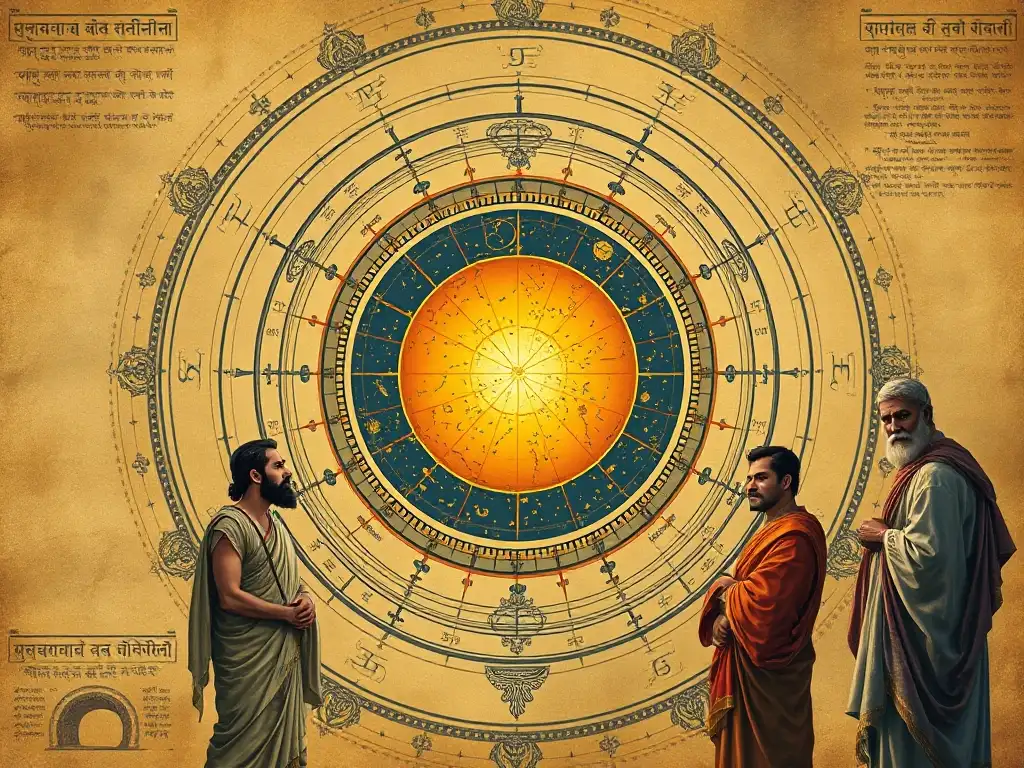
Ancient Indian cosmology presents a unique blend of philosophical thought, observational astronomy, and mathematical precision. Central to this cosmological understanding is the concept of the celestial sphere, which is an imaginary sphere encompassing the Earth where all celestial bodies are projected. This framework allowed ancient Indian astronomers and mathematicians to explain complex astronomical phenomena, including the movement of stars, planets, and the cyclical nature of time.
Theoretical frameworks in ancient Indian cosmology were often deeply intertwined with philosophical and spiritual beliefs. The Siddhantic texts, which include works like the Aryabhatiya by Aryabhata and the Surya Siddhanta, delineate a systematic approach to understanding the universe. These texts elucidate the motions of celestial bodies, employing mathematical models to predict eclipses and planetary positions. This rigorous method reflects not only a scientific inquiry but also a profound respect for the cosmos as a manifestation of the divine.
The Siddhantic Tradition and its Cosmological Views
The Siddhantic tradition represents a cornerstone of ancient Indian astronomy and cosmology, emphasizing the mathematical underpinnings of celestial observations. Prominent figures like Aryabhata, Varahamihira, and Brahmagupta contributed significantly to this tradition, blending empirical observations with theoretical insights.
In the Aryabhatiya, Aryabhata proposed a heliocentric model, where the Earth rotates on its axis, challenging the geocentric views prevalent in many cultures. His calculations of the Earth's circumference and the length of the solar year showcased an advanced understanding of the cosmos. Similarly, Varahamihira’s Brihat Samhita integrated astrological beliefs with practical astronomy, portraying a universe governed by both natural laws and divine order.
The Siddhantic texts collectively emphasized cycles, such as the yugas (epochs), and cosmological time scales, contributing to a holistic understanding of existence that encompassed both the physical and metaphysical realms. This integration of mathematics, astronomy, and philosophy exemplifies the richness of ancient Indian cosmological thought.
The Role of Mythology in Explaining Celestial Phenomena
Mythology played a vital role in ancient Indian cosmology, serving as a narrative framework through which celestial phenomena were interpreted. The stories of deities, celestial beings, and cosmic battles not only enriched cultural traditions but also provided explanatory models for natural events. For instance, the churning of the ocean (Samudra Manthan) is a mythological account that symbolizes the cyclical nature of creation and destruction, reflecting the dynamic processes observed in the cosmos.
Celestial bodies were often personified as gods or divine entities, such as the Sun ( Surya), Moon ( Chandra), and planets ( Grahas). These personifications helped ancient societies relate to the cosmos on a personal level, creating a sense of connection between human experiences and celestial events. Festivals and rituals were often aligned with astronomical occurrences, illustrating the deep-seated belief that human life was intricately linked to the celestial sphere.
Moreover, myths served as mnemonic devices, aiding in the transmission of astronomical knowledge across generations. They encapsulated complex concepts in a narrative form, making them accessible and relevant to the agrarian and ritualistic society of ancient India.
Practical Applications of Ancient Indian Cosmology
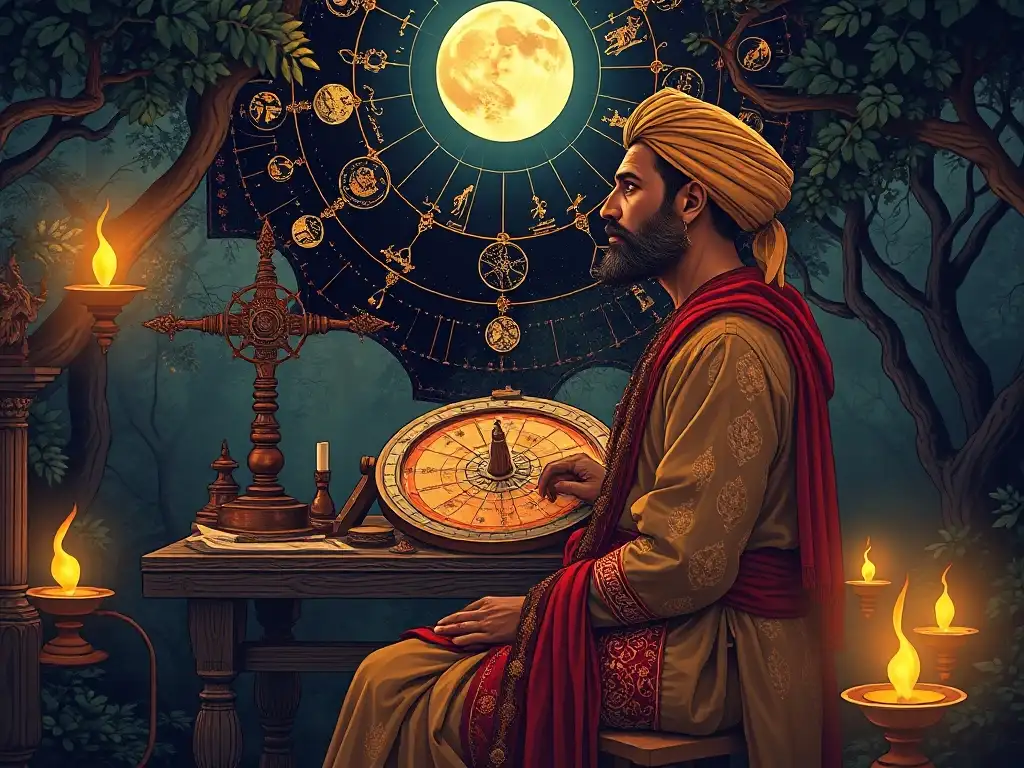
Ancient Indian cosmology was not merely theoretical; it had practical implications that influenced various aspects of daily life. The understanding of celestial movements and time cycles facilitated significant advancements in navigation, timekeeping, and agriculture.
Navigational practices in ancient India were profoundly influenced by celestial observations. Mariners and travelers relied on the positions of stars and constellations to guide their journeys, using the North Star ( Dhruva) as a fixed point for navigation. Such celestial navigation was critical for trade and exploration, especially for voyages across the Indian Ocean.
Timekeeping also benefited from celestial observations; ancient Indians developed sophisticated calendars based on lunar and solar cycles. The calculation of tithis (lunar days), masas (months), and yugas (ages) was essential for determining auspicious dates for rituals and agricultural activities. The ability to predict eclipses and solstices further exemplified the practical application of cosmological knowledge.
Agricultural Practices Influenced by Celestial Events
Agricultural practices in ancient India were closely tied to celestial movements and seasonal changes. Farmers observed the positions of stars and the phases of the moon to determine the optimal times for sowing and harvesting crops. The monsoon season, for instance, was anticipated based on specific celestial indicators, ensuring that agricultural activities were aligned with environmental conditions.
Rituals and festivals often coincided with significant astronomical events, reinforcing the connection between cosmology and agriculture. The timing of sowing seeds was believed to be auspicious during certain lunar phases, reflecting the integration of celestial knowledge into practical farming techniques. This harmonious relationship between the cosmos and agriculture highlights the depth of understanding ancient Indians had regarding the interconnectedness of their environment and the universe.
Comparative Analysis: Ancient Indian Cosmology vs. Other Civilizations
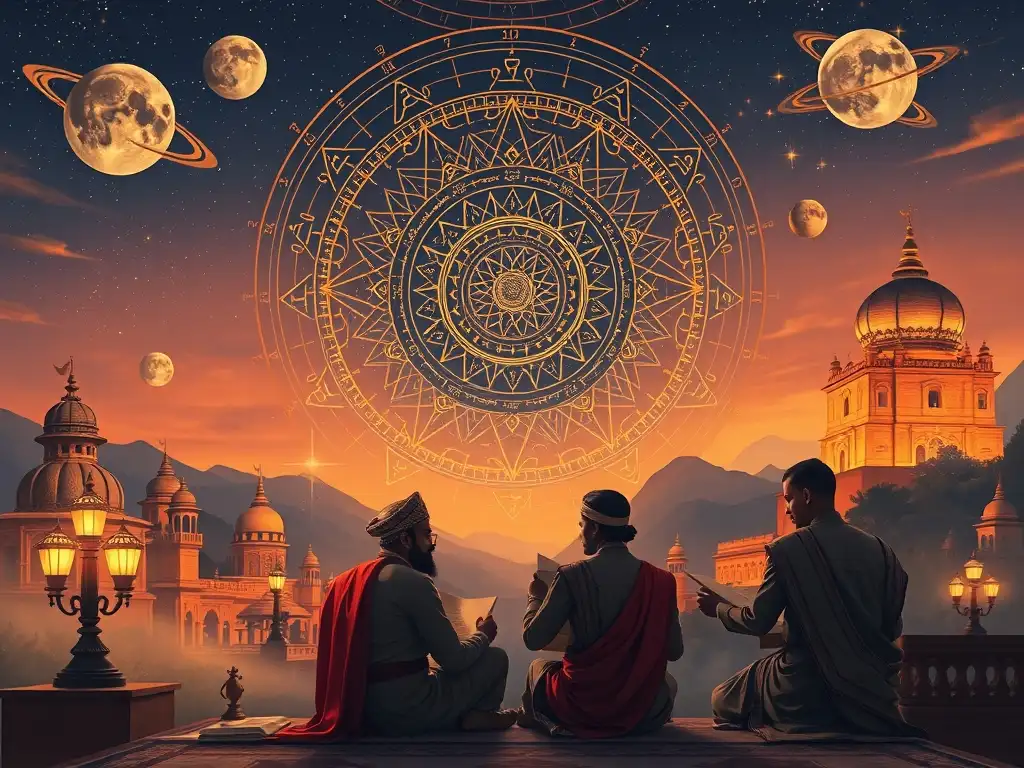
Ancient Indian cosmology presents a unique perspective on the structure and nature of the universe, distinct yet comparable to the cosmological frameworks of other ancient civilizations such as the Greeks and the Chinese. Understanding these similarities and differences illuminates the rich tapestry of human thought and scientific inquiry that transcends cultural boundaries.
Similarities with Greek Cosmology
Both ancient Indian and Greek cosmologies share foundational principles that reflect an early human endeavor to understand the universe. For instance, the Greek philosopher Ptolemy's geocentric model and the Indian text "Aryabhatiya" (by Aryabhata) both emphasize a spherical Earth at the center of their respective cosmological systems.
- Mathematical Foundations: Both civilizations utilized mathematics to describe celestial phenomena. The Greeks relied on geometry to explain planetary movements, while Indian astronomers like Brahmagupta and Aryabhata developed algorithms for calculating planetary positions and eclipses, showcasing a sophisticated understanding of trigonometry.
- Celestial Bodies: In both traditions, celestial bodies were often personified or associated with deities. The Greeks had gods like Helios and Selene representing the sun and moon, respectively, while in India, the celestial bodies were associated with gods like Surya (the sun) and Chandra (the moon), reflecting cultural interpretations of the cosmos.
Despite these similarities, the motivations behind celestial observations differed, with Indian cosmology often intertwining with spiritual and philosophical inquiries, while Greek thought leaned more towards scientific rationalism.
Differences with Chinese Astronomical Practices
While ancient Indian cosmology shares some commonalities with both Greek and Chinese perspectives, significant differences mark the Indian approach, particularly when compared to Chinese astronomical practices.
- Philosophical Underpinnings: Chinese cosmology often emphasized harmony and balance, drawing from Confucian and Taoist philosophies. This is evident in their focus on yin and yang and the Five Elements theory, which shaped their understanding of cosmic cycles and natural phenomena. In contrast, ancient Indian cosmology was heavily influenced by religious texts like the Vedas and Upanishads, leading to a more metaphysical interpretation of the universe.
- Astronomical Methods: Chinese astronomers typically relied on observational data to catalog celestial events meticulously. Their records of solar and lunar eclipses and comets were extensive. Indian astronomers, while also keen observers, developed more mathematical techniques to predict celestial occurrences, showcasing a unique blend of empirical observation and theoretical abstraction.
These differences illustrate how cultural contexts shaped the development of cosmological thought, leading to diverse interpretations of the universe's nature and structure.
Conclusion: The Legacy of Ancient Indian Cosmology
The legacy of ancient Indian cosmology extends far beyond its historical context, influencing various realms of knowledge and contributing to the broader scientific discourse.
Lasting Impact on Modern Astronomy
Ancient Indian cosmological concepts have left a lasting imprint on modern astronomy. The innovative mathematical techniques developed by Indian astronomers laid the groundwork for later advancements in the field. For example, the use of sine and cosine functions in trigonometry can be traced back to the works of Indian mathematicians like Brahmagupta and Bhaskara, which continue to be pivotal in contemporary astronomical calculations.
Furthermore, the philosophical inquiries into the nature of space and time found in texts such as the "Surya Siddhanta" resonate with modern scientific explorations of relativity and cosmology, demonstrating the timeless nature of these ancient ideas.
Reviving Interest in Ancient Indian Cosmological Studies
In recent years, there has been a resurgence of interest in ancient Indian cosmology, driven by scholars and researchers eager to revisit and understand the complexities of this rich tradition. This revival is supported by interdisciplinary studies that combine history, astronomy, and philosophy, fostering a deeper appreciation for the contributions of ancient Indian thinkers.
Educational institutions have begun to incorporate ancient Indian texts into their curricula, encouraging a new generation of scholars to explore these foundational ideas. Additionally, public interest in traditional sciences has spurred initiatives to preserve and disseminate knowledge about ancient Indian astronomical practices, contributing to a more comprehensive understanding of humanity's intellectual heritage.
In summation, ancient Indian cosmology not only enriches our understanding of historical scientific thought but also offers valuable insights that continue to inspire and inform modern scientific endeavors.
References and Further Reading
Understanding ancient Indian cosmology requires delving into a wealth of resources that detail the contributions of Indian scholars in the fields of astronomy and mathematics. Below are some suggested texts and online resources that provide a comprehensive exploration of this fascinating subject.
Suggested Texts on Ancient Indian Astronomy
-
"The History of Indian Astronomy" by K. R. Chandrasekhar
This book offers an in-depth analysis of the development of astronomical thought in ancient India, tracing the origins of various astronomical concepts and their influences on later scientific advancements.
-
"Indian Astronomy: Through the Ages" by J. L. B. K. D. R. Sharma
A thorough examination of the evolution of astronomical practices in India, this text covers significant texts and practices from the Vedic period through the medieval era.
-
"Hindu Astronomy: A Study of the Sanskrit Texts" by G. R. Sharma
This scholarly work delves into the original Sanskrit texts, providing translations and interpretations that elucidate ancient Indian cosmological concepts.
-
"The Surya Siddhanta: An Ancient Indian Treatise on Astronomy" translated by B. M. Bhattacharya
A critical translation of one of the most important ancient texts, this book provides insights into the mathematical methods and astronomical observations made by ancient Indian scholars.
-
"Cosmology in Ancient India" by C. N. Rao
This text explores the philosophical and cultural implications of ancient Indian cosmology, discussing how these ideas influenced various aspects of Indian life, including religion and art.
Online Resources for Exploring Ancient Indian Cosmology
-
Indian Institute of Astrophysics
The Indian Institute of Astrophysics hosts various publications and research articles on ancient Indian astronomy, providing a gateway to understanding the historical context and scientific achievements.
-
National Centre for Radio Astrophysics (NCRA)
NCRA offers educational resources and articles on the contributions of ancient Indian astronomers, highlighting their techniques and discoveries.
-
The Digital Library of India
This online resource houses a collection of ancient texts, manuscripts, and research papers that document the development of astronomy in India. It serves as a valuable repository for researchers and enthusiasts alike.
-
Cosmology and Astronomy in Ancient India (Lecture Series)
Various universities and educational platforms provide lecture series focused on ancient Indian cosmology, featuring experts discussing themes such as celestial spheres, planetary movements, and their implications in Hindu philosophy.
-
YouTube Educational Channels
Channels such as "Ancient Indian Science" and "History of Science" often feature documentaries and discussions that bring ancient Indian cosmology to life through visual storytelling and expert analysis.
These resources collectively contribute to a deeper understanding of ancient Indian cosmology, showcasing the rich intellectual tradition that has influenced not only India but also the broader scientific community.
- Introduction to Ancient Indian Cosmology Explained
- Historical Context of Ancient Indian Cosmology
- Key Concepts in Ancient Indian Cosmology
- Notable Figures in Ancient Indian Astronomy
- Ancient Indian Cosmology Explained: Theoretical Frameworks
- The Siddhantic Tradition and its Cosmological Views
- The Role of Mythology in Explaining Celestial Phenomena
- Practical Applications of Ancient Indian Cosmology
- Navigation and Timekeeping in Ancient India
- Agricultural Practices Influenced by Celestial Events
- Comparative Analysis: Ancient Indian Cosmology vs. Other Civilizations
- Conclusion: The Legacy of Ancient Indian Cosmology
- References and Further Reading
- What is ancient Indian cosmology?
- How did ancient Indian civilizations perceive the celestial sphere?
- What are some key contributions of ancient Indian astronomers?
- How does ancient Indian cosmology compare to Western cosmological concepts?
- Why is understanding ancient Indian cosmology important today?
Frequently Asked Questions
What is ancient Indian cosmology?
Ancient Indian cosmology refers to the philosophical and scientific understanding of the universe developed in ancient India, which includes concepts of space, time, and celestial bodies.
How did ancient Indian civilizations perceive the celestial sphere?
Ancient Indian civilizations viewed the celestial sphere as a harmony of cosmic forces, where the movement of stars and planets reflected the interconnectedness of the universe and human existence.
What are some key contributions of ancient Indian astronomers?
Ancient Indian astronomers made significant contributions such as the development of mathematical calculations, methods for predicting eclipses, and the formulation of planetary models, influencing later scientific thought.
How does ancient Indian cosmology compare to Western cosmological concepts?
While both ancient Indian and Western cosmologies share similarities, such as the importance of celestial bodies, they differ in their philosophical foundations and interpretations of the universe’s structure and purpose.
Why is understanding ancient Indian cosmology important today?
Understanding ancient Indian cosmology is crucial for appreciating the rich history and cultural contributions of ancient Indian civilizations, as well as their influence on modern scientific thought.
Final Reflection: Embracing the Wisdom of Ancient Indian Cosmology
The exploration of ancient Indian cosmology is not merely an academic pursuit; it is a profound journey into the very fabric of our existence. As we navigate the complexities of modern life, the insights offered by ancient Indian cosmology resonate with our contemporary quest for meaning and connection. The intricate understanding of the cosmos, time, and space that these ancient thinkers developed continues to inspire and challenge our perceptions of reality.
The teachings of ancient Indian cosmology have left an indelible mark on our cultural and social landscape, encouraging a holistic view of the universe that transcends mere scientific inquiry. This perspective invites us to recognize the interconnectedness of all things, fostering a sense of unity and harmony in our lives. As the philosopher Carl Sagan once said, "> We are made of star-stuff. We are a way for the universe to know itself." This profound realization underscores the importance of ancient wisdom in shaping our understanding of our place in the cosmos.
As we reflect on the lessons of ancient Indian cosmology, let us carry forward its teachings into our daily lives. Consider how the principles of interconnectedness and balance can guide your actions and decisions. Embrace the opportunity to explore not just the stars above, but also the depths within yourself. In doing so, you can contribute to a more harmonious existence, both personally and collectively. The wisdom of the ancients is not lost; it is alive within us, waiting to be rediscovered and applied in our ever-evolving journey through life.
Unveil the Wonders of Ancient Indian Cosmology!
Thank you for diving into the fascinating realm of ancient Indian cosmology with us! Your curiosity opens the door to a deeper understanding of how our ancestors viewed the universe. Now that you've explored these celestial insights, it’s time to take action and further enrich your journey.
Here are some inspiring steps you can take next:
- Engage with your community: Share your newfound knowledge about the celestial sphere with friends or in a discussion group. Ignite curiosity and spark enlightening conversations!
- Explore further readings: Look for additional books and articles on ancient Indian astronomy to deepen your appreciation of this extraordinary field.
- Visit a planetarium or local museum: Experience the stars and learn about cosmic wonders from a historical perspective—seek out exhibitions that focus on ancient astronomy.
What insights from ancient Indian cosmology resonate with you the most, and how might they influence your view of the universe today?