
The Influence of Ancient Indian Astronomy on Modern Space Exploration

Welcome to Ancient India History, where we embark on a captivating journey through the rich tapestry of India's past. Explore the timeless contributions of ancient Indian civilizations, delving into the realms of astronomy that have shaped our understanding of the cosmos. In our featured article, "The Influence of Ancient Indian Astronomy on Modern Space Exploration," discover how the brilliance of ancient scholars continues to resonate in today's technological advancements. Prepare to ignite your curiosity as we uncover the profound connections between ancient wisdom and contemporary innovation!
Introduction to Ancient Indian Astronomy Contributions
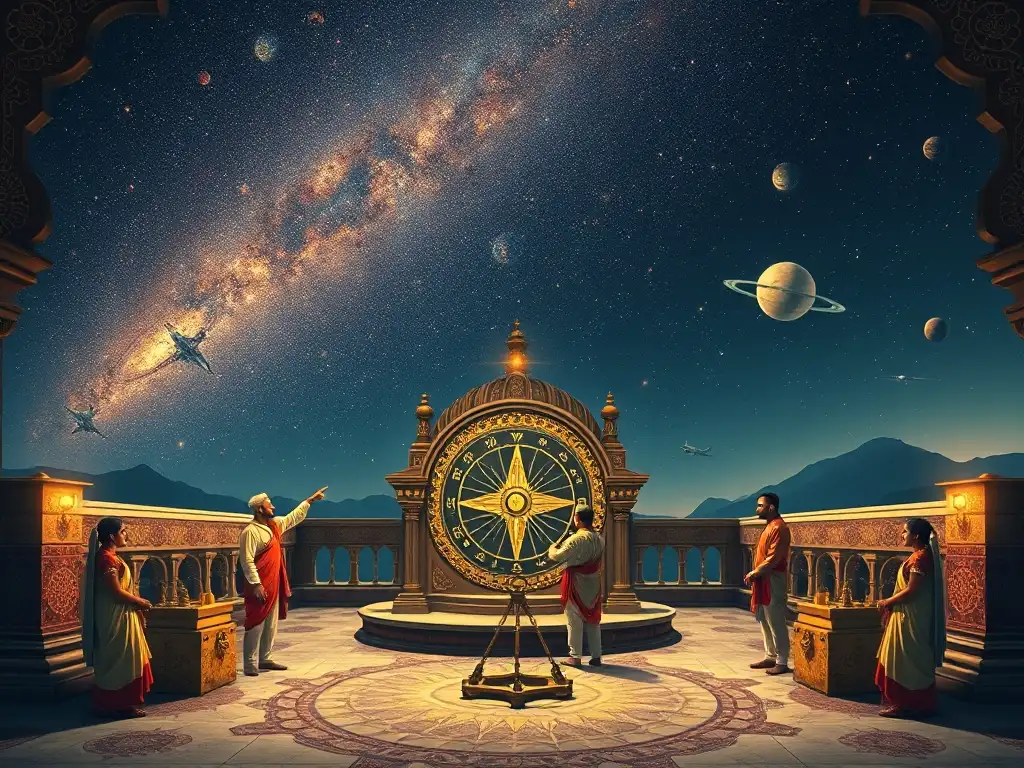
The contributions of ancient Indian astronomy have significantly influenced both the scientific community and the modern understanding of space exploration. Ancient Indian astronomers were pioneers in observing celestial bodies, developing mathematical models, and creating calendars that facilitated agricultural and social activities. Their work laid a strong foundation for later scientific advancements and continues to inspire contemporary research in space exploration. As we delve into the intricacies of ancient Indian astronomy, it becomes evident how these early explorations of the cosmos shaped not only Indian culture but also global scientific thought.
Historical Context of Ancient Indian Astronomy
To appreciate the full extent of ancient Indian astronomy's influence, it's essential to explore its historical context. Indian astronomers operated within a rich cultural framework that valued observation and inquiry. By examining the historical developments, we can better understand how these contributions emerged and evolved over time.
Understanding the Foundations of Indian Astronomy
The foundations of Indian astronomy can be traced back to the Vedic period, where early texts reference celestial phenomena. Notably, the Siddhanta texts, dating from around 500 CE, played a crucial role in establishing the principles of Indian astronomy. These texts combined observations, mathematical calculations, and philosophical reflections, creating a comprehensive system that was both practical and theoretical.
Some key elements that formed the basis of Indian astronomy include:
- Geocentric Model: Ancient Indian astronomers initially followed a geocentric model, positioning the Earth at the center of the universe.
- Planetary Movements: They meticulously recorded the movements of celestial bodies, leading to the development of precise astronomical calculations.
- Time Measurement: The ancient Indians developed sophisticated methods for measuring time, including the use of shadow clocks and water clocks.
Major Texts and Treatises in Ancient Indian Astronomy
Several important texts and treatises contributed to the evolution of astronomy in ancient India. These works not only documented astronomical knowledge but also served as educational resources for future generations. Here are some of the most significant texts:
- Aryabhatiya: Written by Aryabhata in 499 CE, this treatise covered various aspects of mathematics and astronomy, introducing concepts such as the rotation of the Earth and the calculation of eclipses.
- Surya Siddhanta: This foundational text, believed to date back to the 4th century CE, provided detailed methods for calculating planetary positions and eclipses. It emphasized observations and mathematical precision.
- Brahmagupta's Brahmasphutasiddhanta: Composed in 628 CE, this text built upon earlier works and introduced rules for calculating the positions of the planets, along with methods for dealing with negative numbers.
- Varahamihira’s Pancha Siddhantika: A compilation of five astronomical treatises, this work synthesized knowledge from various traditions, showcasing the collaborative nature of Indian astronomy.
These texts not only reflect the scientific rigor of ancient Indian scholars but also highlight their contributions to the broader field of astronomy, laying the groundwork for modern space exploration. The insights derived from these ancient works resonate even today, as researchers continue to unravel the mysteries of our universe, guided by the legacies of the past.
Key Contributions of Ancient Indian Astronomy to Modern Science
Ancient Indian astronomy has significantly shaped modern scientific understanding and technological advancements. The meticulous observations made by ancient Indian astronomers laid the groundwork for many concepts that are integral to contemporary astronomy and space exploration. Their commitment to precise calculations and systematic approaches to celestial phenomena fostered the development of mathematical techniques that are still relevant today. This section delves into the mathematical innovations, the concept of zero, and the techniques employed by ancient Indian astronomers that continue to influence modern space missions.
Mathematical Innovations and Their Impact
The mathematical innovations in ancient Indian astronomy were pivotal. Mathematicians such as Aryabhata and Brahmagupta developed sophisticated algorithms and techniques for calculating planetary positions, eclipses, and time. Aryabhata, in particular, introduced the sine function and approximated π (pi) to an impressive degree of accuracy. His approach to trigonometry and geometry provided essential tools for navigating the skies.
These mathematical foundations not only advanced astronomical studies but also influenced various fields including physics, engineering, and computer science. The algorithms devised by ancient scholars are echoed in modern computational techniques used for simulating celestial movements and designing algorithms for spacecraft navigation. Thus, the mathematical innovations of ancient Indian astronomers serve as a bridge connecting historical knowledge with contemporary scientific practices.
The Concept of Zero and Its Relevance in Astronomy
The introduction of zero as a numeral by ancient Indian mathematicians cannot be overstated, especially in its application to astronomy. The concept of zero enabled astronomers to perform complex calculations involving large numbers and fractions, which were essential for accurate astronomical predictions. This innovation streamlined calculations related to celestial events, such as eclipses and planetary conjunctions.
In modern astronomy, the importance of zero is apparent in data representation and computational models. The ability to express astronomical distances, time intervals, and other measurements using a comprehensive numerical system allows for precise scientific communication and analysis. Ancient Indian contributions to the concept of zero thus resonate through the ages, forming a cornerstone of modern mathematical and astronomical thought.
The Role of Ancient Indian Techniques in Modern Space Missions
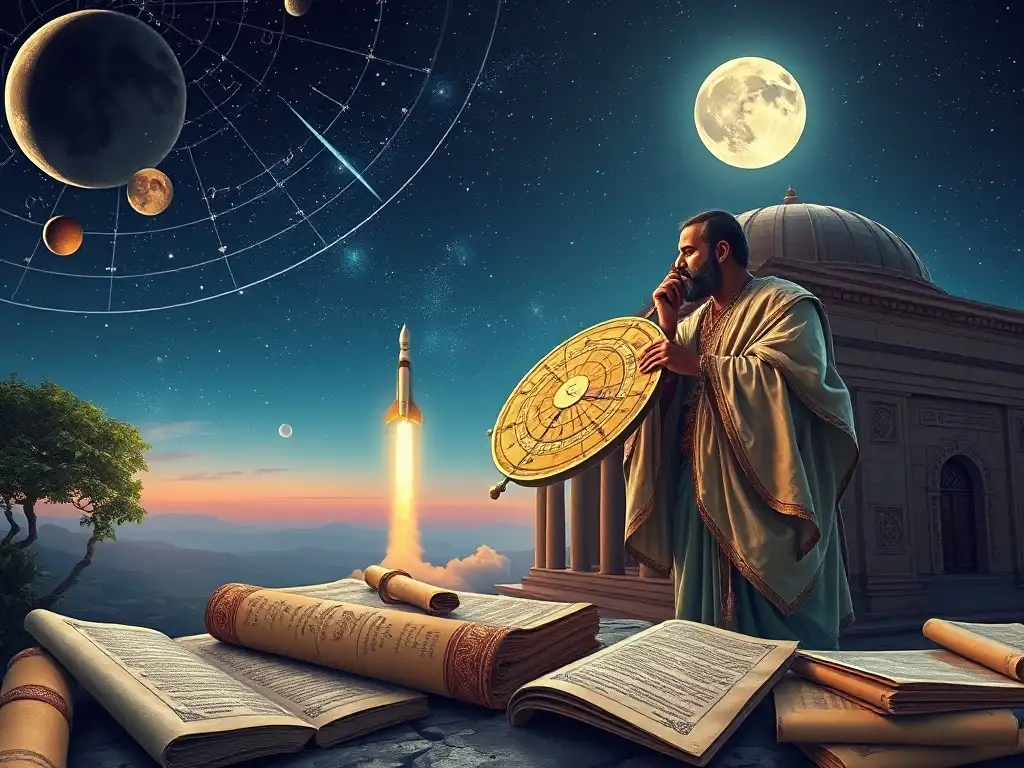
The techniques and methodologies developed by ancient Indian astronomers continue to play a crucial role in contemporary space exploration. Their profound understanding of celestial mechanics and navigation has inspired modern practices in various ways. This section examines the astronomical alignments utilized in ancient times and their implications for current satellite technology and spacecraft design.
Astronomical Alignments and Celestial Navigation
Ancient Indian astronomers excelled in the art of celestial navigation, using the stars and planetary movements as guides for travel and exploration. Their observations led to the establishment of precise astronomical alignments, which were instrumental for navigation on Earth. Techniques such as identifying star positions and using them to determine geographical locations were critical for ancient mariners and travelers.
In modern space exploration, these principles of celestial navigation are still applicable. Spacecraft often use similar techniques to orient themselves and navigate through vast distances in space. The understanding of celestial mechanics developed by ancient astronomers provides a foundational knowledge that informs current navigational strategies, ensuring successful missions and accurate positioning of satellites in orbit.
Influence on Satellite Technology and Spacecraft Design
The advanced knowledge of planetary motion and celestial dynamics exhibited by ancient Indian astronomers has also influenced the design of satellite technology. Concepts such as elliptical orbits and gravitational influences were understood long before modern physics articulated them. This early grasp of orbital mechanics has been instrumental in shaping the trajectory calculations used in launching and operating satellites.
Moreover, the meticulous observational techniques and mathematical modeling developed by ancient Indian scholars underscore the importance of precision in spacecraft design. Modern engineers draw on these historical insights to enhance satellite stability, communication systems, and data collection methods. As a result, the contributions of ancient Indian astronomy continue to resonate within the realms of contemporary technology and innovation, highlighting a legacy that bridges the past with the future of space exploration.
Comparative Analysis: Ancient Indian Astronomy vs. Other Ancient Civilizations
The study of ancient astronomy reveals a fascinating tapestry of knowledge and practices developed across various civilizations. Ancient Indian astronomy stands out for its unique contributions, methodologies, and philosophical underpinnings. While several ancient cultures, including the Babylonians, Egyptians, and Greeks, made significant strides in astronomy, the Indian approach was distinguished by its integration of mathematics, spirituality, and observational precision.
Similarities and Differences in Astronomical Practices
Similarities:
- Celestial Observation: Like their Babylonian and Greek counterparts, ancient Indian astronomers meticulously observed celestial bodies, noting their movements and patterns. This observational data was crucial for developing calendars and agricultural practices.
- Mathematical Foundations: All ancient civilizations relied on mathematics to describe celestial phenomena. The use of geometric models to predict planetary motion was not exclusive to India; however, the sophistication of Indian mathematical astronomy was particularly notable.
Differences:
- Philosophical Context: Ancient Indian astronomy was deeply intertwined with religious and philosophical beliefs. The concepts of time and space were often linked to spiritual practices, as seen in texts like the Surya Siddhanta, which merged astronomical calculations with cosmological theories.
- Innovative Techniques: Techniques such as the use of the shulba sutras for geometrical constructions and the development of advanced sine tables were unique to Indian astronomy. These innovations facilitated not only astronomical calculations but also architecture and engineering.
Lessons Learned from Ancient Indian Astronomy for Future Exploration
Ancient Indian astronomy offers several valuable lessons that modern space exploration can draw upon:
- Integration of Disciplines: The holistic approach of combining astronomy with mathematics, spirituality, and philosophy can inspire contemporary scientists to adopt interdisciplinary methods, fostering innovation in space exploration.
- Precision in Measurement: The meticulous observational techniques developed by ancient Indian astronomers emphasize the importance of precision in data collection. Modern space missions can benefit from adopting similar rigorous methodologies in their research.
- Cultural Context in Science: Understanding that scientific endeavors are often influenced by cultural narratives can enhance the way modern scientists communicate their findings and engage with global audiences. This approach could lead to more inclusive and diverse perspectives in space exploration.
Conclusion: Bridging the Past and the Future of Space Exploration
The exploration of ancient Indian astronomy reveals a rich heritage that has significantly influenced modern scientific thought and practices. By examining the contributions of ancient Indian astronomers, contemporary space exploration can not only benefit from their innovative techniques and philosophical insights but also cultivate a deeper appreciation for the historical context of scientific development.
As we venture into the cosmos, acknowledging the wisdom of our ancestors serves as a reminder that the journey of exploration is not merely technological but also deeply rooted in the cultural and intellectual traditions that have shaped humanity. By bridging the past with the future, we can create a more holistic approach to understanding our place in the universe.
References and Further Reading
To delve deeper into the fascinating world of ancient Indian astronomy and its contributions, the following references and further reading materials are highly recommended:
-
"A History of Indian Astronomy" by R. C. Gupta
This comprehensive text outlines the evolution of astronomical practices in ancient India, detailing key figures, texts, and innovations that shaped the field.
-
"Indian Astronomy: A Historical Perspective" by K. M. D. Kumar
This book provides insights into the mathematical and observational techniques used by ancient Indian astronomers and how these methods influenced later developments in astronomy globally.
-
"The Siddhanta: An Ancient Indian Astronomical Text"
A critical analysis of ancient texts, this publication focuses on the Siddhanta system, explaining its methodologies and its impact on modern astrological practices.
-
"Astronomy in Ancient India" – Journal of the Indian Institute of Science
This journal article explores the astronomical knowledge possessed by ancient Indian civilizations and their contributions to navigation and calendar systems.
-
Online Resources:
- The Indian National Science Academy: Offers various articles and papers on the contributions of ancient Indian science, including astronomy.
- NASA’s Contributions to Ancient Wisdom: This resource highlights how ancient knowledge is being integrated into modern scientific practices.
These references provide a solid foundation for understanding the profound impact of ancient Indian astronomy on contemporary science, especially in the context of space exploration.
Call to Action: Engage with Ancient Indian Astronomy
In our journey through the cosmos and the quest for knowledge, it is essential to recognize the roots of our understanding. Ancient Indian astronomy has shaped not just the past but continues to influence modern scientific endeavors. Here’s how you can engage with this rich heritage:
- Explore Ancient Texts: Dive into the original astronomical texts such as the Aryabhatiya or the Surya Siddhanta. Many translations and commentaries are available online or in local libraries.
- Join Astronomy Clubs: Participate in local or online astronomy clubs that focus on the history of astronomy. Engaging with fellow enthusiasts can deepen your understanding and appreciation of ancient practices.
- Attend Workshops and Lectures: Look for workshops that cover ancient Indian astronomy, its methods, and its relevance today. Many universities and cultural organizations offer such programs.
- Share Your Knowledge: Educate others about ancient Indian contributions to astronomy through social media or community events. Spreading awareness helps preserve this invaluable knowledge.
- Follow Modern Developments: Stay updated on how ancient techniques are being integrated into current space exploration technologies. Understanding these connections enriches the narrative of scientific progress.
By taking these steps, you not only honor the legacy of ancient Indian astronomy but also contribute to the ongoing dialogue between past and present, ensuring that this knowledge continues to inspire future generations. 🚀✨
- Introduction to Ancient Indian Astronomy Contributions
- Historical Context of Ancient Indian Astronomy
- Key Contributions of Ancient Indian Astronomy to Modern Science
- The Role of Ancient Indian Techniques in Modern Space Missions
- Comparative Analysis: Ancient Indian Astronomy vs. Other Ancient Civilizations
- Lessons Learned from Ancient Indian Astronomy for Future Exploration
- Conclusion: Bridging the Past and the Future of Space Exploration
- References and Further Reading
- Call to Action: Engage with Ancient Indian Astronomy
- What were the key contributions of ancient Indian astronomy?
- How did ancient Indian astronomy impact modern science?
- Who were some notable figures in ancient Indian astronomy?
- What tools did ancient Indian astronomers use?
- How does the study of ancient Indian astronomy enhance our understanding of cultural contributions?
Frequently Asked Questions
What were the key contributions of ancient Indian astronomy?
Ancient Indian astronomers made significant contributions such as the concept of zero, the establishment of numerical systems, and the development of calendar systems that influenced later scientific thought.
How did ancient Indian astronomy impact modern science?
The rich knowledge of celestial movements and mathematical calculations from ancient Indian astronomy laid the groundwork for contemporary astronomy and is still referenced in modern space exploration techniques.
Who were some notable figures in ancient Indian astronomy?
Key figures include Aryabhata, who formulated theories about the Earth's rotation, and Brahmagupta, known for his work on mathematics and astronomy, which greatly influenced later scholars.
What tools did ancient Indian astronomers use?
Ancient Indian astronomers utilized various tools, including the goniometer for measuring angles and armillary spheres to observe celestial bodies, showcasing their advanced understanding of astronomical phenomena.
How does the study of ancient Indian astronomy enhance our understanding of cultural contributions?
Studying ancient Indian astronomy reveals insights into the scientific achievements, philosophical inquiries, and cultural practices of ancient civilizations, highlighting their impact on both science and society today.
Final Reflection: Embracing the Legacy of Ancient Indian Astronomy
The contributions of ancient Indian astronomy are not just relics of the past; they are foundational pillars that continue to shape our understanding of the cosmos today. As we stand on the brink of new frontiers in space exploration, it is essential to recognize how the insights and methodologies developed by ancient Indian astronomers have paved the way for modern advancements. The intricate calculations and celestial observations made centuries ago resonate with the very technologies we utilize in our quest to explore the universe.
The enduring influence of ancient Indian astronomy is a testament to the profound interconnectedness of knowledge across cultures and epochs. This rich heritage not only inspires scientists and researchers but also invites us to appreciate the wisdom embedded in historical practices. As noted by the renowned astrophysicist Carl Sagan, We are made of star-stuff. We are a way for the universe to know itself.
This sentiment underscores the importance of acknowledging our roots in the cosmos, reminding us that the journey of exploration is deeply intertwined with the legacy of those who came before us.
As we reflect on the remarkable contributions of ancient Indian astronomy, I invite you to consider how this knowledge can inspire your own journey. Whether you are a student, a professional, or simply a curious mind, let the legacy of these ancient scholars motivate you to explore, question, and innovate. Embrace the spirit of inquiry that has driven humanity to reach for the stars, and carry forward the torch of knowledge that illuminates our path into the future.
Unveil the Cosmic Connection: Take Action Now!
Thank you for diving into the fascinating realm of ancient Indian astronomy and its profound impact on modern space exploration. Your interest not only broadens your understanding of history but also connects you to a legacy of knowledge that continues to inspire innovation today. Now, let's harness this inspiration and take action together!
- Explore the works of ancient astronomers and discover how their insights shape contemporary space missions.
- Share this article with friends and spark a conversation about the timeless wisdom of our ancestors by using the share buttons below!
- Join a community discussion or forum focusing on ancient sciences to connect with others who are equally passionate about history and space exploration.
How will you apply the lessons of ancient astronomy to your own journey through the cosmos?