
Ancient Indian Rituals: Their Impact on Contemporary Wellness Trends

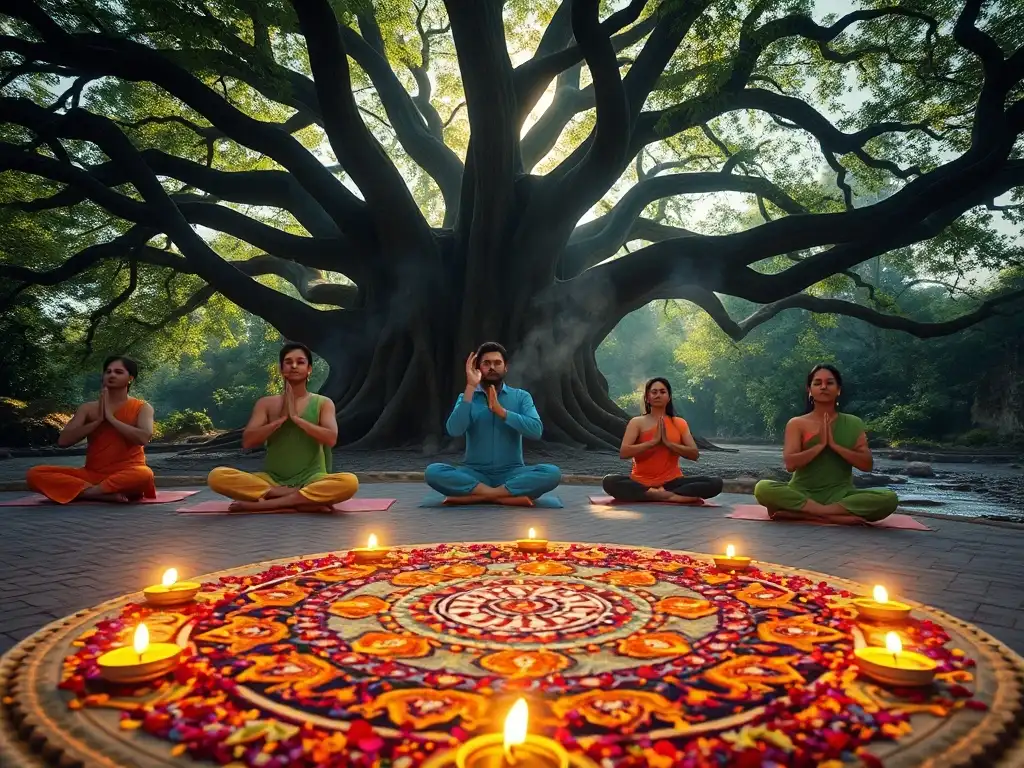
Welcome to Ancient India History, where we embark on a fascinating journey through the rich tapestry of ancient Indian civilizations. In our featured article, “ Ancient Indian Rituals: Their Impact on Contemporary Wellness Trends,” we delve into the remarkable rituals and practices that have not only shaped the cultural landscape of India but continue to influence modern wellness trends around the globe. Curious how ancient wisdom intertwines with today’s health practices? Join us as we explore the profound connections and discover the timeless insights that can enhance our lives today. Your exploration into the past awaits!
-
Ancient Indian Rituals and Wellness: An Overview of Their Impact on Contemporary Trends
- The Significance of Ancient Indian Rituals in Wellness
- Key Ancient Indian Rituals that Influence Modern Wellness Practices
- How Ancient Indian Rituals are Shaping Contemporary Wellness Trends
- Products and Services Inspired by Ancient Indian Wellness Rituals
- Comparative Analysis: Ancient vs. Modern Wellness Practices
- Case Studies: Success Stories of Ancient Indian Rituals in Modern Life
- The Future of Wellness: Continuing the Legacy of Ancient Indian Rituals
- Innovations in Wellness Inspired by Ancient Traditions
- Predictions for the Evolution of Wellness Practices in 2024 and Beyond
- Conclusion: Embracing Ancient Indian Rituals for a Healthier Future
- The Importance of Preserving and Adopting Ancient Wisdom
- Call to Action: Exploring Ancient Rituals for Personal Wellness Growth
- Frequently Asked Questions
- Final Reflection: Embracing Ancient Wisdom for Modern Wellness
- Embrace the Wisdom of Ancient Rituals Today!
Ancient Indian Rituals and Wellness: An Overview of Their Impact on Contemporary Trends
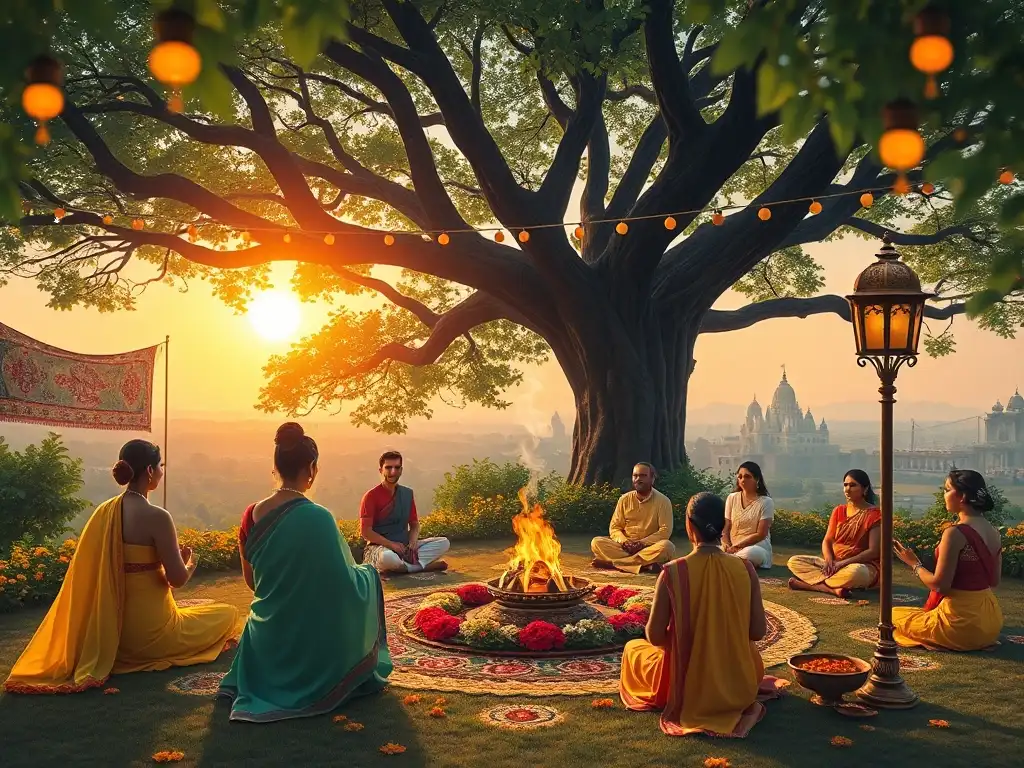
The exploration of ancient Indian rituals reveals a profound connection between spirituality, health, and well-being, which resonates with contemporary wellness trends. As modern society grapples with stress, anxiety, and a fast-paced lifestyle, many individuals are turning to the wisdom embedded in ancient practices. This article delves into how the rituals of ancient Indian civilizations have shaped contemporary wellness ideologies, emphasizing their relevance in today's pursuit of holistic health. By understanding these rituals, we can uncover the timeless principles that continue to influence modern wellness practices, highlighting their significance in promoting mental, physical, and spiritual well-being.
The Significance of Ancient Indian Rituals in Wellness
Understanding the Connection Between Rituals and Well-Being
Ancient Indian rituals are not mere traditions; they are deeply entrenched practices that foster a sense of community, inner peace, and personal growth. These rituals often involve a combination of physical, mental, and spiritual elements that contribute to overall wellness. For instance, rituals such as prayer, offerings, and meditative practices serve to align the mind and body, promoting harmony within oneself and with the universe.
- Community and Connection: Participating in rituals fosters a sense of belonging and connection, which is essential for emotional well-being.
- Mindfulness and Presence: Engaging in rituals encourages mindfulness, helping individuals become more present and aware of their thoughts and feelings.
Historical Context: Rituals in Ancient Indian Civilizations
Ancient Indian civilizations, from the Indus Valley to the Gupta Empire, were rich in rituals that celebrated the cycles of life and nature. These rituals were often tied to agricultural practices, seasonal festivals, and spiritual observances. For example:
- Indus Valley Civilization: Archaeological findings suggest that early inhabitants engaged in ritualistic bathing and worship of deities, emphasizing purification and spirituality.
- Vedic Period: The Vedas, ancient Indian scriptures, document various rituals focusing on fire worship and offerings, which were believed to sustain the cosmic order.
These historical practices laid the groundwork for contemporary wellness approaches by emphasizing balance, harmony, and the interconnectedness of life.
Key Ancient Indian Rituals that Influence Modern Wellness Practices
Yoga: A Spiritual and Physical Discipline
Yoga, one of the most recognized ancient Indian practices, integrates physical postures (asanas), breath control (pranayama), and meditation. Its holistic approach promotes not only physical fitness but also mental clarity and emotional stability.
- Physical Benefits: Increases flexibility, strength, and overall health.
- Mental Clarity: Enhances focus and reduces anxiety through mindfulness practices.
Ayurveda: The Science of Life and Holistic Health
Ayurveda, often referred to as the "science of life," is a comprehensive system of medicine that emphasizes balance among the body, mind, and spirit. It focuses on individualized treatments based on one's unique constitution (dosha).
- Personalized Wellness: Treatments may include diet, herbal remedies, and lifestyle changes tailored to the individual.
- Preventive Care: Encourages proactive measures to maintain health and prevent diseases.
Meditation: Techniques Rooted in Ancient Traditions
Meditation has been practiced for millennia in various forms across ancient Indian cultures. It serves as a tool for self-reflection, stress relief, and spiritual awakening.
- Emotional Regulation: Helps in managing stress and anxiety, promoting emotional resilience.
- Spiritual Growth: Facilitates a deeper understanding of oneself and one's connection to the universe.
Through these rituals, ancient Indian civilizations have imparted valuable wisdom that continues to inspire modern wellness trends, demonstrating the lasting impact of their practices on contemporary health and well-being.
How Ancient Indian Rituals are Shaping Contemporary Wellness Trends
Ancient Indian rituals have significantly influenced contemporary wellness practices, creating a bridge between the past and present. These rituals, deeply rooted in spirituality and a holistic approach to health, are being embraced as essential components of modern wellness trends. The practices foster a deeper understanding of mental, physical, and spiritual well-being, encouraging individuals to adopt a more balanced lifestyle.
The resurgence of interest in ancient Indian rituals is evident in various wellness sectors, from mindfulness practices and Ayurvedic medicine to yoga and meditation. These elements not only promote wellness but also serve as a foundation for new products and services that reflect the principles of ancient wisdom. As people seek to enhance their quality of life, the teachings of ancient Indian civilizations provide valuable insights that resonate with contemporary health trends.
The Rise of Mindfulness and Its Roots in Ancient Practices
Mindfulness, a practice that emphasizes present-moment awareness, finds its origins in ancient Indian philosophies, particularly Buddhism and Hinduism. The concept of being fully present is integral to many ancient rituals, which often involve meditation and deep reflection. These practices encourage individuals to detach from the chaos of daily life, allowing them to cultivate a sense of inner peace and clarity.
In recent years, mindfulness has gained traction in various sectors, including education, corporate environments, and therapy. Techniques derived from ancient Indian practices, such as meditation and breath control (pranayama), are now widely incorporated into stress management programs. Research indicates that these practices not only enhance mental well-being but also improve overall health, leading to a growing acceptance of mindfulness as a vital component of wellness in modern society.
Integrating Ayurveda into Modern Health Regimens
Ayurveda, the ancient Indian system of medicine, emphasizes the balance of body, mind, and spirit. Its principles are increasingly being integrated into contemporary health regimens, highlighting natural and holistic approaches to wellness. Ayurvedic practices focus on individualized treatments based on one’s unique constitution (dosha), which has inspired personalized health plans in modern wellness.
Modern consumers are becoming more aware of the benefits of Ayurvedic herbs and dietary guidelines, leading to a surge in interest in holistic health products. Many health-conscious individuals are now incorporating Ayurvedic principles into their daily routines, such as using herbal remedies, adapting diets to balance doshas, and practicing seasonal detoxes. This integration illustrates how ancient wisdom continues to shape contemporary health practices, making Ayurveda a key player in the wellness industry.
The Popularity of Yoga Studios and Retreats
Yoga, a physical and spiritual practice with roots in ancient India, has exploded in popularity across the globe. The rise of yoga studios and wellness retreats reflects a growing recognition of the benefits associated with this ancient discipline. Practitioners are drawn not only to the physical postures (asanas) but also to the accompanying philosophies that promote mindfulness, ethical living, and holistic health.
Retreats that focus on yoga often combine spiritual teachings with relaxation and wellness activities, enabling participants to disconnect from everyday stresses and reconnect with themselves. These experiences provide a unique opportunity to immerse in ancient practices while benefiting from modern amenities, illustrating how ancient Indian rituals are adapted to meet contemporary wellness needs.
Products and Services Inspired by Ancient Indian Wellness Rituals
Ancient Indian wellness rituals have inspired a range of products and services that cater to modern health-conscious consumers. From yoga gear to Ayurvedic supplements, these offerings reflect the enduring legacy of ancient practices and their relevance in today's wellness landscape.
Top Yoga Mat Brands for Every Practitioner
The increasing popularity of yoga has led to a diverse market for yoga mats, with numerous brands offering products that cater to different preferences and practices. Some top brands include:
- Liforme: Known for its eco-friendliness and alignment guides, perfect for practitioners looking for support in their postures.
- Manduka: Offers durable, high-quality mats that are favored by many serious yogis for their stability and cushioning.
- Jade Yoga: A brand that emphasizes sustainability, making mats from natural rubber and contributing to environmental causes.
These brands not only enhance the yoga experience but also align with the principles of mindfulness and sustainability derived from ancient Indian traditions.
Best Ayurvedic Supplements for Holistic Health
Ayurvedic supplements have gained immense popularity as individuals seek natural solutions for health and wellness. Some of the best Ayurvedic supplements include:
- Ashwagandha: Known for its adaptogenic properties, it helps manage stress and improve overall vitality.
- Turmeric (Curcumin): Celebrated for its anti-inflammatory and antioxidant properties, turmeric supports joint health and overall wellness.
- Triphala: A combination of three fruits, it aids digestion and detoxification, promoting a healthy gut.
These supplements reflect ancient wisdom and are increasingly integrated into modern health regimens for their holistic benefits.
Meditation Apps Derived from Ancient Techniques
With the rise of technology, meditation apps have become a popular tool for individuals seeking to incorporate mindfulness into their daily routines. Many of these apps draw inspiration from ancient Indian techniques. Notable apps include:
- Headspace: Offers guided meditations and mindfulness practices rooted in Buddhist traditions.
- Calm: Provides a variety of meditation sessions, sleep stories, and relaxation techniques that mirror ancient practices.
- Insight Timer: Features a vast library of free meditations, including those inspired by traditional Indian philosophies.
These applications make ancient meditation techniques accessible to a broader audience, emphasizing the relevance and adaptability of ancient Indian rituals in contemporary wellness trends.
Comparative Analysis: Ancient vs. Modern Wellness Practices
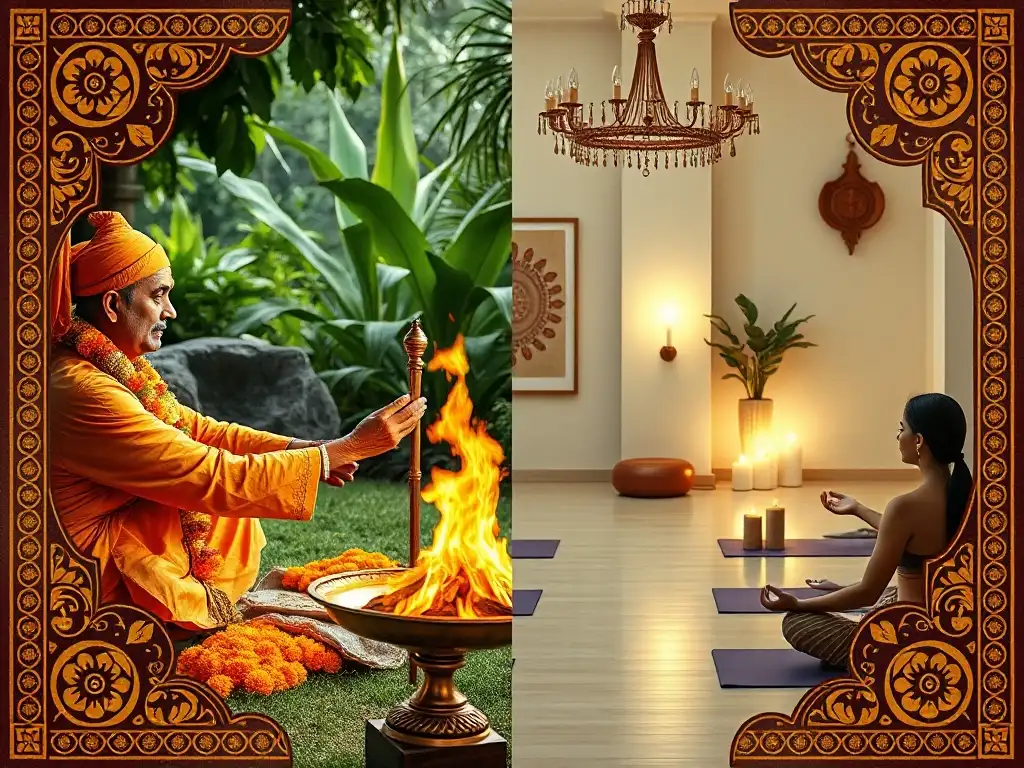
The exploration of ancient Indian rituals and their profound influence on contemporary wellness practices highlights a fascinating continuum of health philosophies. While the essence of wellness remains rooted in holistic approaches that emphasize balance and harmony, the methods of implementation have evolved significantly over the centuries. Ancient practices often revolved around community, spirituality, and a deep connection to nature, while modern wellness trends frequently incorporate scientific research and technology, creating a unique blend of tradition and innovation.
Similarities Between Ancient Rituals and Contemporary Approaches
Both ancient Indian rituals and modern wellness practices share several core principles aimed at enhancing overall well-being.
- Holistic Perspective: Ancient practices, such as Ayurveda and Yoga, emphasize the interconnectedness of mind, body, and spirit. This holistic view is mirrored in contemporary wellness trends that advocate for comprehensive approaches to health, integrating physical exercise, mental health, and spiritual growth.
- Focus on Mindfulness: Mindfulness is a central tenet in many ancient rituals, such as meditation and chanting, aimed at achieving mental clarity and emotional stability. Modern wellness practices have embraced mindfulness techniques, using meditation, breathing exercises, and stress management strategies to foster mental well-being.
- Natural Remedies: The use of natural elements—herbs, oils, and dietary practices—was prevalent in ancient Indian rituals. Today, there is a resurgence of interest in natural remedies, with many people opting for herbal supplements, organic foods, and holistic healing modalities to maintain their health.
Differences in Implementation and Philosophy
Despite the similarities, there are notable differences in how ancient and modern wellness practices are implemented and philosophized.
- Scientific Validation: Modern wellness trends often emphasize evidence-based practices, relying on scientific studies to validate the effectiveness of various methods. In contrast, ancient rituals were based on experiential knowledge and spiritual insights, often lacking empirical support.
- Individualism vs. Community: Contemporary wellness approaches frequently focus on individual well-being, with personalized programs and tailored solutions. In contrast, ancient Indian rituals were typically community-centric, emphasizing collective participation and shared experiences as essential for spiritual and physical health.
- Technology Integration: The modern wellness landscape leverages technology in various forms—apps for meditation, fitness trackers, and online wellness programs—contrasting with the traditional methods that thrived on direct interaction with nature and community.
Case Studies: Success Stories of Ancient Indian Rituals in Modern Life
The resurgence of interest in ancient Indian rituals has led to numerous success stories where these practices have significantly impacted modern lifestyles. From wellness retreats to personal health transformations, the integration of traditional methodologies is proving to be effective in contemporary settings.
Transformative Health Journeys through Yoga and Ayurveda
Many individuals have embarked on transformative health journeys by incorporating ancient practices like Yoga and Ayurveda into their daily lives.
- Personal Health Transformation: A case study involving a middle-aged woman diagnosed with chronic stress and anxiety demonstrated remarkable improvements after engaging in a structured Yoga and Ayurveda regimen. By adopting daily meditation, proper dietary habits based on Ayurvedic principles, and consistent Yoga practice, she reported enhanced mental clarity, reduced stress levels, and overall improved physical health.
- Community Programs: Wellness centers are increasingly offering programs that blend Yoga and Ayurveda, resulting in positive health outcomes for participants. These programs, often grounded in ancient texts, provide a structured approach that addresses physical, mental, and emotional well-being, showcasing the enduring relevance of these practices.
Real-Life Examples of Wellness Retreats Incorporating Ancient Practices
Wellness retreats around the globe are embracing ancient Indian rituals, providing participants with immersive experiences that promote healing and rejuvenation.
- Ayurvedic Retreats: Many wellness retreats in India and abroad focus on authentic Ayurvedic treatments, offering personalized therapies that include herbal treatments, massage, and dietary plans. For instance, the renowned Ayurvedic retreat in Kerala combines traditional practices with modern comforts, resulting in visitors reporting significant improvements in their health and well-being after their stay.
- Yoga Retreats: Retreats centered around Yoga have proliferated, particularly in serene environments that promote mindfulness and relaxation. These retreats often integrate ancient teachings on breath control and meditation, allowing participants to reconnect with themselves and experience profound personal growth. Testimonials from participants frequently highlight the life-changing impact of these ancient practices on their mental and physical health.
The interplay between ancient Indian rituals and contemporary wellness trends showcases a rich tapestry of practices that continue to evolve while remaining deeply rooted in tradition.
The Future of Wellness: Continuing the Legacy of Ancient Indian Rituals
As we move into an era increasingly focused on holistic health and well-being, the legacy of ancient Indian rituals is more relevant than ever. These practices, rooted in the philosophies of Ayurveda, yoga, and meditation, emphasize a balanced approach to physical, mental, and spiritual health. The future of wellness is poised to integrate these age-old traditions with modern science, creating a comprehensive framework for personal health.
The principles found in ancient Indian rituals highlight the importance of harmony within oneself and with the environment. This interconnectedness is resonating with contemporary wellness trends that advocate for mindfulness, stress reduction, and a deeper understanding of one’s body and mind. As the world grapples with rising stress levels and health crises, the teachings from ancient India provide valuable insights into preventive healthcare and self-care practices that foster resilience and vitality.
Innovations in Wellness Inspired by Ancient Traditions
The influence of ancient Indian rituals is manifesting in innovative wellness solutions tailored to modern lifestyles. One such innovation is the incorporation of meditation and mindfulness practices into corporate wellness programs. Companies are increasingly recognizing the benefits of these techniques for enhancing employee productivity and mental well-being. For instance, organizations are offering guided meditation sessions and mindfulness workshops that draw upon ancient techniques, promoting a culture of wellness in the workplace.
Additionally, the rise of wellness apps that incorporate elements of Ayurveda is changing how individuals approach their health. These applications often provide personalized dietary recommendations, yoga routines, and meditative practices based on ancient wisdom, making these rituals accessible to a broader audience. The fusion of technology and tradition exemplifies how ancient Indian rituals continue to influence contemporary wellness trends, paving the way for a more holistic approach to health.
Predictions for the Evolution of Wellness Practices in 2024 and Beyond
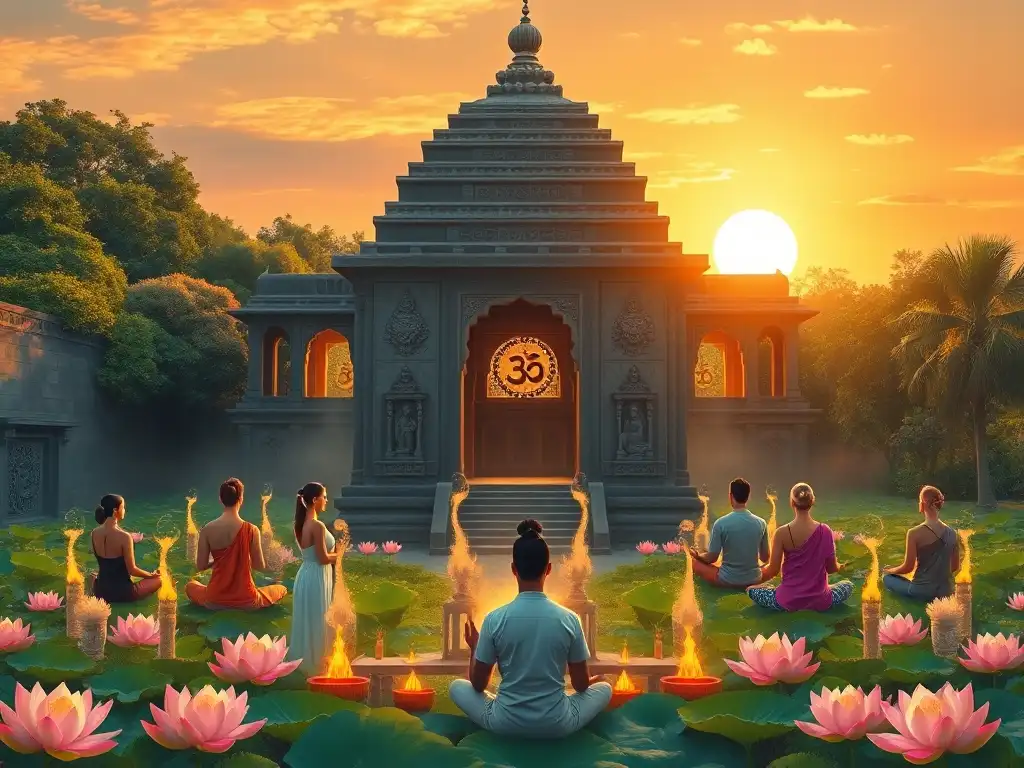
Looking ahead to 2024 and beyond, the evolution of wellness practices will likely see an even greater integration of ancient Indian rituals into everyday life. As globalization continues to expand, there is a growing appreciation for diverse cultural practices. This trend suggests that more individuals will seek authentic experiences that promote wellness, leading to an increased interest in traditional practices such as Ayurvedic medicine, yoga, and rituals like puja and homa.
Furthermore, the emphasis on sustainability and eco-conscious living is expected to influence wellness practices. Ancient Indian rituals often emphasize a connection to nature and the use of natural resources, which aligns with the sustainable practices being adopted in contemporary wellness trends. This synergy is poised to foster a resurgence of interest in utilizing natural ingredients in beauty, health, and wellness products, deeply rooted in ancient traditions.
Conclusion: Embracing Ancient Indian Rituals for a Healthier Future
Embracing ancient Indian rituals offers a pathway to a healthier future, where wellness is approached holistically. The integration of these time-tested practices into modern lifestyles can lead to improved physical health, mental clarity, and spiritual fulfillment. By acknowledging the value of these rituals, individuals can cultivate a deeper connection to themselves and their surroundings, fostering a profound sense of well-being.
The Importance of Preserving and Adopting Ancient Wisdom
Preserving ancient Indian wisdom is essential not only for cultural heritage but also for its potential to enhance contemporary wellness practices. As we face new health challenges, the insights derived from ancient rituals can guide us toward solutions that honor both tradition and innovation. By adopting these teachings, we ensure that valuable knowledge is passed down through generations, contributing to the collective well-being of society.
Call to Action: Exploring Ancient Rituals for Personal Wellness Growth
Individuals are encouraged to explore ancient Indian rituals as a means of personal wellness growth. Whether through engaging in yoga, practicing meditation, or incorporating Ayurvedic principles into daily routines, there are myriad ways to experience the benefits of these rituals. Taking the time to understand and implement these practices can lead to transformative changes in one’s overall health and well-being. Embrace the ancient and rediscover the wellness that has sustained generations before us!
Frequently Asked Questions
What are ancient Indian rituals?
Ancient Indian rituals encompass a variety of spiritual practices, ceremonies, and customs that have shaped the cultural landscape of India, often linked to religious beliefs and societal norms.
How do ancient Indian rituals influence contemporary wellness trends?
Many wellness trends today draw inspiration from ancient Indian rituals, integrating practices such as yoga, meditation, and ayurveda into modern lifestyles for improved mental and physical health.
What is the significance of Ayurveda in ancient Indian wellness?
Ayurveda is an integral part of ancient Indian wellness, focusing on the balance of body, mind, and spirit, and promoting natural remedies and holistic health practices that are still relevant today.
Can ancient Indian rituals be practiced in modern life?
Yes, many ancient Indian rituals can be adapted for modern living, promoting mindfulness, stress reduction, and a deeper connection to one's self and surroundings.
What are some examples of ancient Indian wellness practices?
Examples include yoga, meditation, pranayama (breath control), and the use of herbal treatments, all of which emphasize a holistic approach to health and wellness rooted in ancient traditions.
Final Reflection: Embracing Ancient Wisdom for Modern Wellness
The relevance of ancient Indian rituals in today's wellness landscape cannot be overstated; they serve as a bridge connecting us to our roots while guiding us toward holistic health. In an era where stress and disconnection are rampant, these time-honored practices remind us of the profound wisdom that has been passed down through generations. The resurgence of interest in mindfulness, yoga, and meditation is not merely a trend but a testament to the enduring power of these ancient traditions.
The influence of ancient Indian rituals extends far beyond individual practices; they have permeated our cultural and social fabric, shaping how we perceive wellness today. From yoga studios to wellness retreats, these rituals encourage a deeper connection to self and community. As we navigate the complexities of modern life, we find solace in the simplicity and depth of these practices. In the midst of movement and chaos, keep stillness inside of you.
— Deepak Chopra. This quote encapsulates the essence of what ancient Indian rituals offer: a pathway to inner peace amidst the noise of contemporary existence.
As you reflect on the insights shared in this article, consider how you can incorporate elements of ancient Indian rituals into your own wellness journey. Whether it's through daily meditation, mindful breathing, or embracing the communal aspects of these practices, each step you take can lead to a more balanced and fulfilling life. Let the wisdom of the past inspire you to cultivate a deeper connection with yourself and the world around you, fostering a sense of harmony that transcends time and tradition.
Embrace the Wisdom of Ancient Rituals Today!
Thank you for diving into the fascinating world of Ancient Indian Rituals and their relevance in today's wellness trends! Your exploration into these time-honored practices reveals a treasure trove of techniques that can enhance your well-being. Are you ready to take the next step in your wellness journey?
Here are some practical actions you can take right now:
- Incorporate a Daily Meditation Practice: Start with just 5 minutes a day. Explore various techniques inspired by ancient rituals that can bring peace and clarity to your life.
- Join a Local Yoga Class: Experience the transformative power of yoga, one of the profound gifts of ancient India, and connect with a community that shares your passion for wellness.
- Share Your Thoughts: Engage with friends or online communities to discuss how ancient practices have shaped modern wellness. Consider starting a blog or social media channel to celebrate these connections!
What ancient practice resonates most with you, and how do you see it influencing your current wellness routine? Join the conversation below!