
From Kitchen to Clinic: The Role of Ayurvedic Herbs in Modern Therapeutics

Welcome to Ancient India History, where we embark on a journey through the captivating tapestry of India's past, celebrating the rich cultures and groundbreaking contributions of ancient civilizations. In this enlightening exploration, we delve into the fascinating world of Ayurvedic herbs and their modern therapeutic uses, revealing how time-honored practices are shaping contemporary healthcare. Curious about how these ancient remedies have transitioned from the kitchen to the clinic? Join us as we uncover the secrets of these powerful herbs and their relevance in today's innovative health landscape. Your adventure into the wisdom of the ancients starts here!
- Introduction to Ayurvedic Herbs and Their Modern Therapeutic Uses
- Key Ayurvedic Herbs and Their Therapeutic Applications
- The Science Behind Ayurvedic Herbs in Modern Medicine
- How to Incorporate Ayurvedic Herbs into Your Health Regimen
- The Future of Ayurvedic Herbs in Modern Therapeutics
- Conclusion: Embracing the Wisdom of Ancient India in Modern Health
- Frequently Asked Questions
- Final Reflection: Embracing Ayurvedic Wisdom in Modern Healing
- Embrace the Healing Power of Ayurvedic Herbs Today!
Introduction to Ayurvedic Herbs and Their Modern Therapeutic Uses
In recent years, there has been a significant resurgence of interest in the therapeutic potential of Ayurvedic herbs, particularly in the context of modern healthcare. This ancient system of medicine, with its roots in India over 3,000 years ago, offers a holistic approach that emphasizes the balance between body, mind, and spirit.
As we navigate the complexities of contemporary health challenges, the integration of Ayurvedic herbs in modern therapeutics presents a promising avenue for enhancing wellness and addressing various ailments. This article delves into the rich history of Ayurveda, the significance of its herbal components, and how these age-old remedies are finding a place in today’s medical practices.
Understanding Ayurveda: A Brief Overview
Ayurveda, derived from the Sanskrit words "Ayur" (life) and "Veda" (knowledge), is often referred to as the "Science of Life." It not only focuses on the treatment of diseases but also emphasizes preventive care and the promotion of overall health. Central to Ayurvedic philosophy are the concepts of doshas (the body's energies), dhatus (tissues), and malas (wastes), which together create a unique blueprint for individual health.
- Core Principles of Ayurveda:
- Holistic Approach: Treating the person as a whole, rather than just addressing symptoms.
- Balance: Maintaining harmony between physical, mental, and spiritual well-being.
- Natural Remedies: Utilization of plant-based treatments, lifestyle changes, and dietary adjustments.
This ancient wisdom underscores the importance of personalized healthcare, making Ayurveda particularly relevant in the era of tailored medicine.
The Historical Context of Ayurvedic Practices in Ancient India
The origins of Ayurveda can be traced back to the Vedic texts of ancient India, where it was developed and refined over centuries. The Charaka Samhita and Sushruta Samhita, two foundational texts of Ayurveda, provide comprehensive insights into surgical techniques, herbal formulations, and dietary recommendations that were practiced thousands of years ago.
- Key Historical Milestones:
- Indus Valley Civilization (c. 2500-1500 BCE): Evidence of medicinal plants and early health practices.
- Vedic Period (c. 1500-500 BCE): Codification of Ayurvedic principles in sacred texts.
- Gupta Empire (c. 320-550 CE): Flourishing of medical knowledge, including the establishment of hospitals and advanced surgical practices.
This rich historical tapestry illustrates how Ayurvedic practices have been integral to the health and wellness of ancient Indian civilizations, laying the groundwork for modern applications.
Importance of Ayurvedic Herbs in Modern Therapeutics
As healthcare continues to evolve, the incorporation of Ayurvedic herbs into modern therapeutic practices is gaining traction. These herbs, known for their diverse pharmacological properties, are being explored for their potential benefits in treating a range of conditions, from chronic illnesses to mental health issues.
- Examples of Prominent Ayurvedic Herbs:
- Ashwagandha: Known for its adaptogenic properties, aiding in stress relief and energy enhancement.
- Tulsi (Holy Basil): Valued for its anti-inflammatory and immune-boosting effects.
- Turmeric: Renowned for its potent anti-inflammatory and antioxidant properties.
The resurgence of interest in these herbs is not merely a trend; it reflects a growing recognition of their efficacy and safety, as supported by scientific research. Modern therapeutics is increasingly looking towards these ancient remedies, bridging the gap between traditional wisdom and contemporary medical practices.
As we explore the fascinating intersection of ancient Ayurvedic knowledge and modern healthcare innovations, it becomes clear that Ayurvedic herbs hold a significant place in the future of therapeutic practices, offering holistic solutions that honor the rich legacy of ancient Indian civilizations.
Key Ayurvedic Herbs and Their Therapeutic Applications
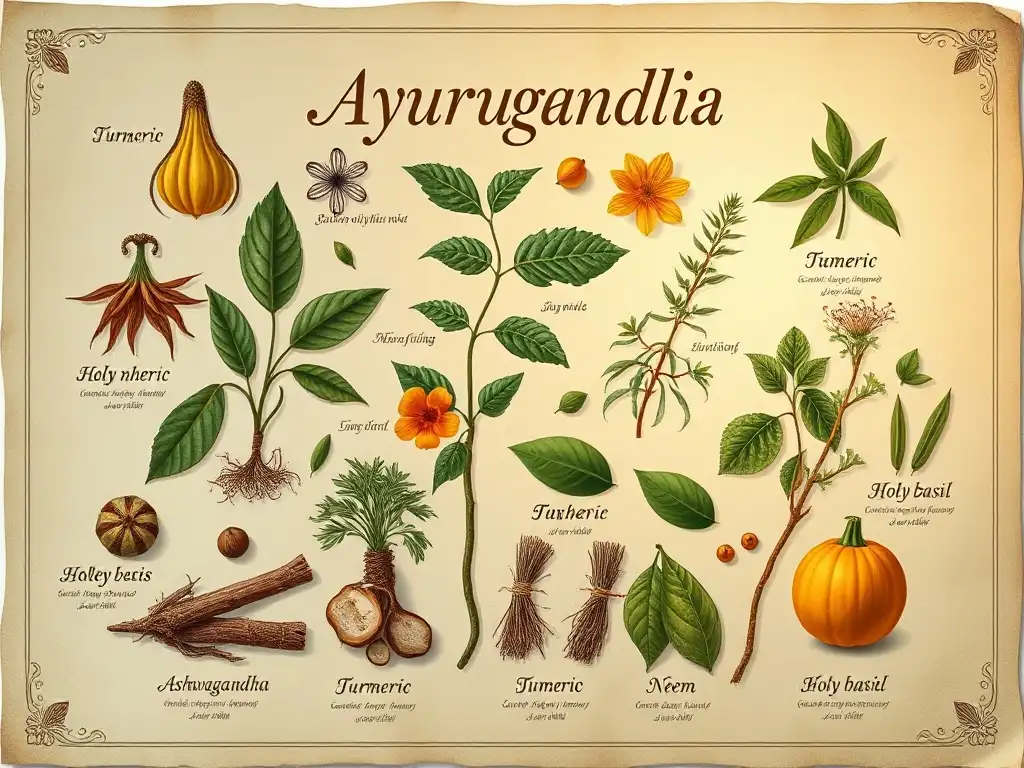
Ayurvedic herbs have been the cornerstone of traditional Indian medicine for centuries, offering a holistic approach to health and wellness. In recent years, there has been a resurgence of interest in the therapeutic uses of these herbs within modern healthcare. This section delves into some of the most prominent Ayurvedic herbs, highlighting their applications and the products available for contemporary consumers.
Ashwagandha: The Adaptogen for Stress Relief
Ashwagandha, scientifically known as Withania somnifera, is a powerful adaptogen revered in Ayurvedic medicine for its ability to combat stress and enhance overall vitality. It is commonly referred to as "Indian ginseng" due to its rejuvenating properties.
Benefits of Ashwagandha in Modern Healthcare
The therapeutic benefits of Ashwagandha are well-documented, particularly in relation to stress management. Extensive research indicates that it can lower cortisol levels, thereby reducing anxiety and improving mood. Some key benefits include:
- 🌱 Stress Reduction: Helps alleviate symptoms of stress and anxiety.
- ⚖️ Mood Enhancement: Promotes a sense of well-being and emotional balance.
- 💪 Physical Performance: Enhances stamina and muscle strength.
- 💤 Sleep Improvement: Aids in achieving restful sleep, promoting better recovery.
Recent studies have shown that regular intake of Ashwagandha can lead to significant improvements in stress-related disorders, making it a staple in modern therapeutic practices.
Recommended Products: KSM-66 Ashwagandha
One of the most reputable forms of Ashwagandha available in the market is KSM-66 Ashwagandha. This product is known for its high concentration of withanolides, the active compounds responsible for its health benefits.
| Product Name | Key Features | Benefits |
|---|---|---|
| KSM-66 Ashwagandha | Full-spectrum extract, Non-GMO | Stress relief, improved cognition |
KSM-66 has been extensively studied and is praised for its efficacy in enhancing mental clarity and physical performance, making it an ideal choice for those seeking natural solutions to stress and fatigue.
Turmeric: The Golden Spice for Inflammation
Turmeric, or Curcuma longa, is another essential Ayurvedic herb known for its vibrant yellow color and potent anti-inflammatory properties. It has gained popularity not only in culinary applications but also as a therapeutic agent in modern medicine.
Scientific Evidence Supporting Turmeric's Efficacy
The active component of turmeric, curcumin, has been the subject of numerous scientific studies investigating its health benefits. Notably, research demonstrates that curcumin possesses:
- 🌿 Anti-Inflammatory Properties: Inhibits pathways related to inflammation, proving effective in conditions like arthritis.
- 🧠 Antioxidant Effects: Neutralizes free radicals, protecting cells from oxidative stress.
- ❤️ Cardiovascular Benefits: Improves endothelial function and reduces risk factors for heart disease.
Clinical trials have shown that curcumin can significantly reduce markers of inflammation, making it a valuable addition to the therapeutic arsenal for managing chronic inflammatory conditions.
Popular Turmeric Products: BioPerine Enhanced Curcumin
Among the various turmeric supplements available, BioPerine Enhanced Curcumin stands out due to its formulation that combines curcumin with BioPerine, a black pepper extract that enhances curcumin's bioavailability.
| Product Name | Key Features | Benefits |
|---|---|---|
| BioPerine Enhanced Curcumin | 95% curcumin, BioPerine included | Increased absorption, anti-inflammatory effects |
This product is particularly noted for its effectiveness in promoting joint health and reducing inflammation, making it a popular choice for those seeking natural remedies for chronic pain.
Ayurvedic herbs like Ashwagandha and Turmeric play a crucial role in modern therapeutic practices, bridging traditional wisdom with contemporary healthcare needs. Their extensive research-backed benefits and the availability of specialized products make them essential components in the quest for natural health solutions.
Tulsi (Holy Basil): The Herb of Immunity
Tulsi, also known as Holy Basil, is a revered herb in Ayurveda, celebrated for its extensive range of health benefits. This aromatic plant is not only a staple in Indian kitchens but also plays a significant role in modern therapeutics, particularly in boosting immunity. Its adaptogenic properties help the body adapt to stress and promote overall well-being, making it an essential herb in the realm of holistic health.
The chemical composition of Tulsi includes essential oils, flavonoids, and phenolic compounds, which contribute to its therapeutic efficacy. Research has shown that Tulsi can enhance the body's immune response, reduce inflammation, and possess antibacterial, antiviral, and antifungal properties. As such, it has gained traction in modern healthcare for its ability to support immune health and combat various ailments.
Tulsi's Role in Enhancing Immune Function
Tulsi plays a crucial role in enhancing immune function through several mechanisms. First, it stimulates the production of antibodies and boosts the activity of immune cells, which helps the body fend off infections. The herb is rich in antioxidants, such as eugenol, which combat oxidative stress—a significant contributor to weakened immunity.
Moreover, Tulsi has been shown to regulate cortisol levels, the stress hormone, thereby aiding in stress management. Chronic stress can severely impact immune function, so by mitigating stress, Tulsi indirectly supports immune health. Studies have also highlighted its potential to improve respiratory health, making it particularly beneficial during cold and flu seasons.
Incorporating Tulsi into one’s diet, whether through teas, capsules, or extracts, can offer a natural way to enhance immune resilience. Its adaptogenic properties make it a suitable option for individuals seeking to maintain optimal health amid the challenges of modern life.
Best Tulsi Teas and Extracts for Health Benefits: Organic Tulsi Tea from Traditional Medicinals
One of the most recommended products for those looking to harness the benefits of Tulsi is the Organic Tulsi Tea from Traditional Medicinals. This tea is crafted from high-quality, sustainably sourced Tulsi leaves, ensuring that users receive the full spectrum of its therapeutic properties.
Key Features of Organic Tulsi Tea:
- Varieties: Available in various blends, including Lemon Ginger and Rose, catering to diverse taste preferences.
- Health Benefits: Supports immune function, promotes mental clarity, and aids in stress relief.
- Preparation: Easy to brew, providing a soothing ritual that enhances wellness.
In addition to Traditional Medicinals, several other brands offer high-quality Tulsi extracts and teas, but the emphasis should always be on organic and sustainably sourced products to ensure maximum potency and benefit. Regular consumption of Tulsi tea is not only a delightful experience but also a powerful ally in promoting modern therapeutic uses of Ayurvedic herbs.
The Science Behind Ayurvedic Herbs in Modern Medicine

Ayurvedic herbs, with their rich history and holistic approach, have garnered attention in contemporary medicine for their potential therapeutic benefits. As the field of modern healthcare increasingly seeks integrative methods, the scientific investigation of Ayurvedic practices and herbs has become pivotal. This section explores the intersection of traditional Ayurvedic knowledge and modern scientific research, shedding light on how these ancient remedies can complement contemporary therapeutic approaches.
Research Advancements: Bridging Ayurveda and Modern Therapeutics
In recent years, there has been a surge in research aimed at validating the efficacy of Ayurvedic herbs in modern therapeutic applications. Scholars and practitioners are increasingly recognizing the value of clinical studies and scientific evaluations to bridge the gap between ancient wisdom and contemporary medicine.
- Phytochemical Studies: Researchers are isolating active compounds from Ayurvedic herbs and conducting phytochemical analyses to understand their mechanisms of action. For instance, compounds like curcumin from turmeric and ashwagandha alkaloids have shown significant anti-inflammatory and adaptogenic properties, respectively.
- Clinical Trials: Several clinical trials are being conducted to assess the safety and efficacy of Ayurvedic herbs. For example, a study on Brahmi (Bacopa monnieri) has demonstrated cognitive enhancement in elderly populations, suggesting its potential role in managing age-related cognitive decline.
- Integrative Approaches: Healthcare practitioners are increasingly adopting integrative models that combine Ayurvedic herbs with allopathic treatments. This synergistic approach can enhance patient outcomes, particularly in chronic disease management.
- Standardization and Quality Control: Efforts are underway to standardize the preparation of Ayurvedic herbs to ensure consistent potency and quality. Institutions like the Ayush Ministry in India are establishing guidelines for the quality control of Ayurvedic products.
Case Studies: Successful Integration of Ayurvedic Herbs in Treatment Plans
The integration of Ayurvedic herbs into modern treatment protocols has led to promising results in various health conditions. Below are notable case studies that illustrate the effectiveness of Ayurvedic herbs in contemporary therapeutic settings.
Use of Ayurveda in Cancer Care
Cancer care has increasingly turned to Ayurvedic principles for supportive therapy. For example, Ginger (Zingiber officinale) and Turmeric (Curcuma longa) are frequently used for their anti-emetic and anti-inflammatory properties, respectively.
- Case Study Example: A clinical trial involving breast cancer patients incorporated ginger extract to mitigate chemotherapy-induced nausea. Patients reported a significant reduction in nausea levels compared to those receiving standard antiemetic therapy alone.
- Holistic Support: Ayurvedic practices, including meditation and dietary modifications, have also been integrated into cancer treatment plans to support mental health and improve overall well-being.
Managing Diabetes with Ayurvedic Practices
Diabetes management has seen a substantial incorporation of Ayurvedic herbs, focusing on lifestyle changes along with herbal supplementation.
- Key Herbs: Bitter melon (Momordica charantia) and Gymnema sylvestre have been extensively studied for their hypoglycemic effects. Research indicates that these herbs can help in regulating blood sugar levels and improving insulin sensitivity.
- Case Study Example: A group of patients with Type 2 diabetes was administered a regimen that included Gymnema extract alongside dietary modifications. Results showed a marked improvement in fasting blood glucose levels and a reduction in HbA1c over six months.
The convergence of Ayurvedic knowledge with modern medical practices highlights a promising pathway for holistic health care. As more research unfolds, the integration of Ayurvedic herbs into modern therapeutic frameworks continues to gain momentum, offering a holistic approach to health and wellness.
How to Incorporate Ayurvedic Herbs into Your Health Regimen
Incorporating Ayurvedic herbs into your health regimen can be a transformative experience, enhancing both physical and mental well-being. The integration of these natural remedies into daily routines not only promotes health but also aligns with the holistic principles of Ayurveda. Here’s how you can effectively introduce Ayurvedic herbs into your life.
Evaluating Your Health Needs: Choosing the Right Herbs
When considering the use of Ayurvedic herbs, it's essential to evaluate your health needs carefully. Ayurveda emphasizes individual constitution (Prakriti) and the balance of three doshas: Vata, Pitta, and Kapha. Here are some steps to help you choose the right herbs:
- Identify Your Dosha:
- Vata: Characterized by qualities of dryness and lightness. Herbs like Ashwagandha and Brahmi are beneficial for grounding and stabilizing.
- Pitta: Associated with heat and intensity. Cooling herbs such as Aloe Vera and Neem can help soothe and balance.
- Kapha: Marked by heaviness and stability. Stimulating herbs like Ginger and Turmeric can promote digestion and energy.
- Assess Your Health Conditions:
- For stress relief, consider Ashwagandha or Tulsi.
- For digestive issues, Ginger and Triphala are excellent choices.
- If you're looking to boost immunity, Turmeric and Echinacea may be beneficial.
- Consult a Professional: Engaging with an Ayurvedic practitioner can provide personalized guidance tailored to your specific health needs, ensuring a more effective approach.
Safety and Dosage: Guidelines for Ayurvedic Herb Consumption
While Ayurvedic herbs are generally safe, it’s important to follow safety guidelines to ensure their effective use. Here are some key considerations:
- Start Slow: Begin with small doses to see how your body reacts. This gradual introduction can help mitigate any adverse effects.
- Know Your Sources: Always choose high-quality, organic herbs from reputable suppliers. Contaminated or low-quality herbs can lead to health issues.
- Dosage Recommendations:
- Ashwagandha: Typically, 300-500 mg per day is recommended.
- Turmeric: 1-3 teaspoons of powdered turmeric or 400-600 mg of curcumin extract.
- Triphala: 1 teaspoon of powder mixed in warm water, taken once daily.
- Monitor for Allergies or Interactions: Keep track of any allergic reactions or interactions with medications. Consult with a healthcare professional if you're on prescribed drugs.
- Pregnancy and Lactation: Certain herbs may not be safe during pregnancy or breastfeeding. Always consult with a healthcare provider before use in these conditions.
Recommended Herbal Products for Beginners: Organic Herbal Starter Kit
For those new to Ayurvedic herbs, an organic herbal starter kit can provide a solid foundation. Here’s a selection of essential herbs to consider:
| Herb | Benefits | Form |
|---|---|---|
| Ashwagandha | Reduces stress, improves energy levels | Powder/Capsules |
| Turmeric | Anti-inflammatory, antioxidant properties | Powder/Capsules |
| Ginger | Aids digestion, reduces nausea | Fresh/Dried Powder |
| Tulsi (Holy Basil) | Boosts immunity, reduces anxiety | Tea/Extract |
| Triphala | Promotes digestion and detoxification | Powder/Capsules |
Incorporating these herbs into your daily routine can be as simple as adding them to your meals, brewing them into teas, or taking them in capsule form.
Example Starter Routine:
- Morning: Start your day with a cup of Tulsi tea.
- Afternoon: Add Turmeric to your lunch dishes.
- Evening: Wind down with a ginger-infused herbal tea.
By thoughtfully incorporating Ayurvedic herbs into your regimen, you can experience their modern therapeutic uses while honoring the wisdom of ancient practices.
The Future of Ayurvedic Herbs in Modern Therapeutics

The future of Ayurvedic herbs in modern therapeutics is increasingly promising, as more healthcare professionals and patients recognize the value of integrating traditional knowledge with contemporary medical practices. With a growing body of research supporting the efficacy of these herbs, there is a notable shift towards their application in modern healthcare settings. This transformation is not only enhancing patient care but also fostering a deeper understanding of holistic health.
Trends in Integrative Medicine: The Growing Popularity of Ayurveda
The rise of integrative medicine—an approach that combines conventional medical treatments with alternative therapies—is one of the most significant trends shaping the healthcare landscape today. As individuals seek more personalized and holistic health solutions, Ayurvedic herbs are becoming key players in this movement. Here are some critical trends contributing to their growing popularity:
- Patient-Centric Care: Modern therapeutic practices are increasingly focusing on the individual patient experience. Ayurvedic herbs, known for their tailored approach to treatment based on body constitution (doshas), offer a personalized solution that aligns with this trend.
- Evidence-Based Research: Studies highlighting the health benefits of Ayurvedic herbs, such as turmeric (curcumin), ashwagandha, and tulsi, are gaining traction. Research demonstrating their anti-inflammatory, adaptogenic, and immune-boosting properties is influencing healthcare providers to incorporate these herbs into treatment regimens.
- Preventive Health: With a growing emphasis on preventive healthcare, Ayurvedic principles that advocate for maintaining balance and wellness through diet, lifestyle, and herbal remedies are resonating with those looking to avoid chronic diseases.
- Mind-Body Connection: The recognition of the importance of mental health has propelled Ayurvedic herbs like brahmi (Bacopa monnieri) and gotu kola (Centella asiatica) into the spotlight for their cognitive-enhancing and stress-reducing properties.
Innovations in Ayurvedic Product Development
As the demand for Ayurvedic herbs in modern therapeutics rises, innovative product development is crucial in making these ancient remedies accessible and effective for contemporary use. Several key areas of innovation are emerging:
- Standardization and Quality Control: Ensuring the quality and consistency of Ayurvedic herbs is paramount. Companies are investing in advanced extraction and formulation techniques that standardize active compounds, providing reliable dosages and enhanced bioavailability.
- Formulation Advances: Traditional herbal preparations are being reimagined into modern forms such as capsules, powders, and tinctures, making them easier to incorporate into daily health routines. This innovation appeals to a broader audience, including those unfamiliar with traditional Ayurvedic practices.
- Research and Development: Collaborations between Ayurvedic practitioners and scientific researchers are leading to evidence-based formulations. Clinical trials and studies are being conducted to validate the efficacy of Ayurvedic herbs for various health conditions, further integrating them into mainstream healthcare.
- Sustainable Sourcing: With a growing awareness of environmental sustainability, brands are focusing on ethically sourced and cultivated herbs. This not only supports local farmers but also enhances the overall quality of the products.
Spotlight on Emerging Brands: Banyan Botanicals, Pukka Herbs
Emerging brands are at the forefront of bringing Ayurvedic herbs into modern therapeutics, with innovative products and a commitment to quality. Two notable examples include:
- Banyan Botanicals: This brand specializes in high-quality Ayurvedic herbs and supplements. Banyan Botanicals places a strong emphasis on sustainability and ethical sourcing, ensuring that their products support both health and the environment. Their extensive range includes formulations for stress relief, digestive health, and immune support.
- Pukka Herbs: Known for its organic herbal teas and supplements, Pukka Herbs integrates Ayurvedic principles into its product offerings. The brand is committed to sourcing the finest ingredients and promotes a holistic approach to wellness. Their blends often combine traditional Ayurvedic herbs with modern flavors, appealing to health-conscious consumers.
Ayurvedic herbs are poised to play a significant role in the future of modern therapeutics. As trends in integrative medicine continue to evolve, the innovative development of Ayurvedic products is essential in meeting the needs of contemporary healthcare, ensuring that these ancient remedies remain relevant and effective.
Conclusion: Embracing the Wisdom of Ancient India in Modern Health

Final Thoughts on Ayurvedic Herbs and Their Role in Therapeutics
The integration of Ayurvedic herbs into modern therapeutic practices showcases the timeless wisdom of ancient Indian medicine. With roots in holistic health, Ayurveda emphasizes balance and harmony within the body, which is increasingly relevant in today’s fast-paced world. The therapeutic uses of Ayurvedic herbs extend beyond traditional applications; they are now being studied for their potential benefits in managing chronic diseases, enhancing mental health, and promoting overall well-being.
Recent research highlights the efficacy of several Ayurvedic herbs, such as Ashwagandha, which is known for its adaptogenic properties, helping the body cope with stress. Another example is Tulsi (Holy Basil), celebrated for its antioxidant and anti-inflammatory effects. These herbs not only provide natural alternatives to synthetic medications but also offer a synergistic approach that aligns with modern healthcare principles of prevention and wellness.
Furthermore, the growing interest in Ayurvedic products among healthcare professionals and consumers alike signifies a shift towards more integrative health practices. By bridging the gap between ancient knowledge and contemporary science, Ayurvedic herbs are paving the way for innovative therapeutic applications that respect both tradition and modernity.
Call to Action: Exploring Ayurvedic Products for Personal Wellness
As the interest in Ayurvedic herbs and their modern therapeutic uses continues to rise, now is the perfect time to explore these treasures for personal wellness. Incorporating Ayurvedic products into your daily routine can enhance health, support immune function, and promote mental clarity.
Consider the following steps to begin your journey with Ayurvedic herbs:
- Educate Yourself: Research various Ayurvedic herbs and their specific benefits. Understanding their properties can help you make informed choices.
- Consult Professionals: Speak with healthcare practitioners who specialize in Ayurveda. They can provide personalized recommendations tailored to your health needs.
- Experiment with Products: Try out different Ayurvedic formulations, such as herbal teas, oils, and supplements, to find what resonates best with you.
By actively engaging with Ayurvedic practices, you not only honor a rich cultural heritage but also invest in your health through ancient wisdom. Embrace the journey of wellness that Ayurvedic herbs offer and discover the profound benefits they bring to modern therapeutic practices. 🌿
Frequently Asked Questions
What are Ayurvedic herbs?
Ayurvedic herbs are plant-based substances used in traditional Indian medicine, known for their therapeutic properties that promote overall health and wellness.
How do Ayurvedic herbs contribute to modern medicine?
Ayurvedic herbs are increasingly being integrated into modern therapeutic practices for their natural remedies that support various health conditions, complementing conventional treatments.
Can you give examples of commonly used Ayurvedic herbs?
Commonly used Ayurvedic herbs include Tulsi, Ashwagandha, and Turmeric, each known for their unique health benefits such as stress relief and anti-inflammatory properties.
Are there scientific studies supporting the use of Ayurvedic herbs?
Yes, there are numerous scientific studies that validate the therapeutic uses of Ayurvedic herbs, showcasing their efficacy in treating various health issues.
How can one incorporate Ayurvedic herbs into their daily routine?
Incorporating Ayurvedic herbs can be done through cooking, herbal teas, or supplements, allowing individuals to enjoy their health benefits in everyday life.
Final Reflection: Embracing Ayurvedic Wisdom in Modern Healing
The integration of Ayurvedic herbs into modern therapeutics is not just a trend; it is a testament to the enduring power of ancient wisdom in addressing contemporary health challenges. As we navigate an era marked by increasing health complexities and a growing demand for holistic approaches, the relevance of these time-honored practices becomes ever more apparent. The potential of Ayurvedic herbs to complement modern medicine offers a unique opportunity to enhance patient care and promote overall well-being.
The influence of Ayurvedic herbs on our cultural and social landscape is profound and ongoing. As we witness a shift towards more integrative health practices, the recognition of these natural remedies serves as a bridge between tradition and innovation. The words of Dr. Vasant Lad resonate deeply: Ayurveda is the science of life, and it teaches us how to live in harmony with nature.
This perspective not only highlights the importance of these herbs in therapeutic contexts but also emphasizes the need for a holistic understanding of health that encompasses body, mind, and spirit.
As you reflect on the insights shared in this article, consider how you can incorporate the principles of Ayurveda into your own life. Embrace the healing potential of Ayurvedic herbs, not just as remedies but as a lifestyle choice that fosters balance and harmony. Whether it’s through mindful eating, herbal supplementation, or simply cultivating a deeper connection with nature, your journey towards wellness can be enriched by the wisdom of the past. Let this be an invitation to explore, learn, and integrate these ancient practices into your modern therapeutic toolkit.
Embrace the Healing Power of Ayurvedic Herbs Today!
Thank you for diving into the fascinating world of Ayurvedic herbs and their role in modern therapeutics! We hope this article has inspired you to appreciate the wisdom of ancient practices in contemporary health solutions. Now, let's take meaningful steps towards integrating these powerful herbs into your life.
- Start your journey by exploring local markets or online stores for Ayurvedic herbs such as **Ashwagandha**, **Turmeric**, and **Tulsi**. Look for high-quality products that align with your health needs.
- Join a community or online group focused on Ayurvedic practices. This is a wonderful opportunity to share experiences and learn from others about incorporating these herbs into your daily routine.
- Consider reading more about Ayurveda or attending workshops to deepen your understanding of how these ancient practices can enhance your health and well-being.
How do you envision using Ayurvedic herbs to enrich your health journey? We encourage you to share your thoughts and experiences in the comments below!