
Exploring the Synergy Between Ayurveda and CuttingEdge Health Technologies


Welcome to Ancient India History, where we embark on a fascinating journey through time, uncovering the rich tapestry of ancient Indian civilizations. Dive deep into the intriguing synergy between Ayurveda and modern health technology, a topic that reveals how age-old wisdom continues to influence today’s innovations in health and wellness. Prepare to be captivated as we explore the remarkable contributions of ancient India that still resonate in our modern world. Are you ready to discover how the ancient practices of Ayurveda are harmonizing with cutting-edge technologies? Let’s delve into this captivating intersection and unlock the secrets of the past!
- Introduction to Ayurveda and Modern Health Technology
- The Historical Roots of Ayurveda
- Modern Health Technologies Inspired by Ayurveda
- Benefits of Integrating Ayurveda with Modern Health Technologies
- Challenges and Considerations in Merging Ayurveda with Technology
- Case Studies of Successful Integration
- Future Prospects of Ayurveda and Modern Health Technology
- Conclusion: Embracing a Synergistic Approach
- Frequently Asked Questions
- Final Reflection: Embracing the Harmony of Ayurveda and Modern Health Technology
- Embrace the Future of Wellness Today!
Introduction to Ayurveda and Modern Health Technology
Ayurveda, one of the oldest holistic healing systems in the world, has been practiced for over 5,000 years in India. It encompasses a comprehensive approach to health and well-being, emphasizing the balance of body, mind, and spirit. As we move further into the 21st century, the relevance of Ayurveda is gaining renewed attention, particularly in conjunction with cutting-edge health technologies. This fusion not only highlights the adaptability of ancient wisdom but also showcases how traditional practices can influence modern healthcare paradigms.
In this article, we will explore the synergy between Ayurveda and modern health technology, focusing on how these two fields can complement each other to enhance health outcomes. We will delve into the foundational concepts of Ayurveda, provide an overview of the latest advancements in health technologies, and examine the intersection of these two realms, shedding light on innovative products and practices emerging from this collaboration.
Definition of Ayurveda in the Context of Health
Ayurveda, derived from the Sanskrit words "Ayur" (life) and "Veda" (knowledge), translates to "the knowledge of life." It is a holistic system that emphasizes the prevention of illness and the maintenance of health through a balanced lifestyle, diet, and natural therapies. The core principles of Ayurveda are based on the concept of three doshas—Vata, Pitta, and Kapha—which are believed to govern physiological and psychological processes.
In the context of health, Ayurveda offers a personalized approach, tailoring treatments to individual constitutions and conditions. This includes:
- Dietary recommendations: Specific foods are suggested to balance the doshas.
- Herbal remedies: Natural substances are used to promote healing and wellness.
- Lifestyle modifications: Practices such as yoga and meditation are incorporated to enhance mental and physical health.
Ayurveda's holistic perspective not only addresses physical ailments but also recognizes the importance of emotional and spiritual well-being, making it a valuable complement to modern health practices.
Overview of Cutting-Edge Health Technologies
The landscape of healthcare is rapidly evolving, with advancements in technology transforming how we diagnose, treat, and manage health conditions. Key innovations include:
- Telemedicine: This allows patients to consult healthcare professionals remotely, increasing accessibility and convenience.
- Wearable health devices: Gadgets like smartwatches monitor vital signs and physical activity, promoting proactive health management.
- Artificial intelligence (AI): AI algorithms analyze vast amounts of data to assist in diagnosis and treatment planning, enhancing precision in healthcare delivery.
- Genomics and personalized medicine: These fields focus on tailoring treatments based on individual genetic profiles, leading to more effective interventions.
Integrating these technologies into healthcare systems has the potential to improve patient outcomes, streamline processes, and make healthcare more efficient and accessible.
The Intersection of Ayurveda and Modern Medicine
As the healthcare community recognizes the value of holistic approaches, the intersection of Ayurveda and modern medicine is becoming increasingly relevant. This synergy provides opportunities to:
- Enhance patient care: By incorporating Ayurvedic principles, healthcare providers can offer a more comprehensive treatment plan that addresses both physical and emotional aspects of health.
- Innovate Ayurvedic products: Modern health technologies enable the development of standardized Ayurvedic formulations, ensuring quality and efficacy.
- Research and validation: Scientific studies can help validate Ayurvedic practices and enhance their acceptance in mainstream medicine, bridging the gap between ancient wisdom and contemporary science.
This convergence of Ayurveda and modern health technology not only enriches the healthcare landscape but also empowers individuals to take charge of their health in a more holistic manner. By embracing both traditional and modern approaches, we can pave the way for a more integrated and effective healthcare system.
The Historical Roots of Ayurveda

Ayurveda, often referred to as the "Science of Life," has its roots deeply embedded in the ancient Indian civilization, tracing back over 5,000 years. This holistic system of medicine is not merely a healing practice but a comprehensive philosophy that encompasses the physical, mental, and spiritual aspects of health. The origins of Ayurveda can be found in the Vedas, particularly the Atharva Veda, where texts outline various therapeutic practices and herbal remedies.
The foundational texts of Ayurveda, such as the Charaka Samhita and Sushruta Samhita, were composed around 600 BCE. These texts not only codified medical knowledge but also emphasized the importance of a balanced lifestyle, nutrition, and the interconnectedness of body and mind. The principles outlined in these ancient scriptures continue to influence modern practices, especially in integrating Ayurveda and modern health technology.
Key Principles of Ayurvedic Medicine
Ayurveda operates on several core principles that distinguish it from Western medical practices. These include:
- Holistic Approach: Ayurveda views health as a balance between the body, mind, and spirit, advocating for a comprehensive approach to treatment.
- Individualized Treatment: Treatments are tailored to the individual's constitution (Prakriti) and current health status (Vikriti), recognizing that no two individuals are the same.
- Five Elements Theory: The foundation of Ayurvedic philosophy is built on the five elements—earth, water, fire, air, and ether—which combine to form the three doshas: Vata, Pitta, and Kapha. Understanding these doshas aids in diagnosing imbalances within the body.
- Preventive Care: Emphasizing prevention, Ayurveda promotes lifestyle practices and dietary recommendations to maintain health and prevent disease.
- Natural Remedies: Utilization of herbs, minerals, and other natural substances forms the core of Ayurvedic treatments, often enhancing the efficacy of modern health technologies.
These principles not only guide Ayurvedic practices but also serve as a framework for integrating Ayurveda and modern health technology, creating a synergy that enhances patient care.
Contribution of Ancient Indian Civilizations to Health Practices
The ancient Indian civilizations, especially during the Indus Valley Civilization (circa 3300–1300 BCE), laid the groundwork for many health practices that continue to resonate today. Archaeological findings suggest sophisticated drainage systems and public baths, indicative of an early understanding of hygiene and health.
Moreover, the Indus Valley also showcased early forms of surgery, herbal medicine, and the importance of diet in health, concepts that later evolved into Ayurveda. The Gupta Empire (circa 320–550 CE) marked a golden age for medicine in India, with scholars like Charaka and Sushruta making significant contributions to surgical techniques and pharmacology.
The integration of Ayurveda's principles with the technological advancements of today can be seen in digital health platforms that leverage ancient wisdom in modern practices. For example, telemedicine services now offer Ayurvedic consultations, and apps provide personalized dietary recommendations based on Ayurvedic principles.
Evolution of Ayurveda Through the Ages
Throughout history, Ayurveda has shown remarkable adaptability, evolving alongside changing cultural and technological landscapes. Key milestones in its evolution include:
- Classical Period (600 BCE – 1200 CE): The formation of the foundational texts that codified Ayurvedic knowledge. This period witnessed the establishment of universities such as Nalanda and Taxila, which became centers for medical education.
- Medieval Period (1200 – 1800 CE): The arrival of foreign influences, including Persian and Arabic medicine, led to a synthesis of practices. This era also saw the decline of Ayurveda due to colonization and the introduction of Western medicine.
- Modern Era (1800 CE – Present): The resurgence of interest in Ayurveda, particularly during the independence movement, where it was seen as a symbol of cultural identity. Today, Ayurveda is experiencing a renaissance, with increasing recognition in global health discourse.
Modern health technologies, such as mobile health applications and telemedicine, are now being utilized to deliver Ayurvedic care, demonstrating the resilience and relevance of Ayurveda in contemporary health practices. As we move forward, the collaboration between Ayurveda and modern health technology promises to enhance well-being and redefine healthcare paradigms.
Modern Health Technologies Inspired by Ayurveda

The intersection of Ayurveda and modern health technologies presents an exciting frontier in healthcare, paving the way for a holistic approach to wellness that draws on ancient wisdom while leveraging contemporary innovations. As the world increasingly embraces the integration of traditional practices with modern methodologies, several health technologies have emerged that resonate with Ayurvedic principles, promoting a more comprehensive understanding of individual health.
Wearable Health Devices: Tracking Wellness the Ayurvedic Way
Wearable health devices have revolutionized personal health monitoring, and their integration with Ayurvedic principles can enhance their effectiveness. These devices are designed to track various health metrics, enabling users to align their lifestyles with Ayurvedic guidelines for optimal wellness.
Ayurveda emphasizes the importance of balancing the three doshas—Vata, Pitta, and Kapha—through personalized lifestyle adaptations. Wearable technology can facilitate this process by providing real-time data on:
- Heart Rate Variability
- Sleep Patterns
- Physical Activity Levels
- Stress Indicators
These metrics can help individuals understand their body’s unique constitution and adjust their routines accordingly, aligning with Ayurvedic practices.
Examples of Popular Wearables: Fitbit, Apple Watch
Several popular wearable devices exemplify this synergy between Ayurveda and modern technology:
- Fitbit: This device tracks various health metrics, including heart rate, sleep quality, and activity levels. Users can leverage this data to identify patterns and make lifestyle changes that resonate with their Ayurvedic constitution.
- Apple Watch: Beyond fitness tracking, the Apple Watch offers features like ECG monitoring and mindfulness apps. These functionalities can support Ayurvedic practices by encouraging users to maintain balance and harmony in their physical and mental health.
The use of wearable devices not only promotes individual well-being but also fosters a deeper understanding of one's body, echoing the fundamental Ayurvedic belief in self-awareness and personal responsibility for health.
Telemedicine and Ayurveda: Bridging the Gap
The rise of telemedicine has transformed healthcare delivery, making it more accessible and convenient. In the context of Ayurveda, telemedicine platforms provide a unique opportunity to bridge traditional Ayurvedic practices with modern healthcare delivery systems.
Through telemedicine, practitioners can offer virtual consultations, allowing individuals to receive personalized Ayurvedic advice regardless of their geographical location. This accessibility is crucial for promoting Ayurveda's holistic approach to health in a modern context.
Case Study: TeleAyurveda Platforms
A notable example of this integration is the emergence of TeleAyurveda platforms, which connect patients with licensed Ayurvedic practitioners through video consultations. These platforms have gained popularity for several reasons:
- Accessibility: Patients can consult with Ayurvedic experts without the need for physical travel, making it easier for those living in remote areas to access traditional healthcare.
- Personalized Care: Practitioners can provide tailored advice based on individual health assessments and lifestyle choices, adhering to the principles of Ayurveda.
- Integration with Modern Practices: Many TeleAyurveda platforms also incorporate modern diagnostic tools, allowing for a comprehensive evaluation of health that combines both Ayurvedic and contemporary methods.
As telemedicine continues to evolve, its integration with Ayurveda is likely to expand, offering new avenues for individuals to explore holistic health while benefiting from the conveniences of modern technology.
The synergy between Ayurveda and modern health technologies is fostering a more inclusive and personalized approach to healthcare, encouraging individuals to embrace their unique health journeys guided by both ancient wisdom and innovative solutions.
AI and Ayurveda: Personalized Health Solutions
The integration of Artificial Intelligence (AI) into the field of Ayurveda is revolutionizing personalized health solutions, enabling practitioners and patients to access more tailored and effective treatments. By leveraging vast amounts of data, AI can analyze individual health profiles and create customized wellness plans that align with Ayurvedic principles. This synergy not only enhances the delivery of healthcare but also provides patients with a more engaging and effective experience.
AI technologies can process various data inputs, such as genetic information, lifestyle choices, and environmental factors, to predict health risks and recommend preventive measures. For instance, AI algorithms can analyze dietary habits in conjunction with Ayurvedic dietary guidelines to suggest personalized meal plans that promote balance among the three doshas (Vata, Pitta, and Kapha). This level of customization ensures that treatments are not just generalized but specifically catered to each individual's unique constitution and health needs.
Moreover, AI-driven applications are making Ayurvedic knowledge more accessible to the general public. Mobile apps can offer users personalized recommendations for herbal remedies, yoga practices, and meditation techniques based on their health status, ensuring that they receive holistic care that resonates with ancient wisdom yet is enhanced by modern technology.
How AI is Transforming Ayurvedic Practices
AI is significantly transforming Ayurvedic practices by streamlining processes and enhancing patient engagement. One of the most notable advancements is the development of AI-powered diagnostic tools that assist practitioners in identifying imbalances within the body. By analyzing symptoms and correlating them with Ayurvedic diagnoses, these tools help practitioners make more informed decisions regarding treatment plans.
Furthermore, AI is facilitating research within Ayurveda by analyzing vast datasets from clinical studies and traditional texts. By extracting meaningful insights, researchers can validate and refine Ayurvedic practices, paving the way for evidence-based approaches that resonate with modern healthcare standards. This collaborative approach not only fosters greater acceptance of Ayurveda in the scientific community but also highlights its relevance in contemporary health discussions.
Telemedicine platforms powered by AI are also emerging, allowing Ayurvedic practitioners to conduct virtual consultations with patients worldwide. These platforms enable real-time monitoring of patients’ progress and adjustments to treatment plans based on ongoing feedback. As a result, patients receive continuous support and guidance, which enhances their commitment to the prescribed Ayurvedic regimen.
The transformation brought about by AI in Ayurvedic practices is multifaceted, encompassing enhanced diagnostics, research validation, and improved patient engagement. As these technologies continue to evolve, they promise to bridge the gap between ancient wisdom and modern healthcare, offering a comprehensive approach to wellness that honors the principles of Ayurveda while embracing the innovations of the digital age.
Benefits of Integrating Ayurveda with Modern Health Technologies

Enhanced Patient Outcomes through Holistic Approaches
The integration of Ayurveda with modern health technologies presents a unique opportunity to enhance patient outcomes by promoting a holistic approach to healthcare. Ayurveda, which emphasizes balance in the body, mind, and spirit, can be effectively complemented by modern technologies that focus on precision and personalization.
- Personalized Treatments: Advanced data analytics and machine learning algorithms can analyze individual patient data, allowing practitioners to tailor Ayurvedic treatments to specific needs. This personalization enhances the effectiveness of remedies by considering factors such as genetics, lifestyle, and environmental influences.
- Preventive Healthcare: By leveraging modern health technologies like wearable devices and health monitoring apps, patients can track their health metrics in real-time. This data can then be used to implement preventive measures based on Ayurvedic principles, ultimately reducing the risk of chronic diseases.
- Integration of Therapies: Combining Ayurvedic therapies, such as herbal medicine and yoga, with modern interventions, such as physical therapy and nutrition science, leads to comprehensive care. For instance, a patient recovering from surgery may benefit from Ayurvedic herbs that support healing alongside physical rehabilitation programs.
Improved Accessibility to Ayurvedic Treatments
One of the significant advantages of marrying Ayurveda with modern health technologies is the improvement in accessibility to Ayurvedic treatments.
- Telemedicine Platforms: The rise of telehealth services allows patients in remote areas to consult with Ayurvedic practitioners without the need for travel. This is especially beneficial for individuals who may not have access to local Ayurvedic clinics.
- Mobile Health Apps: Various mobile applications provide resources, consultations, and personalized Ayurvedic recommendations. With just a smartphone, users can access a wealth of information about Ayurvedic practices, dietary guidelines, and wellness routines.
- Educational Resources: The availability of online courses and webinars on Ayurveda through digital platforms has made it easier for individuals to learn about ancient healing practices. This democratization of knowledge empowers more people to incorporate Ayurvedic principles into their lifestyle.
Data-Driven Decisions in Ayurvedic Practices
The fusion of Ayurveda with modern health technologies paves the way for data-driven decision-making in Ayurvedic practices, enhancing their credibility and effectiveness.
- Research and Development: Modern technologies enable rigorous scientific research on Ayurvedic herbs and treatments, validating their efficacy through clinical trials. This data can improve the formulation of Ayurvedic products, ensuring they meet contemporary health standards.
- Patient Feedback Systems: Utilizing technology to gather patient feedback on Ayurvedic treatments can provide valuable insights into their effectiveness. This information helps practitioners adjust treatments based on real-world outcomes, leading to better health results.
- Integration of AI and Machine Learning: With artificial intelligence and machine learning, practitioners can analyze vast amounts of health data to identify trends and patterns within Ayurvedic practices. This can lead to more informed and effective treatment plans that align with modern healthcare protocols.
The synergy between Ayurveda and modern health technology is not just beneficial; it is transformative. By enhancing patient outcomes, improving accessibility, and enabling data-driven decisions, this integration holds the promise of revolutionizing healthcare as we know it.
Challenges and Considerations in Merging Ayurveda with Technology

The integration of Ayurveda into modern health technologies presents a unique set of challenges and considerations. As this ancient system of medicine finds its place in contemporary healthcare, stakeholders must navigate various complexities to ensure a harmonious and effective merger.
Cultural Sensitivity in Modern Applications
When incorporating Ayurveda into modern health technology, cultural sensitivity is paramount. Ayurveda is not just a medical system; it embodies a holistic way of life deeply rooted in Indian culture. Therefore, technology developers must respect and honor the traditions, values, and practices associated with Ayurveda.
- Respect for Traditional Practices: Understanding the historical context and the philosophical underpinnings of Ayurvedic practices is essential. Developers must engage with Ayurvedic practitioners and scholars to ensure that modern applications do not dilute or misrepresent the original teachings.
- Inclusive Design: User interfaces and experiences should be designed with cultural nuances in mind. This includes language options, visual elements, and educational content that resonates with diverse audiences, especially those familiar with Ayurvedic principles.
Quote: “Innovation should respect tradition. It’s the bridge to the future.” - Anonymous
The Need for Research and Validation
For Ayurveda to gain acceptance within the realm of modern health technology, rigorous research and validation are essential. Despite its long-standing history, Ayurveda often faces skepticism due to a lack of empirical evidence supporting its practices.
- Clinical Studies: Conducting well-designed clinical trials is crucial. These studies should aim to assess the efficacy and safety of Ayurvedic treatments when integrated with modern health technologies. For instance, research into the effectiveness of herbal formulations in managing chronic diseases can provide necessary validation.
- Integration of Data: Leveraging technology such as data analytics and artificial intelligence can aid in analyzing large datasets to identify patterns and outcomes associated with Ayurvedic treatments. This scientific approach can help bridge the gap between ancient wisdom and modern medical standards.
| Research Focus Areas | Description |
|---|---|
| Herbal Efficacy | Investigating the effectiveness of Ayurvedic herbs in treating specific health conditions. |
| Patient Outcomes | Analyzing the outcomes of patients using Ayurvedic methods alongside conventional treatments. |
| Safety Protocols | Establishing safety protocols for Ayurvedic products used in conjunction with modern medicines. |
Addressing Skepticism Towards Ayurveda in the Tech Realm
Skepticism towards Ayurveda in the tech realm arises from various factors, including a lack of familiarity with its principles and the perception of it as an alternative rather than complementary medicine.
- Educating Stakeholders: To counter skepticism, it is vital to educate healthcare professionals, technology developers, and the public about the benefits and scientific foundations of Ayurveda. Workshops, webinars, and informative content can help demystify Ayurvedic practices.
- Case Studies and Success Stories: Sharing real-life case studies where Ayurveda has successfully complemented modern treatments can significantly influence perceptions. Highlighting testimonials from patients who have benefited from the synergy of Ayurveda and modern health technologies can foster trust and credibility.
Task List:
- [ ] Develop educational resources on Ayurveda for tech developers.
- [ ] Conduct and publish research studies validating Ayurvedic practices.
- [ ] Create a platform for sharing success stories and case studies.
While the journey of merging Ayurveda with modern health technology is fraught with challenges, addressing cultural sensitivities, investing in research, and countering skepticism will pave the way for a more integrated approach to health and wellness. By respecting the rich heritage of Ayurveda and validating its practices through scientific inquiry, we can create a future where ancient wisdom and modern technology coexist and thrive.
Case Studies of Successful Integration
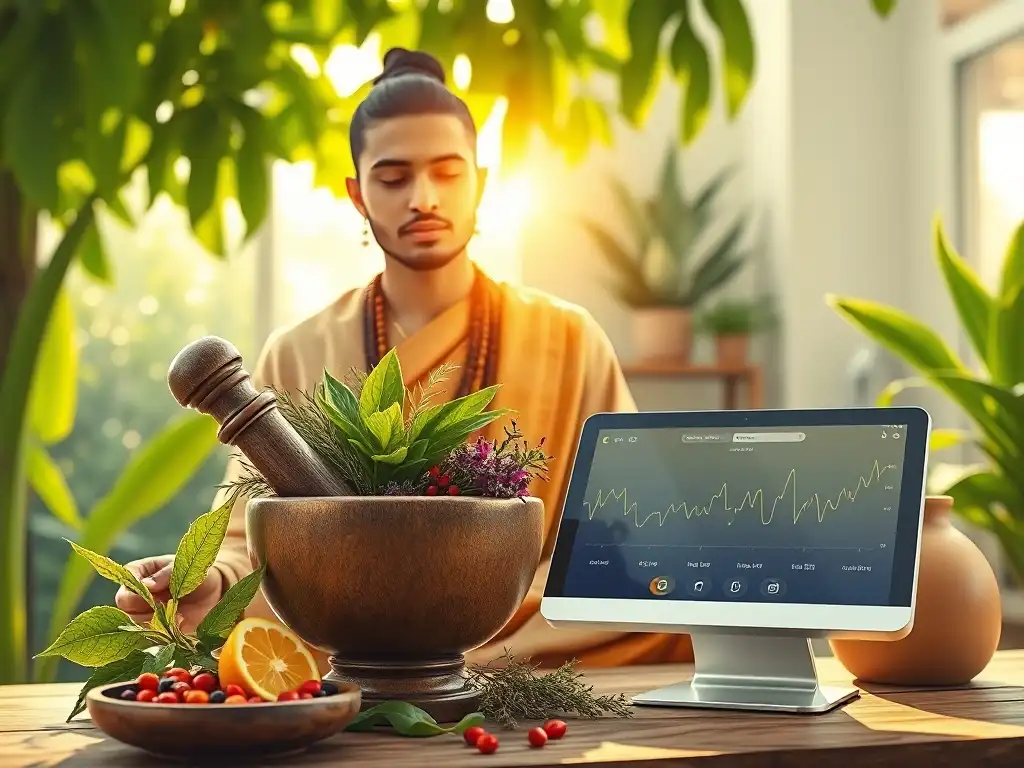
NirogStreet: Redefining Ayurveda Through Technology
NirogStreet is a pioneering platform that epitomizes the synergy between Ayurveda and modern health technology. Founded in 2016, this initiative aims to bridge the gap between traditional Ayurvedic practices and contemporary healthcare demands. The platform serves as an online marketplace and community for healthcare professionals, practitioners, and patients, offering a comprehensive suite of services and products.
Key Features of NirogStreet:
- Digital Consultation: NirogStreet allows patients to consult Ayurvedic practitioners via video calls, ensuring accessibility and convenience.
- Ayurvedic Products: The platform features a range of authentic Ayurvedic products, promoting transparency and quality through verified suppliers.
- Educational Resources: NirogStreet provides extensive resources, including articles, blogs, and videos, to educate users about Ayurveda and its benefits.
- Health Tracking: Users can track their health progress and receive personalized recommendations based on their unique health profiles.
This integration of technology not only enhances patient engagement but also improves the efficiency of Ayurvedic consultations, making it a model for future healthcare solutions.
Dhanvantari: An App for Personalized Ayurvedic Guidance
Dhanvantari is an innovative mobile application designed to deliver personalized Ayurvedic solutions tailored to individual health needs. By harnessing the power of modern technology, Dhanvantari offers users an intuitive interface that simplifies the process of receiving Ayurvedic guidance.
Key Features of Dhanvantari:
- Personalized Assessment: Users can complete a detailed questionnaire that assesses their health status, leading to customized recommendations.
- Diet and Lifestyle Plans: The app generates personalized diet charts and lifestyle modifications based on Ayurvedic principles to promote holistic wellness.
- Tracking and Feedback: Users can log their daily activities, dietary habits, and symptoms, allowing the app to provide real-time feedback and adjustments to their health plans.
- Integration with Wearables: Dhanvantari can sync with wearable devices to monitor physical activity and vital signs, enhancing the personalization of health recommendations.
Through Dhanvantari, the fusion of Ayurveda and modern health technology is manifest, as it empowers users to take charge of their health using ancient wisdom supported by contemporary tools.
Ayurveda & AI: Collaborations in Research and Development
The intersection of Ayurveda and modern health technology has seen significant advancements, particularly in the realm of Artificial Intelligence (AI). Researchers and developers are exploring how AI can enhance the understanding and application of Ayurvedic principles in healthcare.
Notable Collaborations:
- Predictive Analytics: AI algorithms are being developed to analyze patient data and predict health outcomes based on Ayurvedic diagnostics, such as pulse reading and dosha assessment. This can lead to more accurate treatment plans and preventive measures.
- Drug Development: Collaborations between Ayurvedic researchers and AI-based pharmaceutical companies are underway to identify potential compounds in traditional Ayurvedic herbs that can be leveraged for modern drug development. This approach aims to validate the efficacy of Ayurvedic treatments through scientific research.
- Telemedicine Innovations: AI-driven platforms are enhancing telemedicine services by providing intelligent triage systems that analyze patient symptoms and direct them to appropriate Ayurvedic practitioners based on their needs.
As these collaborations continue to evolve, the potential for Ayurveda and modern health technology to complement each other will likely lead to groundbreaking advancements in healthcare, ensuring that ancient wisdom is not only preserved but also enriched through innovation.
Future Prospects of Ayurveda and Modern Health Technology

As the world continues to embrace holistic health practices, the synergy between Ayurveda and modern health technology is increasingly becoming a focal point for future innovations. The integration of ancient wisdom with cutting-edge technology presents a unique opportunity to enhance healthcare systems globally. This section delves into the promising prospects that lie ahead for Ayurveda within the realm of modern health technologies.
Innovations on the Horizon: What to Expect
The landscape of healthcare is undergoing a transformative shift, and Ayurveda is poised to play a significant role in this evolution. Several key innovations are anticipated to emerge:
- Wearable Health Devices:
- Integration of Ayurvedic Principles: Future wearable devices may incorporate Ayurvedic concepts such as dosha balancing and pulse diagnosis, providing personalized health monitoring based on individual constitution.
- Real-Time Data Analysis: These devices could analyze real-time data to offer recommendations on diet, exercise, and lifestyle changes aligned with Ayurvedic practices.
- Telemedicine and Ayurvedic Consultations:
- Widespread Accessibility: The rise of telemedicine can facilitate access to Ayurvedic practitioners, enabling patients to receive guidance and treatment plans remotely.
- AI-driven Diagnostics: Advanced algorithms might leverage machine learning to assist Ayurvedic practitioners in diagnosing conditions through patient history and symptoms.
- Personalized Ayurvedic Formulations:
- AI and Big Data: The use of AI in analyzing genetic, environmental, and lifestyle factors can lead to highly personalized Ayurvedic products, tailored specifically to individual health needs.
- Smart Manufacturing: Innovations in manufacturing processes, such as 3D printing, may allow for the on-demand production of customized herbal formulations.
Potential Growth of Ayurvedic Products in Healthcare Markets
The global market for Ayurvedic products is witnessing significant growth, driven by increasing consumer awareness and demand for natural remedies. Several factors contribute to this trend:
- Rising Health Consciousness:
- Preference for Natural Remedies: There is a growing shift towards preventive healthcare, with consumers favoring natural alternatives to pharmaceuticals. This trend is particularly strong among millennials and Gen Z, who are more inclined to explore holistic wellness.
- Regulatory Support:
- Government Initiatives: Governments in various countries are recognizing the potential of Ayurveda and are implementing policies to promote its integration into mainstream healthcare. This includes research funding and establishing quality standards for Ayurvedic products.
- Market Expansion:
- International Demand: The increasing popularity of Ayurvedic products in Western markets presents immense opportunities for expansion. Companies are beginning to cater to international consumers by ensuring compliance with local regulations and adapting products to suit regional preferences.
| Market Segment | Growth Rate (2021-2026) |
|---|---|
| Ayurvedic Herbal Supplements | 10% |
| Ayurvedic Skincare Products | 9% |
| Ayurvedic Functional Foods | 8% |
| Ayurvedic Personal Care Products | 7% |
The Role of Education and Awareness in Bridging Ayurveda and Technology
To fully realize the potential of Ayurveda in modern health technology, education and awareness play a crucial role. Here are key aspects to consider:
- Educational Initiatives:
- Curriculum Development: Universities and institutions are beginning to integrate Ayurveda into health sciences curricula, fostering a new generation of practitioners who understand both traditional and modern approaches.
- Professional Training: Training programs that focus on the integration of Ayurvedic principles with modern diagnostics can enhance practitioners' ability to offer comprehensive care.
- Public Awareness Campaigns:
- Promoting Understanding: Increasing public awareness about the benefits of Ayurveda and its compatibility with modern health technologies is essential. Campaigns can highlight success stories and case studies showcasing effective treatments.
- Workshops and Seminars: Organizing workshops that focus on the practical applications of Ayurveda in conjunction with modern technologies can bridge knowledge gaps for both consumers and healthcare professionals.
- Collaborative Research:
- Interdisciplinary Studies: Encouraging collaborative research between Ayurvedic scholars and modern scientists can lead to innovative solutions and validation of Ayurvedic practices through scientific methods.
- Clinical Trials: Conducting clinical trials to assess the effectiveness of Ayurvedic treatments alongside modern interventions can provide valuable data to support integration into healthcare systems.
By fostering education and awareness, the path towards a harmonious relationship between Ayurveda and modern health technology becomes clearer, paving the way for innovative solutions that respect both ancient wisdom and contemporary advancements.
Conclusion: Embracing a Synergistic Approach
Summary of Key Insights on Ayurveda and Modern Health Technology
The integration of Ayurveda and modern health technology presents a unique opportunity to enhance healthcare outcomes. As we explore this synergy, several key insights emerge:
- Holistic Health Perspective:
- Ayurveda emphasizes a holistic approach to health, focusing on the balance of body, mind, and spirit. This perspective aligns well with modern health technologies that aim to personalize healthcare, allowing practitioners to consider a patient's complete lifestyle and emotional well-being.
- Data-Driven Insights:
- Modern health technology provides robust data analytics tools that can help practitioners understand patient behaviors and symptoms more comprehensively. For example, wearables can track vital signs and alert users to imbalances that may be addressed through Ayurvedic methods.
- Preventive Care:
- Ayurveda's preventive strategies, such as dietary recommendations and lifestyle modifications, can be supported by technological advancements like mobile health applications that remind individuals to follow their Ayurvedic routines and offer personalized wellness plans.
- Research and Validation:
- The collaboration between Ayurvedic practitioners and researchers in modern science can lead to the validation of Ayurvedic treatments through clinical trials, enhancing their acceptance in conventional medical settings.
- Customized Ayurvedic Products:
- Technology enables the formulation of customized Ayurvedic products based on individual health profiles, allowing for a more targeted approach to treatment and wellness.
By recognizing and harnessing these insights, the healthcare industry can develop innovative solutions that honor the time-tested principles of Ayurveda while utilizing the efficiency and precision of modern technology.
Call to Action: Exploring Ayurvedic Products and Technologies
As we stand on the brink of a new era in healthcare, it is essential for individuals, practitioners, and stakeholders to explore the myriad possibilities offered by the intersection of Ayurveda and modern health technology. Here are some ways you can engage with this exciting field:
- Research Ayurvedic Products: Take the time to investigate various Ayurvedic products that are being integrated into modern healthcare settings. Look for those that are backed by scientific research and offer tangible benefits.
- Utilize Health Technology: Embrace health technologies such as apps that focus on wellness, meditation, and Ayurvedic dietary plans to enhance your daily health practices.
- Participate in Workshops and Seminars: Attend workshops or seminars that focus on the synergy of Ayurveda and modern technology to gain deeper insights and practical knowledge.
- Advocate for Integration: If you are a healthcare professional or a stakeholder, advocate for the integration of Ayurvedic principles into modern health practices. Collaboration can lead to innovative solutions that benefit patient care.
By actively exploring the potential of Ayurvedic products and modern technologies, you can contribute to a healthcare environment that embraces both ancient wisdom and modern innovation, ultimately leading to better health outcomes for all.
Frequently Asked Questions
What is Ayurveda?
Ayurveda is an ancient Indian system of medicine that focuses on balancing the body, mind, and spirit through natural therapies and herbal remedies.
How does Ayurveda integrate with modern health technology?
Ayurveda is increasingly being integrated with modern health technologies through the use of biotechnology and digital health platforms to enhance diagnostic and treatment methods.
What are some benefits of combining Ayurveda with modern medicine?
The synergy between Ayurveda and modern medicine can lead to holistic health solutions, improved patient outcomes, and a comprehensive approach to health care that addresses both physical and mental well-being.
Can Ayurveda be used for preventive health care?
Yes, Ayurveda emphasizes preventive health care through lifestyle changes, dietary adjustments, and natural remedies, promoting overall wellness and disease prevention.
What role does research play in validating Ayurvedic practices?
Research is crucial in validating Ayurvedic practices; it helps in understanding the effectiveness and safety of Ayurvedic treatments, thus bridging the gap between ancient wisdom and modern scientific understanding.
Final Reflection: Embracing the Harmony of Ayurveda and Modern Health Technology
In an era where the intersection of ancient wisdom and modern innovation is more relevant than ever, the exploration of Ayurveda and cutting-edge health technologies offers a profound insight into holistic well-being. As we navigate through a world increasingly driven by technological advancements, it becomes essential to recognize how these innovations can complement time-honored practices like Ayurveda. The synergy between these two realms not only enhances our understanding of health but also empowers us to cultivate a more balanced and fulfilling lifestyle.
The influence of Ayurveda and modern health technology extends far beyond individual practices; it shapes our cultural and social landscape in significant ways. As we witness a growing trend towards integrative health approaches, the fusion of these two disciplines fosters a more comprehensive understanding of wellness. This collaboration encourages a shift in perspective, prompting us to view health as a multifaceted journey rather than a mere absence of illness. The greatest wealth is health.
– Virgil. This quote encapsulates the essence of our pursuit, reminding us that true wellness is a treasure worth striving for, and integrating Ayurveda with modern technology can help us achieve that goal.
As we reflect on the insights shared in this article, I invite you to consider how you can incorporate the principles of Ayurveda into your daily life while embracing the benefits of modern health technologies. Take a moment to evaluate your health choices and explore how these two worlds can coexist in harmony.
Whether it's through mindful eating, stress management, or leveraging health apps that promote holistic well-being, each step you take can lead to a more enriched and balanced life. The future of health lies in our ability to blend the wisdom of the past with the innovations of today, and the journey starts with you.
Embrace the Future of Wellness Today!
Thank you for diving into the fascinating world where ancient Ayurveda meets cutting-edge health technologies! You’ve discovered invaluable insights that can transform your approach to holistic health. Now, let’s take those insights and turn them into action.
Here are a few ways to put what you’ve learned into practice:
- Engage with Ayurveda: Start incorporating simple Ayurvedic practices into your daily routine, such as adjusting your diet to align with your body type or practicing mindfulness techniques to enhance your mental clarity.
- Explore Innovative Tools: Research and invest in health technology that complements Ayurvedic principles, including meditation apps or fitness devices that track your overall well-being.
- Share Your Journey: Join our community by sharing your experiences on social media or in our comments section; inspire others to embrace this beautiful synergy!
What Ayurveda-inspired health technology are you excited to try, and how do you believe it will enhance your wellness journey?