
The Revival of Traditional Healing: Integrating Ayurveda into Mainstream Health


Welcome to Ancient India History, where we embark on a fascinating journey through the vibrant tapestry of India's past. In our latest article, “The Revival of Traditional Healing: Integrating Ayurveda into Mainstream Health,” we delve into the remarkable ways ancient wisdom is shaping contemporary health practices. Discover how the timeless principles of Ayurveda, rooted in the rich heritage of Indian civilization, are being seamlessly woven into modern medicine.
Prepare to be intrigued as we explore the innovative intersections of tradition and technology, inviting you to uncover the profound contributions of ancient India that continue to resonate today. Dive in and let your curiosity guide you through this enlightening exploration!

Ayurveda, a system of medicine that originated in ancient India over 3,000 years ago, is gaining renewed attention in today's health landscape. Known as the "science of life," Ayurveda emphasizes a holistic approach to health, considering the physical, mental, and spiritual well-being of individuals. As modern healthcare increasingly seeks to address the limitations of conventional medicine, the integration of traditional practices such as Ayurveda is becoming more relevant.
This article explores the significance of integrating Ayurveda into modern health systems, highlighting its historical roots, current relevance, and the potential benefits of such integration. Through this exploration, we aim to illuminate how ancient wisdom can contribute to contemporary health practices, providing a comprehensive understanding of Ayurveda's role in today's society.
Introduction to Ayurveda and Its Historical Significance
Ayurveda is not merely a system of healing; it is a way of life that has evolved through centuries of practice and refinement. Rooted in ancient Indian texts like the Vedas, Ayurveda encompasses a range of practices including herbal medicine, dietary recommendations, yoga, and meditation. Its key principles revolve around the balance of the three doshas—Vata, Pitta, and Kapha—which represent the body's energies.
- Vata: Governs movement and communication.
- Pitta: Manages metabolism and transformation.
- Kapha: Controls structure and fluid balance.
The historical significance of Ayurveda lies in its comprehensive approach to health, which was developed not only to treat diseases but to promote overall well-being and longevity. Ancient texts such as the Charaka Samhita and Sushruta Samhita serve as foundational texts, documenting medical knowledge and practices that have been passed down through generations.
In addition to its medical applications, Ayurveda has influenced various aspects of Indian culture, including art, architecture, and philosophy. This integration of health and culture has fostered a deep respect for nature and the human body, underlining the importance of harmony in life. As we move into the modern era, the revival of Ayurvedic practices reflects a growing interest in sustainable and holistic approaches to health, paving the way for its integration into contemporary medical practices.
Understanding the Modern Health Landscape
The modern health landscape is characterized by a focus on evidence-based practices, rapid advancements in technology, and a growing demand for personalized care. However, despite these innovations, many individuals are increasingly dissatisfied with conventional medical approaches, which often prioritize symptom management over holistic healing. This has led to a burgeoning interest in alternative and complementary medicine, including Ayurveda.
- Challenges in Conventional Healthcare:
- Over-reliance on pharmaceuticals.
- Fragmented care models.
- A one-size-fits-all approach to treatment.
- Rising Popularity of Integrative Health:
- Increased patient interest in natural remedies.
- The quest for personalized treatment plans.
- Greater emphasis on preventive care and wellness.
As healthcare practitioners seek to address these challenges, the integration of Ayurveda offers a promising solution. By combining the strengths of traditional healing with modern medical practices, healthcare providers can offer a more comprehensive approach to patient care. This integration not only respects the wisdom of ancient practices but also enhances the effectiveness of modern treatments, fostering a more holistic understanding of health and wellness.
The revival of Ayurveda in the modern health landscape signifies a shift towards more inclusive and diverse approaches to well-being. By exploring ways to incorporate Ayurvedic principles into contemporary health practices, we can honor our rich cultural heritage while addressing the evolving needs of today’s society.
The Benefits of Integrating Ayurveda in Modern Health
Integrating Ayurveda into modern health practices offers numerous benefits that promote holistic well-being. One of the primary advantages is the personalized approach Ayurveda emphasizes. Unlike conventional medicine, which often adopts a one-size-fits-all methodology, Ayurveda tailors treatments based on an individual’s unique constitution (dosha). This personalized care can lead to more effective treatment outcomes and a deeper understanding of one's health.
Moreover, Ayurveda promotes preventive health care. By focusing on maintaining balance within the body through diet, lifestyle, and herbal remedies, Ayurveda can help prevent diseases before they manifest. This proactive approach is gaining traction as more individuals seek to enhance their overall health rather than merely treating symptoms.
In addition, integrating Ayurvedic principles with modern healthcare can enhance the efficacy of conventional treatments. For instance, Ayurvedic practices like yoga and meditation are increasingly recognized for their benefits in reducing stress and anxiety, which can complement medical treatments for mental health issues. Furthermore, the holistic nature of Ayurveda addresses physical, mental, and spiritual health, leading to a more comprehensive treatment strategy.
Lastly, with growing interest in natural and organic products, Ayurveda aligns perfectly with the modern trend towards sustainability and wellness. This integration not only promotes a return to natural healing methods but also contributes to a broader acceptance of alternative therapies in mainstream healthcare settings.
Key Ayurvedic Products for Modern Health
As Ayurveda gains popularity in contemporary health practices, several key products have emerged as essential components of this ancient system. These products not only reflect the principles of Ayurveda but also cater to modern health needs, making them highly relevant in today's wellness landscape.
Herbal Supplements and Remedies
Herbal supplements are at the forefront of Ayurvedic products that have found a place in modern health. These remedies utilize a variety of herbs known for their therapeutic properties. For example:
- Ashwagandha: Often referred to as a powerful adaptogen, it helps reduce stress and improve overall vitality.
- Tulsi (Holy Basil): Renowned for its immune-boosting properties, Tulsi is used to combat respiratory ailments and enhance mental clarity.
- Triphala: A blend of three fruits, Triphala supports digestive health and detoxification, making it a favorite among health enthusiasts.
These herbal supplements are commonly available in various forms, including capsules, powders, and teas, making them easy to incorporate into daily routines. Their natural composition and historical significance contribute to their growing acceptance in modern healthcare.
Ayurvedic Oils and Balms
Ayurvedic oils and balms are another vital segment of Ayurvedic products that cater to modern health needs. These products are crafted from a blend of essential oils, herbs, and carrier oils, designed for specific therapeutic purposes. Key examples include:
- Brahmi Oil: Known for enhancing cognitive function and memory, Brahmi oil is often used in scalp massages to promote hair health.
- Neem Oil: With its antimicrobial properties, Neem oil is effective for skin issues and is widely used in natural skincare products.
- Mahanarayan Oil: This oil is formulated to relieve muscle and joint pain, making it a popular choice among those seeking natural pain relief.
The use of these oils in therapeutic massages, self-care routines, and topical applications supports the Ayurvedic philosophy of balancing the body’s energies. In modern health practices, they serve as natural alternatives to synthetic products, appealing to a growing demographic interested in holistic wellness solutions.
Case Studies: Successful Integration of Ayurveda in Modern Healthcare

The integration of Ayurveda into modern healthcare systems has seen numerous successful case studies that highlight its effectiveness and the growing acceptance of traditional healing practices. These case studies provide valuable insights into how Ayurvedic principles can complement contemporary medical treatments, thereby enhancing patient care and outcomes.
One notable case study is the collaboration between The Ayurvedic Institute in Albuquerque, New Mexico, and local hospitals. This partnership focuses on providing Ayurvedic consultations alongside conventional treatments for chronic illnesses such as diabetes and hypertension. Patients participating in this integrative approach reported improved management of their conditions, reduced reliance on pharmaceuticals, and enhanced overall wellbeing.
Another significant example is Sanjivani Ayurveda Hospital in Kerala, India, which has successfully integrated Ayurvedic treatments within a modern healthcare framework. The hospital offers specialized programs that combine Ayurvedic therapies, such as Panchakarma detoxification, with allopathic medications for conditions like arthritis and respiratory disorders. Their patient satisfaction rates have increased, demonstrating the effectiveness of a holistic approach to health.
Hospitals and Clinics Incorporating Ayurveda
Many hospitals and clinics worldwide are beginning to embrace Ayurveda as part of a holistic treatment approach. For instance, Kottakkal Arya Vaidya Sala, one of the oldest Ayurvedic institutions, has expanded its reach by establishing clinics that provide both Ayurvedic and conventional treatments. This dual approach allows patients to choose the most suitable care for their needs, fostering a greater understanding of how ancient wisdom can coexist with modern medicine.
In the United States, Cleveland Clinic, renowned for its innovative healthcare practices, has started offering Ayurvedic consultations as part of its integrative medicine services. This initiative reflects a growing trend among healthcare providers to respect and incorporate patients' preferences for complementary therapies. Clinics like these have reported positive feedback from patients who appreciate the personalized care and attention to lifestyle modifications that Ayurveda promotes.
Research Studies Supporting Ayurvedic Integration
The scientific community has increasingly recognized the importance of research in validating Ayurvedic practices. Numerous studies have been conducted to explore the efficacy of Ayurvedic treatments, providing robust evidence for their integration into modern health systems.
A pivotal study published in the Journal of Alternative and Complementary Medicine examined the effects of Ayurvedic herbs on chronic inflammatory conditions. The findings indicated that specific Ayurvedic formulations significantly reduced inflammation markers in patients, leading to improved clinical outcomes. Such research reinforces the potential of Ayurveda to complement conventional treatments, particularly in managing chronic diseases.
Furthermore, a systematic review highlighted in the British Medical Journal analyzed multiple studies on the effects of Ayurvedic lifestyle interventions, including dietary changes and yoga. The review concluded that these interventions could enhance quality of life and reduce symptoms in patients with various health issues, including anxiety and depression. This growing body of research supports the call for integrating Ayurveda into mainstream healthcare to provide comprehensive patient care.
Challenges and Considerations in Integrating Ayurveda with Modern Health
While there is a promising trend toward integrating Ayurveda into modern health systems, several challenges and considerations must be addressed to ensure successful implementation.
- Standardization of Practices: One of the primary challenges in integrating Ayurveda is the lack of standardization in practices and formulations. Unlike conventional medicine, which often relies on evidence-based protocols, Ayurvedic treatments can vary significantly among practitioners. Establishing standardized guidelines and protocols is essential for ensuring consistency and safety in patient care.
- Regulatory Framework: The absence of a clear regulatory framework for Ayurvedic products and practices poses a challenge to their acceptance in mainstream healthcare. Regulatory bodies need to develop comprehensive policies that govern the quality and efficacy of Ayurvedic medicines while promoting research and development.
- Training and Education: Integrating Ayurveda into modern healthcare requires adequate training for healthcare professionals. Medical practitioners must understand Ayurvedic principles and treatments to effectively collaborate with Ayurvedic practitioners. This calls for the development of interdisciplinary educational programs that bridge the gap between conventional medicine and traditional healing practices.
- Cultural Acceptance: Cultural perceptions of Ayurveda also play a significant role in its integration. While many people embrace holistic health approaches, there remains skepticism among some healthcare professionals regarding the efficacy of Ayurvedic treatments. Increasing awareness and education about the benefits of Ayurveda can help foster a more accepting environment for integration.
While the integration of Ayurveda into modern health presents challenges, the potential benefits for patient care and overall health outcomes are significant. Addressing these challenges through collaboration, research, and education will pave the way for a more inclusive healthcare model that honors both ancient wisdom and modern science.
How to Integrate Ayurveda into Your Health Routine
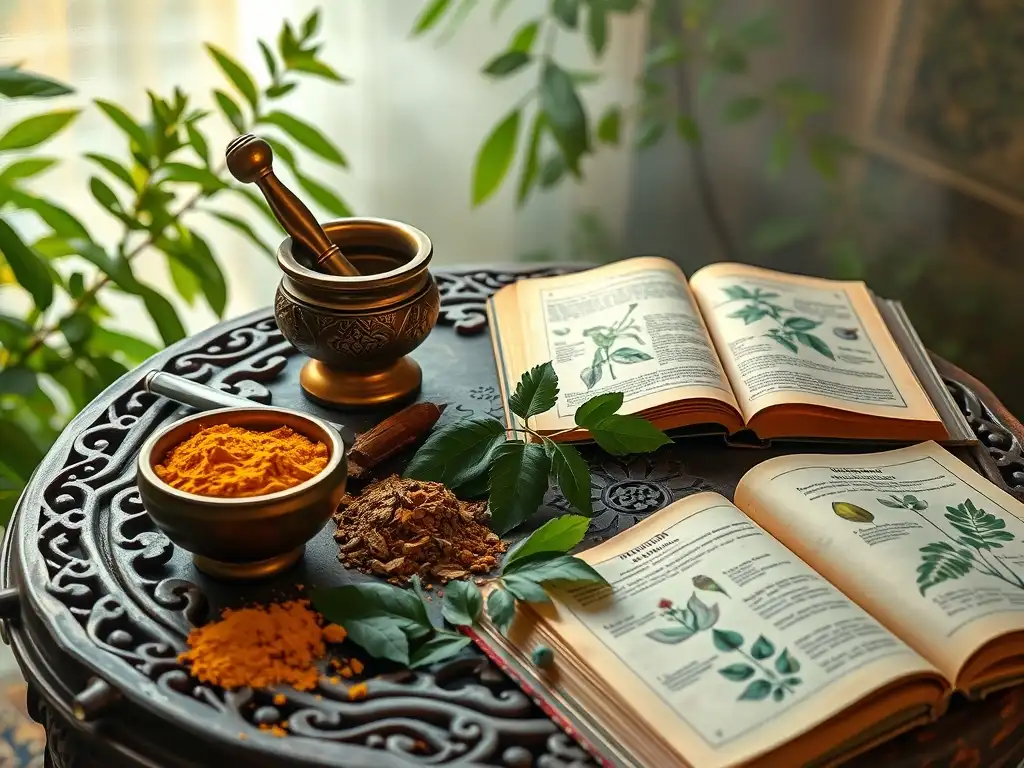
Integrating Ayurveda into your health routine involves a holistic approach that focuses on balancing body, mind, and spirit. This ancient Indian system of medicine emphasizes the importance of individualized care, which can be tailored to each person's unique constitution, or dosha. Here are some effective strategies to incorporate Ayurveda into your daily life:
- Understand Your Dosha: Start by identifying your primary dosha—Vata, Pitta, or Kapha. This can be done through online quizzes or consultations with an Ayurvedic practitioner. Knowing your dosha helps you choose the right dietary and lifestyle practices.
- Adopt a Balanced Diet: Ayurveda promotes eating in accordance with your dosha. This involves choosing foods that enhance your natural constitution. For example:
- Vata individuals benefit from warm, moist, and grounding foods.
- Pitta types thrive on cooling, hydrating foods.
- Kapha people should focus on light, stimulating foods.
- Daily Routine (Dinacharya): Establish a daily routine that includes practices such as:
- Waking up early: Aim to rise before sunrise to align with nature's rhythms.
- Self-massage (Abhyanga): Use warm oils to massage your body, promoting circulation and relaxation.
- Meditation and Yoga: Incorporate mindfulness practices to enhance mental clarity and emotional balance.
- Herbal Remedies: Utilize Ayurvedic herbs and supplements that target specific health concerns. Notable herbs include Ashwagandha for stress relief, Turmeric for inflammation, and Triphala for digestive health.
- Mindful Practices: Engage in mindfulness activities such as breathwork, meditation, or journaling to cultivate mental peace and emotional stability.
By systematically integrating these practices, individuals can experience improved physical health, emotional well-being, and a deeper connection to their bodies.
Steps for Individuals
For individuals looking to integrate Ayurveda into their health routine, following these structured steps can facilitate a smooth transition:
- Consult an Ayurvedic Practitioner: Seek professional guidance to assess your specific health needs and to receive personalized recommendations.
- Gradual Implementation: Start incorporating Ayurvedic practices gradually. For instance, begin with dietary changes before adding daily routines like yoga or meditation.
- Educate Yourself: Read books, attend workshops, or join online courses about Ayurveda. Understanding its principles will help you make informed choices.
- Monitor Your Progress: Keep a journal to track changes in your health and well-being. This will help you understand what practices work best for you.
- Community Support: Join groups or forums focused on Ayurvedic practices. Engaging with like-minded individuals can provide motivation and support.
By taking these steps, individuals can effectively integrate Ayurveda into their everyday lives, enhancing their overall health and well-being.
The Future of Ayurveda in Modern Healthcare
The future of Ayurveda in modern healthcare looks promising, with increasing recognition of its benefits and potential integration into contemporary medical practices. Several trends indicate a positive trajectory for Ayurveda:
- Growing Research and Evidence: There is a rising body of scientific research validating Ayurvedic principles and practices. Clinical studies are being conducted to explore the efficacy of Ayurvedic treatments for various health conditions, which can enhance credibility and acceptance.
- Holistic Health Focus: As modern healthcare shifts towards holistic approaches, Ayurveda's emphasis on mind-body balance and preventive care aligns well with these evolving paradigms. Integrating Ayurveda can enrich patient care by addressing root causes rather than merely symptoms.
- Collaboration with Conventional Medicine: Increasingly, healthcare professionals are recognizing the potential of collaborative care, where Ayurveda and conventional medicine complement each other. This integration can lead to more comprehensive treatment plans for patients.
- Ayurveda in Wellness Programs: Many wellness centers and spas are incorporating Ayurvedic practices into their offerings. This trend not only makes Ayurveda more accessible but also encourages individuals to explore its benefits in a supportive environment.
- Digital Platforms and Accessibility: The advent of telemedicine and digital health platforms has made Ayurvedic consultations more accessible. This technology facilitates wider reach and allows individuals to seek guidance from practitioners regardless of geographical limitations.
As Ayurveda continues to gain traction in the mainstream healthcare landscape, its integration promises to enrich holistic health practices, offering diverse and effective solutions for modern health challenges.
Conclusion: Embracing the Wisdom of Ancient Healing
As we navigate the complexities of modern health challenges, the revival of traditional healing practices like Ayurveda offers invaluable insights and solutions. Integrating Ayurveda into mainstream health is not merely an act of nostalgia; it is a recognition of the holistic approach that ancient Indian medicine provides. By embracing these age-old principles, we can create a more inclusive healthcare system that addresses the physical, mental, and spiritual well-being of individuals.
The comprehensive nature of Ayurveda emphasizes prevention as much as treatment, focusing on lifestyle, diet, and mental health. This paradigm shift in healthcare can lead to higher patient satisfaction and improved outcomes. Moreover, the increasing acceptance of Ayurvedic products in modern healthcare signifies a growing acknowledgment of the efficacy and relevance of these ancient practices.
To fully harness the benefits of Ayurveda, collaboration between Ayurvedic practitioners and modern healthcare professionals is essential. This partnership can foster a multidisciplinary approach, ensuring that patients receive the best of both worlds. As research continues to validate Ayurvedic methods, we can anticipate a future where these traditional healing practices are seamlessly integrated into routine medical care.
Embracing the wisdom of ancient healing systems like Ayurveda holds the potential to revolutionize our understanding of health and wellness. As we move forward, let us draw inspiration from the past to build a healthier future, one that respects and incorporates the rich heritage of ancient Indian civilizations. By doing so, we not only honor our history but also pave the way for a more comprehensive and effective approach to health in the modern world. 🌿✨
- Introduction to Ayurveda and Its Historical Significance
- Understanding the Modern Health Landscape
- The Benefits of Integrating Ayurveda in Modern Health
- Key Ayurvedic Products for Modern Health
- Case Studies: Successful Integration of Ayurveda in Modern Healthcare
- Hospitals and Clinics Incorporating Ayurveda
- Research Studies Supporting Ayurvedic Integration
- Challenges and Considerations in Integrating Ayurveda with Modern Health
- How to Integrate Ayurveda into Your Health Routine
- The Future of Ayurveda in Modern Healthcare
- Conclusion: Embracing the Wisdom of Ancient Healing
Frequently Asked Questions
What is Ayurveda?
Ayurveda is an ancient Indian system of medicine that emphasizes a holistic approach to health, focusing on the balance between body, mind, and spirit through natural remedies and lifestyle practices.
How can Ayurveda be integrated into modern healthcare?
Integrating Ayurveda into modern healthcare involves combining traditional practices with contemporary medical approaches, promoting preventive care, and using herbal treatments alongside conventional medicine.
What are the benefits of using Ayurveda in health?
The benefits of Ayurveda include enhanced well-being, improved digestive health, stress reduction, and the promotion of overall balance in the body, which can complement modern treatments.
Are there any challenges in integrating Ayurveda into mainstream health?
Yes, challenges include the need for standardization, scientific validation of treatments, and overcoming skepticism within the modern medical community regarding traditional practices.
How can individuals start incorporating Ayurveda into their lives?
Individuals can start by consulting with qualified Ayurvedic practitioners, learning about dietary habits, practicing mindfulness, and using herbal remedies to enhance their overall health and well-being.
Final Reflection: Embracing the Wisdom of Ayurveda in Modern Health
The revival of traditional healing practices, particularly Ayurveda, is not just a trend; it is a vital response to the growing need for holistic health solutions in our fast-paced world. As we navigate the complexities of modern health challenges, integrating Ayurveda into mainstream health offers a profound opportunity to reconnect with ancient wisdom that prioritizes balance and well-being. This integration is not merely about adopting new practices; it represents a transformative shift towards a more inclusive and comprehensive understanding of health.
Cultural and social landscapes are continually shaped by the practices we choose to embrace. The resurgence of Ayurveda is a testament to our collective yearning for a more harmonious existence, one that honors both body and spirit. As we witness this shift, it is essential to recognize that traditional healing methods can coexist with modern medicine, enriching our health narratives. The greatest wealth is health.
– Virgil. This quote encapsulates the essence of why we must cherish and integrate diverse healing modalities, as they contribute to our overall well-being and resilience.
As we reflect on the lessons of Ayurveda and its relevance today, I invite you to consider how you can incorporate these principles into your own life. Take a moment to explore the wisdom of Ayurveda—whether through dietary changes, mindfulness practices, or simply being more attuned to your body's needs. By embracing this ancient knowledge, you not only enhance your personal health journey but also contribute to a broader movement that values holistic well-being. Let us move forward with intention, weaving the threads of traditional healing into the fabric of modern health for a brighter, healthier future.
Embrace the Wisdom of Ayurveda Today!
Thank you for taking the time to explore the revival of traditional healing through Ayurveda. By understanding its principles, you have taken a step towards enhancing your health and well-being in a holistic way. Now, let’s translate that knowledge into action!
- Start your Ayurvedic journey: Consider incorporating a personalized Ayurvedic consultation into your routine to develop effective wellness strategies tailored to your needs.
- Explore herbal remedies: Research and try at least one Ayurvedic herb or spice this week—such as **turmeric** or **ashwagandha**—and observe how it positively impacts your daily life.
- Share your experience: Engage with our community by sharing your journey or insights about Ayurveda on our forum. Your story could inspire others to explore these practices!
How do you envision integrating Ayurvedic practices into your health journey? We invite you to share your thoughts in the comments below!