
The Ayurveda Revolution: Why Healthcare Professionals Are Turning to Tradition

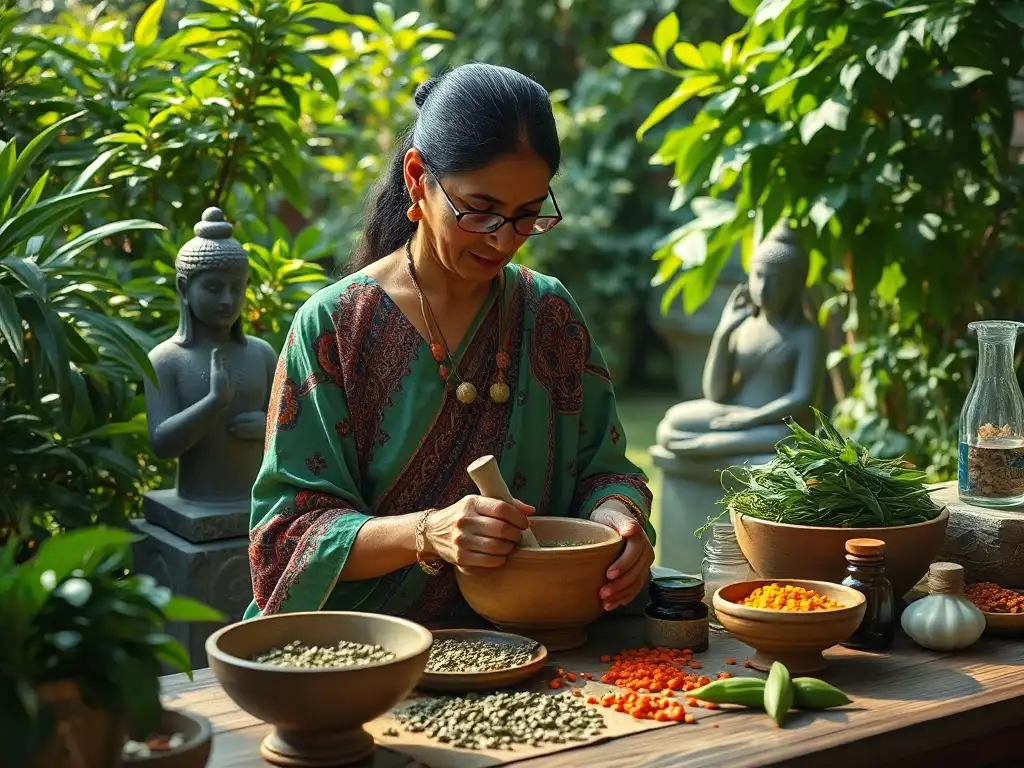
Welcome to Ancient India History, where we embark on an enlightening journey through the rich tapestry of India's past. Here, we delve into the remarkable contributions of ancient civilizations, from the enigmatic Indus Valley to the illustrious Gupta Empire. In our featured article, "The Ayurveda Revolution: Why Healthcare Professionals Are Turning to Tradition," we explore the profound impact of Ayurveda in ancient Indian medicine and its resurgence in modern healthcare practices.
Get ready to uncover how these time-honored traditions are inspiring today's innovations, sparking curiosity about the wisdom of the ancients and its relevance in our lives today. Join us as we unveil the layers of history that continue to shape our world!
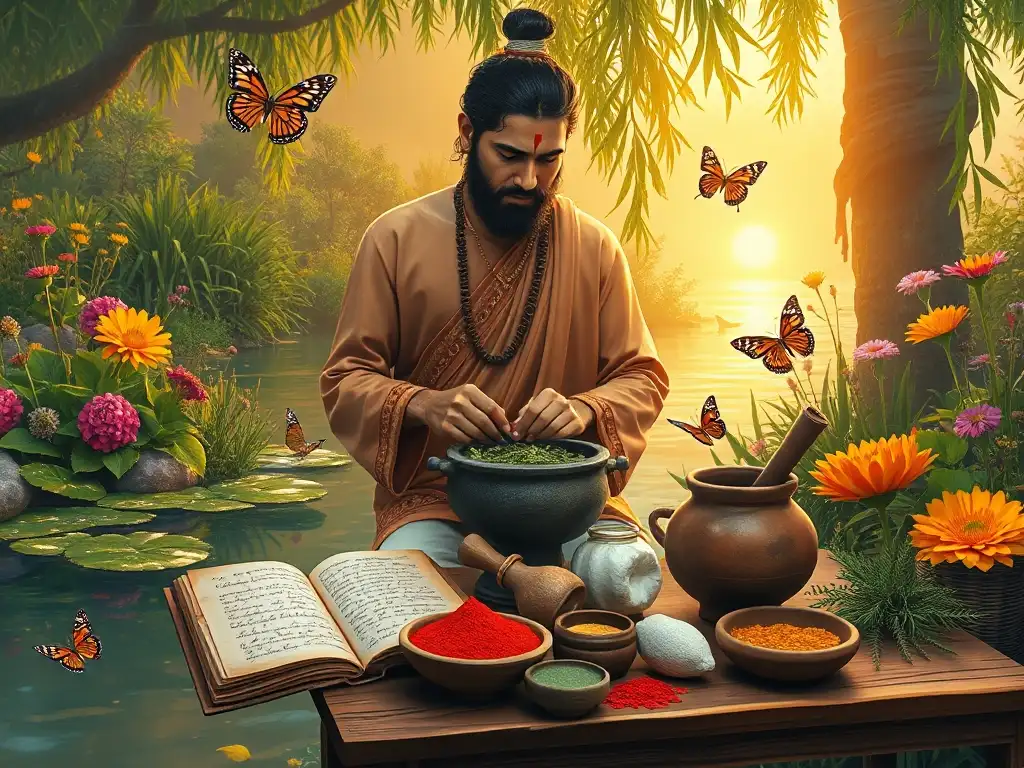
Introduction to Ayurveda in Ancient Indian Medicine
Ayurveda, often regarded as one of the oldest systems of medicine in the world, has its roots deeply embedded in ancient Indian civilization. Emerging over 3,000 years ago, this holistic approach to health emphasizes the balance of body, mind, and spirit. The term "Ayurveda" itself translates to "the science of life" (from the Sanskrit words Ayus meaning life and Veda meaning knowledge). Unlike many contemporary medical systems, Ayurveda is not merely a collection of remedies; it represents a comprehensive philosophy that integrates lifestyle, diet, and environmental factors to promote overall well-being.
The ancient texts, particularly the Charaka Samhita and Sushruta Samhita, lay the foundation of Ayurvedic knowledge, detailing various herbal treatments, surgical techniques, and the importance of individualized care. It is within these texts that practitioners of ancient Indian medicine articulated concepts such as the three doshas (Vata, Pitta, and Kapha), which describe the biological energies that govern physiological activity.
As modern healthcare continues to grapple with the challenges of chronic diseases, mental health, and a growing desire for holistic approaches, the wisdom of Ayurveda is witnessing a renaissance. Healthcare professionals are increasingly turning to this time-honored tradition, recognizing its potential to complement and enhance contemporary medical practices. The integration of Ayurveda into modern healthcare not only honors the vast contributions of ancient Indian medicine but also paves the way for innovative approaches to patient care.
The Resurgence of Ayurveda in Modern Healthcare
In recent years, there has been a notable resurgence of interest in Ayurveda, particularly among healthcare professionals seeking alternative and complementary therapies. This revival is fueled by several factors:
- Growing Demand for Holistic Health: Patients are increasingly looking for treatments that address the root causes of ailments rather than just alleviating symptoms. Ayurveda's holistic perspective offers a comprehensive approach to health, focusing on prevention and wellness.
- Scientific Validation: Numerous studies have begun to explore the efficacy of Ayurvedic practices, leading to a growing body of evidence supporting its benefits. Research on herbal remedies, dietary practices, and lifestyle modifications rooted in Ayurveda is gaining traction in scientific communities.
- Integration into Educational Curricula: Many medical schools and institutions are now incorporating Ayurvedic teachings into their curricula, recognizing the value of integrating traditional knowledge with modern medical education.
- Global Health Trends: The global wellness movement, characterized by a shift towards natural and organic products, has contributed to the rising popularity of Ayurvedic products and practices. This trend aligns with a broader awareness of the importance of mental and emotional health in conjunction with physical well-being.
As healthcare professionals embrace these ancient practices, Ayurveda is becoming a bridge between tradition and innovation, offering a wealth of knowledge that complements contemporary medical advancements.
Understanding the Core Concepts of Ayurveda
To truly appreciate the impact of Ayurveda on modern healthcare, it is essential to understand its core concepts. Here are some fundamental principles:
- The Five Elements: Ayurveda is based on the belief that everything in the universe, including the human body, is composed of five fundamental elements: earth, water, fire, air, and space. These elements combine to form three doshas.
- The Three Doshas:
- Vata: Represents movement and is associated with air and space; it governs bodily functions such as circulation and elimination.
- Pitta: Symbolizes transformation and is linked to fire and water; it controls digestion and metabolism.
- Kapha: Embodies structure and stability, associated with earth and water; it maintains bodily strength and immunity.
- Individualization: Ayurveda emphasizes personalized treatment plans based on an individual's unique constitution (Prakriti) and current state of health (Vikriti). This tailored approach ensures that treatments address the specific needs of each patient.
- Lifestyle and Diet: Ayurveda promotes a balanced lifestyle and diet that align with an individual's dosha. This includes recommendations for seasonal eating, daily routines, and stress management techniques, all aimed at maintaining harmony within the body.
- Detoxification and Rejuvenation: Techniques such as Panchakarma (detoxification therapy) are integral to Ayurvedic practice, aiming to cleanse the body of toxins and restore balance.
By understanding these core concepts, healthcare professionals can better appreciate how Ayurveda offers profound insights into health and wellness, paving the way for a more integrated approach to patient care in modern medicine.
Exploring Ayurvedic Products in Modern Healthcare
Ayurveda, often referred to as the "Science of Life," has gained significant traction in modern healthcare, leading to a resurgence of interest in its products. These Ayurvedic products, ranging from herbal medicines to dietary supplements, are being increasingly integrated into contemporary medical practices. The shift towards Ayurveda in modern healthcare can be attributed to several factors:
- Natural Ingredients: Many Ayurvedic products are derived from natural sources such as herbs, minerals, and plant extracts. This appeal to natural remedies aligns with the growing consumer demand for organic and non-toxic solutions in health and wellness.
- Holistic Approach: Ayurveda emphasizes a holistic approach to health, focusing on balancing the body, mind, and spirit. This comprehensive perspective allows healthcare professionals to address the root causes of ailments, rather than just the symptoms, resulting in more effective treatment outcomes.
- Research and Validation: The increasing body of scientific research supporting the efficacy of various Ayurvedic products has helped bridge the gap between traditional practices and modern medicine. Clinical trials and studies have validated the use of specific herbs and formulations, making them more acceptable to healthcare practitioners.
- Personalized Healthcare: Ayurveda’s individualized treatment plans cater to the unique constitution of each patient, allowing for tailored healthcare solutions. This personalized approach resonates with modern trends in precision medicine, where treatments are customized based on individual needs.
- Integration in Medical Training: Many healthcare professionals are now receiving training in Ayurvedic principles, which enhances their understanding and enables them to recommend Ayurvedic products alongside conventional treatments.
The Science Behind Ayurveda: Bridging Tradition and Innovation

The scientific underpinnings of Ayurveda are increasingly being explored, leading to a fascinating intersection of ancient wisdom and modern scientific inquiry. Ayurveda is grounded in a profound understanding of the human body and its interaction with the environment. Key aspects include:
- Phytochemistry: Research into the chemical compounds present in Ayurvedic herbs has illuminated their therapeutic properties. For instance, compounds like curcumin from turmeric and ashwagandha's withanolides have been shown to have anti-inflammatory and adaptogenic effects, respectively.
- Clinical Studies: Numerous studies have examined the effectiveness of Ayurvedic treatments for various conditions, including stress management, chronic pain, and digestive disorders. Meta-analyses and systematic reviews are beginning to provide robust evidence supporting Ayurvedic practices.
- Integration with Modern Medicine: The integration of Ayurvedic principles with modern medical frameworks is evident in various fields, including integrative oncology, where Ayurveda is used to support cancer treatment, manage side effects, and improve patients' quality of life.
- Understanding Doshas: The Ayurvedic concept of doshas (Vata, Pitta, and Kapha) offers a unique framework for understanding individual health and disease susceptibility. Modern research is beginning to investigate how these constitutional types might correlate with genetic predispositions or metabolic profiles.
- Technological Advancements: Innovations such as artificial intelligence and data analytics are being employed to analyze large datasets of Ayurvedic formulations, helping to identify effective combinations and dosages that can lead to improved patient outcomes.
How Healthcare Professionals Can Incorporate Ayurveda
Healthcare professionals keen to integrate Ayurveda into their practice can take several practical steps to ensure a seamless and effective incorporation of these ancient practices:
- Education and Training: Pursuing formal education in Ayurveda can equip healthcare providers with the necessary knowledge and skills. Many universities now offer courses or certifications in Ayurvedic medicine, which can enhance a practitioner's ability to integrate these concepts into their practice.
- Collaborative Practice: Establishing collaborative relationships with certified Ayurvedic practitioners can allow healthcare professionals to provide comprehensive care. This collaboration can facilitate referrals and enhance the treatment options available to patients.
- Patient Education: Educating patients about the principles of Ayurveda, its benefits, and potential applications in their health regimen can empower them to make informed choices. Providing resources such as literature, workshops, or informational sessions can enhance patient engagement.
- Evidence-Based Practice: Incorporating Ayurvedic products should be guided by scientific evidence. Healthcare professionals should stay informed about current research and clinical trials related to Ayurvedic treatments to ensure they are providing the best possible recommendations.
- Monitoring and Evaluation: Implementing Ayurvedic solutions requires careful monitoring of patient progress and outcomes. Utilizing metrics and patient feedback can help assess the effectiveness of Ayurvedic interventions and ensure that they align with the overall treatment plan.
By embracing Ayurveda, healthcare professionals not only expand their therapeutic arsenal but also contribute to a more holistic approach to health that honors the wisdom of ancient practices while leveraging modern scientific advancements.
The Challenges and Criticisms of Ayurveda
Despite the growing interest in Ayurveda as an alternative and complementary approach to healthcare, it faces several challenges and criticisms. One of the primary concerns is the lack of rigorous scientific validation for many Ayurvedic practices and treatments. While anecdotal evidence and centuries of tradition support Ayurveda, critics argue that more controlled clinical trials and empirical studies are necessary to substantiate its efficacy and safety. This skepticism is often fueled by the predominance of evidence-based medicine in contemporary healthcare, which relies heavily on randomized controlled trials.
Additionally, the variability in the quality of Ayurvedic products poses a significant challenge. The market is flooded with numerous products, many of which lack proper regulation and standardization. This inconsistency can lead to variations in potency and safety, affecting patient trust and outcomes. Furthermore, the presence of heavy metals and toxins in some Ayurvedic formulations has raised alarms, leading to calls for stricter regulations and quality control measures.
Another criticism stems from the holistic approach of Ayurveda, which may not align with the reductionist model favored in modern medicine. Some healthcare professionals find it difficult to integrate Ayurvedic practices into conventional treatment regimes. The emphasis on personalized treatments based on individual constitution (Prakriti) can complicate standardization and make it challenging for practitioners to adopt these methods consistently.
Conclusion: The Future of Ayurveda in Healthcare
The future of Ayurveda in healthcare appears promising, particularly as interest in holistic and integrative medicine continues to grow. With increasing recognition of the limitations of conventional Western medicine, particularly in addressing chronic diseases and lifestyle-related health issues, Ayurveda offers complementary strategies that focus on prevention and wellness.
To secure its place in modern healthcare, Ayurveda must address the challenges it faces, particularly concerning scientific validation and product standardization. Collaborative efforts between Ayurvedic practitioners and modern researchers could pave the way for clinical studies that rigorously evaluate Ayurvedic treatments. Such collaborations might help bridge the gap between traditional wisdom and contemporary scientific inquiry, ultimately enhancing trust in Ayurvedic practices.
Moreover, as healthcare professionals and patients alike seek more holistic approaches, the integration of Ayurveda into mainstream healthcare could foster a more comprehensive understanding of health and wellness. By embracing the strengths of both Ayurveda and modern medicine, a more nuanced and effective healthcare model may emerge, offering patients the best of both worlds. As this integration progresses, Ayurveda could play a vital role in shaping the future of global healthcare, making it an exciting area to watch in the coming years.
- Introduction to Ayurveda in Ancient Indian Medicine
- The Resurgence of Ayurveda in Modern Healthcare
- Understanding the Core Concepts of Ayurveda
- Exploring Ayurvedic Products in Modern Healthcare
- The Science Behind Ayurveda: Bridging Tradition and Innovation
- How Healthcare Professionals Can Incorporate Ayurveda
- The Challenges and Criticisms of Ayurveda
- Conclusion: The Future of Ayurveda in Healthcare
Frequently Asked Questions
What is Ayurveda in ancient Indian medicine?
Ayurveda is a holistic healing system developed in ancient India, emphasizing the balance of mind, body, and spirit. It focuses on natural remedies and lifestyle practices to promote overall well-being.
How did Ayurveda influence modern healthcare?
Ayurveda's principles are being integrated into contemporary medicine, as healthcare professionals recognize its preventive approach and the importance of natural therapies. This integration is fostering a renewed appreciation for traditional healing.
What are the key texts of Ayurveda?
The Charaka Samhita and Sushruta Samhita are two foundational texts of Ayurveda, detailing medical practices, surgical techniques, and herbal treatments. These texts serve as essential references for practitioners today.
Can Ayurveda be used alongside conventional medicine?
Yes, Ayurveda can be used in conjunction with conventional medicine, often referred to as integrative medicine. It is important to consult healthcare providers to ensure a cohesive treatment plan.
What role did ancient Indian culture play in the development of Ayurveda?
Ancient Indian culture, with its emphasis on spirituality, philosophy, and natural sciences, significantly shaped Ayurveda. This cultural backdrop facilitated the evolution of healthcare practices that are still relevant today.
Final Reflection: Embracing Ayurveda in Modern Healthcare
The resurgence of Ayurveda in contemporary healthcare signifies a profound shift towards holistic well-being. As we navigate an increasingly complex medical landscape, the principles of Ayurveda offer invaluable insights into the interconnectedness of mind, body, and spirit. This ancient Indian medicine is not merely a relic of the past; it is a beacon of wisdom that illuminates our path toward a healthier future, reminding us that true healing transcends the physical realm.
Ayurveda's influence is palpable in today's cultural and social landscape, fostering a growing appreciation for natural remedies and preventive care. As healthcare professionals integrate these age-old practices into modern medicine, we witness a transformation in patient care that emphasizes balance and harmony. The greatest wealth is health.
— Virgil. This quote encapsulates the essence of Ayurveda, urging us to prioritize our well-being and embrace the holistic approach that has sustained generations.
As you reflect on the insights shared in this article, consider how you can incorporate the principles of Ayurveda into your own life. Take a moment to explore your lifestyle choices, prioritize self-care, and nurture your body and mind with intention. By embracing the wisdom of Ayurveda, you not only honor a rich tradition but also empower yourself to lead a healthier, more balanced life. The journey towards wellness is ongoing, and every step you take can contribute to a more harmonious existence.
Embrace the Wisdom of Ayurveda Today!
Thank you for diving into the fascinating world of Ayurveda with us! We hope you’ve discovered valuable insights about how this ancient practice is reshaping modern healthcare. Now, it’s time to take action and integrate these principles into your life.
Here’s how you can begin your journey:
- Start your day with an Ayurvedic routine: Sip warm water with lemon and enjoy a wholesome breakfast to kickstart your metabolism.
- Explore local resources: Seek out qualified Ayurvedic practitioners or classes in your area to deepen your understanding and experience.
- Share your newfound knowledge: Discuss Ayurveda with friends and family, inspiring them to explore this holistic approach to health.
As you embark on this rewarding journey, what’s the first change you’re excited to incorporate into your daily life?