
Comparing Ancient Indian Metallurgy with Other Civilizations: A Global Context

Welcome to Ancient India History, where we delve into the captivating tapestry of India's past! In this exploration, we invite you to uncover the secrets of Ancient Indian metallurgy comparison—a fascinating journey that highlights the ingenuity and innovations of ancient civilizations. Discover how the remarkable techniques and advancements from the Indus Valley to the Gupta Empire not only shaped their society but also influenced the world at large.
Join us as we embark on this enlightening quest to understand the interplay of technology and culture, and see how ancient artisans forged a legacy that continues to spark curiosity today. Are you ready to dive deeper into this rich narrative? Let's begin!
- Introduction to Ancient Indian Metallurgy Comparison
- Historical Context of Metallurgy in Ancient India
- Comparative Analysis of Ancient Indian Metallurgy and Other Civilizations
- Unique Features of Ancient Indian Metallurgy
- Technological Innovations in Ancient Indian Metallurgy
- Conclusion: The Legacy of Ancient Indian Metallurgy
- References for Further Reading on Ancient Metallurgy
- Frequently Asked Questions
- Final Reflection: The Timeless Legacy of Ancient Indian Metallurgy
- Uncover the Secrets of Ancient Metallurgy!
Introduction to Ancient Indian Metallurgy Comparison
The study of ancient Indian metallurgy offers a fascinating glimpse into the technological advancements and innovations that characterized early Indian civilizations. From the sophisticated techniques employed in the Indus Valley to the remarkable achievements of the Gupta Empire, ancient Indian metallurgists played a crucial role in shaping not only their own society but also influencing global metallurgical practices.
This article aims to provide a comprehensive comparison of ancient Indian metallurgy with that of other civilizations, highlighting the unique contributions and methodologies that distinguish Indian practices in a global context. Understanding these differences and similarities not only enriches our knowledge of historical technological progress but also sheds light on how these early advancements laid the groundwork for modern material science.
Overview of Ancient Indian Metallurgy
Ancient Indian metallurgy is marked by its remarkable achievements in the extraction and working of metals, particularly copper, bronze, iron, and zinc. The Indus Valley Civilization (circa 2500-1900 BCE) showcases some of the earliest evidence of metallurgical practices, with artifacts that include intricate tools, jewelry, and seals made from a variety of metals. The skilled artisans of this era utilized advanced techniques, such as lost-wax casting and alloying, which allowed them to create durable and aesthetically pleasing items.
- Key Features of Ancient Indian Metallurgy:
- Zinc Production: One of the standout achievements was the extraction of zinc from its ores, particularly in the region of Zawar, Rajasthan, using distillation methods, a technique not commonly found in other ancient civilizations.
- Iron Smelting: The development of high-quality wrought iron, exemplified by the famous Iron Pillar of Delhi, demonstrated advanced knowledge of metallurgy. This pillar, which has resisted corrosion for over 1,600 years, is a testament to the exceptional skills of ancient Indian metallurgists.
- Alloying Techniques: The use of alloys, such as bronze (copper and tin), enabled the production of stronger and more versatile materials, paving the way for various tools and weapons that were critical to societal advancements.
Importance of Metallurgy in Ancient Civilizations
Metallurgy was a cornerstone of technological development in ancient civilizations, playing an essential role in various aspects of life, including agriculture, warfare, and trade. The ability to extract and manipulate metals not only facilitated the creation of tools and weapons but also served as a catalyst for economic growth and cultural exchange.
- Significance of Metallurgy:
- Agricultural Advancements: The production of metal tools significantly improved agricultural productivity, allowing for more effective farming practices, which in turn supported population growth and urbanization.
- Military Evolution: Mastery over metallurgy led to the creation of superior weaponry, which influenced military strategies and power dynamics among civilizations. The development of iron weapons, for example, transformed warfare across regions.
- Trade and Economy: Metals became valuable commodities, driving trade routes and interactions between different civilizations. Ancient Indian metallurgy, particularly in the production of high-quality metals, contributed to India's reputation as a key player in global trade networks.
The comparison of ancient Indian metallurgy with other civilizations illustrates the unique and innovative contributions that emerged from this region. This exploration not only enhances our understanding of ancient technological practices but also highlights the interconnectedness of human civilizations throughout history.
Historical Context of Metallurgy in Ancient India
Early Developments in Metallurgy in the Indus Valley Civilization
The Indus Valley Civilization, flourishing around 2500 to 1900 BCE, is one of the earliest known civilizations to exhibit advanced metallurgical practices. Evidence suggests that these early metallurgists primarily worked with copper, bronze, and lead. Archaeological sites, such as Mohenjo-Daro and Harappa, have yielded numerous artifacts, including tools, ornaments, and weapons made from these metals.
Key Aspects of Indus Valley Metallurgy:
- Materials Used:
- Copper: The primary metal used, sourced from nearby regions.
- Bronze: An alloy of copper and tin, indicating knowledge of alloying.
- Lead: Used less frequently but found in some artifacts.
- Techniques Employed:
- Casting: The lost-wax casting method was likely employed to produce intricate metal objects.
- Cold Working: Evidence of hammering and shaping metals at room temperature has been found, highlighting advanced skills.
- Cultural Significance:
- Metallurgy was not merely for utilitarian purposes but was also tied to cultural expressions, as seen in the decorative motifs of metal ornaments.
The metallurgical innovations of the Indus Valley set a foundation for subsequent developments in ancient Indian metallurgy, showcasing an early understanding of materials that would influence later civilizations.
Advancements During the Vedic Period
The Vedic Period, spanning from approximately 1500 BCE to 500 BCE, marked significant advancements in metallurgy, reflecting broader societal and technological changes. The texts from this period, particularly the Vedas, provide insight into the increasing complexity of metalwork and its applications.
Notable Developments:
- Iron Usage:
- The introduction of iron metallurgy during this period revolutionized tool and weapon production. Iron tools dramatically improved agricultural productivity and military capabilities.
- Literary References:
- The Rigveda mentions various metals, including gold (hiranya) and iron (ayas), indicating their importance in society. This literary evidence suggests that metallurgy was highly regarded and integral to trade and wealth.
- Regional Variations:
- Different regions in India showcased unique metallurgical practices. For example, the eastern regions began to specialize in iron production, while the western regions continued to focus on bronze.
- Craftsmanship:
- Artisan guilds likely emerged, fostering specialized skills in metallurgy. The intricate designs of metal artifacts from this period reflect advanced craftsmanship and artistic expression.
The Vedic Period's metallurgical advancements laid the groundwork for the later flourishing of metallurgy in ancient India, particularly during the Gupta Empire.
The Gupta Empire and the Golden Age of Metallurgy
The Gupta Empire, which thrived from approximately 320 to 550 CE, is often referred to as the Golden Age of India. This period witnessed remarkable achievements in various fields, including metallurgy, characterized by innovations and high-quality craftsmanship.
Highlights of Gupta Metallurgy:
- Iron Pillar of Delhi:
- One of the most famous metallurgical achievements from this era is the Iron Pillar, which stands over 7 meters tall and is notable for its rust-resistant composition. This pillar, dating back to the 4th century CE, demonstrates advanced knowledge of metallurgy and alloy composition.
- Alloy Innovations:
- Gupta metallurgists developed high-quality alloys, including brass and bronze, which were used for coinage, tools, and decorative items. The use of complex alloying techniques illustrates a sophisticated understanding of materials.
- Trade and Influence:
- The Gupta Empire's trade networks extended across Asia, facilitating the exchange of metallurgical knowledge and techniques. This period also saw the importation of technological advancements from other civilizations, further enriching Indian metallurgy.
- Cultural Impact:
- Metallurgy during the Gupta period was not only a technological pursuit but also an art form. The intricate designs of metal sculptures, coins, and jewelry reflect the cultural sophistication of the time.
The Gupta Empire's contributions to metallurgy exemplify a pinnacle of technological innovation, with lasting influences that resonate through history. The advancements made during this time underscore the importance of ancient Indian metallurgy in a global context, particularly as we consider the ancient Indian metallurgy comparison with other civilizations.
Comparative Analysis of Ancient Indian Metallurgy and Other Civilizations
Metallurgy in Ancient Mesopotamia
Techniques and Innovations
Ancient Mesopotamia, often referred to as the "Cradle of Civilization," exhibited remarkable advancements in metallurgy, particularly during the Bronze Age (circa 3000 BCE). The Mesopotamians were pioneers in the extraction and processing of metals such as copper, tin, and gold.
- Copper Production: Mesopotamian metalworkers utilized native copper, which was abundant in the region, and developed techniques for smelting and casting. They employed clay furnaces that reached temperatures sufficient to melt copper, allowing for the creation of tools, weapons, and decorative items.
- Alloying: The introduction of tin allowed for the production of bronze, a significant innovation that enhanced the strength and durability of tools and weapons. The Mesopotamians were instrumental in perfecting the alloying process, paving the way for advancements in military and agricultural technologies.
- Casting Techniques: The lost-wax casting method was utilized for creating intricate designs in metalwork. This technique enabled artisans to produce detailed and complex shapes that were not only functional but also aesthetically pleasing.
Similarities and Differences with Indian Practices
Comparing Mesopotamian metallurgy with ancient Indian practices reveals both parallels and divergences:
- Material Usage: Both civilizations primarily used copper and tin to produce bronze. However, ancient Indian metallurgists also had access to a wider variety of metals, including iron, which was utilized extensively during the later Vedic period. This gave rise to advanced techniques in iron smelting, particularly in regions like the Ganges Valley.
- Innovative Techniques: While Mesopotamians excelled in casting and alloying, Indian metallurgists were known for their unique methods such as the production of high-quality steel, particularly the famed Wootz steel, which was characterized by its durability and sharpness. The methods used to produce Wootz steel remained a closely guarded secret for centuries and were highly sought after globally.
- Cultural Impact: Metallurgy in both regions was deeply intertwined with their respective cultures. In Mesopotamia, metallurgy was often associated with religious practices and royal insignia, while in ancient India, metalwork was crucial for both utilitarian and artistic purposes, reflecting the cultural and spiritual beliefs of the time.
Metallurgy in Ancient Egypt
Key Metallurgical Practices
Ancient Egypt, another cornerstone of early civilization, showcased significant metallurgical advancements, particularly in copper and gold production, which were essential for both practical and ceremonial uses.
- Gold Mining and Craftsmanship: The Egyptians are famed for their exquisite gold jewelry and artifacts, produced using sophisticated techniques like hammering, annealing, and casting. Gold, being plentiful in the Nile Valley, was utilized extensively for decorative purposes, burial items, and royal regalia.
- Copper Utilization: Similar to Mesopotamia, copper was a fundamental metal in ancient Egypt. The Egyptians developed techniques for smelting copper from malachite and azurite ores, producing tools and weapons that were essential for daily life and warfare.
- Innovative Tools: The Egyptians also created advanced tools, such as chisels and saws, that allowed for precise stone carving, which was critical for their monumental architecture and sculptures.
Comparison with Indian Techniques
When comparing ancient Egyptian metallurgy with that of India, several distinctions and similarities emerge:
- Material Diversity: While ancient Egypt primarily focused on gold and copper, ancient Indian metallurgy expanded into iron and other alloys, showcasing a broader spectrum of materials. The Indian subcontinent's geographical diversity contributed to the availability of various ores.
- Technological Sophistication: Indian metallurgists demonstrated exceptional skill in producing high-quality steel and alloying techniques. For instance, the production of Wootz steel involved advanced methods that were not paralleled in Egypt, emphasizing the unique metallurgical innovations of India.
- Cultural Significance: In both cultures, metallurgy held significant cultural importance. Egyptian metalwork was often linked to their religious practices, seen in tombs and temples, while in India, metallurgy was celebrated through art and craftsmanship, reflecting philosophical and spiritual themes.
This comparative analysis of ancient Indian metallurgy with that of Mesopotamia and Egypt highlights the unique innovations and cultural contexts of each civilization, emphasizing the importance of metallurgy as a pivotal factor in their technological and societal development. Understanding these differences and similarities not only enriches our knowledge of ancient technologies but also showcases the unparalleled contributions of ancient Indian metallurgy on a global scale.
Metallurgy in Ancient China
Ancient China is renowned for its advancements in metallurgy, which significantly influenced the development of materials science not only within its own borders but also across the globe. The Chinese civilization showcased remarkable innovations that included the use of bronze, iron, and eventually steel, which played a crucial role in various aspects of their society, from agriculture to warfare.
Innovations in Metalworking
Chinese metallurgists made significant strides in metalworking techniques. One of the most notable innovations was the casting of bronze during the Shang Dynasty (c. 1600–1046 BCE). They developed complex molds that allowed for intricate designs, often used for ceremonial vessels and weapons. The introduction of the blast furnace during the Han Dynasty (206 BCE–220 CE) marked a turning point in iron production, enabling the mass production of iron tools and weapons. Furthermore, the creation of steel was realized through a process known as the "puddling" technique, which involved reheating and refining cast iron.
- Bronze Casting Techniques:
- Lost-wax casting
- Piece-mold casting
- Iron and Steel Production:
- Blast furnace technology
- Puddling process
These innovations ensured that ancient China maintained a technological edge in metallurgy, facilitating economic growth and military dominance.
Contrasting Approaches to Metallurgy with India
While both ancient China and India made remarkable advancements in metallurgy, their approaches differed significantly. Chinese metallurgy was often characterized by state-sponsored initiatives, with centralized control over resources and production. In contrast, ancient Indian metallurgy was more decentralized, with local artisans and communities leading the development of metalworking techniques.
Moreover, while both civilizations utilized bronze, India became particularly renowned for its production of high-quality iron, especially during the Iron Age (c. 1200 BCE–600 CE). The famous Wootz steel, developed in South India, is a prime example of India's unique metallurgical contributions, which were distinguished by their quality and resilience.
Metallurgy in Pre-Columbian Civilizations
Pre-Columbian civilizations in the Americas, particularly the Mesoamerican and Andean cultures, developed their own unique metallurgy techniques. Although less documented than those of the Old World, these civilizations made significant contributions to the field.
Techniques Used in South America
In South America, particularly among the Incas and other Andean cultures, metallurgy was primarily focused on gold, silver, and copper. These civilizations developed sophisticated techniques for extracting and refining metals, including the use of alloying methods to enhance the properties of their materials.
- Gold and Silver Work:
- Techniques such as "lost-wax" casting and "fire gilding"
- Development of alloys like tumbaga (gold and copper)
- Copper Metallurgy:
- Cold hammering and annealing processes to create tools and ornaments
- Use of copper for utilitarian purposes, including weapons and agricultural tools
These techniques not only served practical purposes but also held significant cultural and religious importance, as gold and silver were often associated with deities and the afterlife.
Insights from Comparative Study
Comparing ancient Indian metallurgy with that of Pre-Columbian civilizations reveals both similarities and differences in technological approaches and cultural significance. While ancient India excelled in ironworking and the production of high-quality steel, Pre-Columbian societies were distinguished by their mastery of precious metals and unique alloying techniques.
The emphasis on trade also varied; ancient Indian metallurgists engaged in extensive trade networks that spread their innovations throughout Asia, while Pre-Columbian civilizations focused on regional trade, often influenced by environmental factors and resource availability.
This comparative analysis underscores the diverse paths taken by different civilizations in their metallurgical advancements, highlighting the interplay between culture, technology, and resource management in shaping the material history of ancient societies.
Unique Features of Ancient Indian Metallurgy
Use of Wootz Steel and Its Significance
Ancient India is renowned for its unique production of Wootz steel, an alloy that later became famous worldwide. This high-carbon steel, developed around 300 BC, was noted for its exceptional hardness and ability to be honed to a sharp edge, making it ideal for weaponry and tools.
- Production Process: The process of creating Wootz steel involved a technique called crucible steel making, where iron ore was melted in a clay crucible along with carbon-rich materials like wood or charcoal. This allowed for the precise control of carbon content, resulting in a steel that was both strong and flexible.
- Global Influence: The reputation of Wootz steel spread beyond Indian borders, influencing metallurgical practices in the Middle East, Europe, and even as far as Japan. It was sought after for sword-making, and the term "Damascus steel" often referred to Wootz steel, highlighting its global significance.
- Symbol of Craftsmanship: Wootz steel symbolized the advanced metallurgical skills of Indian artisans. Its intricate patterns, often likened to flowing water, showcased not only the technical prowess but also the aesthetic sensibility of ancient Indian metallurgy.
Techniques of Lost-Wax Casting in India
Lost-wax casting, known as "cire perdue," is a sophisticated technique that has roots in ancient Indian metallurgy, particularly in the crafting of bronze sculptures and artifacts.
- Process Overview: This method involves creating a wax model of the desired object, which is then encased in a clay mold. Once the mold is heated, the wax melts away, leaving a cavity into which molten metal is poured. This technique allows for intricate details and fine finishes, which were highly valued.
- Historical Applications: The most notable examples of lost-wax casting in India are found in the exquisite bronze statues of Hindu deities, often created during the Chola dynasty (9th to 13th centuries AD). These sculptures not only served religious purposes but also represented the artistic achievements of the time.
- Cultural Legacy: The lost-wax casting technique has influenced various art forms and metallurgical practices across the globe. Its roots in ancient Indian culture showcase the interplay between technology and artistry, emphasizing the significance of metallurgy in societal development.
Cultural Impact of Metallurgy on Indian Society
The advancements in metallurgy had profound implications for ancient Indian society, influencing various aspects of life, trade, and culture.
- Economic Growth: The production of high-quality metals facilitated trade, both locally and with foreign lands. Artifacts such as coins and tools were traded extensively, contributing to the economic prosperity of ancient Indian civilizations.
- Social Hierarchies: Metallurgy also played a role in social structures. Skilled metalworkers often held a respected position in society, with their craftsmanship being a mark of status. The ability to create durable tools and weapons contributed to the overall strength of communities.
- Religious and Artistic Expression: Metalworking allowed for the creation of religious icons, ceremonial objects, and jewelry, which were integral to cultural practices. The ability to create intricate designs in metal resonated with spiritual beliefs and artistic expression, further embedding metallurgy into the cultural fabric of ancient India.
The unique features of ancient Indian metallurgy, particularly through Wootz steel and lost-wax casting, illustrate the advanced technological capabilities and cultural significance of these practices. The impact of metallurgy on society not only shaped economic and social dynamics but also enriched the artistic and spiritual landscape of ancient India.
Technological Innovations in Ancient Indian Metallurgy
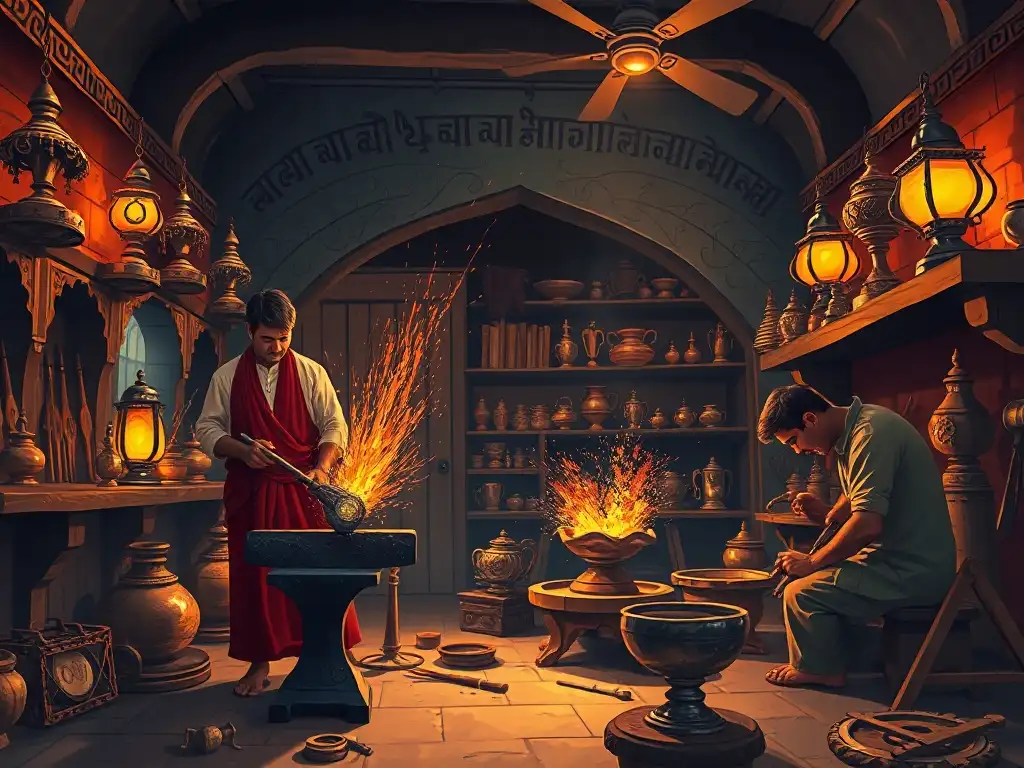
Ancient Indian metallurgy is renowned for its sophisticated techniques and innovations that contributed significantly to the development of materials science. The period from around 3000 BCE to the end of the Gupta Empire in the 6th century CE saw remarkable advancements in metalworking, particularly in the production of iron, copper, bronze, and precious metals.
Tools and Techniques Used in Ancient India
The tools and techniques employed in ancient Indian metallurgy reflect a deep understanding of materials and processes. Key innovations included:
- Furnaces: Ancient Indians developed various types of furnaces, such as the bloomery furnace, which was used to smelt iron. This type of furnace allowed for high-temperature operations, essential for effective metal extraction.
- Alloying Techniques: The use of alloys was prevalent, with bronze (a mixture of copper and tin) being a notable example. Ancient Indian metallurgists were skilled at controlling the proportions of metals to enhance properties like strength and corrosion resistance.
- Casting and Forging: Techniques such as sand casting and lost-wax casting were employed to create intricate metal objects. The lost-wax method allowed artisans to produce detailed sculptures and tools, showcasing both artistic and technical skills.
- Heat Treatment: The knowledge of heat treatment processes, such as quenching and tempering, enabled metallurgists to manipulate the properties of metals, resulting in stronger tools and weapons. This was particularly evident in the production of high-quality steel, known as Wootz steel, which was sought after globally for its durability.
- Use of Indigenous Materials: The utilization of local ores and minerals facilitated the development of unique metallurgical practices. For instance, iron from the Himalayan region was known for its purity and was extensively used in tool-making.
| Technique | Description |
|---|---|
| Bloomery Furnace | Allowed for high-temperature smelting of iron |
| Lost-Wax Casting | Enabled the creation of intricate designs and sculptures |
| Alloying | Improved metal qualities through controlled mixtures |
| Heat Treatment | Strengthened metals through processes like quenching |
Influence of Religion and Culture on Metallurgical Practices
The intersection of religion and culture played a pivotal role in shaping the metallurgical practices of ancient India. Several factors influenced the development and use of metallurgy:
- Cultural Significance: Metals were often associated with various deities and were used in religious artifacts. For example, gold and silver were deemed auspicious, leading to their extensive use in temple architecture and religious ceremonies.
- Trade and Exchange: Ancient Indian metallurgy was not isolated; it was influenced by and contributed to trade networks that spanned across Asia and beyond. The exchange of knowledge and techniques with other civilizations, such as the Greeks and Romans, enhanced metallurgical practices in India.
- Symbolism in Art: Metalwork often held symbolic meanings in Indian culture. The intricate designs found in metal sculptures and artifacts were not only functional but also conveyed cultural narratives and religious stories.
- Patronage of Rulers: Many rulers supported metallurgical advancements as a means of demonstrating power and cultural sophistication. This patronage facilitated the development of workshops and academies where artisans could hone their skills.
- Technological Syncretism: The blending of indigenous practices with foreign influences resulted in unique metallurgical techniques. For instance, the art of sword-making combined local knowledge with techniques introduced through trade, enhancing the quality and craftsmanship of weapons.
The mastery of metallurgy in ancient India was not merely a technological endeavor; it was a cultural phenomenon that reflected the values, beliefs, and aspirations of its people.
The innovations in ancient Indian metallurgy, influenced by diverse cultural and religious elements, laid the groundwork for future advancements in material sciences and continue to be a subject of admiration and study today.
Conclusion: The Legacy of Ancient Indian Metallurgy
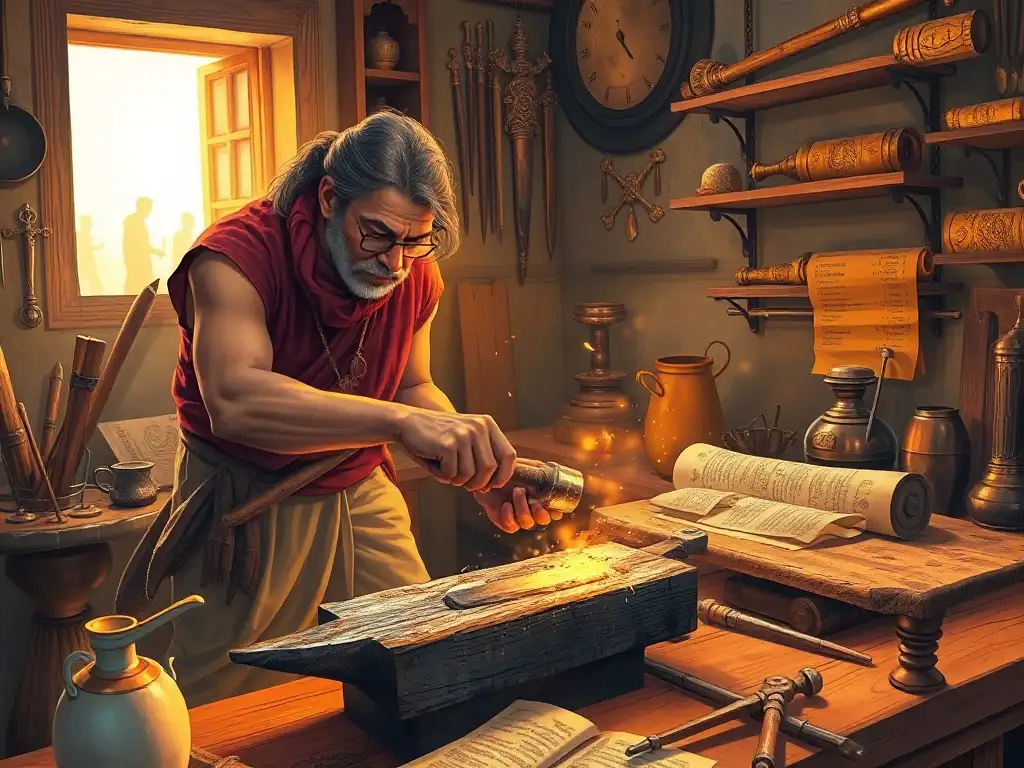
The legacy of ancient Indian metallurgy is profound and multifaceted, influencing not only the technological advancements of its time but also leaving a lasting mark on modern metallurgical practices. The techniques, materials, and innovations developed by ancient Indian civilizations have contributed significantly to the global understanding of metallurgy. As we analyze the nuances of ancient Indian metallurgy, it becomes evident that it was not only a product of its time but also a precursor to many modern methodologies.
Lasting Impact on Modern Metallurgical Practices
Ancient Indian metallurgy introduced various innovations that have shaped contemporary practices. For instance, the techniques used in steel production, particularly the creation of Wootz steel, were so advanced that they set a benchmark for quality. This high-carbon steel was renowned for its durability and ability to be honed to a sharp edge, influencing sword-making across cultures and inspiring metallurgists worldwide.
Moreover, the art of alloying—a practice that dates back to ancient India—has become a cornerstone of modern metallurgy. The mastery of copper and bronze alloying laid the groundwork for the development of various metal alloys crucial in today's industries. The knowledge of how to manipulate metal properties for specific applications is a direct lineage from ancient practices.
In terms of metallurgical techniques, ancient Indian artisans employed sophisticated methods of smelting and casting, which have been adapted and refined in modern manufacturing processes. The use of furnaces that achieved high temperatures and the introduction of bloomery processes for iron production are notable examples that demonstrate a continuity of knowledge from ancient to modern times. This lineage emphasizes how ancient practices have informed and enhanced our current technological capabilities.
Summary of Comparative Insights and Contributions
The comparative analysis of ancient Indian metallurgy with other civilizations reveals a rich tapestry of innovation and cultural exchange. While civilizations such as the Egyptians and Chinese made significant contributions to metallurgy, the unique characteristics of ancient Indian practices, such as the production of high-quality alloys and intricate metalwork, set it apart.
The key insights from this comparative study include:
- Innovative Techniques: Ancient Indian metallurgy showcased advanced techniques that influenced global practices.
- Quality of Materials: The production of superior materials like Wootz steel contributed to global advancements in weaponry and tools.
- Cultural Exchange: The sharing of metallurgical knowledge across civilizations facilitated technological advancements and cultural interactions.
- Sustainable Practices: The methods employed by ancient metallurgists often emphasized sustainability, a concept gaining renewed attention in modern practices.
The contributions of ancient Indian metallurgy are not just relics of the past; they continue to resonate in modern practices and innovations. This legacy serves as a reminder of the ingenuity and technical prowess of ancient civilizations, inspiring current and future metallurgists to explore and expand upon these foundational principles.
References for Further Reading on Ancient Metallurgy
Suggested Books and Articles
To gain a deeper understanding of ancient Indian metallurgy and its comparison with other civilizations, the following books and articles are highly recommended:
- "The Archaeometallurgy of the Asian Old World" by Peter J. G. D. S. M. L. C. M. M. S. B. - This comprehensive book provides insights into the technological advancements in metallurgy across various Asian civilizations, including ancient India.
- "Metallurgy in Ancient India" by D. R. K. - This article explores the techniques and materials used in ancient Indian metallurgy, highlighting significant archaeological findings.
- "The History of Metallurgy" by D. S. S. - This work covers the evolution of metallurgical practices worldwide, with a dedicated chapter on ancient Indian contributions.
- "Iron and Steel in Ancient India: A Historical Perspective": by R. K. Sharma - This detailed study examines the production and usage of iron and steel in ancient India, comparing it with contemporaneous practices in other regions.
- "The Indus Valley Civilization: An Interdisciplinary Approach": by A. K. Mishra - This book discusses the technological innovations of the Indus Valley civilization, including metallurgy, and places them in a broader historical context.
- "The Metallurgy of Ancient India" by R. P. S. - This article focuses on the metallurgical advancements during the Gupta Empire, providing insights into the techniques and materials used.
Online Resources for Ancient Indian Metallurgy
For those seeking digital resources to further explore the topic of ancient Indian metallurgy, the following websites and online databases offer valuable information:
- Archaeological Survey of India: The official website provides access to research papers and findings related to archaeological studies, including metallurgical artifacts from ancient India.
- JSTOR: An extensive digital library of scholarly articles, JSTOR hosts numerous papers on ancient Indian metallurgy and its comparison with other civilizations. Use search terms like "ancient Indian metallurgy comparison" for targeted results.
- Google Scholar: A powerful tool for academic research, Google Scholar can yield a plethora of articles and theses on ancient metallurgy. Searching for "ancient Indian metallurgy" will provide a range of scholarly insights.
- The British Museum Online Collection: This resource allows users to explore artifacts from ancient Indian civilizations, including metallurgical tools and objects, with detailed descriptions and historical context.
- Metallurgy in Antiquity: A specialized database that compiles findings from various archaeological sites worldwide, offering comparative analyses of metallurgical practices, including those from ancient India.
- Academia.edu: A platform for academics to share research, where users can find papers related to ancient Indian metallurgy by searching specific keywords.
By utilizing these resources, readers can expand their knowledge and understanding of ancient Indian metallurgy, considering its historical significance and technological advancements within a global context.
Frequently Asked Questions
What is ancient Indian metallurgy known for?
Ancient Indian metallurgy is noteworthy for its advanced techniques, particularly in the production of iron, copper, and bronze. The high-quality steel, known as Wootz steel, exemplifies exceptional craftsmanship from this period.
How does ancient Indian metallurgy compare to other civilizations?
When comparing ancient Indian metallurgy with other civilizations, such as the Chinese and Romans, India showcased unique methods and materials that led to superior metal quality and innovative uses. The fusion of techniques marked a significant contribution to global metallurgy.
What were the key materials used in ancient Indian metallurgy?
The primary materials used in ancient Indian metallurgy included copper, bronze, and iron. The Indus Valley Civilization was particularly notable for its use of copper in tools and ornaments.
What role did ancient Indian metallurgy play in trade?
Ancient Indian metallurgy significantly enhanced trade by enabling the production of high-quality metal goods. These goods were highly sought after, leading to the establishment of trade routes that connected India with other civilizations.
What are some notable artifacts of ancient Indian metallurgy?
Notable artifacts include the Iron Pillar of Delhi, which showcases rust-resistant technology, and various bronze sculptures, such as the dancing girl statue from Mohenjo-Daro, highlighting the artistic and technical skills of ancient Indian metallurgists.
Final Reflection: The Timeless Legacy of Ancient Indian Metallurgy
The exploration of ancient Indian metallurgy reveals not only the ingenuity of a civilization but also its profound relevance in today's global context. As we delve into the intricate techniques and innovations of ancient Indian metallurgists, we uncover a narrative that transcends time, showcasing how these early advancements continue to influence modern practices and technologies. The brilliance of ancient Indian metallurgy serves as a reminder that the quest for knowledge and innovation is a universal endeavor, echoing through the ages.
Cultural and technological exchanges have always shaped societies, and the legacy of ancient Indian metallurgy is no exception. The techniques developed in India influenced not just the subcontinent but also reached far beyond its borders, impacting civilizations across the globe. This interconnectedness highlights the importance of recognizing and appreciating the contributions of diverse cultures to our collective heritage.
As Mahatma Gandhi once said, "> A nation's greatness is measured by how it treats its weakest members." This sentiment resonates with the idea that the achievements of ancient civilizations, including their metallurgical advancements, should be celebrated and acknowledged for their role in shaping humanity's progress.
As we reflect on the lessons of ancient Indian metallurgy, let us embrace the spirit of innovation and collaboration that characterized these early artisans. I invite you to consider how the principles of creativity, resilience, and cross-cultural exchange can inspire your own journey. Whether in your personal or professional life, strive to learn from the past, celebrate diversity, and contribute to a future where knowledge knows no boundaries. Together, we can honor the legacy of ancient civilizations by fostering a world that values and cultivates the brilliance of every culture.
Uncover the Secrets of Ancient Metallurgy!
Thank you for taking the time to explore the fascinating world of ancient Indian metallurgy with us! We hope you gained valuable insights into its remarkable achievements and global significance. Now, it's time to put your newfound knowledge into action!
- Dive deeper into ancient techniques by experimenting with hands-on metallurgy projects at home—search for a straightforward tutorial online to inspire your creativity.
- Share your insights: Discuss what intrigued you the most with friends or on social media to help spread awareness of this rich history.
- Join a community that shares your interest in metallurgy or archaeology! Seek out local clubs or online forums to connect with fellow enthusiasts and exchange discoveries.
What aspect of ancient metallurgy surprised you the most, and how do you believe it has influenced the technological advancements we see today?