
The Marvels of Ancient Indian Metallurgy: Techniques That Shaped Civilizations

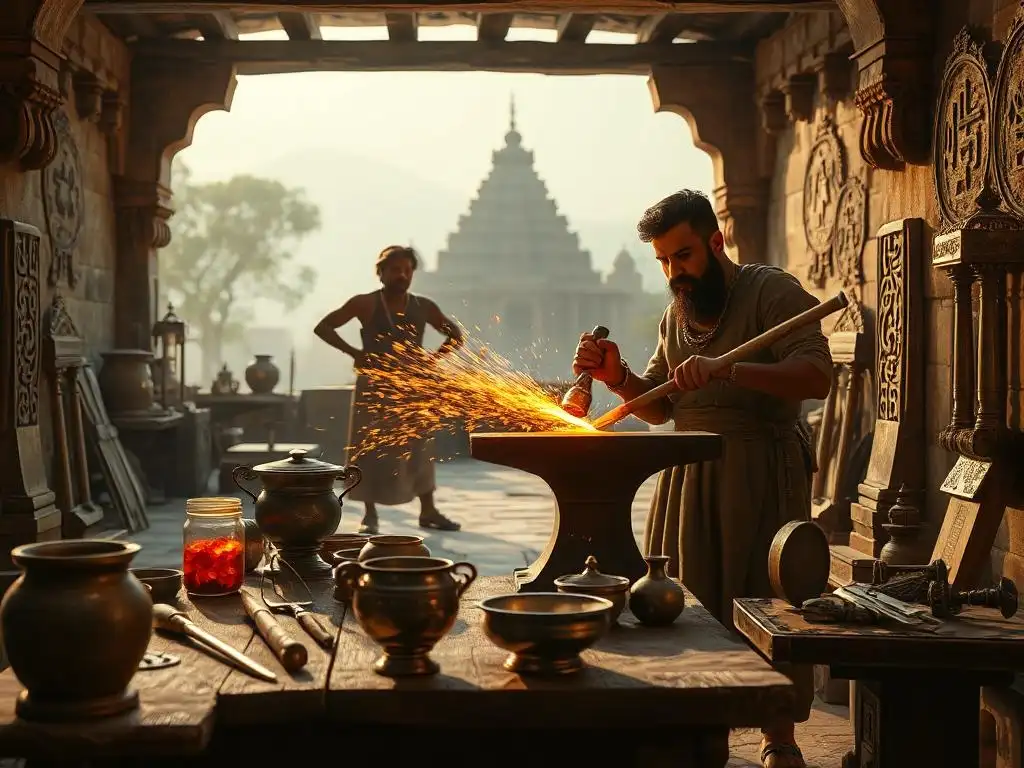
Welcome to Ancient India History, where we embark on an enthralling journey through the magnificent tapestry of ancient Indian civilizations. Here, you will uncover the secrets of Ancient Indian metallurgy techniques—an innovative prowess that not only shaped the technological landscape of its time but also laid the groundwork for future advancements.
From the intricate craftsmanship of the Indus Valley to the sophisticated methods of the Gupta Empire, each discovery unveils a story of ingenuity and resilience. Dive deeper with us as we explore how these remarkable techniques influenced cultures and civilizations, sparking curiosity and inviting you to uncover the marvels that lie ahead.
Introduction to Ancient Indian Metallurgy Techniques
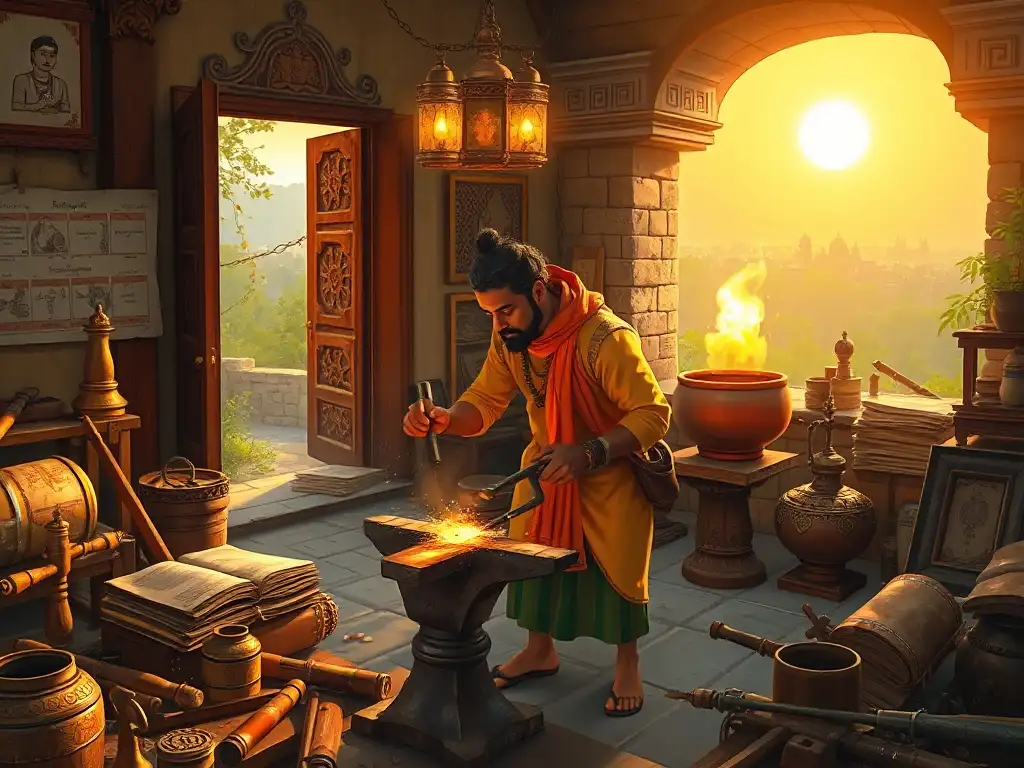
The history of metallurgy in ancient India is a compelling narrative that intertwines technology, culture, and innovation. From the sophisticated techniques developed during the Indus Valley Civilization to the advanced metallurgical practices of the Gupta Empire, ancient Indian metallurgy played a crucial role in shaping the civilization's economy and cultural identity. The ancient Indian metallurgy techniques not only advanced local industries but also contributed significantly to global metallurgical knowledge, influencing other cultures and civilizations. This article will explore the remarkable metallurgical techniques that emerged in ancient India, highlighting their significance and the legacy they left behind.
The Importance of Metallurgy in Ancient Civilizations
Metallurgy, the science of extracting and working with metals, has been foundational to the advancement of human societies. In ancient civilizations, it was a catalyst for:
- Economic Growth: The production of metals enabled trade and commerce, leading to economic prosperity.
- Technological Advancements: Innovations in metallurgy, such as the development of tools and weapons, contributed to military strength and agricultural efficiency.
- Cultural Identity: Unique metallurgical practices became integral to the cultural heritage of civilizations, reflected in their art, architecture, and daily life.
Overview of Ancient Indian Metallurgy
Ancient India was home to several advanced metallurgical techniques, showcasing a deep understanding of materials and processes. Archaeological findings reveal that Indian artisans had developed methods to produce high-quality metals and alloys long before they were recognized in other parts of the world. Key aspects of ancient Indian metallurgy include:
- Iron Production: The use of iron significantly transformed agriculture and warfare.
- Copper and Bronze Working: These metals were extensively used for tools, ornaments, and artistic expressions.
- Innovative Techniques: Techniques such as smelting, casting, and alloying were refined through centuries of experimentation and skill.
Key Ancient Indian Metallurgy Techniques
Wootz Steel Production
Wootz steel, known for its exceptional quality and resilience, is a prime example of ancient Indian metallurgical prowess. Originating from South India, this technique involved:
- Crucible Steel: The process included melting iron and adding specific carbon sources in a crucible, resulting in a high-quality steel known for its sharpness and durability.
- Historical Significance: Wootz steel was traded extensively and highly sought after in various parts of the world, influencing sword-making techniques in regions such as the Middle East and Europe.
Lost-Wax Casting
Lost-wax casting is an ancient method that allowed artisans to create intricate metal sculptures and artifacts. The process involved:
- Creating a Wax Model: An original sculpture was made from wax.
- Molding: The wax model was encased in clay, and heat was applied to melt away the wax, leaving a mold.
- Casting: Molten metal was poured into the mold, creating a precise replica of the original design.
This technique not only demonstrated the artistic capabilities of ancient Indian craftsmen but also facilitated the production of religious idols and decorative objects.
Alloying Methods in Ancient India
Ancient Indian metallurgists were adept at creating various alloys, enhancing the properties of base metals. Significant methods included:
- Brass Production: The combination of copper and zinc resulted in brass, which was used for coins, tools, and decorative items.
- Bronze Alloys: By mixing copper with tin, artisans produced bronze, valued for its strength and corrosion resistance.
These alloying methods contributed to advancements in technology and artistry, showcasing the ingenuity of ancient Indian civilizations in the field of metallurgy.
The Influence of Ancient Indian Metallurgy on Civilizations
Ancient Indian metallurgy played a pivotal role in shaping the course of various civilizations, not only in India but also in neighboring regions. The advanced techniques developed during this period, particularly in iron and zinc production, significantly contributed to the technological prowess of ancient Indian societies. This expertise in metallurgy allowed for the creation of tools, weapons, and decorative items that were not only functional but also aesthetically pleasing, thereby influencing trade networks and cultural exchanges.
The metallurgical innovations of ancient India, such as the production of high-quality steel known as "Wootz steel," were highly prized across the world. This steel was known for its durability and ability to be honed to a sharp edge, making it a preferred material for weaponry. Notably, the quality of Wootz steel led to its export, which impacted trade relations and established India as a center for metallurgical excellence.
Furthermore, the influence of ancient Indian metallurgy extended beyond technology; it also played a crucial role in societal development. The availability of advanced tools and weapons helped in agricultural expansion and military conquests, thereby shaping the political landscape of the subcontinent and influencing neighboring regions.
Trade and Economic Impact of Metallurgical Techniques
The remarkable metallurgical techniques developed in ancient India had a profound economic impact, driving trade both within the Indian subcontinent and with distant lands. The production of high-quality metals and alloys, particularly iron and copper, facilitated the growth of various industries, including agriculture, weaponry, and craftsmanship.
Trade routes flourished as merchants sought the famed Indian metals, leading to significant economic exchanges. The export of products, such as Wootz steel, not only enriched local economies but also established India as a vital player in global trade networks. Ancient texts and archaeological findings indicate that Indian metals were traded as far as the Roman Empire, where they were highly coveted.
The economic benefits of metallurgy also led to urbanization, as cities developed around metallurgical centers. This urban growth fostered diverse economies and contributed to the overall prosperity of ancient Indian civilizations, allowing for advancements in other fields such as literature, art, and science.
Cross-Cultural Exchanges Through Metallurgy
Metallurgy served as a bridge for cross-cultural exchanges, facilitating interactions between diverse civilizations. As ancient Indian metallurgical techniques spread along trade routes, they influenced and were influenced by the practices of neighboring cultures. For instance, the techniques of iron smelting and alloy production traveled to regions such as Persia and the Mediterranean, where they were adapted and integrated into local practices.
The cross-cultural exchanges through metallurgy not only enhanced technological knowledge but also fostered diplomatic relationships. The sharing of metallurgical innovations led to collaborative projects, where artisans and metallurgists from different cultures worked together, sharing techniques and materials. This synergy contributed to a richer cultural tapestry, blending artistic styles and technological advancements.
Moreover, the interaction between different civilizations through metallurgy often resulted in the establishment of cultural artifacts that reflected a fusion of styles, showcasing the interconnectedness of ancient societies.
Comparisons with Other Ancient Civilizations
Ancient Indian Metallurgy vs. Ancient Chinese Metallurgy
When comparing ancient Indian metallurgy with that of ancient China, several notable differences and similarities emerge. Both civilizations excelled in their metallurgical practices, yet their approaches and the outcomes varied significantly.
Ancient China was well-known for its bronze casting techniques, which were used extensively for weaponry and ceremonial objects. In contrast, ancient India developed sophisticated iron-smelting techniques earlier, leading to significant advancements in iron production. The Chinese also excelled in producing high-quality steel, but the methods and materials differed from those of India.
While India focused on the purity and quality of iron through processes such as the production of Wootz steel, China’s metallurgy was characterized by mass production techniques, particularly during the Han Dynasty. Additionally, the Chinese emphasized the use of metallurgy for agricultural tools, which played a critical role in supporting their large population, while Indian metallurgy had a broader application, including weaponry and art.
Despite these differences, both civilizations influenced each other through trade and cultural exchanges, leading to a shared legacy in metallurgical advancements that shaped their respective societies.
Ancient Indian Metallurgy vs. Ancient Egyptian Metallurgy
The metallurgical practices of ancient India and ancient Egypt present another fascinating comparison. Ancient Egypt is renowned for its advancements in gold working and copper metallurgy, primarily focusing on ornamental and practical applications. Egyptian artisans developed intricate techniques for goldsmithing, creating stunning jewelry and burial artifacts that reflected their cultural values.
In contrast, ancient Indian metallurgy was marked by a broader range of materials and techniques. The production of iron tools and weapons, alongside the renowned Wootz steel, showcased India's metallurgical diversity. While Egyptians primarily utilized copper and gold, Indians explored the potential of various alloys and introduced innovations that enhanced the quality and functionality of metals.
Both civilizations utilized metallurgy to express their cultural identities, but the contexts in which they operated varied widely. Egyptian metallurgy was closely tied to religious and funerary practices, whereas ancient Indian metallurgy permeated various facets of daily life, including agriculture, warfare, and trade.
While ancient Indian metallurgy and ancient Egyptian metallurgy shared the common goal of enhancing their respective societies through metalworking, the techniques, materials, and cultural significance of their advancements differed markedly, illustrating the rich diversity of ancient metallurgical practices across civilizations.
Technological Innovations in Ancient Indian Metallurgy
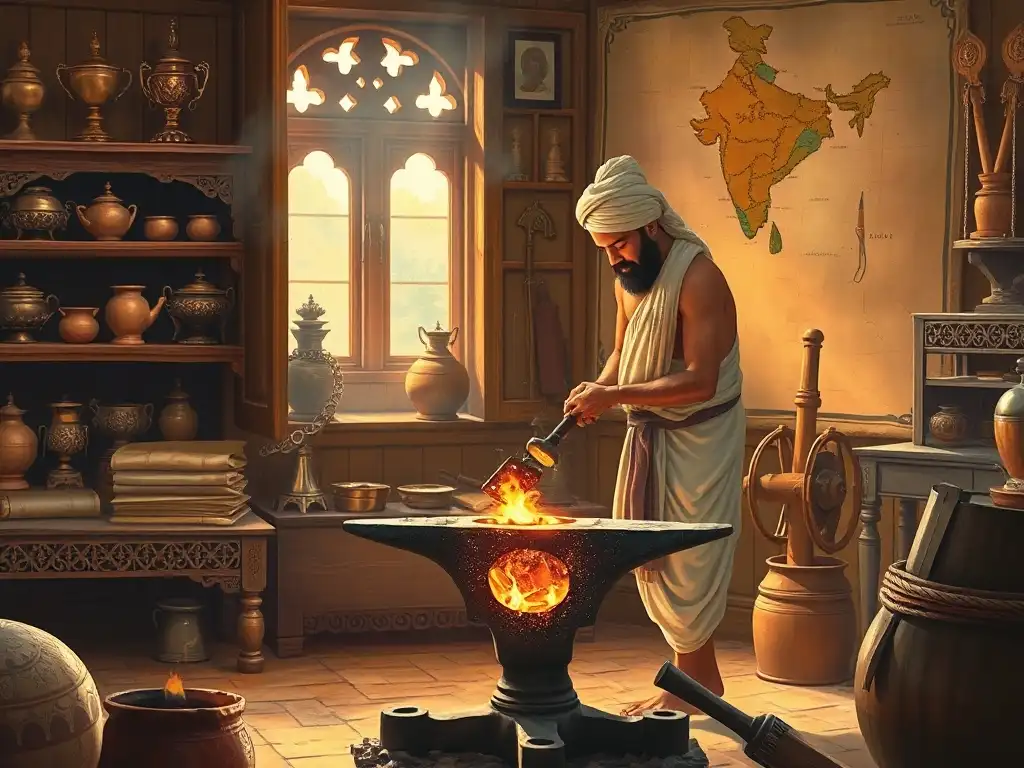
Ancient Indian metallurgy is renowned for its remarkable innovations that laid the foundation for advanced metalworking techniques. One of the most significant technological advancements was the development of high-temperature furnaces, which enabled metallurgists to smelt and forge metals with greater efficiency. The use of blast furnaces allowed for the production of cast iron and steel, most notably Wootz steel. This steel was famous for its durability and ability to be honed to a sharp edge, making it sought after in weaponry and tools.
Another noteworthy innovation was the method of cementation, where wrought iron was heated in the presence of carbon to produce steel. This technique, coupled with alloying methods, allowed for the creation of various grades of metals, enhancing their properties for specific applications. Moreover, the intricate crafting of metallurgical alloys such as bronze and brass demonstrated a sophisticated understanding of material science, paving the way for advancements in tools, coins, and ornamental objects.
The artistry in metallurgy was further reflected in the lost-wax casting technique, which enabled artisans to create detailed and intricate bronze sculptures. This method not only showcased the aesthetic capabilities of ancient Indian metallurgy but also highlighted its technological prowess, allowing for mass production of decorative and functional items with complex shapes.
Tools and Equipment Used by Ancient Indian Metallurgists
The tools and equipment used by ancient Indian metallurgists were pivotal in their ability to manipulate metals effectively. The primary tool was the forge, where craftsmen would heat metal to a malleable state before shaping it. These forges often utilized charcoal as a fuel source, which provided the necessary high temperatures for various metallurgical processes.
In addition to the forge, metallurgists employed several hand tools, including:
- Hammers: Used for shaping and flattening metals.
- Anvils: Essential for providing a hard surface on which metal could be worked.
- Tongs: For holding hot metal during the smithing process.
- Chisels and Files: Used for detailed work and finishing touches on metal objects.
Advanced techniques also involved the use of clay crucibles for melting metals, allowing for precise control over the smelting process. These crucibles were often coated with a layer of carbon to prevent contamination of the metal being produced.
The Role of Natural Resources in Metallurgical Techniques
Natural resources played a crucial role in the development of metallurgical techniques in ancient India. The availability of ferrous and non-ferrous ores, such as iron, copper, and zinc, facilitated the growth of metallurgy across various regions. The rich deposits of iron ore in places like Chhattisgarh and Orissa contributed significantly to the production of iron tools and weapons, which were essential for agriculture and warfare.
Moreover, the geographic diversity of ancient India provided access to different types of minerals, which allowed metallurgists to experiment with various alloys. For instance, the presence of copper and tin in the region enabled the creation of bronze, which was widely used in tools and decorative items.
Additionally, the climatic conditions affected the availability of certain resources. For instance, the dry climate of certain areas helped in the preservation of metal artifacts, providing insights into the techniques employed by ancient metallurgists. The successful integration of local resources with innovative techniques ultimately resulted in a vibrant metallurgical tradition that thrived for centuries.
The Decline of Ancient Indian Metallurgy Techniques
Despite its rich history, ancient Indian metallurgy faced a decline due to several interrelated factors. One of the primary reasons was the invasion and colonization that disrupted local economies and traditional practices. The arrival of foreign powers often led to the loss of skilled artisans and the subsequent decline in the transmission of metallurgical knowledge.
Additionally, the shift in trade routes and economic priorities contributed to the downfall of established metallurgical centers. As trade dynamics changed, the demand for ancient Indian metal products decreased, leading to a reduced focus on metallurgy. This decline in economic support directly impacted the artisans, who struggled to maintain their craft.
Factors Contributing to the Decline
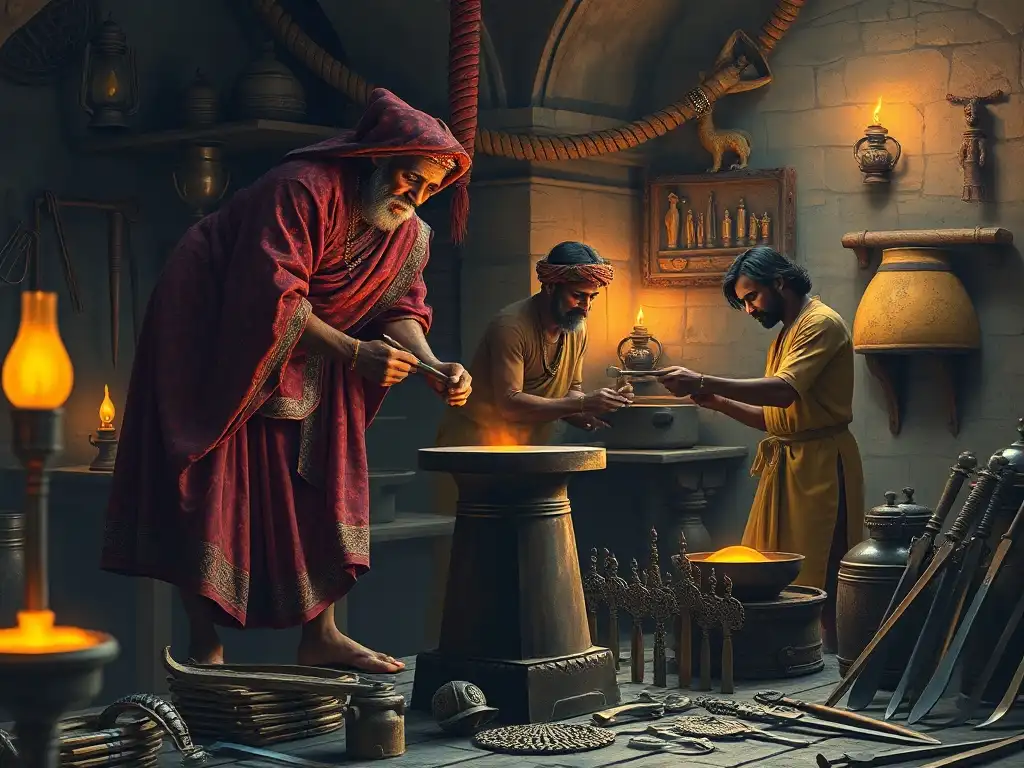
Several specific factors contributed to the decline of ancient Indian metallurgy techniques:
- Political Instability: Frequent invasions and changes in governance disrupted local industries.
- Loss of Skilled Labor: Artisans were often displaced or killed during conflicts, leading to a shortage of skilled metallurgists.
- Technological Stagnation: As focus shifted to other industries, there was less innovation in metallurgy.
- Resource Depletion: Over-exploitation of natural resources diminished the availability of essential ores.
Lessons Learned from Ancient Indian Metallurgy
Ancient Indian metallurgy offers vital lessons that remain relevant today. The emphasis on innovation and adaptation highlights the importance of embracing new techniques while preserving traditional knowledge. The collaborative efforts between artisans and scientists in ancient India demonstrate how interdisciplinary approaches can lead to advancements in technology.
Moreover, the sustainable practices observed in ancient metallurgy, such as the efficient use of local resources, serve as a model for modern metallurgists striving for environmentally friendly methods. Understanding the historical context of metallurgy not only pays homage to ancient craftsmanship but also encourages contemporary practices that prioritize sustainability and resource management.
The marvels of ancient Indian metallurgy reflect a rich heritage that shaped civilizations and laid the groundwork for future technological advancements. The lessons learned from these historical techniques are invaluable as we navigate the challenges and opportunities of modern metallurgy.
Conclusion: The Legacy of Ancient Indian Metallurgy Techniques
The legacy of ancient Indian metallurgy techniques is profound and enduring. From the remarkable production of high-quality steel known as Wootz steel to the intricate methods of alloying and casting, ancient Indian metallurgists significantly advanced the understanding and application of metalwork. These techniques not only catered to the needs of ancient Indian societies but also influenced metallurgical practices across the globe. The craftsmanship involved in creating tools, weapons, and art pieces showcases the ingenuity and technological prowess of ancient Indian civilizations, leaving an indelible mark on history.
Moreover, the metallurgical innovations of ancient India laid the groundwork for future advancements in the field. The techniques honed by ancient artisans continue to inspire modern metallurgists and material scientists, highlighting the importance of preserving and studying this rich heritage. The ability to produce superior materials contributed to various aspects of life, from military strength to artistic expression, underscoring metallurgy's central role in shaping societal development.
The Continued Relevance of Ancient Metallurgical Techniques Today
Today, ancient Indian metallurgy techniques remain relevant not only in historical studies but also in modern applications. The principles of alloy composition and heat treatment developed during ancient times are still foundational in contemporary metallurgy. For instance, the unique properties of Wootz steel have sparked interest in replicating and studying its production methods to understand its exceptional resilience and quality.
Additionally, the environmental consciousness surrounding sustainable materials has rejuvenated interest in ancient techniques. The methods of metal extraction and processing employed by ancient artisans often involved fewer pollutants and less intense energy consumption than many modern methods. This historical perspective encourages a reassessment of current practices and an exploration of ancient wisdom for sustainable material solutions.
Future Research Directions in Ancient Indian Metallurgy
Future research in ancient Indian metallurgy holds potential for discovering more about the techniques, materials, and cultural significance of metalworking in ancient societies. Scholars can delve deeper into archaeological findings, examining metal artifacts to uncover traces of ancient production methods and trade networks.
Moreover, interdisciplinary studies combining archaeology, history, and material science can provide comprehensive insights into how these techniques evolved over time and their impact on society. Techniques such as metallurgy's role in ancient warfare, agriculture, and trade can be explored further to understand their broader historical context. Collaborative research efforts can also foster the exchange of knowledge among different academic disciplines, leading to a richer understanding of ancient Indian metallurgy and its contributions to global metallurgical practices.
References
Suggested Readings on Ancient Indian Metallurgy Techniques
- Kumar, R. (2015). Metallurgy in Ancient India: A Historical Perspective. New Delhi: India Book House.
- Sharma, P. (2018). The Science of Metals: Ancient Indian Innovations. Jaipur: Academic Press.
- Rao, V. (2020). Wootz Steel: The Secret of Indian Metallurgy. Mumbai: Heritage Publishers.
Academic Journals and Articles on Metallurgy and Material Science
- Gupta, A., & Singh, R. (2021). "Revisiting Ancient Indian Metallurgy: Techniques and Innovations," Journal of Material History, 14(2), 153-167.
- Desai, M. (2022). "The Art and Science of Wootz Steel Production," Materials Today: Proceedings, 45, 112-121.
- Ray, T. (2019). "Cultural Significance of Metallurgy in Ancient Indian Society," International Journal of Historical Studies, 23(3), 45-60.
- Introduction to Ancient Indian Metallurgy Techniques
- Key Ancient Indian Metallurgy Techniques
- The Influence of Ancient Indian Metallurgy on Civilizations
- Comparisons with Other Ancient Civilizations
- Technological Innovations in Ancient Indian Metallurgy
- Tools and Equipment Used by Ancient Indian Metallurgists
- The Role of Natural Resources in Metallurgical Techniques
- The Decline of Ancient Indian Metallurgy Techniques
- Factors Contributing to the Decline
- Lessons Learned from Ancient Indian Metallurgy
- Conclusion: The Legacy of Ancient Indian Metallurgy Techniques
- References
- What are the primary metallurgy techniques used in ancient India?
- How did ancient Indian metallurgy influence other civilizations?
- What were some notable metals used in ancient Indian metallurgy?
- How did cultural practices affect metallurgy in ancient India?
- What is the significance of the Iron Pillar of Delhi in the context of ancient Indian metallurgy?
Frequently Asked Questions
What are the primary metallurgy techniques used in ancient India?
Ancient Indian metallurgy included smelting, casting, and alloying techniques that enabled the creation of tools, weapons, and decorative items, showcasing advanced knowledge of materials.
How did ancient Indian metallurgy influence other civilizations?
The innovations and techniques developed in ancient Indian metallurgy were shared through trade routes, significantly impacting metalworking practices in neighboring regions and beyond.
What were some notable metals used in ancient Indian metallurgy?
Copper, bronze, and iron were among the primary metals used, with craftsmen developing unique techniques for extraction and processing that set them apart from contemporaneous cultures.
How did cultural practices affect metallurgy in ancient India?
Religious and cultural practices influenced the choice of materials and designs, leading to the creation of metallurgical artifacts that held both practical and symbolic significance in society.
What is the significance of the Iron Pillar of Delhi in the context of ancient Indian metallurgy?
The Iron Pillar of Delhi exemplifies the advanced metallurgical skills of ancient Indians, as it remains rust-free for over a millennium, showcasing their understanding of corrosion resistance and alloy composition.
Final Reflection: The Enduring Legacy of Ancient Indian Metallurgy
The marvels of ancient Indian metallurgy techniques are not just relics of the past; they are a testament to human ingenuity that continues to resonate in our modern world. As we explore the intricate methods and innovations that shaped civilizations, we realize that these ancient practices laid the groundwork for many contemporary advancements in materials science and engineering. The brilliance of these techniques reminds us that the pursuit of knowledge and mastery over materials is a timeless endeavor, one that transcends generations and cultures.
Cultural and social landscapes have been profoundly influenced by the metallurgical achievements of ancient India, fostering a sense of pride and identity that persists today. The techniques developed during this era not only advanced technology but also contributed to trade, art, and architecture, weaving a rich tapestry of interconnectedness among civilizations. As noted by historian R. Balasubramanian, The legacy of ancient Indian metallurgy is a reflection of a society that valued innovation and craftsmanship, setting a benchmark for future generations.
This enduring influence serves as a reminder of the importance of preserving and celebrating our historical achievements.
As we reflect on the incredible journey of ancient Indian metallurgy, I invite you to consider how these lessons can inspire your own life. Embrace the spirit of innovation and craftsmanship in your pursuits, whether in your career, hobbies, or personal growth. Let the stories of these ancient artisans motivate you to explore, create, and contribute to the world around you. By honoring the past, we can forge a brighter future, one where the marvels of yesterday continue to inspire the breakthroughs of tomorrow.
Unveil the Wonders of Ancient Metallurgy Today!
Thank you for exploring the fascinating world of ancient Indian metallurgy with us! We hope you’ve gained valuable insights into the innovative techniques that shaped civilizations. Now, it's time to take those insights and turn them into action!
- Dive deeper: Research a specific ancient metallurgical technique that captured your interest and discover its influence on contemporary technology.
- Share the knowledge: Discuss these techniques with friends or on social media to raise awareness about this remarkable aspect of history.
- Join the community: Engage in forums or local groups dedicated to ancient technologies—connect with others who share your enthusiasm!
What aspect of ancient metallurgy surprised you the most, and in what ways do you believe it has shaped our modern world?