
Ancient Indian Innovations in Metal Extraction: A Historical Overview

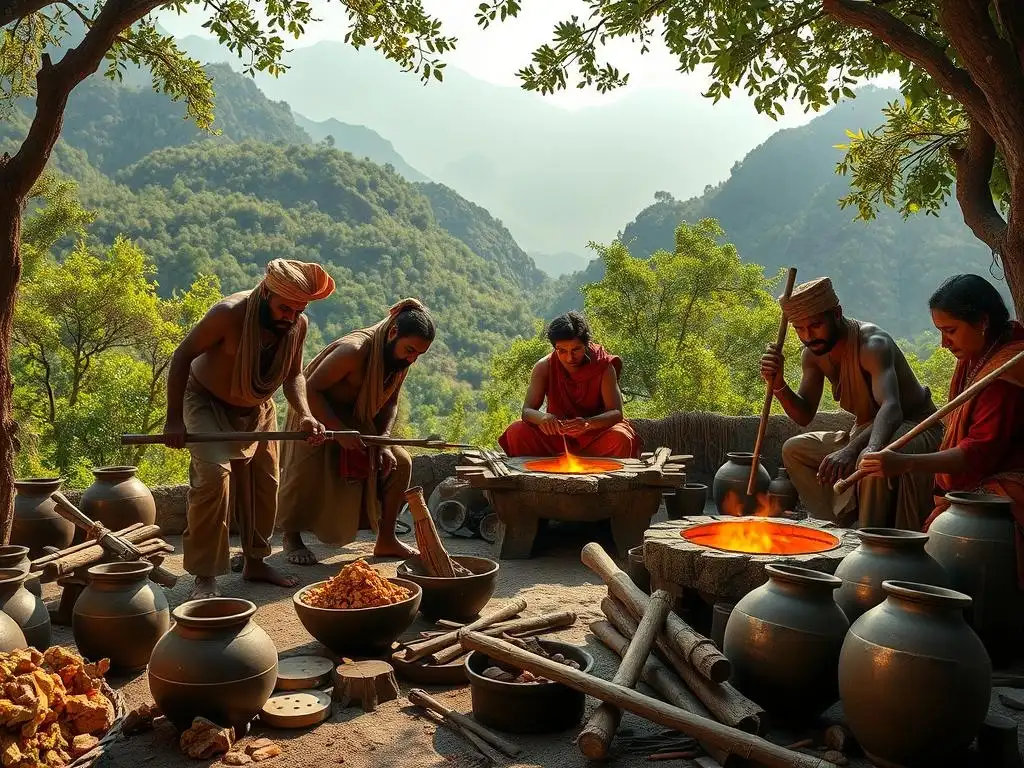
Welcome to Ancient India History, where we embark on an enlightening journey through the captivating tapestry of ancient Indian civilizations. From the ingenuity of the Indus Valley to the brilliance of the Gupta Empire, our exploration uncovers the rich culture and groundbreaking contributions that have shaped human history. Dive into our featured article on ancient Indian metal extraction techniques, where you'll discover the innovative methods that laid the foundation for modern metallurgy. Prepare to be amazed by the knowledge and creativity of our ancestors, and let your curiosity lead you deeper into the wonders of this remarkable era!
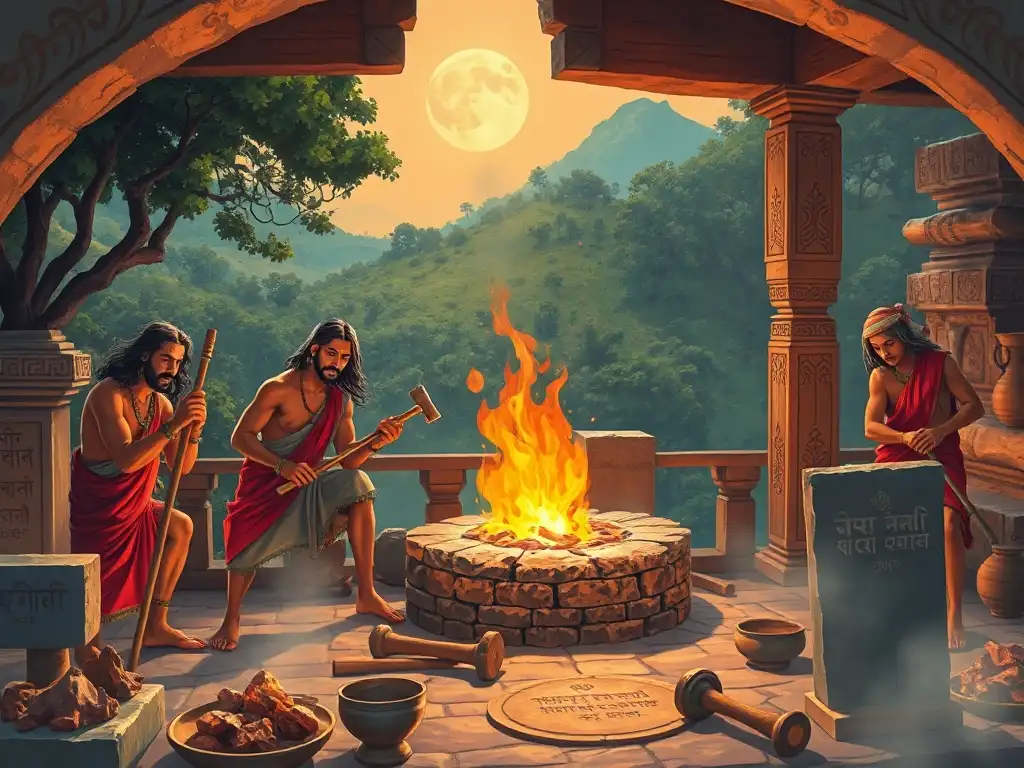
Introduction to Ancient Indian Metal Extraction Techniques
The history of metal extraction techniques in ancient India is a fascinating area of study that highlights the innovative spirit and technical prowess of early Indian civilizations. From the sophisticated methods developed during the Indus Valley Civilization to the advanced metallurgical practices of the Gupta Empire, ancient India was a cradle of metallurgy that contributed significantly to both regional and global technological advancements. This article aims to explore the rich tapestry of innovations in metal extraction, detailing the techniques employed by our ancestors and the impact of these practices on society, trade, and culture.
Importance of Metallurgy in Ancient India
Metallurgy played a pivotal role in shaping the socio-economic landscape of ancient India. The ability to extract and manipulate metals not only enhanced tool-making and weaponry but also facilitated advancements in agriculture, construction, and art. Key points regarding the significance of metallurgy include:
- Agricultural Tools: The production of iron plows and other implements improved farming efficiency.
- Trade and Economy: Metal goods became valuable trade commodities, fostering economic exchanges with other cultures.
- Cultural Expression: Metalworking allowed artisans to create intricate jewelry, sculptures, and ceremonial objects, reflecting the rich cultural heritage of the time.
Overview of Metal Extraction in Early Civilizations
The journey of metal extraction techniques began with the discovery of copper and bronze, which laid the foundation for subsequent metallurgical advancements. Early civilizations, including the Harappans and later Vedic society, adopted various methods for extracting metals from ores. Key techniques included:
- Smelting: The process of heating ores to extract metal, using charcoal as fuel.
- Alloying: Combining different metals to create stronger materials, such as bronze (a copper-tin alloy).
- Casting: Pouring molten metal into molds to create tools and decorative items.
Historical Context of Metal Extraction in Ancient India
To fully appreciate the innovations in metal extraction, it is essential to understand the historical context in which these techniques evolved. Each era contributed uniquely to the development of metallurgy, driven by cultural, economic, and technological factors.
The Indus Valley Civilization and Early Metallurgy
The Indus Valley Civilization (circa 3300–1300 BCE) is renowned for its advanced urban planning and craftsmanship, including early metalworking. Archaeological evidence suggests that the Harappans were among the first to extract copper from its ores. They employed various techniques:
- Using furnaces to smelt copper, which was essential for making tools and ornaments.
- Innovative casting techniques that allowed for the production of intricate metal artifacts.
The Vedic Period: Advancements in Metalworking
Following the decline of the Indus Valley Civilization, the Vedic period (circa 1500–500 BCE) saw remarkable advancements in metalworking. Texts from this era reveal an understanding of metallurgy that included:
- Ironworking: The introduction of iron significantly transformed tool-making and weaponry.
- Textual References: Vedic literature contains descriptions of various metals and their uses, underscoring the importance of metallurgy in society.
The Maurya and Gupta Empires: The Pinnacle of Metal Extraction
The Maurya (322–185 BCE) and Gupta Empires (circa 240–550 CE) marked the zenith of metal extraction techniques in ancient India. These periods were characterized by:
- Technological Innovations: The use of advanced smelting techniques and the production of high-quality steel (notably Wootz steel).
- Trade Networks: The export of metal goods, particularly iron and steel, to regions as far as the Roman Empire and Southeast Asia, showcasing India's metallurgical prowess on a global stage.
Ancient Indian innovations in metal extraction reflect a legacy of ingenuity and craftsmanship that has significantly influenced various aspects of civilization. The exploration of these techniques not only sheds light on the technological achievements of the past but also emphasizes the enduring impact of metallurgy on cultural and economic development.
Key Ancient Indian Metal Extraction Techniques
Ancient India is renowned for its advanced metal extraction techniques, which laid the foundation for metallurgy in various civilizations. The techniques employed were not only innovative but also tailored to the rich natural resources available across the subcontinent. Among the most notable metal extraction processes were those used for copper, gold, silver, and iron. Each of these techniques highlights the ingenuity of ancient Indian metallurgists and their deep understanding of the materials they worked with.
Techniques Used for Extracting Copper
Copper extraction in ancient India primarily involved the pyrometallurgical process, where copper ores were heated in furnaces to extract the metal. The most common copper ore used was malachite, which was abundant in regions like the Khetri mines of Rajasthan. The extraction process typically included the following steps:
- Crushing and Grinding: Copper ores were crushed and ground to increase the surface area for effective extraction.
- Roasting: The powdered ore was roasted to remove sulfur and other impurities, facilitating the reduction of copper oxide.
- Smelting: The roasted ore was then mixed with charcoal and heated in a furnace. The carbon from the charcoal would reduce the copper oxide to metallic copper, which melted and could be poured into molds.
These techniques not only contributed to the production of copper tools and ornaments but also had significant implications for trade and cultural exchange, as copper played a crucial role in the development of various industries.
Innovations in Gold and Silver Extraction
The extraction of gold and silver in ancient India showcased remarkable advancements in metallurgy. Techniques such as cupellation, a process for refining precious metals, were prevalent. This involved heating ores in a furnace along with a flux to separate the metal from impurities. Noteworthy contributions included:
- Cyanidation: Although not documented in texts, evidence suggests that ancient Indian metallurgists may have used natural cyanides found in plants to leach gold from ore.
- Alloying: The combination of gold with metals like silver and copper to create alloys such as electrum was a sophisticated technique that enhanced the properties of the final product.
The craftsmanship in goldsmithing reached new heights, with artisans in regions like Kalinga developing intricate jewelry and coins that became highly sought after across Asia.
Iron Metallurgy: The Rise of Wootz Steel
Iron metallurgy in ancient India is epitomized by the production of Wootz steel, a high-quality steel known for its durability and sharpness. The origins of Wootz steel trace back to the early centuries of the Common Era, primarily in the Southern Indian regions. The production process involved:
- Direct Reduction: Iron ores were heated in a furnace with charcoal, facilitating the direct reduction of iron without passing through the molten stage.
- Carbon Infusion: The iron was then subjected to a secondary heating process in a carbon-rich environment, which infused carbon into the iron, resulting in the formation of high-carbon steel.
Wootz steel became renowned for its superior quality and was exported to various parts of the world, including the Middle East and Europe, influencing metallurgical practices globally.
Tools and Methods in Ancient Indian Metallurgy
The success of ancient Indian metallurgy can be attributed to the sophisticated tools and methods employed by artisans. These innovations not only improved efficiency but also allowed for more intricate designs and applications.
Furnaces and Smelting Techniques
Ancient Indian furnaces were meticulously designed to withstand high temperatures required for metal extraction. The shaft furnace, commonly used, consisted of a vertical structure where ore and fuel were layered. Key features included:
- Insulation Materials: Use of clay and other insulating materials to retain heat.
- Air Supply: Bellows were often used to increase airflow, ensuring efficient combustion of fuel and optimal smelting conditions.
These advancements allowed for the efficient extraction of metals, leading to the production of high-quality artifacts and tools.
Tools Used in Metalworking and Craftsmanship
The tools employed in ancient Indian metallurgy were diverse and specialized, reflecting the craftsmanship of the era. Common tools included:
- Hammers: Used for shaping metal and creating intricate designs.
- Anvils: Essential for providing a solid surface for metalworking.
- Tongs: Employed for holding and manipulating hot metal during the forging process.
These tools enabled artisans to create finely crafted artifacts, ranging from everyday tools to elaborate decorative items.
Role of Alchemy in Metal Extraction Processes
Alchemy played a significant role in the metal extraction processes of ancient India, intertwining with metallurgy and spirituality. Alchemists, known as Rasa Vidya practitioners, sought to understand the transformation of materials. Their contributions included:
- Philosophical Foundations: The belief that metals could be transformed into their purest forms, which influenced extraction techniques.
- Medicinal Applications: The study of metals and minerals for their therapeutic properties, leading to innovations in medicine alongside metallurgy.
Alchemy not only enhanced the understanding of metal properties but also integrated spiritual beliefs with scientific practices, enriching the cultural fabric of ancient Indian society.
Cultural and Economic Impact of Metal Extraction
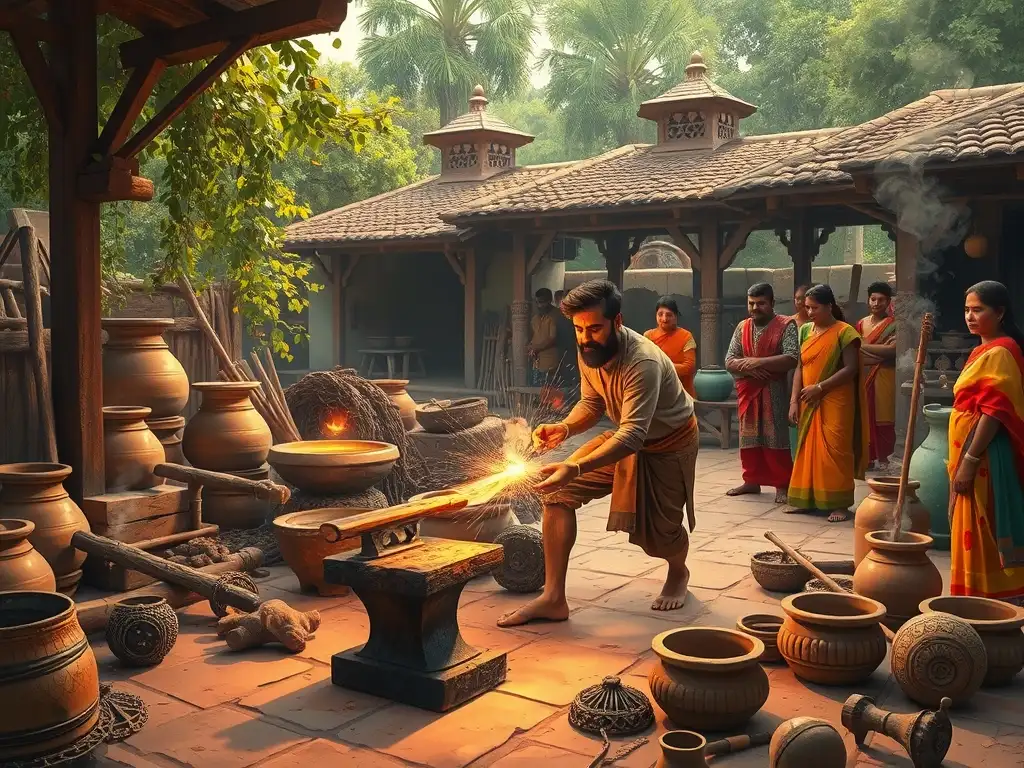
The extraction and utilization of metals in ancient India played a pivotal role in shaping both cultural and economic landscapes. This interplay between metallurgy and society is evident in various aspects, from social structures to trade networks.
The Influence of Metalwork on Ancient Indian Society
Metalwork significantly influenced ancient Indian society by fostering advancements in technology and craftsmanship. The skills of metal artisans were highly esteemed, leading to the establishment of specialized communities. For instance, the ability to extract and manipulate metals like copper, bronze, and iron contributed to the rise of skilled professions. These artisans not only enhanced the quality of tools and weapons but also crafted intricate jewelry and religious artifacts, which were central to cultural practices and rituals.
Moreover, the development of metal tools improved agricultural efficiency, allowing for better crop yields and farming practices. This agricultural surplus contributed to population growth and the establishment of more complex societal structures, as communities became less dependent on subsistence farming.
Trade and Commerce: Metal as a Valuable Resource
The abundance of metal resources, such as copper and iron, positioned ancient India as a crucial player in regional and international trade networks. Metal goods were highly sought after, both for their utility and as status symbols. The flourishing trade routes facilitated the exchange of not just metals but also cultural ideas and technologies, linking India with civilizations in Persia, Mesopotamia, and beyond.
The ancient Indian economy thrived on this exchange, with metallurgical products forming a significant part of trade. Texts like the Arthashastra reflect the importance of regulating trade and taxation on metal goods, highlighting the economic significance attributed to metal extraction and production. Evidence of ancient trade centers and marketplaces dedicated to metal goods further illustrates the integral role of metallurgy in the commercial fabric of ancient Indian society.
Art and Craft: Metalwork in Ancient Indian Art
The artistry involved in ancient Indian metalwork reflects a rich cultural heritage. From the exquisite bronze sculptures of the Chola dynasty to the intricate gold jewelry of the Mauryan period, metalwork served both functional and aesthetic purposes. These artifacts not only showcased the technical prowess of artisans but also conveyed religious and cultural narratives.
The craftsmanship in metalwork extended to the creation of icons used in temples, depicting deities and mythological themes. These items were often made using advanced techniques such as lost-wax casting and intricate engraving, which highlight the sophisticated understanding of metallurgy possessed by ancient Indian artisans. The influence of metal art can still be seen today, as many traditional practices and motifs have been preserved through generations.
Comparative Analysis of Ancient Indian Metal Extraction Techniques
A comparative analysis of ancient Indian metal extraction techniques reveals both similarities and distinctions when placed alongside other contemporary civilizations. The advancements in metallurgy not only defined the technological landscape of ancient India but also contributed to a broader understanding of material science in the ancient world.
Comparison with Contemporary Techniques in Other Civilizations
Ancient Indian metal extraction techniques, particularly in iron and copper metallurgy, present notable similarities with those of ancient China and the Roman Empire. For instance, the process of smelting copper using charcoal as a reducing agent was common across these cultures. However, India's advancement in iron production, particularly the production of high-quality wrought iron, set it apart. The method of utilizing bloomery furnaces to produce iron with minimal impurities was unique to the Indian subcontinent, allowing for superior quality metal tools and weapons.
Moreover, the knowledge transfer through trade routes facilitated the exchange of metallurgical techniques, yet India's innovations remained distinct due to its unique geographical and cultural context. The adaptability of Indian metallurgists to local resources also contributed to the development of techniques that were not only efficient but also sustainable.
Unique Features of Indian Metallurgy
Ancient Indian metallurgy is characterized by several unique features that underscore its sophistication. One of the most remarkable aspects is the production of the legendary Wootz steel, known for its exceptional quality and resilience. This steel, often referred to as Damascus steel in the West, was highly prized for its use in weaponry and tools.
Additionally, the use of alloying techniques to create bronze with specific properties demonstrates the advanced scientific knowledge of ancient Indian metallurgists. The ability to manipulate metal compositions allowed for the production of materials suitable for various applications, from agricultural tools to complex machinery.
The preservation of ancient texts, such as the Samudrik Shastra, provides insights into the theoretical understanding of metallurgy, showcasing an early form of material science that influenced subsequent generations. Overall, these unique features highlight ancient India's significant contributions to the field of metallurgy and set a foundation for future innovations.
Legacy of Ancient Indian Metal Extraction
The legacy of ancient Indian metal extraction is a testament to the ingenuity and advanced understanding of materials possessed by early Indian civilizations. From the sophisticated metallurgical practices of the Indus Valley Civilization to the intricate techniques developed during the Gupta Empire, ancient India made significant contributions to the field of metallurgy that have influenced various aspects of technology and culture. Archaeological findings reveal that ancient Indians were adept at extracting and refining metals such as copper, bronze, iron, silver, and lead.
Techniques like the use of furnaces, crucibles, and the application of various fluxes demonstrate a comprehensive understanding of the chemical and physical properties of metals. For instance, evidence from sites like Mohenjo-Daro and Harappa indicates advanced practices in producing high-quality copper tools and ornaments, showcasing both aesthetic and functional craftsmanship. The legacy of these innovations is not only found in artifacts but also in the philosophical and practical approaches to material science that continue to resonate in modern times.
Influence on Modern Metallurgical Practices
Ancient Indian metal extraction techniques have left a lasting influence on modern metallurgical practices, providing foundational knowledge that has evolved but remains relevant. The methods used for smelting, alloying, and refining metals in ancient India established principles that are still applied in various forms today. For example, the use of specific alloys, such as the combination of copper and tin to create bronze, laid the groundwork for modern alloying processes in metallurgy.
Furthermore, ancient texts like the "Arthashastra" and "Sushruta Samhita" documented metallurgical practices that are being revisited by contemporary researchers and metallurgists. The emphasis on practical applications and the understanding of material properties in these texts contribute to current innovations in the field. Modern metallurgical engineering often looks back to these ancient techniques for inspiration, demonstrating how historical practices can inform contemporary materials science and engineering.
Preservation of Ancient Techniques in Contemporary India
In contemporary India, efforts to preserve ancient metal extraction techniques are evident in various regions where traditional practices are still utilized. Artisans and metallurgists often rely on methods passed down through generations, ensuring that the knowledge and skills associated with ancient metallurgy are not lost.
Organizations dedicated to cultural heritage and craftsmanship actively promote the revival of traditional techniques, recognizing their importance in maintaining India's rich historical narrative. Workshops and training programs aim to educate younger generations about ancient practices, fostering a connection between the past and present. Additionally, the integration of modern technology with traditional methods is explored to enhance efficiency and output while retaining the authenticity of ancient techniques.
Conclusion: The Significance of Ancient Indian Innovations in Metal Extraction
The innovations in metal extraction developed by ancient Indian civilizations hold immense significance not only for their historical context but also for their applicability in modern metallurgy. These techniques represent a blend of scientific understanding and artistic expression, showcasing the advanced capabilities of early Indian societies.
Summary of Key Contributions and Techniques
Key contributions from ancient Indian metallurgy include the development of high-quality iron through processes like bloomery smelting, the sophisticated production of alloys, and the creation of intricate metal artifacts. Techniques such as the use of the crucible for smelting and the application of specific fluxes to enhance metal purity exemplify the innovation and expertise of ancient metallurgists. These practices laid the groundwork for future developments in metallurgy and material science, influencing regions far beyond India.
Future Research Directions in Ancient Indian Metallurgy
Future research directions in ancient Indian metallurgy might focus on the following areas:
- Archaeological Investigations: Expanding excavations at historical sites to uncover more evidence of ancient techniques and practices.
- Materials Analysis: Utilizing modern scientific methods to analyze ancient artifacts and better understand the materials and processes used.
- Cultural Studies: Exploring the cultural implications of metallurgy in ancient Indian society, including trade, economy, and social structure.
- Interdisciplinary Approaches: Collaborating with historians, chemists, and engineers to develop a holistic understanding of ancient practices and their relevance today.
By pursuing these research avenues, scholars can continue to uncover the depth of ancient Indian innovations in metal extraction, ensuring that this vital aspect of history remains alive for future generations.
- Introduction to Ancient Indian Metal Extraction Techniques
- Historical Context of Metal Extraction in Ancient India
- Key Ancient Indian Metal Extraction Techniques
- Tools and Methods in Ancient Indian Metallurgy
- Cultural and Economic Impact of Metal Extraction
- Comparative Analysis of Ancient Indian Metal Extraction Techniques
- Legacy of Ancient Indian Metal Extraction
- Conclusion: The Significance of Ancient Indian Innovations in Metal Extraction
- What were the primary metal extraction techniques used in ancient India?
- How did ancient Indian innovations impact metal extraction?
- What role did the Indus Valley Civilization play in metal extraction?
- How did the Gupta Empire contribute to metalworking techniques?
- Are there any surviving artifacts from ancient Indian metal extraction?
Frequently Asked Questions
What were the primary metal extraction techniques used in ancient India?
Ancient Indian civilizations employed various techniques such as pyrometallurgy and hydrometallurgy, utilizing natural resources and innovative methods to extract metals like gold, silver, and copper.
How did ancient Indian innovations impact metal extraction?
The innovations in metal extraction allowed for the creation of superior tools and artifacts, enhancing both trade and craftsmanship in ancient Indian societies.
What role did the Indus Valley Civilization play in metal extraction?
The Indus Valley Civilization is known for its advanced metallurgical practices, including early methods of copper and bronze production, which laid the foundation for future advancements in metalwork.
How did the Gupta Empire contribute to metalworking techniques?
During the Gupta Empire, there was significant progress in metalworking techniques, leading to the production of high-quality coins and artifacts, which showcased the technological prowess of the time.
Are there any surviving artifacts from ancient Indian metal extraction?
Yes, many artifacts, such as tools and coins, have been discovered that highlight the metal extraction techniques used in ancient India, providing valuable insights into their cultural and technological achievements.
Final Reflection: The Enduring Legacy of Ancient Indian Metal Extraction Techniques
The innovations in ancient Indian metal extraction techniques are not merely relics of the past; they serve as a testament to the ingenuity and resourcefulness of a civilization that laid the groundwork for modern metallurgy. Today, as we face challenges in sustainable practices and resource management, the wisdom embedded in these ancient techniques becomes increasingly relevant. The ability of ancient Indian artisans to manipulate metals with such precision and creativity is a striking reminder of the potential that lies in harmonizing tradition with contemporary needs.
Cultural and social landscapes have been profoundly shaped by these ancient practices, influencing not only the development of metallurgy but also the broader spectrum of art, architecture, and trade. The techniques employed by ancient Indian metallurgists were not just about extraction; they were about community, craftsmanship, and the pursuit of excellence.
As noted by historian R. S. Sharma, “The art of metallurgy in ancient India was not merely a craft; it was a science that intertwined with the very fabric of society.” This observation underscores the significance of these techniques in fostering a rich cultural heritage that continues to inspire innovation today.
As we reflect on the lessons from ancient Indian metal extraction, let us embrace the call to integrate sustainable practices in our own lives. Consider how the principles of resourcefulness and respect for nature can guide your personal and professional endeavors.
By honoring the legacy of those who came before us, we can forge a path that not only acknowledges our history but also paves the way for a more sustainable and innovative future. Take a moment to reflect on how you can incorporate these timeless lessons into your daily life, and let the spirit of ancient Indian ingenuity inspire your journey forward.
Unveil the Secrets of Ancient Metal Extraction!
Thank you for exploring the remarkable world of ancient Indian innovations in metal extraction! We hope you discovered the ingenuity and pioneering spirit that shaped this fascinating aspect of history. Now, it’s time to take action and further explore these incredible advancements!
Here are some steps you can take to enrich your understanding and appreciation of ancient Indian metallurgy:
- Delve Deeper: Read more articles on our website to uncover other remarkable innovations from ancient India. Look for connections to modern technology!
- Share Your Knowledge: Discuss this topic with friends or on social media platforms. Let others know about the impressive legacy of metal extraction in ancient India!
- Participate in a Workshop: Attend an event at a local museum or cultural center that focuses on ancient technologies. Experience firsthand the techniques used by artisans centuries ago!
Which aspect of ancient metal extraction intrigues you the most, and how do you believe it influences modern practices?