
The Cultural Exchange of Metallurgical Knowledge in Ancient India

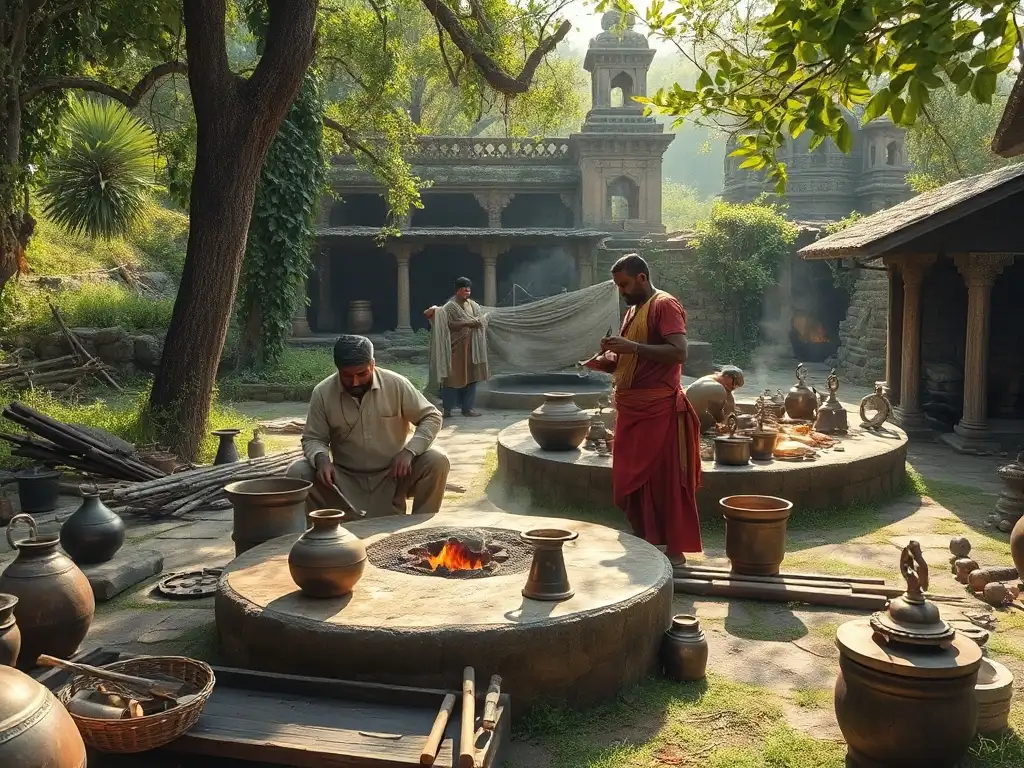
Welcome to Ancient India History, where we embark on a captivating journey through the rich and diverse tapestry of ancient Indian civilizations. From the sophisticated streets of the Indus Valley to the remarkable innovations of the Gupta Empire, every corner of this history tells a unique story.
In our featured article, "The Cultural Exchange of Metallurgical Knowledge in Ancient India," we delve deep into the ancient Indian metallurgical techniques that not only advanced technology but also fostered cultural connections across the ages. Prepare to unlock the secrets of a time when metal was transformed into art and science, sparking your curiosity to explore further!
Introduction to Ancient Indian Metallurgical Techniques
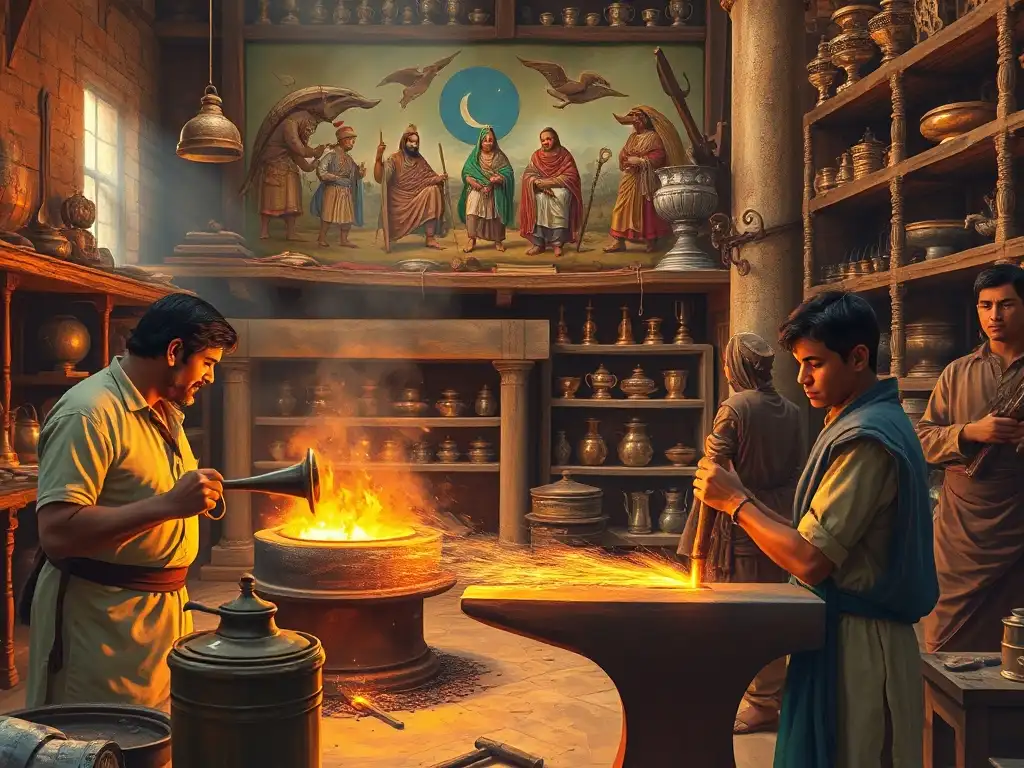
The rich tapestry of ancient Indian history is woven with threads of innovation and cultural exchange, particularly in the realm of metallurgy. Ancient Indian metallurgical techniques not only reflect the technological prowess of early civilizations but also highlight the intricate networks of trade and knowledge that facilitated the sharing of skills across regions.
As we delve into this fascinating topic, we will uncover how ancient Indian societies mastered the art of metalworking, producing remarkable artifacts that stand as a testament to their ingenuity and craftsmanship. The exploration of these metallurgical techniques reveals not only the evolution of technology but also its profound impact on society, economy, and culture in ancient India.
Overview of Metallurgy in Ancient India
Metallurgy in ancient India encompasses a diverse range of practices, techniques, and materials, showcasing the sophisticated understanding of metal properties and manipulation. From the extraction of ores to the creation of intricate metal objects, ancient Indian metallurgists demonstrated remarkable skills.
- Key Techniques:
- Smelting: The process of extracting metal from its ore, which involved high-temperature furnaces.
- Alloying: Combining different metals to enhance properties, such as strength and corrosion resistance.
- Casting: Shaping molten metal into molds to create complex designs.
The legacy of these techniques is evident in the archaeological findings, which include tools, weapons, and decorative items made from copper, bronze, iron, and gold.
Importance of Metallurgical Knowledge in Ancient Civilizations
The significance of metallurgical knowledge in ancient civilizations cannot be overstated. It played a crucial role in:
- Economic Development: The ability to produce metal goods spurred trade and commerce, contributing to the economic prosperity of regions.
- Military Power: Enhanced weaponry provided strategic advantages in conflicts and territorial expansion.
- Cultural Identity: Metal artifacts often held cultural and religious significance, reflecting the values and beliefs of societies.
The exchange of metallurgical knowledge across borders further enriched these civilizations, leading to advancements that shaped the technological landscape of the ancient world.
Historical Context of Metallurgical Practices
Understanding the historical context of metallurgical practices in ancient India requires a closer look at two significant periods: the Indus Valley Civilization and the Vedic Period. Each of these eras contributed uniquely to the evolution of metallurgical techniques and their applications.
The Indus Valley Civilization and Early Metallurgical Techniques
The Indus Valley Civilization, one of the world's earliest urban cultures, flourished around 2500 BCE. Evidence of advanced metallurgical practices has been uncovered in sites such as Harappa and Mohenjo-Daro. The craftsmen of this civilization exhibited expertise in:
- Copper and Bronze Production: Utilizing copper ores to produce tools and ornaments.
- Lost-Wax Casting: A sophisticated technique for creating intricate metal objects, indicating advanced artistic skills.
These early metallurgical techniques laid the foundation for subsequent developments in the region, highlighting the importance of metallurgy in daily life and trade.
The Vedic Period: Advances in Metalworking
Following the decline of the Indus Valley Civilization, the Vedic Period (1500-500 BCE) marked a significant evolution in metalworking techniques. During this time, India saw:
- Iron Working: The introduction of iron metallurgy revolutionized agriculture and warfare, leading to the production of plows and weapons that were stronger and more durable.
- Textual References: Ancient texts, such as the Rigveda, contain references to metal and its significance, suggesting a growing understanding of its properties and uses.
The advancements in metallurgy during the Vedic Period not only enhanced technology but also influenced social structures and cultural practices, further embedding metallurgy into the fabric of ancient Indian civilization.
Key Ancient Indian Metallurgical Techniques
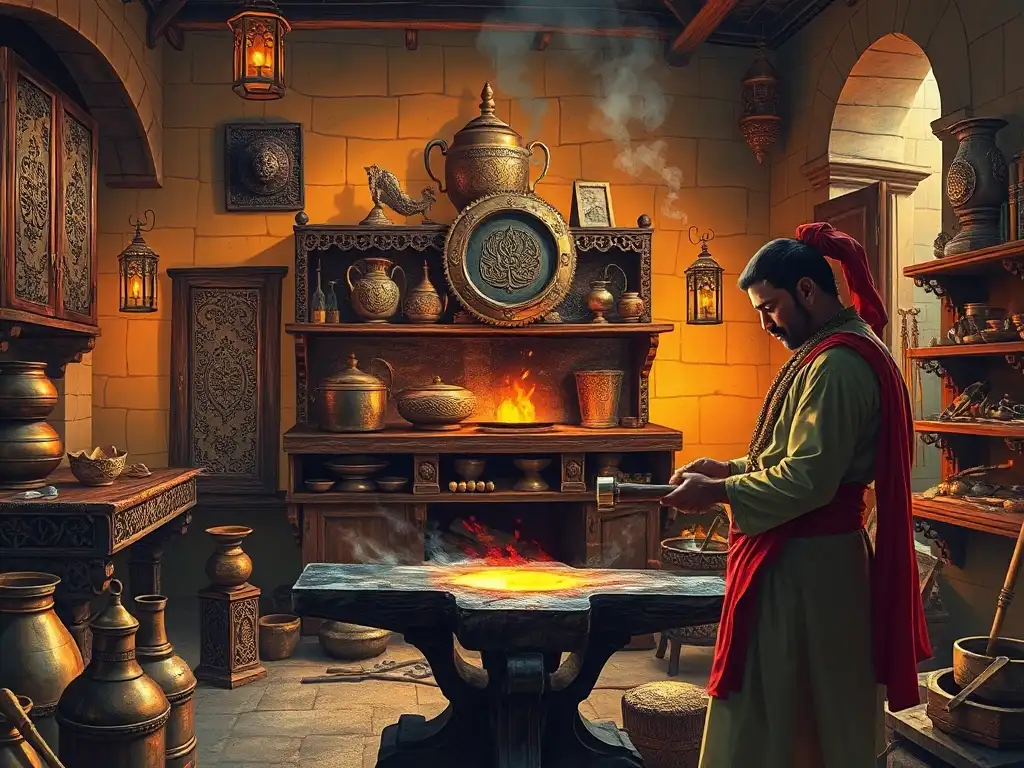
Ancient India is renowned for its advanced metallurgical techniques that laid the foundation for many modern practices. The artisans of this period exhibited remarkable skills in the extraction, purification, and manipulation of metals, particularly in the crafting of tools, weapons, and decorative items. Notable techniques included:
- Wootz Steel Production: This process involved the creation of high-quality steel known for its toughness and ability to be honed to a sharp edge. Wootz steel was produced using crucible techniques, which allowed for the controlled melting of iron with specific carbon content, resulting in a unique patterned steel.
- Iron Smelting: The extraction of iron from its ores was a significant achievement, with ancient Indian forges producing wrought iron that was superior to many of its contemporaries. The use of bloomeries, which were simplistic furnaces that operated at high temperatures, was crucial in this process.
- Copper and Bronze Metallurgy: The civilizations of the Indus Valley, particularly, showcased their expertise in copper and bronze work, crafting intricate artifacts that demonstrated high levels of artistry and functionality.
Extraction and Purification of Metals
The extraction and purification of metals in ancient India were sophisticated processes that involved several steps to ensure high-quality output.
- Ore Selection: Skilled metallurgists selected ores based on their metal content and purity. They primarily extracted metals like copper, lead, silver, and gold from their respective ores.
- Roasting: The ores were roasted to remove impurities and facilitate easier extraction. This process involved heating the ores in the presence of air, which helped oxidize unwanted elements.
- Smelting: The roasted ores were then smelted in furnaces, often constructed from clay or bricks. Ancient Indian furnaces were capable of reaching high temperatures, essential for separating metals from their ores.
- Refining: After extraction, the metals underwent refining to enhance purity. Techniques such as cupellation were employed, particularly for precious metals like silver and gold, which involved heating them in a crucible to separate them from lead and other impurities.
Alloying Techniques and Their Applications
Alloying was a crucial aspect of ancient Indian metallurgy, enhancing the properties of base metals to create superior materials.
- Bronze Alloys: The combination of copper with tin or arsenic resulted in bronze, which was harder and more durable than pure copper. This alloy was widely used in tools, weapons, and ceremonial artifacts.
- Steel Alloys: The creation of various steel alloys, including the famed wootz steel, involved the addition of carbon and other elements. This practice allowed for the production of blades that were not only strong but also had unique patterns due to the differential cooling of the steel during the forging process.
- Specialized Alloys: Artisans also experimented with various metals to produce specialized alloys for specific applications, such as brass for decorative items and tools, combining copper with zinc.
Innovative tools and techniques facilitated these processes, enabling craftsmen to push the boundaries of metallurgical innovation.
Innovative Tools and Equipment Used in Metallurgy
The metallurgical practices of ancient India were complemented by a range of innovative tools and equipment that enhanced productivity and precision.
- Furnaces: The design of furnaces evolved significantly over time. Early furnaces were simple clay structures, but advancements led to the development of more complex designs, such as the shaft furnace, which allowed for continuous operation and higher temperatures.
- Bellows: The introduction of bellows was crucial in increasing the airflow within furnaces, thereby raising temperatures to the required levels for smelting and forging metals. This innovation significantly improved efficiency in metal production.
- Molds and Casting Techniques: Craftsmen utilized molds made from clay or stone to cast metals into desired shapes. Techniques such as lost-wax casting allowed for intricate designs in bronze and gold, showcasing the artistry of ancient Indian metalworkers.
Cultural Exchange and Influence on Metallurgy
Cultural exchange played a pivotal role in the development of metallurgical knowledge in ancient India. This exchange was facilitated by trade routes and interactions with neighboring civilizations, enriching the techniques and practices of Indian metallurgists.
Trade Routes and Their Role in Metallurgical Knowledge Exchange
The extensive trade networks established during ancient times served as conduits for the exchange of metallurgical knowledge. Major trade routes, such as the Silk Road and maritime paths connecting India with the Middle East and Southeast Asia, facilitated not only the movement of goods but also ideas and techniques.
- Material Exchange: Indian traders exchanged high-quality metals and metallurgical products for raw materials and technologies from other regions. This exchange enriched the metallurgical practices in India, incorporating influences from other cultures.
- Knowledge Transfer: As artisans and traders interacted, they shared techniques and innovations. For example, knowledge of advanced smelting techniques from Persia or the alloying practices from the Mediterranean regions were absorbed and adapted by Indian metallurgists.
- Cultural Interactions: The blending of cultures through trade led to the establishment of workshops where artisans from diverse backgrounds collaborated, enhancing the overall metallurgical knowledge base.
Interaction with Neighboring Civilizations: Persia, China, and Beyond
Ancient India’s metallurgical practices were influenced significantly by interactions with neighboring civilizations, particularly Persia and China.
- Persian Influence: The Persian Empire, known for its advanced metallurgy, contributed to the Indian knowledge base, particularly in iron and steel production. Indian craftsmen adopted and adapted Persian techniques, leading to innovations in steel quality.
- Chinese Innovations: The ancient Chinese were also skilled metallurgists, especially in copper and iron. Through trade and interaction, Indian metallurgists learned about new tools and techniques, which further enhanced their own practices.
- Cross-Cultural Collaborations: Interactions with various cultures allowed for the sharing of ideas and technologies, fostering an environment of innovation that benefitted metallurgical advancements in ancient India.
The Impact of Cultural Exchange on Indian Metallurgical Techniques
The cultural exchanges that occurred through trade and interaction with other civilizations had a profound impact on the development of metallurgical techniques in ancient India.
- Adoption and Improvement: Indian metallurgists did not merely adopt foreign techniques; they improved upon them. For instance, while influenced by Persian steel-making methods, Indian artisans developed the unique wootz steel, which became famous for its quality.
- Diverse Applications: The integration of new techniques led to a variety of applications in metallurgy. From weaponry to everyday tools, the improvements made through cultural exchanges allowed for advancements that were crucial for societal development.
- Legacy of Knowledge: The rich tapestry of cultural interactions ensured that metallurgical knowledge was preserved and passed down through generations. This legacy contributed significantly to the advancements seen in later periods, influencing not just India but also neighboring regions.
The cultural exchange of metallurgical knowledge in ancient India showcases a dynamic interplay of innovation, adaptation, and collaboration, culminating in a rich heritage that continues to be studied and appreciated today.
Notable Ancient Indian Metallurgical Sites
Ancient India was home to several notable metallurgical sites that played a crucial role in the development and exchange of metallurgical knowledge. These sites not only reflect the technological advancements of the time but also highlight the cultural interactions that took place across various regions. Archaeological excavations have uncovered evidence of sophisticated techniques employed by ancient metallurgists, showcasing their ability to manipulate metals for various applications.
Archaeological Discoveries and Their Significance
Archaeological discoveries in sites such as Harappa and Mohenjo-Daro have provided significant insights into the metallurgical practices of the Indus Valley Civilization. Artifacts such as bronze tools, copper ornaments, and weight measures indicate a well-established system of metallurgy. The presence of furnaces, slag, and crucibles in these sites suggests that the inhabitants had advanced knowledge of smelting and alloying processes.
Furthermore, the discovery of ancient texts, such as the Arthashastra and Sushruta Samhita, highlights the theoretical understanding of materials and their applications. These texts provide evidence of the importance placed on metallurgy in various aspects of life, from warfare to medicine. The implications of these discoveries extend beyond mere technological advancement; they reveal a complex social structure where metallurgy played a key role in trade and cultural exchange.
Important Locations for Metallurgical Practices in Ancient India
Key locations that were significant for metallurgical practices include:
- Taxila: A renowned center for learning and trade, Taxila was pivotal in the exchange of metallurgical knowledge. It attracted scholars and craftsmen from various regions, facilitating the spread of techniques and innovations.
- Kanchipuram: Known for its production of copper and bronze artifacts, Kanchipuram was an important site for artisans who specialized in intricate metalwork. The abundance of raw materials in the region contributed to its prominence.
- Golconda: Famous for its diamond mines, Golconda also had a thriving metallurgical industry, particularly in the production of weapons and armor. The techniques developed here were highly sought after and influenced neighboring cultures.
- Raigarh: This region was known for its rich deposits of iron ore, leading to advancements in iron metallurgy. The iron produced here was not only used locally but also traded extensively with other cultures.
Case Studies of Notable Metallurgical Innovations
The innovations in metallurgy during ancient India were not limited to the production of metals but extended to the development of unique techniques that had far-reaching impacts both locally and globally. Here are two notable case studies that exemplify this.
The Production of Wootz Steel and Its Global Influence
Wootz steel, known for its exceptional quality and durability, is perhaps one of the most significant contributions of ancient Indian metallurgy. Originating in South India around the 3rd century BCE, Wootz steel was produced using a unique process that involved the use of high-carbon iron and specific alloying techniques. The resulting steel was characterized by its distinctive patterns, often referred to as "Damascus steel" in other cultures, due to its resemblance to the famous blade-making tradition of Damascus, Syria.
The global influence of Wootz steel can be seen in historical references that highlight its desirability among traders and warriors alike. It was highly sought after in markets across the Middle East, Europe, and even as far as China. The quality of Wootz steel not only revolutionized weaponry but also influenced the development of metallurgy in other civilizations, showcasing the significant cultural exchanges that occurred through trade.
The Role of Ancient Indian Metallurgy in Art and Sculpture
Ancient Indian metallurgy also made remarkable contributions to art and sculpture, particularly through the use of metals in religious and decorative artifacts. The casting techniques employed by artisans allowed for the creation of intricate sculptures, such as the famous bronze statues of the Chola dynasty, which are celebrated for their artistry and craftsmanship.
The lost-wax casting method, used to produce detailed bronze images of deities, exemplifies the intersection of metallurgy and spirituality in ancient India. These sculptures not only served religious purposes but also reflected the socio-cultural dynamics of the time. The ability to create lifelike representations in metal showcases the advanced skills of ancient artisans and their understanding of material properties.
The metallurgical innovations of ancient India were pivotal in shaping not only the technological landscape but also the cultural and artistic heritage of the region. The exchange of knowledge and techniques across borders highlighted the interconnectedness of ancient civilizations, ultimately enriching the global metallurgical narrative.
Conclusion: Legacy of Ancient Indian Metallurgical Techniques
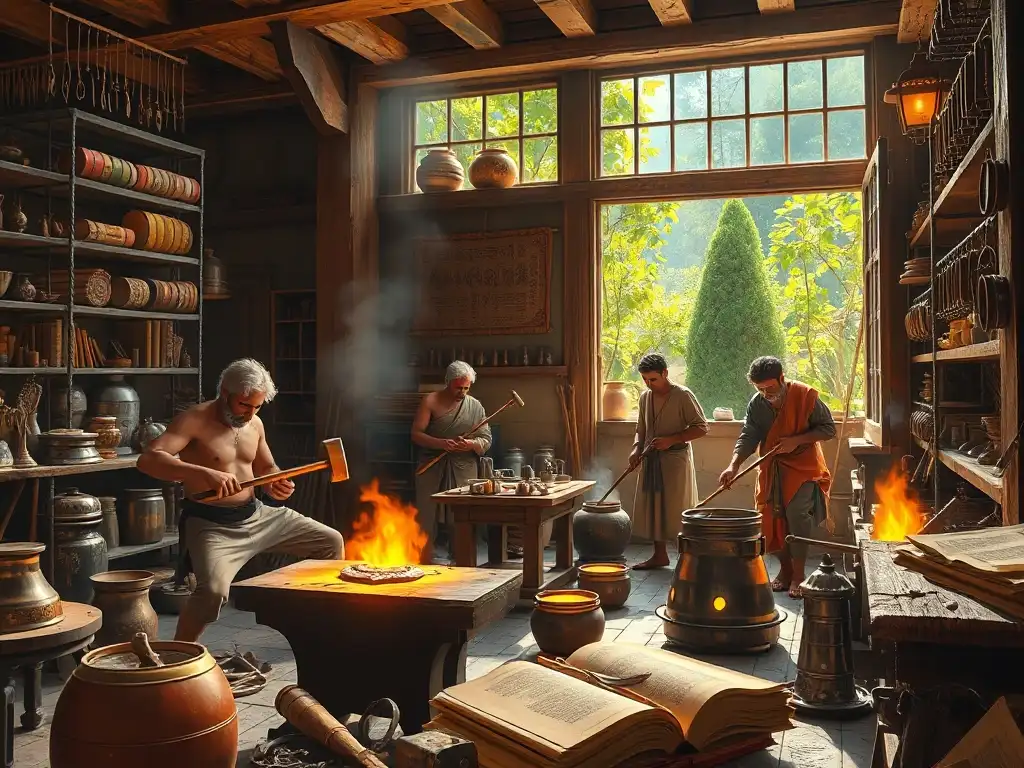
The ancient Indian metallurgical techniques have left an indelible mark on the field of metallurgy, influencing not only regional practices but also contributing to global advancements. The mastery over metals such as copper, bronze, and iron showcased the ingenuity of ancient Indian artisans and their ability to innovate through experimentation and cultural exchange. The legacy of these techniques is evident in archaeological finds, such as the intricate metalwork from the Indus Valley Civilization and the advanced iron smelting technologies developed during the Gupta period.
These practices laid the groundwork for subsequent generations, establishing a rich tradition of metallurgy that would inspire future civilizations. The blend of local resources, skilled craftsmanship, and knowledge transfer through trade routes resulted in significant advancements that transcended geographical boundaries. Today, modern metallurgists continue to explore and revive ancient techniques, recognizing their relevance in contemporary material science and engineering.
Lasting Influence on Modern Metallurgy and Material Science
The principles and practices of ancient Indian metallurgy have significantly influenced modern metallurgical processes and material science. Techniques such as the production of high-purity metals, alloying, and heat treatment can be traced back to ancient practices. For instance, the renowned Indian Wootz steel, known for its exceptional hardness and resilience, has inspired contemporary steel production techniques. The process of producing this high-quality steel involved intricate knowledge of carbon content and temperature control, which parallels modern metallurgical practices.
Moreover, ancient Indian techniques of metalworking, including casting, forging, and alloying, have been studied and adapted by modern metallurgists seeking sustainable practices. The integration of these traditional methods into contemporary manufacturing highlights the enduring legacy of ancient Indian craftsmanship. By exploring the historical context of these techniques, modern science can uncover valuable insights for innovations in material properties and applications.
Reflections on the Importance of Cultural Exchange in Technological Advancement
Cultural exchange has been a catalyst for technological advancement throughout history, and the realm of metallurgy in ancient India exemplifies this phenomenon. The interactions between diverse civilizations facilitated the exchange of knowledge, materials, and techniques, leading to remarkable innovations. Through trade routes such as the Silk Road, ancient Indian metallurgists shared their expertise with neighboring cultures, leading to the spread of advanced practices.
This exchange not only enriched the metallurgical techniques of the time but also fostered a spirit of collaboration and learning among different societies. The ability to adapt and refine techniques from various sources underscores the importance of cultural exchange in driving technological progress. As we reflect on the achievements of ancient Indian metallurgy, it becomes evident that fostering collaboration and sharing knowledge remains crucial for continued innovation in our rapidly evolving world. By recognizing and valuing these historical interactions, we can better understand the interconnectedness of cultures and their collective contributions to technological advancement.
- Introduction to Ancient Indian Metallurgical Techniques
- Overview of Metallurgy in Ancient India
- Importance of Metallurgical Knowledge in Ancient Civilizations
- Historical Context of Metallurgical Practices
- Key Ancient Indian Metallurgical Techniques
- Cultural Exchange and Influence on Metallurgy
- Notable Ancient Indian Metallurgical Sites
- Case Studies of Notable Metallurgical Innovations
- Conclusion: Legacy of Ancient Indian Metallurgical Techniques
- Lasting Influence on Modern Metallurgy and Material Science
- Reflections on the Importance of Cultural Exchange in Technological Advancement
- What are ancient Indian metallurgical techniques?
- How did cultural exchange influence metallurgical knowledge in ancient India?
- Which civilizations were known for their metallurgical advancements?
- What were some key contributions of ancient Indian metallurgy?
- How did ancient Indian metallurgical techniques impact later societies?
Frequently Asked Questions
What are ancient Indian metallurgical techniques?
Ancient Indian metallurgical techniques refer to the processes and methods used by civilizations in India to extract, refine, and manipulate metals such as copper, bronze, and iron.
How did cultural exchange influence metallurgical knowledge in ancient India?
Cultural exchange facilitated the sharing of metallurgical knowledge between ancient Indian civilizations and neighboring regions, resulting in improved techniques and innovations in metalworking.
Which civilizations were known for their metallurgical advancements?
The Indus Valley Civilization and the Gupta Empire are particularly noted for their advanced metallurgical practices, including the production of high-quality steel and alloys.
What were some key contributions of ancient Indian metallurgy?
Ancient Indian metallurgy contributed to the development of tools, weapons, and art through the innovative use of metals, which played a crucial role in both daily life and trade.
How did ancient Indian metallurgical techniques impact later societies?
The skills and methods developed in ancient India laid the groundwork for later industrial practices, influencing metallurgical advancements in Asia and beyond, thus shaping global metalworking traditions.
Final Reflection: The Enduring Legacy of Ancient Indian Metallurgical Techniques
The exploration of ancient Indian metallurgical techniques reveals not only the ingenuity of past civilizations but also their profound relevance in today's world. As we navigate an era marked by rapid technological advancements and a growing need for sustainable practices, the lessons from ancient metallurgical knowledge remind us of the importance of innovation rooted in tradition. The remarkable achievements of ancient Indian artisans in metallurgy serve as a testament to human creativity and resilience, inspiring us to seek solutions that honor both our heritage and our future.
The influence of ancient Indian metallurgical techniques extends far beyond historical curiosity; it shapes our cultural and social landscape today. The techniques developed by these skilled craftsmen have laid the groundwork for modern metallurgy and materials science, emphasizing the significance of knowledge transfer across generations. As we reflect on this rich legacy, we are reminded of the words of Mahatma Gandhi: A nation’s greatness is measured by how it treats its weakest members.
This sentiment resonates deeply within the context of metallurgical knowledge, as it underscores the importance of sharing and preserving wisdom for the benefit of all.
As we conclude this exploration of ancient Indian metallurgical techniques, I invite you to reflect on how these lessons can be applied in your own life. Consider how the principles of innovation, sustainability, and knowledge sharing can guide your actions and decisions today. Embrace the spirit of inquiry and creativity that characterized the artisans of ancient India, and let it inspire you to forge new paths in your own endeavors. Together, we can honor the past while shaping a brighter future, drawing from the wellspring of knowledge that has been passed down through the ages.
Unveil the Rich Tapestry of Metallurgical Wisdom!
Thank you for diving into the fascinating world of metallurgical knowledge in ancient India! Your interest reveals a commitment to understanding the remarkable innovations that shaped history. Now, let's take your curiosity a step further by exploring practical actions you can pursue.
- Discover Ancient Techniques: Research traditional metallurgical methods used in ancient India and experiment with them in your own projects.
- Join a Community: Engage with forums or social media groups focused on ancient cultures and metallurgy to share insights and learn from others.
- Share Your Knowledge: Write a blog post or create a video discussing your discoveries and spark conversations about the significance of metallurgy in cultural exchanges.
What aspect of ancient Indian metallurgy intrigues you the most, and how can you apply that knowledge in today's world?