
The Influence of Ancient Indian Metallurgy on Neighboring Civilizations

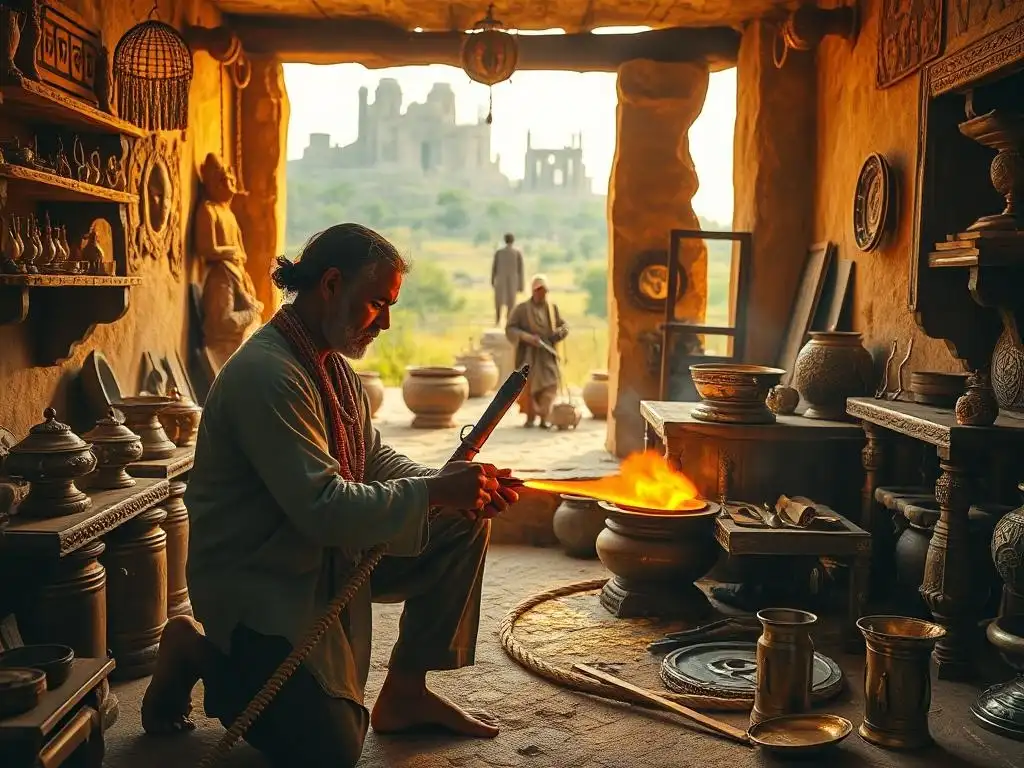
Welcome to Ancient India History, where we embark on a fascinating journey through the rich tapestry of ancient Indian civilizations. In this exploration, we shine a spotlight on the remarkable influence of ancient Indian metallurgy, a pivotal force that shaped not only local innovation but also inspired neighboring cultures. What secrets did these ancient artisans hold, and how did their groundbreaking techniques pave the way for advancements across the globe? Join us as we delve deeper into this captivating topic, unraveling the threads of history that connect us all.
Introduction to Ancient Indian Metallurgy
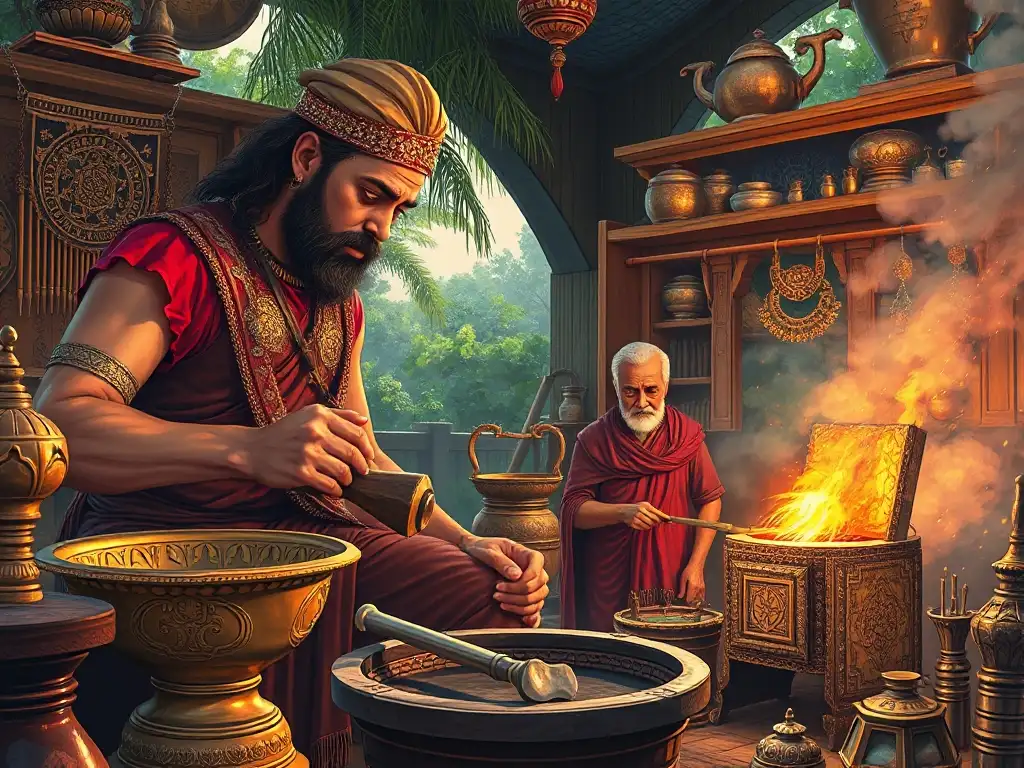
Ancient Indian metallurgy is a pivotal chapter in the annals of technological advancement, showcasing a blend of innovation, skill, and cultural significance. Emerging as one of the earliest centers of metallurgical expertise, ancient India laid the groundwork for numerous advancements that not only transformed its own civilizations but also exerted a profound influence on neighboring cultures.
From the sophisticated iron smelting techniques to the production of legendary steel, the metallurgical practices of ancient India have left an indelible mark on global history. This article delves into the myriad ways in which ancient Indian metallurgy influenced neighboring civilizations, exploring key innovations and practices that exemplified the ingenuity of Indian artisans and their far-reaching impact.
Overview of Metallurgical Practices in Ancient India
The metallurgical practices in ancient India can be traced back to the Indus Valley civilization, where evidence of copper and bronze artifacts highlights the early use of metals. The subsequent Vedic period saw a diversification of techniques and materials, including the production of iron tools and weapons. Notably, the art of metallurgy was not merely a craft in ancient India; it was intertwined with trade, religion, and daily life. Key practices included:
- Iron Smelting: Development of iron metallurgy during the early centuries BCE, with the establishment of ironworking centers.
- Alloy Production: Mastery in creating alloys, particularly brass, which was widely utilized in various applications.
- Casting Techniques: Innovations in casting and forging increased the efficiency and quality of metal products.
The metallurgical expertise of ancient Indian craftsmen was recognized not only within the subcontinent but also across borders, as trade routes facilitated the exchange of goods and ideas.
Importance of Metallurgy in Ancient Indian Society
Metallurgy played a crucial role in shaping ancient Indian society, impacting various aspects of life, including warfare, agriculture, and trade. The ability to produce high-quality tools and weapons significantly enhanced agricultural productivity and military prowess. This technological advancement fostered economic growth and contributed to the rise of powerful empires, such as the Maurya and Gupta dynasties. Additionally, metallurgy held cultural significance, with metal objects often used in religious rituals and as symbols of wealth and status.
Key Innovations in Ancient Indian Metallurgy
Development of Steel: Wootz Steel and Its Significance
One of the most remarkable contributions of ancient Indian metallurgy is the development of Wootz steel, renowned for its exceptional quality and durability. This high-carbon steel, produced in South India, was characterized by its unique patterned surface, a result of specific forging techniques. Wootz steel became highly sought after in global markets, influencing steel production in regions such as Europe and the Middle East. The significance of Wootz steel lies not only in its material properties but also in its role as a catalyst for trade and cultural exchange.
Techniques in Gold and Silver Metallurgy
Gold and silver metallurgy flourished in ancient India, with artisans employing sophisticated techniques for extraction and refinement. Ancient texts mention various methods such as cupellation and amalgamation, which allowed craftsmen to produce exquisite jewelry and ceremonial objects. The intricate designs and craftsmanship in gold and silver artifacts reflected the rich cultural heritage of ancient India and established a benchmark for artistry that resonated throughout the region.
Advances in Copper and Bronze Working
Copper and bronze working were foundational to the technological landscape of ancient India. The production of bronze items, including tools, weapons, and decorative artifacts, showcased the advanced metallurgical knowledge of ancient Indian artisans. Notably, the casting of the famous bronze statue of the dancing girl from Mohenjo-Daro exemplifies the high level of skill achieved in metalworking. These advances not only supported local economies but also played a vital role in trade networks, facilitating interactions with neighboring civilizations and contributing to the spread of metallurgical knowledge.
The Spread of Ancient Indian Metallurgy
The influence of ancient Indian metallurgy extended far beyond its borders, shaping the metallurgical practices of neighboring civilizations. From approximately 3000 BCE, Indian metallurgists excelled in various techniques, particularly in the production of high-quality steel, copper, and bronze. The renowned quality of Indian metals, especially Wootz steel, attracted traders and artisans from various regions, facilitating a cultural and technological exchange that would impact metallurgical practices across Asia.
The spread of these metallurgical techniques was primarily driven by trade and cultural interactions. As Indian traders ventured into regions such as Persia, Central Asia, and Southeast Asia, they carried not only their goods but also their metallurgical knowledge. This exchange fostered the incorporation of Indian techniques into local practices, leading to significant advancements in metalworking across these regions.
Trade Routes Facilitating Metallurgical Exchange
The establishment of trade routes was pivotal in the dissemination of ancient Indian metallurgy. Key trade networks, such as the Silk Road and maritime routes connecting India to the Middle East and beyond, served as conduits for the exchange of metallurgical knowledge and materials.
- Silk Road: This extensive network linked India with Central Asia, Persia, and China, enabling the transfer of iron and steel techniques along with finished metal goods. Indian traders introduced advanced techniques in smelting and alloying, which were adopted and adapted by local craftsmen.
- Maritime Trade Routes: Traders from Indian ports, such as Lothal and Bharukachchha, navigated the Arabian Sea and the Bay of Bengal, connecting India with Southeast Asia and the eastern shores of Africa. These routes facilitated the movement of not only goods but also metallurgical innovations, impacting regions like the Malay Archipelago and Madagascar.
These trade routes were instrumental in creating a vibrant exchange of ideas, leading to the evolution of metalworking traditions across various cultures.
Cultural Interactions with Neighboring Civilizations
Cultural interactions between ancient India and its neighbors played a significant role in the spread of metallurgical knowledge. Diplomatic missions, military expeditions, and the migration of artisans facilitated a mutual exchange of ideas and technologies.
For instance, the Mauryan Empire established diplomatic relations with the Hellenistic kingdoms, which led to the transfer of metallurgical techniques between Indian and Greek artisans. The arrival of Alexander the Great in India not only introduced Greek metalworking techniques but also allowed Indian craftsmen to showcase their advanced skills in metallurgy.
Moreover, religious exchanges, particularly through Buddhism, contributed to the sharing of metallurgical knowledge. As Buddhism spread to Central Asia and China, it carried with it Indian techniques in metal casting and alloy production, influencing local practices significantly.
Influence on Neighboring Civilizations
The impact of ancient Indian metallurgy on neighboring civilizations is profound and multifaceted. From innovations in metal production to the development of new tools and weapons, the influence can be observed in various regions.
Impact on Persian Metallurgy
Ancient Indian metallurgy significantly influenced Persian craftsmanship, particularly during the Achaemenid Empire. Indian artisans introduced advanced techniques in iron smelting and steel production, which were adopted by Persian metalworkers.
- Wootz Steel: The famous Indian Wootz steel became highly sought after in Persia, leading to the creation of superior swords and tools. The demand for this high-quality steel not only enhanced Persian military capabilities but also established a trade relationship that underscored the importance of metallurgy in regional power dynamics.
Persian artisans incorporated Indian techniques into their metalworking practices, leading to innovations in weaponry and ornamental metalwork, which showcased the fusion of Indian and Persian styles.
Contributions to Chinese Metallurgical Techniques
The influence of ancient Indian metallurgy also extended to China, especially during the Han Dynasty. Indian traders and artisans brought with them advanced metallurgical knowledge that contributed to significant developments in Chinese metalworking.
- Iron Production: The introduction of Indian techniques in iron smelting and casting processes enabled Chinese artisans to enhance their production methods. This led to an increase in the quality and quantity of iron tools and weapons in China.
- Alloy Production: The knowledge of alloying practices, particularly in the production of bronze, allowed for the creation of more durable and versatile materials, thus improving technological innovation in various sectors, including agriculture and warfare.
These exchanges had a lasting impact on Chinese metallurgy, leading to advancements that would shape the region's technological landscape for centuries.
Influence on Southeast Asian Metalworking Traditions
Ancient Indian metallurgy also played a crucial role in shaping the metalworking traditions of Southeast Asia. As Indian traders traversed maritime routes, they brought with them not only metals but also their expertise in metallurgy.
- Cultural Exchange: The establishment of Indianized kingdoms in regions such as present-day Indonesia and Malaysia allowed for the integration of Indian metallurgical techniques into local practices.
- Development of Bronze and Iron Tools: Local artisans adopted Indian methods for bronze casting and iron smelting, leading to a flourishing of metalworking traditions in Southeast Asia. The production of bronze artifacts, tools, and ceremonial objects mirrored Indian techniques, showcasing the profound influence of ancient Indian metallurgy.
Through these interactions, ancient Indian metallurgical practices laid the groundwork for the sophisticated metalworking traditions that emerged throughout Southeast Asia, highlighting the enduring legacy of India's contributions to global metallurgy.
Case Studies of Metallurgical Influences
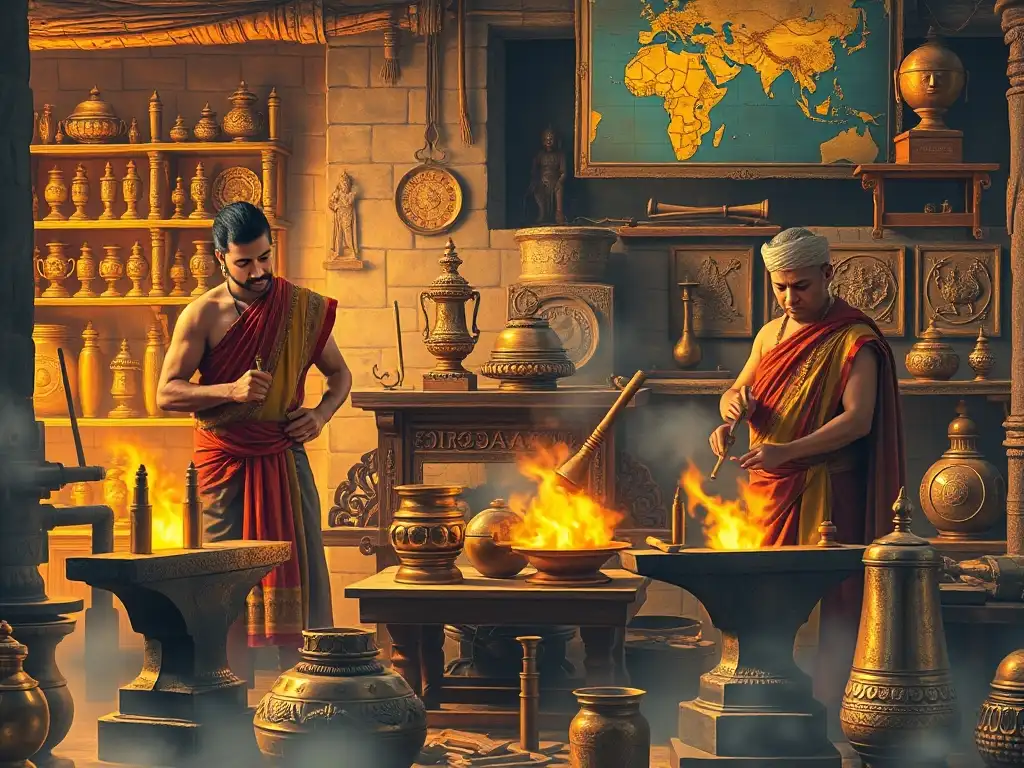
The influence of ancient Indian metallurgy extends far beyond the subcontinent, impacting various civilizations through trade, migration, and cultural exchange. Two notable case studies illustrate this profound influence: the renowned Wootz steel in the Middle East and the presence of Indian metal artifacts in Southeast Asia. These examples showcase how Indian metallurgical innovations were absorbed and adapted by neighboring cultures, leading to significant developments in their own metallurgical practices.
A Study of Wootz Steel in the Middle East
Wootz steel, known for its exceptional quality and ability to be forged into sharp blades, originated in ancient India and became a symbol of metallurgical excellence. The production of Wootz steel involved a unique process that included the use of high-quality iron ores combined with specific carbon-rich materials. This technique produced a steel that was not only strong but also had a distinctive pattern, often referred to as "Damascus steel" in the Middle East.
As trade routes expanded, especially during the time of the Silk Road, Wootz steel reached regions such as Persia and Arabia, where it was highly sought after. Middle Eastern blacksmiths adopted and adapted Indian techniques, further refining the production processes. The demand for Wootz steel led to the establishment of trade links between India and these regions, contributing to the exchange of knowledge and technology.
The legacy of Wootz steel persists today, as contemporary metallurgists continue to study the techniques used by ancient Indian artisans. This steel not only influenced weaponry but also inspired artistic metalwork, demonstrating the multifaceted impact of ancient Indian metallurgy on neighboring civilizations.
Analysis of Indian Metal Artifacts in Southeast Asia
The archaeological findings in Southeast Asia reveal a rich tapestry of Indian metal artifacts that illuminate the extent of ancient Indian metallurgy's influence. Indian traders and artisans brought their metallurgical skills to regions such as Indonesia, Thailand, and Malaysia, where they implemented their techniques in local practices.
Artifacts such as bronze sculptures, iron tools, and gold ornaments found in archaeological sites, like those in the Borobudur temple complex and the ancient city of Srivijaya, indicate the adaptation of Indian metallurgical practices. The presence of Indian-style metallurgy in these regions showcases not only the trade of goods but also the exchange of ideas and craftsmanship.
Furthermore, the influence of Indian metallurgy in Southeast Asia is evident in the local production of metals and the development of unique styles that blended Indian techniques with indigenous practices. This cultural and technological exchange highlights how ancient Indian metallurgy contributed to the advancement of material science in Southeast Asia, shaping the region's historical and cultural identity.
Technological Transfer and Adaptation
The transfer of metallurgical technology from ancient India to neighboring civilizations was not a mere act of borrowing; it involved a complex process of adaptation and innovation. This section explores how ancient Indian metallurgy inspired local practices and the role skilled artisans played in facilitating cultural exchange.
How Ancient Indian Metallurgy Inspired Local Practices
Ancient Indian metallurgical techniques served as a catalyst for innovation in neighboring regions. As Indian metallurgists shared their knowledge, local artisans began to experiment with new methods and materials. For instance, the techniques for smelting and alloying metals, developed in India, were integrated into the practices of Middle Eastern and Southeast Asian craftsmen.
In many cases, these regions adapted Indian methods to suit their own resources and cultural contexts. For example, while Indian artisans primarily used iron and steel, Southeast Asian craftsmen explored the possibilities of local metals, leading to unique alloys and products. This adaptation not only preserved the essence of Indian metallurgy but also fostered the emergence of new practices that enriched local traditions and technologies.
The influence of ancient Indian metallurgy is evident in the creation of hybrid artifacts that reflect both Indian and local styles. This blending of techniques illustrates the dynamic nature of technological transfer and the role of innovation in shaping the metallurgical landscape of neighboring civilizations.
The Role of Skilled Artisans in Cultural Exchange
Skilled artisans were pivotal in the exchange of metallurgical knowledge and practices between ancient India and its neighbors. These craftsmen not only mastered the techniques of their trade but also served as cultural ambassadors. Through their travels for trade or migration, they brought with them the rich traditions of Indian metallurgy, influencing local artisans and practices.
The interactions between Indian and local artisans often led to collaborative efforts, resulting in the fusion of artistic styles and technological innovations. For instance, the intricate designs of Indian metalwork inspired local craftsmen to experiment with new forms and techniques, creating a distinctive blend that characterized many Southeast Asian metal artifacts.
Moreover, the establishment of guilds and workshops that included artisans from diverse backgrounds fostered an environment of learning and experimentation. This cultural exchange was crucial in promoting the growth of metallurgy as a science and art form across regions, ensuring that ancient Indian metallurgical influence left a lasting legacy that transcended geographical boundaries.
Through these collaborative efforts, ancient Indian metallurgy not only influenced neighboring civilizations but also contributed to the rich tapestry of global metallurgical history, underscoring the interconnectedness of ancient cultures.
Conclusion: The Legacy of Ancient Indian Metallurgy
The legacy of ancient Indian metallurgy is profound and far-reaching, extending beyond the geographical boundaries of the Indian subcontinent. The technological advancements achieved by early metallurgists in India not only facilitated the development of sophisticated tools and weapons but also fostered trade and cultural exchanges with neighboring civilizations. The expertise in extracting metals, particularly copper, bronze, and iron, laid the groundwork for subsequent innovations in metallurgy, influencing various cultures across Asia and even Europe.
Ancient Indian metallurgists were pioneers in techniques such as smelting, alloying, and casting. The creation of high-quality steel, particularly the famed Wootz steel, exemplifies the advanced metallurgical knowledge possessed by these civilizations. The spread of these techniques and materials through trade routes significantly contributed to the technological and cultural advancements of neighboring regions. As such, the influence of ancient Indian metallurgy is not a mere footnote in history; it is a cornerstone of technological progress that reverberates through time.
Summary of Key Influences
The influence of ancient Indian metallurgy can be summarized through several key aspects:
- Technological Innovations: The development of advanced smelting techniques and the ability to produce high-quality alloys had a significant impact on the metallurgical practices of neighboring regions.
- Cultural Exchange: The trade of metallic goods fostered relationships between ancient Indian civilizations and other cultures, facilitating the exchange of ideas, techniques, and materials.
- Economic Growth: The flourishing metallurgy industry contributed to economic prosperity by enhancing trade networks, thereby connecting India with distant lands.
- Military Advancements: The production of superior weapons and tools led to enhanced military capabilities, influencing the power dynamics in the region and beyond.
These influences not only shaped the technological landscape of the time but also set the stage for future advancements in metallurgy across different cultures.
Lasting Impact on Modern Metallurgical Practices
The principles and techniques established by ancient Indian metallurgists continue to resonate in modern metallurgical practices. Several aspects of their methods have found their way into contemporary techniques:
- Alloy Development: The ancient practice of creating complex alloys has influenced modern metallurgy, particularly in the production of steel and other composite materials used in various industries.
- Sustainable Practices: The methods employed by ancient metallurgists, often utilizing local resources and minimal environmental impact, resonate with today's focus on sustainable manufacturing processes.
- Global Trade Influence: The trade routes established for the exchange of metal goods have paved the way for global trade practices, emphasizing the importance of material science in economic relationships.
The understanding and application of ancient metallurgical techniques have led to innovations that remain integral to modern technology, showcasing the enduring legacy of ancient Indian metallurgy.
References
Books and Articles on Ancient Indian Metallurgy
-
"Metallurgy in Ancient India" by R. Balasubramaniam
This comprehensive book delves into the techniques and advancements in metallurgy during ancient Indian times, providing a detailed analysis of historical practices and their significance.
-
"The Rise of Iron in Ancient India" by B. D. Chattopadhyay
This article discusses the development and impact of iron metallurgy in India, highlighting its role in shaping ancient civilization.
-
"Wootz Steel: Ancient Indian Steelmaking" by D. P. Agrawal
This publication examines the methodology behind Wootz steel production and its historical importance, tracing its influence on global metallurgical practices.
Sources for Further Reading on Metallurgical Influences
-
"The Legacy of Ancient Indian Science" by A. K. Sharma
This book provides insights into various scientific advancements in ancient India, including metallurgy, and their effects on neighboring cultures.
-
"Trade and Cultural Exchange in Ancient India" by M. N. Dutta
This article explores the connections between metallurgy and trade, illustrating how these interactions shaped civilizations across Asia.
-
"Metallurgical Innovations of the Ancient World" by J. R. Smith
This resource discusses various metallurgical innovations from around the globe, with a section dedicated to the contributions of ancient Indian metallurgists.
Through these readings, one can gain a deeper understanding of the extensive influence that ancient Indian metallurgy has had on the development of technologies throughout history.
- Introduction to Ancient Indian Metallurgy
- Key Innovations in Ancient Indian Metallurgy
- The Spread of Ancient Indian Metallurgy
- Influence on Neighboring Civilizations
- Case Studies of Metallurgical Influences
- Technological Transfer and Adaptation
- Conclusion: The Legacy of Ancient Indian Metallurgy
- References
Frequently Asked Questions
What was the significance of ancient Indian metallurgy?
Ancient Indian metallurgy was crucial for advancing technologies in weaponry, agriculture, and trade, significantly influencing neighboring civilizations.
How did ancient Indian metallurgy influence neighboring regions?
The techniques and innovations in metallurgy from ancient India were adopted by neighboring cultures, enhancing their own metalworking practices and economic development.
What are some key achievements in ancient Indian metallurgy?
Key achievements include the production of high-quality steel, such as wootz steel, and advanced techniques for cast iron, which were pioneering for their time.
How did the Gupta Empire contribute to metallurgy?
The Gupta Empire is known for its refinement of metalworking techniques and the production of coins, which facilitated trade and economic growth across the region.
What materials were primarily used in ancient Indian metallurgy?
Ancient Indian metallurgists primarily used copper, bronze, and iron to create tools, weapons, and decorative items, showcasing their advanced knowledge of materials.
Final Reflection: The Enduring Legacy of Ancient Indian Metallurgy
The influence of ancient Indian metallurgy on neighboring civilizations is a testament to the ingenuity and innovation of our ancestors. Today, as we navigate a world increasingly driven by technology and material science, the principles and techniques developed by ancient metallurgists continue to resonate. Their pioneering spirit not only laid the groundwork for advancements in metallurgy but also fostered cultural exchanges that shaped the very fabric of societies across regions. This legacy reminds us that the past is not merely a collection of dates and events; it is a living influence that shapes our present and future.
The impact of ancient Indian metallurgy extends far beyond the realm of science; it has woven itself into the cultural and social narratives of many civilizations. From the intricate craftsmanship of metalwork to the philosophical ideas surrounding material transformation, this ancient knowledge has inspired generations. As we reflect on this influence, we are reminded of the words of the historian R. N. Sharma: The art of metallurgy is not just a technical skill; it is a bridge connecting cultures and ideas.
This observation underscores the importance of recognizing our shared heritage and the ways in which ancient practices continue to inform contemporary life.
As we conclude our exploration of ancient Indian metallurgy's influence, I invite you to reflect on how these lessons can be applied in your own life. Consider the ways in which innovation and collaboration can lead to progress in your community. Whether it’s through embracing new technologies, fostering cultural exchanges, or simply appreciating the craftsmanship in everyday objects, let the spirit of ancient metallurgists inspire you to forge connections and create a legacy of your own. The past holds invaluable lessons for the future, and it is up to us to carry that torch forward.
Unveil the Legacy of Ancient Metallurgy!
Thank you for exploring the fascinating world of ancient Indian metallurgy with us! Your interest in this rich history not only deepens your knowledge but also highlights the immense impact these innovations had on neighboring civilizations. Now, let’s take the next step and bring this knowledge to life!
- Dive deeper: Explore specific techniques used in ancient Indian metallurgy by visiting our comprehensive guides available on our website.
- Share your insights: Discuss what you’ve learned with friends or share your thoughts on social media, using the hashtag #AncientIndianMetallurgy to connect with fellow history enthusiasts.
- Join our community: Sign up for our newsletter to receive exclusive articles and updates on topics that continue to enrich our understanding of history.
In what ways do you think ancient Indian metallurgy has influenced modern technology in your country?