
How the Knowledge of Metallurgy Spread Across Ancient India

Welcome to Ancient India History, where we embark on a fascinating journey through time to uncover the rich tapestry of Indian civilizations. In this captivating exploration, we delve into the intricate world of metallurgy in ancient India history, a pivotal aspect that showcases the remarkable innovations and technological advancements of the era. How did ancient metallurgists transform raw materials into stunning artifacts and tools? Join us as we unravel the secrets behind these ancient practices and their far-reaching influence on society, sparking your curiosity to learn more about the vibrant contributions of the past!
- Introduction to Metallurgy in Ancient India History
- Historical Background of Metallurgy in Ancient India
- Key Regions Contributing to Metallurgy in Ancient India
- Major Innovations in Metallurgy in Ancient India
- Influential Figures in Ancient Indian Metallurgy
- Cultural Impacts of Metallurgy in Ancient Indian Society
- The Spread of Metallurgical Knowledge Beyond India
- Conclusion: The Significance of Metallurgy in Ancient India History
-
Frequently Asked Questions
- What role did metallurgy play in ancient Indian civilization?
- Which civilizations in ancient India were known for their metallurgical skills?
- How did metallurgical techniques evolve in ancient India?
- What contributions did ancient Indian metallurgy make to the world?
- How is metallurgy in ancient India relevant today?
- Final Reflection: The Enduring Legacy of Metallurgy in Ancient India
- Unveil the Secrets of Ancient Metallurgy!
Introduction to Metallurgy in Ancient India History
The history of metallurgy in ancient India is a fascinating journey that highlights the innovative spirit and technological prowess of its civilizations. From the well-planned cities of the Indus Valley to the flourishing empires of the Gupta period, ancient India was a cradle for metallurgical advancements that laid the foundation for future innovations.
Understanding how metallurgy spread across the subcontinent not only sheds light on the technological achievements of these cultures but also reveals the intricate connections between trade, craftsmanship, and cultural exchange. This article explores the significance of metallurgy in ancient Indian history, examining the contributions of various civilizations and the ways in which their knowledge and techniques disseminated over time.
Overview of Metallurgy and its Importance
Metallurgy, the science and technology of metals, played a crucial role in shaping ancient societies. It encompasses the extraction, processing, and utilization of metallic elements, which were fundamental to various aspects of daily life, economy, and warfare. The importance of metallurgy in ancient India can be summarized through several key points:
- Economic Development: The ability to work with metals such as copper, bronze, and iron facilitated trade and commerce, leading to economic growth and prosperity in ancient Indian civilizations.
- Technological Advancements: Innovations in metallurgy allowed for the creation of superior tools and weapons, enhancing agricultural productivity and military capabilities.
- Cultural Significance: Metal objects often held religious and cultural value, from ritualistic offerings to artistic expressions, reflecting the rich heritage of ancient Indian societies.
By understanding the evolution of metallurgy, we can grasp how it influenced various facets of life, enabling ancient civilizations to thrive and adapt to changing environments.
Brief Introduction to Ancient Indian Civilizations
Ancient India was home to a diverse range of civilizations, each contributing to the tapestry of its metallurgical history. Key civilizations include:
- Indus Valley Civilization (c. 3300–1300 BCE): Known for its advanced urban planning and craftsmanship, this civilization showcased early metallurgical practices, particularly in copper and bronze working.
- Vedic Period (c. 1500–500 BCE): Marked by the emergence of iron metallurgy, this era saw the development of agricultural tools and weaponry that transformed societal structures.
- Maurya and Gupta Empires (c. 322 BCE–550 CE): These empires experienced significant advancements in metallurgy, producing high-quality iron and introducing innovative techniques that influenced various industries.
These civilizations not only laid the groundwork for metallurgy in ancient India but also facilitated the exchange of knowledge and technology across regions, contributing to a rich and interconnected history of metallurgical practices.
Historical Background of Metallurgy in Ancient India
Metallurgy has played a pivotal role in the technological advancements of ancient civilizations, and India was no exception. The history of metallurgy in ancient India is deeply intertwined with the development of various cultures, trade practices, and innovations. Archaeological findings reveal that metallurgy emerged as one of the critical technologies that not only facilitated daily life but also influenced social structures, economic systems, and artistic expressions.
The earliest evidence of metallurgy in India can be traced back to the Indus Valley Civilization, which flourished from approximately 3300 to 1300 BCE. The Indus Valley people were adept at working with metals such as copper, bronze, and even lead, marking the beginning of a rich tradition of metalworking that would evolve over centuries. Subsequent civilizations continued to build upon these early techniques, leading to significant advancements during the Vedic period and beyond.
Early Evidence of Metallurgy in the Indus Valley Civilization
The Indus Valley Civilization is renowned for its advanced urban planning and sophisticated craftsmanship, which included metallurgy. Archaeological excavations in sites such as Harappa and Mohenjo-Daro have uncovered several artifacts that demonstrate the early use of metals.
- Copper: The earliest metal used was copper, with evidence showing that the inhabitants smelted copper ores to produce tools, ornaments, and utensils. The use of copper tools significantly improved agricultural practices and daily living.
- Bronze: The skillful alloying of copper with tin led to the creation of bronze, a material that offered enhanced durability and strength. This innovation allowed for the production of more effective tools and weapons, contributing to the civilization's military and economic power.
- Casting Techniques: The discovery of lost-wax casting techniques is noteworthy. This method enabled artisans to create intricate designs and forms, indicating a high level of artistic skill and innovation.
- Trade and Cultural Exchange: The Indus Valley Civilization engaged in trade networks that extended to Mesopotamia and beyond. This not only facilitated the exchange of goods but also the dissemination of metallurgical knowledge across regions.
The metallurgical practices of the Indus Valley Civilization laid the groundwork for subsequent advancements in metalworking techniques, influencing later Indian civilizations.
Transition of Metallurgical Techniques Over Time
As ancient Indian civilizations evolved, so too did their metallurgical practices. The transition in techniques can be categorized into several key phases, reflecting technological advancements and cultural influences.
- Vedic Period (1500–500 BCE):
- The Vedic texts mention metals like gold, silver, and iron, indicating an expansion in the variety of metals used.
- Iron metallurgy emerged during this period, leading to the production of iron tools and weapons, which revolutionized agriculture and warfare.
- Mauryan Empire (322–185 BCE):
- The Mauryan period saw significant advancements in metallurgy, particularly with the production of high-quality steel known as "Wootz steel."
- Wootz steel was characterized by its remarkable strength and ability to be forged into sharp blades, becoming highly sought after both in India and abroad.
- Post-Mauryan Developments:
- The Gupta Empire (c. 320–550 CE) is often regarded as a golden age for metallurgy in ancient India. The period is marked by the production of intricate metal sculptures and the refinement of metalworking techniques.
- Innovations in smelting processes and alloying resulted in superior quality metals, which were used in diverse applications including construction, art, and coinage.
- Regional Variations:
- Distinct regional styles of metallurgy developed, with certain areas specializing in specific metals or techniques. For example, certain regions became known for their exceptional craftsmanship in gold and silver jewelry, while others excelled in iron production.
The evolution of metallurgy in ancient India reflects not only technological progress but also the interconnections between cultural practices, trade, and social structures. The legacy of these metallurgical advancements continues to influence modern India, showcasing the rich heritage of "metallurgy in ancient India history."
Key Regions Contributing to Metallurgy in Ancient India
Metallurgy in the Northern Regions
The northern regions of ancient India, particularly areas like Punjab and Haryana, played a pivotal role in the development and advancement of metallurgy. Archaeological evidence from sites such as Harappa and Mohenjo-Daro indicates a high level of sophistication in metalworking techniques during the Indus Valley Civilization (c. 2500–1900 BCE).
- Copper and Bronze Usage: The people of the Indus Valley were among the first to utilize copper, with artifacts such as tools, weapons, and decorative items showcasing their skills. The casting of bronze, an alloy of copper and tin, emerged later, marking a significant technological advancement.
- Iron Age Developments: By 1200 BCE, iron metallurgy began to flourish, particularly in regions like Kashmir and the Ganges Valley. The production of iron tools and weapons not only improved agricultural practices but also facilitated warfare, significantly impacting the socio-political landscape.
The knowledge of metallurgical processes in these northern regions was advanced, with evidence of smelting techniques and alloy production suggesting a deep understanding of material properties. For instance, objects made from different copper-tin ratios exhibit varying qualities, indicating experimental approaches to metallurgy.
Metallurgy in the Southern Regions
In contrast to the northern regions, southern India, particularly in areas like Tamil Nadu and Karnataka, exhibited a unique metallurgical tradition that flourished during the early historical period. The southern states are noted for their significant contributions to the knowledge and practice of metallurgy, especially in iron and bronze production.
- Chola and Pandya Influence: The Chola and Pandya dynasties, which rose to prominence between the 9th and 12th centuries CE, heavily utilized iron for constructing weapons and tools. The craftsmanship of ironworkers in this region led to the development of high-quality iron, noted for its resilience and sharpness.
- Cultural Significance: Metallurgy in the south also included the creation of intricate bronze sculptures, which were integral to temple architecture and religious rituals. The lost-wax casting technique, known locally as "cire perdue," allowed artisans to produce detailed figures that remain celebrated today.
The southern metallurgical tradition also extended to gold and silver working, with evidence of sophisticated jewelry-making techniques that highlight the region's artistic and technical prowess.
The Role of Trade in Spreading Metallurgical Knowledge
Trade routes were crucial in disseminating metallurgical knowledge across ancient India, linking different regions and facilitating cultural exchange.
- Inter-regional Trade: The northern and southern regions exchanged not only raw materials, such as copper from the north and iron from the south but also metallurgical techniques. This interchange enriched the local practices, leading to innovations in metallurgy.
- International Trade Connections: Ancient Indian trade networks extended beyond the subcontinent, reaching as far as Mesopotamia and Egypt. These interactions introduced foreign metallurgical methods and materials, which were adapted to local practices. For example, the trade of iron tools with regions like Persia influenced local production techniques.
The spread of metallurgy in ancient India can be seen as a dynamic process influenced by geography, culture, and trade. The amalgamation of ideas and techniques fostered a rich metallurgical heritage that significantly contributed to the technological advancements of ancient Indian civilizations.
Major Innovations in Metallurgy in Ancient India
The history of metallurgy in ancient India is marked by significant advancements that not only enhanced the quality of metalwork but also influenced various aspects of trade, warfare, and daily life. The innovations in metallurgy reflect the scientific acumen and artistic creativity of ancient Indian civilizations. From the early experimentation with copper to the sophisticated techniques of iron smelting and alloying, these developments laid the groundwork for a thriving metal industry that would have lasting impacts.
Development of Iron Smelting Techniques
Iron smelting techniques in ancient India underwent remarkable transformations, particularly from the 6th century BCE onwards. The ability to extract iron from its ores was a pivotal moment in metallurgy, leading to the production of tools, weapons, and various artifacts.
- Early Techniques: The earliest known iron artifacts in India date back to around 1200 BCE, discovered in the archaeological site of the Iron Age in the northern regions. The use of the bloomery method, where iron ore was heated in a furnace with charcoal, allowed for the production of wrought iron.
- High-Temperature Furnaces: By the 4th century BCE, the advent of high-temperature furnaces enabled smelters to reach temperatures sufficient to produce cast iron. This innovation not only improved the quality of iron but also increased the scale of production, meeting the growing demands of agriculture and warfare.
- Regional Variations: Different regions in India developed unique smelting practices. For instance, the Chhotanagpur plateau is known for its rich iron ore deposits and the production of high-quality iron tools. The iron pillar of Delhi, dating back to the 4th century CE, exemplifies the advanced metallurgical skills of the period, showcasing resistance to rust and corrosion, which is attributed to the high phosphorus content in the iron.
The Art of Alloying: Brass and Bronze in Ancient India
The art of alloying was another significant achievement in ancient Indian metallurgy, particularly with the production of brass and bronze. This knowledge enabled artisans to create metals with enhanced properties, catering to both functional and aesthetic needs.
- Brass Production: Brass, an alloy of copper and zinc, was widely produced in ancient India as early as 300 BCE. The process of alloying involved careful control of temperatures and the proportions of metals, which artisans mastered over generations. The production of brass artifacts, such as coins and decorative items, highlights the economic and cultural significance of metallurgy in ancient Indian society.
- Bronze Alloys: Bronze, an alloy primarily composed of copper and tin, was also prevalent. The ancient civilizations of India used bronze for making a variety of tools, weapons, and artistic sculptures. The famous dancing girl statue from Mohenjo-Daro, dating back to the Indus Valley Civilization, is a testament to the skillful use of bronze and the sophistication of metallurgical techniques at that time.
- Cultural Significance: The alloying of metals was not only a technical achievement but also held cultural importance. The use of brass and bronze in religious artifacts, such as idols and temple decorations, underscores the intertwining of metallurgy with spirituality and art in ancient India.
Advanced Techniques in Gold and Silver Metallurgy
Gold and silver metallurgy reached high levels of sophistication in ancient India, characterized by intricate techniques and artistic expression. These precious metals were not only valued for their beauty but also played crucial roles in trade and social status.
- Goldsmithing Techniques: The skills of ancient Indian goldsmiths are renowned for their precision and artistry. Techniques such as granulation, filigree, and repoussé were employed to create intricate jewelry and ceremonial items. The use of techniques like alloying allowed for the creation of various gold alloys, which enhanced the durability and visual appeal of the artifacts.
- Silver Production: Silver metallurgy also flourished, with ancient texts such as the Arthashastra mentioning methods for refining and working with silver. Silver coins, known as "punch-marked coins," emerged around the 6th century BCE and became a significant medium for trade, demonstrating the economic importance of silver metallurgy.
- Symbolism and Trade: The production of gold and silver artifacts had profound implications for social structures, with ownership often associated with wealth and power. The widespread trade of gold and silver items, both locally and with other civilizations, facilitated cultural exchanges and the spread of metallurgical knowledge across regions.
The innovations in metallurgy in ancient India reflect a deep understanding of materials and techniques that have shaped the region's history. The advancements in iron smelting, alloying with brass and bronze, and the mastery of gold and silver metallurgy are testaments to the ingenuity and craftsmanship of ancient Indian civilizations. These contributions not only highlight the technological prowess of the time but also their lasting impact on culture and society.
Influential Figures in Ancient Indian Metallurgy
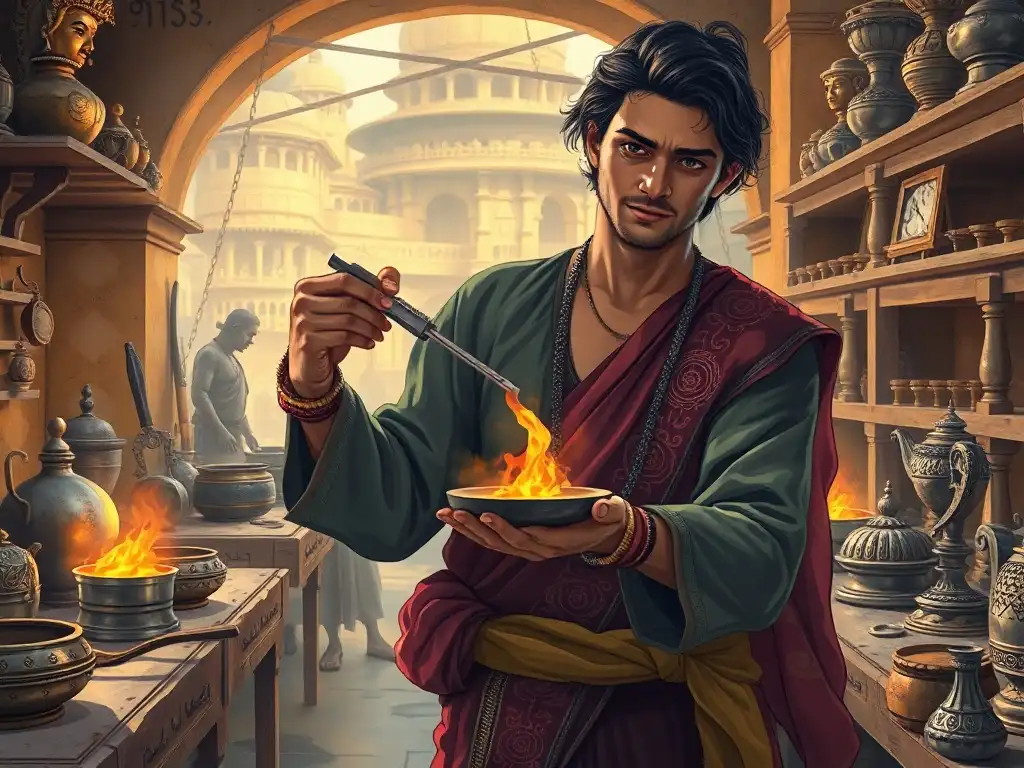
The evolution of metallurgy in ancient India was not merely a result of technological innovation; it was also significantly shaped by the contributions of notable figures and community practices that advanced the field. This section delves into the key metallurgists and the collective efforts of guilds and communities that played a pivotal role in the development and dissemination of metallurgical knowledge across ancient Indian civilizations.
Notable Metallurgists and Their Contributions
Ancient India was home to several pioneering metallurgists whose expertise laid the foundation for various metallurgical advancements. Here are some prominent figures:
- Charaka:
- Known primarily for his contributions to Ayurveda, Charaka also made significant strides in the understanding of metals and their medicinal properties. His texts highlighted the therapeutic uses of various metals, emphasizing their importance in health and wellness.
- Sushruta:
- Another notable figure in ancient Indian medicine, Sushruta's work included the use of metals for surgical instruments. His treatise, the Sushruta Samhita, detailed the creation and use of various metal implements, demonstrating the advanced knowledge of metallurgy at the time.
- Patanjali:
- Although primarily recognized for his contributions to grammar and yoga, Patanjali's references to metals in his works illustrate an awareness of their properties and uses, further showcasing the interconnection between different fields of study in ancient India.
- Vatsyayana:
- In his famous work, the Kama Sutra, Vatsyayana discusses the aesthetic use of metals in art and architecture, reflecting the cultural significance and the advanced techniques of metallurgy that permeated various aspects of life during that period.
These figures not only contributed to the theoretical aspects of metallurgy but also influenced practical applications, leading to innovations in metal extraction, processing, and utilization.
The Role of Guilds and Communities in Advancing Metallurgy
The advancement of metallurgy in ancient India can also be attributed to the collaborative efforts of guilds and communities dedicated to metalworking. These groups were instrumental in refining techniques, sharing knowledge, and maintaining the quality of metal products.
- Metalworking Guilds:
- Known as shrenis, these guilds were composed of skilled artisans and craftsmen who specialized in specific types of metalwork. They played a crucial role in training apprentices, preserving traditional techniques, and ensuring the quality of metal goods produced. The existence of such guilds facilitated the transmission of metallurgical knowledge across generations.
- Community Collaboration:
- Beyond formal guilds, local communities often came together to engage in metallurgy-related activities. This cooperative approach allowed for resource sharing, such as access to raw materials and tools. Community festivals and markets served as venues for metallurgists to showcase their work, fostering a spirit of innovation and competition that pushed the boundaries of metallurgical practices.
- Cultural Exchange:
- The movement of artisans and traders across regions contributed to a rich exchange of metallurgical knowledge. This cultural diffusion led to the adoption of new techniques, the introduction of different alloys, and the improvement of existing methods. For instance, the influence from neighboring civilizations, such as Persia and Central Asia, introduced new ideas that were integrated into Indian metallurgical practices.
The collaborative efforts of notable metallurgists and the communal structure of guilds played a vital role in advancing metallurgy in ancient India. The rich interplay of ideas, techniques, and cultural practices not only enhanced the art of metalworking but also laid the groundwork for the technological innovations that would follow in the centuries to come.
Cultural Impacts of Metallurgy in Ancient Indian Society
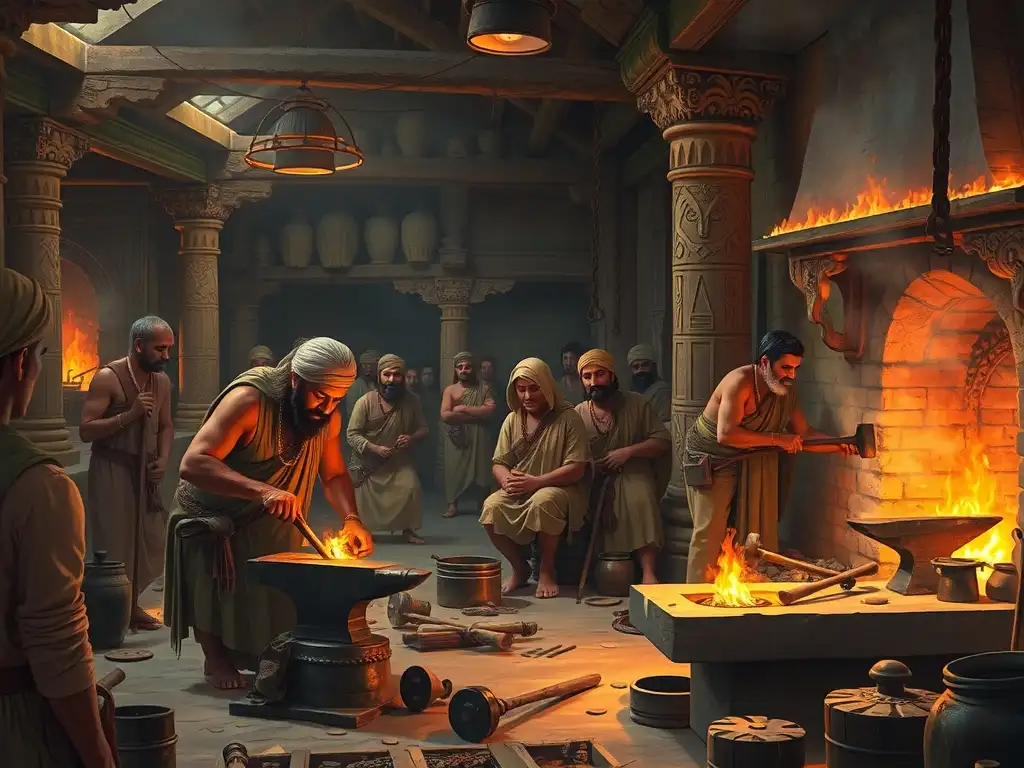
Metallurgy and Its Influence on Art and Architecture
The development of metallurgy in ancient India had profound implications for art and architecture, significantly shaping the aesthetic and functional aspects of various structures and artifacts. By mastering techniques such as smelting, casting, and alloying, ancient artisans were able to create not only tools and weaponry but also intricate sculptures and architectural elements that reflected the cultural richness of their time.
- Metal as a Medium of Expression
- Artisans utilized metals like bronze, copper, and iron to produce sculptures that depicted deities, animals, and mythological scenes. The famous bronze sculptures of the Chola dynasty, such as the Nataraja, exemplify the exceptional craftsmanship and artistic vision of the period.
- Metalwork was not limited to sculpture; it also encompassed decorative motifs on architectural elements, such as door frames, pillars, and temple entrances, enhancing the overall visual appeal.
- Architectural Innovations
- The introduction of metals allowed for advancements in architectural techniques. For instance, the use of iron beams enabled the construction of larger and more stable structures, such as the intricate stepwells found throughout India.
- The art of metallurgy complemented the use of stone and clay in construction, leading to the development of elaborate temple complexes like the Brihadeeswarar Temple, which showcases both metal and stone craftsmanship.
- Cultural Significance
- Metallurgical practices were often intertwined with religious and cultural rituals. For example, the crafting of sacred vessels for rituals involved specific metallurgical techniques that were believed to imbue the objects with spiritual significance.
- Additionally, the use of metals in jewelry and adornments reflected social status and cultural identity, with intricate designs indicating the wearer’s community and wealth.
The Role of Metallurgy in Trade and Economy
Metallurgy played a crucial role in the economic landscape of ancient India, facilitating trade both locally and internationally. The proficiency in producing various metal goods not only enhanced domestic economies but also positioned India as a significant player in global trade networks.
- Production and Local Economies
- The establishment of metallurgy workshops in regions rich in mineral resources, such as the Chotanagpur plateau, led to localized economies focusing on metal production. Skilled artisans organized themselves into guilds, promoting specialization and improving production efficiency.
- The availability of high-quality metal artifacts, such as tools and weapons, boosted agricultural productivity and military strength, contributing to the overall economic stability of emerging kingdoms.
- Trade Routes and Exchanges
- India's metallurgical advancements facilitated trade with neighboring civilizations, including those in the Middle East and Southeast Asia. Metal goods, particularly those made from iron and bronze, became sought-after commodities in regional markets.
- The spread of metallurgy contributed to the establishment of trade routes, such as the Silk Road and maritime pathways, fostering cultural exchanges that enriched Indian society and introduced new technologies and ideas.
- Impact on Currency Systems
- The advent of metallurgy enabled the minting of coins, which revolutionized trade practices. Early coins made from silver and copper emerged as standard currency, simplifying transactions and enhancing trade efficiency.
- The use of coins also encouraged economic stability and allowed for the growth of urban centers, as merchants and traders relied on these new monetary systems to conduct business.
Metallurgy in ancient India history not only influenced the artistic and architectural advancements of the time but also fundamentally shaped the economic and trade dynamics, fostering an environment of growth and cultural exchange that left a lasting legacy on Indian civilization.
The Spread of Metallurgical Knowledge Beyond India
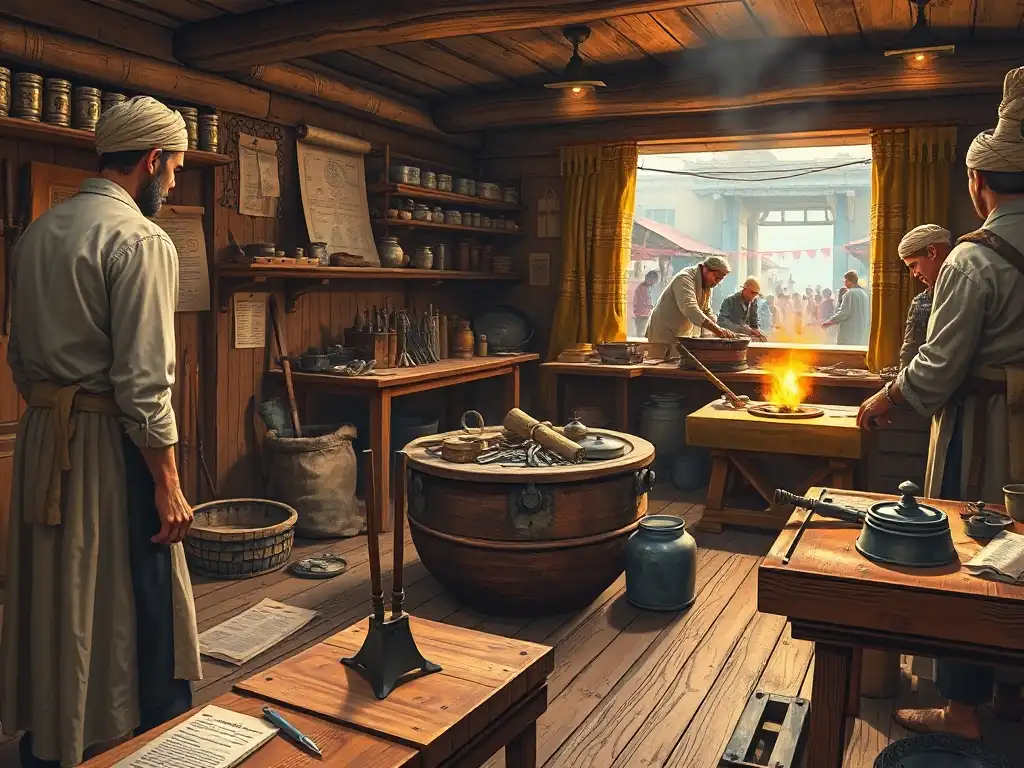
The advancement of metallurgy in ancient India is not just a local phenomenon; it had significant implications beyond its borders. As trade routes expanded and cultural exchanges flourished, the knowledge of metallurgy traveled to neighboring regions and influenced various civilizations.
Influence on Neighboring Regions and Cultures
The impact of Indian metallurgy on neighboring regions can be observed through various historical accounts and archaeological findings.
- Southeast Asia:
- Indian metallurgical techniques significantly influenced the development of metalworking in regions such as Cambodia, Thailand, and Indonesia.
- The use of iron and bronze in creating tools and artifacts can be traced back to Indian methodologies, particularly in the production of metal sculptures and religious icons.
- Persian Empire:
- The Achaemenid Empire, which flourished in present-day Iran, was known to have adopted various Indian metallurgical techniques.
- Evidence suggests that the Persians utilized Indian iron smelting techniques, which led to the production of superior quality iron tools and weaponry, enhancing their military capabilities.
- Central Asia:
- The Silk Road facilitated the exchange of not only goods but also knowledge.
- Metallurgical knowledge from India reached Central Asian cultures, influencing local practices in metallurgy. For instance, the art of goldsmithing and the creation of intricate metal ornaments saw an enhancement through Indian techniques.
- Roman Empire:
- Trade with India introduced the Romans to advanced metallurgical practices.
- Items such as Indian steel, known as "wootz," were highly coveted in the Roman markets, leading to the establishment of trade routes specifically for Indian metal goods.
The Legacy of Indian Metallurgy in Global History
The legacy of metallurgy in ancient India is profound, leaving an indelible mark on global history.
- Innovations in Metallurgy:
- Ancient Indian metallurgists were pioneers in several techniques, including the production of high-quality steel. The method known as "Wootz steel" was particularly notable for its durability and ability to be honed to a sharp edge. This innovation had far-reaching implications, influencing sword-making in various cultures.
- Cultural Exchanges:
- The spread of metallurgical knowledge facilitated cultural exchanges that enriched both Indian and foreign societies. Techniques in casting, alloying, and metalworking were shared and adapted, leading to an evolution of practices across different civilizations.
- Historical Texts and Documents:
- Texts such as the "Arthashastra" and various inscriptions provide insights into the advanced metallurgical practices in ancient India. These documents not only highlight the technological prowess of the time but also serve as a testament to the significance of metallurgy in trade and warfare.
- Modern Implications:
- Today, the foundations laid by ancient Indian metallurgists continue to influence modern metallurgy and materials science. The techniques developed in ancient India are studied and revered, contributing to contemporary understanding of metal properties and processing methods.
The knowledge of metallurgy in ancient India did not remain confined within its geographical boundaries; it spread across regions and cultures, shaping practices and influencing civilizations. The legacy of this knowledge continues to be recognized and celebrated in the annals of global history.
Conclusion: The Significance of Metallurgy in Ancient India History
Summary of Key Points
The exploration of metallurgy in ancient India highlights a remarkable journey of innovation and skill. Key points include:
- Early Developments: The Indus Valley Civilization (circa 3300-1300 BCE) showcases some of the earliest evidence of metalworking, particularly with copper and bronze. Artifacts such as tools, ornaments, and vessels indicate advanced metallurgical techniques.
- Iron Age Advancements: The emergence of iron metallurgy around the 1st millennium BCE marked a significant technological leap. The ability to smelt and forge iron not only enhanced agricultural practices through the creation of stronger tools but also facilitated trade and military advancements.
- Wootz Steel: Ancient India is renowned for producing Wootz steel, an exceptionally high-quality steel that was highly sought after globally. The unique production methods, including crucible steel-making, contributed to its distinctive properties, making it a precursor to modern steel production techniques.
- Cultural Integration: Metallurgy in ancient India was not just a technical skill but also intertwined with cultural practices. Metal artifacts played essential roles in rituals, trade, and daily life, reflecting the civilization's values and beliefs.
- Historical Texts and Knowledge Transmission: Texts such as the Arthashastra and works by scholars like Charaka and Sushruta demonstrate how metallurgical knowledge was documented and shared, influencing various fields, including medicine and construction.
The Lasting Impact of Ancient Indian Metallurgy on Modern Science and Technology
The legacy of metallurgy in ancient India continues to resonate in contemporary science and technology. The innovative techniques developed over millennia laid the groundwork for several modern advancements:
- Material Science: The ancient methods of metal extraction and alloying have informed current practices in material science. The principles behind Wootz steel have inspired research into high-performance materials that combine strength and ductility.
- Sustainable Practices: The resourceful techniques employed by ancient metallurgists, such as low-temperature smelting and recycling of metals, provide insights into sustainable practices that are increasingly relevant in today's environmental context.
- Cultural Heritage: The craftsmanship and artistry of ancient Indian metallurgy influence modern artisans and industries, preserving traditional techniques while integrating them into contemporary design.
- Global Influence: Ancient Indian metallurgical innovations have transcended borders, impacting metallurgical practices in various regions. The exchange of knowledge and techniques during trade routes facilitated a rich dialogue among civilizations, leading to advancements in metallurgy worldwide.
The study of metallurgy in ancient India history not only reveals a rich tapestry of innovation but also serves as a foundation for contemporary scientific exploration and cultural appreciation. The enduring impact of these ancient practices underscores the significance of metallurgy as a pivotal aspect of India's historical narrative.
Frequently Asked Questions
What role did metallurgy play in ancient Indian civilization?
Metallurgy was crucial in ancient India, leading to advancements in tools, weapons, and art. It facilitated trade and cultural exchange, enhancing the overall development of society.
Which civilizations in ancient India were known for their metallurgical skills?
The Indus Valley Civilization and the Gupta Empire are notable for their metallurgical prowess. They produced high-quality copper, bronze, and later iron, showcasing sophisticated techniques.
How did metallurgical techniques evolve in ancient India?
Metallurgical techniques evolved through cultural exchanges and innovations. Early methods were refined over centuries, leading to advanced smelting processes and the creation of unique alloys.
What contributions did ancient Indian metallurgy make to the world?
Ancient Indian metallurgy contributed significantly to global metalworking techniques, influencing regions like Southeast Asia and the Middle East. Innovations such as the Wootz steel process were particularly notable.
How is metallurgy in ancient India relevant today?
The study of metallurgy in ancient India provides insights into early technological advancements and sustainable practices. It informs modern metallurgy by revealing ancient techniques that can inspire contemporary methods.
Final Reflection: The Enduring Legacy of Metallurgy in Ancient India
The knowledge of metallurgy in ancient India not only laid the foundation for technological advancements but also shaped the cultural and economic landscape of the time. Today, as we navigate an increasingly complex world, the lessons from ancient metallurgical practices remind us of the importance of innovation and collaboration in achieving progress. The ingenuity of ancient Indian metallurgists serves as a beacon, illuminating the path toward sustainable practices and technological advancements in our modern society.
The influence of metallurgy in ancient India extends far beyond the realm of science; it has woven itself into the very fabric of our cultural identity. The techniques developed by these early artisans not only revolutionized the production of tools and weapons but also fostered trade and cultural exchange across regions. As we reflect on this rich history, we are reminded of the words of the renowned metallurgist and historian, Dr. R. Balasubramaniam: Metallurgy is not just a science; it is a bridge that connects civilizations and cultures.
This observation underscores the profound impact that metallurgy has had on shaping societies, fostering connections, and driving innovation throughout history.
As we conclude our exploration of metallurgy in ancient India, I invite you to reflect on the lessons learned from this remarkable chapter in history. Consider how the spirit of innovation and collaboration that characterized ancient metallurgists can inspire your own pursuits today. Whether in your personal or professional life, let the legacy of these pioneers encourage you to embrace creativity, seek knowledge, and build connections that transcend boundaries. Together, we can honor their contributions by forging a future that values the wisdom of the past while striving for progress and unity.
Unveil the Secrets of Ancient Metallurgy!
Thank you for diving into the fascinating world of metallurgy in ancient India! We hope you discovered how this remarkable knowledge shaped civilizations and innovations. Now, it’s time to take the next step and engage with this captivating topic further.
Here are some empowering actions you can take right now:
- Join a local workshop or online course to explore metallurgy hands-on, uncovering the techniques used by ancient artisans.
- Share this article with friends or in history groups to spark discussions about the significance of metallurgy’s evolution in our modern world.
- Explore further by visiting museums or historical sites that feature ancient metal artifacts, allowing these pieces of history to inspire your own understanding.
What is one aspect of ancient metallurgists' craftsmanship that you learned today and would love to explore in greater depth?