
The Legacy of Ancient Indian Metallurgy in Modern Engineering

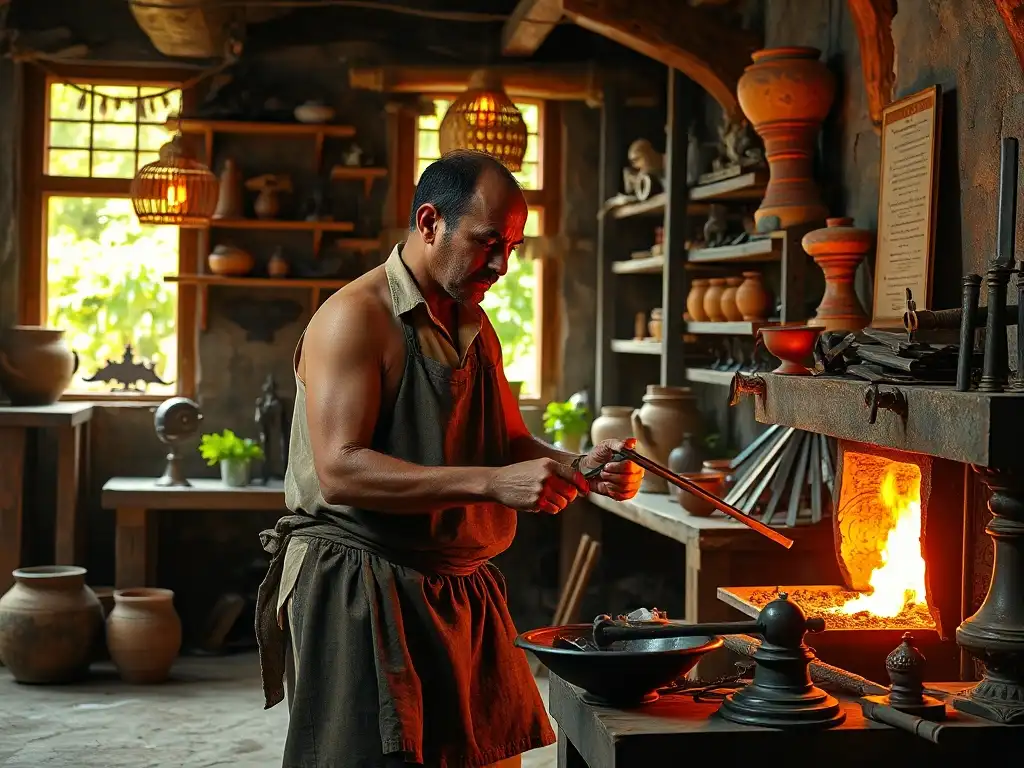
Welcome to Ancient India History, where we embark on a fascinating journey through the vibrant tapestry of one of the world's oldest civilizations. Here, we delve into the rich and diverse history, culture, and contributions of ancient Indian societies, uncovering their remarkable innovations and enduring legacies. In this article, we will explore the astonishing ancient Indian metallurgy techniques that laid the groundwork for modern engineering marvels.
Get ready to discover how these age-old practices not only shaped the past but continue to influence our technological advancements today. Join us as we unearth the secrets of a bygone era that still resonates in our contemporary world!
- Introduction to Ancient Indian Metallurgy Techniques
- Historical Context of Metallurgy in Ancient India
- Key Ancient Indian Metallurgy Techniques
- Comparison of Ancient Indian Metallurgy Techniques with Modern Practices
- Influence of Ancient Indian Metallurgy on Modern Engineering
- Conclusion
- References
-
Frequently Asked Questions
- What were some key ancient Indian metallurgy techniques?
- How did ancient Indian metallurgy influence modern engineering?
- What materials were primarily used in ancient Indian metallurgy?
- What is the significance of the Iron Pillar of Delhi?
- How did ancient Indian civilizations contribute to global metallurgy?
- Final Reflection: The Enduring Impact of Ancient Indian Metallurgy Techniques
- Unlock the Secrets of Ancient Indian Metallurgy!
Introduction to Ancient Indian Metallurgy Techniques
The legacy of ancient Indian metallurgy techniques is a fascinating and intricate chapter in the broader narrative of human innovation. From the sophisticated methods developed during the Indus Valley Civilization to the advanced metallurgical practices of the Gupta Empire, ancient Indian civilizations made remarkable contributions that continue to influence modern engineering and materials science.
This article delves into the rich tapestry of metallurgical knowledge in ancient India, exploring the techniques that were innovated and perfected over millennia. By understanding these ancient practices, we can appreciate their significance not only in historical context but also in their relevance to contemporary engineering solutions.
Overview of Ancient Indian Metallurgy
Ancient Indian metallurgy can be traced back to as early as 3000 BCE when the Indus Valley Civilization demonstrated remarkable skills in metalworking. The people of this era were adept in the use of copper, bronze, and later, iron. Some key features of ancient Indian metallurgy include:
- Copper and Bronze Age: The production of copper tools and ornaments marked the beginning of metallurgical practices. Artifacts from sites like Mohenjo-Daro and Harappa showcase advanced casting techniques.
- Ironworking: By around 1200 BCE, iron metallurgy flourished, particularly during the Iron Age, with significant advancements in smelting and forging techniques. The famous iron pillar of Delhi, which remains rust-free for over 1,600 years, is a testament to the ingenuity of ancient Indian metallurgists.
- Alloying Techniques: Ancient Indian metallurgists were skilled in creating various alloys, including brass and bronze, which were used for a wide range of applications, from weaponry to artistic sculptures.
These techniques not only highlight the scientific understanding of materials but also reflect the cultural and artistic expressions of the time.
Importance of Metallurgy in Ancient Indian Civilization
The significance of metallurgy in ancient Indian civilization goes beyond mere technical skill; it played a crucial role in various aspects of society, including trade, warfare, and cultural expression. Here are some pivotal points illustrating its importance:
- Economic Growth: The ability to produce high-quality metal goods facilitated trade both regionally and internationally. Indian metal goods were highly sought after in markets across Asia and beyond.
- Military Advancements: Metallurgy provided the tools and weapons necessary for defense and conquest. The production of superior weapons allowed ancient Indian kingdoms to protect their territories and expand their influence.
- Cultural Heritage: The artistic use of metals in sculptures, coins, and religious artifacts reflects the cultural values and aesthetics of ancient Indian societies. This legacy continues to inspire contemporary art and design.
- Technological Innovations: The techniques developed in ancient metallurgy laid the groundwork for future advancements in material science, influencing practices in neighboring civilizations and beyond.
Ancient Indian metallurgy techniques not only contributed to the technological prowess of the time but also fostered economic, military, and cultural development, leaving a lasting legacy that resonates in modern engineering practices.
Historical Context of Metallurgy in Ancient India
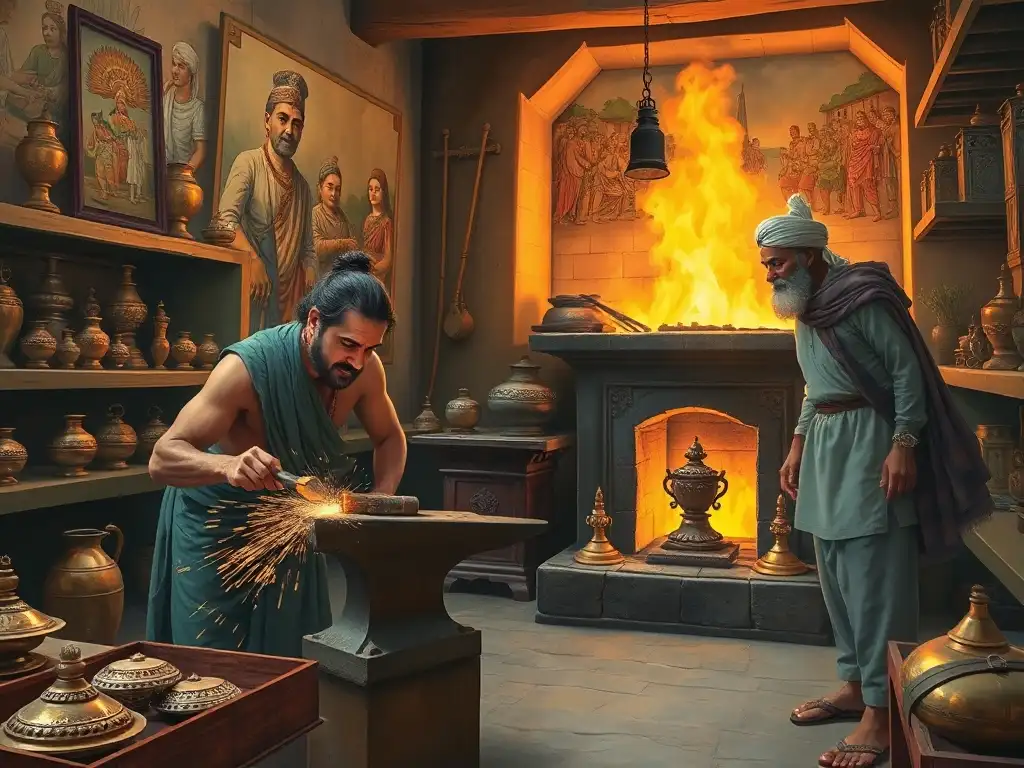
The evolution of metallurgy in ancient India is a testament to the ingenuity and resourcefulness of its civilizations. This rich tradition of metalworking not only laid the groundwork for technological advancements but also contributed significantly to the socio-economic fabric of ancient Indian society. Understanding the historical context of metallurgy reveals the intricate relationship between the natural resources available, cultural practices, and technological innovations that characterized ancient Indian civilization.
Origins of Metallurgical Practices in the Indus Valley
The Indus Valley Civilization, flourishing around 2500 BCE, is one of the earliest examples of advanced metallurgy in ancient India. Archaeological findings in sites like Harappa and Mohenjo-Daro provide evidence of an early understanding of metalworking, particularly with copper and bronze.
- Copper Usage: The Indus Valley artisans were adept at using native copper, which is malleable and easy to work with. Artifacts such as tools, ornaments, and seals indicate that they employed techniques like casting, hammering, and alloying.
- Bronze Development: The transition from copper to bronze marked a significant technological advancement. The alloying of copper with tin produced bronze, which was harder and more durable. This was crucial for the development of tools and weapons, enhancing agricultural productivity and military capabilities.
- Trade Networks: The metallurgical practices in the Indus Valley were likely influenced by trade relationships with neighboring regions, facilitating the exchange of raw materials and techniques. This intercultural exchange enriched the local metallurgical knowledge, leading to more sophisticated practices.
Development of Metallurgy Through the Vedic Period
Following the decline of the Indus Valley Civilization, the subsequent Vedic period (approximately 1500–500 BCE) witnessed a significant evolution in metallurgical techniques and applications.
- Iron Introduction: The introduction of iron metallurgy during this period was a game-changer. The ability to forge iron tools and weapons revolutionized agriculture, with iron plows increasing efficiency and productivity.
- Literary References: Ancient texts, such as the Rigveda and Atharvaveda, contain references to various metals, hinting at their significance in rituals and daily life. The Vedic people not only utilized metals for practical applications but also attributed symbolic meanings to them.
- Artistic Expression: Metallurgy during the Vedic period also saw the rise of metal craftsmanship in decorative arts. Gold and silver were extensively used in jewelry making, showcasing intricate designs that reflected the cultural ethos of the time.
Innovations During the Maurya and Gupta Empires
The Maurya (322–185 BCE) and Gupta (c. 320–550 CE) Empires are often regarded as the golden age of ancient Indian metallurgy, marked by remarkable innovations and advancements.
- Advanced Smelting Techniques: The period saw the development of advanced smelting methods, including the use of blast furnaces for higher temperature operations. This allowed for the production of high-quality steel, famously known as "Wootz steel," which became internationally renowned for its strength and durability.
- Urban Metalwork: Cities such as Pataliputra became centers for metalwork, where artisans honed their skills and produced a wide range of items, from everyday tools to exquisite sculptures. The integration of metallurgy into urban life highlighted its importance and prevalence.
- Scientific Inquiry: The Gupta period also marked a time of scientific inquiry into materials. Scholars like Aryabhata and Varahamihira explored the properties of metals, contributing to a deeper understanding of material science that influenced subsequent generations.
The legacy of ancient Indian metallurgy is characterized by a continuous evolution of techniques and practices that significantly influenced modern engineering and material science. The innovative spirit of these early civilizations laid a foundation that continues to inspire contemporary metallurgical practices.
Key Ancient Indian Metallurgy Techniques
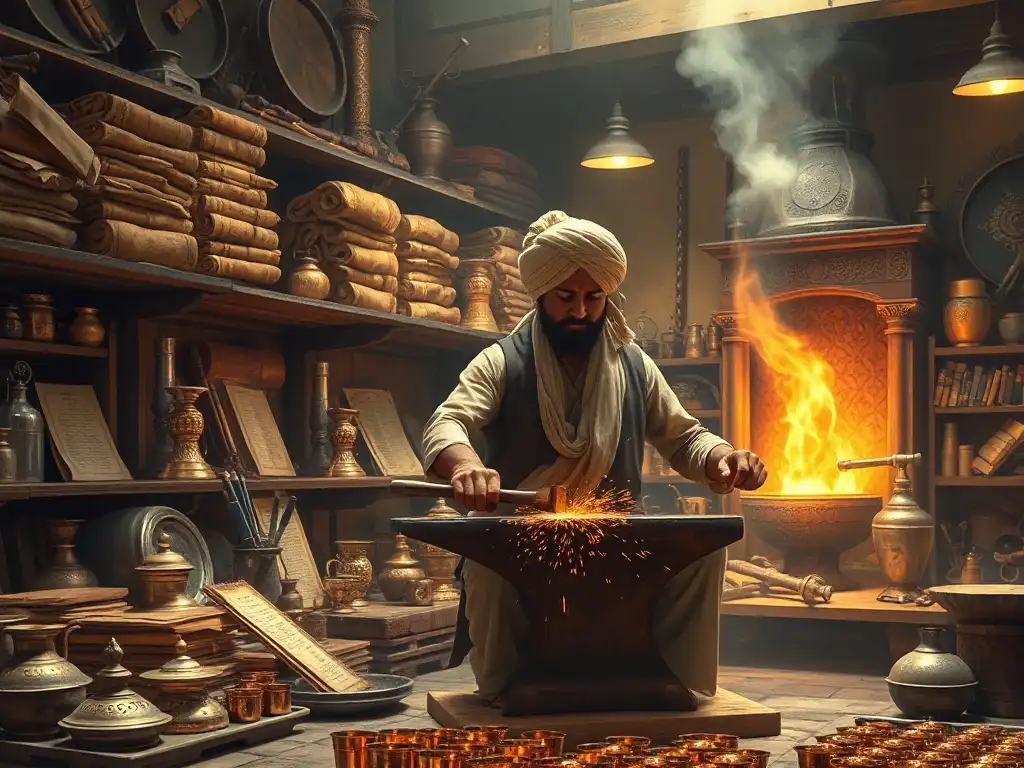
Ancient Indian metallurgy techniques have had a profound influence on the development of materials science and engineering. These techniques not only reflect the ingenuity of ancient Indian civilizations but also laid the groundwork for many modern metallurgical practices. Below, we explore some of the most significant techniques that emerged from this rich historical background.
Wootz Steel: The Legendary Metal
Wootz steel is perhaps the most renowned contribution of ancient Indian metallurgy. Originating from South India around the 3rd century BCE, Wootz steel was celebrated for its remarkable strength and ability to be honed to a sharp edge. The process began with the smelting of iron ore in a crucible, where specific materials, such as charcoal and glass, were added to create a unique alloy.
Characteristics of Wootz Steel:
- High Carbon Content: The steel typically contained between 1-2% carbon, which imparted exceptional hardness.
- Pattern Welding: The unique patterns visible on Wootz steel blades were a result of the crystallized carbon structures, which not only enhanced aesthetics but also contributed to the strength of the metal.
- Global Influence: Wootz steel was exported to various parts of the world, influencing metallurgical practices in regions such as the Middle East and Europe.
The legacy of Wootz steel continues to resonate in modern engineering, where research into high-performance alloys often references its unique properties.
Lost-Wax Casting in Ancient Indian Artistry
Lost-wax casting, also known as cire perdue, is a sophisticated technique used in ancient India for creating intricate metal sculptures and artifacts. This method allowed artisans to achieve high levels of detail in their works, making it a favored technique for religious and ceremonial items.
Process of Lost-Wax Casting:
- Model Creation: A model of the desired object was made from wax.
- Mold Formation: The wax model was encased in a clay mold, which was then heated. This caused the wax to melt and drain away, leaving an impression in the mold.
- Metal Pouring: Molten metal was poured into the mold, filling the space left by the wax.
- Finishing Touches: Once cooled, the mold was broken away, and the metal object was polished and refined.
Applications in Ancient India:
- Sculptures: Many of the exquisite statues of deities and important figures found in temples were crafted using this technique.
- Jewelry: Lost-wax casting was also employed to create intricate jewelry pieces, showcasing the artistry and skill of ancient Indian craftsmen.
This technique not only highlights the artistic talents of ancient Indian societies but also their advanced understanding of materials, which can inform contemporary casting methods.
The Use of Alloys in Ancient Indian Metallurgy
Ancient Indian metallurgy was characterized by the innovative use of various alloys that enhanced the properties of metals. The understanding of how to blend metals to achieve desired characteristics was a hallmark of ancient metallurgists.
Notable Alloys and Their Composition:
- Bronze: A mixture of copper and tin, bronze was used extensively for tools, weapons, and decorative items. The addition of tin enhanced the strength and corrosion resistance of copper.
- Brass: Created from copper and zinc, brass was favored for its malleability and resistance to tarnish. It was commonly used in coins and ornamental objects.
- Steel Alloys: Beyond Wootz steel, various other steel alloys were developed, incorporating elements like manganese and nickel to improve toughness and resilience.
Impact on Modern Metallurgy:
The ancient practices of alloying have direct parallels in modern metallurgy, where the creation of advanced materials often involves the careful selection and combination of different metal elements. The principles established by ancient Indian metallurgists continue to influence contemporary research and development in material science.
The ancient Indian metallurgy techniques not only demonstrate the sophisticated knowledge of materials possessed by these civilizations but also provide a rich foundation for modern engineering practices. The exploration of Wootz steel, lost-wax casting, and various alloys illustrates the depth of innovation that has endured through the ages, influencing both historical and contemporary metallurgy.
Techniques for Extracting and Processing Metals
Ancient Indian metallurgy was characterized by advanced techniques for extracting and processing metals, reflecting a profound understanding of material science that was ahead of its time. The methods employed not only contributed to the development of various tools and ornaments but also laid the groundwork for modern metallurgical practices.
One of the primary techniques used in ancient India was pyrometallurgy, which involves the extraction of metals from their ores using high temperatures. The process typically began with the smelting of ores, where the raw material was heated in a furnace to separate the metal from impurities. The use of charcoal as a reducing agent was common, leveraging its carbon content to facilitate the chemical reactions necessary for metal extraction.
Key Steps in Pyrometallurgy:
- Ore Preparation: Ores were crushed and ground to increase the surface area for better extraction.
- Furnace Construction: Ancient Indian metallurgists built specialized furnaces with controlled airflow to maintain high temperatures.
- Smelting: The ore and reducing agent (charcoal) were combined and heated until the metal separated from slag.
- Refining: The extracted metal was further purified through techniques like cupellation, which involved melting the metal in a crucible to remove non-metallic impurities.
In addition to pyrometallurgy, ancient Indians also practiced hydrometallurgy, which utilizes aqueous solutions for metal extraction. This technique was particularly effective for precious metals like gold and silver. By employing processes such as cyanidation (using cyanide solutions) and mercury amalgamation, they were able to efficiently recover these valuable metals from ores.
Notable Metallurgical Contributions:
- Copper and Bronze Working: Ancient Indians were skilled in casting and alloying, producing high-quality copper and bronze. The lost-wax casting technique, a method where a wax model is covered in clay and heated, was instrumental in creating intricate metal sculptures and tools.
- Iron Metallurgy: The production of high-quality wrought iron and steel, particularly the Wootz steel, is one of the most significant achievements of ancient Indian metallurgy. Wootz steel was known for its durability and ability to be honed to a sharp edge, making it highly sought after in various cultures.
The understanding of these techniques demonstrates the ingenuity of ancient Indian metallurgists. Their methods not only facilitated the creation of tools and art but also influenced metallurgical advancements in other civilizations, further emphasizing the importance of ancient Indian metallurgy techniques in the historical context of material science.
Comparison of Ancient Indian Metallurgy Techniques with Modern Practices
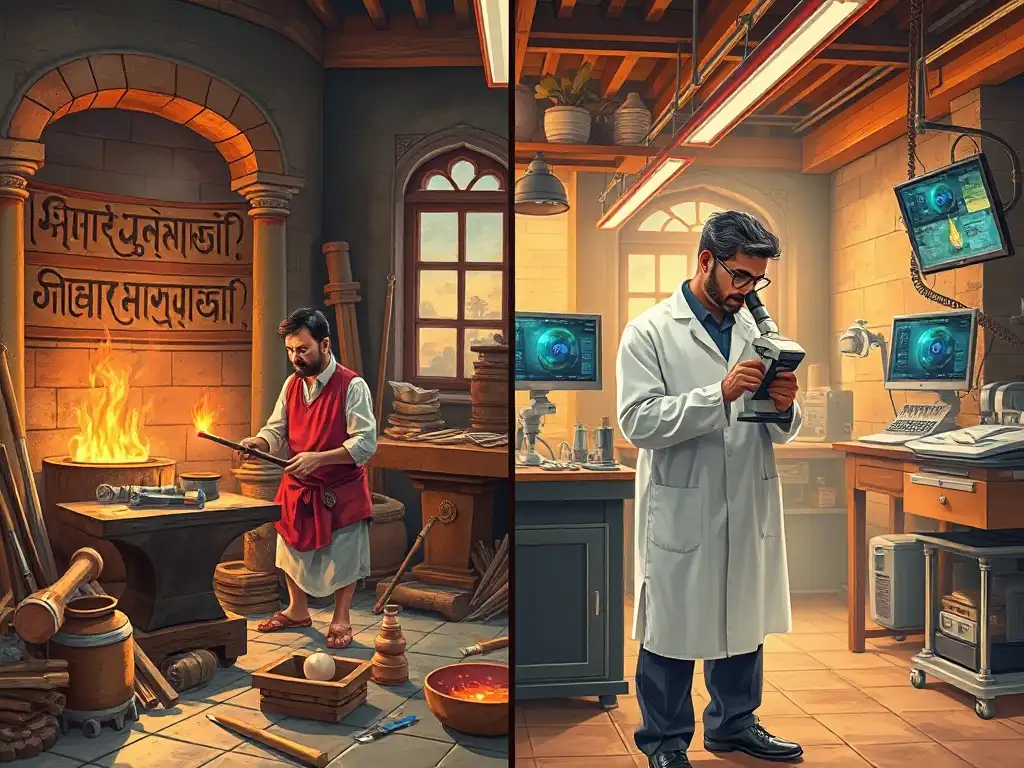
Similarities Between Ancient and Modern Metallurgical Methods
Ancient Indian metallurgy techniques laid the foundation for several practices that are still relevant in contemporary metallurgy. One of the most notable similarities is the use of high-temperature furnaces. Ancient metallurgists utilized clay furnaces capable of reaching temperatures necessary for smelting ores, similar to modern blast furnaces used in steel production.
- Alloying Techniques: Both ancient and modern methods emphasize the importance of alloying. For instance, the ancient practice of creating bronze from copper and tin mirrors today's metalworking processes where specific properties are achieved through precise alloying.
- Heat Treatment: The principles of heat treatment to enhance the properties of metals were also known to ancient Indian smiths. Techniques such as quenching and tempering are evident in historical artifacts and continue to be crucial in modern metallurgy for improving strength and hardness.
Differences in Material Sourcing and Processing Techniques
While some practices are similar, there are significant differences in how materials are sourced and processed.
- Sourcing of Raw Materials: Ancient Indian metallurgists sourced their metals from local mines, often using rudimentary mining techniques. In contrast, modern metallurgical practices involve a global supply chain, with raw materials being sourced from various parts of the world, ensuring a more diverse and abundant supply of high-quality ores.
- Processing Techniques: The techniques employed in ancient metallurgy were largely manual and labor-intensive, relying on skill and experience. Modern metallurgy leverages advanced technologies such as computer-aided design (CAD) and automation to enhance precision and efficiency in material processing.
| Aspect | Ancient Indian Metallurgy | Modern Metallurgy |
|---|---|---|
| Raw Material Sourcing | Local mines, rudimentary techniques | Global supply chains |
| Processing | Manual, labor-intensive | Automated, precision engineering |
| Technology | Basic tools and techniques | Advanced machinery and CAD |
Legacy of Ancient Techniques in Contemporary Engineering
The influence of ancient Indian metallurgy techniques can still be seen in various aspects of modern engineering. Many contemporary metallurgists study ancient practices to understand the properties of metals and to inspire innovative solutions.
- Cultural Preservation: The ancient techniques are not only a matter of historical interest but also serve as a source of inspiration for sustainable practices. For instance, the use of natural materials and environmentally friendly methods in ancient metallurgy is being revisited in the context of modern sustainable engineering practices.
- Research and Development: Modern research often revisits ancient techniques to enhance current methods. For example, investigations into the unique properties of wootz steel, an ancient Indian steel known for its ability to be finely forged and its sharpness, have led to a resurgence of interest in traditional materials science.
While ancient Indian metallurgy techniques differ in many respects from those employed today, their legacy continues to inform and enrich modern engineering practices, showcasing the enduring impact of these ancient innovations in metallurgy.
Influence of Ancient Indian Metallurgy on Modern Engineering
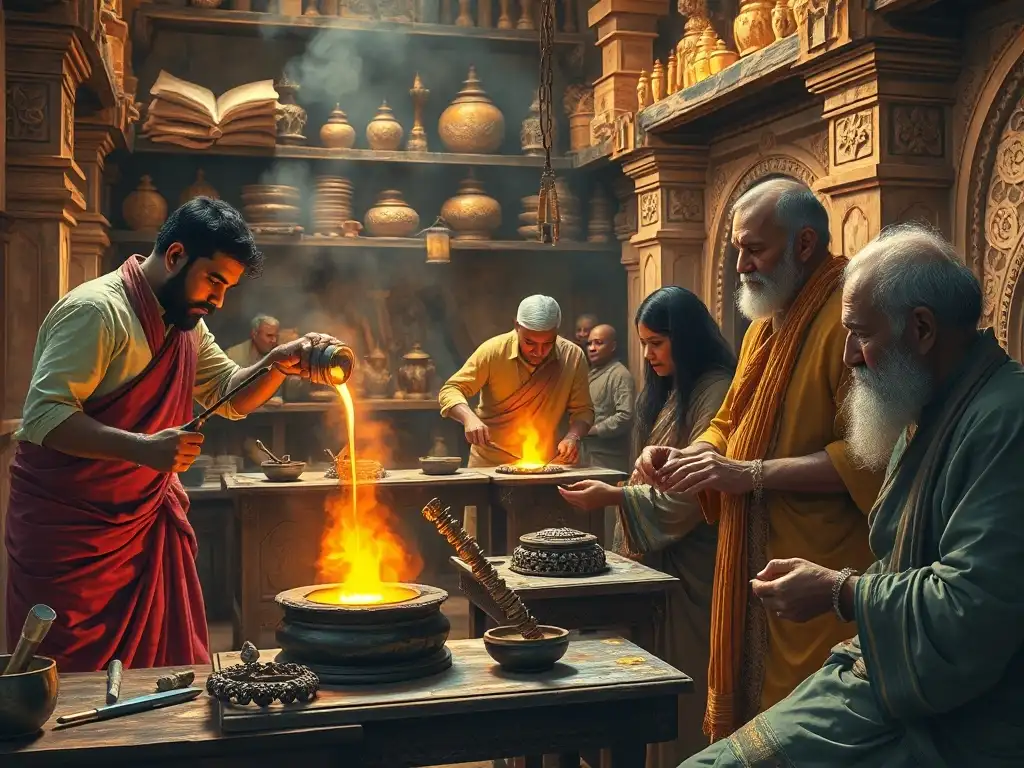
The legacy of ancient Indian metallurgy has had a profound impact on modern engineering practices, showcasing the ingenuity and sophistication of early Indian civilizations. Ancient Indian metallurgy techniques, characterized by their remarkable understanding of materials and innovative processes, laid the groundwork for many modern developments in engineering and material science.
Adoption of Ancient Techniques in Modern Material Science
Ancient Indian metallurgical practices, especially those from the Indus Valley Civilization and the subsequent Maurya and Gupta periods, have been increasingly recognized for their advanced methodologies. These techniques encompassed various aspects of metallurgy, including smelting, alloying, and forging.
- Alloy Development:
- The creation of high-quality alloys, such as the famous Wootz steel, exemplifies ancient Indian proficiency in material composition. Wootz steel was known for its durability and ability to be tempered, leading to the production of superior swords and tools.
- Modern material scientists are investigating the microstructure of Wootz steel to understand its unique properties, which may inform current alloy production techniques.
- Smelting Processes:
- The ancient practice of utilizing blast furnaces, particularly in regions like Karnataka, is being revisited. These furnaces operated at high temperatures, allowing for efficient smelting of iron ore.
- Contemporary engineers are exploring these ancient smelting techniques to improve energy efficiency and reduce carbon footprints in modern metallurgical processes.
- Surface Treatments:
- Techniques such as quenching and tempering, derived from ancient practices, are now standard in modern metallurgy. The knowledge of heat treatment methods developed thousands of years ago continues to influence contemporary engineering solutions.
Case Studies: Modern Applications of Ancient Metallurgical Knowledge
Several case studies illustrate how ancient Indian metallurgy techniques have been integrated into modern engineering practices.
- Wootz Steel Revival:
- A study conducted by metallurgists aimed to replicate the production of Wootz steel using ancient techniques. This revival has led to the creation of high-performance knives and tools that maintain sharpness longer than modern counterparts.
- Sustainable Mining Practices:
- Research into ancient mining techniques has prompted modern engineers to adopt more sustainable practices. For instance, the selective mining methods used in ancient times are being adapted to minimize environmental impact in contemporary mining operations.
- Thermal Treatment Innovations:
- Modern aerospace engineering has benefited from ancient thermal treatment methods. Techniques used to forge and harden metals in ancient India have inspired new approaches to treat aerospace materials, enhancing their strength-to-weight ratio.
Future Prospects: Integrating Ancient Techniques into Modern Engineering
The potential for integrating ancient Indian metallurgy techniques into future engineering practices is vast. As the world increasingly prioritizes sustainability and efficiency, ancient methodologies provide valuable insights.
- Research and Development:
- Ongoing research into ancient metallurgical practices can lead to the development of new materials that are not only high-performing but also environmentally friendly. The unique properties of ancient alloys can inspire innovative applications in various industries.
- Educational Programs:
- Incorporating ancient metallurgy into engineering curricula can foster a deeper appreciation for historical techniques among students. Such educational initiatives may encourage future engineers to explore and adapt ancient methods for modern challenges.
- Collaboration with Artisans:
- Engaging with traditional artisans who possess knowledge of ancient techniques can bridge the gap between historical practices and contemporary engineering. These collaborations can lead to the development of unique products that honor ancient craftsmanship while meeting modern specifications.
The exploration of ancient Indian metallurgy techniques not only enriches our understanding of historical practices but also provides a roadmap for innovative and sustainable engineering solutions in the future. By embracing these age-old methodologies, modern engineers can enhance material performance while respecting the rich cultural heritage of ancient India.
Conclusion
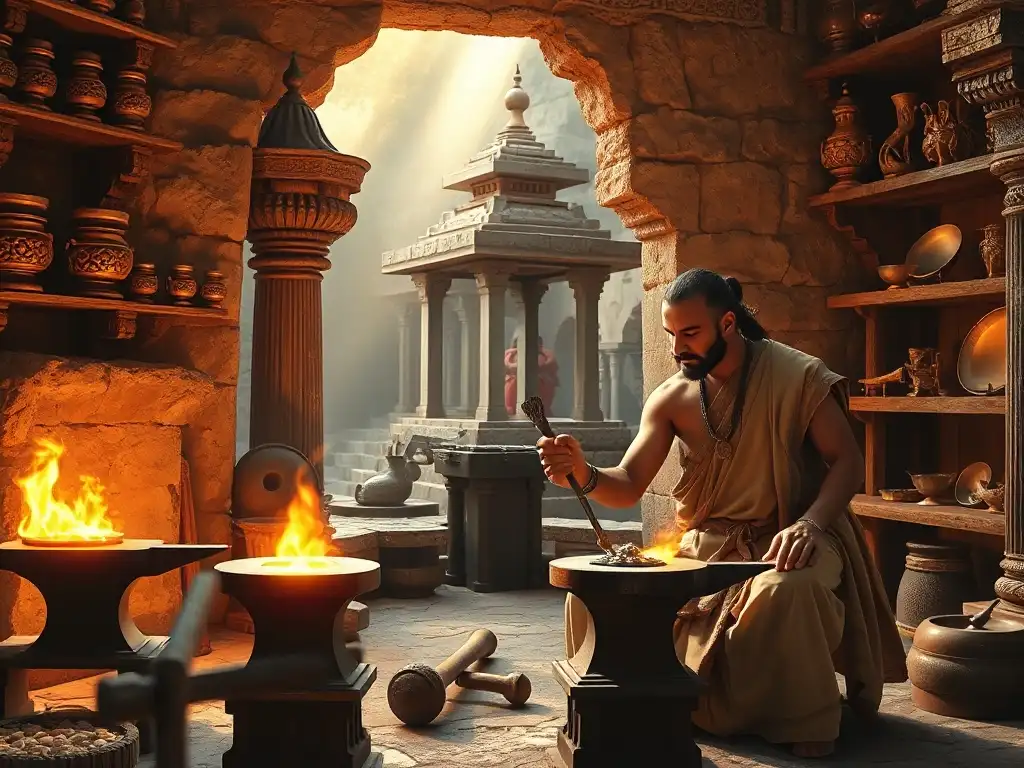
The Enduring Legacy of Ancient Indian Metallurgy Techniques
Ancient Indian metallurgy techniques have left an indelible mark on the field of engineering, demonstrating advanced knowledge and innovative practices that continue to influence modern methodologies. The expertise of ancient craftsmen in working with metals such as copper, bronze, and iron laid the groundwork for future advancements in metallurgical science.
Notable examples include:
- Copper Production: The Harappan civilization showcased remarkable skills in copper metallurgy, producing tools and ornaments that were both functional and aesthetically pleasing.
- Iron Smelting: The development of the Wootz steel technique in ancient India produced high-quality steel that was highly sought after worldwide. Wootz steel was known for its durability and ability to be honed to a sharp edge, influencing sword-making across cultures.
- Alloy Technologies: Ancient metallurgists in India were adept at creating various alloys, including brass and bronze, which were utilized in weaponry, tools, and decorative arts.
These techniques not only highlight the innovative spirit of ancient Indian civilizations but also provide a historical foundation for modern metallurgy. By studying these ancient practices, engineers today can glean insights into sustainable materials and methods that align with contemporary environmental concerns.
Final Thoughts on the Importance of Historical Metallurgy in Today’s Engineering
Understanding the historical context of ancient Indian metallurgy techniques is crucial for engineers and material scientists. The principles applied by ancient metallurgists can inform modern practices in several ways:
- Sustainability: Many ancient techniques were developed using local materials and resources, promoting a sustainable approach to metallurgy that modern engineers are striving to replicate.
- Innovation: The ingenuity displayed in ancient metalworking inspires contemporary engineers to explore new materials and methods, leading to breakthroughs in technology.
- Cultural Heritage: Preserving knowledge of ancient metallurgy contributes to a broader understanding of cultural heritage and its relevance in modern science and technology.
The legacy of ancient Indian metallurgy techniques serves as a vital link between past innovations and present-day engineering. By recognizing and valuing these historical contributions, we can continue to push the boundaries of material science while honoring the rich traditions that shaped our world.
References
Scholarly Articles on Ancient Indian Metallurgy
Ancient Indian metallurgy has garnered considerable attention in academic circles, with numerous scholarly articles exploring its techniques and innovations. These studies often highlight the advanced knowledge and skills possessed by ancient metallurgists.
- “The Science of Ancient Indian Metallurgy” - This article delves into the chemical processes used in ancient Indian metallurgy, particularly focusing on the extraction and purification of metals like copper and iron.
- “Metallurgical Techniques in the Indus Valley Civilization” - An investigation into the techniques employed by the Indus Valley Civilization, this paper discusses the evidence of sophisticated smelting methods and their implications for trade and technology.
- “The Role of Metallurgy in Ancient Indian Society” - This research examines how metallurgy contributed to the economic and social structures of ancient India, including its impact on warfare, agriculture, and craftsmanship.
Books on Historical Metallurgical Practices
Books provide a broader context and detailed analyses of ancient Indian metallurgy, often incorporating archaeological findings and historical perspectives.
-
“Ancient Indian Metallurgy” by R. K. Sharma
This comprehensive text presents an in-depth look at the metallurgical practices of ancient India, covering everything from methods of metal extraction to the use of alloys in various applications.
-
“Iron and Steel in Ancient India” by A. K. Singh
A focused examination of iron and steel production, this book discusses specific techniques and the significance of these materials in ancient Indian culture.
-
“The Metallurgy of India: Ancient and Classical” by V. R. Rao
This book synthesizes archaeological evidence with historical texts to provide insights into ancient metallurgical processes across different Indian civilizations.
Additional Resources for Further Reading
For those interested in exploring the topic of ancient Indian metallurgy further, the following resources offer valuable insights:
- Documentaries: "The Secrets of Ancient Indian Metallurgy" - This documentary features interviews with historians and archaeologists, showcasing ancient sites and metallurgical artifacts.
- Online Courses: Platforms like Coursera and edX offer courses on ancient technologies, including modules specifically dedicated to metallurgy in ancient civilizations.
- Websites and Databases:
- The Archaeological Survey of India (ASI) provides access to reports and findings related to ancient metallurgy.
- JSTOR and Google Scholar are excellent databases for accessing academic papers and articles on the topic.
By exploring these references, readers can gain a deeper understanding of the techniques and innovations in ancient Indian metallurgy and their lasting impact on modern engineering practices.
Frequently Asked Questions
What were some key ancient Indian metallurgy techniques?
Ancient Indian metallurgy included techniques such as smelting, casting, and alloying. These processes were critical in producing high-quality metals like iron, copper, and bronze.
How did ancient Indian metallurgy influence modern engineering?
The sophisticated metallurgy of ancient India laid the groundwork for modern engineering practices. Techniques like forging and heat treatment have evolved but are rooted in these ancient practices.
What materials were primarily used in ancient Indian metallurgy?
Ancient Indian metallurgists primarily worked with iron, copper, zinc, and gold. These materials were essential for creating tools, weapons, and decorative items.
What is the significance of the Iron Pillar of Delhi?
The Iron Pillar of Delhi showcases ancient Indian expertise in metallurgy. It is notable for its rust-resistant properties, demonstrating advanced techniques that surpass many modern methods.
How did ancient Indian civilizations contribute to global metallurgy?
Ancient Indian civilizations contributed to global metallurgy by sharing their knowledge and techniques through trade routes. This exchange influenced metallurgical practices in various cultures worldwide.
Final Reflection: The Enduring Impact of Ancient Indian Metallurgy Techniques
The legacy of ancient Indian metallurgy techniques continues to resonate in today's engineering practices, highlighting the profound connection between past innovations and modern advancements. As we explore the remarkable achievements of ancient metallurgists, it becomes evident that their ingenuity laid the groundwork for many contemporary technologies. The ability to manipulate metals not only transformed societies in ancient times but also serves as a reminder of how historical knowledge can shape our future.
Cultural and social landscapes have been significantly influenced by the mastery of metallurgy in ancient India. The techniques developed during that era not only advanced engineering but also fostered a sense of identity and pride in craftsmanship that persists today. The past is never dead. It's not even past.
– William Faulkner. This quote encapsulates the idea that the innovations of our ancestors are not relics of history but living legacies that continue to inspire and inform our current practices.
As we reflect on the lessons from ancient Indian metallurgy, I invite you to consider how these techniques can inform your own journey in engineering or any field you pursue. Embrace the spirit of innovation and craftsmanship that characterized those ancient artisans. Let their legacy inspire you to explore, experiment, and push the boundaries of what is possible in your work. In doing so, you not only honor their contributions but also contribute to the ongoing narrative of human ingenuity and progress.
Unlock the Secrets of Ancient Indian Metallurgy!
Thank you for diving into the fascinating world of ancient Indian metallurgy! We hope you’ve discovered how the ingenuity of past civilizations continues to influence modern engineering. Now, it's time to take that inspiration and turn it into action!
Here are some exciting steps you can take to further explore this incredible legacy:
- Engage with local museums: Visit exhibitions showcasing ancient metallurgy and appreciate the craftsmanship firsthand.
- Join online forums or groups: Connect with enthusiasts who share a passion for metallurgy and ancient technologies, allowing you to exchange insights and ideas.
- Share your newfound knowledge: Discuss your favorite facts about metallurgy with friends or on social media to spark curiosity and inspire others!
What aspect of ancient metallurgy do you find most intriguing, and how do you think it can impact the future of engineering?