
The Role of Metals in Ancient Indian Medicine: A Historical Perspective

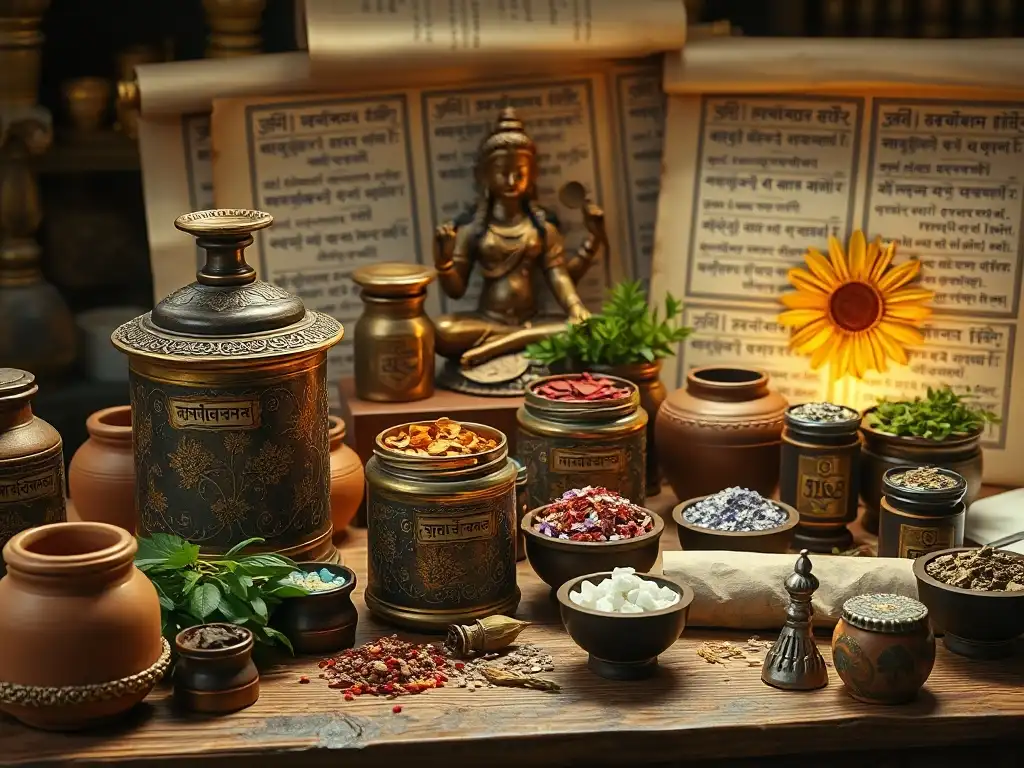
Welcome to Ancient India History, where we delve into the rich tapestry of civilizations that flourished on the Indian subcontinent. In this captivating journey, our focus is on the intriguing role of metals in ancient Indian medicine, a topic that unveils the remarkable innovations and scientific advancements of the past.
As we explore how metals were utilized for healing and wellness, prepare to uncover the secrets of ancient practices that laid the groundwork for modern medicine. Join us as we navigate through time, revealing the profound contributions of ancient Indian cultures and sparking your curiosity to learn more about their enduring legacy.
Introduction to Metals in Ancient Indian Medicine
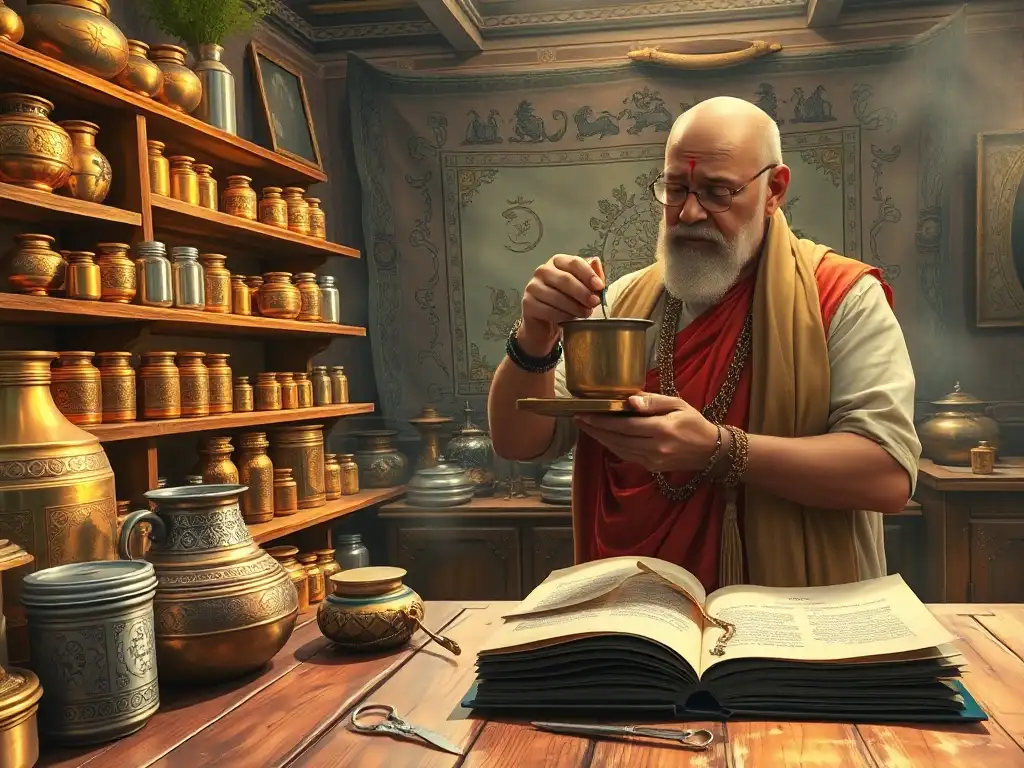
The exploration of metals in ancient Indian medicine unveils a fascinating intersection of metallurgy, healing practices, and cultural advancements. Ancient Indian civilizations, renowned for their rich traditions and innovations, utilized various metals not merely for their physical properties but as integral components of medical practices.
From the Indus Valley Civilization to the Gupta Empire, the application of metals played a pivotal role in the development of medicinal formulations and treatments. This article delves into the historical significance of metals in ancient Indian medicine, shedding light on their diverse uses and the underlying philosophies that guided their incorporation into therapeutic practices.
Overview of Ancient Indian Medicine Practices
Ancient Indian medicine is characterized by a holistic approach that emphasizes the balance between body, mind, and spirit. Key systems such as Ayurveda and Siddha laid the foundation for medical practices, emphasizing natural remedies, herbal treatments, and the significance of metal-based therapies.
- Ayurveda: This ancient medical system categorized ailments and treatments based on the balance of the three doshas (Vata, Pitta, Kapha) and incorporated metals like gold, silver, and copper into its formulations.
- Siddha: With roots in Tamil culture, Siddha medicine also emphasized the therapeutic use of metals, often in the form of bhasmas (calcined metals) that were believed to enhance the potency of herbal remedies.
The combination of herbal and metallic treatments reflects a profound understanding of the physical and metaphysical properties of materials, positioning metals as crucial elements in the healing repertoire.
Importance of Metals in Healing Traditions
Metals were revered not only for their physical attributes but also for their spiritual significance in ancient Indian healing traditions. Practitioners believed that metals could harness specific energies and attributes beneficial to health.
- Gold: Known for its purifying properties, gold was often used in treatments to boost vitality and longevity.
- Silver: Valued for its cooling effects and antimicrobial properties, silver was widely employed in various medicinal formulations.
- Copper: Recognized for its healing abilities, copper was often incorporated in the treatment of ailments related to digestion and inflammation.
The traditional understanding of the therapeutic properties of metals laid the groundwork for extensive research and practices that would influence medical systems for centuries.
Historical Context of Metals in Medicine
The historical context of metals in ancient Indian medicine reveals a rich tapestry of scientific innovation and cultural beliefs. The evolution of metallurgy in this era is closely tied to advancements in medical practices, illustrating a symbiotic relationship between these two fields.
Development of Metallurgy in Ancient India
The development of metallurgy in ancient India dates back to as early as 3000 BCE, when the people of the Indus Valley began to smelt copper and bronze. This technological prowess not only facilitated the creation of tools and ornaments but also paved the way for a deeper understanding of the medicinal applications of metals.
- Iron Age: The arrival of iron technology in India marked a significant turning point, with the introduction of iron-based medicines that were believed to enhance strength and vitality.
- Alchemy: The practice of alchemy, known as Rasashastra, emerged, focusing on the transformation of metals into medicinal forms and the creation of potent compounds for healing.
This interplay of metallurgy and medicine exemplifies the innovative spirit of ancient Indian civilizations, which sought to harness the natural world for the betterment of human health.
Key Historical Texts on Medicine and Metals
Several ancient texts provide insight into the role of metals in medical practices, detailing their uses, formulations, and significance. Notable among these are:
- Charaka Samhita: This foundational text of Ayurveda outlines various medicinal substances, including metals, and their therapeutic benefits.
- Sushruta Samhita: Known for its surgical procedures, this text also emphasizes the use of metals in treatments, highlighting their importance in ancient surgical practices.
- Rasa Shastra: A specialized branch of Ayurveda that focuses on alchemical processes and the medicinal use of metals, providing recipes and methodologies for their application in healing.
These texts serve as crucial resources for understanding the historical perspective of metals in ancient Indian medicine, illustrating the advanced knowledge and practices of these ancient societies.
Types of Metals Used in Ancient Indian Medicine
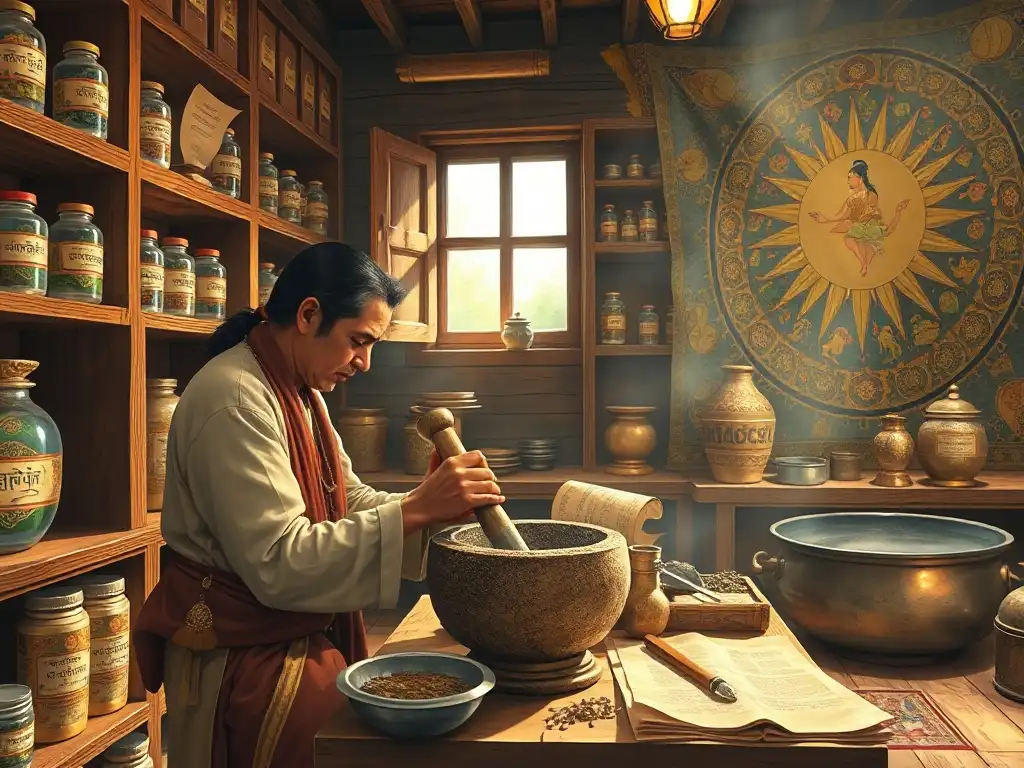
In ancient Indian medicine, particularly within the frameworks of Ayurveda and Siddha, various metals were not only revered for their physical properties but were also incorporated into medicinal practices due to their perceived therapeutic benefits. The primary metals utilized include gold, silver, copper, and iron, each contributing uniquely to health and healing. These metals were often used in their elemental form or as part of complex formulations designed to enhance their medicinal efficacy.
Gold and Its Therapeutic Properties
Gold, known as "Swarna" in Sanskrit, has been celebrated in ancient Indian texts for its numerous health benefits. It was believed to possess properties that could enhance vitality, longevity, and overall well-being. Gold was commonly utilized in the preparation of Swarna Bhasma, a calcined form of gold, which was administered to treat ailments such as tuberculosis, skin disorders, and to boost immunity.
Additionally, gold was thought to have a calming effect on the mind, making it a popular choice in treatments targeting mental health issues. The use of gold in medicine symbolized not just its physical attributes but also its spiritual significance, aligning with the ancient belief in the connection between body, mind, and spirit.
Silver: Antimicrobial and Healing Qualities
Silver, referred to as "Rajata" in ancient texts, is renowned for its antimicrobial properties. Historical accounts suggest that silver compounds were used in various forms to prevent infections and promote healing. Silver Bhasma, like its gold counterpart, was created through a meticulous process of calcination, rendering it safe for consumption.
In traditional practices, silver vessels were often used to store water, which was believed to purify it and enhance its healing properties. The application of silver extended to wound healing, where silver leaf or paste was applied to cuts and sores, significantly reducing the risk of infection and facilitating rapid recovery.
Copper: Health Benefits and Applications
Copper, known as "Tamra," played a vital role in ancient Indian medicine due to its health-promoting properties. It was commonly used in the treatment of digestive issues, infections, and as a general tonic. The use of Tamra Bhasma was prevalent, with practitioners attributing benefits such as improved metabolism and anti-inflammatory effects to this metal.
Copper vessels were also used to hold water, benefiting from the metal's ability to eliminate harmful bacteria and enhance the water's quality. Furthermore, copper is often associated with balancing the three doshas (Vata, Pitta, and Kapha) in Ayurveda, making it a key component in holistic health practices.
Iron: Strengthening and Vitality in Treatments
Iron, referred to as "Loha" in ancient texts, was essential for its role in treating anemia and other blood-related disorders. Ancient practitioners recognized the importance of iron in maintaining energy levels and overall vitality. Loha Bhasma was a common preparation, often prescribed to enhance strength and alleviate fatigue.
Moreover, iron was used in various herbal formulations, combined with other ingredients to enhance its absorption and effectiveness. The knowledge of iron's role in health can be traced back to texts like the Charaka Samhita, which highlights its importance in the ancient medical canon.
Techniques of Metal Utilization in Ancient Indian Medicine
The utilization of metals in ancient Indian medicine involved various sophisticated techniques and methodologies that ensured their efficacy and safety. These techniques encompassed not only the incorporation of metals into medicinal formulations but also their purification and preparation, which were essential for maximizing their therapeutic potential.
Ayurvedic Practices Incorporating Metals
Ayurveda, the ancient system of medicine, extensively utilized metals in its treatments, incorporating them into herbal remedies, tonics, and rejuvenation therapies. The combination of metals with herbal ingredients was believed to enhance the healing properties of both, leading to more effective treatments.
Practitioners often employed Rasayana techniques, which focused on revitalization and rejuvenation through specific metal formulations. Such practices were believed to promote longevity, strengthen the body, and enhance mental clarity, showcasing the holistic approach of ancient Indian medicine.
Rasashastra: The Science of Alchemy and Metals
Rasashastra is a pivotal branch of ancient Indian medicine that deals with the study of metals and alchemical processes. This science combines medicinal and metallurgical knowledge, focusing on the preparation of potent metal-based medicines.
The texts of Rasashastra detail methods for purifying, calcining, and transforming metals into therapeutic forms. Practitioners of this science believed in the transmutation of metals, where the spiritual and physical properties of metals could be enhanced to create powerful medicinal compounds.
Methods of Purification and Preparation of Metals
The purification and preparation of metals were considered crucial steps in ancient Indian medicinal practices. Techniques such as Shodhana (purification) and Marana (calcination) were employed to ensure that the metals were safe for human consumption.
These methods often included processes like boiling metals in herbal decoctions, exposing them to specific temperatures, and employing prolonged grinding to achieve the desired form. Such meticulous approaches were believed to eliminate toxic properties while enhancing the therapeutic effects of the metals, thereby establishing a foundation for safe and effective medicinal use.
Case Studies of Metal Applications in Ancient Indian Treatments
The use of metals in ancient Indian medicine, particularly within the Ayurvedic tradition, reveals a deep understanding of the therapeutic properties of various metals. Case studies showcase how metals such as gold, silver, copper, and mercury were employed in treatments, contributing to a rich healing tradition.
One notable case is the use of Rasa Shastra, a branch of Ayurveda focused on the incorporation of metals and minerals in medicinal preparations. For instance, Swarna Bhasma (gold ash) was utilized for its rejuvenating properties, believed to enhance vitality and longevity. Similarly, Rasanjana, a preparation involving mercury, was used for its purported ability to treat various ailments, including skin diseases and respiratory conditions.
These applications illustrate not only the practical aspects of metallurgy in medicine but also the philosophical underpinnings of balance and harmony in the human body, which were central to ancient Indian medical practices.
Historical Cases of Metal Use in Ayurvedic Treatments
Historical texts such as the Charaka Samhita and Sushruta Samhita document numerous instances where metals played a crucial role in healing practices. For example, Copper was often prescribed for its antibacterial properties and was commonly used to purify water, thereby preventing waterborne diseases.
Another significant example is the treatment of Dhatupāka, where metals like Iron were used to address conditions related to blood and energy levels. Arogyavardhini Vati, a herbal formulation containing iron, was historically used to treat ailments like anemia and improve overall health.
These historical cases illustrate the sophisticated understanding of the pharmacological properties of metals, as well as the integration of these materials into holistic health practices that emphasized prevention and wellness.
Success Stories: Healing Through Metal-Based Remedies
Success stories from ancient texts and contemporary anecdotal evidence highlight the effectiveness of metal-based remedies in ancient Indian medicine. One prominent example comes from the use of Swarna Makshika (golden ore) to treat chronic fevers and improve immunity. Patients reported significant recovery after incorporating this remedy into their treatment regimens.
Additionally, the application of Bhasmas (calcined metals) like Vanga Bhasma (tin ash) demonstrated efficacy in treating conditions such as diabetes and metabolic disorders. These remedies were often praised for their quick action and ability to provide sustained relief, suggesting a strong historical precedent for the therapeutic use of metals.
These success stories not only validate the claims of ancient practitioners but also encourage modern researchers to explore the potential of traditional metal-based treatments in contemporary medicine.
Comparative Analysis of Metals in Ancient Indian and Other Cultures
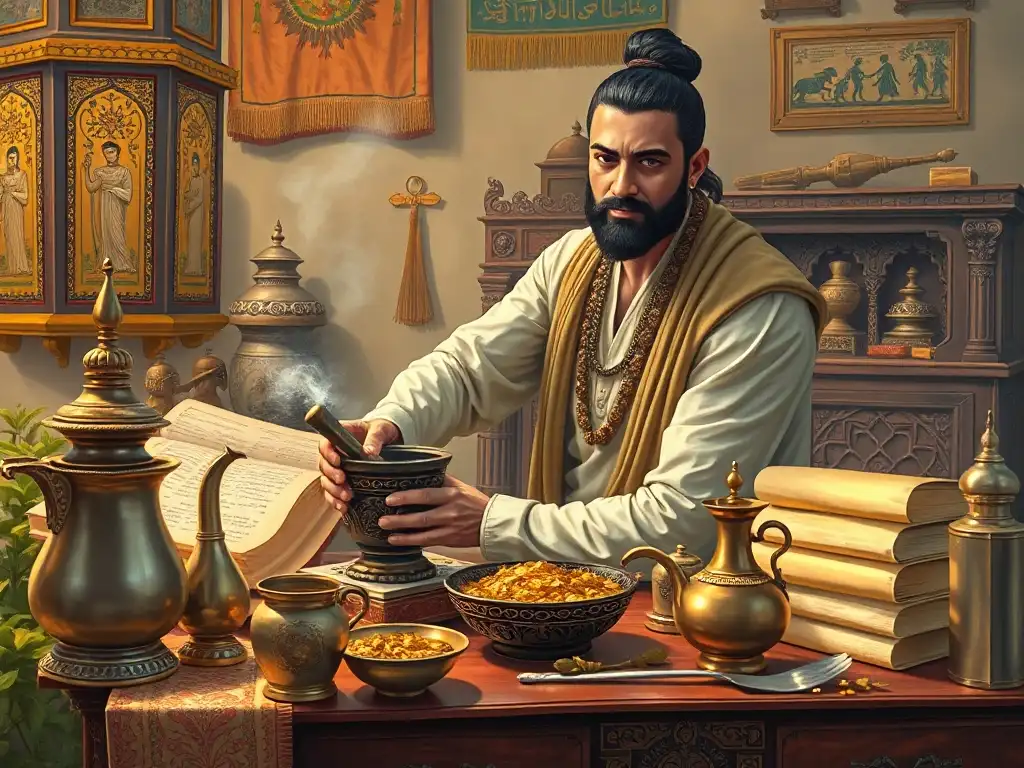
The use of metals in medical practices is not unique to ancient India; other cultures also incorporated metals into their healing traditions. A comparative analysis reveals both similarities and differences in these practices, particularly when examining Traditional Chinese Medicine (TCM) and Greco-Roman medical practices.
Similarities with Traditional Chinese Medicine
In Traditional Chinese Medicine, metals are also linked to health and wellness. The Five Elements Theory includes metal as a critical element associated with the lungs and skin, emphasizing the importance of balance in bodily functions. Just as in Ayurveda, metals such as gold and silver were believed to have healing properties and were used in various medicinals.
Both traditions share a holistic view of health, where metals are not merely seen as physical substances but as significant contributors to the body's energetic balance. For instance, gold is used in golden needle acupuncture, reflecting a connection to the spiritual and physical aspects of health.
Differences with Greco-Roman Medical Practices
In contrast, Greco-Roman medical practices, such as those espoused by Hippocrates and Galen, had a more materialistic approach to metals. While they recognized certain metals' medicinal properties, the focus was predominantly on their chemical interactions and physical effects rather than a holistic integration into the body’s energies.
For example, Lead was sometimes used in Greco-Roman medicine, but with a more toxic reputation compared to how metals like mercury were employed in Ayurveda. Additionally, the Greco-Roman tradition placed greater emphasis on herbal remedies and diet, often relegating metals to a secondary role in treatment.
This comparative analysis highlights the distinct philosophical and practical frameworks within which metals were utilized across cultures, underscoring the unique contributions of ancient Indian medicine within the broader context of global healing traditions.
The Legacy of Metals in Ancient Indian Medical Practices
The legacy of metals in ancient Indian medicine is a profound testament to the innovative spirit and scientific acumen of early Indian civilizations. Metals such as gold, silver, copper, and iron were not merely tools or materials; they were integral components of medicinal practices and were believed to possess unique healing properties. Ancient texts like the "Charaka Samhita" and "Sushruta Samhita" elaborate on the use of these metals in various forms, including powders, tinctures, and infusions, which were used to treat a plethora of ailments.
Gold (Au), revered for its purity and non-reactive nature, was widely utilized in treatments aimed at enhancing vitality and longevity. Its applications extended from being an ingredient in tonics to its use in surgical procedures, where gold sutures were employed for their antimicrobial properties. Silver (Ag) was similarly prized for its antiseptic qualities, often used in wound healing and as a preservative for medicinal preparations.
Copper (Cu) and iron (Fe) also played significant roles. Copper was recognized for its ability to support the immune system, while iron was essential for addressing various blood-related disorders, notably anemia. The ancient practitioners developed methods to extract and purify these metals, showcasing advanced knowledge in metallurgy that significantly contributed to the medical field.
Influence on Modern Ayurvedic Medicine
The influence of metals in ancient Indian medicine continues to resonate in modern Ayurvedic practices. Ayurvedic medicine, which emphasizes holistic healing and the balance of body energies (doshas), integrates metallic elements into its therapeutic arsenal. Practitioners utilize Rasashastra, a branch of Ayurveda focused on the medicinal use of metals, minerals, and herbs. This discipline underlines the belief that metals can enhance therapeutic efficacy when properly processed and combined with herbal ingredients.
In contemporary Ayurvedic formulations, processed metals such as bhasmas (calcinated metals) are employed to treat various health conditions. For instance, Swarna Bhasma (gold ash) is used to rejuvenate and enhance cognitive functions, while Tamra Bhasma (copper ash) is known for its role in digestive health and metabolic processes. The meticulous preparation methods, which involve purification through several steps, reflect the ancient wisdom that underscores the importance of quality and safety in medicinal practices.
Continued Relevance of Metals in Contemporary Health Practices
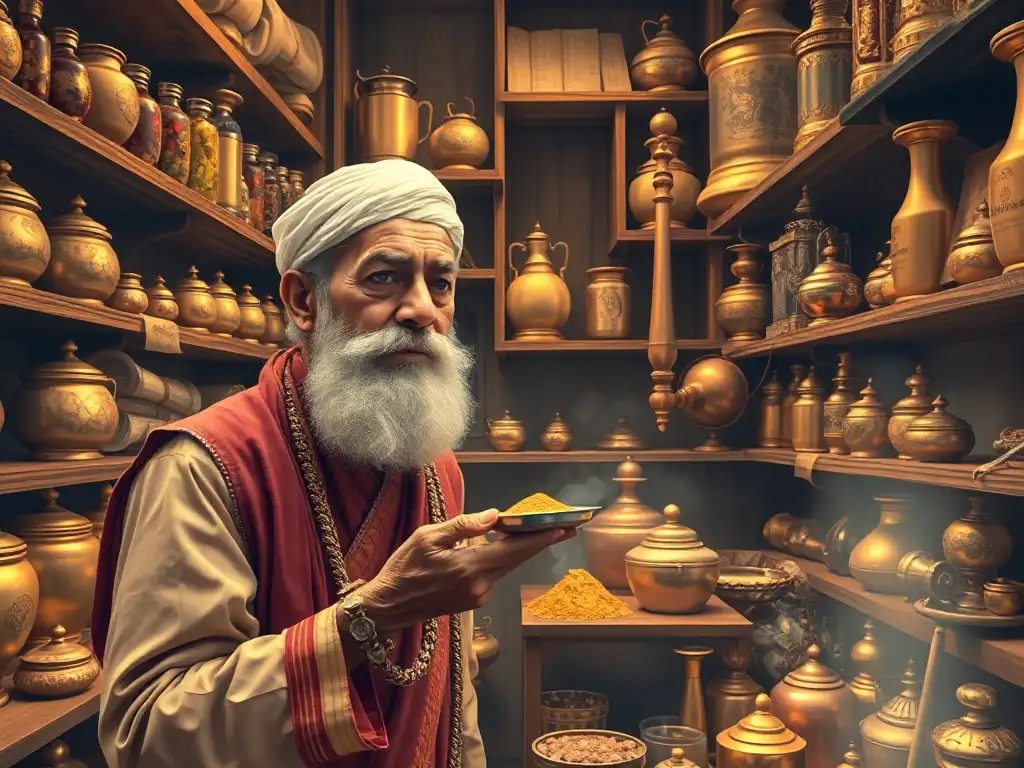
The relevance of metals in contemporary health practices extends beyond traditional medicine into modern nutritional supplements and therapies. Nutritional science has recognized trace metals, such as zinc, copper, and selenium, as essential micronutrients vital for maintaining health and preventing disease. These metals have found their way into dietary supplements, emphasizing their fundamental role in human physiology.
Moreover, the resurgence of interest in metal-based therapies has led to research into the therapeutic potential of metallodrugs in combating diseases such as cancer. The principles derived from ancient practices are being revisited and studied through the lens of modern science, enabling a fusion of traditional knowledge with contemporary medical advancements.
Conclusion
Summary of Key Insights on Metals in Ancient Indian Medicine
Metals in ancient Indian medicine were not only crucial in the treatment of ailments but also reflect a sophisticated understanding of material properties and their interactions with the human body. The ancient texts provide a rich repository of knowledge on the use of metals, illustrating their therapeutic applications, processing techniques, and the philosophical underpinnings that guided their use. This interplay between metallurgy and medicine underscores the innovative spirit of ancient Indian civilizations and their contributions to health sciences.
Final Thoughts on the Historical Significance of Metallurgy in Healing
The historical significance of metallurgy in ancient Indian medicine cannot be overstated. It highlights an era where empirical observation and spiritual beliefs converged to foster advancements in health and healing. As modern medicine continues to explore the potential of metals and their compounds, the insights gleaned from ancient practices serve as a valuable foundation for ongoing research and innovation. The enduring legacy of metals in ancient Indian medicine exemplifies a time-honored approach to healing that remains relevant in today's health landscape.
References
Citing Key Historical Texts and Scholarly Works
The study of metals in ancient Indian medicine is deeply rooted in the extensive body of texts that document the practices and philosophies of health and healing. Key historical texts include Charaka Samhita, Sushruta Samhita, and Ashtanga Hridaya.
- Charaka Samhita: This foundational text of Ayurveda emphasizes the importance of various metals, particularly mercury and gold, which were believed to possess medicinal properties. It outlines methods for the purification of metals, ensuring their efficacy in therapeutic applications.
- Sushruta Samhita: Renowned for its surgical teachings, this text also discusses the use of metals in treatments, particularly for surgical instruments. Sushruta’s emphasis on the quality and treatment of metals underscores their significance in medical practices.
- Ashtanga Hridaya: This text integrates concepts from both Charaka and Sushruta, elaborating further on the use of metals in formulations and treatments, and providing insights into the holistic approaches of ancient Indian medicine.
In addition to these classical texts, modern scholarly works such as those by historians and archaeologists shed light on the practical applications of metallurgy in ancient Indian medicinal practices. Works by scholars like R. N. Mehta and R. S. Sharma explore the intersection of metal usage and traditional healing, providing a blend of historical context and material science.
Further Reading on Ancient Indian Medicine and Metallurgy
For those interested in delving deeper into the rich tapestry of ancient Indian medicine and its metallurgical practices, the following resources are invaluable:
- Books:
- The History of Indian Medicine: This book provides a comprehensive overview of how medicine evolved in India, including the role of metals in treatment.
- Ayurvedic Medicine: The Principles of Traditional Practice: This resource discusses the principles of Ayurveda, with sections dedicated to the therapeutic use of metals.
- Journal Articles:
- "Metals in Ayurveda: A Scientific Assessment" published in the Journal of Ethnopharmacology, which examines the scientific basis of metal use in Ayurvedic traditions.
- "The Role of Rasa Shastra in Ayurveda: A Historical Perspective" in Ancient Science of Life, focusing on the alchemical aspects of metal usage in medicine.
- Online Resources:
- The Ayurveda Research and Education Council offers various articles and papers on the integration of metals in Ayurvedic practices.
- Digital archives of historical texts provide access to original manuscripts that discuss medicinal metallurgy extensively.
These readings not only highlight the historical significance of metals in ancient Indian medicine but also encourage contemporary exploration of their applications and relevance in modern health practices.
By engaging with these texts and resources, readers can gain a deeper understanding of how ancient Indian civilizations harnessed the properties of metals for medicinal purposes, laying the groundwork for later advancements in both medicine and metallurgy.
- Introduction to Metals in Ancient Indian Medicine
- Overview of Ancient Indian Medicine Practices
- Importance of Metals in Healing Traditions
- Historical Context of Metals in Medicine
- Types of Metals Used in Ancient Indian Medicine
- Techniques of Metal Utilization in Ancient Indian Medicine
- Case Studies of Metal Applications in Ancient Indian Treatments
- Comparative Analysis of Metals in Ancient Indian and Other Cultures
- The Legacy of Metals in Ancient Indian Medical Practices
- Influence on Modern Ayurvedic Medicine
- Continued Relevance of Metals in Contemporary Health Practices
- Conclusion
- References
- What metals were commonly used in ancient Indian medicine?
- How did ancient Indian texts describe the use of metals in treatments?
- What was the significance of gold in ancient Indian medicinal practices?
- Were there any risks associated with the use of metals in ancient medicine?
- How does the role of metals in ancient Indian medicine compare to modern practices?
Frequently Asked Questions
What metals were commonly used in ancient Indian medicine?
Ancient Indian medicine utilized various metals, including gold, silver, and copper, which were believed to have therapeutic properties.
How did ancient Indian texts describe the use of metals in treatments?
Textual references in Ayurveda and other ancient writings detail how certain metals were processed and prescribed for ailments, showcasing their importance in healing practices.
What was the significance of gold in ancient Indian medicinal practices?
Gold was highly regarded for its purifying qualities and was frequently used in potions and therapeutic applications, emphasizing its role in promoting well-being.
Were there any risks associated with the use of metals in ancient medicine?
Yes, while metals had benefits, improper use could lead to toxicity or adverse effects, highlighting the need for careful preparation and expertise in dosage.
How does the role of metals in ancient Indian medicine compare to modern practices?
Today, the use of metals in medicine is more regulated, focusing on safety and efficacy, whereas ancient practices relied on traditional knowledge and holistic approaches.
Final Reflection: The Enduring Legacy of Metals in Ancient Indian Medicine
The exploration of metals in ancient Indian medicine reveals a profound connection between material science and holistic healing practices that remain relevant today. As we navigate modern healthcare challenges, the wisdom of our ancestors offers invaluable insights into the therapeutic potential of metals, reminding us that the past is not merely a relic but a guide for contemporary practices. The intricate balance of nature and science in ancient Indian medicine underscores the importance of integrating traditional knowledge with modern advancements.
The influence of metals in ancient Indian medicine has shaped not only medical practices but also cultural beliefs and societal norms. This rich heritage continues to inspire contemporary discussions about sustainability and the ethical sourcing of materials in medicine. As we reflect on this legacy, we are reminded of the words of the renowned Ayurvedic scholar Charaka: He who has health has hope; and he who has hope has everything.
This sentiment resonates deeply in our current quest for holistic well-being, emphasizing the need to honor the past while innovating for the future.
As you contemplate the role of metals in ancient Indian medicine, consider how these lessons can be applied in your own life. Reflect on the balance between ancient wisdom and modern practices, and explore how you can incorporate holistic approaches into your health and wellness journey. By embracing this rich history, we not only pay homage to our ancestors but also empower ourselves to create a healthier, more sustainable future.
Unveil the Secrets of Ancient Healing!
Thank you for diving into the fascinating world of metals and their significance in ancient Indian medicine! You’ve uncovered insights into a remarkable era where science and spirituality intertwined for holistic healing. Now, let’s take that knowledge a step further.
Here are some engaging actions you can take today:
- Explore a local museum or an online exhibit to discover artifacts related to ancient Indian medicinal practices.
- Share your newfound knowledge with friends or family— host a themed discussion on ancient health practices!
- Dive deeper by reading additional resources or joining forums that focus on the intersection of history and medicine.
What intrigues you the most about ancient medicinal practices, and how do you think they could influence modern health today?