
The Metallurgical Achievements of the Harappan Civilization

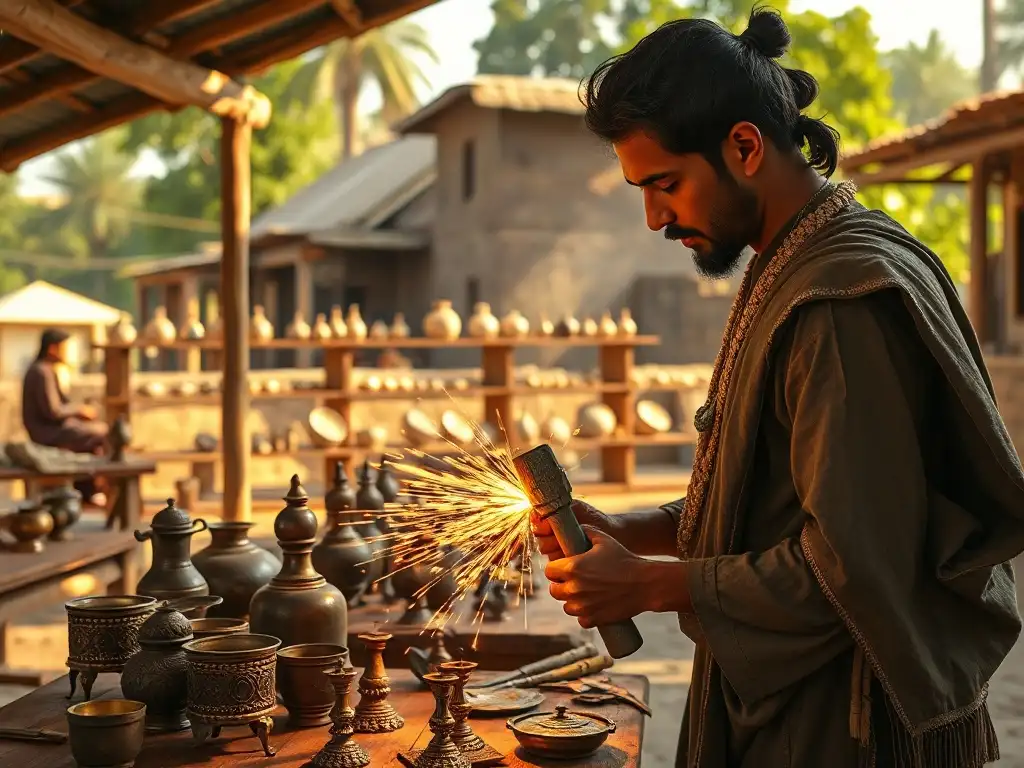
Welcome to Ancient India History, where we embark on a fascinating journey through the rich tapestry of ancient Indian civilizations. Today, we delve into the remarkable world of Harappan metallurgy advancements, uncovering the innovative techniques that shaped one of history's most sophisticated societies. What secrets lie within the artifacts of the Harappan civilization?
As you explore our featured article, "The Metallurgical Achievements of the Harappan Civilization," you'll discover how these early pioneers not only transformed materials but also laid the foundation for technological progress in the ages to come. Join us as we unveil the wonders of ancient India and ignite your curiosity about its profound legacy!
Introduction to Harappan Civilization
The Harappan Civilization, also known as the Indus Valley Civilization, is one of the most remarkable achievements of ancient India, flourishing around 2500 BCE in the northwestern regions of the Indian subcontinent. This civilization is renowned for its advanced urban planning, sophisticated drainage systems, and a highly organized societal structure.
One of the lesser-discussed yet equally important aspects of the Harappan Civilization is its metallurgical advancements, which played a crucial role in shaping the technological landscape of the time. Understanding these achievements not only sheds light on the ingenuity of the Harappans but also emphasizes their substantial contributions to the broader realms of metallurgy and material science.
Overview of the Harappan Civilization
The Harappan Civilization spanned across what is now Pakistan and northwest India, covering an area of approximately 1,250,000 square kilometers. Major urban centers such as Harappa and Mohenjo-Daro showcased remarkable architectural and engineering skills. The society was characterized by its well-planned cities, which featured grid patterns, advanced drainage systems, and standardized brick sizes. The Harappans engaged in a variety of economic activities, including agriculture, trade, and craft production, all of which were supported by their metallurgical innovations.
Significance of Metallurgy in Ancient Societies
Metallurgy has always been an essential technology in human history, marking significant advancements in tools, weaponry, and artistic expression. In ancient societies, the ability to manipulate metals not only enhanced daily life but also played a vital role in trade and warfare. The Harappan Civilization demonstrates this significance, as their metallurgical practices laid the groundwork for subsequent developments in the region. The mastery of metalworking allowed the Harappans to create durable goods, facilitate economic exchanges, and establish a level of technological sophistication that would influence later civilizations.
Harappan Metallurgy Advancements
The metallurgical advancements of the Harappan Civilization are a testament to their innovative spirit and technical prowess. The civilization's ability to extract, refine, and utilize various metals contributed significantly to their daily lives and cultural expressions.
Key Innovations in Harappan Metallurgy
The Harappans were pioneers in several metallurgical techniques, with notable innovations including:
- Copper and Bronze Working: The Harappans were among the first to develop techniques for smelting copper and creating bronze, a metal alloy made primarily of copper and tin. This advancement allowed for more effective tools and weapons.
- Metal Casting: The lost-wax casting technique was employed to create intricate metal objects, including jewelry, figurines, and tools. This method involved creating a wax model of the desired object, encasing it in clay, and then melting the wax away to leave a mold for metal pouring.
- Standardization of Tools: The use of standardized tool designs across various Harappan sites indicates a level of industrial organization not seen in many other ancient cultures. This uniformity facilitated trade and ensured consistency in quality.
Types of Metals Utilized in Harappan Society
The Harappan Civilization primarily utilized several types of metals, each serving unique purposes in their society:
- Copper: Widely used for making tools, weapons, and ornaments, copper was the most common metal in Harappan metallurgy.
- Bronze: Created by alloying copper with tin, bronze was used for more durable tools and artistic objects.
- Gold and Silver: While rarer, these precious metals were employed for creating jewelry and decorative items, showcasing the artistic skills of the Harappans.
The metallurgical achievements of the Harappan Civilization represent a significant chapter in the history of technology and innovation. Their advancements in metallurgy not only impacted their own society but also laid the foundation for future civilizations in the Indian subcontinent.
Techniques and Tools in Harappan Metallurgy
The Harappan Civilization, known for its advanced urban planning and sophisticated societal structure, also exhibited remarkable achievements in metallurgy. The techniques and tools developed during this time laid the foundation for subsequent advancements in metalworking. Harappan metallurgy primarily revolved around the processing of copper, bronze, lead, and zinc, with a notable emphasis on smelting and casting methods that were innovative for their time.
Smelting and Casting Processes
Smelting was a critical process in Harappan metallurgy, which involved extracting metals from their ores through heating. The Harappans likely utilized a combination of charcoal and clay furnaces to achieve the high temperatures necessary for smelting. The use of copper was predominant, with evidence of copper smelting sites found in regions such as Khetri and Rajasthan.
Once the copper was extracted, casting techniques were employed to shape the metal into various tools and artifacts. The lost-wax casting method is particularly noteworthy, as it allowed for intricate designs and detailed craftsmanship. This process involved creating a wax model of the desired shape, encasing it in clay, and then melting away the wax to pour molten metal into the mold. This technique enabled the production of finely detailed figurines, ornaments, and tools, showcasing the artisans' advanced skills.
Tools and Equipment Used in Harappan Metalworking
The tools and equipment utilized by Harappan metalworkers were essential for both smelting and crafting. Key tools included:
- Furnaces: Typically built from clay, these furnaces allowed for controlled heating during the smelting process.
- Molds: Used for casting, molds were often made from clay or stone, enabling the creation of various metal objects.
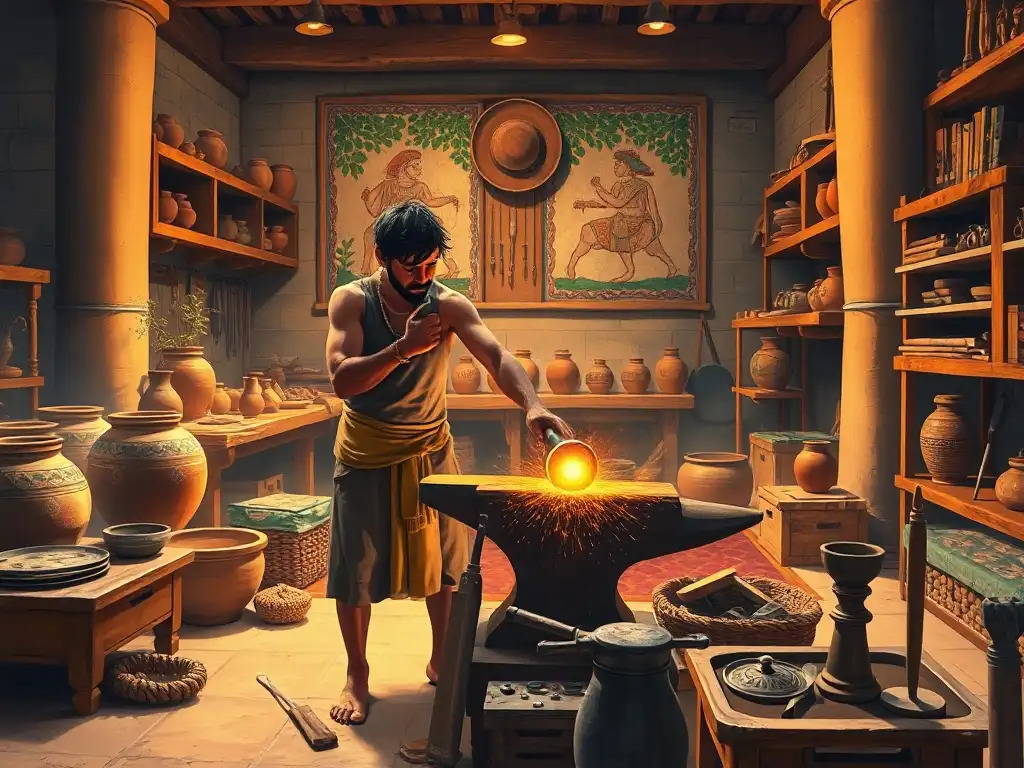
- Hammers and Anvils: Essential for shaping and refining metal, these tools demonstrated the complexity of metalworking techniques.
- Quenching Vessels: Used to cool hot metal rapidly, quenching improved the hardness and durability of metal tools.
The combination of these tools and the skilled labor of metalworkers significantly contributed to the efficiency and quality of Harappan metallurgical products.
The Role of Iron in Later Harappan Period
While the Harappan Civilization is primarily recognized for its copper and bronze metallurgy, iron began to play a notable role during the later phases of the civilization. Archaeological findings suggest that iron was used in various tools and weapons, marking a significant transition in metallurgy.
The introduction of iron technology likely enhanced agricultural productivity through the development of stronger plows and tools. This advancement facilitated more effective farming practices, contributing to the overall economic stability of the region. The transition from bronze to iron also indicates an evolution in trade patterns and technological exchange, as iron ore became more accessible and affordable compared to the rarer copper.
Trade and Metallurgical Exchange
The Harappan Civilization was not only a center of metallurgical innovation but also a hub for trade and exchange of metallurgical goods. The establishment of extensive trade networks facilitated the movement of raw materials and finished products across regions, significantly influencing the technological landscape of ancient India.
Trade Routes and Their Influence on Metallurgy
The Harappans established a complex network of trade routes that connected various regions, including the Indus Valley, Mesopotamia, and the Persian Gulf. These routes were vital in the exchange of metals, ores, and metallurgical techniques.
The influence of trade on metallurgy is evident in the adoption of new techniques and materials. For example, the interaction with Mesopotamian cultures likely introduced advanced smelting and alloying techniques, enriching Harappan metallurgical practices. Additionally, the trade routes enabled the importation of tin, crucial for bronze production, which was essential for creating tools and weapons.
Import and Export of Metal Goods
The Harappan Civilization engaged in the import and export of various metal goods, reflecting its sophisticated economy. Finished products like copper tools, bronze ornaments, and metal figurines were highly sought after in neighboring regions.
Conversely, the Harappans imported essential raw materials, such as tin and lead, from regions that had abundant resources. This reciprocal exchange not only enhanced the quality and diversity of Harappan metallurgy but also established the civilization as a significant player in the ancient trade networks.
Influence of Neighboring Civilizations on Harappan Metallurgy
The metallurgical advancements of the Harappan Civilization were significantly influenced by neighboring cultures. The interaction with contemporary civilizations, such as those in Mesopotamia and the Iranian Plateau, facilitated the exchange of knowledge and techniques.
For instance, the Harappans may have adopted certain casting methods and alloy compositions from these cultures, leading to innovations in their own metallurgical practices. The influence of neighboring civilizations is evident not only in technological advancements but also in stylistic elements of metal artifacts. Such exchanges contributed to the richness and diversity of Harappan metallurgy, showcasing the interconnectedness of ancient societies.
Overall, the metallurgical achievements of the Harappan Civilization reflect a blend of innovation, trade, and cultural exchange that has left a lasting impact on the history of metallurgy in ancient India.
Cultural Implications of Metallurgical Advancements
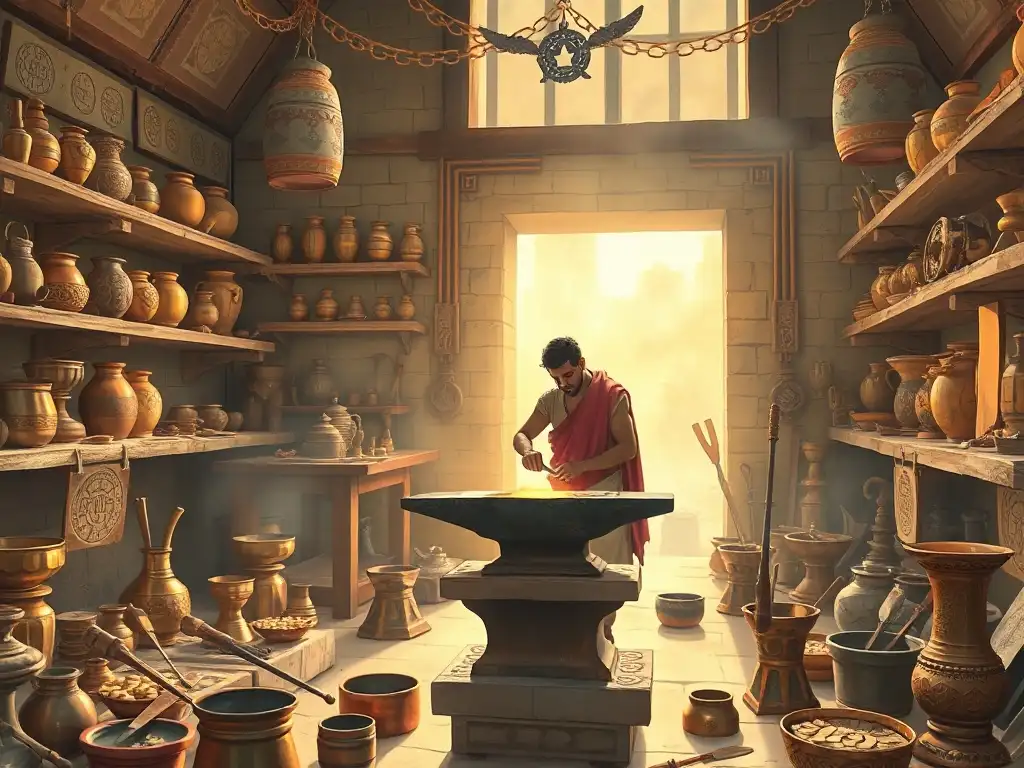
The metallurgical advancements of the Harappan Civilization were not merely technical achievements; they were deeply intertwined with the culture and daily life of the people. The ability to produce high-quality metalwork using copper, bronze, lead, and tin had significant implications for various aspects of society. The development of metallurgy facilitated trade, as the production of metal tools and ornaments made them valuable commodities. This trade not only enhanced economic prosperity but also fostered cultural exchanges with neighboring civilizations, leading to a rich blend of ideas and technologies.
Moreover, the advancements in metallurgy were reflective of the Harappans' sophisticated understanding of materials. The ability to create alloys, especially bronze, indicated a high level of scientific knowledge and experimentation. This ingenuity contributed to improved agricultural tools, weapons, and decorative items, which in turn influenced social stratification and the roles individuals played within the community. The use of metals in everyday life signified a shift from simple subsistence to a more complex society with varied needs and aspirations.
Metallurgy and Social Structure in Harappan Society
In the Harappan society, metallurgy played a crucial role in shaping the social structure. The production and distribution of metal goods likely created a hierarchy, where skilled artisans and metallurgists held a significant position in the community. This specialization of labor allowed for the emergence of distinct social roles, with craftspeople and traders becoming prominent figures in urban centers. The creation of intricate metal objects, such as tools, weapons, and jewelry, not only showcased individual craftsmanship but also served as status symbols, further reinforcing social stratification.
The availability of metal tools influenced agricultural practices, enabling more efficient farming techniques. This increased agricultural productivity supported a growing population and fostered urbanization. As cities like Harappa and Mohenjo-Daro flourished, the demand for metal goods surged, further entrenching the importance of metallurgy in daily life and societal organization. The interplay between metallurgy and social structure thus highlights the integral role of technological advancements in shaping the dynamics of Harappan civilization.
Artistic Expressions: Metalwork and Craftsmanship
The artistic expressions of the Harappan Civilization are vividly illustrated through their metalwork and craftsmanship. Artisans displayed exceptional skill in creating intricate designs and ornaments using techniques such as casting, forging, and engraving. The use of metals like copper and bronze allowed for the production of a diverse range of items, including tools, weapons, and decorative artifacts, showcasing both functionality and beauty.
Noteworthy examples of Harappan metalwork include beautifully crafted bangles, elaborate jewelry, and ceremonial objects. The designs often featured motifs inspired by nature, religious symbols, and geometric patterns, reflecting the cultural aesthetics of the time. Such metal artifacts not only served practical purposes but also played a significant role in rituals and ceremonies, indicating the high value placed on craftsmanship and artistic expression in Harappan society.
The craftsmanship of the Harappans influenced subsequent generations, as the techniques and styles developed during this period laid the foundations for later Indian metalworking traditions. The legacy of Harappan artistry can be observed in the rich tapestry of Indian decorative arts that followed.
Religious Significance of Metal Artifacts
Metal artifacts in the Harappan Civilization held profound religious significance, often serving as offerings or symbols in various rituals. The use of metals in religious contexts suggests a belief in their spiritual potency, with certain items being deemed sacred. For instance, metal figurines and amulets were likely created to invoke protection or blessings from deities, reflecting the intertwining of daily life and spiritual beliefs.
The presence of metal in burial practices further underscores its religious importance. Metal objects found in graves suggest that these items were intended to accompany the deceased into the afterlife, indicating a belief in life beyond death. Such practices highlight the reverence for materials and the belief in their ability to transcend the physical realm.
The religious significance of metal artifacts in the Harappan context reveals the civilization's complex spiritual life and the integral role of metallurgy in their cultural expressions.
Conclusion
The metallurgical achievements of the Harappan Civilization represent a remarkable aspect of ancient Indian technology and culture. The advancements in metalworking not only transformed the economic landscape but also influenced the social structure, artistic expressions, and religious practices of the time.
Summary of Harappan Metallurgy Advancements
The Harappan metallurgy advancements encompassed a wide range of techniques and products, including the creation of copper and bronze tools, decorative items, and religious artifacts. The skilled craftsmanship displayed in their metalwork reflects a sophisticated understanding of materials and techniques, establishing the Harappans as pioneers in metallurgy.
Legacy of Harappan Metallurgy in Subsequent Indian Civilizations
The legacy of Harappan metallurgy is evident in the subsequent Indian civilizations, where the techniques and artistic styles evolved but retained roots in Harappan innovations. The metallurgy practices established during this period laid the groundwork for future advancements in metalworking, influencing various regions across India. The ability to work with metals became an integral part of Indian culture, shaping economic practices, artistic traditions, and technological progress for centuries to come. The Harappan Civilization's contributions to metallurgy remain a testament to its ingenuity and lasting impact on the history of ancient India.
References
Key Sources and Further Reading on Harappan Metallurgy
-
Books
-
"The Indus Civilization: A Contemporary Perspective" by Jane McIntosh
This comprehensive book covers various aspects of the Indus Valley civilization, including detailed discussions on metallurgy and the technological innovations that characterized the Harappan period.
-
"Metallurgy in Ancient India" by R. Balasubramaniam
This work provides insights into the metallurgical practices of ancient India, with a particular focus on the advancements made during the Harappan civilization, supported by archaeological evidence.
-
-
Research Papers
-
"The Role of Metallurgy in the Harappan Civilization" by D. P. Agrawal
This paper analyzes the significance of metalworking in the social and economic structures of the Harappan civilization, detailing the methods and materials used by Harappan metallurgists.
-
"Copper and Bronze in the Harappan Civilization" published in the Journal of Archaeological Science
This article presents findings from excavations that reveal the techniques and tools used in copper and bronze metallurgy, showcasing the Harappans' expertise in these materials.
-
-
Online Resources
-
The Archaeological Survey of India's Official Website
This site features numerous reports and findings related to the Harappan civilization, including information on their metallurgical techniques and discoveries made at key archaeological sites.
-
Harappa.com
A dedicated platform that compiles research, articles, and discussions on the Harappan civilization, including its advancements in metallurgy and material sciences.
-
-
Documentaries and Educational Videos
-
"The Lost Civilization of the Indus Valley"
This documentary explores the lifestyle, technologies, and innovations of the Harappan civilization, offering visual evidence of their metallurgical practices.
-
-
Museums and Exhibitions
-
The National Museum, New Delhi
The museum houses an extensive collection of artifacts from the Harappan civilization, including copper and bronze tools, showcasing the advanced metallurgical skills of the time.
-
These sources provide a wealth of information for anyone interested in delving deeper into the metallurgical achievements of the Harappan civilization, illustrating their role in shaping ancient Indian technology and culture.
- Introduction to Harappan Civilization
- Harappan Metallurgy Advancements
- Techniques and Tools in Harappan Metallurgy
- Trade and Metallurgical Exchange
- Cultural Implications of Metallurgical Advancements
- Conclusion
- References
- What were the key advancements in metallurgy during the Harappan civilization?
- How did Harappan metallurgy influence later Indian cultures?
- What materials were primarily used in Harappan metallurgy?
- Were there any trade networks associated with Harappan metallurgy?
- How did the environment affect Harappan metallurgical practices?
Frequently Asked Questions
What were the key advancements in metallurgy during the Harappan civilization?
The Harappan civilization made significant advancements in metallurgy, particularly in copper, bronze, and lead production, which included sophisticated smelting techniques and the use of alloys.
How did Harappan metallurgy influence later Indian cultures?
The metallurgical techniques developed by the Harappans laid the groundwork for future Indian civilizations, influencing both the quality and craftsmanship of metalwork in subsequent eras.
What materials were primarily used in Harappan metallurgy?
The Harappans primarily used copper and bronze, which were essential for creating various tools, ornaments, and ceremonial items, showcasing their expertise in metalworking.
Were there any trade networks associated with Harappan metallurgy?
Yes, the Harappan civilization engaged in extensive trade networks, exchanging metallurgical products with neighboring regions, which facilitated the spread of their technological innovations.
How did the environment affect Harappan metallurgical practices?
The geological resources of the Indus Valley, including rich copper deposits, significantly influenced Harappan metallurgy, allowing for the development of advanced metalworking techniques adapted to local conditions.
Final Reflection: The Enduring Legacy of Harappan Metallurgy
The metallurgical advancements of the Harappan Civilization are not merely relics of the past; they are a testament to human ingenuity and the quest for progress that resonates profoundly in today's world. As we navigate the complexities of modern technology and sustainable practices, the innovative spirit of the Harappans serves as a reminder of the importance of resourcefulness and craftsmanship. Their ability to manipulate metals not only shaped their society but also laid the groundwork for future civilizations, illustrating how the echoes of history can inform our present and future.
The influence of Harappan metallurgy extends beyond mere historical significance; it has carved a niche in our cultural and social landscape. The meticulous techniques and artistry of the Harappans inspire contemporary artisans and metallurgists alike, fostering a sense of pride in our shared heritage. Their achievements remind us that the pursuit of knowledge and skill can transcend time and geography. Civilizations rise and fall, but the knowledge they leave behind is eternal.
This quote encapsulates the idea that the lessons learned from the Harappan Civilization continue to shape our understanding of metallurgy and craftsmanship today.
As we reflect on the remarkable achievements of the Harappan Civilization, let us embrace the lessons they impart. Consider how you can apply the principles of innovation and sustainability in your own life. Whether through supporting local artisans, engaging in sustainable practices, or simply appreciating the craftsmanship around you, each small action contributes to a larger narrative of progress. Together, we can honor the legacy of the Harappans by fostering a culture of creativity and responsibility that will inspire future generations.
Unveil the Secrets of Ancient Metallurgy!
Thank you for joining us on this journey through the remarkable metallurgical achievements of the Harappan Civilization! Your curiosity about this fascinating topic has provided you with valuable insights into how these innovations shaped their society and influenced future generations. Now, it's time to take action!
- Dive deeper into the subject by exploring additional resources on ancient metallurgy and its impact on technology.
- Share your newfound knowledge with friends or online communities to ignite discussions about the wonders of our historical past.
- Consider visiting a museum or exhibition that showcases Harappan artifacts to truly appreciate the craftsmanship and skill of this civilization.
What aspect of Harappan metallurgy surprised you the most, and how do you think it influences our understanding of ancient societies today?