
The Maritime Trade Networks of Ancient India: A Deep Dive

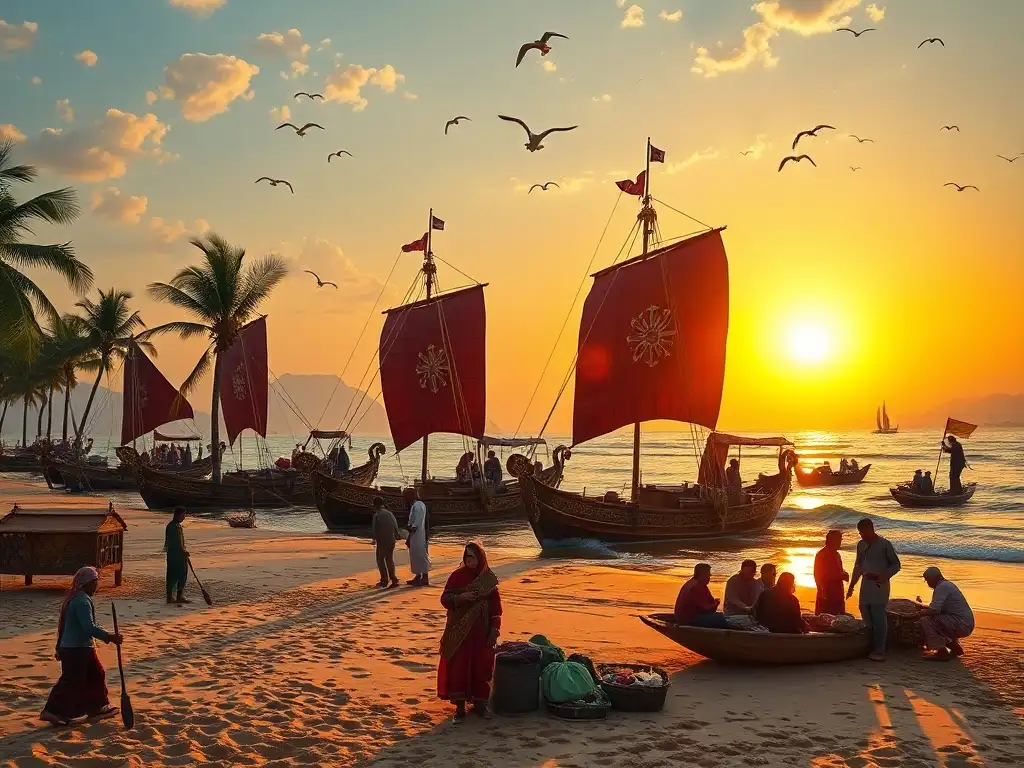
Welcome to Ancient India History, where we embark on a fascinating journey through the rich tapestry of India's past. In this exploration, we unveil the intricate maritime trade routes that connected ancient civilizations, revealing how these waterways shaped economies and cultures. Dive into our main article, “The Maritime Trade Networks of Ancient India: A Deep Dive,” and discover the secrets of trade that traversed oceans and time.
As you navigate through the currents of history, you’ll uncover stories of innovation, exchange, and the vibrant interactions that defined an era. Join us as we set sail into the depths of ancient commerce!
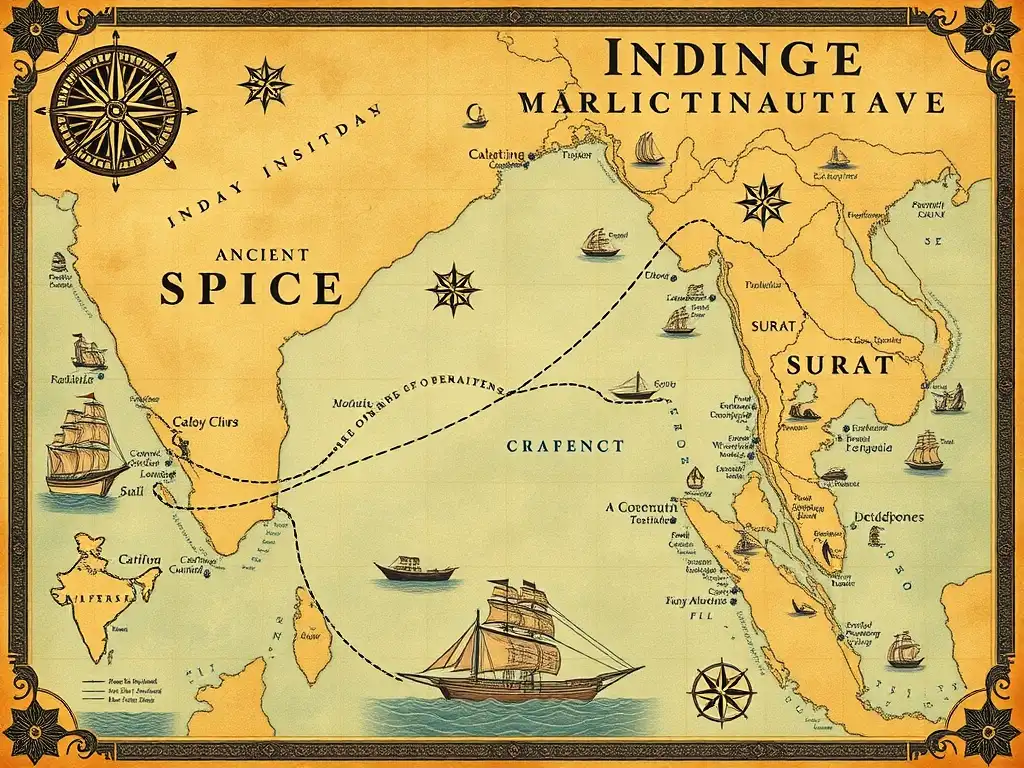
Introduction to Ancient Indian Maritime Trade Routes
The maritime trade routes of ancient India represent a crucial aspect of the region's historical narrative, intricately linking its diverse cultures, economies, and peoples. These trade networks facilitated not only the exchange of goods but also the intermingling of ideas, religions, and technologies across the Indian Ocean and beyond.
As we embark on this deep dive into ancient Indian maritime trade routes, we will explore the sophisticated systems established by ancient civilizations, their economic significance, and the lasting impact these routes had on shaping India's historical landscape. Understanding these trade networks is essential for appreciating how ancient India interacted with neighboring regions and contributed to a global trade economy long before the modern era.
Overview of Maritime Trade in Ancient India
Maritime trade in ancient India was characterized by a complex web of routes that spanned the Indian Ocean, connecting the subcontinent to various distant lands. Key ports such as Lothal, Bharukachchha, and Sopara served as bustling hubs of commerce, facilitating trade with regions like Mesopotamia, Egypt, and Southeast Asia. The primary commodities traded included spices, textiles, precious stones, and metals, which attracted merchants from across the globe.
- Key trade goods:
- Spices (e.g., black pepper, cardamom)
- Textiles (e.g., silk, cotton)
- Gems and jewelry (e.g., diamonds, pearls)
- Metal products (e.g., bronze, iron)
The maritime routes were not merely conduits for goods; they were also avenues for cultural exchange, introducing new ideas, art forms, and religious beliefs. The influence of Indian culture can be traced to these early interactions, highlighting the interconnectedness of ancient civilizations.
Importance of Trade Routes in Ancient Indian Economy
The trade routes were vital to the economic prosperity of ancient Indian kingdoms. They provided access to foreign markets, enabling Indian merchants to expand their reach and influence. The influx of wealth from trade allowed for the growth of cities, the patronage of arts and education, and the overall advancement of society.
- Economic benefits:
- Increased wealth and resources for local kingdoms
- Development of urban centers around trade ports
- Creation of jobs and opportunities in commerce and crafts
Furthermore, the maritime trade routes played a pivotal role in establishing political alliances and diplomatic relations with other civilizations. These interactions often resulted in mutual benefits, fostering a spirit of cooperation and shared interests across regions.
Historical Context of Maritime Trade in Ancient India
Understanding the historical context of maritime trade in ancient India requires a look back at the early civilizations that laid the groundwork for these extensive networks.
Early Civilizations and Their Trade Practices
The origins of maritime trade in India can be traced to the early civilizations that thrived along its coasts. The Indus Valley Civilization, which flourished around 2500 BCE, is particularly notable for its advanced urban planning and trade practices. Archaeological findings indicate that the people of this civilization engaged in extensive trade with distant lands, utilizing boats to transport goods along rivers and coastal areas.
- Noteworthy points:
- Urban centers like Harappa and Mohenjo-Daro had well-planned docks.
- Evidence of trade with Mesopotamia, including seals and artifacts.
- Use of standardized weights and measures for trade transactions.
The Role of the Indus Valley Civilization in Maritime Trade
The Indus Valley Civilization was instrumental in establishing the early framework for maritime trade in ancient India. Its strategic location near the Arabian Sea allowed it to engage with various maritime cultures, enhancing trade relations and economic exchanges. The civilization's adeptness at shipbuilding and navigation contributed significantly to its ability to trade effectively.
- Key contributions:
- Development of trade networks along rivers and coastlines.
- Exchange of goods such as cotton textiles and pottery.
- Influence on subsequent maritime practices in the region.
The legacy of the Indus Valley Civilization's maritime trade continues to resonate in the later periods of Indian history, setting the stage for the flourishing trade networks that would emerge during the subsequent eras.
Key Maritime Trade Routes of Ancient India
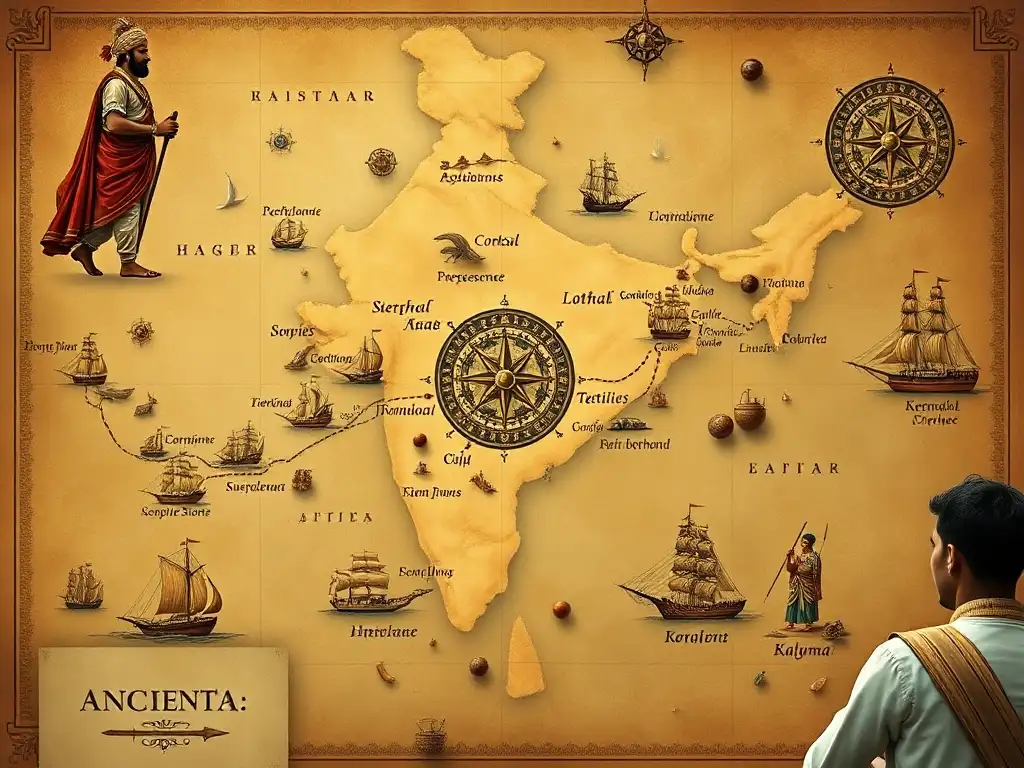
Ancient India was intricately connected to various parts of the world through an elaborate network of maritime trade routes. These routes facilitated not only the exchange of goods but also the flow of ideas, culture, and technology. The maritime trade routes were vital for the economic prosperity of ancient Indian civilizations, enabling them to engage with distant lands in Africa, the Middle East, and Southeast Asia. These routes were primarily utilized from the early centuries of the Common Era, growing in significance during the Gupta Empire and beyond.
Among the most prominent maritime trade routes were those that traversed the Arabian Sea, Bay of Bengal, and the Indian Ocean. Traders often navigated along the coastlines and utilized natural landmarks for navigation, leading to the establishment of well-defined paths that linked Indian ports with international trading hubs. The strategic geographic location of India made it a central player in the maritime trade network, acting as a bridge between the East and the West.
Major Sea Routes Connecting India to the World
The maritime trade routes of ancient India can be categorized into several major pathways:
- Western Sea Route: This route connected the ports of western India, such as Bharukachchha (modern-day Bharuch) and Sopara, to the Persian Gulf and further to the Red Sea. This facilitated trade with the Roman Empire and regions in East Africa.
- Eastern Sea Route: The ports along the eastern coast, such as Kaveripattinam and Tamluk, were linked to Southeast Asia, particularly the Malay Archipelago and the South China Sea. These routes were crucial for trade in spices and textiles.
- Southern Sea Route: Connecting the Indian subcontinent with the islands of the Indian Ocean, this route was essential for trade with Madagascar and the East African coast, allowing for the exchange of goods such as ivory and gold.
These routes were not only trade pathways but also conduits for cultural exchanges, influencing art, architecture, and religion across regions.
Important Ports and Trading Centers
Key ports played a pivotal role in the ancient Indian maritime trade network:
- Lothal: An important port of the Harappan civilization, Lothal is often cited as one of the earliest dockyards in the world. Its proximity to the Gulf of Khambhat facilitated trade with Mesopotamia and other civilizations.
- Kaveripattinam: Located in Tamil Nadu, this port was a significant trading center during the Sangam period, connecting South India with Southeast Asia. It was known for its thriving commerce in spices, pearls, and textiles.
- Sopara: Situated near modern-day Mumbai, Sopara was an essential trade hub that connected India with the Roman Empire and regions of the Middle East.
- Cochin (Kochi): This port emerged during the later periods of ancient India and became a vital center for the spice trade, attracting merchants from Arabia, Europe, and beyond.
These ports served as bustling marketplaces where merchants gathered to exchange goods, negotiate trades, and share cultural practices.
Goods Traded through Ancient Indian Maritime Routes
The ancient Indian maritime trade routes were instrumental in the exchange of a wide variety of goods. This not only included commodities but also facilitated the transfer of cultural and technological knowledge.
Exported Goods from Ancient India
Ancient India was renowned for its diverse range of products that were highly sought after in international markets:
- Spices: India was famous for its aromatic spices, including black pepper, cardamom, and cinnamon, which were exported to various regions, particularly the Middle East and Europe.
- Textiles: The subcontinent produced exquisite textiles, such as silk, cotton, and wool, which were in high demand. Indian fabrics were prized for their quality and craftsmanship.
- Precious Stones and Metals: India was a significant source of gems, including diamonds, rubies, and emeralds. Additionally, metals like gold and silver were also traded extensively.
- Medicinal Herbs: Various herbs used in traditional medicine, particularly Ayurveda, were exported, influencing health practices in other regions.
These exports not only generated wealth for the Indian kingdoms but also established India as a hub of luxury goods in the ancient world.
Imported Goods and Cultural Exchange
In addition to exporting goods, ancient Indian traders also engaged in the import of various products that enriched Indian culture:
- Glassware and Pottery: Imported from regions like Mesopotamia, these items were highly valued and influenced local craftsmanship.
- Metals: India imported copper and tin, which were essential for making bronze and other alloys, fostering advancements in metallurgy.
- Cultural Ideas and Practices: The maritime trade routes facilitated the exchange of cultural and religious ideas, including the spread of Buddhism to Southeast Asia and the introduction of various art forms.
The reciprocal nature of trade allowed for a rich cultural tapestry, where ideas and innovations flowed alongside tangible goods, shaping the development of ancient Indian society.
Through these trade networks, ancient India not only solidified its economic standing but also became a melting pot of cultures and traditions, leaving a lasting legacy on global history.
Ancient Indian maritime trade routes were supported by sophisticated navigational techniques and advanced shipbuilding methods. Mariners of this era demonstrated remarkable ingenuity in crafting vessels capable of traversing vast oceans and navigating complex coastal waters. These skills not only facilitated trade but also enabled cultural exchanges that would shape Indian civilization.
Ancient Indian Shipbuilding Methods
The shipbuilding industry in ancient India was characterized by a variety of methods and materials. Prominent coastal cities like Lothal, a key port of the Indus Valley Civilization, showcased advanced shipbuilding capabilities. The ships were primarily made from:
- Wood: Timber from trees like teak and cedar was commonly used due to its durability and resistance to seawater.
- Bamboo: Lightweight and flexible, bamboo was often utilized for smaller crafts and supports.
- Rope and Tar: Natural fibers were woven into ropes for rigging, while tar was used to waterproof the ships.
Ancient texts such as the Arthashastra by Kautilya provide insights into the construction of ships, detailing the importance of hull design and stability. Shipbuilders employed techniques like:
- Lapstrake Construction: Overlapping planks were fastened together, allowing for a stronger hull.
- Keel and Stern Construction: These elements provided the necessary balance and maneuverability, critical for long voyages.
The result was a fleet of vessels ranging from coastal fishing boats to larger merchant ships capable of long-distance trade.
Navigational Skills of Ancient Indian Mariners
The navigators of ancient India were highly skilled in their art, relying on a combination of celestial navigation and practical experience. They used various techniques to ensure safe passage across the seas, including:
- Celestial Navigation: Mariners observed the positions of stars and constellations, particularly the North Star, to determine their latitude and direction.
- Ocean Currents and Winds: Knowledge of seasonal monsoons and ocean currents played a crucial role in planning voyages, enabling sailors to exploit favorable winds.
- Coastal Landmarks: Mariners used visible landmarks and geographical features to guide their journeys along the coastlines.
Training in these navigational techniques was often passed down through generations, fostering a community of skilled seafarers who played a vital role in the maritime trade networks.
Cultural Interactions through Maritime Trade
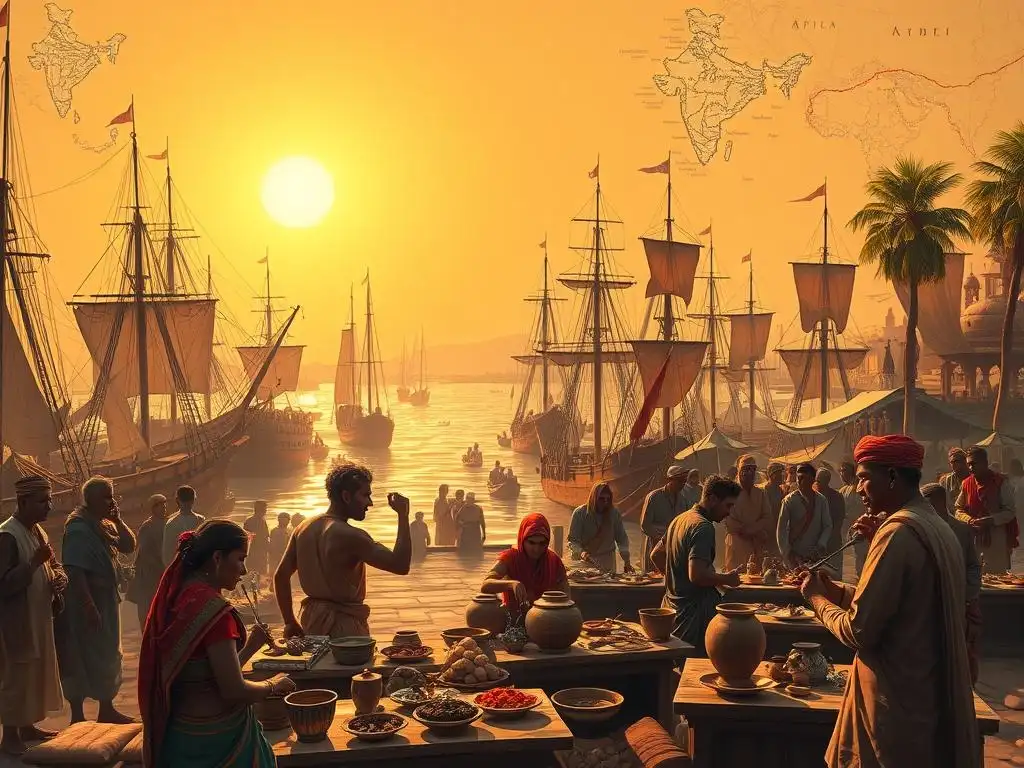
The maritime trade routes of ancient India were not merely conduits for goods; they were also channels for cultural interactions that enriched Indian society. The exchange of products led to the diffusion of ideas, beliefs, and practices among different civilizations.
Impact of Trade on Cultural Exchange
Trade facilitated significant cultural exchanges between India and various regions, including the Middle East, Africa, and Southeast Asia. This interaction resulted in the blending of artistic styles, culinary practices, and technological innovations. For instance, the influx of foreign goods influenced local craftsmanship and production techniques.
- Art and Architecture: The introduction of new motifs and styles from foreign lands can be seen in ancient Indian sculpture and temple architecture.
- Language and Literature: Trade routes led to the exchange of languages and literary traditions, enhancing the richness of Indian literature.
Such exchanges were pivotal in shaping the socio-cultural landscape of ancient India, fostering a sense of shared identity and cooperation among diverse communities.
Spread of Religions and Ideas via Trade Routes
The maritime trade routes also played a crucial role in the spread of religions and philosophical ideas. Hinduism, Buddhism, and Jainism found pathways to distant lands through merchants and travelers.
- Buddhism: Monks traveled along trade routes, spreading Buddhist teachings to regions like Southeast Asia, where they established monasteries and influenced local cultures.
- Hinduism: The exchange of ideas also facilitated the spread of Hindu practices and rituals, which were adopted by various communities along the trade routes.
Moreover, the interaction with foreign cultures led to the incorporation of new religious practices and beliefs into Indian society, enriching the spiritual landscape of the region.
Ancient Indian maritime trade routes were instrumental not just in economic terms but also as vibrant conduits of cultural interactions that significantly influenced the development of Indian civilization.
Challenges Faced by Ancient Indian Maritime Traders
Ancient Indian maritime traders navigated a complex web of challenges that impacted their ability to conduct trade across vast oceans and seas. These challenges can be broadly categorized into natural and human factors, each posing unique obstacles that traders had to overcome to ensure the success and safety of their voyages.
Natural Challenges: Weather and Monsoons
One of the most significant natural challenges faced by ancient Indian maritime traders was the unpredictable weather, particularly the seasonal monsoons. The Indian Ocean is characterized by distinct monsoon patterns that could either facilitate trade or pose serious risks:
- Monsoon Winds: The southwest monsoon, blowing from June to September, created favorable conditions for sailing towards the west, allowing traders to reach ports in Africa and the Arabian Peninsula. Conversely, the northeast monsoon from December to March was unsuitable for these routes, restricting trade during certain months.
- Storms and Cyclones: Sudden storms, particularly during the monsoon season, could be catastrophic. Mariners had to possess extensive knowledge of the sea and weather patterns to time their voyages effectively and avoid perilous conditions.
- Navigation Challenges: The lack of advanced navigational instruments meant that traders relied on the stars, currents, and local knowledge to navigate. This was particularly challenging in the vast expanses of the Indian Ocean, where miscalculations could lead to shipwrecks or loss of cargo.
Human Challenges: Piracy and Competition
In addition to natural obstacles, ancient Indian maritime traders faced human-induced challenges that complicated their trade activities:
- Piracy: The threat of piracy was prevalent in many maritime routes, especially along the coasts of the Arabian Sea and the Bay of Bengal. Pirates often targeted merchant ships, leading to significant losses of goods and endangering the lives of crew members. Traders had to adopt various strategies, including sailing in convoys or employing armed escorts, to mitigate these risks.
- Competition: The lucrative nature of maritime trade attracted numerous stakeholders, leading to fierce competition among traders. Various regional powers, including the Mauryas and the Cholas, sought to dominate trade routes, often resulting in conflicts or alliances that could disrupt established trading patterns. Traders had to navigate not only the seas but also the political landscapes of the regions they traded with.
Conclusion: The Legacy of Ancient Indian Maritime Trade Routes
The maritime trade routes of ancient India were not only vital for the economic prosperity of the region but also played a crucial role in cultural exchanges and the spread of ideas. The legacy of these trade networks continues to influence contemporary maritime trade.
Lasting Impact on Modern Trade Networks
The ancient Indian maritime trade routes laid the foundation for modern trading practices and networks. Key impacts include:
- Cultural Exchange: The interactions facilitated by these routes led to the exchange of goods, ideas, and culture, which shaped the societies involved in trade. This cultural blending can still be observed in the diverse societies along the Indian Ocean rim.
- Trade Infrastructure: Many modern ports in India and surrounding regions owe their origins to ancient trading hubs. The infrastructure developed during ancient times has evolved, but its roots can be traced back to the bustling trade networks of the past.
The Importance of Understanding Ancient Trade for Contemporary Insights
Studying ancient Indian maritime trade offers valuable insights into contemporary trade dynamics:
- Economic Strategies: Understanding the strategies employed by ancient traders to navigate challenges can inform modern economic practices, especially in regions facing similar geographical and political hurdles.
- Globalization Context: The historical context of trade routes emphasizes the long-standing nature of globalization, illustrating that economic interdependence has deep historical roots. This perspective is essential for analyzing today's interconnected markets and trade relations.
The maritime trade networks of ancient India not only shaped the economic landscape of their time but also left a lasting legacy that continues to resonate in our modern world.
- Introduction to Ancient Indian Maritime Trade Routes
- Overview of Maritime Trade in Ancient India
- Importance of Trade Routes in Ancient Indian Economy
- Historical Context of Maritime Trade in Ancient India
- Key Maritime Trade Routes of Ancient India
- Goods Traded through Ancient Indian Maritime Routes
- Navigational Techniques and Shipbuilding in Ancient India
- Cultural Interactions through Maritime Trade
- Challenges Faced by Ancient Indian Maritime Traders
- Conclusion: The Legacy of Ancient Indian Maritime Trade Routes
- What were the main maritime trade routes of ancient India?
- How did ancient Indian civilizations benefit from maritime trade?
- Which ancient Indian port cities were crucial for trade?
- What commodities were commonly traded via maritime routes?
- How did ancient Indian maritime trade influence its culture?
Frequently Asked Questions
What were the main maritime trade routes of ancient India?
Ancient Indian maritime trade routes connected India with regions like Southeast Asia, the Middle East, and Africa, facilitating the exchange of goods and culture.
How did ancient Indian civilizations benefit from maritime trade?
Maritime trade allowed ancient Indian civilizations to acquire valuable goods, such as spices, silk, and precious metals, while exporting items like cotton and textiles.
Which ancient Indian port cities were crucial for trade?
Key port cities such as Lothal, Kalyan, and Cochin played a significant role in maritime trade, serving as hubs for commerce and cultural exchange.
What commodities were commonly traded via maritime routes?
Maritime routes facilitated the trade of various commodities, including spices, jewelry, ivory, and ceramics, which were in high demand globally.
How did ancient Indian maritime trade influence its culture?
The exchanges through maritime trade enriched ancient Indian culture by introducing new ideas, religions, and art forms, fostering a blend of diverse influences across the region.
Final Reflection: The Enduring Legacy of Ancient Indian Maritime Trade Routes
The exploration of ancient Indian maritime trade routes reveals a profound connection between cultures, economies, and societies that resonates powerfully in today's globalized world. The intricate networks established by ancient Indian traders not only facilitated the exchange of goods but also fostered the dissemination of ideas, religions, and technologies across vast distances. This historical tapestry underscores the importance of trade as a catalyst for cultural exchange and mutual understanding, reminding us that our modern world is built upon the foundations laid by those who navigated the seas long ago.
The influence of these ancient trade routes continues to shape our cultural and social landscapes today. From the spices that once drew traders to the shores of India to the rich tapestry of cultural exchanges that occurred along these maritime paths, we see echoes of this legacy in our contemporary interactions. The words of historian K. N. Chaudhuri resonate here: The Indian Ocean was not merely a geographical space; it was a vibrant arena of cultural and commercial exchanges that shaped the destinies of nations.
This observation highlights how the interconnectedness fostered by these trade networks laid the groundwork for the multicultural societies we inhabit today.
As we reflect on the lessons of ancient Indian maritime trade, let us consider how we can apply these insights to our lives and communities. In a world that often feels divided, we are called to embrace the spirit of collaboration and exchange that characterized these ancient routes. I invite you to think about how you can foster connections in your own life, whether through cultural appreciation, economic collaboration, or simply by engaging with diverse perspectives. By doing so, we honor the legacy of those ancient traders and contribute to a more interconnected and harmonious world.
Unveil the Secrets of Ancient Maritime Trade!
Thank you for exploring the fascinating world of maritime trade networks in Ancient India! We hope you’ve gained valuable insights into how these networks shaped economic and cultural exchanges. Now, it's time to dive deeper and connect with this rich history.
Here are some engaging actions you can take next:
- Join a local history group or online forum to discuss the impact of maritime trade on global history and share your thoughts with fellow enthusiasts.
- Explore a documentary or book that delves into Ancient Indian trade—discover how these networks influenced modern trade systems!
- Share your newfound knowledge with friends by starting a conversation or posting on social media to inspire others to learn about Ancient India’s maritime heritage.
What aspect of Ancient India’s trade networks intrigues you the most, and how do you think it influences today's global trade?