
Ancient Indian Currency: The Birth of Coinage and Its Economic Impact


Welcome to Ancient India History, where we embark on a fascinating journey through the rich tapestry of ancient Indian civilizations. In this exploration, we’ll delve into the intriguing world of ancient Indian currency history, uncovering how the birth of coinage not only revolutionized trade but also shaped the economic landscape of its time. As we unravel the stories behind these early currencies, you'll discover their profound impact on society, culture, and commerce. Join us as we illuminate the past and spark your curiosity about the remarkable innovations that have influenced our world today!
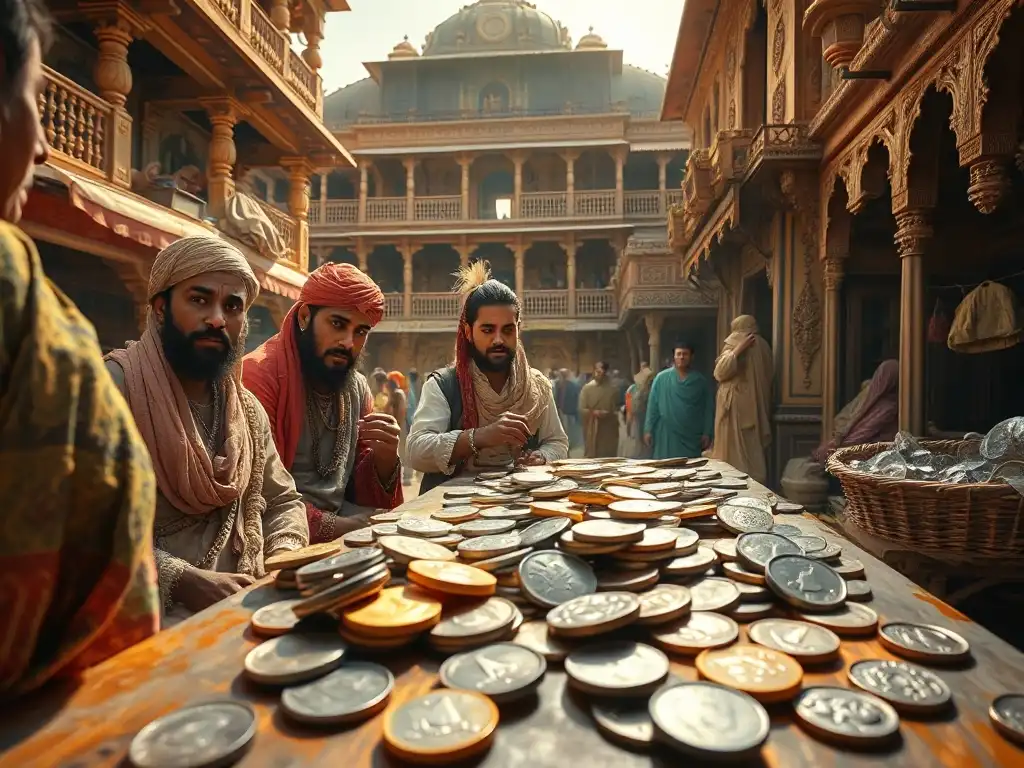
Introduction to Ancient Indian Currency History
The history of ancient Indian currency is a fascinating journey that unveils the evolution of economic practices and systems from the prehistoric barter system to the sophisticated coinage used during the Gupta Empire. This article explores the rich tapestry of ancient Indian currency history, highlighting how the introduction of currency transformed trade, commerce, and economic structures in ancient India. Understanding this progression not only sheds light on the economic practices of the time but also offers insights into the broader socio-cultural implications of currency in shaping civilizations.
Overview of Economic Practices in Ancient India
Ancient India was characterized by a diverse range of economic practices that evolved over millennia. The economy was primarily agrarian, with agriculture serving as the backbone of society. Alongside farming, various crafts, trade, and commercial activities flourished. The economic landscape can be broadly categorized into:
- Agriculture: The primary source of sustenance and economic activity, with crops such as rice, wheat, and barley being cultivated.
- Trade: Both local and long-distance trade routes connected various regions, facilitating the exchange of goods like spices, textiles, and precious stones.
- Craftsmanship: Artisans played a vital role in producing goods, from pottery to metalwork, contributing to the local and regional economies.
These practices set the stage for the eventual emergence of currency as a means to streamline trade and simplify economic transactions.
Importance of Currency in Trade and Economy
Currency became a crucial element in the economic framework of ancient India, providing several advantages:
- Facilitating Trade: Currency simplified transactions, making it easier to exchange goods and services without the complexities of barter.
- Standardization of Value: Coins provided a standardized measure of value, helping to establish fair prices and reducing disputes in trade.
- Wealth Storage: Currency allowed individuals to store wealth more efficiently, contributing to the growth of savings and investment in various sectors.
As trade expanded beyond local markets, the need for a reliable currency system became increasingly essential for fostering economic growth and stability.
The Origins of Currency in Ancient India
The origins of currency in ancient India can be traced back to various forms of economic practices that predated coinage. Understanding these origins provides context for the significant shift towards a more structured currency system.
Pre-Coinage Trade Systems: Barter and Goods Exchange
Before the advent of currency, ancient Indian societies primarily relied on the barter system. This form of trade involved the direct exchange of goods and services, where value was determined by mutual agreement between parties. While effective in small communities, barter faced significant limitations, such as:
- Double Coincidence of Wants: Both parties needed to desire what the other offered, making transactions challenging.
- Lack of Standardization: Determining the value of disparate goods was often subjective and inconsistent.
These limitations highlighted the need for a more efficient system, paving the way for the introduction of currency.
The Transition from Barter to Currency
The transition from barter to currency occurred gradually, influenced by several factors:
- Increased Trade Volume: As trade expanded both locally and internationally, the inefficiencies of barter became increasingly apparent.
- Emergence of Commodity Money: Early forms of currency included commodities like grain, cattle, and metal objects, which held intrinsic value and were widely accepted.
- Introduction of Coins: The first metal coins, known as "punch-marked coins," emerged around the 6th century BCE, marking a significant turning point in ancient Indian currency history. These coins were stamped with symbols, providing a standardized medium of exchange that facilitated trade on a larger scale.
This evolution ultimately laid the foundation for the complex economic systems that characterized ancient Indian civilizations, reflecting their ingenuity and adaptability in the face of changing economic landscapes.
The Birth of Coinage in Ancient India

The inception of coinage in ancient India marks a pivotal moment in the evolution of its economic landscape. This transition from barter systems to a standardized medium of exchange enabled more complex economic transactions and facilitated trade across regions. Coinage is believed to have emerged around the 6th century BCE, with the earliest coins, known as "punch-marked coins," originating in the region of the Indo-Gangetic plains. These coins were typically made of silver and featured a variety of symbols created by punching designs into the metal, reflecting the socio-political contexts of the time.
The introduction of coinage not only revolutionized trade practices but also represented a significant shift in societal norms surrounding wealth and commerce. The ability to carry wealth in a tangible form allowed for increased savings and investments, setting the stage for burgeoning trade networks both within and beyond the Indian subcontinent. As such, the birth of coinage laid the groundwork for the sophisticated economic practices that would define ancient Indian civilizations.
Early Coins: Materials and Designs
The earliest coins in ancient India were predominantly made from metals such as silver, copper, and gold, with silver being the most widely used due to its relative value and availability. These coins often featured simple designs, including geometric shapes and symbols, which were not only decorative but also served as identifiers of the issuing authority.
The punch-marked coins, which emerged around 600 BCE, typically bore a variety of symbols, including animals, trees, and human figures, stamped into the metal using a die. This method allowed for quick production and standardization of currency, making it easier for merchants and traders to engage in commerce. As coinage evolved, the designs became more intricate, with later coins from various dynasties featuring detailed images of rulers, deities, and inscriptions that conveyed information about the issuing state.
Significant Civilizations: The Maurya and Gupta Empires
The Maurya and Gupta Empires played crucial roles in the development and standardization of currency in ancient India. Under the Mauryan Empire (322-185 BCE), established by Chandragupta Maurya, coinage became more widespread and regulated. The Mauryan coins often featured the symbols of the empire alongside inscriptions in Brahmi script, which not only facilitated trade but also reinforced the authority of the state.
The Gupta Empire (c. 240-550 CE), known for its cultural and economic prosperity, further advanced the concept of coinage. Gupta coins were notable for their artistic designs and the introduction of more sophisticated minting techniques. These coins often depicted the ruling monarch and various deities, reflecting the intertwining of religion and politics during this period. The Gupta era is often referred to as the "Golden Age" of India, and the proliferation of currency during this time significantly contributed to economic stability and growth.
The Role of Coins in Facilitating Trade
Coins played an instrumental role in facilitating trade across ancient India and beyond. With a standardized medium of exchange, merchants could conduct transactions with greater efficiency, eliminating the complexities associated with barter systems. Coins allowed for the establishment of fixed prices, making it easier to determine value and negotiate trades.
The widespread use of coins also fostered long-distance trade, as they could be easily transported and recognized across various regions. Trade routes, such as the Silk Road, connected India with distant markets, allowing Indian merchants to exchange goods like spices, textiles, and precious stones for foreign commodities. As trade flourished, the demand for reliable currency increased, prompting the continued minting of coins in various forms and denominations.
The Economic Impact of Ancient Indian Currency
The introduction and adoption of currency in ancient India had profound economic implications that shaped the trajectory of its civilization. The availability of coins facilitated not only trade but also the emergence of a more organized economic system, which contributed to the overall prosperity of society.
Influence on Local and Regional Trade
Ancient Indian currency significantly influenced local and regional trade dynamics. The accessibility of coins enabled smaller merchants and local traders to participate in commerce, breaking down previous barriers that limited trade to affluent individuals or large enterprises. This democratization of trade led to increased market activity and the establishment of local economies.
Moreover, coins became a common means of exchange in various regions, fostering economic interdependence among different communities. As trade networks expanded, the flow of goods and services increased, enriching cultural exchanges and promoting regional specialization. The result was a vibrant marketplace that contributed to the overall economic vitality of ancient India.
The Role of Currency in State Revenue and Taxation
Currency emerged as a vital tool for state revenue generation and taxation in ancient India. Governments established standardized currencies to facilitate the collection of taxes, which were essential for maintaining state functions and funding public projects. Coins served as a tangible representation of wealth, making it easier for rulers to assess and collect taxes from their subjects.
In addition to taxation, currency played a role in state-sponsored economic initiatives, such as funding infrastructure development and public welfare projects. The stability provided by a unified currency system allowed for better financial planning and resource allocation, further enhancing the capabilities of ancient Indian states.
Currency as a Tool for Economic Stability
The establishment of a reliable currency system contributed significantly to economic stability in ancient India. By providing a consistent medium of exchange, coins minimized inflationary pressures and reduced the uncertainties associated with barter trading. This economic stability fostered confidence among traders and consumers, encouraging investment and stimulating economic growth.
Furthermore, the standardization of currency helped mitigate the risks associated with regional fluctuations in trade. A unified currency allowed for easier price comparisons and facilitated cross-regional transactions, promoting a more integrated economy. As a result, ancient Indian currency not only served as a means of exchange but also as a cornerstone for the economic resilience and growth of ancient civilizations.
The Evolution of Currency Systems in Ancient India
The evolution of currency systems in ancient India marks a significant chapter in the region's economic history. Initially, trade was conducted through a barter system, where goods and services were exchanged directly. This system, however, posed challenges due to the difficulty in determining equivalent values for different items. As commerce expanded, the need for a more efficient medium of exchange became apparent.
Around 600 BCE, the first coins were minted in India, primarily made of silver. These early coins, known as "punch-marked coins," featured various symbols and marks, representing different states or rulers. This innovation not only facilitated trade but also established a standardized form of currency that could be used across different regions, enhancing economic stability and interaction.
Over time, the concept of currency evolved, incorporating various materials and designs. The introduction of gold coins in the later periods marked a significant shift, as these coins were not only valuable but also durable. The evolution of currency in ancient India reflects a broader trend in the development of economic practices, showcasing the ingenuity and adaptability of Indian civilizations in addressing the complexities of trade.
Changes in Coinage Over Time: From Silver to Gold
The changes in coinage over time in ancient India reveal a fascinating transition from silver to gold, reflecting both economic needs and cultural influences. Initially, silver coins dominated the landscape, with the Mauryan Empire playing a crucial role in standardizing their production. The punch-marked silver coins of this period were widely circulated and accepted, laying the groundwork for future currency systems.
As trade routes expanded and connections with other civilizations increased, the demand for more prestigious forms of currency grew. By the time of the Gupta Empire (approximately 320-550 CE), gold coins became prevalent, symbolizing wealth and power. The introduction of gold coins, such as the famous "dinara," not only enhanced the monetary system but also served as a status symbol among royalty and elite classes.
The designs on these gold coins were intricate, often depicting deities, rulers, and cultural motifs, which further emphasized their significance. This transition from silver to gold coins marked a pivotal moment in ancient Indian currency history, as it reflected the increasing sophistication of trade and the growing influence of Indian merchants in regional and international markets.
Regional Variations in Currency: A Study of Different Kingdoms
Ancient India was characterized by a multitude of kingdoms and cultures, each contributing to the diversity of currency systems. Regional variations in currency were influenced by local economies, trade practices, and cultural traditions. For instance, the punch-marked coins of the Mauryan Empire were distinct from the beautifully crafted gold coins of the Gupta Empire, showcasing the artistic and economic priorities of different rulers.
In the southern regions, kingdoms like the Chola and Pandya used unique currency systems, often incorporating local materials and symbols. The Chola dynasty, for example, produced a variety of coins made from gold, silver, and copper, which were used in both local and overseas trade. Similarly, the use of cowrie shells as currency in coastal regions highlights the adaptation of currency to local economic practices.
The presence of various currencies across different kingdoms also facilitated trade networks. Merchants often had to navigate multiple currencies, leading to the development of exchange rates and trade agreements that further integrated regional economies. This rich tapestry of currency systems in ancient India illustrates the complexity and dynamism of its economic landscape.
The Legacy of Ancient Indian Currency
The legacy of ancient Indian currency extends far beyond its historical context, influencing modern economic practices and systems. The innovations in coinage and trading methods laid the groundwork for future financial systems in India and contributed to the development of a rich economic heritage.
Influence on Later Economic Practices in India
Ancient Indian currency practices significantly influenced later economic systems in the region. The establishment of standardized coinage and trade practices paved the way for the development of more sophisticated financial institutions in medieval and modern India. The use of coins as a medium of exchange created a framework for taxation, commerce, and economic governance that persisted through various dynasties.
Moreover, the legacy of ancient coinage can be seen in contemporary Indian currency. The principles of value, exchange, and representation that emerged during ancient times continue to inform modern economic practices, such as the use of notes and coins based on trust and state endorsement.
The Impact of Ancient Coinage on Global Trade Networks
Ancient Indian currency also played a crucial role in global trade networks, particularly during the flourishing periods of the Mauryan and Gupta empires. The introduction of gold and silver coins made Indian traders sought after in international markets, facilitating trade with regions such as the Roman Empire, Southeast Asia, and the Middle East.
The extensive trade routes established during this period allowed for the exchange of not just currency but also goods, ideas, and cultural practices. Indian textiles, spices, and intellectual contributions were highly valued, and the circulation of Indian coins in foreign lands established a sense of economic interconnectedness that would shape global trade for centuries to come.
The history of ancient Indian currency reflects a dynamic interaction between various cultures and economies, leaving a lasting legacy that continues to impact modern financial practices and global trade networks.
Conclusion: The Significance of Ancient Indian Currency History

The history of ancient Indian currency is not merely a tale of metal and trade; it represents the evolution of economic practices, societal structures, and cultural exchanges that shaped the Indian subcontinent. Understanding ancient Indian currency history allows us to appreciate how these early systems of exchange laid the groundwork for modern economic practices. The advent of coinage facilitated trade across vast distances, fostering connections between diverse regions and cultures.
Ancient Indian currency, particularly through the introduction of coins, revolutionized the way people engaged in commerce. It symbolized a shift from barter systems to a more structured and efficient method of trade. The standardized weight and value of coins enabled merchants to conduct transactions with greater ease, which ultimately contributed to the growth of markets and urban centers.
Recap of Key Points on Coinage and Economic Impact
- Origins of Coinage: The earliest forms of currency in India emerged around the 6th century BCE, with the introduction of punch-marked coins. These coins were made from silver and were often stamped with various symbols, reflecting the local authority and enabling trade.
- Economic Revolution: Coinage facilitated the expansion of trade networks across India, connecting different regions and cultures. The use of coins reduced the complexities of barter, allowing for more significant economic interactions and the establishment of markets.
- Regulation and Taxation: The introduction of coins also allowed for more effective taxation systems. Rulers could now levy taxes in a standardized form, which improved state revenue and provided funds for infrastructure and public services.
- Cultural Exchange: The circulation of currency contributed to cultural interchanges between various kingdoms and regions. It allowed not only for trade in goods but also for the exchange of ideas, art, and cultural practices.
Reflection on the Cultural Contributions of Currency in Ancient India
The significance of ancient Indian currency extends beyond its economic impact; it also played a vital role in the cultural landscape of the era. Currency often bore inscriptions and symbols that reflected the values, beliefs, and identities of the issuing authorities. For example, coins from the Maurya Empire featured images of rulers and deities, showcasing the intertwining of politics and religion.
Moreover, the prosperity generated by trade and commerce, facilitated by currency, led to advancements in various fields such as art, science, and literature. Wealth generated through trade allowed patronage of artisans and scholars, resulting in a flourishing of cultural achievements.
As ancient Indian currency evolved, it also influenced social structures. Different classes engaged in commerce, leading to the rise of merchant guilds and a more stratified society. This transformation illustrates how currency was not merely a tool for economic transactions, but a catalyst for social development and cultural identity.
The history of ancient Indian currency is a rich tapestry that weaves together economic practices, cultural exchanges, and social transformations. Understanding this history enriches our appreciation of ancient Indian civilization and its enduring legacy.
- Introduction to Ancient Indian Currency History
- Overview of Economic Practices in Ancient India
- Importance of Currency in Trade and Economy
- The Origins of Currency in Ancient India
- The Birth of Coinage in Ancient India
- The Economic Impact of Ancient Indian Currency
- The Evolution of Currency Systems in Ancient India
- The Legacy of Ancient Indian Currency
- Conclusion: The Significance of Ancient Indian Currency History
- Recap of Key Points on Coinage and Economic Impact
- Reflection on the Cultural Contributions of Currency in Ancient India
Frequently Asked Questions
What is the significance of ancient Indian currency history?
The ancient Indian currency history is significant as it showcases the evolution of trade, commerce, and economic systems in ancient India, reflecting the civilization's economic impact on society.
When did coinage first appear in ancient India?
Coinage first appeared in ancient India around the 6th century BCE, marking a crucial development in the economic landscape and facilitating trade between regions.
What were the materials used for ancient Indian coins?
Ancient Indian coins were primarily made from silver, gold, and copper, each material indicating different values and purposes in trade.
How did ancient Indian currency influence trade?
The introduction of coinage standardized transactions, which led to an increase in trade activities and the expansion of markets throughout ancient India, enhancing economic interactions.
What role did the Gupta Empire play in ancient currency?
The Gupta Empire significantly advanced currency by introducing uniform coins and improving the minting process, which further stimulated economic growth and facilitated trade across vast regions.
Final Reflection: The Enduring Legacy of Ancient Indian Currency
The history of ancient Indian currency is not just a tale of economic transactions; it is a profound narrative that illustrates the evolution of trade, culture, and society. Today, as we navigate a global economy increasingly influenced by digital currencies and blockchain technology, understanding the foundations laid by ancient coinage becomes crucial. The innovations of the past continue to resonate in our modern financial systems, reminding us that the roots of commerce are deeply intertwined with our cultural heritage.
The impact of ancient Indian currency extends far beyond mere economic implications; it has shaped social structures, cultural exchanges, and even political dynamics. The intricate designs and inscriptions on coins tell stories of the civilizations that minted them, reflecting their values and aspirations. As historian R.S. Sharma noted, Coins are not merely pieces of metal; they are historical documents that provide insight into the life and times of a society.
This observation underscores the importance of examining ancient currency not only as a means of trade but as a lens through which we can understand the complexities of human interaction and societal development.
As we reflect on the lessons of ancient Indian currency, let us consider how these historical insights can inform our actions today. I invite you to explore the significance of currency in your own life—how it shapes your interactions, influences your choices, and connects you to a broader economic narrative. By appreciating the rich history of ancient Indian currency, we can cultivate a deeper understanding of our present and inspire a more thoughtful approach to our economic future. Embrace this legacy, and let it guide you in navigating the complexities of modern commerce with wisdom and awareness.
Unveil the Rich Legacy of Ancient Currency!
Thank you for diving into the fascinating world of ancient Indian currency and the transformative role of coinage in shaping economies. Your newfound insights into this rich history are just the beginning! Now, let's explore how you can actively engage with this legacy and deepen your understanding.
- Discover the ancient practices: Visit a local museum or browse online archives to see rare artifacts and coins from this era—let the stories they tell ignite your curiosity!
- Join a community discussion: Participate in forums or social media groups focused on ancient history. Share your thoughts and learn from others who are equally passionate about this incredible journey.
- Plan a visit to historically significant sites: Exploring locations where these currencies were used can provide a tangible connection to their impact on society.
What surprising facts about ancient Indian currency do you think will spark the most discussion among your friends?