
Ancient Indian Trade Routes: Pathways to Prosperity

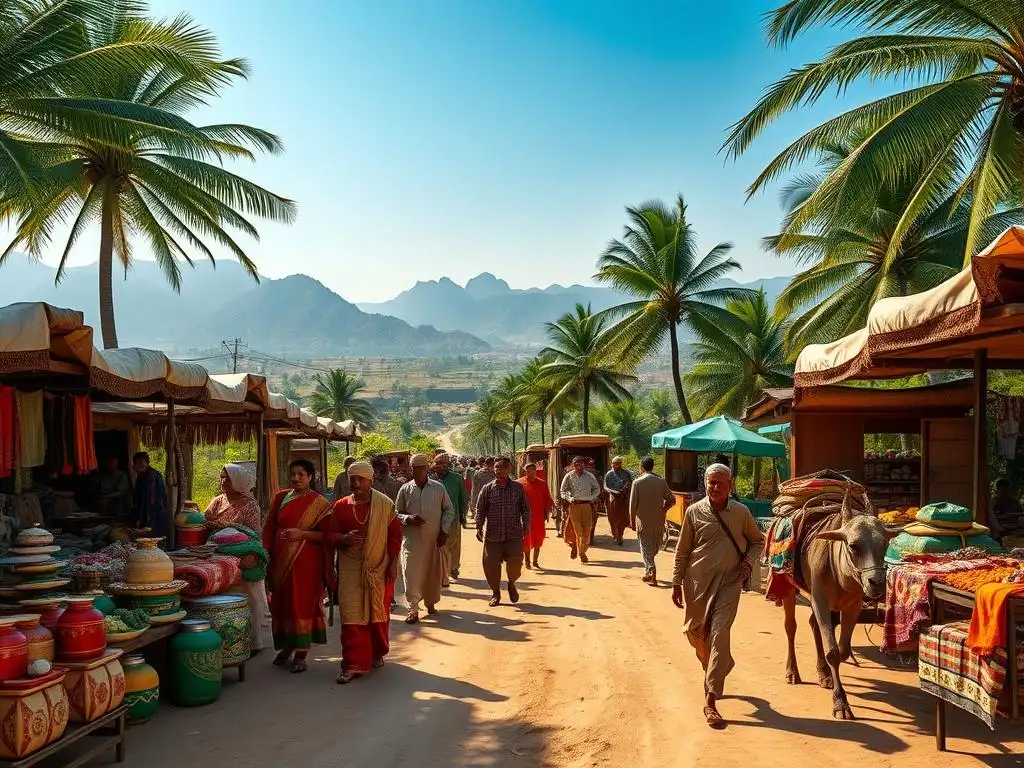
Welcome to Ancient India History, where we embark on a journey through the vibrant tapestry of India's past! Here, we delve into the ancient Indian trade routes history, uncovering how these pathways shaped not only the economy but also the cultural exchanges that enriched civilizations from the Indus Valley to the Gupta Empire. As you explore our captivating insights, prepare to discover the hidden stories of prosperity and connection that thrived along these ancient routes. Join us as we unravel the fascinating links between trade and the flourishing cultures of ancient India!
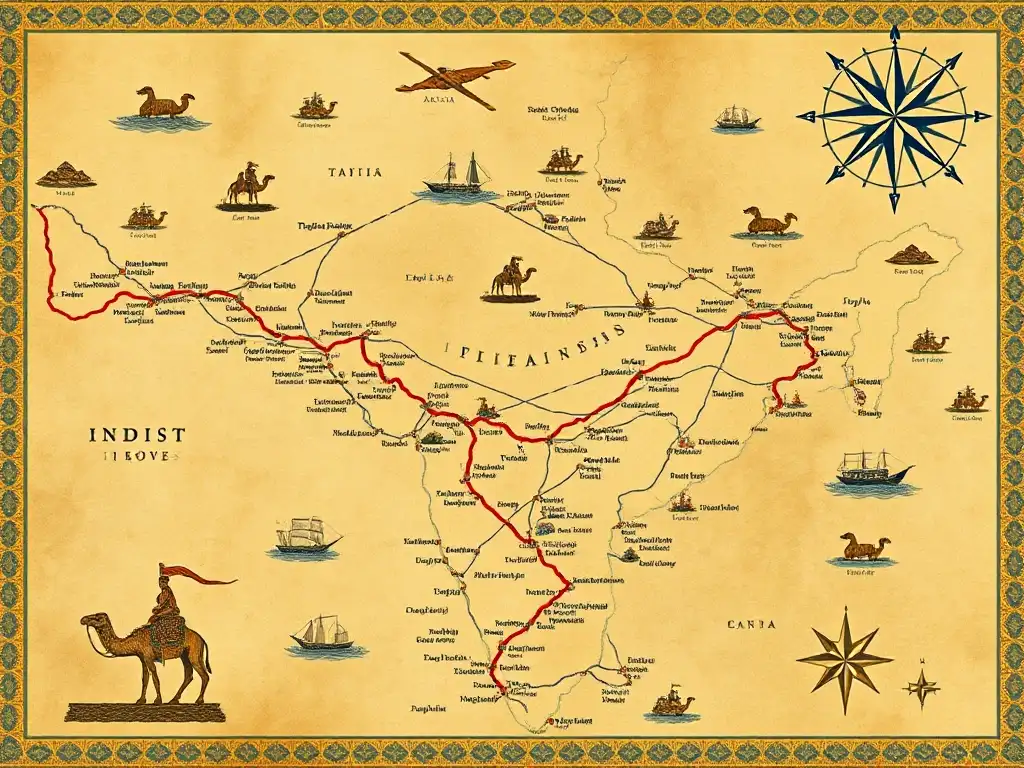
Introduction to Ancient Indian Trade Routes History
The history of ancient Indian trade routes is a testament to the vibrant commercial and cultural exchanges that shaped not only the Indian subcontinent but also the broader world. These routes served as vital arteries for the movement of goods, ideas, and people, fostering a rich tapestry of interactions that contributed significantly to the prosperity of ancient Indian civilizations.
From the bustling markets of the Indus Valley to the flourishing trade hubs of the Gupta Empire, the network of trade routes established a foundation for economic growth and cultural development. Understanding these pathways is crucial for appreciating the role of trade in shaping the history of ancient India and its influence on global commerce.
Overview of Trade in Ancient India
Trade in ancient India was marked by its diversity and complexity, encompassing a wide range of goods, including textiles, spices, metals, and precious stones.
- Key Aspects of Ancient Indian Trade:
- Goods Traded: India was known for its exquisite silk, vibrant textiles, aromatic spices, and intricate jewelry.
- Trading Partners: Indian merchants engaged with various cultures, including the Romans, Greeks, Persians, and Chinese, facilitating a rich exchange of goods and ideas.
- Marketplaces: Prominent cities like Taxila, Pataliputra, and Ujjain emerged as major trading centers, attracting merchants from distant lands.
This extensive trade network not only enriched the economy but also facilitated cultural exchanges, leading to the spread of religions, philosophies, and technologies across regions.
Importance of Trade Routes in Ancient Indian Civilization
The trade routes in ancient India played a pivotal role in the development and sustenance of civilizations. Their importance can be summarized as follows:
- Economic Growth: Trade routes enabled the flow of wealth, which was crucial for the economic prosperity of various kingdoms and empires.
- Cultural Exchange: These pathways facilitated the exchange of ideas, art, and religion, enriching the cultural landscape of ancient India.
- Political Alliances: Control over trade routes often led to strategic political alliances, enhancing the power and influence of various states.
The interconnectivity fostered by these routes illustrates how trade was not merely an economic activity but a cornerstone of civilization itself.
Major Ancient Indian Trade Routes
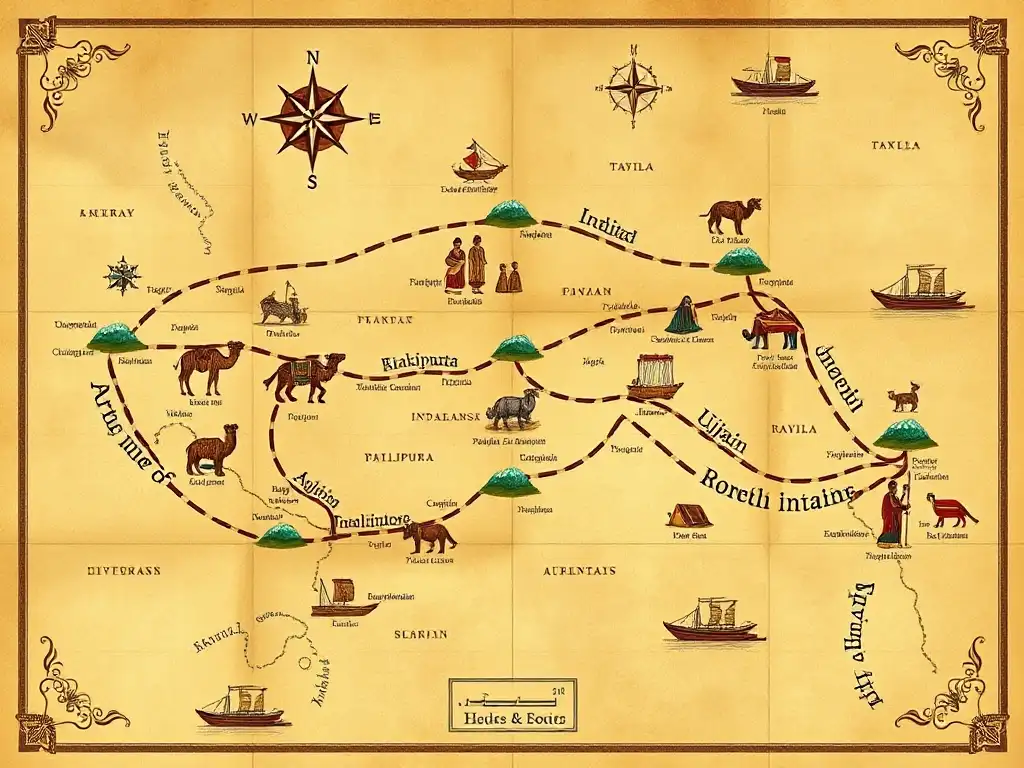
The Silk Road and Its Connection to India
The Silk Road, a historic network of trade routes that connected the East and West, played a crucial role in ancient Indian trade. This route facilitated not just the trade of silk, but also spices, gems, and other valuable goods.
- Key Points:
- India’s geographical location made it a key player in this extensive network, allowing it to act as a bridge between cultures.
- The exchange of ideas and technologies, such as Buddhism, which spread from India to Central Asia and beyond, highlights the cultural significance of this trade route.
The Spice Route: A Gateway to Prosperity
The Spice Route is perhaps one of the most famous trade networks associated with ancient India, known for its rich offerings of spices that were highly sought after in international markets.
- Significance:
- Spices like black pepper, cardamom, and cinnamon were not only valuable commodities but also played a vital role in culinary traditions worldwide.
- This route contributed enormously to India's wealth and established it as a dominant player in the global spice trade, impacting economies and cuisines across the globe.
The Grand Trunk Road: Linking Cultures and Markets
The Grand Trunk Road, one of the oldest and longest major roads in Asia, served as a crucial trade route in ancient India, connecting the eastern and western parts of the subcontinent.
- Features:
- It facilitated the movement of goods and people, linking major cities and towns along its path.
- The road fostered cultural exchanges and economic interactions, making it a vital artery for trade and communication in ancient times.
The ancient Indian trade routes were not just pathways for commerce; they were conduits of cultural exchange and development that played a significant role in shaping the history of ancient India. Understanding these routes enriches our comprehension of the complexities of ancient Indian trade and its lasting impacts on the world.
Historical Significance of Trade Routes in Ancient India
The trade routes of ancient India played a crucial role in shaping the subcontinent's economy, culture, and geopolitical landscape. These routes facilitated not just the exchange of goods, but also ideas, technologies, and cultural practices. Historical records, including accounts from travelers like Fa-Hien and Xuanzang, highlight the extensive network of trade that connected India with regions as far as Central Asia, the Mediterranean, and beyond. This interconnectivity helped India emerge as a significant player in global trade, influencing and being influenced by other civilizations.
The historical significance of these trade routes is underscored by their impact on the development of urban centers. Cities like Taxila, Pataliputra, and Ujjain became bustling trade hubs, fostering economic growth and cultural exchange. The prosperity generated through trade contributed to advancements in various fields, including science, mathematics, and art, leading to a rich cultural tapestry that characterized ancient Indian civilization.
Economic Impact of Trade Routes on Indian Civilizations
Trade routes significantly bolstered the economic framework of ancient Indian civilizations. They enabled the flow of goods such as spices, textiles, and precious stones, which were in high demand across the world. The exchange of these commodities generated wealth for local economies and facilitated the rise of merchant classes who played a pivotal role in trade dynamics.
Moreover, the economic impact extended beyond mere trade. The influx of wealth allowed for the patronage of arts and sciences, thereby enhancing cultural development. Tax revenues from trade contributed to the funding of public works and infrastructure, including roads and ports, which further facilitated trade. This economic prosperity was essential for the stability and expansion of various empires, including the Maurya and Gupta dynasties.
Cultural Exchange Along Ancient Indian Trade Routes
Ancient Indian trade routes were not just conduits for goods; they were also pathways for cultural exchange. As merchants traveled along these routes, they carried with them not only products but also ideas, technologies, religions, and cultural practices. This exchange enriched Indian culture and allowed for the blending of different traditions.
For instance, Buddhism spread along these trade routes, reaching Central Asia, China, and beyond, significantly impacting those regions. Similarly, the arrival of foreign influences, such as Hellenistic culture after Alexander the Great's conquests, led to the fusion of artistic styles and philosophies. This intercultural dialogue was pivotal in shaping the diverse cultural landscape of ancient India.
The Role of Major Cities as Trade Hubs in Ancient India
Major cities in ancient India served as vital trade hubs that facilitated commerce and cultural exchange. Cities like Ujjain, with its strategic location near the Narmada River, became significant for trade in textiles and spices. Taxila emerged as a center for learning and trade, attracting scholars and merchants alike, leading to a vibrant exchange of knowledge and goods.
These urban centers were often characterized by their bustling markets, advanced infrastructure, and administrative systems that supported trade activities. They played a crucial role in the economy by providing a marketplace for goods and services while also serving as melting pots of diverse cultures and ideas, thus enhancing the overall prosperity of ancient Indian civilization.
Key Goods Traded on Ancient Indian Trade Routes
Ancient Indian trade routes were characterized by the exchange of a variety of goods that were highly sought after both locally and internationally. These key goods not only fueled the economy but also played a significant role in establishing India's reputation in the global market of the ancient world.
Spices and Their Influence on Global Trade
Spices were among the most coveted commodities traded along ancient Indian trade routes, earning India a distinguished place in the annals of global trade history. The allure of spices such as black pepper, cardamom, and turmeric drew traders from distant lands, including the Romans and Arabs, who sought these exotic flavors to enhance their culinary traditions.
The demand for Indian spices led to the establishment of maritime trade routes, connecting India with regions like the Middle East and Europe. This trade not only enriched local economies but also encouraged the exploration of new trade paths, ultimately influencing global trade dynamics. The significance of spices in ancient commerce cannot be overstated, as they drove exploration and established India as a pivotal player in the ancient economy.
Textiles: The Fabric of Ancient Indian Economy
Textiles were another cornerstone of ancient Indian trade, with Indian cotton and silk fabrics being highly prized in international markets. The skillful craftsmanship of Indian weavers produced intricate designs that appealed to various cultures, leading to a flourishing textile industry. Markets in cities like Varanasi and Ahmedabad became renowned for their quality textiles, attracting foreign merchants.
The trade of textiles had a profound impact on the Indian economy, providing livelihoods for countless artisans and supporting the growth of urban centers. Moreover, as textiles were exchanged across trade routes, they fostered cultural exchange, with patterns and techniques being shared and adapted across different regions.
Precious Gems and Metals: A Source of Wealth
The trading of precious gems and metals was a significant aspect of ancient Indian trade routes, contributing greatly to the wealth of the subcontinent. India was known for its rich deposits of gemstones, including diamonds, rubies, and emeralds. These precious stones were highly sought after in markets across the Middle East and beyond.
Gold and silver were also extensively traded, serving as both currency and ornaments. The wealth generated from the trade of these valuable commodities allowed for the patronage of arts and architecture, leading to the construction of magnificent temples and monuments. Thus, the trade in precious gems and metals not only enriched individual merchants but also played a crucial role in the economic stability and cultural development of ancient Indian civilizations.
Challenges Faced by Ancient Indian Trade Routes
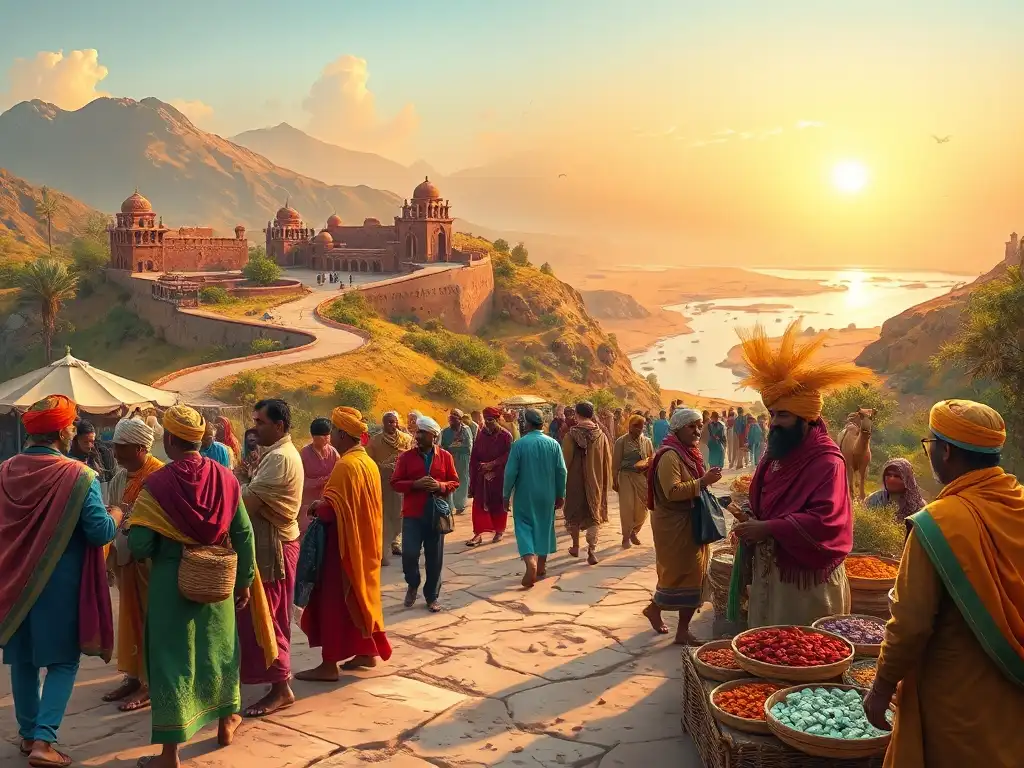
The ancient Indian trade routes were vital for the exchange of goods, culture, and ideas across regions. However, they encountered several challenges that affected their development and longevity. Understanding these challenges provides deeper insight into the resilience of ancient trade practices and their eventual evolution.
Geographic and Environmental Challenges
The diverse geography of India presented significant hurdles for ancient trade routes. The subcontinent features a variety of terrains, including mountains, deserts, and rivers, which could hinder the movement of traders and goods. For instance:
- The Himalayas: The towering mountain range posed natural barriers for overland trade with Central Asia, necessitating the use of narrow passes that could be treacherous and limited in capacity.
- The Thar Desert: This vast arid region created challenges for caravans traveling between India and the west, as the harsh climate and scarcity of water made long journeys perilous.
- Monsoon Seasons: Seasonal variations in weather could disrupt maritime trade routes. The monsoon winds, while beneficial for navigation, could also lead to unpredictable storms that threatened ships and cargo.
Navigating these geographic and environmental challenges demanded considerable skill and adaptability from ancient traders, influencing trade practices and the development of infrastructure.
Political Turmoil and Its Impact on Trade
Political instability in ancient India often had dire consequences for trade routes. Frequent conflicts, shifts in power, and invasions disrupted established trade patterns. Key factors included:
- Regional Conflicts: Rival kingdoms and empires frequently engaged in warfare, leading to the destruction of trade infrastructure and the imposition of taxes or tariffs that made trade less viable.
- Invasions: The invasions by foreign powers, such as the Greeks and later the Huns, not only destabilized local economies but also altered trade routes, forcing traders to seek new paths or abandon trade altogether.
- Changing Alliances: The fluctuating alliances between various regional powers could either facilitate or hinder trade. For instance, a treaty might open a route, while a breakdown in relations could lead to increased hostilities.
These political challenges required traders to be flexible and resourceful, often adapting their routes and methods to the prevailing circumstances.
Competition from Other Civilizations
As trade flourished in ancient India, competition from neighboring civilizations became a prominent challenge. Various factors contributed to this competitive atmosphere:
- Silk Road Rivalry: The Silk Road was a significant trade network connecting the East and West. Indian merchants often competed with Persian and Central Asian traders for access to lucrative markets, leading to conflicts over routes and trade agreements.
- Emerging Maritime Powers: Other civilizations, such as the Romans and the Southeast Asian kingdoms, began to develop their maritime routes, which could divert trade away from Indian ports. The rise of these competitors encouraged Indian traders to innovate and expand their networks.
- Resource Availability: Competition for valuable resources, such as spices, textiles, and precious metals, often led to conflicts and shifts in trade dynamics, affecting the stability of Indian trade routes.
The competitive nature of trade during this period ultimately spurred innovation and adaptation among Indian traders, shaping the evolution of their trade practices.
Conclusion: The Legacy of Ancient Indian Trade Routes
The legacy of ancient Indian trade routes is profound, leaving an indelible mark on both regional and global trade practices. These routes were not merely conduits for goods; they were avenues for cultural exchange and the spread of ideas.
Lasting Impact on Modern Trade Practices
The principles established by ancient Indian trade routes continue to resonate today. Modern trade practices have been influenced by the following:
- Diverse Networks: The interconnectedness of trade routes can be traced back to ancient times, where traders developed extensive networks that linked various regions. This concept persists in contemporary global supply chains.
- Cultural Exchange: The interactions facilitated by trade led to the sharing of knowledge, art, and technology, a legacy that persists in the multicultural exchanges seen in modern economies.
- Trade Policies: The historical challenges faced by ancient traders have informed current trade policies aimed at improving infrastructure, ensuring security, and fostering bilateral agreements between nations.
These enduring influences highlight the significance of ancient trade routes in shaping the foundations of global commerce.
Lessons Learned from the Ancient Indian Trade Routes History
The history of ancient Indian trade routes offers several valuable lessons that remain relevant today:
- Adaptability: The ability to adapt to changing circumstances was crucial for the survival of traders. This lesson emphasizes the importance of flexibility in business practices to navigate challenges in the modern economy.
- Collaborative Trade: Successful trade often depended on cooperation among various stakeholders. Modern businesses can learn from this by fostering partnerships and collaborations to enhance trade efficiency.
- Cultural Sensitivity: The rich cultural exchanges fostered by trade routes underscore the importance of understanding diverse perspectives in global commerce.
These lessons resonate with contemporary trade practices, reminding us of the enduring relevance of the ancient Indian trade routes in shaping not just the economy of the past but also the future of trade.
References and Further Reading on Ancient Indian Trade Routes
Understanding the intricate web of ancient Indian trade routes requires delving into a variety of scholarly sources, texts, and online resources that illuminate the history, significance, and impact of these pathways on the prosperity of ancient Indian civilizations. Below are curated suggestions for books, articles, and online resources that provide comprehensive insights into the subject.
Suggested Books and Articles
-
"The Silk Road: A New History" by Valerie Hansen
This book offers a fresh perspective on the Silk Road, including its connections to ancient India. It discusses trade dynamics, cultural exchanges, and the role of Indian merchants.
-
"Ancient Indian Trade and Commerce" by R.C. Majumdar
A classic text that explores the evolution of trade practices in ancient India, detailing the various commodities exchanged and the trade routes that facilitated this commerce.
-
"India and the Indian Ocean World: An Economic History, 1400-1800" by Ashutosh Kumar
While focusing on a later period, this book provides essential context on earlier trade routes and their development, emphasizing India's maritime trade connections.
-
"Trade and Politics in the Indian Ocean World: A Study of the Maldives" by J.M. B. V. S. K. R. Rao
This article examines the broader implications of trade in the Indian Ocean, highlighting the role of Indian trade routes in regional politics and economics.
-
"Merchants and Trade in Ancient India" by R. K. Sharma
This detailed study delves into the lives of merchants in ancient India, their networks, and their contributions to the economy, emphasizing the historical significance of trade routes.
Online Resources for Ancient Indian Trade History
-
National Digital Library of India (NDLI)
A vast repository of resources, including books, articles, and research papers on ancient Indian history and trade routes.
-
Indian Council of Historical Research (ICHR)
This website provides access to publications and research findings related to ancient Indian trade, including historical analyses and archaeological studies.
-
The British Museum: Ancient Indian Trade
The British Museum's digital collection features artifacts and exhibitions related to India's trade history, offering visual insights into the goods exchanged along ancient trade routes.
-
ResearchGate: Articles on Ancient Indian Trade
A platform where researchers publish their work, encompassing a wide array of articles on the topic of ancient Indian trade routes, their significance, and the economic implications.
-
Academia.edu
A resource for academic papers where scholars share their research on ancient Indian trade, including case studies and historical analyses that can enhance understanding of the trade networks.
These resources are instrumental for anyone interested in exploring the rich tapestry of ancient Indian trade routes and their profound impact on the socio-economic landscape of the time.
- Introduction to Ancient Indian Trade Routes History
- Overview of Trade in Ancient India
- Importance of Trade Routes in Ancient Indian Civilization
- Major Ancient Indian Trade Routes
- Historical Significance of Trade Routes in Ancient India
- Key Goods Traded on Ancient Indian Trade Routes
- Challenges Faced by Ancient Indian Trade Routes
- Conclusion: The Legacy of Ancient Indian Trade Routes
- References and Further Reading on Ancient Indian Trade Routes
Frequently Asked Questions
What were the main trade routes in ancient India?
The main trade routes included the Silk Road, which connected India to Central Asia, and the Maritime Spice Route that linked India to Southeast Asia and beyond, facilitating significant trade.
How did trade impact ancient Indian civilizations?
Trade significantly influenced social and economic development in ancient India, leading to cultural exchanges, wealth accumulation, and the establishment of influential city-states along trade routes.
What goods were commonly traded in ancient India?
Ancient Indian traders exchanged a variety of goods, including spices, textiles, precious stones, and metals, which were highly valued in international markets.
How did the geography of India influence trade?
The geography of India, with its mountains, rivers, and coastline, created natural pathways for trade, allowing for the development of extensive land and maritime routes that promoted connectivity.
What role did ancient Indian empires play in trade?
Ancient Indian empires, such as the Maurya and Gupta empires, played a crucial role in facilitating trade through the establishment of safe routes, currency systems, and trade regulations that encouraged commerce.
Final Reflection: The Enduring Legacy of Ancient Indian Trade Routes
The intricate web of ancient Indian trade routes not only shaped the economic landscape of their time but also laid the foundation for cultural exchange that resonates in our globalized world today. The history of these trade routes highlights the significance of connectivity and collaboration, reminding us that prosperity is often built on the foundations of shared knowledge and mutual respect. As we navigate our modern complexities, the lessons from these ancient pathways remain profoundly relevant.
The influence of ancient Indian trade routes extends beyond mere commerce; they were conduits of culture, ideas, and innovation that transformed societies. The exchange of goods such as spices, textiles, and precious stones was paralleled by the exchange of philosophies, religions, and art forms. This rich tapestry of interaction has left an indelible mark on our cultural heritage. Trade is not just about goods; it is about the exchange of ideas and the forging of relationships.
This quote encapsulates the essence of how trade routes served as bridges between civilizations, fostering a spirit of collaboration that continues to inspire us today.
As we reflect on the lessons of ancient Indian trade routes, let us consider how we can apply their principles of connection and cooperation in our own lives. Take a moment to think about the pathways you create in your daily interactions—whether in your community, workplace, or beyond. Embrace the opportunity to build bridges, share knowledge, and cultivate relationships that can lead to mutual prosperity. In doing so, we honor the legacy of those who traveled these ancient routes, paving the way for a more interconnected and harmonious future.
Unveil the Wonders of Ancient Trade Routes!
Thank you for exploring the fascinating world of Ancient Indian trade routes with us! You've uncovered how these pathways not only created prosperity but also shaped cultural exchanges that resonate through history. Now, let's take your interest a step further!
Here’s how you can deepen your engagement with this captivating subject:
- Dive deeper into history: Research a specific trade route that captures your interest, and uncover more about its impact on ancient civilizations.
- Share the knowledge: Discuss this topic with friends or family—your insights could inspire a whole new appreciation for history!
- Join a community: Connect with fellow history enthusiasts online to share discoveries and gain new perspectives.
What aspect of ancient trade routes fascinates you the most, and how do you think they’ve influenced modern trade practices? Let’s discuss in the comments!