
The Role of Ancient Royal Patronage in Trade Expansion


Welcome to Ancient India History, where we embark on a journey through the vibrant tapestry of India’s past. Here, we delve into the pivotal role of Ancient Indian royal patronage trade, illuminating how the support of royalty fueled the expansion of commerce and enriched the cultural landscape of ancient civilizations. From the bustling markets of the Indus Valley to the flourishing trade routes of the Gupta Empire, each thread of history weaves a story that shapes the present.
Curious to discover how these powerful patrons influenced trade and economy? Join us as we uncover the fascinating interplay between royalty and commerce that transformed ancient India.
Introduction to Ancient Indian Royal Patronage and Trade
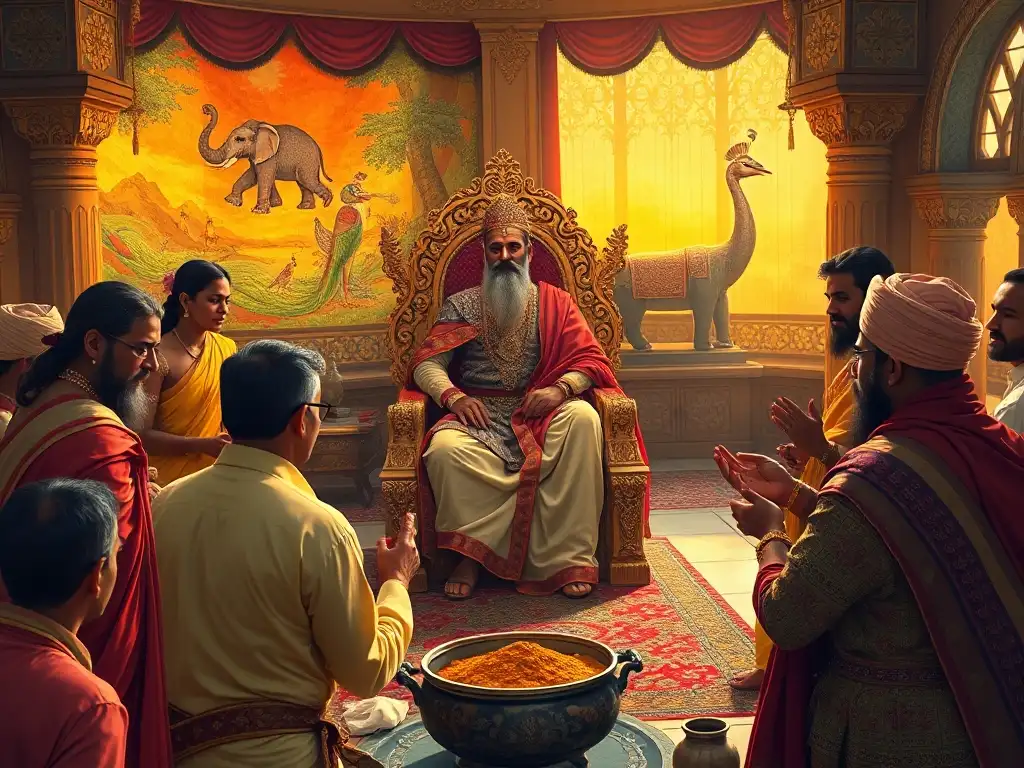
Ancient India was a melting pot of diverse cultures, philosophies, and economies, with trade serving as a vital component of its development. At the heart of this economic flourishing was royal patronage, which played a crucial role in stimulating trade networks that connected India with distant lands.
From the bustling markets of the Indus Valley Civilization to the thriving trade routes established during the Gupta Empire, royal endorsements not only facilitated commerce but also enhanced India’s cultural exchanges with neighboring regions. This article delves into the intricate relationship between ancient Indian royal patronage and trade, exploring how it shaped the economic landscape of the subcontinent.
Overview of Ancient Indian Trade Systems
The trade systems in ancient India were remarkably sophisticated and varied, involving both local markets and international trade routes that spanned continents. Key aspects of these trade systems included:
- Land and Maritime Trade Routes: Ancient India was strategically located between major trade routes, such as the Silk Road, which connected it to Central Asia, and maritime routes that linked it to Southeast Asia, the Middle East, and beyond.
- Goods Traded: Indian merchants exchanged a plethora of goods, including spices, textiles, precious stones, and agricultural products. This not only enriched the economy but also introduced foreign goods and ideas to Indian society.
- Trade Organizations: Guilds and trading communities, such as the Shreshthi and Vaishya, played a significant role in trade regulation, setting standards for quality and pricing, and facilitating safe trade practices.
Importance of Royal Patronage in Economic Development
Royal patronage was integral to the expansion of trade in ancient India, as it provided the necessary support and protection for merchants and traders. The significance of this patronage included:
- Protection and Security: Kings often ensured the safety of trade routes, offering protection against banditry and conflicts that could disrupt commerce.
- Infrastructure Development: Patrons invested in the construction of roads, ports, and marketplaces, enhancing accessibility and efficiency in trade transactions.
- Diplomatic Relations: Royal patronage helped establish diplomatic ties with foreign entities, facilitating smoother trade negotiations and exchanges.
The Historical Context of Royal Patronage

To understand the role of royal patronage in ancient Indian trade, it is essential to define its parameters and explore the dynasties that significantly influenced this dynamic.
Definition of Royal Patronage in Ancient India
In the context of ancient India, royal patronage refers to the support and endorsement provided by rulers to various economic activities, including trade. This included:
- Financial Support: Monarchs often provided funding for trade expeditions or infrastructure projects.
- Legislative Backing: Rulers enacted laws and provided privileges that benefited traders, such as reduced tariffs or tax exemptions.
- Cultural Endorsement: By promoting trade festivals and markets, kings fostered a culture of commerce that encouraged participation from their subjects.
Key Dynasties and Their Influence on Trade
Several dynasties in ancient India left a lasting impact on trade through their patronage:
- Maurya Empire (322-185 BCE): Under the leadership of Emperor Ashoka, trade flourished as he established a vast network of roads and promoted Buddhism, which in turn facilitated cultural exchanges along trade routes.
- Gupta Empire (c. 240-550 CE): Known as the Golden Age of India, this period saw significant advancements in science and arts, supported by royal patronage that bolstered trade with regions as far as Rome and Southeast Asia.
- Chola Dynasty (c. 300 BCE-1279 CE): The Cholas were instrumental in maritime trade, establishing a powerful navy that protected trade routes across the Indian Ocean.
Through this exploration of ancient Indian royal patronage and its crucial role in the expansion of trade, we gain insights into how these practices not only shaped the economy but also contributed to the cultural richness of one of the world's oldest civilizations.
Mechanisms of Royal Patronage in Trade Expansion
Ancient Indian royal patronage played a crucial role in expanding trade through various mechanisms that facilitated commerce, improved infrastructure, and established connections with distant lands. Royal patronage not only provided the necessary resources and support for trade but also encouraged merchants and traders to explore new opportunities.
The involvement of kings and emperors in trade activities often translated into the establishment of formal trade networks, the creation of favorable trade conditions, and the enhancement of economic stability. Key mechanisms through which royal patronage influenced trade expansion included the issuance of edicts, investment in infrastructure, and the establishment of trade guilds.
Establishment of Trade Routes through Royal Edicts
Royal edicts served as official declarations that set the tone for trade activities in ancient India. These decrees often established legal frameworks that protected merchants and regulated trade practices. For instance, rulers would issue edicts to define trade routes, grant privileges to merchants, and impose tariffs that could either encourage or discourage trade activities.
One notable example is the edicts of Emperor Ashoka, which not only promoted the spread of Buddhism but also facilitated trade across the subcontinent and beyond. Ashoka’s policies helped standardize weights and measures, making transactions more efficient and attractive to traders. These royal edicts effectively laid the groundwork for trade agreements between different regions, enriching the economy and fostering intercultural exchanges.
Infrastructure Development Funded by Royal Patronage
Infrastructure development was another significant mechanism of royal patronage that bolstered trade expansion. Ancient Indian kings understood the importance of well-maintained roads, ports, and marketplaces in facilitating commerce. By investing in infrastructure, rulers provided the physical means necessary for effective trade operations.
For instance, the construction of the Grand Trunk Road during the Maurya and Gupta periods significantly enhanced connectivity between major trade hubs. Similarly, the establishment of ports along the western coast, such as those in Gujarat, supported maritime trade routes, allowing for the exchange of goods with distant lands like the Roman Empire and Southeast Asia. These investments were essential in ensuring smooth transportation of goods, reducing travel time, and ultimately increasing trade volumes.
The Impact of Royal Patronage on Major Trade Routes
The influence of royal patronage on major trade routes was profound, as it facilitated not only the movement of goods but also the exchange of ideas, cultures, and technologies. The support provided by rulers often determined the prosperity of these trade routes, which in turn contributed to the economic and cultural richness of ancient Indian society.
The Silk Road and Its Connection to Ancient Indian Trade
The Silk Road was one of the most significant trade networks connecting the East and West, and ancient Indian civilizations played a pivotal role in its dynamics. Royal patronage was instrumental in establishing India as a key player in this vast trade system. Rulers actively promoted trade with Central Asia, China, and beyond, ensuring that Indian goods such as spices, textiles, and precious stones reached far-off markets.
Indian merchants, often supported by royal endorsements, traveled along the Silk Road, exchanging not only commodities but also cultural and religious ideas. The patronage of kings often meant that merchants could travel with greater security and access to resources, enhancing their ability to engage in long-distance trade. Moreover, the flourishing of trade along the Silk Road during the Gupta Empire highlighted the importance of royal support in creating a prosperous economic environment.
The Role of Royal Support in Maritime Trade Expansion
Royal support was equally vital for the expansion of maritime trade, which became increasingly significant during ancient times. Indian rulers recognized the strategic importance of coastal trade and invested in the development of ports and shipping routes. This investment not only facilitated the export of Indian goods but also attracted foreign traders.
The Chola dynasty, for example, was known for its maritime prowess and established trade links with Southeast Asian kingdoms. The support of rulers enabled the construction of ships and the establishment of trade agreements with other regions, thereby expanding the reach of Indian trade. Additionally, royal patronage ensured naval security, which was crucial for protecting trade routes from piracy and other threats. This royal backing was essential in establishing India as a maritime trade hub, fostering economic growth and cultural exchanges across the Indian Ocean.
Case Studies of Royal Patronage Influencing Trade
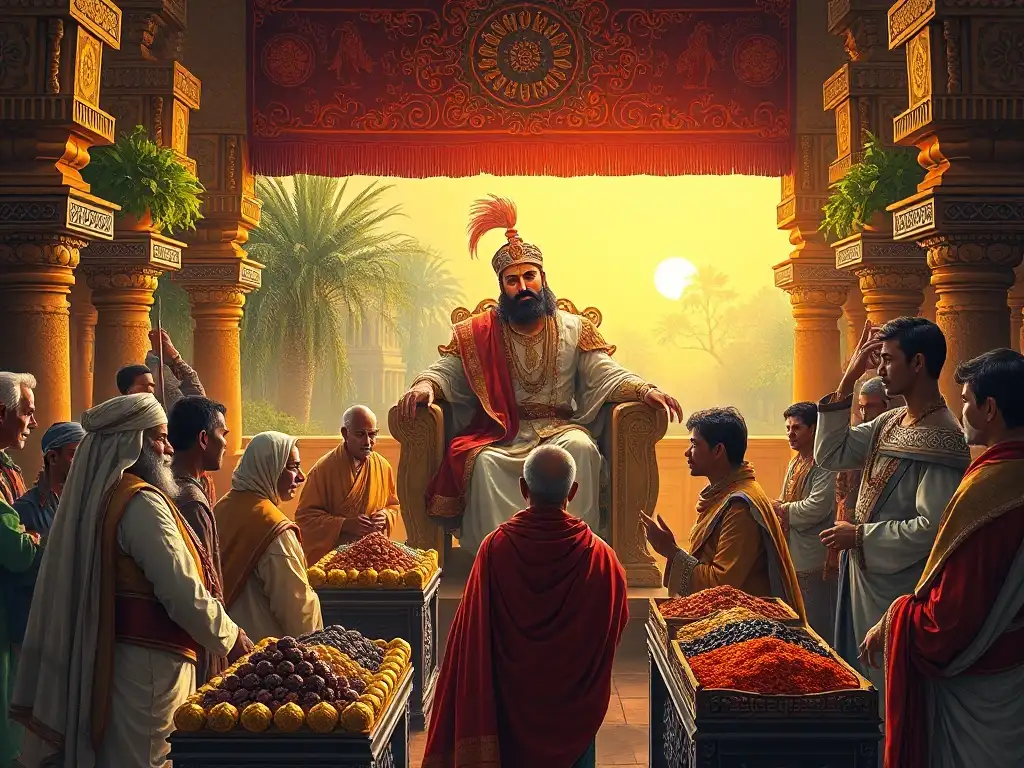
Throughout ancient Indian history, royal patronage played a pivotal role in shaping trade practices and expanding economic networks. Various empires and regional kingdoms utilized their influence and resources to foster trade connections, establishing India as a significant player in the global trade landscape. Below are notable examples illustrating the impact of royal patronage on trade expansion.
The Mauryan Empire: A Model of Trade Expansion
The Mauryan Empire (c. 322–185 BCE), under the leadership of Chandragupta Maurya and later Ashoka the Great, exemplified effective royal patronage that significantly boosted trade. The Mauryan rulers recognized the importance of trade routes, both land and maritime, and actively invested in their development. They established a vast network of roads, including the Grand Trunk Road, which facilitated the movement of goods and people across the empire.
Moreover, Ashoka's promotion of Buddhist ideals led to the establishment of stupas and monasteries along trade routes, acting as rest stops for traders. The Mauryan Empire also engaged in diplomatic relations with other regions, such as the Hellenistic kingdoms, which opened avenues for the exchange of goods like textiles, spices, and precious stones. The Mauryans’ emphasis on trade not only enriched their economy but also laid the groundwork for cultural exchanges that would influence subsequent empires.
Gupta Empire: Cultural Exchange and Economic Growth
The Gupta Empire (c. 240–550 CE) is often regarded as a golden age in Indian history, marked by significant advancements in art, science, and trade. The Gupta rulers actively supported trade and commerce, leading to a flourishing economy. They established trade links with distant lands, including Southeast Asia, the Mediterranean, and the Arabian Peninsula.
The Guptas promoted the production of high-quality textiles, metalwork, and handicrafts, which became highly sought after in international markets. The state also implemented policies to ensure the safety of trade routes, providing security for merchants traveling through their territories. Furthermore, the establishment of the Silk Road and maritime routes facilitated cultural exchanges. Indian traders brought back new ideas, art forms, and religious practices, showcasing the interconnectedness fostered by royal patronage.
Regional Kingdoms and Their Trade Contributions
In addition to the major empires, various regional kingdoms significantly contributed to trade expansion through royal patronage. For instance, the Chola Dynasty (c. 300 BCE–1279 CE) was instrumental in maritime trade, establishing a powerful navy that secured trade routes across the Indian Ocean. The Chola rulers promoted trade with Southeast Asia, leading to cultural and commercial exchanges that enriched both regions.
Similarly, the Satavahana Dynasty (c. 230 BCE–220 CE) played a crucial role in establishing trade networks along the Deccan Plateau. They opened trade routes to western India, facilitating the exchange of goods such as textiles, metals, and agricultural products. Royal patronage under these regional kingdoms not only enhanced local economies but also contributed to the broader tapestry of ancient Indian trade.
The Economic Legacy of Ancient Indian Royal Patronage
The influence of ancient Indian royal patronage on trade practices has left a lasting legacy that shaped both regional economies and global trade networks. The measures taken by these rulers not only enhanced economic prosperity during their reigns but also established frameworks that would endure for centuries.
Long-term Effects on Trade Practices
The royal patronage of trade in ancient India laid the foundations for complex trade systems that persisted long after the fall of these empires. The infrastructure developed during this era, including roads, ports, and marketplaces, continued to facilitate trade activities. The emphasis on security and regulation created a stable environment for merchants, encouraging trade to flourish.
Additionally, the exchange of goods and ideas initiated during this period contributed to the evolution of trade practices that incorporated diverse cultural elements. The legacy of trade routes established under royal patronage influenced subsequent trading practices in India, ensuring that the region remained a vital hub for commerce.
Influence on Subsequent Dynasties and Trade Systems
The impact of royal patronage on trade extended beyond the Mauryan and Gupta empires, influencing subsequent dynasties such as the Mughals and the Rajputs. These later rulers recognized the importance of trade for economic stability and actively sought to protect and expand existing trade networks.
The Mughal Empire, for example, capitalized on the established trade routes to enhance the export of Indian goods, particularly textiles and spices, to Europe and the Middle East. The legacy of royal patronage created a continuous chain of trade expansion that connected various regions and cultures, shaping the economic landscape of medieval India.
Royal Patronage's Role in Cultural Exchanges
Beyond economic benefits, royal patronage facilitated significant cultural exchanges through trade. The interaction between traders and local populations led to the dissemination of art, religion, and philosophy. For instance, the spread of Buddhism and Hinduism into Southeast Asia can be traced back to trade routes established by ancient Indian kingdoms.
Royal patronage not only encouraged the movement of goods but also fostered a dialogue between diverse cultures, enriching the cultural heritage of ancient India. This exchange of ideas and practices had a profound impact on art, architecture, and social structures, ultimately contributing to the rich tapestry of Indian civilization that is celebrated today.
Conclusion: The Lasting Impact of Ancient Indian Royal Patronage on Trade
The influence of ancient Indian royal patronage on trade expansion is profound and multifaceted, leaving an indelible mark on the socio-economic landscape of the region. The strategic support offered by various dynasties, such as the Mauryas, Guptas, and Cholas, facilitated the establishment and enhancement of trade routes that connected India not only to neighboring regions but also to far-flung markets across the globe. This patronage allowed for the flourishing of commerce, which in turn fostered cultural exchanges and the spread of ideas, religions, and technologies.
Royal patronage often translated into the construction of infrastructure such as roads, ports, and marketplaces, which were critical for trade activities. Moreover, the endorsement of particular trades, crafts, and industries by royal courts provided artisans and merchants with the confidence to innovate and expand their businesses. The legacy of these royal initiatives continues to be felt today as they laid the groundwork for India's enduring economic practices.
Summary of Key Points
- Strategic Support: Ancient Indian rulers played a pivotal role in promoting trade by supporting infrastructure development, such as roads and ports, which facilitated easier movement of goods.
- Cultural Exchange: The trade routes established under royal patronage were not merely conduits for commerce; they were also avenues for cultural interaction, leading to the blending of traditions and the dissemination of knowledge.
- Economic Prosperity: The patronage provided by royal families enabled the emergence of thriving markets and fostered economic prosperity, which was essential for the growth of cities and the overall economy of ancient India.
- Legacy of Innovation: The encouragement of specific crafts and industries by royal courts spurred innovation and specialization among artisans and merchants, resulting in unique products that appealed to both local and international markets.
Reflection on the Importance of Understanding Royal Patronage in Trade History
Understanding the role of ancient Indian royal patronage in trade history is crucial for several reasons. Firstly, it highlights the interconnectedness of political power and economic activity. The support from rulers often determined the success or failure of trade initiatives, illustrating how governance can shape economic landscapes.
Secondly, examining this aspect of history provides insights into the cultural dynamics of trade. The interactions fostered by trade routes under royal patronage reveal how commerce acted as a bridge between diverse cultures and communities, promoting tolerance and exchange.
Finally, recognizing the contributions of royal patronage offers a more nuanced view of ancient Indian history, moving beyond merely political narratives to include economic and cultural dimensions. This understanding is essential for appreciating the complexities of ancient civilizations and their legacies, which continue to influence modern South Asian societies. By studying these historical contexts, we can gain valuable lessons about the interplay between governance, trade, and cultural development that remain relevant today.
- Introduction to Ancient Indian Royal Patronage and Trade
- Overview of Ancient Indian Trade Systems
- Importance of Royal Patronage in Economic Development
- The Historical Context of Royal Patronage
- Mechanisms of Royal Patronage in Trade Expansion
- The Impact of Royal Patronage on Major Trade Routes
- Case Studies of Royal Patronage Influencing Trade
- The Economic Legacy of Ancient Indian Royal Patronage
- Conclusion: The Lasting Impact of Ancient Indian Royal Patronage on Trade
- What was the significance of royal patronage in ancient Indian trade?
- How did royal patronage influence the expansion of trade routes?
- Which civilizations in ancient India were known for their royal patronage of trade?
- What were some key contributions of ancient Indian civilizations to trade?
- How did cultural exchanges occur due to trade in ancient India?
Frequently Asked Questions
What was the significance of royal patronage in ancient Indian trade?
Royal patronage played a crucial role in facilitating trade by providing protection, infrastructure, and resources that enhanced commercial activities and encouraged economic growth.
How did royal patronage influence the expansion of trade routes?
Through financial support and encouragement, rulers established and maintained trade routes, enabling merchants to safely conduct business across vast distances, ultimately boosting trade.
Which civilizations in ancient India were known for their royal patronage of trade?
The Maurya, Gupta, and Chola dynasties are notable for their royal patronage, which significantly contributed to the prosperity and expansion of trade during their reigns.
What were some key contributions of ancient Indian civilizations to trade?
Ancient Indian civilizations contributed to trade through the development of advanced techniques in navigation, currency systems, and the establishment of markets that facilitated both local and international commerce.
How did cultural exchanges occur due to trade in ancient India?
Trade fostered cultural exchanges as merchants brought not only goods but also ideas, art, and religions, enriching the social and cultural fabric of ancient Indian society.
Final Reflection: The Enduring Legacy of Ancient Indian Royal Patronage in Trade
The intricate relationship between ancient Indian royal patronage and trade expansion continues to resonate in today's global economy. As we explore the historical significance of royal influence on trade routes, it becomes clear that these early practices laid the groundwork for modern commerce. The patronage of kings and queens not only facilitated the exchange of goods but also fostered cultural interactions that shaped civilizations. Understanding this legacy is crucial as we navigate the complexities of contemporary trade dynamics.
The impact of ancient royal patronage on trade is not merely a relic of the past; it is a foundational element of our cultural and social landscape. The networks established by these rulers were instrumental in connecting diverse communities, fostering innovation, and promoting economic prosperity. As we reflect on this history, we recognize that the values of collaboration and mutual benefit are as relevant today as they were centuries ago. Trade is not just about goods; it is about the relationships we build and the stories we share.
As we move forward, I invite you to reflect on the lessons from ancient Indian royal patronage and consider how they can inform our actions today. How can we apply the principles of collaboration and support in our own communities and businesses? By embracing the spirit of patronage, we can contribute to a more interconnected and thriving world, honoring the legacy of those who came before us while paving the way for future generations.
Unveil the Power of Patronage in Shaping Trade!
Thank you for diving into the fascinating world of ancient royal patronage and its crucial role in trade expansion! We hope you gained valuable insights into how these alliances influenced not just commerce, but also cultural exchange. Now, it’s time to put that knowledge into action and explore further!
Here are some actionable steps to deepen your understanding and involvement:
- Delve Deeper: Research a specific royal dynasty and its impact on trade routes in ancient civilizations. Consider how different cultures interacted through commerce.
- Share Your Insights: Engage with friends or family by discussing what you learned. You can even write a short blog post or social media update about the connections you discovered.
- Join the Conversation: Participate in online forums or communities focused on historical trade and patronage. Sharing your findings or asking questions can lead to enriching discussions.
What aspect of ancient patronage do you find most intriguing, and how do you think it could shape our understanding of trade in the modern world?