
Ancient India’s Influence on the Development of Trade in Southeast Asia

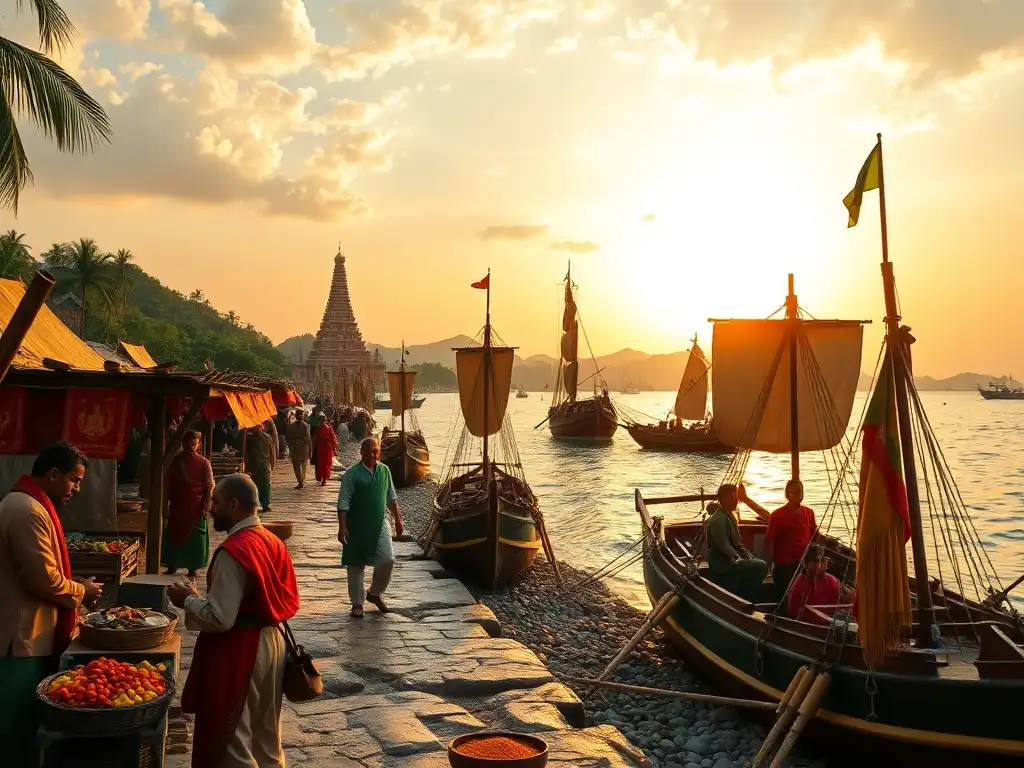
Welcome to Ancient India History, where we embark on a fascinating journey through the rich tapestry of ancient Indian civilizations. Here, we delve deep into the intriguing narrative of how Ancient India shaped the landscape of trade in Southeast Asia. From the bustling markets of the Indus Valley to the thriving commerce of the Gupta Empire, discover the profound connections that not only influenced economies but also fostered cultural exchanges.
Are you curious about the intricate trade routes and the vibrant interactions that linked these regions? Read on to uncover the legacy of Ancient India's trade and its lasting impact on Southeast Asia!
- Introduction to Ancient India's Influence on Trade in Southeast Asia
- Historical Context of Ancient India and Southeast Asia Trade
- Key Trade Goods Exchanged Between Ancient India and Southeast Asia
- The Impact of Religion and Culture on Trade Relations
- Maritime Trade Routes Established by Ancient India
- The Economic Impact of Ancient Indian Trade on Southeast Asia
- Conclusion: Lasting Legacy of Ancient India’s Trade in Southeast Asia
- Further Reading and Resources on Ancient Indian Trade in Southeast Asia
-
Frequently Asked Questions
- What was the role of Ancient India in the trade with Southeast Asia?
- How did Indian maritime trade impact Southeast Asian societies?
- What were the main goods traded between Ancient India and Southeast Asia?
- How did the Silk Road contribute to trade between Ancient India and Southeast Asia?
- What legacy did Ancient Indian trade leave on modern Southeast Asia?
- Final Reflection: The Enduring Legacy of Ancient India’s Trade in Southeast Asia
- Unveil the Legacy: Embrace the Trade Routes of Ancient India!
Introduction to Ancient India's Influence on Trade in Southeast Asia
Ancient India played a pivotal role in shaping the trade dynamics of Southeast Asia, establishing routes and practices that would influence the region for centuries. The intricate web of commerce during this period not only facilitated the exchange of goods but also fostered a cultural and ideological exchange that has resonated through history. By examining the trade practices of ancient Indian civilizations, one can gain insight into how these interactions laid the groundwork for the economic and cultural landscape of Southeast Asia.
The significance of this trade extends beyond mere economic transactions; it encompasses the diffusion of ideas, religions, and technologies that have profoundly impacted the civilizations of Southeast Asia. In this article, we will explore the various aspects of ancient India's trade and its lasting influence on Southeast Asia.
Overview of Ancient Indian Trade Practices
Ancient Indian trade practices were characterized by a sophisticated network of routes that connected the Indian subcontinent with Southeast Asia and beyond. The primary centers of trade included ports along the western and eastern coasts of India, such as Bharukachchha (modern-day Bharuch) and Tamralipti (modern-day Tamluk), which facilitated maritime commerce.
- Key commodities traded:
- Spices (like black pepper and cardamom)
- Textiles (including silk and cotton)
- Precious stones and metals
- Agricultural products (such as rice and sugar)
The traders utilized a variety of vessels, including large cargo ships, to transport goods across the Indian Ocean and the Bay of Bengal. Trade was not limited to goods; it also involved the exchange of cultural practices, languages, and religions, notably Buddhism and Hinduism, which spread throughout Southeast Asia via these trade routes.
Significance of Trade in Ancient Indian Civilization
Trade was a cornerstone of ancient Indian civilization, contributing significantly to its economic prosperity and cultural richness. The flourishing trade practices led to the establishment of a merchant class that played a crucial role in society.
- Economic impacts:
- Boosted local economies through the influx of wealth.
- Encouraged agricultural and industrial production to meet demand.
- Promoted urbanization, leading to the growth of bustling trade centers.
- Cultural impacts:
- Facilitated the spread of ideas, art, and religious beliefs across regions.
- Created a melting pot of cultures, leading to the synthesis of local traditions with Indian influences.
The trade networks established by ancient India not only enhanced its own economic standing but also significantly influenced the development of trade and culture in Southeast Asia, marking a period of dynamic exchange that would shape the historical trajectory of the region.
Historical Context of Ancient India and Southeast Asia Trade
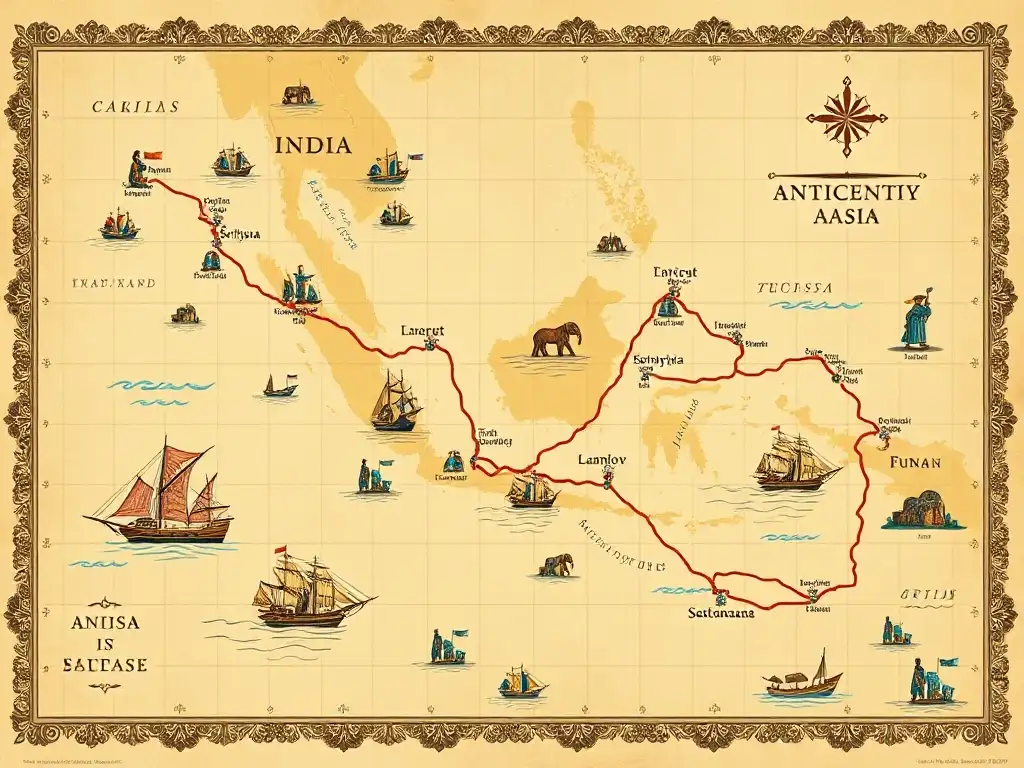
The Indus Valley Civilization and Early Trade Routes
The Indus Valley Civilization (IVC), flourishing between 2600 and 1900 BCE, is one of the earliest urban cultures in the world, and it laid the groundwork for trade practices that would influence Southeast Asia. The cities of Harappa and Mohenjo-Daro served as significant trade hubs, engaging in commerce not only within the subcontinent but also with regions as far as Mesopotamia. This early trading network was facilitated by a well-developed system of roads and maritime routes.
The trade items included:
- Cotton textiles: The IVC is credited with being one of the first civilizations to cultivate cotton and weave it into fabric.
- Metals: Copper, bronze, and precious stones were often exchanged.
- Pottery and ceramics: These items showcased the artistic capabilities of the civilization and were traded extensively.
Maritime Trade
The geographical position of the IVC allowed for the establishment of maritime routes. The ports of Lothal and Sokta are prime examples where trade with neighboring regions occurred, connecting the IVC with the Arabian Sea and further to the coasts of Africa and the Middle East. This maritime trade significantly influenced the flow of goods and cultural exchange to Southeast Asia.
The Role of Indian Kingdoms in Southeast Asian Trade
As the centuries progressed, the fragmentation of the IVC gave way to various Indian kingdoms, notably during the Vedic and Mauryan periods. These kingdoms played a crucial role in enhancing trade relations with Southeast Asia, particularly from the 4th century BCE onward.
Mauryan Empire and Trade Expansion
The Mauryan Empire, especially under Emperor Ashoka, expanded its influence across the Indian subcontinent and beyond. The establishment of trade routes connecting India with Southeast Asian empires such as Funan and Srivijaya facilitated the exchange of:
- Spices: Indian spices were highly sought after in Southeast Asia, leading to the establishment of lucrative trade networks.
- Religious and cultural exchange: The spread of Buddhism from India to Southeast Asia is a prime example of how trade routes also served as conduits for cultural dissemination.
The Chola Dynasty's Influence
In the medieval period, the Chola Dynasty emerged as a dominant maritime power. The Chola navy conducted expeditions to Southeast Asia, enhancing political and economic ties. They established trade relations that included the exchange of:
- Textiles and gems: The Cholas exported exquisite textiles, while importing exotic woods and tin.
- Cultural exchanges: The Chola influence is evident in the architecture and art of Southeast Asia, with many temples reflecting Indian styles.
The legacy of ancient Indian trade practices not only shaped the economies of Southeast Asia but also fostered lasting cultural exchanges that continue to resonate today. Through the establishment of trade networks, ancient India left an indelible mark on the development of commerce in Southeast Asia, illustrating the profound interconnectedness of these ancient civilizations.
Key Trade Goods Exchanged Between Ancient India and Southeast Asia
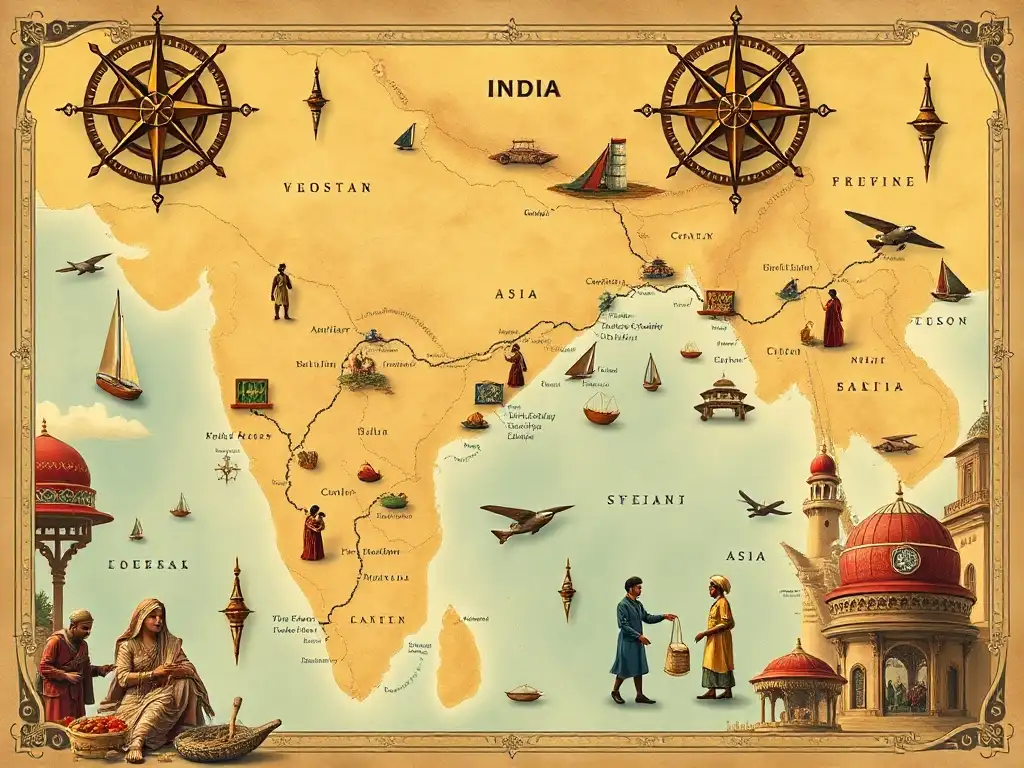
The trade between Ancient India and Southeast Asia was characterized by a vibrant exchange of goods that not only facilitated commerce but also enriched cultural interactions. This trade network flourished from around 200 BCE to 1500 CE, driven primarily by the demand for unique products that both regions could offer. The following sections delve into the key trade goods that were pivotal in this historic exchange.
Spices and Aromatics: The Essence of Trade
Spices and aromatics were among the most sought-after commodities in ancient trade, and India was renowned as the source of these valuable items. The Indian subcontinent produced a variety of spices such as:
- Black pepper: Often referred to as "black gold," it was highly prized in both Indian and Southeast Asian markets for its flavor and preservative qualities.
- Cardamom: Known for its aromatic flavor, cardamom was used extensively in cooking and traditional medicine.
- Cinnamon and cloves: These spices were not only used to enhance flavors but also held significant value in trade.
The trade routes, including the famous Maritime Silk Road, facilitated the transport of these spices to various parts of Southeast Asia, where they were integrated into local cuisines and cultures. The demand for spices was so high that it influenced the establishment of trade kingdoms like Srivijaya and Majapahit, which controlled spice trade routes effectively.
The allure of spices from India shaped the culinary practices of Southeast Asia, resulting in a rich tapestry of flavors and traditions.
Textiles and Handicrafts: Cultural Exchange Through Goods
In addition to spices, textiles played a crucial role in the trade between Ancient India and Southeast Asia. Indian textiles, especially cotton and silk, were highly coveted for their quality and intricate designs. Notable products included:
- Cotton textiles: India was known for its fine cotton fabrics, which were lightweight and ideal for the tropical climate of Southeast Asia.
- Silk: The luxurious nature of Indian silk made it a popular choice among the elite in Southeast Asian societies.
Furthermore, handicrafts such as pottery, metalwork, and jewelry also formed an essential part of this trade. The exchange of these goods not only served economic purposes but also facilitated cultural interactions, leading to the spread of artistic styles and techniques across regions.
| Commodity | Origin | Significance |
|---|---|---|
| Cotton Textiles | Ancient India | Lightweight, diverse patterns |
| Silk | Ancient India | Luxurious, a status symbol |
| Pottery | Southeast Asia | Reflects local culture and artistry |
| Metalwork | Ancient India | Functional and decorative purposes |
The influence of Indian textiles and handicrafts can still be seen in contemporary Southeast Asian cultures, where traditional crafts often reflect Indian motifs and styles.
Precious Metals and Gems: Luxury Items in Ancient Trade
The trade of precious metals and gems was another significant aspect of commerce between Ancient India and Southeast Asia. Indian artisans were skilled in crafting intricate jewelry and ornamental pieces, which were highly valued in Southeast Asian markets. Key items included:
- Gold and silver jewelry: Often decorated with precious stones, these items represented wealth and social status.
- Diamonds and rubies: India was known as the primary source of these precious gems during ancient times.
Both regions benefitted economically from this exchange, with Southeast Asia importing these luxury items while providing raw materials and other goods in return. This trade not only enriched local economies but also fostered relationships between the rulers and elites of different societies.
The opulence of Indian precious metals and gems captivated the elites of Southeast Asia, establishing a long-lasting legacy of luxury and status.
The exchange of key trade goods such as spices, textiles, and precious metals between Ancient India and Southeast Asia not only fueled economic growth but also fostered cultural connections that would shape the civilizations in both regions for centuries to come. The significance of this trade continues to be recognized as a cornerstone of the historical relationship between these ancient societies.
The Impact of Religion and Culture on Trade Relations
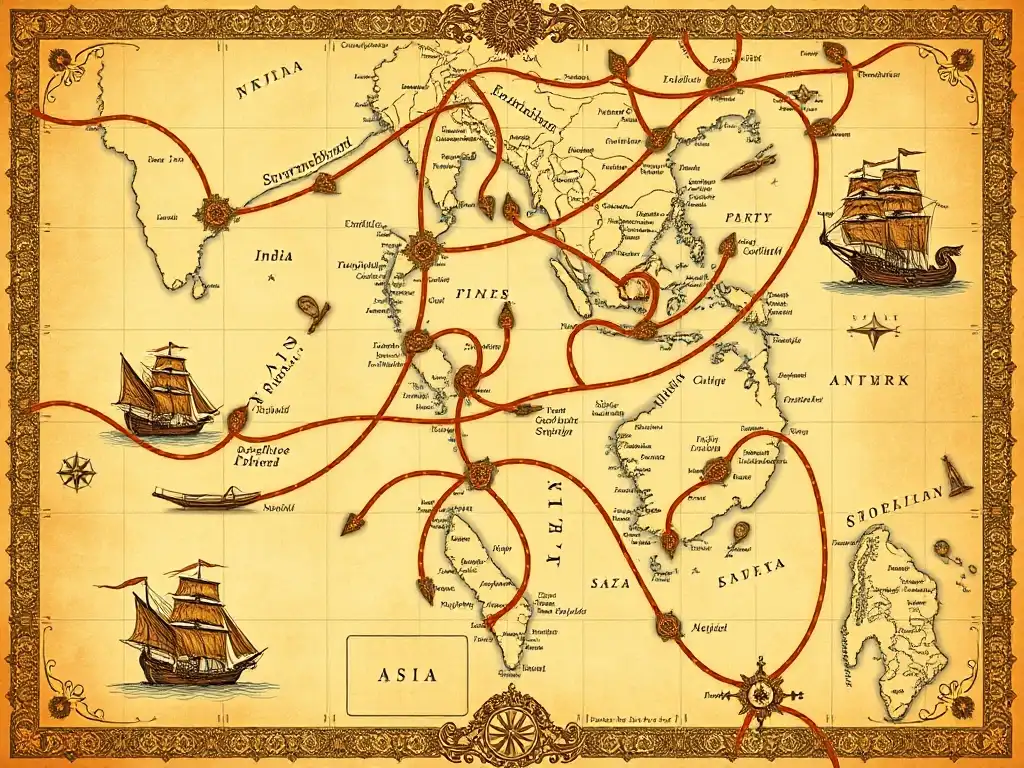
Spread of Hinduism and Buddhism as Trade Catalysts
The dissemination of Hinduism and Buddhism from ancient India played a pivotal role in shaping trade dynamics in Southeast Asia. As these religions spread across the region, they not only brought spiritual teachings but also facilitated the establishment of trade networks.
- Cultural Integration: The arrival of Hindu and Buddhist traders created a cultural bridge between India and Southeast Asia. This integration encouraged the exchange of goods, ideas, and traditions. For example, the establishment of trading ports such as Funan (in present-day Cambodia) and Srivijaya (in present-day Indonesia) became crucial centers for the exchange of religious and commercial goods, fostering a multicultural environment.
- Monastic Trade Centers: Buddhist monasteries often served as trade hubs, where monks engaged in commerce alongside their spiritual practices. These monasteries provided shelter and support for traveling traders, effectively becoming safe havens that promoted commerce. The flow of traders not only facilitated the exchange of commodities like spices, textiles, and precious stones but also allowed for the dissemination of Buddhist texts and teachings.
- Political Alliances and Trade Agreements: The influence of Hindu and Buddhist rulers who embraced trade as a means of power further enhanced trade relations. Monarchs in Southeast Asia sought alliances with Indian kingdoms, leading to mutual trade agreements. For instance, the Khmer Empire's adoption of Hinduism led to increased cultural and economic exchanges with Indian states, enhancing the flow of goods and people between the regions.
Cultural Exchanges: Art, Literature, and Architecture
The cultural exchanges resulting from trade between ancient India and Southeast Asia had profound impacts on art, literature, and architecture, enriching both regions' cultural landscapes.
- Artistic Influences: The artistic styles that emerged from the fusion of Indian and Southeast Asian cultures are evident in various forms of art. For instance, the intricate stone carvings found in temples across Southeast Asia, such as Angkor Wat in Cambodia, display distinctly Indian influences, showcasing deities from Hindu mythology and scenes of Buddhist narratives.
- Literary Contributions: Trade interactions also resulted in the transmission of literary works. Sanskrit texts were translated and adapted into local languages, inspiring Southeast Asian literature. Epic tales like the Ramayana and Mahabharata found their way into local narratives, influencing storytelling traditions and moral values within these societies.
- Architectural Innovations: The architectural techniques and styles introduced by Indian traders and monks had lasting effects on Southeast Asian structures. The construction of stupas and temples bore resemblance to those in India, reflecting a shared cultural heritage. Notably, the Borobudur Temple in Indonesia exemplifies this architectural synthesis, combining indigenous and Indian influences to create a monumental space for Buddhist worship.
The interplay of religion and culture through trade not only enriched Southeast Asia's spiritual and artistic heritage but also solidified ancient India's role as a significant contributor to the region's economic and cultural development. The legacy of these exchanges continues to influence contemporary Southeast Asian societies, highlighting the enduring impact of ancient India's trade relations.
Maritime Trade Routes Established by Ancient India
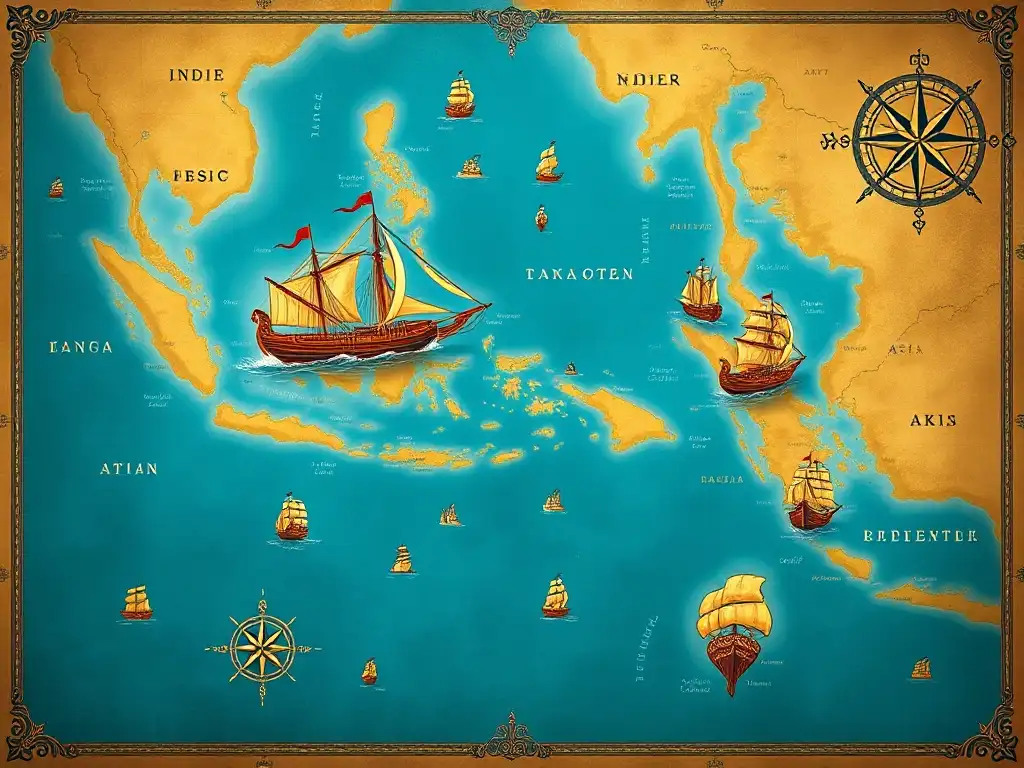
Overview of Major Maritime Routes to Southeast Asia
Ancient India's trade with Southeast Asia was primarily facilitated through well-established maritime routes that connected various coastal cities. These trade routes were instrumental in the exchange of not only goods but also culture, ideas, and technologies.
The major maritime routes can be categorized into two primary pathways:
- Western Route:
- This route primarily connected the ports of Gujarat and Kutch in India with regions in the Persian Gulf and the Red Sea, eventually leading to Southeast Asia.
- Key ports along this route included Bharukachchha (modern-day Bharuch) and Surat, which served as bustling trading centers.
- Eastern Route:
- The eastern maritime route linked the ports of Chola and Pandya kingdoms in South India with the Southeast Asian archipelago, including regions like Sumatra, Java, and Borneo.
- Important waypoints along this route included Kaveripattinam and Nagapattinam, which facilitated trade and cultural exchanges with Southeast Asian nations.
These routes were not just pathways for commerce; they also allowed for the movement of people, resulting in significant cultural and religious exchanges, notably the spread of Hinduism and Buddhism throughout Southeast Asia.
Ports of Call: Key Trading Centers in Ancient Times
Ancient India's maritime trade flourished through several key ports that served as vital hubs for commerce with Southeast Asia. These ports not only enabled the exchange of goods but also acted as melting pots of cultures, ideas, and technologies. Here are some of the most significant ports:
- Kaveripattinam:
- Located in Tamil Nadu, this port was a major center for maritime trade during the early centuries of the Common Era.
- It facilitated the export of spices, textiles, and precious stones to Southeast Asia, while also importing products such as gold and ivory.
- Surat:
- Situated in Gujarat, Surat became a bustling trade center by the 16th century, known for its rich exports of cotton textiles, silk, and indigo.
- It attracted merchants from across the Indian Ocean, including those from the Arabian Peninsula and East Africa.
- Bharukachchha:
- This port played a significant role in the early trade networks between India and Southeast Asia.
- It was crucial for the export of goods such as spices and textiles, linking the Indian subcontinent with the wider world.
- Nagapattinam:
- As a prominent port in the Chola dynasty, Nagapattinam facilitated trade with the Srivijaya Empire in Sumatra.
- The port was essential for the exchange of goods like rice, spices, and cultural practices.
- Tamralipti:
- Located on the eastern coast of India, this port connected India with Southeast Asia via the Bay of Bengal.
- It was known for its trade in pearls and textiles, and it served as a departure point for traders heading to the Malay Archipelago.
The establishment of these ports and trade routes significantly influenced the development of trade in Southeast Asia, fostering economic growth and cultural exchanges that shaped the region's history. The legacy of ancient Indian trade continues to resonate, highlighting the profound impact of Ancient India trade Southeast Asia on the interconnectedness of civilizations.
The Economic Impact of Ancient Indian Trade on Southeast Asia
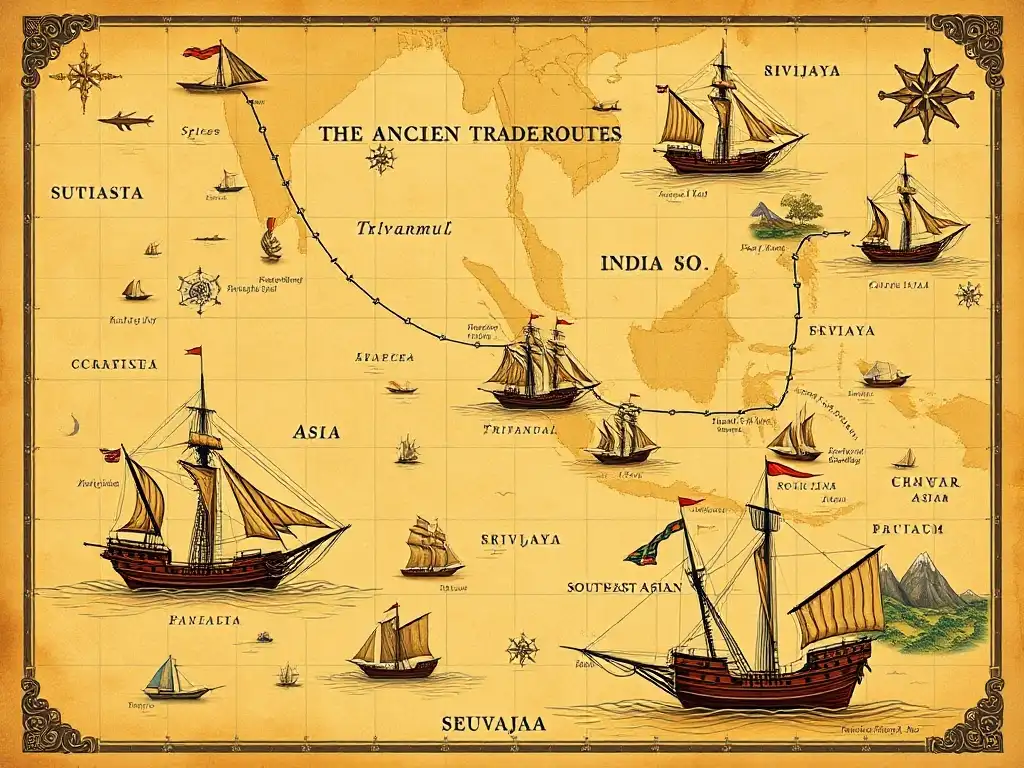
Growth of Local Economies Due to Trade
The trade networks established by ancient India played a pivotal role in the economic development of Southeast Asia. By the first millennium CE, Indian merchants were actively engaging with various Southeast Asian kingdoms, establishing trade routes that facilitated the exchange of goods, culture, and ideas. This interaction not only boosted the economic status of local communities but also laid the foundation for their future prosperity.
- Expansion of Trade Routes: The maritime trade routes that connected India to Southeast Asia were crucial. Major ports such as Surabaya, Palembang, and Ayutthaya emerged as bustling centers of commerce where goods from India, such as textiles, spices, and precious stones, were exchanged for local products like rubber and tin. These trade routes became conduits for wealth and cultural exchange.
- Local Market Development: As trade flourished, local markets evolved, providing a platform for small-scale producers and craftsmen to sell their goods. The influx of Indian products led to a diversification of available goods, which stimulated local demand. This resulted in a multiplier effect, where increased trade created jobs, spurred innovation, and improved living standards.
- Formation of Trade Alliances: The interactions between Indian and Southeast Asian traders often led to the establishment of trade alliances and partnerships. Such collaborations allowed for the sharing of technology and knowledge, particularly in navigation and shipbuilding, which further enhanced trade capabilities and economic growth.
Influence on Agricultural Practices and Craftsmanship
The influence of ancient Indian trade extended beyond mere economic exchanges; it significantly impacted agricultural practices and craftsmanship in Southeast Asia. The introduction of new ideas and technologies transformed these regions, leading to advancements in agriculture and artisanal production.
- Introduction of New Crops: Indian traders brought with them a variety of agricultural knowledge, including the cultivation techniques for crops such as rice, sugarcane, and cotton. This knowledge exchange led to increased agricultural productivity in Southeast Asia, allowing local farmers to grow and harvest crops that were previously unfeasible in their regions.
- Irrigation Techniques: The expertise in irrigation practices from ancient India influenced Southeast Asian agricultural methods. Indian methods of water management, such as the use of canals and ponds, were adopted, leading to improved crop yields and better management of water resources. This was particularly significant in regions with seasonal monsoons.
- Craftsmanship and Artistry: The trade routes facilitated the exchange of not only goods but also techniques in craftsmanship. Indian artisans introduced new materials and methods, enhancing local craftsmanship in pottery, weaving, and metalwork. The result was an increase in the quality and variety of goods produced, which further integrated Southeast Asia into the global trade network.
The economic impact of ancient Indian trade on Southeast Asia was profound, fostering local economic growth and shaping agricultural practices and craftsmanship. This dynamic interplay underscores the significance of ancient India’s trade in the broader context of Southeast Asian history.
Conclusion: Lasting Legacy of Ancient India’s Trade in Southeast Asia
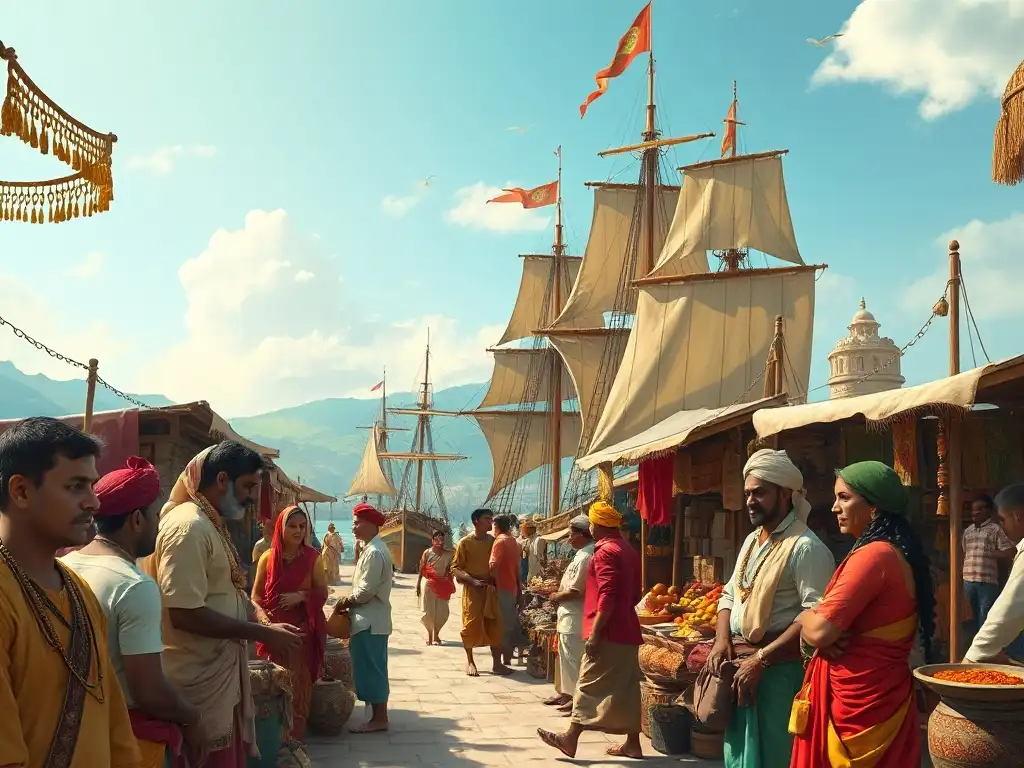
Summary of Cultural and Economic Contributions
The trade networks established by ancient India played a pivotal role in shaping the cultural and economic landscapes of Southeast Asia. Through extensive maritime routes, Indian merchants facilitated the exchange of goods such as spices, textiles, and precious metals, while also introducing significant cultural elements. Buddhism, for example, traveled from India to Southeast Asia via these trade routes, leading to the establishment of influential centers of learning and worship, such as the famous Borobudur temple in Indonesia.
| Goods Exchanged | Cultural Influences |
|---|---|
| Spices | Spread of Buddhism |
| Textiles | Introduction of Hinduism |
| Metals | Influence on local art and architecture |
Moreover, the economic impact of these trade relations was profound. The establishment of bustling port cities, such as Suwarnadwipa and Kambuja, acted as hubs for commerce and cultural exchange. These cities not only facilitated trade but also became melting pots of diverse cultures, leading to the emergence of new artistic styles, languages, and traditions that blended Indian and indigenous influences.
Reflection on the Historical Significance of Trade Relations
The trade relations between ancient India and Southeast Asia were more than mere economic transactions; they were foundational to the historical development of the region. This exchange fostered a sense of interconnectedness that transcended geographic boundaries. The Indian Ocean trade network became a vital artery for the flow of ideas, technologies, and cultural practices that enriched the societies of Southeast Asia.
The historical significance of these trade relations is evident in how they contributed to the formation of early states and dynasties in Southeast Asia. For instance, the Srivijaya Empire thrived largely due to its strategic location along trade routes, enabling it to dominate maritime trade and become a cultural and economic powerhouse by the 7th century CE. This empire not only benefited from Indian trade but also facilitated the spread of Indian culture and practices throughout the region.
The legacy of ancient India's trade in Southeast Asia is a testament to the profound impact that commerce can have on cultural exchange and economic development. The interwoven histories of these regions continue to be a significant area of study, highlighting the importance of trade as a catalyst for growth and transformation. The influences established during this era are still observable today, as the cultural and economic ties between India and Southeast Asia remain robust and dynamic.
Further Reading and Resources on Ancient Indian Trade in Southeast Asia
Recommended Books and Articles
-
"The Ancient Trade Routes of India and Southeast Asia"
This comprehensive study explores the historical trade networks established between ancient India and Southeast Asia, detailing the commodities traded and the cultural exchanges that occurred as a result.
-
"Maritime Trade and Cultural Exchange in the Indian Ocean"
This book delves into the maritime trade routes that connected ancient Indian traders to Southeast Asia, highlighting the role of maritime technology and navigation in facilitating these exchanges.
-
"India in Southeast Asia: A Historical Perspective"
This article provides an in-depth analysis of India's influence on the cultural and economic landscapes of Southeast Asian nations, emphasizing the significance of trade in shaping these interactions.
-
"The Role of Indian Merchants in Southeast Asian Trade"
This academic paper examines the contributions of Indian merchants to the economic development of Southeast Asia, focusing on their impact on local markets and trade practices.
-
"Cultural Syncretism in Southeast Asia: The Indian Influence"
This research discusses how trade with ancient India led to cultural syncretism in Southeast Asia, particularly in areas such as religion, art, and language.
Online Resources for Further Exploration
-
The Ancient Indian Trade Network Database
This online database provides a wealth of information on ancient trade routes, including maps, timelines, and descriptions of the goods traded between India and Southeast Asia.
-
Digital South Asia Library
A valuable resource for primary sources and scholarly articles related to ancient Indian commerce, including trade documents, maps, and historical texts.
-
The Indian Ocean World: An Economic History
This website offers articles and resources exploring the economic history of the Indian Ocean, with a focus on the interplay between ancient India and Southeast Asia.
-
Southeast Asian Studies Digital Library
A collection of digitized materials and research focused on the history and culture of Southeast Asia, including its trade relations with ancient India.
-
YouTube Channels
Channels like "Ancient History Encyclopedia" and "History in Hindi" often feature documentaries and lectures discussing ancient trade routes and cultural exchanges between India and Southeast Asia.
By exploring these resources, readers can gain a deeper understanding of the intricate web of trade and cultural interactions that defined ancient India’s influence on Southeast Asia.
Frequently Asked Questions
What was the role of Ancient India in the trade with Southeast Asia?
Ancient India played a crucial role in establishing trade routes, facilitating the exchange of spices, textiles, and cultural ideas with Southeast Asia.
How did Indian maritime trade impact Southeast Asian societies?
The maritime trade allowed for the spread of Indian culture, religions like Buddhism and Hinduism, and economic prosperity in Southeast Asian societies.
What were the main goods traded between Ancient India and Southeast Asia?
Key goods included spices, silks, and precious stones from India, while Southeast Asia exported products like rubber, tin, and sandalwood.
How did the Silk Road contribute to trade between Ancient India and Southeast Asia?
The Silk Road facilitated not just the exchange of goods, but also the cultural diffusion between India and Southeast Asia, enriching both regions.
What legacy did Ancient Indian trade leave on modern Southeast Asia?
The legacy includes a rich cultural tapestry, evident in languages, religions, and trade practices, highlighting the enduring influence of Ancient Indian trade networks.
Final Reflection: The Enduring Legacy of Ancient India’s Trade in Southeast Asia
The intricate tapestry of trade woven between Ancient India and Southeast Asia continues to resonate profoundly in our global economy today. The historical exchanges of goods, culture, and ideas not only shaped the regions involved but also laid the groundwork for the interconnected world we inhabit now. As we navigate modern trade dynamics, it is essential to recognize how these ancient practices have influenced contemporary commerce and cultural exchanges, reminding us that the roots of our global economy run deep into history.
The influence of Ancient India on Southeast Asia transcends mere trade; it has fostered a rich cultural and social landscape that remains vibrant today. The blending of traditions, languages, and beliefs initiated through trade routes has created a unique identity for Southeast Asian nations. This ongoing cultural dialogue is a testament to the power of trade as a catalyst for connection and understanding. Trade is not just about goods; it’s about the exchange of ideas and the forging of relationships that can last through centuries.
As we reflect on this historical journey, I invite you to consider how the lessons of Ancient India’s trade practices can inspire our actions today. How can we foster connections and understanding in our own communities through the exchange of ideas and resources? Embrace the spirit of collaboration and openness that characterized these ancient interactions, and let it guide your personal and professional relationships. By doing so, we honor the legacy of those who came before us and contribute to a more interconnected and harmonious world.
Unveil the Legacy: Embrace the Trade Routes of Ancient India!
Thank you for diving into the fascinating story of Ancient India’s influence on trade in Southeast Asia! You've just explored how vibrant exchanges of culture and goods shaped civilizations. Now, it's time to harness this knowledge and take action!
Here are some ways you can engage further:
- Delve deeper: Learn more about the specific trade goods that linked Ancient India with Southeast Asia and discover how these exchanges influenced various cultures.
- Join the conversation: Share your insights on how ancient trade practices can inspire contemporary economic strategies in the comments section below.
- Explore locally: Visit a museum or cultural exhibit that highlights the rich history of trade to appreciate its lasting impacts today!
How do you see the ancient trade routes shaping today's global economy?