
The Spice Trade: How Ancient India Influenced Culinary Cultures Worldwide

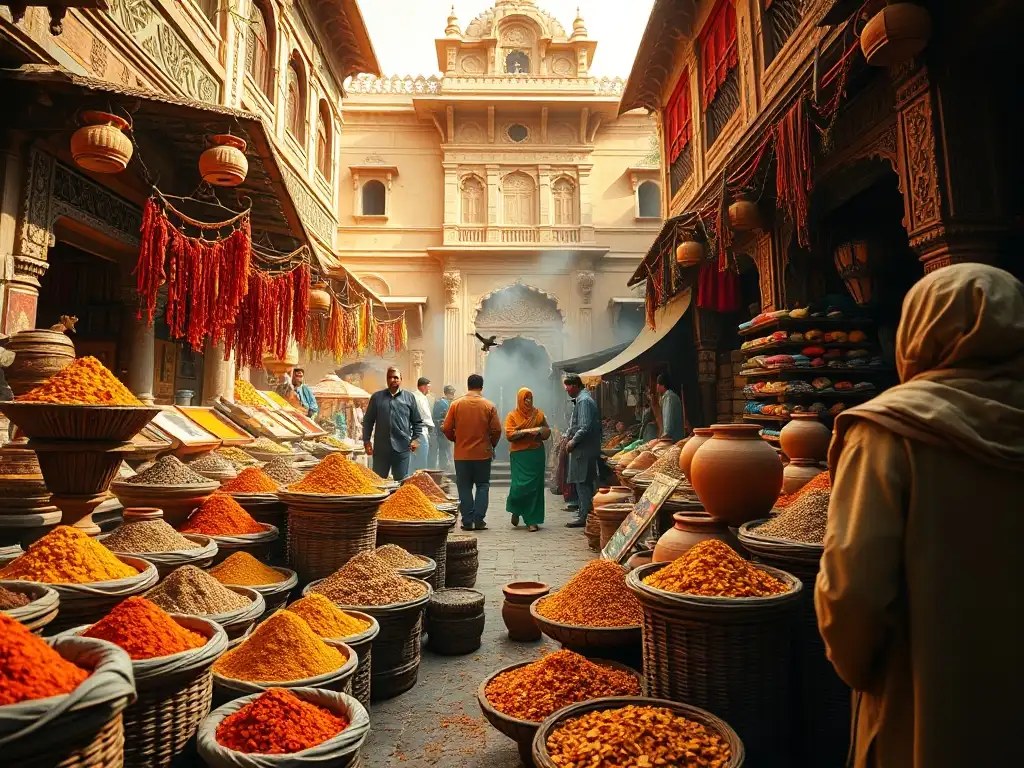
Welcome to Ancient India History, where we embark on a fascinating journey through the rich tapestry of ancient Indian civilizations. Delve into the remarkable impact of the Ancient Indian spice trade, a vital link that not only shaped local economies but also influenced culinary cultures across the globe. Have you ever wondered how the spices that tantalize our taste buds today traveled from the lush fields of India to kitchens worldwide?
Join us as we uncover the intricate connections and incredible stories behind this vibrant trade, igniting your curiosity to explore the profound legacy of ancient India. Your adventure through time begins now!
Introduction to the Ancient Indian Spice Trade Impact
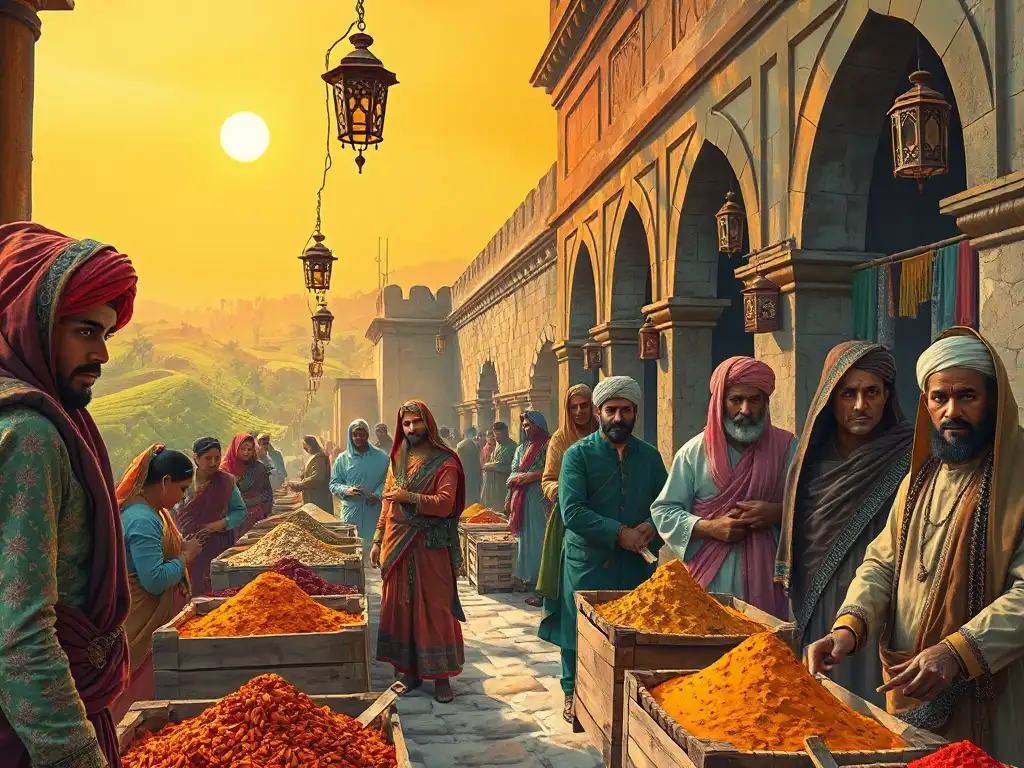
The ancient Indian spice trade was not only a vital contributor to the economy of the subcontinent but also played a significant role in shaping culinary cultures around the globe. Spices such as black pepper, cardamom, turmeric, and cinnamon were highly sought after, leading to extensive trade routes that connected India with various regions, including the Middle East, Europe, and Southeast Asia. The allure of these spices, prized for their flavor and medicinal properties, fostered interactions between diverse cultures, facilitating not just the exchange of goods but also ideas and traditions.
The impact of the ancient Indian spice trade is profound and multifaceted. It established India as a pivotal hub in global commerce, influencing not only the culinary practices of distant lands but also their agricultural practices and trade relations. The spices that originated in India found their way into the kitchens of Roman aristocrats, the palaces of Persian kings, and the markets of Southeast Asia, creating a rich tapestry of flavors that continues to evolve today.
In this article, we will explore the historical pathways of the spice trade, the key spices involved, and how these commodities shaped culinary traditions worldwide. Additionally, we will delve into the socio-economic implications of this trade and its lasting legacy on modern gastronomy. Join us on this journey through time to uncover how ancient Indian spices have left an indelible mark on global culinary practices.
- What was the significance of the spice trade in ancient India?
- How did ancient Indian spices influence culinary cultures worldwide?
- What regions were involved in the spice trade with ancient India?
- Which ancient Indian civilization was most known for its spice trade?
- How did the spice trade contribute to ancient India's cultural exchange?
Historical Background of the Ancient Indian Spice Trade
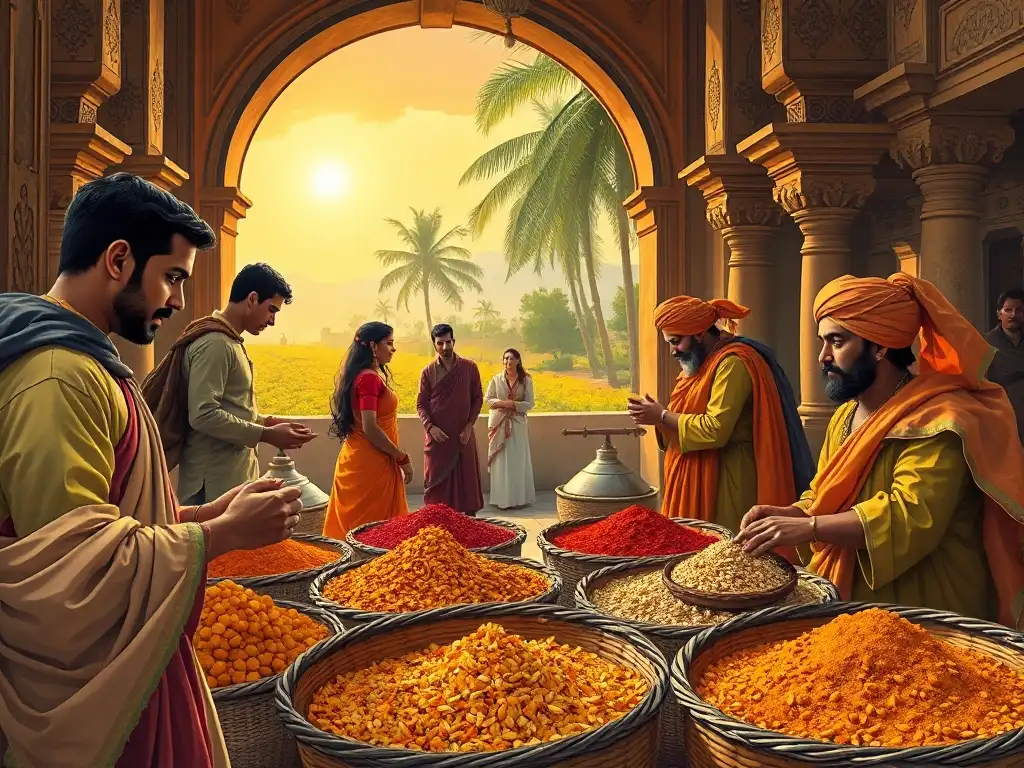
The spice trade in ancient India holds a significant place in the history of commerce, influencing not just the Indian subcontinent but also the culinary practices and economies of various cultures around the globe. This trade route, often referred to as the "Spice Route," facilitated the exchange of spices like black pepper, cardamom, cinnamon, and turmeric, which were prized not only for their flavor but also for their medicinal properties. The intricate network of trade routes that emerged during this time laid the foundation for the rich tapestry of cultural exchanges that would follow.
The spice trade began around 2000 BCE, coinciding with the rise of urban centers in the Indus Valley. As the demand for spices grew across Asia, the Middle East, and Europe, Indian merchants began to establish extensive trade links. These links not only provided economic opportunities but also fostered significant cultural interactions, shaping the culinary landscapes of various civilizations. The impact of the ancient Indian spice trade is evident in the historical records that highlight the trade routes, the goods exchanged, and the cultural exchanges that occurred as a result.
The Origins of Spice Trade in Ancient India
The origins of the spice trade in ancient India can be traced back to the indigenous cultivation of various spices in the region. The fertile lands of the Indian subcontinent provided an ideal environment for the growth of valuable spices. Notably, black pepper, often referred to as "black gold," became a major export due to its high demand in international markets.
- Cultural Significance: Spices held immense cultural significance in ancient Indian society, often being used in religious rituals, traditional medicine, and daily cooking. This intrinsic value further motivated trade.
- Early Trade Routes: The early trade routes that developed were not limited to land; maritime trade also flourished. The Arabian Sea and the Indian Ocean became crucial for the transportation of spices to far-off lands, including the Roman Empire, Southeast Asia, and beyond.
- Historical References: Ancient texts, such as the "Periplus of the Erythraean Sea," provide valuable insights into the spice trade's origins, detailing the trading practices and routes that connected India with other civilizations.
Major Trading Centers in Ancient India
Several cities emerged as major trading centers in ancient India, playing pivotal roles in the spice trade. These centers not only facilitated the exchange of spices but also became melting pots of culture, ideas, and innovations.
- Kochi (Cochin):
- Located on the southwestern coast of India, Kochi became a prominent trading hub for spices, particularly pepper and cardamom.
- Its strategic location allowed easy access to maritime routes, connecting India with traders from Arabia, Africa, and Europe.
- Calicut (Kozhikode):
- Known as the "City of Spices," Calicut was famous for its bustling markets where spices were traded.
- The arrival of European traders in the late 15th century further amplified its importance as a spice trading center.
- Bengal:
- The Bengal region, particularly ports like Chittagong, played a significant role in the spice trade, exporting a variety of spices to Southeast Asia and beyond.
- The abundance of spices, coupled with the region's strong maritime capabilities, made it a vital player in the industry.
- Taxila:
- An ancient city located near modern-day Islamabad, Taxila was a crucial center for trade and learning.
- Its proximity to the Silk Road allowed for the exchange of spices alongside textiles, gems, and other goods.
These trading centers formed the backbone of the ancient Indian spice trade, contributing to the spread of not only spices but also culinary techniques and cultural practices across the globe. The legacy of this trade continues to influence culinary cultures today, exemplifying the far-reaching impact of ancient Indian trade practices.
Key Spices and Their Cultural Significance
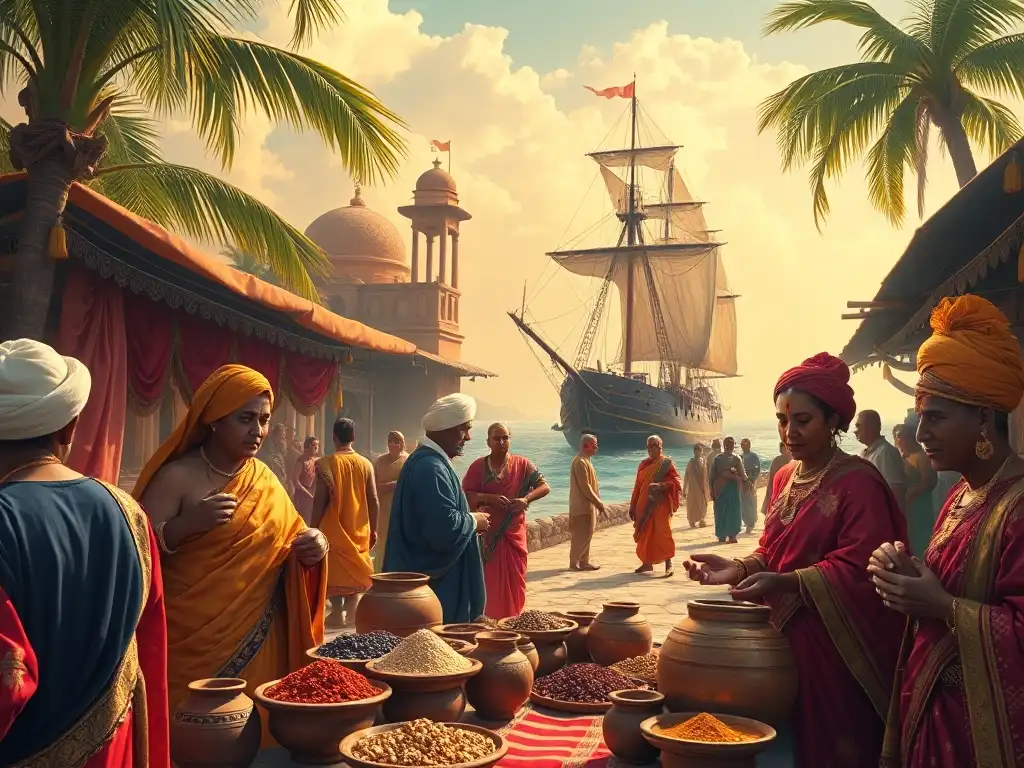
The ancient Indian spice trade was not only a vital economic activity but also a cultural bridge that connected diverse civilizations. Spices such as black pepper, cardamom, turmeric, and cinnamon played crucial roles in both culinary practices and social customs. Each spice brought with it not just flavor but also a rich tapestry of meanings and traditions that have shaped culinary cultures worldwide.
Popular Spices in Ancient Indian Cuisine
-
Black Pepper (Piper nigrum)
Often referred to as the "king of spices," black pepper has been one of the most sought-after spices since ancient times. Its prominence in trade routes made it a symbol of wealth and status. It was used not just for seasoning but also for medicinal purposes, believed to aid digestion and promote overall health.
-
Turmeric (Curcuma longa)
Known as "haldi," turmeric is revered for its vibrant color and health benefits. In ancient India, it was not only a staple in cooking but also held cultural significance in rituals and ceremonies. Its antibacterial properties made it a valuable spice for preservation and healing.
-
Cardamom (Elettaria cardamomum)
This aromatic spice was prized in ancient times, often used in both sweet and savory dishes. Cardamom was also a luxury item in trade, symbolizing hospitality and generosity. It played a vital role in traditional Ayurvedic practices, where it was used to treat various ailments.
-
Cinnamon (Cinnamomum verum)
Highly valued for its flavor and fragrance, cinnamon was used in both culinary and medicinal applications. Ancient Indian texts mention its use in perfumes and incense, highlighting its importance in cultural practices.
-
Cloves (Syzygium aromaticum)
Cloves were not only a key ingredient in ancient Indian dishes but also served as a crucial trade commodity. They were recognized for their potent aroma and medicinal properties, often utilized in treatments for dental issues and digestive problems.
These spices were integral to daily life, influencing not only the palate but also the socio-economic fabric of the time.
The Role of Spices in Ancient Indian Society
Spices played a multifaceted role in ancient Indian society, impacting various aspects, from economy to spirituality. Their significance extended beyond mere culinary use; they were deeply intertwined with trade, culture, and health practices.
-
Economic Impact
The spice trade was a substantial contributor to the ancient Indian economy. Indian merchants engaged in trade with distant civilizations, exchanging spices for gold, silver, and textiles. The lucrative nature of the spice trade led to the establishment of trade routes that connected India with regions as far as Rome, China, and the Middle East.
-
Cultural Exchange
Spices served as conduits for cultural exchange, fostering interactions between diverse societies. As spices traveled along trade routes, they carried with them the culinary practices and traditions of various cultures. This exchange not only enriched Indian cuisine but also influenced the culinary traditions of other civilizations.
-
Medicinal Practices
In addition to their culinary uses, spices were central to ancient Indian medicinal systems, particularly Ayurveda. Their therapeutic properties were recognized, leading to the development of numerous remedies and health practices that are still prevalent today. For example, turmeric's anti-inflammatory properties and black pepper's digestive aid were documented in ancient texts.
-
Spiritual Significance
Many spices held spiritual significance in ancient Indian rituals. They were used in offerings, ceremonies, and festivals, symbolizing purity and auspiciousness. The use of spices in religious practices underscored their importance in the daily lives of ancient Indians, intertwining culinary customs with spiritual beliefs.
The impact of the ancient Indian spice trade was profound, shaping not only culinary cultures across the globe but also influencing economic practices, cultural interactions, and health traditions throughout history. The legacy of these spices continues to resonate in modern cuisine and culture, underscoring their enduring significance.
The Influence of Ancient Indian Spice Trade on Global Culinary Practices
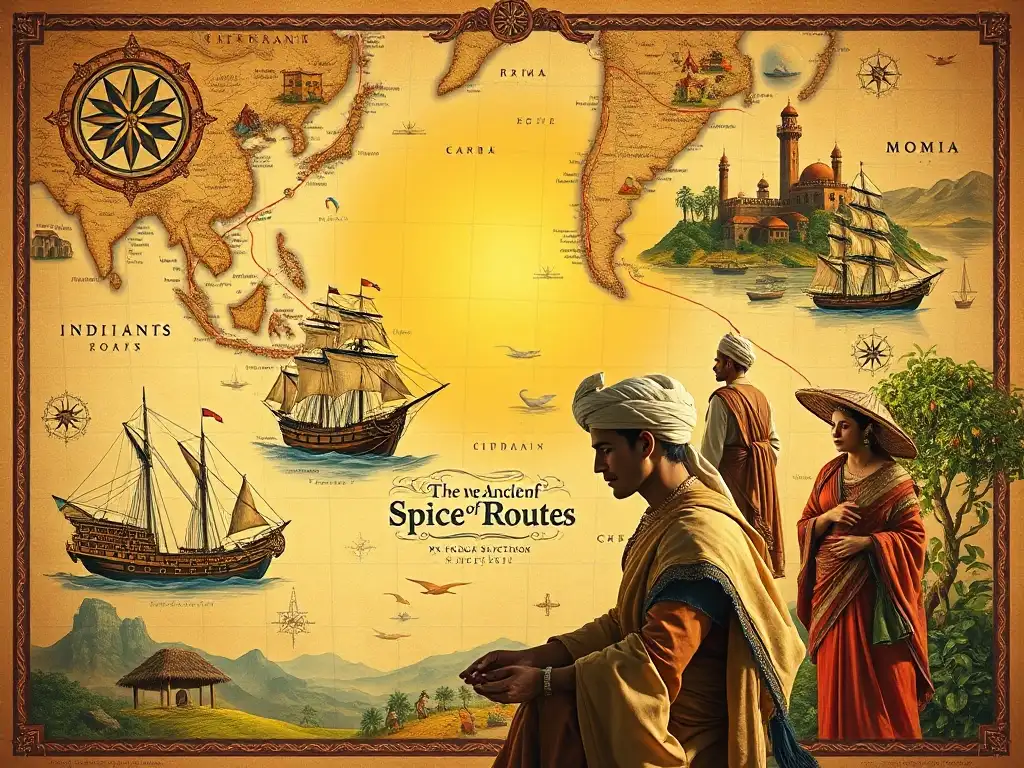
The ancient Indian spice trade played a pivotal role in shaping culinary practices across the world. Spices, which were highly sought after for their flavor, preservation qualities, and medicinal properties, became a crucial component of trade routes that connected India to various civilizations. This exchange of spices not only enriched local cuisines but also facilitated cultural interactions that led to the fusion of culinary traditions.
Trade Routes and Culinary Exchange
The spice trade routes of ancient India were extensive and sophisticated, connecting the Indian subcontinent to regions such as the Middle East, Southeast Asia, and even Europe. Two primary trade routes were established: the overland Silk Road and the maritime routes through the Indian Ocean.
Overland Silk Road
- Geographical Scope: This route traversed through Central Asia, linking Indian spice markets with those in Persia, the Mediterranean, and beyond.
- Culinary Exchange: Traders introduced spices such as black pepper, cardamom, and turmeric to regions like Persia and the Roman Empire. These spices transformed local dishes by adding depth and flavor previously unknown in those cuisines.
Maritime Spice Routes
- Geographical Scope: The maritime routes connected Indian ports like Calicut and Cochin with Arabian, African, and Southeast Asian markets.
- Culinary Exchange: Spices like cinnamon and cloves found their way to the kitchens of ancient civilizations in the Middle East and Europe. The trade not only spread Indian spices but also Indian cooking techniques, influencing local culinary practices.
Quote: "The spice trade was not just a commercial venture; it was a cultural exchange that shaped the culinary landscape of the ancient world."
The impact of these trade routes was profound, leading to the incorporation of Indian spices into the cuisines of diverse cultures. This exchange created a tapestry of flavors, blending local ingredients with exotic spices, ultimately laying the groundwork for modern culinary practices.
Case Studies of Culinary Influences
To understand the impact of the ancient Indian spice trade, we can examine specific case studies that highlight how Indian spices influenced various culinary traditions.
1. The Influence on Middle Eastern Cuisine
- Spices Introduced: Black pepper, turmeric, and saffron.
- Culinary Impact: These spices became integral to dishes such as biryani and various stews, enhancing both flavor and color. The use of saffron in rice dishes, for example, traces back to its introduction via Indian traders.
2. The Fusion in Southeast Asian Cuisine
- Spices Introduced: Nutmeg, cloves, and cardamom.
- Culinary Impact: Indian spices contributed to the development of rich, aromatic dishes in countries like Indonesia and Malaysia. The famous rendang and nasi goreng feature complex spice blends, showcasing the influence of Indian culinary techniques.
3. The Transformation of European Cooking
- Spices Introduced: Cinnamon, pepper, and ginger.
- Culinary Impact: The introduction of these spices revolutionized European cuisine during the Middle Ages. Dishes like spiced wine and gingerbread can be traced back to the influence of Indian spices, leading to a culinary renaissance in Europe.
| Region | Key Spices Introduced | Culinary Dishes Influenced |
|---|---|---|
| Middle East | Black pepper, turmeric | Biryani, stews |
| Southeast Asia | Nutmeg, cloves | Rendang, nasi goreng |
| Europe | Cinnamon, ginger | Spiced wine, gingerbread |
The ancient Indian spice trade had a lasting impact on global culinary practices, fostering a rich exchange of flavors and techniques. The integration of Indian spices into various cuisines not only enriched the local food culture but also contributed to the broader narrative of culinary globalization that continues to evolve today. The legacy of this exchange remains evident in the diverse and vibrant culinary traditions we celebrate around the world.
The Legacy of Ancient Indian Spice Trade
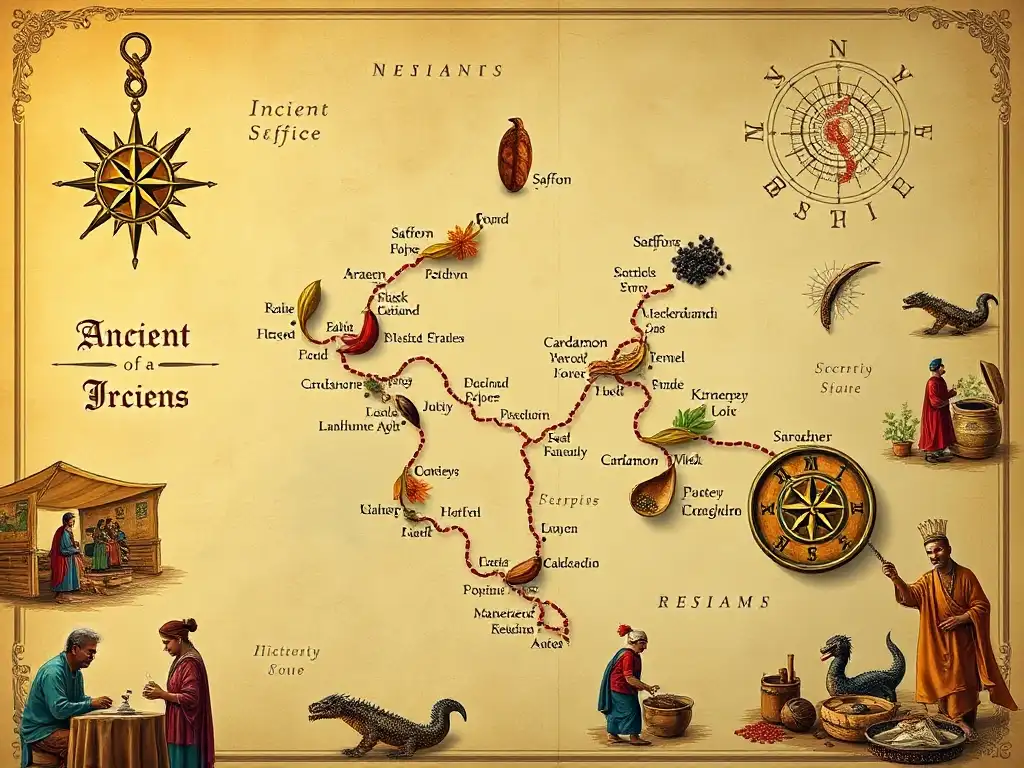
The legacy of the ancient Indian spice trade is one of profound influence that resonates through culinary practices around the globe. India has long been celebrated as the original source of spices such as black pepper, cardamom, cinnamon, and turmeric. These spices not only enhanced the flavors of food but also played a crucial role in trade routes that connected India to various civilizations.
The spice trade flourished as early as 2000 BCE, with merchants traversing the land and sea routes to exchange spices for gold, silver, and other goods. This trade was not just about the spices themselves; it facilitated cultural exchanges that enriched the culinary practices of both India and the civilizations it interacted with. The demand for Indian spices was so great that they were often referred to as "black gold," with traders willing to travel great distances to procure these precious commodities.
The impact of the ancient Indian spice trade can be seen in various global cuisines. For instance, the introduction of spices like cumin and coriander to the Middle East and Europe transformed local cooking methods and flavors. Similarly, the use of turmeric in Southeast Asian dishes reflects the deep-rooted connections established through trade. These spices became central to the identity of various cuisines, showcasing the far-reaching influence of ancient Indian trade practices.
Modern Culinary Practices Rooted in Ancient Trade
Modern culinary practices are heavily influenced by the ancient Indian spice trade, as many spices that are staples today have their origins in India. The global popularity of Indian cuisine is a testament to this enduring legacy.
- Spice Blends: Many contemporary spice blends, such as garam masala, are derived from ancient recipes that have been passed down through generations. These blends often combine spices like cardamom, cloves, and cinnamon, showcasing the intricate flavors that traders once sought.
- Fusion Cuisine: The influence of Indian spices is evident in fusion cuisines around the world. Dishes such as curry-flavored tacos or turmeric-infused lattes highlight how ancient spice trade practices have adapted to modern tastes.
- Health Benefits: The medicinal properties of spices, known to ancient Indian healers, have gained recognition in modern health trends. Turmeric, with its anti-inflammatory properties, and black pepper, known to aid digestion, are now common ingredients in health-conscious diets worldwide.
The legacy of the ancient Indian spice trade is further reflected in the growing interest in sustainable and ethical sourcing of spices. Consumers are becoming more aware of the origins of their food, echoing the ancient practices that emphasized quality and provenance.
Conclusion: The Enduring Impact of Ancient Indian Spice Trade
The ancient Indian spice trade has left an indelible mark on culinary cultures worldwide, shaping not only the flavors we enjoy but also the ways we perceive food and trade. As we explore the rich history of these spices, it becomes evident that their journey from the Indian subcontinent has been one of transformation and adaptation.
Through centuries of interaction and exchange, the spices of ancient India have transcended borders, influencing culinary practices in diverse regions. From the aromatic curries of South Asia to the fragrant spice markets of the Middle East, the legacy of the ancient Indian spice trade continues to thrive.
The ancient Indian spice trade impact is not just a chapter in history; it is a living testament to the interconnectedness of cultures and the enduring power of culinary traditions that began thousands of years ago. As we celebrate this rich heritage, we are reminded of the importance of preserving these connections for future generations.
Frequently Asked Questions
What was the significance of the spice trade in ancient India?
The spice trade was crucial for ancient India's economy, allowing it to become a key player in international commerce and facilitating cultural exchange.
How did ancient Indian spices influence culinary cultures worldwide?
Ancient Indian spices introduced new flavors and cooking techniques that were adopted by various cultures, significantly shaping their culinary practices.
What regions were involved in the spice trade with ancient India?
The spice trade involved regions such as the Middle East, Southeast Asia, and even Europe, showcasing India's extensive trade networks.
Which ancient Indian civilization was most known for its spice trade?
The Indus Valley Civilization is known for its early trade practices, which laid the foundation for later spice trade routes.
How did the spice trade contribute to ancient India's cultural exchange?
The spice trade facilitated interactions between diverse cultures, leading to the exchange of ideas, art, and religion, enriching India's cultural heritage.
Final Reflection: The Enduring Legacy of Ancient Indian Spice Trade
The ancient Indian spice trade has left an indelible mark on global culinary practices, showcasing how cultural exchange can transcend borders and time. Today, as we savor the diverse flavors of spices that originated from India, we are reminded of the interconnectedness of our world and the profound impact that trade and exploration have had on our palates. The spices that once traveled along the Silk Road and maritime routes continue to shape cuisines and foster cultural appreciation across continents.
Cultural exchanges initiated by the spice trade have not only enriched our culinary experiences but have also woven a tapestry of shared histories and traditions. The influence of Indian spices is evident in the vibrant dishes of Southeast Asia, the aromatic curries of the Caribbean, and even the subtle flavors of European cuisine. As culinary historian John Thorne aptly stated, Every spice tells a story, a narrative of trade, migration, and the blending of cultures.
This ongoing influence serves as a testament to the power of food as a medium for cultural dialogue and understanding.
As we reflect on the lessons of the ancient Indian spice trade, let us embrace the spirit of exploration and openness in our own lives. Consider how the flavors we enjoy today are a result of centuries of exchange and adaptation. I invite you to explore new cuisines, appreciate the stories behind the ingredients, and recognize the shared heritage that connects us all. By doing so, we honor the legacy of the spice trade and continue to foster a world where culinary diversity is celebrated and cherished.
Unleash Your Culinary Curiosity!
Thank you for diving into the fascinating world of the spice trade and discovering how ancient India shaped global cuisines! We hope this journey has sparked your appreciation for the rich flavors and stories behind the spices that tantalize our taste buds today. Now, it’s time to put that inspiration into action!
- Experiment with spices: Incorporate a new spice you've recently learned about into your next meal or snack. Share your culinary creation with friends or family for a delightful taste of history!
- Join the conversation: Discuss your favorite spice or recipe inspired by Indian culture in the comments below or on social media. Let’s connect and exchange recipes!
- Discover more: Explore local markets or online stores to find unique spices. Expand your palate by trying dishes from various culinary traditions that feature Indian spices.
What new flavors will you uncover in your kitchen today, and how will you share this spicy journey with others?