
The Interactions of Ancient Indian and Mediterranean Trade Networks

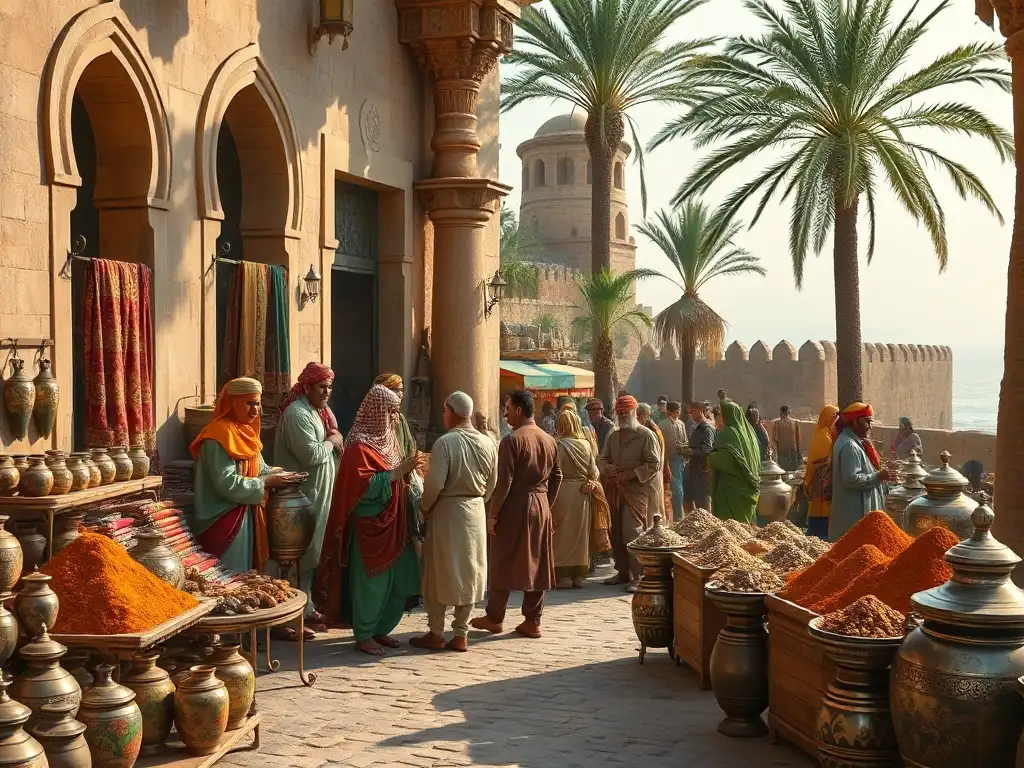
Welcome to Ancient India History, where we invite you to embark on a journey through the rich tapestry of ancient Indian civilizations. In this exploration, we delve into the fascinating world of Ancient Indian trade networks, uncovering how these intricate systems not only shaped the economy but also fostered cultural exchanges that transcended borders. Prepare to be captivated as we reveal the connections between ancient India and the Mediterranean, highlighting the vibrant interactions that influenced trade and society. Join us as we uncover the stories that lie within the annals of history, beckoning you to explore further!
Introduction to Ancient Indian Trade Networks
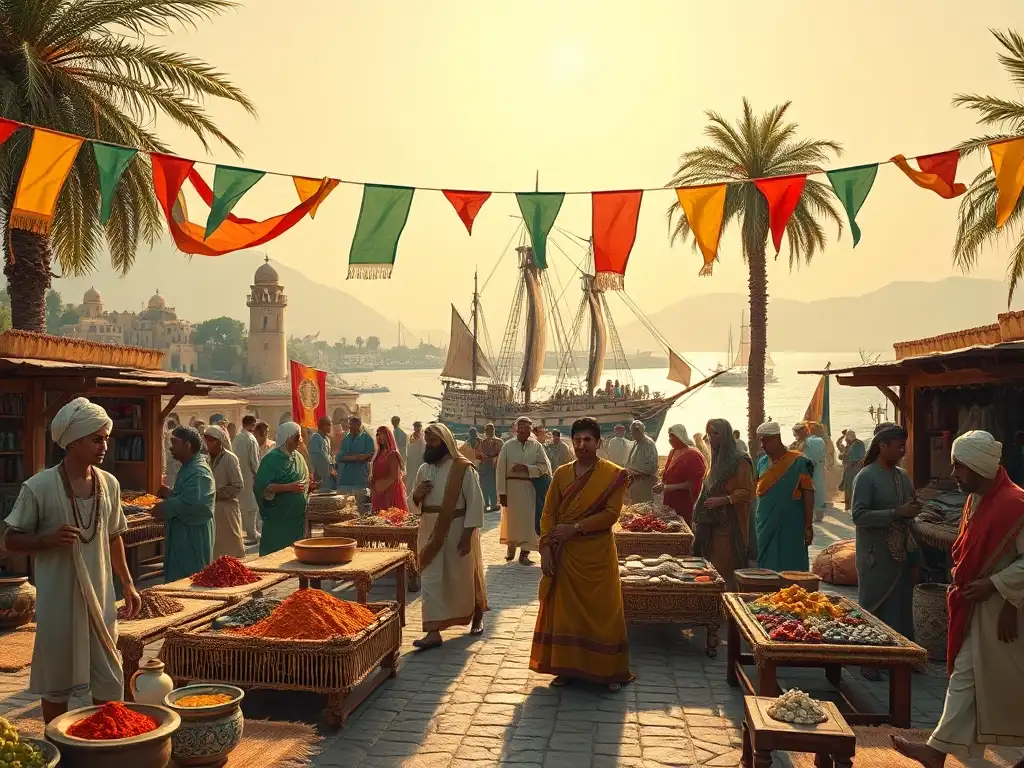
The exploration of Ancient Indian trade networks reveals a complex web of commerce that not only enriched the Indian subcontinent but also fostered significant interactions with distant regions, particularly the Mediterranean. These trade networks were vital for the exchange of goods, ideas, and cultural practices, shaping the history and development of ancient civilizations.
From the bustling markets of the Indus Valley to the thriving ports along the western coastline, trade played a pivotal role in the socio-economic landscape of ancient India. The interactions between Indian and Mediterranean trade networks facilitated the movement of not just commodities but also innovations, religions, and artistic expressions, making this historical inquiry essential to understanding the broader context of global trade in antiquity.
Overview of Ancient Indian Trade
Ancient Indian trade networks were characterized by their extensive reach, connecting various regions within the subcontinent and extending to distant lands across the Arabian Sea and beyond. Major trade routes emerged during different periods, particularly during the Indus Valley Civilization (circa 3300–1300 BCE), where evidence of planned urban centers like Harappa and Mohenjo-Daro indicates a sophisticated trading system. The discovery of seals, weights, and measures suggests that these cities engaged in trade with neighboring regions, including Mesopotamia.
- Key Trading Goods:
- Spices (pepper, cardamom)
- Textiles (cotton, silk)
- Precious stones (diamonds, pearls)
- Metalwork (copper, bronze)
As trade flourished, so did the complexity of these networks, which facilitated not only the exchange of goods but also the diffusion of cultural practices and technologies.
Significance of Trade in Ancient Indian Civilizations
Trade was more than an economic activity; it was a catalyst for social and cultural integration. The prosperity generated by trade led to the emergence of urban centers and contributed to the rise of powerful kingdoms. Notable empires such as the Maurya and Gupta dynasties benefited immensely from trade, leveraging their resources to foster diplomatic relationships and cultural exchanges.
- Impacts of Trade:
- Economic growth and urbanization
- Cultural exchanges leading to the spread of religions (Buddhism, Hinduism)
- Technological advancements in navigation and shipbuilding
The significance of trade in ancient Indian civilizations cannot be overstated, as it laid the foundation for future economic systems and cultural identities.
Historical Context of Mediterranean Trade Networks
The Mediterranean region was a cradle of commerce, with trade networks that evolved over centuries, connecting diverse civilizations from Europe, North Africa, and the Near East. These trade routes played a crucial role in the dissemination of goods, ideas, and technologies, creating a vibrant tapestry of intercultural interactions.
The Rise of Mediterranean Trade Routes
The rise of Mediterranean trade routes can be attributed to several factors, including the geographic advantages provided by the sea and the establishment of key ports. The Phoenicians, known for their seafaring skills, were instrumental in the development of maritime trade, establishing trade colonies along the Mediterranean coast. By the time of the Roman Empire, these trade routes had become vital arteries of commerce, facilitating the exchange of goods between the East and West.
- Critical Trade Goods:
- Wine and olive oil
- Glassware and ceramics
- Textiles from Egypt and the Levant
These routes not only connected Mediterranean civilizations but also linked them with the rich trade networks of ancient India, setting the stage for a dynamic interplay of commerce.
Key Civilizations Involved in Mediterranean Trade
Several key civilizations played a pivotal role in shaping the Mediterranean trade landscape, including:
- Phoenicians: Renowned traders and navigators who established extensive trade networks across the Mediterranean.
- Greeks: Their maritime prowess and colonization efforts expanded trade routes and facilitated the exchange of goods and ideas.
- Romans: The Roman Empire unified the Mediterranean under a single political entity, enhancing trade through improved infrastructure and security.
The interactions between these civilizations and ancient Indian trade networks underscore the interconnectedness of ancient economies and the profound impact of trade on cultural exchanges and societal developments.
The Interconnection of Ancient Indian and Mediterranean Trade Networks
The trade networks of ancient India and the Mediterranean were intricately linked, forming a complex web of commerce that facilitated not only the exchange of goods but also the sharing of ideas and cultures. These interactions played a critical role in shaping the economies and societies of both regions. The trade routes established during this period were not merely commercial pathways; they were conduits for cultural exchanges and innovations.
Ancient Indian trade networks were characterized by their extensive reach, connecting various regions within India to distant lands across the seas. The Mediterranean, with its diverse cultures and economies, was a significant partner in this exchange. The interactions between these two regions can be traced back to as early as the 3rd millennium BCE, with evidence of trade found in archaeological records, inscriptions, and ancient texts.
Routes Linking India and the Mediterranean
The primary trade routes that connected ancient India to the Mediterranean included both maritime and overland pathways. The most notable maritime route was the sea route that linked the ports of western India, such as Lothal and Bharukaccha (modern-day Bharuch), with the Persian Gulf and onward to the Red Sea. This route allowed traders to reach ports in Egypt, Phoenicia, and other Mediterranean regions.
- Overland Routes: The Silk Road also played a vital role in connecting India with the Mediterranean. Goods would travel through Central Asia, passing through regions like Bactria and Persia before reaching Mediterranean markets.
- Maritime Connections: The monsoon winds facilitated maritime trade, enabling ships to sail from Indian ports to the Arabian Sea and then to the Red Sea, where they could access Mediterranean trade hubs like Alexandria.
These routes not only allowed for the exchange of goods but also promoted the movement of people, ideas, and cultures, fostering a rich tapestry of interactions.
Types of Goods Traded Between Regions
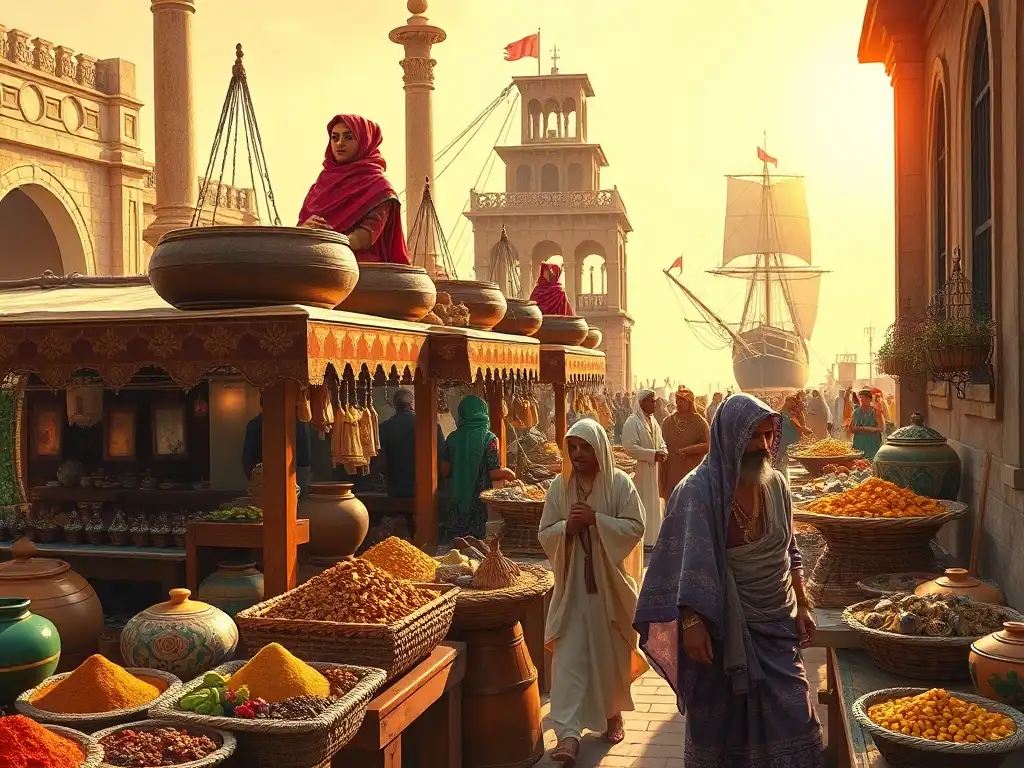
The types of goods traded between ancient India and the Mediterranean were diverse, reflecting the unique resources and demands of each region. Key commodities included:
- From India:
- Spices: India was renowned for its spices, such as black pepper, cardamom, and cinnamon, which were highly sought after in Mediterranean markets.
- Textiles: Indian cotton and silk textiles were prized for their quality and intricate designs, making them a staple in Mediterranean trade.
- Precious Stones: The subcontinent was a source of various gemstones, including diamonds, rubies, and emeralds, which attracted Mediterranean merchants.
- From the Mediterranean:
- Glassware: The Mediterranean region was famous for its glass production, with exquisite glassware being imported to India.
- Olive Oil: A staple in Mediterranean diets, olive oil found its way into Indian markets through trade.
- Wine: Mediterranean wines were sought after in Indian society, appreciated for their quality and status.
This exchange of goods not only enriched the economies of both regions but also influenced culinary practices, fashion, and artistic expressions.
Cultural Exchanges Through Trade
The interactions between ancient Indian and Mediterranean trade networks extended beyond mere commerce; they facilitated profound cultural exchanges.
- Religion and Philosophy: Trade routes served as channels for the spread of religious ideas, notably Buddhism, which traveled westward to the Mediterranean, influencing local beliefs and practices.
- Art and Architecture: Artistic styles and architectural techniques were shared between cultures, leading to the blend of Indian and Mediterranean aesthetics in various artifacts and structures.
Influence of Indian Goods in Mediterranean Markets
The influx of Indian goods into Mediterranean markets had a significant impact on local economies and lifestyles. Spices, for example, revolutionized the culinary landscape of the Mediterranean, with their use becoming commonplace in cooking and preservation. Additionally, Indian textiles influenced fashion trends, with the luxurious fabrics becoming symbols of wealth and status among the Mediterranean elite.
The demand for these goods spurred economic growth, leading to the establishment of trade centers and enhancing the interconnectedness of cultures. Merchants and traders became cultural ambassadors, bringing with them not only products but also stories, traditions, and knowledge that enriched both Indian and Mediterranean societies.
Mediterranean Goods in Ancient India
Conversely, the introduction of Mediterranean goods to ancient India also had notable effects. The arrival of glassware and pottery from the Mediterranean enhanced local craftsmanship, inspiring Indian artisans to adopt new techniques and styles. Olive oil and wine were integrated into Indian cuisine, adding new flavors and culinary practices.
The presence of Mediterranean goods in Indian markets showcased the region's openness to foreign influences, which was a hallmark of ancient Indian civilization. This exchange fostered a sense of cosmopolitanism and adaptability, allowing ancient Indian society to thrive in a global context.
The interactions between ancient Indian and Mediterranean trade networks were characterized by robust trade routes, diverse goods exchanged, and significant cultural impacts, laying the groundwork for a rich history of interconnectedness that would resonate through the ages.
The Role of Trade in Economic Development
Trade has been a crucial component in the economic development of ancient Indian societies, facilitating the exchange of goods, ideas, and cultural practices. The interconnectedness of ancient Indian trade networks, particularly with Mediterranean civilizations, played a significant role in shaping the economy and social structure of these regions. By fostering relationships with distant markets, Indian traders were able to enhance their economic prospects, leading to increased wealth and prosperity.
The Indian subcontinent's strategic location along key maritime routes allowed it to become a hub for trade between the East and West. This not only helped in the distribution of local goods like spices, textiles, and precious stones but also enabled the import of foreign products such as glass, metals, and luxury items. The wealth generated from these trade activities encouraged urbanization, the growth of ports, and the establishment of trade guilds, which in turn contributed to more structured economies.
Furthermore, trade catalyzed interactions between diverse cultures, which enriched ancient Indian society through the exchange of knowledge and innovations. This cultural diffusion was instrumental in the development of new economic practices and systems that enhanced trade efficiency and productivity.
Economic Impact on Ancient Indian Societies
The economic impact of ancient Indian trade networks was profound, influencing various aspects of life in Indian societies. The influx of wealth from trade led to the rise of powerful kingdoms, which invested in infrastructure, such as roads and ports, to facilitate further trade. Cities like Taxila and Pataliputra became significant commercial centers, attracting merchants from various regions.
The prosperity generated by trade also had social implications. Increased wealth allowed for the patronage of arts and education, leading to advancements in literature, philosophy, and science. The support for artisans and craftsmen resulted in the flourishing of industries such as textiles, metallurgy, and pottery, which were not only vital for local consumption but also catered to international markets.
Moreover, trade helped to establish social hierarchies and economic classes, as some families and communities gained wealth and influence through successful trading endeavors. The emergence of merchant classes and guilds played a fundamental role in shaping the economic landscape of ancient India, fostering a sense of identity and community among traders.
Trade-Driven Innovations and Technologies
The interactions between ancient Indian trade networks and Mediterranean civilizations stimulated a wave of innovations and technologies that transformed commerce. One significant advancement was the development of maritime navigation techniques. Indian traders learned to use celestial navigation and monsoon winds to optimize their sea routes, enabling them to traverse vast distances with greater efficiency.
In addition to navigation, the demand for goods led to improvements in production techniques, such as the introduction of new weaving methods for textiles and pottery. The adoption of standardized weights and measures facilitated trade, promoting fairness and trust among merchants.
The sharing of knowledge across cultures also resulted in technological exchanges, including advancements in metallurgy and shipbuilding. These innovations not only enhanced trade capabilities but also had long-lasting effects on various industries within ancient India, contributing to its economic resilience.
Case Studies of Notable Trade Interactions
The Indus Valley Civilization and Mediterranean Contact
The Indus Valley Civilization, one of the earliest urban cultures in the Indian subcontinent, established significant trade connections with Mediterranean regions around 2500 BCE. Archaeological evidence suggests that the Harappans traded goods such as cotton textiles, beads, and ceramics with Mesopotamia and other neighboring cultures.
The exchange was facilitated by maritime routes that connected the ports of the Indus River, like Lothal, to the Persian Gulf and beyond. This interaction not only provided economic benefits but also led to cultural exchanges, influencing art, architecture, and technological practices in both regions.
Artifacts such as seals and weights found in Mesopotamia indicate that the Indus Valley traders were engaged in sophisticated trade practices, which included the use of standardized weights for transactions. This early form of commerce laid the groundwork for later trade networks that would flourish in the Indian subcontinent.
The Maurya and Gupta Empires in Trade Expansion
The Maurya and Gupta Empires (circa 322 BCE - 550 CE) marked a golden age for trade in ancient India, characterized by extensive commercial activities with Mediterranean and other regions. Under the Mauryan Empire, trade flourished due to the establishment of a vast network of roads, including the famous Grand Trunk Road, which facilitated overland trade.
The Mauryans engaged in trade with the Hellenistic world, exchanging goods such as spices, ivory, and textiles for silver and wine. The interactions between these empires and Mediterranean traders led to the introduction of new ideas and technologies, enriching Indian culture.
Similarly, during the Gupta period, trade reached new heights, with Indian merchants establishing trade links with the Roman Empire and Southeast Asia. The Gupta Empire's emphasis on economic prosperity and stability encouraged trade, leading to advancements in coinage and banking systems that made commerce more accessible and efficient.
The legacy of these trade networks can still be seen today, as they laid the foundation for India's rich tradition of commerce and cultural exchange that continues to thrive.
Challenges and Obstacles in Ancient Trade
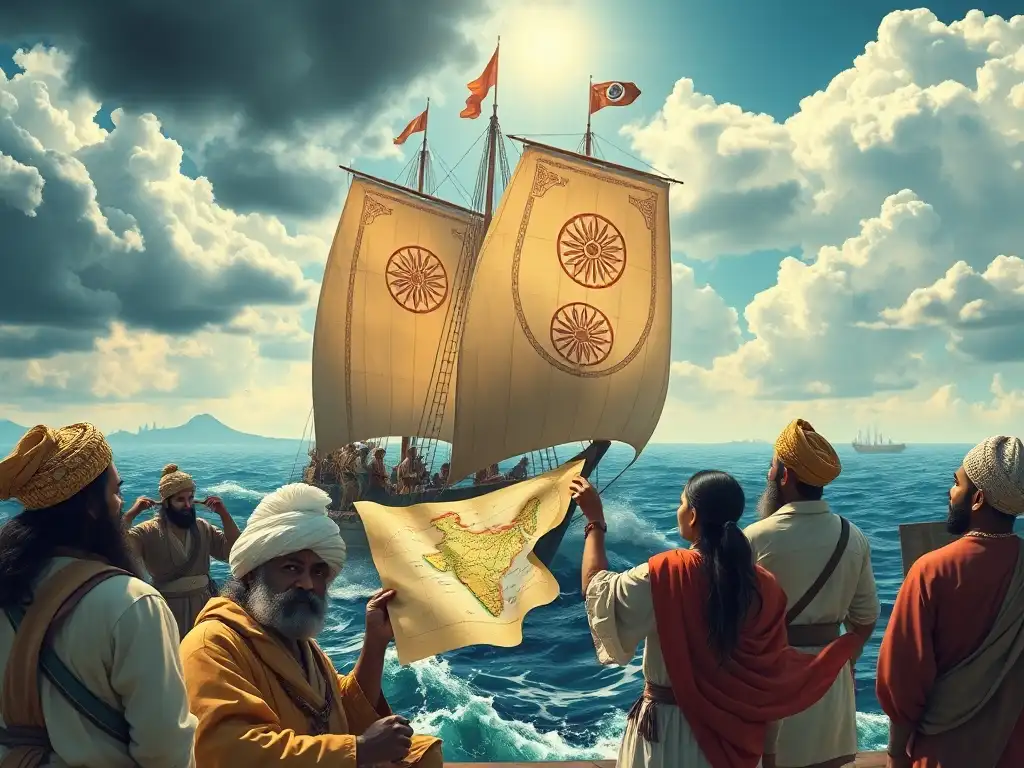
Trade in ancient times was not a straightforward endeavor; it was fraught with challenges and obstacles that impacted the efficiency and safety of trade networks. The interactions between ancient Indian and Mediterranean trade networks were particularly complex due to various geographical, political, and social factors. Understanding these challenges provides insight into how ancient civilizations navigated the intricacies of commerce and exchange.
Geographical Barriers and Natural Disasters
The geographical landscape of ancient India and its neighboring regions presented significant barriers to trade. The vast expanse of the Indian subcontinent, with its mountains, deserts, and rivers, posed logistical challenges for traders. The Himalayas, for instance, created a formidable barrier between India and Central Asia, limiting overland trade routes. Similarly, the Thar Desert obstructed direct access to the northwestern regions of the Indian subcontinent, necessitating longer and more perilous routes for traders.
Natural disasters also played a critical role in disrupting trade. Monsoons could lead to flooding, while droughts could hinder agricultural production, directly affecting trade commodities. Additionally, the unpredictability of sea routes, influenced by seasonal winds and storms, posed risks to maritime traders. Ancient mariners had to rely on their knowledge of navigation and the ocean's patterns, which could be treacherous, especially in the Arabian Sea and the Indian Ocean. These geographical challenges required traders to be resilient and adaptive, often relying on local knowledge and establishing networks to mitigate risks.
Political Conflicts Affecting Trade Routes
Political instability and conflicts significantly impacted ancient trade networks. The rise and fall of empires often altered trade routes and affected the security of those routes. For instance, during periods of conflict, such as the invasions of Alexander the Great, traders faced heightened risks of looting and violence, which deterred commerce. Similarly, the emergence of rival kingdoms could lead to the imposition of tariffs, taxes, or outright bans on trade, complicating the movement of goods.
The Mediterranean region was not immune to such conflicts, as rival city-states and empires often vied for control over lucrative trade routes. The political landscape could shift rapidly, leading to uncertainty for traders who depended on stable conditions for commerce. Diplomatic relations between kingdoms were crucial; alliances could facilitate trade, while enmity could result in blockades or restrictions. The need to navigate these political waters added another layer of complexity to ancient trade networks, requiring traders to be astute not only in commerce but also in diplomacy.
Legacy of Ancient Indian and Mediterranean Trade Networks
The interactions between ancient Indian and Mediterranean trade networks left a profound legacy that shaped the future of trade practices and global commerce. These ancient connections laid the groundwork for the exchange of goods, ideas, and cultures, influencing subsequent generations.
Long-term Effects on Trade Practices
The trade routes established during ancient times facilitated the exchange of not just goods but also knowledge and technologies. The movement of commodities, such as spices, textiles, and precious metals, contributed to the development of trade practices that emphasized the importance of negotiation and market dynamics. The interactions between Indian and Mediterranean traders fostered a spirit of entrepreneurship that would resonate through the ages.
Furthermore, the establishment of trade hubs and ports, such as those in ancient India and along the Mediterranean, became centers of cultural exchange. This led to the birth of sophisticated commercial practices, including the use of standardized weights and measures, the establishment of credit systems, and improved navigational techniques. The legacy of these practices can be seen in modern trade systems, which continue to build upon the foundations laid by ancient networks.
Influence on Modern Trade Networks
The ancient trade networks between India and the Mediterranean have had lasting influences on contemporary trade practices. The routes established during this period not only connected different civilizations but also facilitated the spread of goods, religions, and innovations. This early globalization can be seen in modern trade dynamics, where interconnectedness remains a hallmark of commerce.
Moreover, the cultural exchanges that occurred during these ancient interactions contributed to the development of global trade norms and practices. The principles of trade that emerged from these interactions—such as mutual benefit, exchange of ideas, and the importance of cultural understanding—are still relevant in today's globalized economy. As nations continue to engage in international trade, the legacy of these ancient networks serves as a reminder of the enduring connections that shape our world.
Conclusion
The study of ancient Indian trade networks, particularly their interactions with Mediterranean trade systems, unveils a complex tapestry of commerce, culture, and mutual influence that shaped both regions significantly. This intricate web of trade not only facilitated the exchange of goods but also the sharing of ideas, technologies, and cultural practices. The vibrant connections established through trade routes fostered relationships that transcended geographical boundaries, influencing economic strategies and social structures in both ancient India and the Mediterranean.
Recap of Key Interactions Between Trade Networks
The interactions between ancient Indian and Mediterranean trade networks were marked by several key exchanges that highlight their interdependence:
- Goods Exchange: Indian merchants exported valuable commodities such as spices, textiles, and precious stones to the Mediterranean, while importing luxury items like wine, glassware, and olive oil. This trade was crucial in satisfying the diverse demands of both markets.
- Maritime Routes: The development of maritime routes, particularly through the Red Sea and the Arabian Sea, allowed for more efficient trade. The monsoon winds played a vital role in facilitating voyages, enabling merchants to travel between these regions with relative ease.
- Cultural Exchange: Beyond mere goods, the interactions led to a profound cultural exchange. Indian philosophies, religions, and artistic influences permeated the Mediterranean, while Hellenistic ideas and practices found their way into Indian society. This cross-pollination enriched both cultures, fostering a legacy of shared knowledge.
- Economic Impact: The trade networks contributed significantly to the economic prosperity of both regions. Cities like Alexandria and ports along the western coast of India flourished as bustling trade hubs, creating wealth and facilitating urban development.
The Importance of Understanding Ancient Trade in Contemporary Context
Understanding the dynamics of ancient Indian trade networks in relation to Mediterranean commerce holds considerable relevance in today's globalized world. Here are a few reasons why this understanding is crucial:
- Historical Insight: Analyzing these ancient interactions provides insights into how early civilizations navigated trade, managed resources, and adapted to changing economic landscapes. Such historical knowledge can inform modern economic strategies and policies.
- Cultural Appreciation: Recognizing the cultural exchanges that occurred through trade fosters a greater appreciation for the interconnectedness of human societies. It highlights the importance of collaboration and mutual influence in shaping cultures, which remains relevant in today's multicultural world.
- Trade Lessons: The successes and challenges faced by ancient traders can offer valuable lessons for contemporary trade practices. Understanding the significance of communication, adaptability, and relationship-building in trade can guide current businesses and policymakers in navigating global markets.
- Global Trade Networks: The foundation laid by ancient trade networks continues to influence modern global trade. By examining these historical trade routes, we can better understand the evolution of trade practices and the ongoing importance of international relations.
The interactions between ancient Indian and Mediterranean trade networks were pivotal not only for their time but also for their lasting impact on contemporary society. Embracing this historical perspective enriches our understanding of the past and informs our approach to the future.
- Introduction to Ancient Indian Trade Networks
- Historical Context of Mediterranean Trade Networks
- The Interconnection of Ancient Indian and Mediterranean Trade Networks
- Routes Linking India and the Mediterranean
- Types of Goods Traded Between Regions
- Cultural Exchanges Through Trade
- The Role of Trade in Economic Development
- Case Studies of Notable Trade Interactions
- Challenges and Obstacles in Ancient Trade
- Legacy of Ancient Indian and Mediterranean Trade Networks
- Conclusion
Frequently Asked Questions
What were the main trade networks in ancient India?
Ancient India had several significant trade networks, primarily connecting with the Mediterranean, Southeast Asia, and Central Asia. These routes facilitated the exchange of goods, ideas, and cultures.
How did ancient Indian trade networks impact cultural exchange?
The trade networks allowed for the exchange of goods like spices and textiles, as well as ideas and cultural practices between civilizations, enriching both Indian and Mediterranean societies.
What role did the Indus Valley Civilization play in trade?
The Indus Valley Civilization was one of the earliest contributors to ancient Indian trade networks, known for its advanced urban planning and trade with regions like Mesopotamia, which helped establish long-distance trade routes.
How did the Gupta Empire influence trade?
The Gupta Empire (c. 240-550 CE) saw a flourishing of trade networks, promoting commerce and cultural exchanges with Southeast Asia and the Mediterranean, leading to significant economic prosperity.
What goods were commonly traded in ancient Indian trade networks?
Common items traded included spices, textiles, gems, and metals. These goods were highly sought after in Mediterranean markets, enhancing India's reputation as a center of commerce.
Final Reflection: The Enduring Legacy of Ancient Indian Trade Networks
The intricate web of ancient Indian trade networks not only shaped the economic landscapes of their time but also laid the groundwork for cultural exchanges that resonate in our globalized world today. The significance of these trade routes transcends mere commerce; they were conduits of ideas, art, and technology that fostered connections between diverse civilizations. In an era where globalization is often viewed as a modern phenomenon, it is crucial to recognize that the foundations of interconnectedness were established centuries ago through these ancient networks.
The influence of ancient Indian trade networks can still be felt in contemporary society, as they remind us of the importance of collaboration and cultural exchange. These interactions enriched the societies involved, leading to advancements in various fields, from mathematics to philosophy. As we navigate our own interconnected world, it is essential to appreciate the lessons learned from history. Trade is not just about goods; it's about the exchange of ideas and cultures that shape our understanding of the world.
This quote encapsulates the essence of ancient trade networks and their lasting impact on our cultural and social fabric.
As we reflect on the legacy of ancient Indian trade networks, I invite you to consider how you can foster connections in your own life. Think about the ways you can engage with diverse cultures, share ideas, and contribute to a more interconnected world. By embracing the spirit of collaboration and understanding that characterized these ancient interactions, we can create a future that honors the past while building bridges for generations to come.
Unveil the Treasures of Ancient Trade!
Thank you for taking the time to explore the intricate web of ancient Indian and Mediterranean trade networks! You've uncovered the fascinating stories that shaped civilizations and influenced cultures throughout history. Now, let’s put that knowledge into action and dive deeper into this captivating subject.
- Embark on a research journey: Take a moment to delve into a specific trade route or commodity that captured your interest. Resources such as historical texts, documentaries, and academic articles can provide a richer understanding of the intricacies involved.
- Engage with fellow enthusiasts: Join online forums or social media groups dedicated to the history of ancient trade. Sharing insights and asking questions can ignite discussions that inspire new perspectives.
- Host a themed discussion: Consider organizing a virtual meetup with friends or community members to discuss the implications of ancient trade on today’s global economy. You might even uncover surprising connections!
Which ancient trade route or commodity intrigued you the most, and how do you think it influenced modern commerce? Let’s spark the conversation!